2025-03-04 06:52
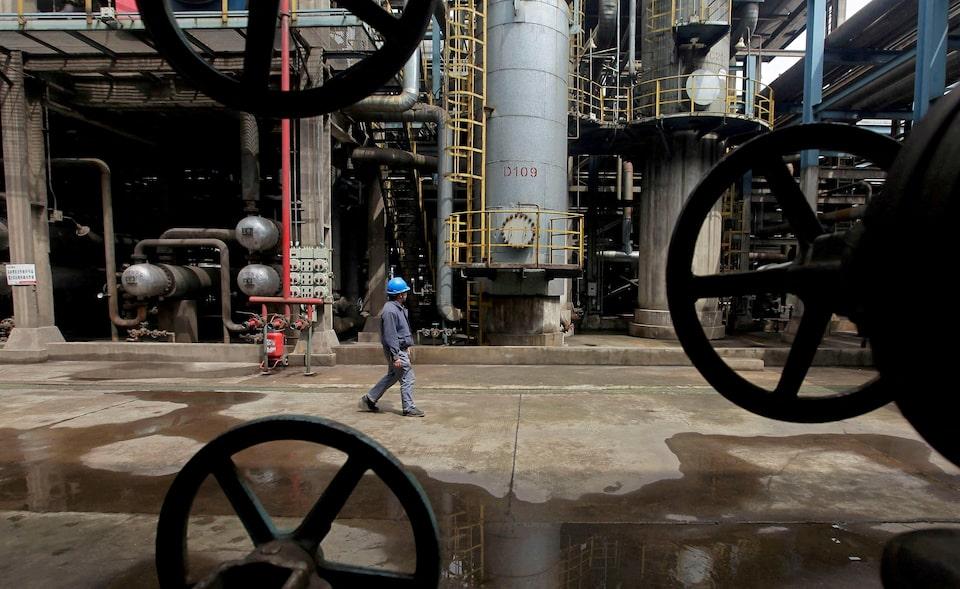
OPEC+ to proceed with planned April oil output increase US tariffs on Mexico and Canada took effect on Tuesday China announces 10-15% increases to import levies on US products US orders end of Chevron's Venezuela oil exports in 30 days NEW YORK, March 4 (Reuters) - Oil prices swooned on Tuesday and settled close to to multi-month lows after reports of OPEC+ plans to proceed with output increases in April and news of U.S. tariffs on Canada, Mexico and China as well as Beijing's retaliatory tariffs. Brent futures settled 58 cents lower, or 0.8%, at $71.04 a barrel. The session low was $69.75 a barrel, its lowest since September. U.S. West Texas Intermediate (WTI) crude fell 11 cents a barrel, or 0.2%, at $68.26. The benchmark previously dropped to $66.77 a barrel, the lowest since November. OPEC+, the Organization of the Petroleum Exporting Countries and allies including Russia, decided on Monday to proceed with a planned April oil output increase of 138,000 barrels per day, its first since 2022. The move took the market by surprise, said Bjarne Schieldrop, chief commodities analyst at SEB. "The change in OPEC strategy looks like they are prioritising politics over price. Those politics are likely connected with the wheeling and dealing of Donald Trump," Schieldrop said, referring to the U.S. president's calls for lower oil prices. U.S. tariffs of 25% on imports from Canada and Mexico took effect at 12:01 a.m. EST (0501 GMT), with 10% tariffs on Canadian energy, while tariffs on imports of Chinese goods were increased to 20% from 10%. Analysts expect the tariffs to curb economic activity and demand for energy, weighing on oil prices. China swiftly retaliated, announcing 10-15% increases on import levies covering a range of American agricultural and food products while also placing 25 U.S. companies under export and investment restrictions. Prices steadied later in the session. Further, some geopolitical tension moderated after Ukrainian President Volodymyr Zelenskiy said he regretted last week's extraordinary Oval Office clash with Donald Trump. Sources told Reuters the U.S.-Ukraine minerals deal would be signed soon. On Monday, Trump paused all U.S. military aid to Ukraine. The move followed a Reuters report that the White House has asked the State and Treasury departments to draft a list of sanctions that could be eased for U.S. officials to discuss during talks with Moscow. Lifting sanctions could bring more Russian oil to market. But on Monday, Goldman Sachs analysts said Russia's oil flows were constrained more by its OPEC+ production target than sanctions. The bank also said higher-than-expected crude supply and a demand squeeze from softer U.S. economic activity and tariff escalation posed downside risks to oil price forecasts. Chinese demand is also down, with a period of refinery maintenance looming, said Josh Callaghan, head of crude derivatives at Arrow Energy Markets. The Trump administration said on Tuesday it was ending a license that the U.S. has granted to U.S. oil producer Chevron (CVX.N) , opens new tab since 2022 to operate in Venezuela and export its oil, after Washington accused President Nicolas Maduro of not making progress on electoral reforms and migrant returns. Market participants now await government data on U.S. crude stockpiles, due on Wednesday. U.S. crude oil stocks fell by 1.46 million barrels in the week ended February 28, market sources said, citing American Petroleum Institute figures on Tuesday. Sign up here. https://www.reuters.com/markets/commodities/oil-prices-slide-ukraine-aid-pause-tariffs-opec-output-increase-2025-03-04/
2025-03-04 06:47
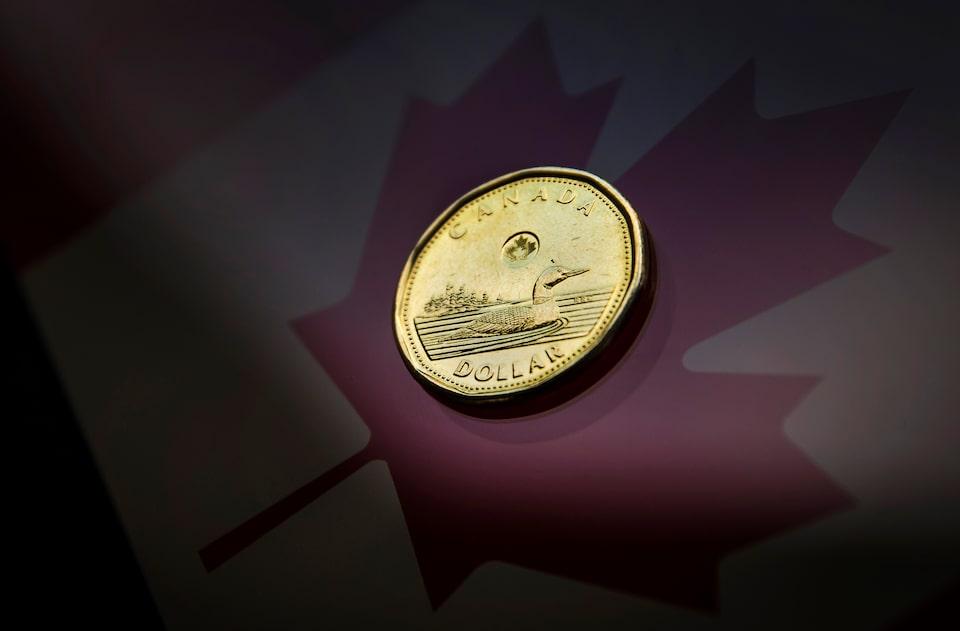
Euro hits two-week high vs yen US, Ukraine likely to sign minerals deal on Tuesday -sources US dollar hits one-month high vs Canadian currency Focus on Trump's address before Congress NEW YORK, March 4 (Reuters) - The euro climbed to a three-month peak against the U.S. dollar on Tuesday after Germany's conservatives and Social Democrats announced proposals to set up a 500 billion euro fund for infrastructure and overhaul borrowing rules aimed at increasing defense spending. Other currencies in Europe also rose or extended their gains, including the Swiss franc , sterling , as well as the Norwegian and Swedish crowns on the German news at the expense of the U.S. dollar. Friedrich Merz, leader of the CDU/CSU conservatives and likely next German chancellor, said the parliamentary group would submit a motion to the Bundestag lower house of parliament next week to amend the constitution so defense expenditure above 1% of economic output is exempt from the debt brake. "It sends a clear signal that Germany is serious about its defense, it sends a clear signal to Ukraine and at home, it sends a clear signal that Germany is serious about infrastructure spending," said Holger Schmieding, chief economist, at Berenberg in London. "This strengthens Europe and should underpin euro gains although there are trade risks to consider." The euro also gained on news that the Trump administration and Ukraine plan to sign a minerals deal on Tuesday following a contentious meeting in the Oval Office on Friday between Ukrainian President Volodymyr Zelenskiy and U.S. President Donald Trump. The euro rose to $1.0623, the highest since December 6. It was last up 1.2% at $1.0611. Against the yen, the euro touched a two-week high, last up 1.2% at 158.64 yen . Trump told his advisers he wants to announce the minerals agreement during his address to Congress on Tuesday evening, three sources said, cautioning that the deal had yet to be signed and the situation could change. The minerals deal is seen as a step towards a peace agreement between Russia and Ukraine to end the three-year old war. It was unclear, however, if the deal has changed. The deal that was to be signed last week included no explicit security guarantees for Ukraine but gave the U.S. access to revenues from Ukraine's natural resources. Investors also await the European Central Bank policy meeting on Thursday, with traders pricing in another 25 basis-point cut. TARIFFS WEIGH Still, tariffs remain front and center in the minds of curency investors. The dollar fell against most currencies as concerns about slowing growth and the impact from tariffs on the U.S. economy outweighed any potential boost from new levies on Canada, China and Mexico. President Donald Trump's 25% tariffs on goods from Canada and Mexico took effect Tuesday, along with a doubling of duties on Chinese goods to 20%. In response, China said it will impose additional tariffs of 10-15% on certain U.S. imports from March 10. Canada has said that retaliatory tariffs on the United States would take effect on Tuesday, and Mexico is expected to follow suit. Prime Minister Justin Trudeau told Trump on Tuesday his tariffs on Canadian imports were "a very dumb thing to do" and said Ottawa was striking back immediately at its closest ally. Increasingly convinced Donald Trump is acting, rather than just talking, markets are moving to factor in a slowdown in U.S. and global growth. Former U.S. Treasury Secretary Robert Rubin, senior counselor at Centerview Partners, said at an investment conference on Tuesday that tariffs will likely have an adverse effect on inflation and an adverse effect on growth. "I think in terms of the long run for us, I think it (tariffs) means less productivity," Rubin said. "I think there’s a new normal of irrationality" that is not going to be helpful to the U.S. economy. Trump's address to the U.S. Congress later on Tuesday could deliver further surprises, but the most important scheduled U.S. event of the week is expected to be Friday's February nonfarm payrolls report. That should give more insight into the economic slowing that has unsettled investors and will be a topic for the Federal Reserve as it decides whether to resume easing or stay on pause. The U.S. dollar index , which tracks the currency against six peers, was 0.9% lower than late Monday's levels hitting its lowest since December 6. The greenback rose to a one-month high versus the Canadian currency. It last traded flat at C$1.4479 . Against the Mexican peso , the dollar was also little changed at 20.676 pesos. Sterling , meanwhile, rose to its highest since mid-December and was last up 0.7% at $1.2784. Sign up here. https://www.reuters.com/markets/currencies/canadian-dollar-mexican-peso-one-month-low-us-tariffs-set-take-effect-2025-03-04/
2025-03-04 06:41
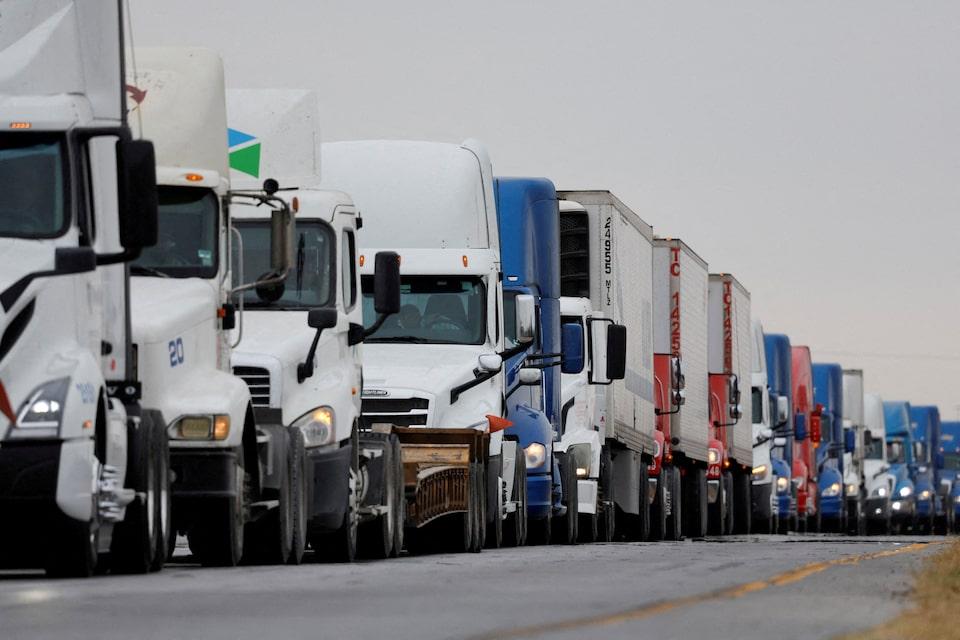
Tariffs on Canadian, Mexican, Chinese goods come into force U.S. Commerce chief says Trump may work out partial solution Canada's Trudeau tells Trump, 'this is a very dumb thing to do' Rattled financial markets lose ground Target, Best Buy warn of price hikes from Trump's tariffs WASHINGTON, March 4 (Reuters) - U.S. President Donald Trump's new 25% tariffs on imports from Mexico and Canada took effect on Tuesday, along with a doubling of duties on Chinese goods to 20%, sparking trade wars that could slam economic growth and lift prices for Americans still smarting from years of high inflation. The tariff actions, which look set to upend nearly $2.2 trillion in annual trade, went live after Trump declared that the top three U.S. trading partners had failed to do enough to stem the flow of fentanyl and its precursor chemicals into the U.S. Later on Tuesday, however, Commerce Secretary Howard Lutnick told Fox Business Network that Trump may work out a partial resolution with Canada and Mexico that could be announced on Wednesday. "So I think he's going to work something out with them," Lutnick said of Trump. "It's not going to be a pause - none of that pause stuff - but I think he's going to figure out, 'you do more, and I'll meet you in the middle some way,' and we're going to probably be announcing that tomorrow." Lutnick said he had spoken to Mexican and Canadian officials on Tuesday. One source told Reuters he spoke with Canadian Finance Minister Dominic LeBlanc. Lutnick said Trump was considering providing some relief to companies that comply with rules under the U.S.-Mexico-Canada Agreement on trade that is due for renegotiation in 2026. Trump is expected to tout his tariff agenda, his efforts to curb the fentanyl overdose crisis and a Ukraine minerals deal during a nationally televised address to a joint session of Congress on Tuesday night. RETALIATION STARTS Canadian Prime Minister Justin Trudeau described the tariffs as "a very dumb thing to do" and hit back with 25% tariffs on C$30 billion ($20.7 billion) worth of U.S. imports, including orange juice, peanut butter, wine, spirits, beer, coffee, appliances and motorcycles. Mexican President Claudia Sheinbaum took a softer approach, vowing retaliation but without details, saying she would announce Mexico's response on Sunday. Lutnick's comments lifted the Canadian dollar and the Mexican peso off of deep losses earlier on Tuesday, but Trump's tariffs prompted a global stock sell-off. Major U.S. indexes ended lower, with the tech-heavy Nasdaq (.IXIC) , opens new tab veering into correction territory, while shares of automakers, homebuilders, retailers and other tariff-sensitive firms all took hits. China responded immediately, announcing additional tariffs of 10%-15% on certain U.S. imports from March 10 and a series of new export restrictions for designated U.S. entities. Later it raised complaints about the U.S. tariffs with the World Trade Organization. Beyond the actions he announced on Tuesday, Trudeau said Canada would impose tariffs on another C$125 billion of U.S. goods if Trump's tariffs were still in place in 21 days, likely to include motor vehicles, steel, aircraft, beef and pork. Canada also will challenge the U.S. tariffs under rules of the WTO and the U.S.-Mexico-Canada free trade agreement. "They've chosen to launch a trade war that will, first and foremost, harm American families," Trudeau said of the Trump administration. "This is a very dumb thing to do." Trudeau said Trump's fentanyl complaints were a "completely bogus" justification for the tariffs, as Canada had taken every possible action to shut down fentanyl trafficking. Trudeau, who will see a Liberal Party successor elected this weekend, said that he believes Trump instead wants to weaken the Canadian economy to the point where Ottawa would consider annexation by the U.S. Ontario Premier Doug Ford tore up a C$100 million contract with Elon Musk's Starlink network, banned U.S. firms from provincial government contracts and said that if Trump's tariffs persist, he will apply a 25% surcharge to Ontario electricity exports to the U.S. Trump threatened to hike tariffs on Canadian goods even higher, in an apparent reference to a U.S. plan to impose "reciprocal tariffs" on global trading partners on April 2. "Please explain to Governor Trudeau, of Canada, that when he puts on a Retaliatory Tariff on the U.S., our Reciprocal Tariff will immediately increase by a like amount!" Trump wrote in a post on his private social media platform. PRICE HIKES The tariffs were already sparking some U.S. price increases, running counter to Trump's election vow to bring down living costs for Americans. Target (TGT.N) , opens new tab CEO Brian Cornell told CNBC that the retail giant would increase prices "over the next couple of days" on some seasonal grocery products such as avocados from Mexico. "If there's a 25% tariff, those prices will go up ... certainly over the next week," Cornell said. Electronics retailer Best Buy also warned of potential higher prices as the tariffs came into effect. Best Buy CEO Corie Barry told analysts on a call that China remains the top source of products sold by the company, with Mexico in second place. The 20% tariff on Chinese imports will apply to several key Chinese electronics categories untouched by prior duties, including smart phones, laptops, video game consoles, smart watches and speakers and Bluetooth devices. Barry said the price increases could play out over a longer period, as Best Buy typically carries about six weeks' worth of inventory. "We estimate the tariffs could lead to a nearly $1,000 per household increase annually in the cost of goods," said Nationwide Mutual chief economist Kathy Bostjancic. "The strengthening dollar helps mitigate some of the inflation impact, which would otherwise be greater." STACKING CHINA TARIFFS The extra 10% duty on Chinese goods adds to a 10% tariff imposed by Trump on February 4 to punish Beijing over the fentanyl crisis and comes on top of tariffs of up to 25% imposed on Chinese imports during Trump's first term. Tariffs on some of these products increased sharply under former president Joe Biden last year, including a doubling of duties on Chinese semiconductors to 50% and a quadrupling of tariffs on Chinese electric vehicles to over 100%. China's retaliatory tariffs announced on Tuesday targeted a wide range of U.S. agricultural products including certain meats, grains, cotton, fruit, vegetables and dairy products. Beijing also placed 25 U.S. firms under export and investment restrictions on national security grounds. Ten of these firms were targeted for selling arms to Taiwan. U.S. farmers were hard hit by Trump's first-term trade wars, which cost them about $27 billion in lost export sales and conceded their share of the Chinese market to Brazil. Agricultural Secretary Brooke Rollins told reporters in Washington that farmers and ranchers would eventually see greater prosperity from Trump's actions, adding: "His message, frankly, to the ag community is 'trust me.'" But the tariffs on Mexican and Canadian products could have deep repercussions for a highly integrated North American economy and signal an end to years of surprising resilience for U.S. growth. "Today's reckless decision by the U.S. administration is forcing Canada and the U.S. toward recessions, job losses and economic disaster," Canadian Chamber of Commerce CEO Candace Laing said in a statement. Even before Trump's tariffs announcement, U.S. data on Monday showed factory gate prices jumped to a nearly three-year high, suggesting that a new wave of tariffs could soon undercut production. The Federal Reserve Bank of Atlanta's GDPNow model showed a stunning shift to a 2.8% U.S. GDP contraction in the first quarter, from a 2.3% estimated growth last week. Sign up here. https://www.reuters.com/world/trade-wars-erupt-trump-hits-canada-mexico-china-with-steep-tariffs-2025-03-04/
2025-03-04 06:38
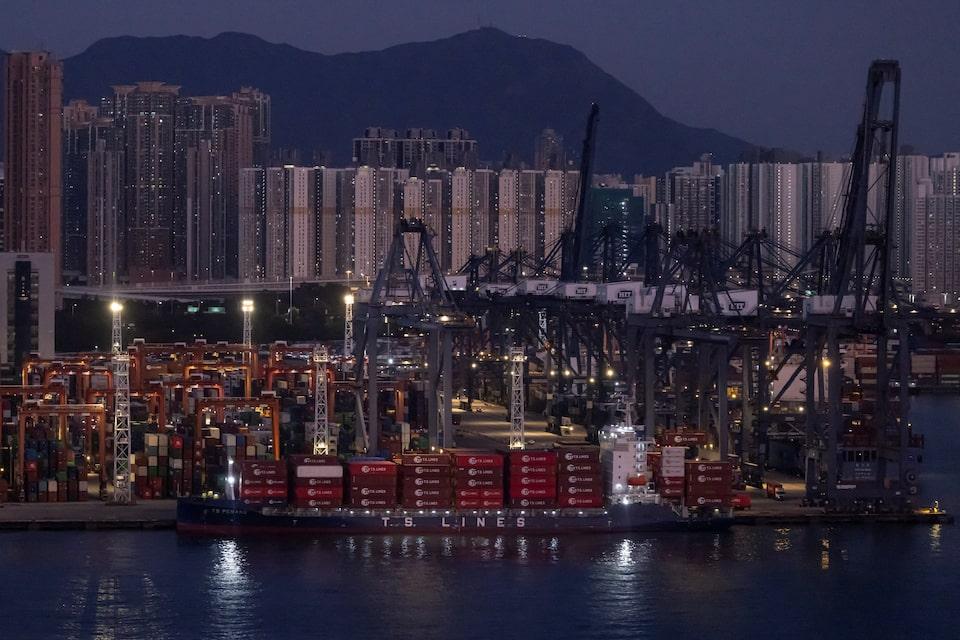
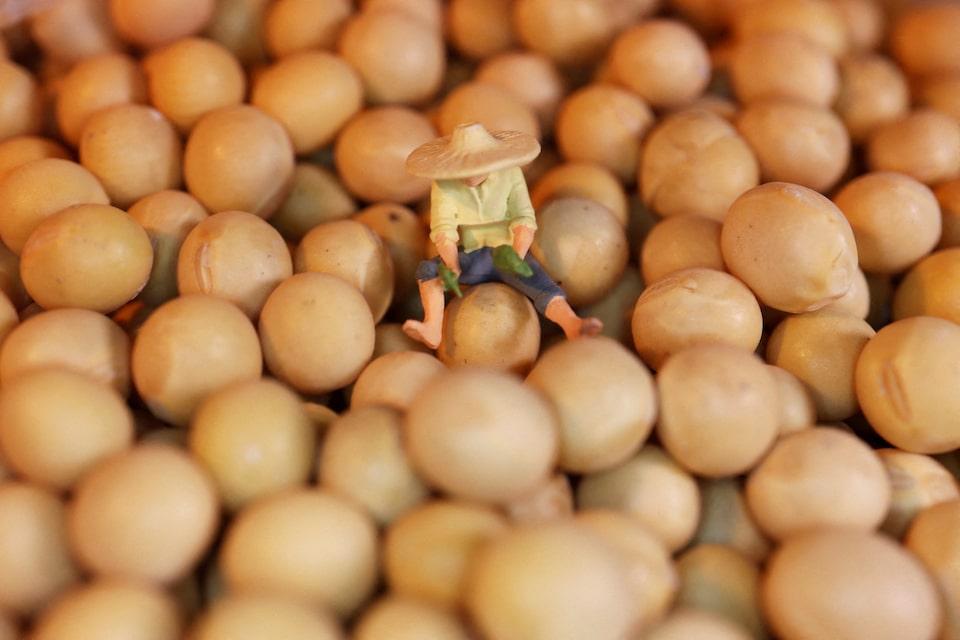
March 4 (Reuters) - China on Tuesday swiftly retaliated against fresh U.S. tariffs, announcing 10%-15% hikes to import levies covering a range of American agricultural and food products, and placing 25 U.S. firms under export and investment restrictions. COMMENTS: OLE HANSEN, HEAD OF COMMODITY STRATEGY, SAXO BANK "From a pricing perspective, this is happening at a very bad time for U.S. corn prices, which were already under some selling pressure from hedge funds that in the past few months accumulated very large and extended bets on higher prices. "This will continue to increase China's dependency on Brazil corn and soybeans while causing a great deal of stress among U.S. farmers who are about to make their spring planting decisions in the coming weeks." CHARU CHANANA, CHIEF INVESTMENT STRATEGIST, SAXO, SINGAPORE "While the moves from China may not be particularly bold, there is a reason to believe that China wants to be on the negotiating table with Trump rather than sitting back and absorbing the blows. The move still brings risks of an escalation first in trade tensions before resolution. "China's actions could also be indicative of the fact that they may be more confident of responding to domestic headwinds now, especially as they catch up to the AI race. There will be increased focus on what policy stimulus come through from the twin sessions." TOMMY XIE, HEAD OF GLOBAL MACRO RESEARCH, OCBC BANK, SINGAPORE "Exchange rate is a relative concept, and so is tariff. As long as other countries are also levied tariffs, or have such expectations, it won't be that bad. The thing to worry about is only one person gets tariffs. If the United States charges everyone, it will be considered as paying protection fee." CHARLES WANG, FOUNDER, DRAGON PACIFIC CAPITAL MANAGEMENT, SHENZHEN "The U.S. is facing various challenges, and the trade war will only make things worse. They include inflation, relations between the U.S. and Europe and China. "For China, we have reduced trade dependency with the U.S. from 23% to around 13%, so the direct impact is limited. In addition, China's economy is recovering, and the parliamentary meeting will provide more signals for supporting the economy. Therefore, I don't think the stock market trajectory will be changed. There're some curbs on the Hong Kong market, which, if anything, needs a small correction. But it's OK. Not a big deal." LIU JINLU, AGRICULTURAL RESEARCHER AT GUOYUAN FUTURES, BEIJING "This news has raised concerns about tightening domestic agricultural supplies, benefiting the sector. China’s 10% tariff on U.S. soybeans will increase costs and reduce U.S. imports, leading China to boost imports from Brazil and other countries. "However, South America, especially Brazil, is approaching its soybean export limit after years of growth (2024 exports are expected at 96 million tons). Currently in the harvest season, Brazilian soybeans have not yet arrived in large quantities at Chinese ports but are expected in Q2. With the additional U.S. tariffs, the already tight soybean stock will become even more strained." GENEVIEVE DONNELLON-MAY, RESEARCHER AT OXFORD GLOBAL SOCIETY, MELBOURNE "While the new tariff announcement is not as heavy as the 25% in 2018, it does target many of the same agricultural products. In addition, the 10% tariff may provide Beijing with the opportunity to increase the tariffs on U.S. agricultural goods by another 10% or even 20% in the coming months and years. "Soybeans were considered a weak link during the first Trump administration but Chinese policymakers have learned lessons from that time and are, in theory, much better prepared, due in part to Beijing's food import diversification strategy." WANG ZHUO, PARTNER AT HEDGE FUND ZHUOZHU INVEST, SHANGHAI Raising tariff on China "will likely hurt the U.S. itself as it needs cheap Chinese products to bring down inflation. Higher tariffs on U.S. agricultural products will also negatively impact China", but countermeasures are politically necessary. "So, it would be wise to make some symbolic move without triggering an escalation in tensions." DENNIS VOZNESENSKI, ANALYST, COMMONWEALTH BANK, SYDNEY "Chinese tariffs on U.S. wheat and corn imports should be supportive for demand for Australian wheat and barley exports. However, China's recent slowdown in imports of feed grains from all origins should temper the excitement." WAN CHENGZHI, ANALYST, CAPITAL JINGDU FUTURES, DALIAN CITY "Considering that China's peak import period for U.S. soybeans has already passed, the impact of these countermeasures on the total volume of U.S. soybean imports is limited. Any price increases in the future are likely to be more of an emotional market response." OLE HOUE, DIRECTOR OF ADVISORY SERVICES, IKON COMMODITIES, SYDNEY "It is broadly negative for U.S. agricultural markets. It is going to have a bearish influence on prices. There are enough corn and soybean supplies in the world for China to make the switch, it is more of an issue for the U.S., 30% of U.S. soybeans still go to China." EVEN PAY, AGRICULTURE ANALYST, TRIVIUM CHINA "It's notable that Beijing's response is restrained. Trump has now imposed a total of 20% tariffs on all Chinese products. China's tariffs impact a limited number of U.S. products, and remain below the 20% level. This is by design. China's government is signalling that they do not want to escalate, they want to deescalate. "It's fair to say we're in the early days of Trade War 2.0. There's still time and space to avoid a protracted, entrenched trade war if Trump and Xi can strike a deal." ROSA WANG, ANALYST, SHANGHAI-BASED AGRO-CONSULTANCY JCI "From the supply and demand perspective, the short-term impact on the domestic market won't be significant. The reasons are: 1. It is currently the South American soybean season, while the U.S. soybean is in the off-season; 2. The amount of U.S. soybeans purchased by China has decreased, and the proportion of U.S. soybeans in China's soybean imports has dropped to 17%. "However, the large number of products involved this time will add further difficulties to China's aquatic product exports to the U.S., especially tilapia exports. With the additional 10% tariff, the tariff on tilapia exports to the U.S. will reach 45%, making it basically impossible to export to the U.S." Sign up here. https://www.reuters.com/world/china/china-impose-extra-tariffs-10-15-various-us-products-2025-03-04/
2025-03-04 06:35
March 4 (Reuters) - Since the U.S. and China imposed tit-for-tat tariffs during a trade war during Donald Trump's first presidential term, Beijing has taken steps to reduce its reliance on American farm goods in a wider effort to bolster its food security. That means China can wield the billions it still spends each year on U.S. agricultural products as a weapon in the escalating trade war in Trump's second term with less risk to its own food security. China's finance ministry said on Tuesday , opens new tab it would impose additional tariffs of between 10% and 15% on agricultural products ranging from soybeans and corn to dairy and beef after Trump hit China with another round of tariffs. The following details China's efforts since the start of its trade war with the U.S. to diversify agriculture supply sources, boost local production and bolster food security: August 5, 2019: China halts purchases of U.S. agricultural products in retaliation against tariffs imposed by the Trump administration. January 16, 2020: Trump and China's then-Vice Premier Liu He sign a “Phase 1” trade agreement where China agrees to raise purchases of American goods by $200 billion over two years, including $32 billion in agriculture products. 2021: China launches commercial trial planting for genetically-modified corn and soybeans. April 29, 2021: China adopts anti-food waste law to prevent grain wastage and bans binge-eating videos and excessive leftovers. February 1, 2022: U.S. trade official says China failed to meet its commitments under the "Phase 1" trade deal that expired at the end of 2021. Agriculture Secretary Tom Vilsack tells lawmakers that China's purchases of U.S. farm goods fell short by about $13 billion. February 4, 2022: China allows imports of wheat and barley from all regions of Russia, the world's biggest wheat exporter. March 7, 2022: President Xi Jinping , opens new tab tells political advisers: "China must rely on self-reliance and feed itself ... If we can't hold our own rice bowls, we will be controlled by others ... Food security is a strategic issue." May 25, 2022: China allows imports of Brazilian corn. April 14, 2023: In bid to curb soybean imports, China rolls out plan to reduce soymeal ratios in animal feed to less than 13% by 2025, from 14.5% in 2022. It plans to approve microbial proteins for feed and pilot projects to use leftover food and animal carcasses for animal feed. May 4, 2023: China approves a variety of gene-edited soybeans, its first approval of the technology to boost yields. Unlike gene-modification (GMO), gene-editing does not introduce foreign DNA, instead it manipulates the existing natural genome. December 26, 2023: China issues licences to a first batch of 26 seed companies to produce and sell genetically modified corn and soybean seeds in certain provinces. April 9, 2024: China launches drive to boost grain production by over 50 million metric tons by 2030. May 28, 2024: China allows imports of two varieties of genetically-modified corn grown in Argentina, the world's third-largest exporter of the animal feed grain. June 3, 2024: China's first food security law aimed at achieving "absolute self-sufficiency" in staple grains and food production comes into effect. The law holds central and provincial governments accountable for incorporating food security into their economic and development plans, including protection of farmland from conversion to other uses. October 25, 2024: China launches a 2024-2028 action plan to accelerate development of smart farming and precision agriculture to raise food output. November 2024: China's agriculture imports from the U.S. in January-November 2024 fell 14% to $26 billion compared to the same period in 2023, down for a second year. November 6, 2024: Donald Trump elected U.S. president in stunning comeback. December 13, 2024: China's 2024 total grain production reached a record of 706.5 million metric tons, predominantly due to a record corn harvest. December 24, 2024: China launched a 2024-2035 plan to raise consumption of cereal grains by promoting the health benefits and improving production quality. December 31, 2024: China issued guidance for the aquaculture industry to use non-grain feeds such as microbial protein and aims to reduce feed consumed per unit of produced animal product by more than 7% by 2030 from 2023 levels. Sign up here. https://www.reuters.com/markets/commodities/how-china-reduced-its-reliance-us-farm-imports-softening-trade-war-risks-2024-11-13/
2025-03-04 06:35
March 4 (Reuters) - Switzerland's Lindt & Spruengli (LISN.S) , opens new tab reported a slightly better than expected full-year operating profit on Tuesday, as it fares through historically high cocoa prices. "Tight cost control, efficiency gains, process optimization and price increases offsetting higher cocoa costs contributed to the increased profitability," the chocolate maker said in a statement. Cocoa trades at around 6,908 pounds ($8,734.5) per metric ton in London, and analysts have said the chocolate industry is in for a rough 2025 as companies are faced with unprecedented cost of the raw material, likely to prompt further price hikes in a teens percentage. Lindt's earnings before interest and taxes (EBIT) were 884 million Swiss francs ($987 million) in 2024, a beat to analysts' consensus of 880 million francs compiled by LSEG. The maker of chocolate Easter bunnies, which in January forecast sales growth of 7% to 9% for 2025 and predicted its prices would rise further this year, said it would propose a dividend of 1,500 Swiss francs per share for the year, in line with the LSEG estimate. ($1 = 0.8956 Swiss francs) Sign up here. https://www.reuters.com/business/retail-consumer/lindt-beats-expectations-2024-operating-profit-2025-03-04/