2025-09-23 12:11
Holding of base rate at 6.5% marks a year without rate cuts Inflation remains high at 4.2%, outside NBH's tolerance band Forint strengthens, potentially aiding in controlling inflation Governor opposes devaluation strategy BUDAPEST, Sept 23 (Reuters) - Hungary's central bank left its base rate on hold at the European Union's joint-highest 6.5% level on Tuesday, as widely expected, marking a year-long pause in rate easing amid higher inflation and price risks looming in 2026. All 20 economists surveyed between September 15 and 18 said the bank would leave its main rate steady, on a par with that of neighbouring Romania, where government tax hikes to curb the EU's highest budget deficit have triggered a surge in prices. Sign up here. Hungary's inflation ran unchanged at an annual 4.2% in August based on Eurostat figures, central Europe's second-highest rate behind that of Romania, and above the National Bank of Hungary's (NBH) 2-4% tolerance band. "Markets widely expect (NBH) to maintain unchanged rates for some quarters to come," Commerzbank economist Tatha Ghose said. FORINT GAINS ON FED RATE CUT, VARGA'S COMMENTS The forint scaled a 15-month high last week as it benefited from a higher interest rate differential after the U.S. Federal Reserve cut the cost of borrowing for the first time this year. It has also benefited from central bank Governor Mihaly Varga saying this month that Hungary should not build an economic strategy on devaluing its currency, which has weakened sharply since Prime Minister Viktor Orban took power in 2010. The forint's gains could help curb inflation, but with Orban capping food prices and some service sector companies postponing price hikes until after an election due next April, there is a risk of inflation resurging after the vote. "Under Varga, (NBH) has jettisoned monetary easing far more conclusively than the previous MPC had done. Low GDP growth and political pressure does not seem to be significant considerations either, for now," Commerzbank's Ghose said. "This sober monetary stance will continue to support the forint exchange rate." https://www.reuters.com/markets/europe/hungary-keeps-eus-highest-base-rate-steady-inflation-risks-loom-2025-09-23/

2025-09-23 12:08
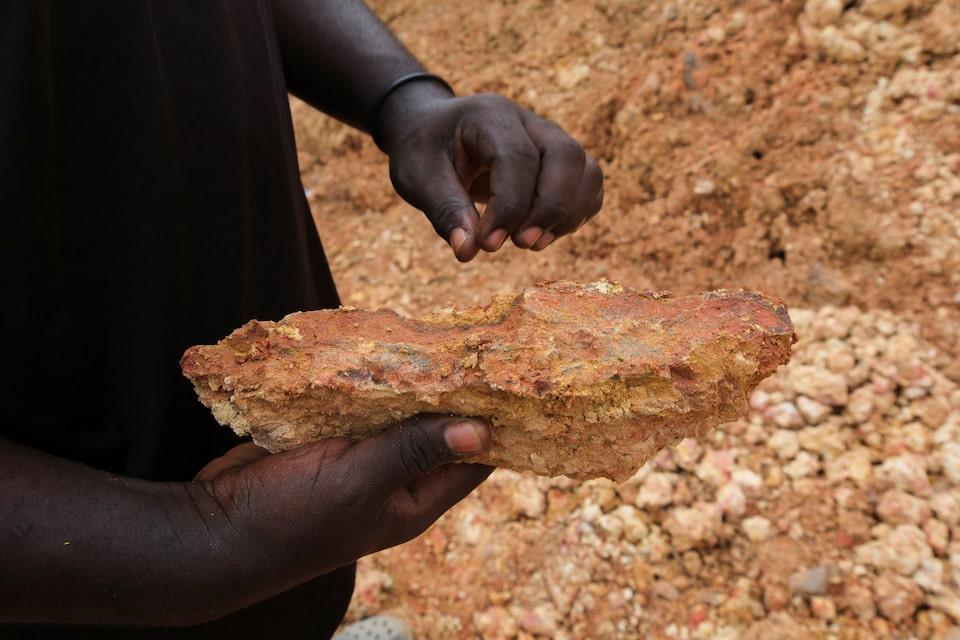
Samples show arsenic and mercury levels above global guidelines President Mahama is trying to regulate artisanal mining Protesters have demanded more action to clean up sector DAKAR, Sept 22 (Reuters) - A boom in artisanal gold mining in Ghana has driven mercury contamination to dangerous levels in host communities, with soil readings in some areas reaching 134 times amounts deemed to be safe, a government-backed study has found. The report by the New York-based environmental group Pure Earth and Ghana's Environmental Protection Authority is based on a year of samples taken from soil, water, crops and fish in six of Ghana's 13 mining regions. Sign up here. Surging bullion prices have contributed to rapid growth in the poorly regulated artisanal sector comprising small-scale gold miners, raising concerns about potential health consequences. The sector exported 66.7 metric tons in the first eight months of this year, worth $6.3 billion, compared with about 53.8 tons for the whole of 2024. Despite Ghana's efforts to separate fully regulated mining from illegal activity, gold flows often overlap, blurring the lines and complicating enforcement. Researchers recorded mercury levels in soil at Konongo Zongo averaging 56.4 parts per million (ppm), far above the 10 ppm safety threshold set by the World Health Organization. Peak readings in the locality hit 1,342 ppm during the research period. 'CUMULATIVE EXPOSURE A SERIOUS HEALTH HAZARD' In addition to mercury contamination, arsenic levels reached 10,060 ppm, more than 4,000% above WHO guidelines, the report said. The WHO says that high arsenic exposure can cause skin damage and kidney failure and increase the risk of lung, bladder and skin cancers through contaminated water and food. "The cumulative exposure to this cocktail of toxic metals through multiple pathways - ingestion, inhalation and dermal contact - is a serious health hazard requiring immediate intervention," said the report released to environmentalists and government officials at a meeting in Accra on September 18 and made available to Reuters over the weekend. The consequences may already be apparent in some communities, said Anthony Enimil, a member of Ghana's Pediatric Society, a child health lobby group. "We're seeing more children from mining areas with kidney disorders - some are now on dialysis," Enimil said on Monday. "X-rays show mercury pellets in their bodies after accidental ingestion." A Ghana government spokesperson did not respond immediately to a request for comment. Godwin Armah, General Secretary of the Ghana National Association of Small-Scale Miners, said that mercury pollution from artisanal mining will take time to address. "We have banned the use of mercury in gold amalgamation and now use the Gold Kacha (concentrator) as a safer alternative. We are also stepping up sensitisation," he said, referring to a simple device used by artisanal miners to separate gold. Toxic pollution, largely from unregulated and small-scale gold mining, is prevalent across all 13 mining regions, according to environmentalists including Accra-based lobby group A Rocha Ghana. Ghana President John Dramani Mahama has promised a crackdown on unregulated mining and established the Ghana Gold Board to oversee the sector, though critics say progress is slow and Ghanaians have staged protests demanding action against illegal mining. https://www.reuters.com/sustainability/climate-energy/ghana-study-warns-hazardous-toxin-levels-linked-mining-artisanal-gold-output-2025-09-23/
2025-09-23 12:01
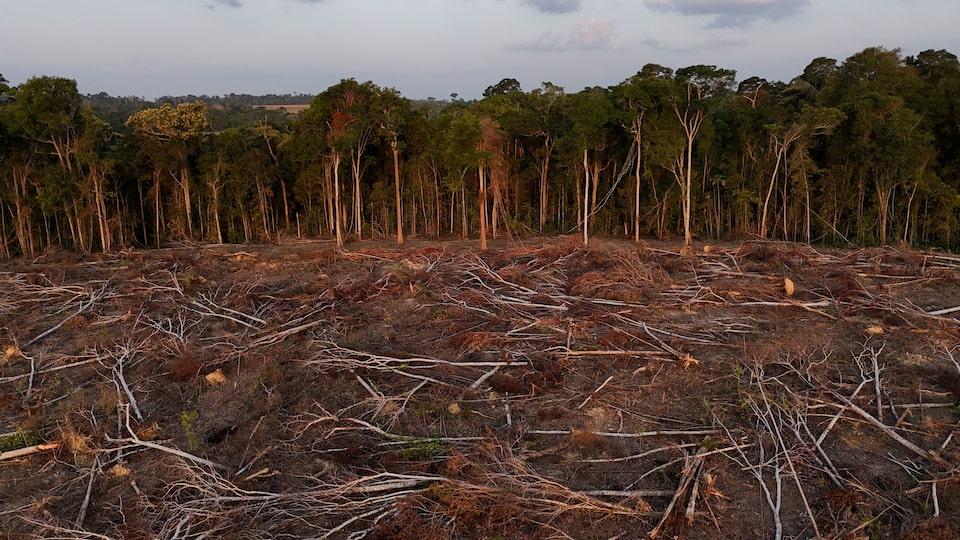
EU delays law again, citing IT system concerns U.S. and other major trade partners have opposed the law Law aims to curb global deforestation linked to EU consumption Environmental campaigners criticise delay BRUSSELS, Sept 23 (Reuters) - The European Union will delay launching its anti-deforestation law for a second time, Environment Commissioner Jessika Roswall said on Tuesday, postponing the ban on imports of commodities such as palm oil linked to forest destruction for another year. Brussels had already delayed the law by a year, but that had not quelled opposition from industry and trade partners such as Brazil, Indonesia and the United States, who say complying with the rules would be costly and hurt their exports to Europe. Sign up here. Roswall told reporters the postponement was necessary to address concerns about the readiness of information-technology systems needed to support the law. The delay was not linked to U.S. concerns about the policy, she said. "We have concern regarding the IT system, given the amount of information that we put into the system...That will...also give us time to look at the different risks," she said. COMMODITIES LINKED TO FOREST DESTRUCTION The EU deforestation law was due to take effect on December 30, and would have required operators selling goods including soy, beef and palm oil into EU markets to provide proof their products did not cause deforestation. The world-first policy aims to end the 10% of global deforestation fuelled by EU consumption of imported goods, but is a politically contested part of Europe's green agenda. As part of its trade deal with President Donald Trump, the EU committed to work to address U.S. producers' concerns over the regulation. The U.S. paper and pulp industry has previously demanded American products be exempted from the rules. EU countries, including Poland and Austria, have said European producers cannot comply with its traceability rules. In a letter to the chair of the European Parliament's environment committee, seen by Reuters, Roswall said the Commission feared the IT system risked "slowing down to unacceptable levels" which could disrupt trade. Environmental campaigners criticised the EU decision. "Every day this law is delayed equates to more forests razed, more wildfires and more extreme weather," said Nicole Polsterer, a campaigner at environmental group Fern. The European Parliament and EU member states must approve the delay. https://www.reuters.com/sustainability/climate-energy/eu-will-delay-anti-deforestation-law-by-another-year-commissioner-says-2025-09-23/
2025-09-23 11:54
BAKU, Sept 23 (Reuters) - Azerbaijan's state oil company SOCAR agreed on Tuesday to buy Italiana Petroli, securing control of one of Italy's largest petrol station networks, a Reuters witness reported from the signing ceremony. The event took place during the international investment forum in Baku and confirmed what sources told Reuters last week, without giving financial details of the deal. Sign up here. People close to the matter previously told Reuters that the seller, Italy's Brachetti Peretti family, was seeking an enterprise value of around 2.5 billion euros ($2.95 billion) for IP. The deal will help Azerbaijan to diversify its presence in Europe, a region it already serves as a natural gas supplier. "This acquisition represents a significant milestone in expanding SOCAR's presence in the European energy market and reflects its commitment to strengthening bilateral economic and energy relations between Azerbaijan and Italy," SOCAR President Rovshan Najaf said in a statement. IP will change ownership more than 90 years after it was founded by the late entrepreneur Ferdinando Peretti. "IP is and remains a point of reference in the fuels sector at national level and a fundamental player for mobility and energy security in Italy," IP Chairman Ugo Brachetti Peretti said. IP has more than 4,500 fuel stations and two refineries with a combined capacity of around 10 million tons per year. It also sells products such as bitumen, jet fuel, and lubricants, and has a logistics system covering its home country. The company will now enter an interim period that will last several months while the required regulatory approvals are sought, IP director for corporate development and M&A Leonardo Caputo, who negotiated the deal for the seller, told Reuters. The deal is expected to close by the end of the first quarter of next year. SOCAR was advised by Italy's Intesa Sanpaolo IMI CIB, while UniCredit advised IP's owner. ($1 = 0.8478 euros) https://www.reuters.com/business/energy/azerbaijans-socar-signs-deal-buy-refiner-italiana-petroli-2025-09-23/

2025-09-23 11:50
Pill more comfortable with inflation outlook than earlier this year BoE expects inflation to peak at 4% in September OECD raises UK inflation forecast to 3.5% for 2025 Pill says bond sales should not be slowed Sept 23 (Reuters) - Bank of England Chief Economist Huw Pill, one of the Monetary Policy Committee members who has been most concerned about inflation, said on Tuesday that he was more comfortable with the outlook for price pressures in Britain than he was earlier this year. "It's always a question of a balance of risks. And you know, I have been on the side of saying maybe the balance of risks are more on the inflationary side than the disinflationary side," Pill said in a discussion organised by the Pictet Research Institute in Geneva. Sign up here. "I think, through time, and also as markets reprice, that probably is changing. And personally, I'm more comfortable now than I was six, nine, 12 months ago." Pill voted last week along with the majority of the MPC to keep the BoE's benchmark interest rate at 4% but dissented when the committee cut Bank Rate in August and May. Britain's inflation rate of 3.8% in August was the highest among the Group of Seven economies and the BoE expects it will peak at 4% in September, double the central bank's 2% target. The BoE thinks inflation will return to 2% only in the spring of 2027. OECD INCREASES UK INFLATION FORECAST Earlier on Tuesday, the Organisation for Economic Co-operation and Development raised its forecast for UK inflation this year to 3.5% from a previous forecast of 3.1% and it also pushed up its projection for 2026 to 2.7%. Pill said long-term factors such as the slow return of workers to the jobs market after the COVID pandemic, Brexit and changes to immigration policy were factors weighing on inflation in Britain. More recently, tax increases on businesses had also added to price pressures, he said. "The challenge for monetary policy is to recognize that risk and set policy in the way that reflects that risk," Pill said. "Of course, if you only look at one risk, then you will err on one side rather than the other." Pill said he voted last week against a slowdown in the pace of the BoE's reduction of its government bond stockpile - amassed under its quantitative easing programme - in part because the central bank has other tools to address problems in financial markets. "I was essentially a dissenter in summary because I put a higher weight on the need to get out of the QE portfolio a little bit quicker, and I have greater faith that market functioning is perhaps a bit more strong than others," he said. "I do think we have other tools in order to address concerns about market functioning." https://www.reuters.com/world/uk/boe-hawk-pill-says-he-is-more-comfortable-inflation-risk-2025-09-23/

2025-09-23 11:49
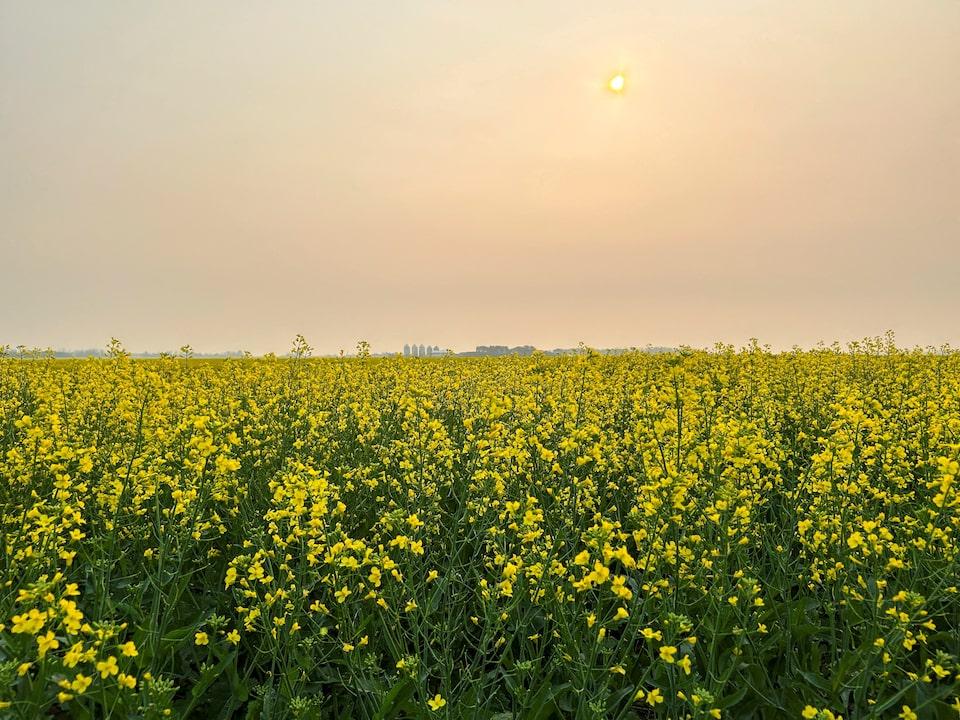
Wildfire smoke helped counter extreme heat, benefitting this year's canola crop High temperatures and scorching sun can devastate growing season More research is needed on smoke's impacts on crops, experts say ELM CREEK, Manitoba, Sept 23 (Reuters) - Colin Penner, who farms about 3,700 acres an hour's drive north of the U.S. border, crunched up a handful of plump canola pods and blew the chaff into a stiff prairie breeze. A small pile of tiny black seeds remained in his palm. Last summer, high heat and harsh sun scorched canola's yellow flowers and ruined their pollen, knocking down yields across Western Canada. This summer, smoke from nearby wildfires shrouded the July skies and protected Penner's young crop from the sun's burning rays, resulting in more seeds per pod and more pods per plant. Sign up here. "Look at all these pods," he said. He would wait to see what the harvest brings, but "smoke will likely be a positive thing." PROTECTION FROM EXTREME HEAT As Canada's western provinces experience the second-worst wildfire season in decades, driven by hotter and drier conditions due to climate change, some canola farmers say they are seeing an unexpected benefit to the hazy summer skies - so long as they occur in July, when the crop is flowering. The smoke is shielding the delicate flower petals and pollen of canola plants from intense heat and sunlight, mitigating the impacts of a drought which continued through most of this summer. The finding contrasts with scientists' understanding that extended periods of heavy smoke have largely negative impacts on crop yields and food quality. Reuters spoke to dozens of farmers and 10 crop experts who said the smoky skies of midsummer had mainly positive impacts for canola - although the experts cautioned that more research is needed. Bruce Burnett, a crop analyst with the Western Producer Markets Desk trade publication, told Reuters that the smoke's cooling effects countered high daytime and nighttime temperatures, which can hurt the crop when it's flowering. Canada is the world's largest producer of canola, growing 21 million acres in a band along the country's vast northern forests. Its seeds are crushed to make cooking oil, biodiesel and animal feed. Canola, which is grown mainly on the cool northern plains of North America, Europe and China, and as a winter crop in Australia, does not like it hot. Scorching heat can melt its pollen, preventing fertilization and seed production. Harsh sunlight can burn off flower petals. "We've had a couple of really hot Julys where we've had temperatures above 31C (87.8°F) and that's where the damage occurs," said Curtis Rempel, vice president of crop production and innovation at the Canola Council of Canada. Smoke can lower temperature and dim sunlight, he said. SCIENTISTS REVISITING IDEAS ABOUT SMOKE The United Nations' climate science panel, the Intergovernmental Panel on Climate Change, in 2022 forecast that a hotter world with shorter winters would lead to longer and more extreme wildfire seasons. Canadian government officials said in August that wildfires were already growing longer and more intense as winters become shorter, and spring, summer and fall warmer. Four of the crop experts who spoke to Reuters said smoke is probably mostly bad for North America's biggest crops, like corn and soybeans, reducing heat and sunlight which the plants need to grow. In California, smoke from wildfires has devastated wine grape production, with severe damage in 2017 and 2020. In Ohio, researchers found mixed effects , opens new tab. While the smoke reduced light and lowered temperatures, average yields of corn, soybean and wheat reached a 10-year high, the researchers found. The Canadian government is launching research next year on how wildfire smoke is affecting canola, wheat and barley, said Raju Soolanayakanahally, a senior researcher at Agriculture and Agri-Food Canada. Despite farmers' accounts of some benefits to this year's canola crop, smoke can also slow and weaken crop development, Soolanayakanahally said. The haze can degrade the chlorophyll that is essential for photosynthesis and reduce the efficiency of enzymes that are critical to plants' development. An industry review of existing research on the effects of smoke on U.S. corn also found a mostly negative effect. However, Mark Jeschke, Agronomy Manager at Corteva Agriscience's (CTVA.N) , opens new tab Pioneer Seeds and author of the study, told Reuters further research was needed on how ground-level and airborne smoke affect corn when it is pollinating and maturing. "The timing of a stress event can matter a lot." SMOKE-TAINTED WINE In 2020, when more than 8,000 fires tore across 4.3 million acres of California, most vineyards escaped direct damage from the flames. But vintners later discovered the grapes produced a slurry tainted by a foul taste and smell, making it unusable for wine. The term "smoke taint" became part of the wine lexicon. Up to 325,000 tons of wine grapes worth more than $600 million were ruined that year, according to the California Association of Winegrape Growers. The industry and researchers have been experimenting with treatments to remove smoky compounds from fermented grape slurry, and testing a spray that would prevent grapes-on-the-vine from absorbing smoke. "We still have so much to do," said Natalie Collins, the president of the California Association of Winegrape Growers. https://www.reuters.com/sustainability/boards-policy-regulation/unexpected-upside-canadas-wildfires-2025-09-23/