2025-09-22 04:33
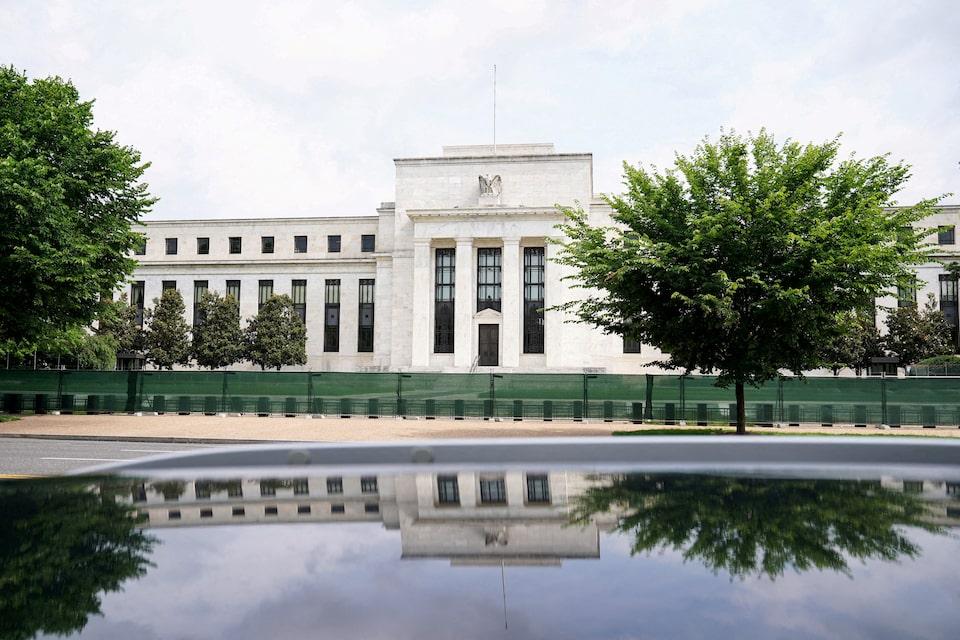
A look at the day ahead in European and global markets from Ankur Banerjee Global markets largely shrugged off the Trump administration's immigration crackdown, this time on H-1B visas, with investors focusing on the future path of interest rates as several Fed policymakers are due to speak this week. Sign up here. The long-awaited U.S. rate cut has come and gone but the Fed indicated a gradual easing in the future. Markets are now pondering what lies ahead, with traders pricing in 44 basis points of easing by the end of the year. There are two more Fed meetings left this year and with the central bank under intense criticism from Trump, economic data and comments from policymakers will be crucial in determining investor sentiment in the near term. John Williams, Thomas Barkin and Stephen Miran are due to speak at separate events on Monday while speeches from Raphael Bostic and Michelle Bowman will be in focus on Tuesday. Fed Chair Jerome Powell is also scheduled to speak on Tuesday. All of which means we are back to keeping notes on Fedspeak and where rates head from here. Fun times! The dollar began the week steady following last week's volatility, while stocks remained near record highs. Futures pointed to a subdued session, with a bare European calendar expected to keep markets listless. The Trump administration said on Friday it would ask companies to pay $100,000 for new H-1B worker visas, setting off alarm bells in Silicon Valley and among Indian IT firms as visa holders and tech firms scrambled to make sense of the regulation. Initial market reaction was muted although India's Nifty 50 (.NSEI) , opens new tab slipped 0.3% and the Indian rupee , one of the worst performers in Asia this year, was slightly weaker at the start of the session. It may take some time for investors to gauge the true cost to margins for many of the companies who rely on the programme, analysts said. Key developments that could influence markets on Monday: Euro zone consumer confidence flash for September https://www.reuters.com/sustainability/sustainable-finance-reporting/global-markets-view-europe-2025-09-22/
2025-09-22 04:32
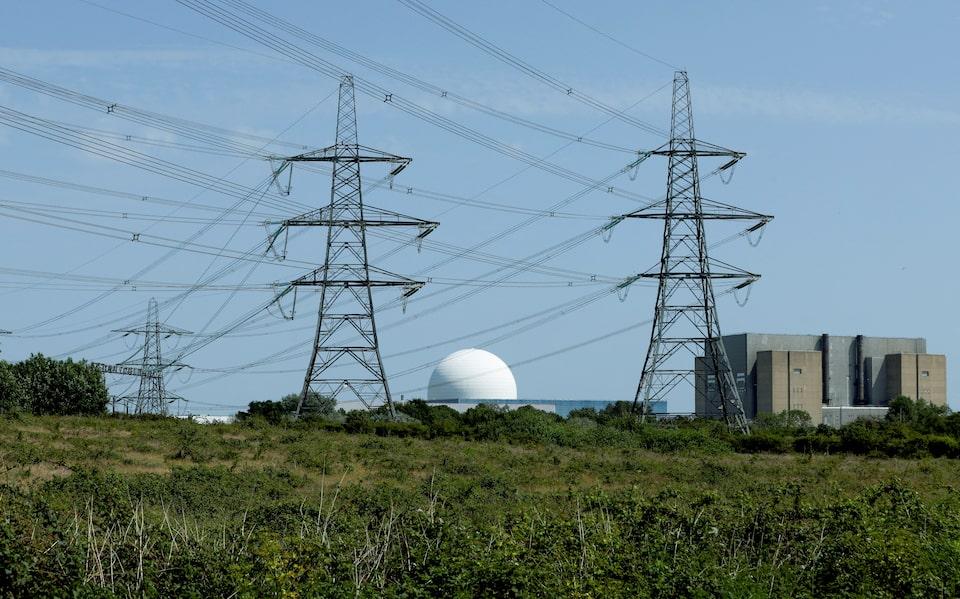
PARIS, Sept 22 (Reuters) - A record level of global nuclear power production seen in 2024 will be hard to maintain in the coming years due to a lack of required investment, aging plants and project disruptions, the World Nuclear Industry Status Report said on Monday. Nuclear power has experienced a revival in interest from various countries trying to phase out fossil fuels, with the United States recently pushing hard to make nuclear energy a policy focus and securing several , opens new tabagreements with other countries to boost production. Sign up here. Global nuclear power generation reached a record in 2024 of 2,677 terawatt-hours after declining for two years, largely due to growth in China, data from the report showed. However, to keep global nuclear output steady through 2030 the world would need 44 additional startups beyond those already scheduled, lifting annual startups to roughly two and a half times the past decade's pace, the report said. Risks around aging fleets, sluggish construction, accelerating system disruption from renewable energy, and China-centred development are expected to impact growth and lead to declines in regional electricity production shares, according to the report. It is an annual publication produced in collaboration by various research groups. Competition from cheaper non-hydro renewables and battery storage is expected to have a broad impact, as investment in the renewables was 21 times that of nuclear last year, while added capacity was more than 100 times net nuclear additions, it said. Battery costs are also falling, down about 40% in 2024, while nuclear plant costs continue to rise, the report said. "Together these new technologies are evolving towards a highly flexible fully electrified energy system... outcompeting traditional centralized fossil and nuclear systems," the report said. Nuclear power projects around the world are being beset by delays. From 2020 to mid-2025, 44 of 45 global construction starts were by Chinese or Russian state firms in countries such as Egypt and Turkey. There is no evidence of a vigorous global nuclear buildout and nuclear's share of global power generation is likely to erode further from 9% in 2024 unless project delivery and economics improve markedly, the report said. Small modular reactors also remain largely aspirational, as despite rising public and private funding, no Western SMR construction has begun. China is the exception, with two SMR designs in operation or build, though limited operational data are available. https://www.reuters.com/business/energy/nuclear-projects-seen-slowing-after-record-2024-output-report-says-2025-09-22/
2025-09-22 04:10
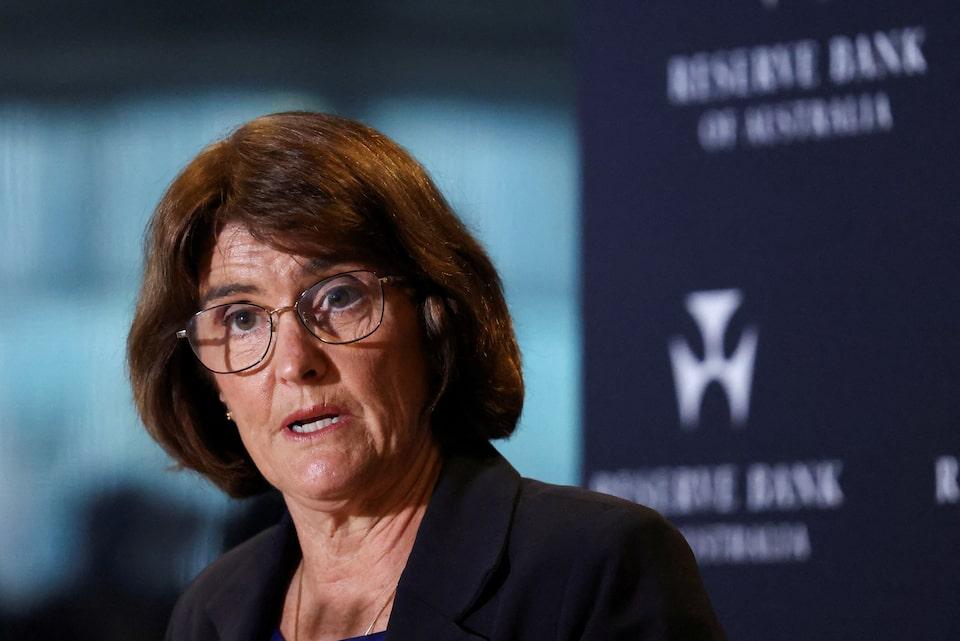
RBA more confident on inflation, with economy near full employment RBA expects recovery in household spending to be sustained It has room to cut rates if global risks weigh on economy CANBERRA/SYDNEY, Sept 22 (Reuters) - Australia's economy is in a good place, its top central banker said on Monday, while slowing inflation and a resilient labour market mean policymakers have room to ease policy further if needed to deal with shifting risks. Appearing before lawmakers, Reserve Bank of Australia Governor Michele Bullock said the recent rate cuts were expected to support spending by households and businesses, but the global environment was uncertain and unpredictable. Sign up here. "Since the August meeting, domestic data have been broadly in line with our expectations or if anything slightly stronger – the Board will discuss this and other developments at our meeting next week," Bullock said. "But the economic outlook continues to be clouded by uncertainty...So we need to be alert to the risk that circumstances may change and be prepared to respond if necessary." When asked about the biggest risks to economic outlook, Bullock highlighted the global environment and the possibility that the recovery in consumption may not pick up as expected. "That might not be good for the labour market, and we will find ourselves in a position where we are perhaps lower on inflation and worse on employment than we would like to be," she said. The RBA has so far adopted a gradual and cautious approach to policy easing, having cut rates in February, May and August to reach the current 3.6% after assessing inflation data for each quarter. It has said the pace of further policy easing depends on the flow of data. Its forecasts were conditioned on some further modest easing of monetary policy. Investors are wagering the RBA will skip a move in interest rates at its September 29-30 meeting, although a move in November is still about 75% priced in. Swaps imply a total easing of 48 basis points by the middle of next year, equivalent to fewer than two more rate cuts. 'IN A GOOD POSITION' The central bank indicated this month that it was close to achieving both of its mandates, inflation and employment. Inflation was on track to return to the midpoint of the 2-3% target band, while the labour market was operating close to full employment. The economy also grew at its fastest annual pace in almost two years in the June quarter as consumer spending finally picked up, while monthly inflation unexpectedly spiked higher in July. Bullock said the recovery in household consumption is forecast to sustain as real incomes grow and the economy picks up over the next year. The slowdown in job creation is in line with forecasts, but policymakers do not see a sharp deterioration with the unemployment rate still at a historically low 4.2%. If changes in global trade end up badly affecting China, Australia's biggest trade partner, Bullock said the central bank has room to ease policy further, adding that the recent Chinese data has not been encouraging. "We are sort of in a good position. We have got pretty strong labour markets still and inflation is back in the band," she said. "The interest rates are still at 3.6% and therefore we have got room to move if we need to." https://www.reuters.com/world/asia-pacific/australias-central-bank-alert-risks-over-economic-outlook-governor-says-2025-09-22/
2025-09-22 04:08
Sept 22 (Reuters) - Hong Kong International Airport will suspend all passenger flights for 36 hours from Tuesday evening, Qantas Airways said, as the Asian financial hub prepares for one of its strongest super typhoons in years. Hong Kong's Airport will be closed from 8 p.m. (1200 GMT) on September 23 to 8 a.m. on September 25, Qantas said in a statement, adding that it would contact customers who are affected. Sign up here. A spokesperson for Airport Authority Hong Kong said it is closely monitoring the developments regarding the super typhoon, named Ragasa, and has commenced preparations to deal with the storm. But it has not made an official announcement on the closure. Hong Kong's Observatory said it would issue the lowest typhoon signal at noon on Monday, upgrading it to the second highest on Monday night between 8 p.m. and 10 p.m. The weather is expected to deteriorate rapidly from Tuesday and gale-force to storm-force winds will impact the densely populated city on Wednesday, with winds expected to reach hurricane force offshore and on high ground. Across the city, residents started stockpiling daily necessities on Monday morning. Long queues formed at supermarkets where products like milk had already sold out, while vegetables were being sold for more than triple their normal price at fresh markets, according to Reuters witnesses. Cathay Pacific Airways, the city's largest carrier, said on Sunday it was closely monitoring the potential impact of the storm and while its flights were not currently affected, that could change as the situation developed. The Civil Aviation Department did not immediately respond to a Reuters request for comment. The Philippines suspended work and classes across Metro Manila and large parts of the country on Monday as Ragasa moved toward northern Luzon, threatening destructive winds and heavy rain. https://www.reuters.com/business/environment/hong-kong-airport-may-shut-36-hours-super-typhoon-nears-bloomberg-news-reports-2025-09-22/

2025-09-22 02:55
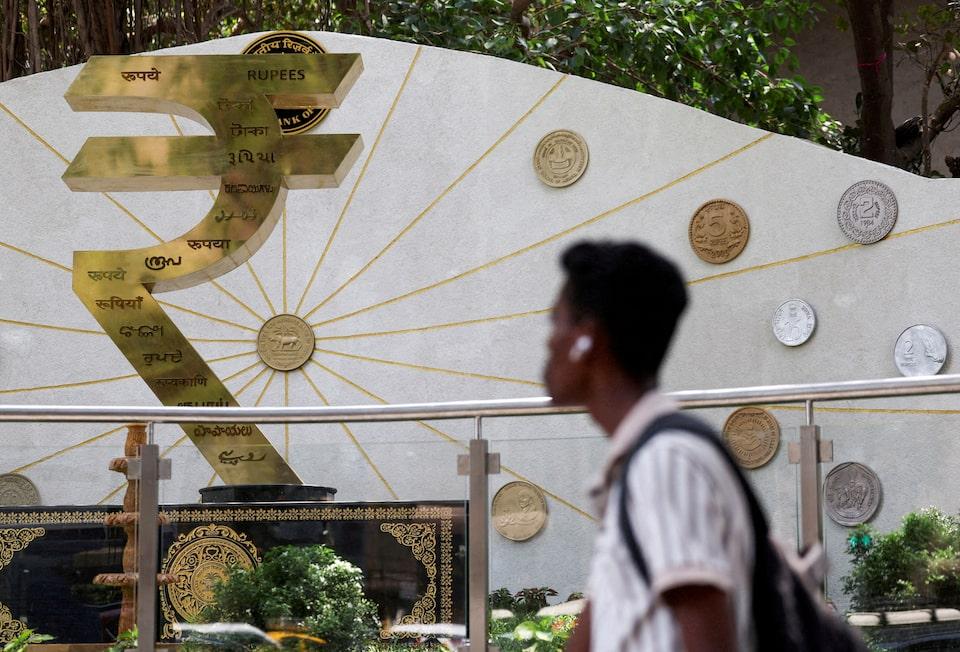
MUMBAI, Sept 22 (Reuters) - The Indian rupee is poised for a weaker open on Monday, pressured by a post-Federal Reserve decision dollar rally and soft risk sentiment denting demand for the currency. The 1-month non-deliverable forward indicated the rupee will open in the 88.18 to 88.22 range versus the U.S. dollar, compared with 88.09 in the previous session. Sign up here. The rupee saw volatile moves last week amid Fed's decision, lingering concerns over hefty U.S. tariffs and modest debt inflows. The currency traded in a 87.70 to 88.30 band through the week. The odds are that range should largely persist, with risks skewed towards a break past 88.50 rather than a dip to 87.50, a currency trader at a Mumbai-based bank said. The dollar/rupee's topside will continue to meet central bank resistance, while the downside remains supported by underlying demand, he said. The dollar index inched up to 97.80 in Asian trading, extending its post-Fed climb. The index had slipped to 96.22 immediately after Wednesday's decision before staging a steady rally. Analysts attribute the move to Fed Chair Jerome Powell’s cautious tone on rates, the run higher in U.S. yields and unwinding of short dollar positions. The 10-year U.S. yield, which briefly slipped below 4% on the day of the Fed decision, was last at 4.14%. Asian currencies were mostly down while equities were mixed. TEPID RISK Adding pressure on the rupee on Monday will be a weak beginning for Indian equities, with focus on IT companies after the U.S. introduced a $100,000 fee for new H-1B visa applications. Foreign inflows into Indian equities have been subdued, and the news is unlikely to improve sentiment, traders said. Overseas investors have taken out $900 million from Indian equities so far this month. KEY INDICATORS: ** One-month non-deliverable rupee forward at 88.30; onshore one-month forward premium at 13.50 paise ** Dollar index up at 97.78 ** Brent crude futures up 0.5% at $67 per barrel ** Ten-year U.S. note yield at 4.14% ** As per NSDL data, foreign investors bought a net $89.1mln worth of Indian shares on Sep. 18 ** NSDL data shows foreign investors bought a net $75.3mln worth of Indian bonds on Sep. 18 https://www.reuters.com/world/india/rupee-poised-weaken-dollars-post-fed-rally-risk-aversion-2025-09-22/
2025-09-21 22:59
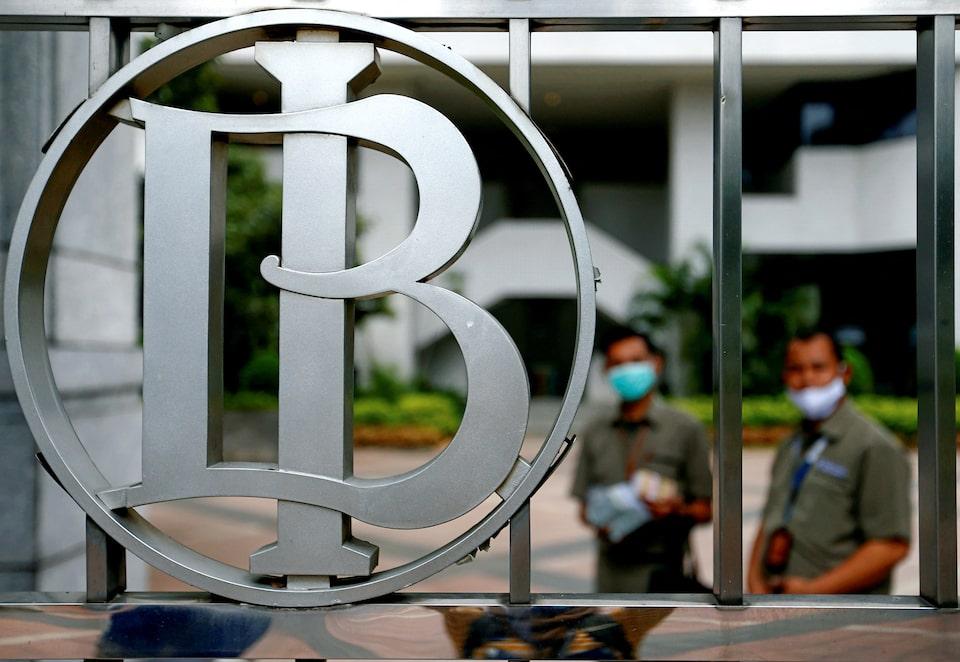
Investors fret about Bank Indonesia's independence under Prabowo Analysts say BI focus on supporting growth over FX stability Fed's rate cuts could cushion the blow as dollar stays weak Rupiah down 3.0% against the dollar, remains at risk SINGAPORE, Sept 19 (Reuters) - Bank Indonesia's rate cut this week stunned markets for all the wrong reasons - investors fear the central bank is bowing to pressure from President Prabowo Subianto to juice the economy, compromising its independence and risking a rupiah selloff. Global investors have been increasingly nervous about Indonesian assets following protests in many cities since late August, while the abrupt sacking of respected finance minister Sri Mulyani Indrawati last week stoked fiscal worries. Sign up here. The interest rate cut on Wednesday, a move not expected by any of the 31 economists surveyed by Reuters, is now raising concerns about the central bank's independence and bringing Prabowo's growing influence into focus as the president pushes ahead with an ambitious goal of lifting growth to 8% from the current 5% pace. Bank Indonesia's (BI) shock decision comes as investors worldwide grapple with the rising threat to the independence of central banks, an issue that has been brought to the fore , opens new tab by the repeated attacks on the Federal Reserve and its policymakers by President Donald Trump and his administration. Southeast Asia's largest economy has been struggling to push ahead with Prabowo's populist and costly spending plans since he came to power last year. The worry for investors is that the hard-won fiscal credibility risks being sacrificed by the president's push to speed up growth, leading to a worsening in the current account position and higher inflation, with a politicized central bank unable to keep a lid on it. "Indonesia is leaning hard on growth," said Howe Chung Wan, head of Asian fixed income at Principal Asset Management. "Policymakers know a sluggish economy and weak jobs market could stoke discontent, so the bias is toward running the economy hot." "The question for investors isn't whether Indonesia wants growth, but whether it can balance that against currency stability. The rupiah remains the main pressure point, since the country still relies heavily on imports and foreign capital." The rupiah has slipped 3% in 2025, making it the worst performing currency in Asia and leading to multiple interventions by the Indonesian central bank during the year to defend it. The currency touched a record low of 16,970 per U.S. dollar in April on fiscal and tariff worries and was last at 16,585. It is one of the few currencies in Asia that has not made gains against the fragile greenback this year. Indonesia's central bank, Prabowo's office and the finance ministry did not respond to Reuters request for comments. 'POLITICAL PRESSURE' Mark Ledger-Evans, portfolio manager at Ninety One in London, said fortunately for Indonesia its macro-economic stability places it in a strong position. Ledger-Evans likes Indonesian bonds but is underweight on the currency. "The fiscal deficit, government debt, current account deficit and inflation are at low and stable levels... we think the central bank will continue cutting the policy rate." BI has now cut its main interest rate by a total of 150 basis points in the past one year, with markets expecting further aggressive cuts. "Indonesia's economic growth needs to be further enhanced to match the capacity of the economy," BI Governor Perry Warjiyo said in a statement on Wednesday. The timing of the cut also stands to benefit the rupiah, analysts say, as the Federal Reserve has just resumed its rate-cutting cycle, which will weigh on the dollar in the near term, providing policy room for BI. "When the trade-offs between growth and currency stability become more explicit then BI will need to make harder choices," said Chris Kushlis, chief EM macro strategist at T. Rowe Price "The market will likely worry that political pressure means it will shift the balance of its mandate toward growth at the sacrifice of currency stability." 'DOUBTS ARE RISING' In Indonesia, a "burden sharing" deal with BI has jolted investors. Under the agreement, BI will help fund government programmes but markets also worry about bill amendment discussions that could expand the bank's mandate to support economic growth and empower parliament to remove its governor. Howie Schwab, portfolio manager for emerging markets growth at Driehaus Capital, said there is a clear risk to central bank independence and proactive communication about the policy shifts is lacking. "I do not think the risk premium will revert anytime soon. Indonesia needs to take measures to reassure investors quickly otherwise they risk indefinitely handicapping their markets." The markets so far have taken in stride the many changes in Indonesia although cracks are appearing under the hood. The gap between Indonesia short and long-dated bond yields has been widening since April as a cocktail of worries about tariffs, fiscal policies and economic growth unnerve investors. The spread between 1 year bond yields and 10 year bond yields is at 120 basis points, just shy of levels last seen in January 2023 and way above the 37 basis points in early April. Indonesia has had a great reputation for fiscal prudence and a central bank that prioritises FX stability over quick growth, said Trinh Nguyen, senior economist for emerging Asia at Natixis Corporate & Investment Banking. "Doubts are rising for both." https://www.reuters.com/world/asia-pacific/indonesias-surprise-rate-cut-growth-gambit-put-rupiah-crosshairs-2025-09-19/