2026-01-30 23:56
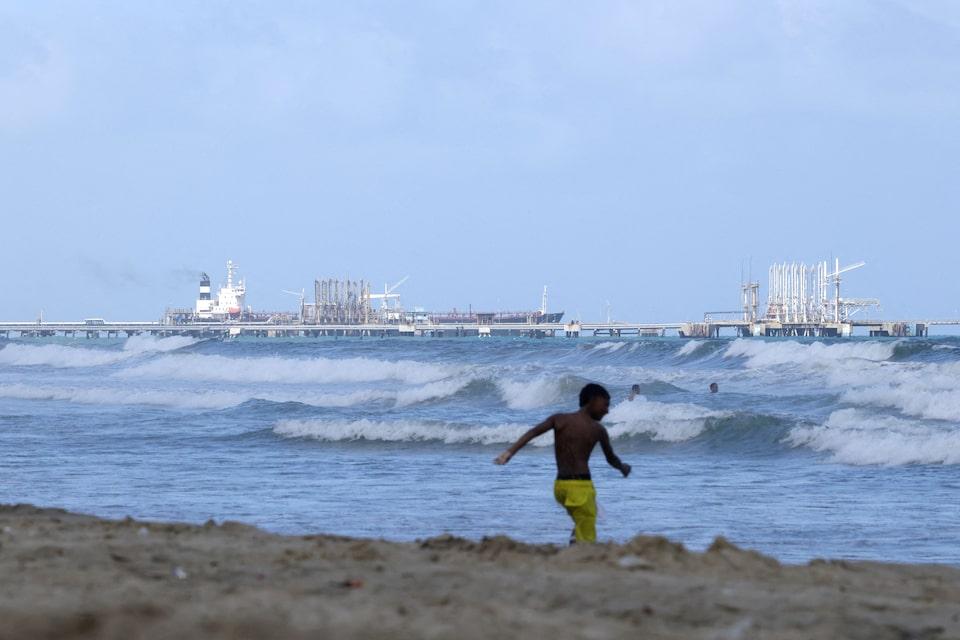
PANAMA CITY, Jan 30 (Reuters) - A contract held by a Hong Kong company to operate ports at the Panama Canal violated the Panama constitution and did not serve the public interest, the country's Supreme Court said in a Thursday decision that voided a deal made in the 1990s. The court issued its decision on Thursday, but it did not formally release its ruling or explain its rationale. Local television station TVN first reported on the decision, which has been reviewed by Reuters and confirmed by a court official. Sign up here. The ruling gave Washington a victory amid the intensifying U.S.-China rivalry over global trade routes and President Donald Trump's efforts to exert dominance in Latin America. The court said in its decision that the contract held by Panama Ports Company, a subsidiary of Hong Kong's CK Hutchison (0001.HK) , opens new tab, violated Panama's constitution by giving the company exclusive privileges and tax exemptions. The contract also lacked a requirement for environmental impact assessments and said the government had to seek Panama Ports' approval before granting other concessions, the court said. "Disproportionate rights and prerogatives are granted to PPC, creating conditions that effectively eliminate competition and result in a monopoly in practice, even though no monopoly is formally declared," the nine-member court said in a unanimous decision. "Furthermore, it places in private hands decisions that should be in the public interest ... prioritizing private interests over the general welfare of society." The decision could complicate CK Hutchison's proposed $23 billion sale of dozens of ports worldwide - including the Panamanian terminals - to a consortium led by BlackRock (BLK.N) , opens new tab and Mediterranean Shipping Company. Trump had championed the proposed sale - particularly of Panama Ports' assets - as a victory because it put operations at the canal under a majority U.S. ownership. But China opposed the sale and threatened to block the deal. After the ruling, China's foreign ministry said it would take "all necessary measures" to defend the rights and interests of Chinese enterprises, and Hong Kong's government criticized what it described as coercive interference by foreign governments in international trade relations. https://www.reuters.com/business/autos-transportation/hong-kong-port-operator-violated-panamas-constitution-failed-serve-public-2026-01-30/
2026-01-30 22:27
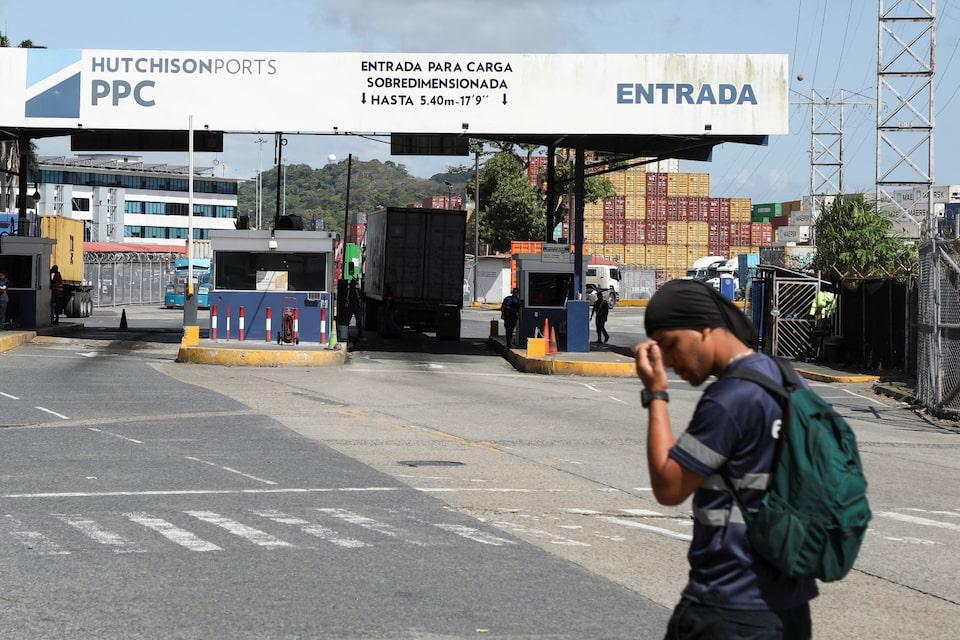
Trump administration controls Venezuela oil industry after capturing country's leader US wants India to cut Russian oil purchases due to Ukraine war India on track to reduce Russian imports in coming months, sources say NEW DELHI, Jan 30 (Reuters) - The United States, which imposed tariffs on India last year for buying Venezuelan oil, has told Delhi it can resume those purchases soon to help replace imports of Russian oil, three sources familiar with the matter told Reuters. India pledged to slash Russian crude oil purchases after Washington also hiked tariffs related to that activity, and India is on track to lower its Russian oil imports by several hundred thousand barrels per day in the coming months, according to the sources, who declined to be identified. Sign up here. President Donald Trump imposed 25% tariffs on countries buying Venezuelan oil including India in March 2025, and his administration ramped up a campaign against Venezuelan President Nicolas Maduro, whom U.S. forces captured on January 3. Since then, Washington has begun directing the Caracas government and plans to control Venezuela's oil industry indefinitely. The U.S. effort to supply Venezuelan crude to India comes as Washington also seeks to reduce Russian oil revenues that are funding the war in Ukraine. The sources did not provide detail on whether the Venezuelan oil would be marketed by outside trading houses like Vitol or Trafigura or would be sold directly by Venezuela’s state oil company PDVSA. The White House and the U.S. Treasury Department declined to comment. India's oil minister and foreign ministry did not respond to emails seeking comment. India became a major buyer of Russian oil after Russia's invasion of Ukraine in 2022 triggered Western sanctions that drove down its price. Indian Oil Minister Hardeep Singh Puri last week said India is diversifying its crude sources as its Russian oil imports fall. Two of the Reuters sources said India is preparing to cut Russian oil imports to below one million barrels per day soon. In January, they were around 1.2 million bpd, and are projected to decline to about 1 million bpd in February and 800,000 bpd in March, one of those two sources said. The second of the two sources said those imports are expected eventually to decline to about 500,000-600,000 bpd, helping the nation clinch a trade deal with the United States. U.S. tariffs on Indian goods reached 50% in August as Washington added a further 25% tariff over purchases of Russian oil. Challenges posed by Western sanctions eventually prompted Indian refiners to increase imports from other sources. Data from trade sources showed India's Russian oil imports fell to their lowest level in two years in December, lifting OPEC's share of Indian imports to an 11-month high. Indian refiners have been buying more oil from Middle Eastern, African and South American countries to make up for a drop in Russian oil imports. State-run Hindustan Petroleum (HPCL.NS) , opens new tab, Mangalore Refinery and Petrochemicals (MRPL.NS) , opens new tab and private refiners HPCL-Mittal Energy Ltd have already stopped buying Russian oil. Private refiner Reliance Industries (RELI.NS) , opens new tab, operator of the world's largest refining complex, will buy up to 150,000 bpd Russian oil from February, a company source said this week. Other state refiners Indian Oil Corp (IOC.NS) , opens new tab and Bharat Petroleum Corp (BPCL.NS) , opens new tab have slowed purchases of Russian oil, officials at the India Energy Week conference this week said. https://www.reuters.com/business/energy/us-pitches-venezuelan-crude-india-its-russian-oil-imports-slow-sources-say-2026-01-30/
2026-01-30 22:12
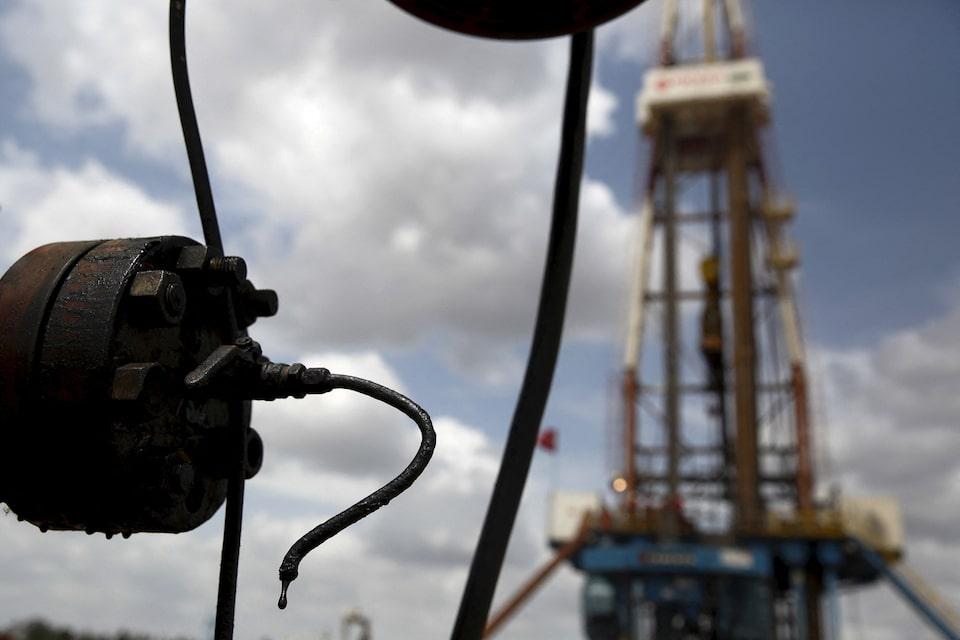
WASHINGTON, Jan 30 (Reuters) - The U.S. National Highway Traffic Safety Administration on Friday said a ninth motorist has been killed since 2023 by a dangerous Chinese replacement automobile air bag inflator, as the agency urges motorists and repair shops to be aware of the risks. The auto safety agency said it was aware of 11 crashes in the U.S. resulting in death or serious injury from ruptured replacement air bag inflators made in China by Jilin Province Detiannuo Automobile Safety System Co Ltd, also known as DTN, and likely illegally imported into the United States, since May 2023. Sign up here. The latest death took place in December in Ohio in a 2019 Chevrolet Malibu. Earlier this month, NHTSA said two other drivers were killed late last year in Texas and Kansas in the otherwise survivable crashes in vehicles that had their original air bags replaced with substandard air bags after a previous crash. NHTSA said the DTN air bag inflators malfunctioned in crashes "sending large metal fragments into drivers’ chests, necks, eyes and faces" and earlier this month issued an urgent warning. NHTSA in October opened an investigation into DTN replacement inflators. NHTSA is working with law enforcement agencies to address any illegal activities associated with the importation of these inflators and estimated the population of inflators under investigation at 10,000. Six of the replacement air bags in the fatal crashes were installed in used Chevrolet Malibu vehicles and three in Hyundai (011760.KS) , opens new tab Sonata cars, but NHTSA said it could not confirm the risk is limited to these makes and models. Chevrolet maker General Motors (GM.N) , opens new tab did not comment on Friday. DTN says on its website the inflators are prohibited from sale in the United States. "Whoever is bringing them into the country and installing them is putting American families in danger," NHTSA said. For consumers buying used vehicles that were in a previous crash where the air bag deployed, the air bag should be inspected immediately to ensure the air bag is a legitimate replacement equivalent to the original, NHTSA said. https://www.reuters.com/world/us/us-says-9th-motorist-killed-crash-with-faulty-replacement-air-bag-2026-01-30/

2026-01-30 22:10
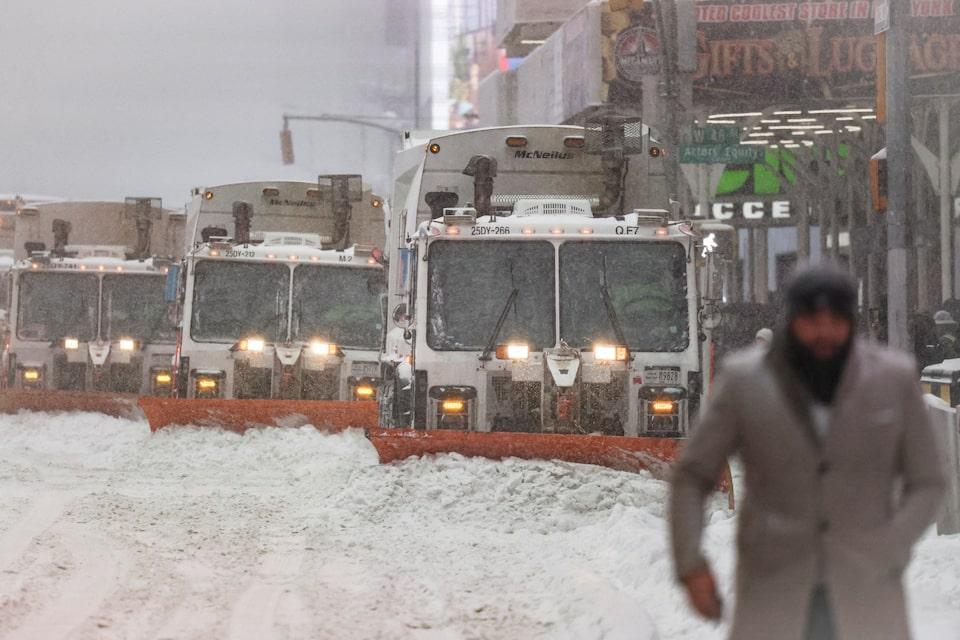
Biden had sought truck fleet mileage of 35 mpg by 2035 Trump's NHTSA says those standards were unrealistic Revised rules expected to cut lvehicle costs, raise refueling costs WASHINGTON, Jan 30 (Reuters) - The U.S. Transportation Department said Friday it plans to propose rolling back fuel economy standards for heavy-duty pickup trucks and vans, the latest effort to unwind stringent vehicle standards set by former President Joe Biden. In 2024, Biden's administration finalized rules to require heavy-duty pickup trucks and vans to increase fuel efficiency by 10% per year for model years 2030-2032 and 8% per year for model years 2033-2035. Sign up here. On Friday, the National Highway Traffic Safety Administration told automakers in a letter seen by Reuters that those rules were unrealistic and needed to be reset. It said the prior administration lacked the legal authority to establish civil penalties for failing to meet standards for larger vehicles. NHTSA Administrator Jonathan Morrison said unrealistic standards "harm American consumers and business owners who use these commercial vehicles." The Biden administration had said the heavy-duty truck rules would "result in a fleetwide average of approximately 35 miles per gallon by model year 2035, saving heavy-duty pickup and van owners more than $700 in fuel over the lifetime of their vehicles." The Environmental Protection Agency under Biden issued parallel rules. The American Trucking Associations in 2024 said the 2030 rules were "entirely unachievable given the current state of zero-emission technology, the lack of charging infrastructure and restrictions on the power grid." Last month, NHTSA proposed slashing fuel economy standards for light-duty passenger cars and trucks in a push to make it easier for automakers to sell gasoline-powered cars, revising down the 2022 fuel economy standards and then proposing to hike them between 0.25% and 0.5% annually through 2031. In 2022, under Biden, NHTSA increased fuel efficiency by 8% annually for model years 2024-2025 and 10% for 2026. NHTSA estimates the proposed rule would reduce average up-front vehicle costs for automakers by $930, but would increase fuel consumption by around 100 billion gallons through 2050 - and cost Americans up to another $185 billion for fuel and increase carbon dioxide emissions by about 5%. On Friday, NHTSA said it aimed to swiftly complete the new regulation. Last year, Trump signed legislation that ended fuel economy penalties for automakers for cars and trucks, and NHTSA said they faced no fines dating back to the 2022 model year. https://www.reuters.com/business/autos-transportation/us-propose-unwinding-biden-era-heavy-truck-fuel-economy-rules-2026-01-30/
2026-01-30 22:03
WASHINGTON, Jan 30 (Reuters) - U.S. Federal Reserve Vice Chair for Supervision Michelle Bowman said on Friday she still feels interest rates should fall, but voted to hold monetary policy steady this week only to gather more data before the next reduction in borrowing costs. Bowman said she anticipates the need for three quarter-percentage-point rate cuts this year and the decision following the end of the U.S. central bank's two-day policy meeting on Wednesday was only related to the timing of the next move. Sign up here. After trimming rates by three-quarters of a percentage point at the last three meetings of 2025, "the question at this meeting was about the timeline for implementing ... essentially choosing between continuing to remove policy restraint and arriving at my estimate of neutral by the April meeting, or moving policy to neutral at a more measured pace throughout this year," Bowman said at a graduate banking school event in Hawaii. The Fed's next meeting is scheduled for March 17-18. Bowman said her analysis of the risks facing the economy, with inflation in her view likely to move towards 2% but the job market weak, remains the same as it has been, and warrants looser monetary policy. But she also agreed that the job market had shown some signs of stabilization, and given the data gaps that exist because of last fall's U.S. government shutdown, she felt it proper to wait until the next meeting to consider reducing the policy rate from the current 3.50%-3.75% range. "The labor market is fragile," Bowman said. "I could have voted in favor of continuing to remove policy restraint in order to hedge more against the risk of further labor market deterioration. But we have seen some signs of stabilization ... We can afford to take time and 'keep policy powder dry' for a little while in order to carefully assess how the lower degree of policy restraint is flowing through to broader financial conditions and strengthening the labor market." But she said any rate-cut pause should be brief. "We should also not imply that we expect to maintain the current stance of policy for an extended period of time," Bowman said. The Fed voted 10-2 to hold rates steady on Wednesday. Ahead of the meeting, Bowman had been considered a possible dissenting voice along with Fed Governors Christopher Waller and Stephen Miran. Waller and Miran dissented in favor of a rate cut. https://www.reuters.com/business/feds-bowman-still-supports-rate-cuts-despite-backing-pause-recent-meeting-2026-01-30/
2026-01-30 21:57
Exxon, Chevron cautious on Venezuela investments despite U.S. push Exxon, Chevron CEOs stress need for legal, political stability Venezuela's political shifts may benefit Exxon, Chevron in Guyana HOUSTON, Jan 30 (Reuters) - U.S. oil majors Exxon Mobil (XOM.N) , opens new tab and Chevron (CVX.N) , opens new tab offered investors a few pieces of new insight into their thinking about Venezuela on Friday, even though neither company announced long-term investment commitments despite President Donald Trump's continued push to convince American oil firms to rebuild the South American country's energy sector. Exxon CEO Darren Woods plugged his company's technological capability to potentially extract Venezuela's traditionally expensive heavy crude for a lower cost, while Chevron CEO Mike Wirth said his firm would process more Venezuelan crude through its refineries in the U.S. Both chiefs said they still needed to see strong legal frameworks and a stable political environment before making decisions about any long-term projects. Sign up here. The comments during the fourth-quarter earnings calls on Friday, where geopolitical themes dominated questions received from analysts, illustrate the challenge ahead for the Trump administration to attract $100 billion of American investment to reactivate Venezuela's oil sector following its ouster of President Nicolas Maduro earlier this month. Chevron is currently the only U.S. oil major with production in the country. Exxon's Woods - who called the country "uninvestable" just weeks ago - said he believed the U.S. administration is committed to making the changes needed to attract and secure new investment, including an eventual transition to democracy. Exxon left Venezuela nearly 20 years ago after its assets there were nationalized. The Treasury’s Office of Foreign Assets Control on Thursday moved to ease some sanctions on the country, while the National Assembly in Caracas passed new legislation that is expected to grant greater autonomy to private producers. Chevron, which said it could grow its gross production in Venezuela by about 50% in the short term, can process an additional 100,000 barrels per day of the country's crude through refineries on the U.S. Gulf and West coasts, Wirth said. The company currently processes 50,000 barrels of Venezuelan crude per day at its refineries. Still, Wirth - who recognized the large resource potential in Venezuela - said that it was too early to articulate a longer-term outlook for the country amid the ongoing questions about stability and regulatory clarity. "We certainly could see operations and footprint expand in Venezuela. And we're working with the U.S. government and the Venezuelan government to try to create circumstances that would enable that," Wirth said. The dramatic political shifts in Venezuela, meanwhile, may lead to an easier operating environment in nearby Guyana, Exxon's Woods added. Such a scenario could potentially be a boon to both Exxon and Chevron, which are joint venture partners in the Stabroek oilfield in Guyana. "With the developments in Venezuela, perhaps we'll see an opportunity to (have) less naval patrols, that'll make it a little more friendly environment," Woods said. Portions of the Stabroek Block are under force majeure and remain unexplored due to a territorial dispute between Guyana and Venezuela that Woods said is currently before the International Court of Justice. "One of the advantages of force majeure is it pauses the clock, and so we will have an opportunity to do what we need to do in that portion of the (Stabroek) block when it's available to us," Woods said. https://www.reuters.com/business/energy/exxon-chevron-see-glimmer-venezuelas-potential-with-long-road-ahead-2026-01-30/