2025-09-19 10:21
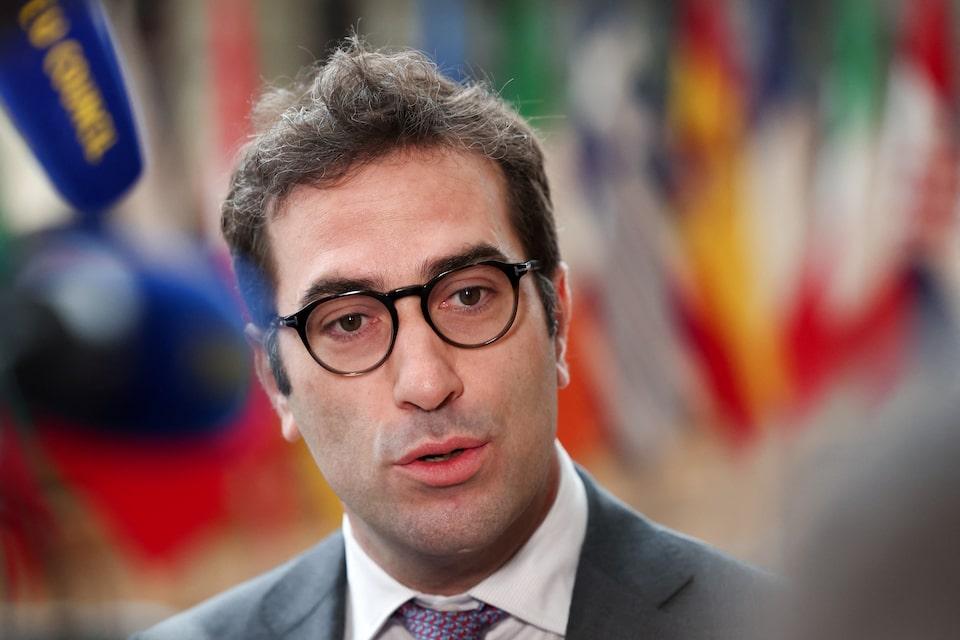
MUMBAI, Sept 19 (Reuters) - The Indian rupee closed little changed on Friday to cap a week of choppy price action that pulled the currency to a more than two-week high, followed by a retreat to near all-time lows as the dollar and U.S. bond yields rose despite a U.S. rate cut. The rupee closed at 88.09 against the U.S. dollar on the day, up 0.2% on the week. Sign up here. The currency had touched a high of 87.72 in the lead up to the Federal Reserve's policy decision, but gave up those gains as investors walked away with mixed signals on the future path of policy rates. The dollar index was last up 0.2% at 97.5, and with the sterling leading losses among G10 currencies, Asian currencies were mostly weaker as well. The rupee appears to be settling in the 87.50-88.50 range in the near-term, but the bias is still tilted towards modest depreciation despite the uptick seen earlier this week, a trader at a state-run bank said. Worries over how steep U.S. tariffs are likely to impact trade and foreign portfolio flows have bogged down the rupee in recent weeks even as recent talks between New Delhi and Washington spurred optimism on an eventual trade deal. India's benchmark equity indexes, the BSE Sensex (.BSESN) , opens new tab and Nifty 50 (.NSEI) , opens new tab were lower on the day but ended the week higher by about 0.8% each. The yield on the benchmark 10-year bond was up 3 bps on the week. The yield on the 10-year U.S. Treasury was up 6 basis points on the week and last at 4.12% while the rate expectations-sensitive 2-year U.S. Treasury yield nudged 3.577% higher. Despite the recent uptick, "the medium-term outlook for the U.S. dollar likely remains tilted to the downside, as concerns about U.S. labour market weakness and the potential for deeper policy easing could continue to weigh on sentiment," MUFG said in a note. https://www.reuters.com/world/india/rupee-ends-choppy-week-quiet-note-slight-downward-bias-may-persist-2025-09-19/
2025-09-19 10:16
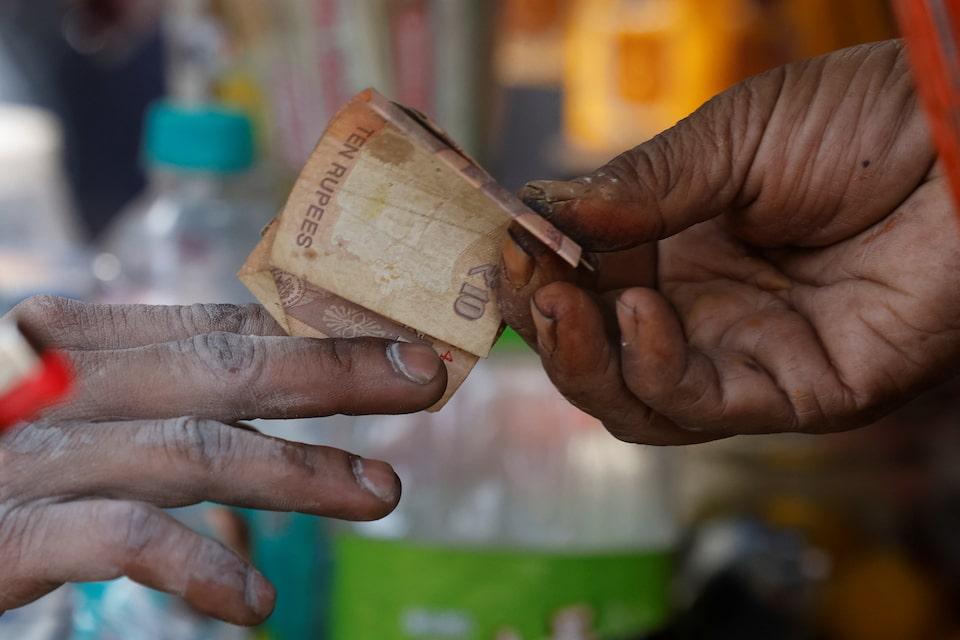
RBI favours retaining 4% inflation target within 2% to 6% band Stakeholders favour headline inflation targeting over core Food weightage seen falling in new CPI series, limiting volatility MUMBAI, Sept 19 (Reuters) - India's central bank is expected to recommend retaining an existing inflation target for a third consecutive time following feedback from stakeholders who backed the framework, two sources familiar with the matter said. Flexible inflation targeting in India mandates a 4% headline inflation target within a tolerance band of 2% to 6%. Sign up here. The Reserve Bank of India (RBI) had sought views from economists, market participants and other stakeholders ahead of March 2026, when that target is set to expire. Most respondents back continuation of the existing structure, the sources said. "There have been no big changes that are sought," said a senior source directly aware of the feedback. "Most feel the framework has worked quite well." While tweaks may be considered to the manner in which the RBI communicates its monetary policy stance, the core structure is likely to remain unchanged, the second source said. India adopted the inflation targeting framework in 2016, formally tasking the RBI with keeping headline consumer price inflation at 4%, with a margin of two percentage points on either side. The framework was last renewed in 2021. Over the past decade, inflation has stayed within the mandated band for roughly three-quarters of the time, with volatility peaking during the pandemic years. "Considering the overlap with the COVID period, it's a decent performance," said A. Prasanna, chief economist at ICICI Securities Primary Dealership, adding that his firm had not submitted feedback as it broadly agreed with the RBI's approach. Several others also favour continuity. "We expect the numerical targets as well as the tolerance bands to be maintained for the third successive term," said Radhika Rao, chief economist at DBS Bank. "While global practices favour narrower bands, high weightage for food and structural vulnerabilities make a wider range more suitable for India." THE CORE DEBATE The RBI's discussion paper had also sought views on whether monetary policy should target headline inflation or shift focus to core inflation, which excludes volatile food and fuel prices. A government report last year urged a review of the framework, citing frequent inflation spikes driven by food prices. Some stakeholders, including a state-run bank, suggested giving more weight to core inflation, but stopped short of recommending it as the main target. But several central bank officials and monetary policy committee members have supported continuing to target headline inflation, saying food and fuel prices eventually seep into broader inflation through second- and third-round effects. "For a country like India, where food and fuel contribute more than half to the CPI basket, these segments can't be ignored. That's why we shouldn't move away from headline CPI," said Akshay Kumar, head of global markets at BNP Paribas. "The 4% midpoint target remains relevant as India aims to grow faster than developed market peers." The framework balanced price stability with growth, said Vivek Rajpal, Asia strategist at JB Drax Honore. "Targeting headline inflation is good as volatility in Indian inflation largely comes from food prices," he added. "Targeting headline inflation makes sense, given food price volatility." Separately, with the consumer price index basket due for review next year, the weightage of food is expected to decline, potentially reducing future volatility. https://www.reuters.com/world/india/india-cenbank-back-sticking-with-headline-inflation-target-ahead-review-sources-2025-09-19/
2025-09-19 09:26
Fed, Bank of Canada cut rates Bank of England, BOJ leaves rates on hold Markets see lower chance of further ECB rate cuts LONDON, Sept 18 (Reuters) - The U.S. Federal Reserve has delivered its first rate cut since December, diverging from most other major central banks that have kept interest rates unchanged. The Bank of England kept rates steady on Thursday and the Bank of Japan followed on Friday, while expectations for further euro zone rate cuts are fading. Sign up here. Here's where 10 major central banks stand: 1/ SWITZERLAND The Swiss National Bank cut its key rate to 0% in June. Investors have pondered whether a return to negative territory is likely, but markets now expect the SNB to hold rates when it meets next Thursday. Chairman Martin Schlegel reiterated that the bar is high for a return to negative rates, but does not rule out such a move. Inflation holding above the bottom of the SNB's 0-2% target band in August means traders do not anticipate negative rates soon. 2/ CANADA The Bank of Canada reduced its key rate to a three-year low of 2.5% on Wednesday, the first cut in six months, citing a weak jobs market and less concern about underlying price pressures. It paused its easing campaign in March after reducing rates by a total of 225 basis points in nine months, starting in June last year. Markets price in a roughly 40% chance of another cut when the central bank meets again next month. 3/ SWEDEN Sweden's Riksbank has also cut rates substantially, despite sticky core inflation, but looks set to remain on hold when it meets next week. It says that August inflation data were supportive of the Riksbank's view that price pressures are likely to be temporary. 4/ NEW ZEALAND Domestic and global growth headwinds could pave the way for the Reserve Bank of New Zealand to cut rates at its October 8 meeting and probably once more by the year's end, a Reuters poll of economists shows. The RBNZ cut its policy rate by 25 bps to a three-year low of 3% last month. 5/ EURO ZONE Euro zone rate setters last week kept their key rate on hold at 2% for a second straight meeting, with ECB chief Christine Lagarde reiterating that the bank remains in a "good place" and said risks to the economy had become more balanced than before. Markets sense the ECB cycle is at or near an end and price in roughly 12 bps of cuts by next July. 6/ UNITED STATES Moving in the opposite direction, the Federal Reserve reduced rates on Wednesday and indicated more cuts would follow in October and December. Fed Chair Jerome Powell said the softening job market was now key for policymakers. U.S. President Donald Trump, meanwhile, is trying to fire Fed Governor Lisa Cook. New Fed Governor Stephen Miran, sworn in on Tuesday, cast the only dissenting vote - he opted for a bigger 50 bps rate cut. In total, around 50 bps of Fed cuts are priced in by year-end. 7/ BRITAIN The Bank of England kept rates unchanged on Thursday. Policymakers voted 7-2 to slow the annual pace at which it unloads the gilts purchased from 2009 and 2021 to 70 billion pounds from 100 billion pounds, broadly in line with analyst expectations. The BoE last cut rates in August and markets price in a roughly 40% chance of a quarter point move by year-end. Some analysts think a cut is likely in November as growth slows. 8/ AUSTRALIA The Reserve Bank of Australia has cut rates by 75 bps since February, though strong second-quarter GDP data means markets have pared back bets on more easing. Traders price in one more 25 bps cut this year, and nearly another two by June 2026 . The next meeting is on Sept. 30. 9/ NORWAY Norway's central bank cut rates by 25 bps to 4.0% on Thursday, its second reduction of borrowing costs in three months, as expected by analysts. It added that it would not cut future rates as much as it had thought in June due to an increase in underlying inflation and slower-than-expected growth in the first half. Markets expect Norges Bank to keep rates on hold for the rest of the year. 10/ JAPAN The Bank of Japan on Friday kept short-term interest rates at 0.5%. But two board members proposed, unsuccessfully, a hike to 0.75%, which markets saw as a prelude to a near-term increase in borrowing costs. The BOJ also decided to start selling its massive holdings of exchange-traded funds (ETF) in the market at an annual pace of around 330 billion yen ($2.23 billion) and to sell real-estate investment trusts (REIT) at an annual pace of around 5 billion yen. ($1 = 147.9400 yen) https://www.reuters.com/business/finance/global-markets-cenbank-graphic-2025-09-19/
2025-09-19 07:42
Pound heads for biggest two-day drop since July Public borrowing surges in headache for finance minister Reeves UK bond yields up after Bank of England debt sales tweaks LONDON, Sept 19 (Reuters) - The pound headed for its biggest two-day drop since late July on Friday, after a surge in UK public borrowing and a Bank of England rate decision that highlighted the difficulties policymakers face in balancing growth and inflation. Official data on Friday showed public sector borrowing between April and August totalled 83.8 billion pounds ($113.39 billion), 11.4 billion pounds more than forecast by the Office for Budget Responsibility earlier this year. Sign up here. The surge compounds the problem finance minister Rachel Reeves faces with her November budget, in which she had already been expected to announce new tax rises to stay on track to meet her fiscal rules and avoid unsettling financial markets. "The pound has sunk on this data, and is testing support at $1.35, it is the second-worst performing currency in the G10 FX space today," XTB research director Kathleen Brooks said. Sterling fell as much as 0.4% in early trading before paring some of that decline to trade down 0.3% at $1.351. It has lost almost 0.9% in the last two days alone, the largest such decline since July 31. Meanwhile, the BoE left interest rates unchanged on Thursday, as expected, and opted to reduce the pace of its government bond sales to minimise the impact on the more volatile longer-dated section of the market. With inflation running at nearly double the central bank's 2% target, the BoE has only limited scope to lower rates much more to help shore up the economy, where evidence is mounting of weakness in the labour market. UK bond yields rose on Friday, with long-dated 30-year gilts up 4.3 basis points at 5.547%. Data on Friday showed retail sales rose by more than expected in August, thanks to sunny weather, although sales growth in July was revised down. A number of major retailers, including Primark owner Associated British Foods (ABF.L) , opens new tab and budget supermarket Aldi UK have signalled concern about the outlook for consumer spending given upcoming tax rises and a deteriorating jobs market. "This is yet another disappointing piece of economic news which will add to Chancellor Rachel Reeves's woes. But as we saw yesterday, the Bank of England dare not cut rates given that inflation is nearly double the official target of 2%, and likely to rise further," Trade Nation senior market analyst David Morrison said. The pound also fell sharply against the yen, which staged a broad rally after the Bank of Japan left rates unchanged, but two surprise dissenters voted for a hike. Japan's central bank also decided to start selling its holdings of riskier assets, which suggests it may phase out its monetary stimulus programme sooner than expected. Sterling was down 0.45% at 199.73 yen . https://www.reuters.com/markets/europe/pound-rattled-by-surprise-surge-uk-borrowing-2025-09-19/
2025-09-19 07:24
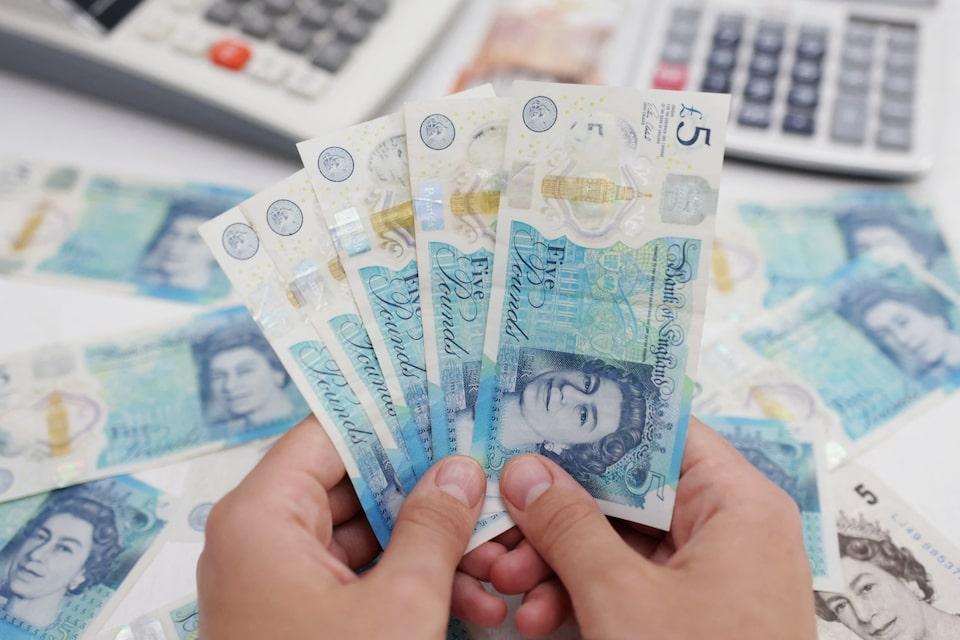
LONDON, Sept 22 (Reuters) - It's back to scouring data for signs of how quickly, if at all, further rate cuts could come from big economies, Switzerland's central bank meets and world leaders gather in New York for the UN General Assembly against a tense geopolitical backdrop. Here's all you need to know about the week ahead in global markets from Lewis Krauskopf in New York, Rae Wee in Singapore and Amanda Cooper, Sara Rossi and Karin Strohecker in London. Sign up here. 1/ BACK TO RATE CUTS The U.S. Federal Reserve has just cut rates for the first time since December and indicated more is to come. That's the backdrop to the slew of U.S. data out in coming days including housing, durable goods, consumer sentiment and inflation. Monthly reports on new and existing home sales are due as investors weigh whether the prospect of a series of rate cuts can lift the housing market. An updated look at Q2 gross domestic product will paint more of a picture about growth, before the week closes on Friday with a consumer sentiment survey and the personal consumption expenditures price index, a closely watched inflation gauge. As focus shifts to the economic outlook over inflation, any weaker-than-expected numbers could further hurt the dollar - it touched its lowest level since 2022 on Wednesday . 2/ A FRANC DISCUSSION The Swiss National Bank meets on Thursday and traders expect no change to the benchmark rate, currently at 0%. SNB officials have indicated the bar is high for a drop into negative territory, even in light of the headache caused by a strong Swiss franc. It has rallied by around 15% against the dollar year-to-date and is set for its largest annual gain since 2002 . Its gain on the euro has been more modest, up around 0.5%, but it has pushed higher almost uninterruptedly against the single European currency for the last seven years, for a total rise of 30%. For Swiss exporters, such as Nestle (NESN.S) , opens new tab, Novartis (NOVN.S) , opens new tab or Richemont (CFR.S) , opens new tab, currency strength adds to hefty U.S. tariffs. Swiss inflation has picked up, which could give the SNB more wiggle room to do nothing, for now. 3/ TARIFF BAROMETER After a spate of central bank meetings, economies across the globe will assess the health of business activity. In Europe, Tuesday's preliminary estimates for the September euro zone PMI could show further improvement in the manufacturing sector and a stabilisation in expansionary territory for services. The data should also provide more clarity on the impact of U.S. tariffs, following a mixed picture from recent figures. If confirmed, the PMI picture would align with the European Central Bank's optimistic economic outlook after it left rates steady at 2% in September. Britain's flash PMI, also out Tuesday, follows the latest BoE decision to leave rates steady. Companies' concerns about the prospect of tax rises and the highest inflation among advanced economies should remain, even though services grew by the most in over a year in August. 4/ ABATING PRESSURES Australia's August consumer price reading on Wednesday comes ahead of the September 30 Reserve Bank of Australia policy meeting, where officials are widely expected to stand pat on rates. Investors and policymakers will be hoping that latest inflation figures show some signs of easing, after July's shock 2.8% above-forecast headline reading following a surge in electricity prices. That's likely to be the case, given that new electricity rebates are set to be reflected in last month's numbers and seasonal travel pressures would have faded. August jobs data also pointed to a gradual cooling in the labour market, as employment unexpectedly fell while the jobless rate held steady. Still, the RBA remains cautious, with Assistant Governor Sarah Hunter saying the economic outlook is balanced at the moment with risks on both the upside and downside. 5/ NOT SO UNITED NATIONS World leaders are meeting in New York for the United Nations General Assembly at a fraught time for global politics. There is no shortage of hot button issues at the annual gathering which will be dominated by Trump's return to the rostrum, war in Gaza and Ukraine and nuclear tensions with Iran. Leaders gather on Monday for a summit - hosted by France and Saudi Arabia - that aims to build momentum toward a two-state solution between Israel and the Palestinians. Trump will speak on Tuesday, while Israeli Prime Minister Benjamin Netanyahu - wanted by the International Criminal Court over alleged war crimes and crimes against humanity in Gaza that Israel denies - is due to address the assembly on Friday. On Sunday, Britain, Canada, Australia and Portugal all recognised a Palestinian state in a move borne out of frustration over the Gaza war and intended to promote a two-state solution, prompting a furious response from Israel. Both Ukrainian President Volodymyr Zelenskiy and Russian Foreign Minister Sergei Lavrov will address the assembly while a diplomatic push by Tehran seeks to avoid a return of snapback sanctions over Iran's nuclear programme. https://www.reuters.com/business/take-five/global-markets-themes-graphic-2025-09-19/
2025-09-19 07:12
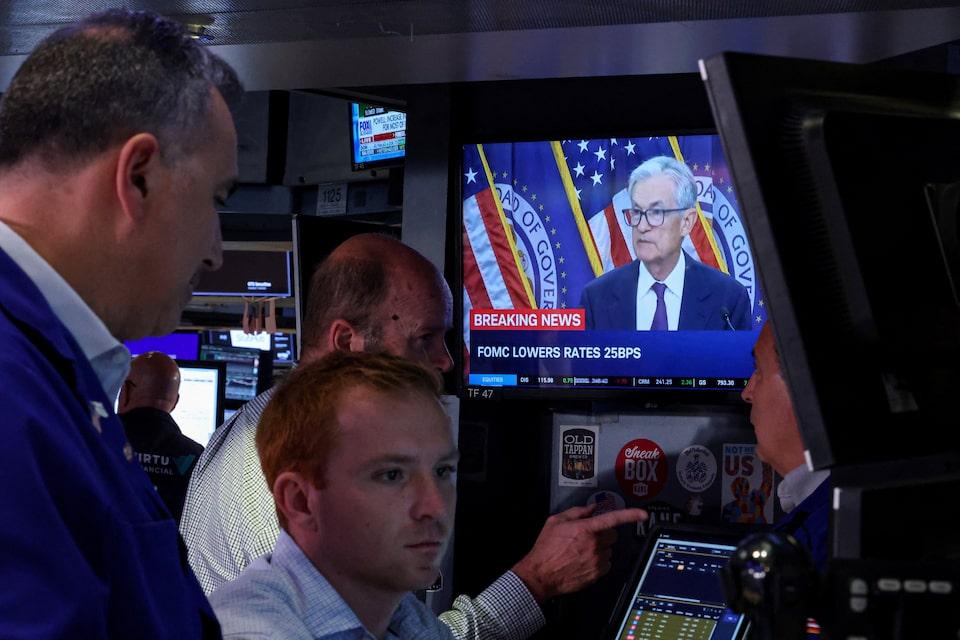
MADRID, Sept 19 (Reuters) - Spanish Economy Minister Carlos Cuerpo said on Friday his government supported the efforts made by the European Commission to monetize underlying frozen Russian assets held in the EU to help finance the Ukrainian government. "From Spain, we've been advocating for increasing as much as possible the financing for Ukraine..." Cuerpo said in an interview with Bloomberg TV. "We are advocating to actually look at creative ways to also use those immobilized assets." Sign up here. Cuerpo also said Spain, which is one of the main importers of Russian liquefied natural gas in the European Union, was working to reduce those imports and diversify with supplies from countries such as the U.S. https://www.reuters.com/business/finance/spain-backs-eu-efforts-use-frozen-russian-assets-cuts-gas-imports-russia-2025-09-19/