2025-09-18 12:46
CAIRO, Sept 18 (Reuters) - A 3,000-year-old gold bracelet that disappeared from an Egyptian museum earlier this month was stolen and melted down, the country's Interior Ministry said on Thursday. The Antiquities and Tourism Ministry had earlier reported the loss of the bracelet, which belonged to King Amenemope of the Third Intermediate Period, who ruled Egypt around 1,000 BC. Sign up here. The piece, decorated with spherical lapis lazuli beads, vanished from a safe in a conservation laboratory on September 9. Following the theft, a special committee was set up to review artefacts in the laboratory, and images of the missing bracelet were circulated to antiquities units at Egypt's airports, seaports and land border crossings, fearing it would be smuggled abroad. Yet, the Interior Ministry tracked down the theft to a museum restoration specialist who took the artefact and sold it to a silver trader, who passed it on to a workshop owner in Cairo's historic jewellery district. The workshop owner then sold it to a gold smelter, who recast the metal with other items. The ministry said suspects were arrested and proceeds from the sale, valued at about 194,000 Egyptian pounds ($4,000), were seized. The incident comes weeks before the planned November opening of the Grand Egyptian Museum near the Giza Pyramids, a showcase of the country's ancient heritage that is a key draw for tourism, a vital source of foreign currency for Egypt. https://www.reuters.com/world/africa/egypt-says-missing-pharaohs-bracelet-melted-down-gold-2025-09-18/

2025-09-18 12:34
Cross-border issuance raises operational and liquidity risks BOI says legal clarity would be 'timely and valuable' Multi-issuance creating tensions between ECB, EU Commission ROME, Sept 18 (Reuters) - The European Union should clarify rules for identical stablecoins issued across borders, a senior Bank of Italy official said on Thursday, urging uniform standards to protect users. Stablecoins - crypto assets pegged to traditional currencies or commodities - have created friction between the European Commission and the European Central Bank. They are also known as electronic money tokens (EMTs). Sign up here. The Commission has been asked to clarify whether EU rules allow EMTs issued by a licensed EU firm to be treated as interchangeable with the tokens issued by non-EU entities of the same company, under a so-called multi-issuance model. Sources told Reuters in June the Commission believes interchangeability is allowed under EU rules. The ECB, however, has warned of financial stability risks. In a speech delivered at an international central bank conference on payments, Bank of Italy Deputy Governor Chiara Scotti said "clarity at the legislative or standard-setting level would be both timely and valuable". Under a multi-issuance model, EU stablecoin issuers may face redemption requests from holders outside the bloc, with the third-country entity expected to transfer assets to cover any shortfall in reserves, said Scotti, who spent two decades at the Federal Reserve System before joining the Bank of Italy. "Although this architecture could enhance global liquidity and scalability, it poses significant legal, operational, liquidity and financial stability risks at EU level," especially if one issuer is outside the EU, she said. "Holders, whether resident or non-resident, view all tokens as interchangeable. This can lead to a mismatch between obligations and available reserves." The EU in 2023 adopted an extensive set of crypto asset rules, known as MiCAR. "In a multi-issuance model, third-country issuers are not necessarily subject to the same consumer protection, transparency, and disclosure requirements as those set out in MiCAR," Scotti said. "To mitigate these risks and avoid regulatory blind spots, issuance should be limited to jurisdictions that uphold equivalent regulatory standards, ensure redemption at par, and enforce cross-jurisdiction crisis protocols." https://www.reuters.com/business/finance/bank-italy-urges-clarity-rules-multi-issuance-stablecoins-2025-09-18/

2025-09-18 12:31
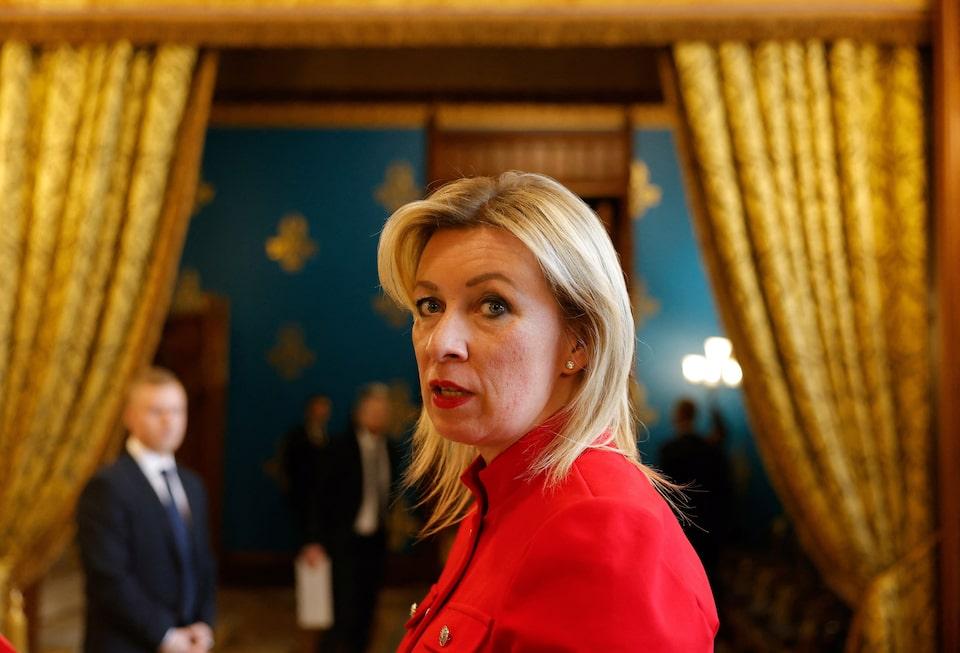
MOSCOW, Sept 18 (Reuters) - Russia's foreign ministry said on Thursday that Japan's new sanctions against Russia were unfriendly and would not go unanswered. Japan last week expanded its sanctions in response to Russia's invasion of Ukraine, targeting additional individuals and entities and lowering the price cap on Russian oil. Sign up here. "Japan's latest unfriendly actions will not go unanswered," Russian Foreign Ministry spokeswoman Maria Zakharova told reporters. "But our response will be well thought out and based on national interests. We will continue to take appropriate countermeasures, including those of an asymmetric nature," Zakharova said. https://www.reuters.com/world/russia-says-it-will-answer-japans-new-sanctions-2025-09-18/
2025-09-18 12:22
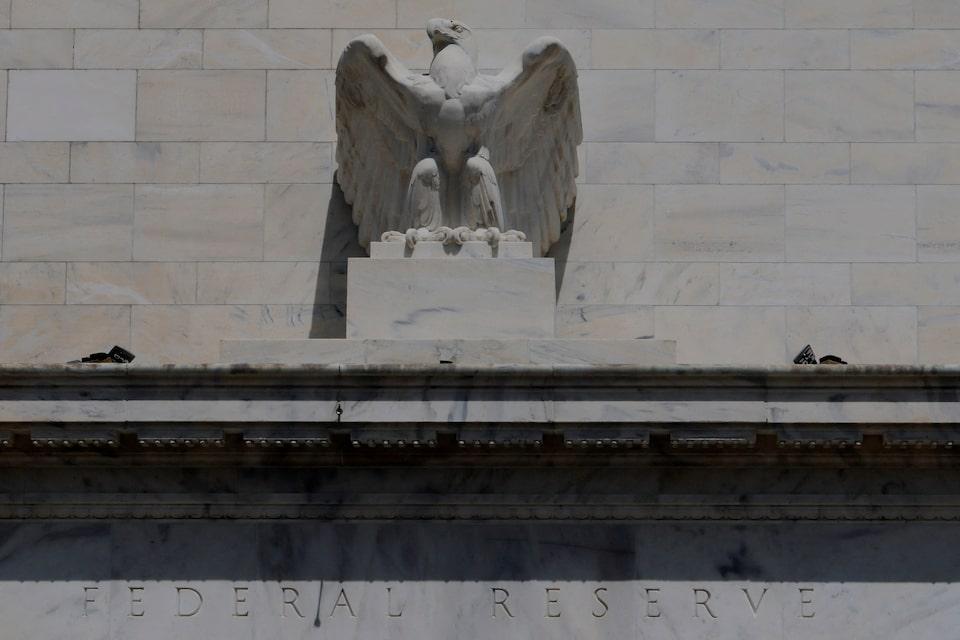
Fed, Bank of Canada cut rates Bank of England leaves rates on hold Markets see lower chance of further ECB rate cuts LONDON, Sept 18 (Reuters) - The U.S. Federal Reserve has delivered its first rate cut since December, diverging from most other major central banks that have kept interest rates unchanged. The Bank of England kept rates steady on Thursday and the Bank of Japan is expected to follow on Friday, while expectations for further euro zone rate cuts are fading. Sign up here. Here's where 10 major central banks stand: 1/ SWITZERLAND The Swiss National Bank cut its key rate to 0% in June. Investors have pondered whether a return to negative territory is likely, but markets now expect the SNB to hold rates when it meets next Thursday. Chairman Martin Schlegel reiterated that the bar is high for a return to negative rates, but does not rule out such a move. Inflation holding above the bottom of the SNB's 0-2% target band in August means traders do not anticipate negative rates soon. 2/ CANADA The Bank of Canada reduced its key rate to a three-year low of 2.5% on Wednesday, the first cut in six months, citing a weak jobs market and less concern about underlying price pressures. It paused its easing campaign in March after reducing rates by a total of 225 basis points in nine months, starting in June last year. Markets price in a roughly 40% chance of another cut when the central bank meets again next month. 3/ SWEDEN Sweden's Riksbank has also cut rates substantially, despite sticky core inflation, but looks set to remain on hold when it meets next week. It says that August inflation data were supportive of the Riksbank's view that price pressures are likely to be temporary. 4/ NEW ZEALAND Domestic and global growth headwinds could pave the way for the Reserve Bank of New Zealand to cut rates at its October 8 meeting and probably once more by the year's end, a Reuters poll of economists shows. The RBNZ cut its policy rate by 25 bps to a three-year low of 3% last month. 5/ EURO ZONE Euro zone rate setters last week kept their key rate on hold at 2% for a second straight meeting, with ECB chief Christine Lagarde reiterating that the bank remains in a "good place" and said risks to the economy had become more balanced than before. Markets sense the ECB cycle is at or near an end and price in roughly 12 bps of cuts by next July. 6/ UNITED STATES Moving in the opposite direction, the Federal Reserve reduced rates on Wednesday and indicated more cuts would follow in October and December to support the jobs market. Fed Chair Jerome Powell said the softening job market was now key for policymakers. U.S. President Donald Trump, meanwhile, is trying to fire Fed Governor Lisa Cook. New Fed Governor Stephen Miran, sworn in on Tuesday, cast the only dissenting vote - he opted for a bigger 50 bps rate cut. In total, around 50 bps of Fed cuts are priced in by year-end. 7/ BRITAIN The Bank of England kept rates unchanged on Thursday. Policymakers voted 7-2 to slow the annual pace at which it unloads the gilts purchased from 2009 and 2021 to 70 billion pounds from 100 billion pounds, broadly in line with analyst expectations. The BoE last cut rates in August and markets price in a roughly 40% chance of a quarter point move by year-end. Some analysts think a cut is likely in November as growth slows. 8/ AUSTRALIA The Reserve Bank of Australia has cut rates by 75 bps since February, though strong second-quarter GDP data means markets have pared back bets on more easing. Traders price in one more 25 bps cut this year, and nearly another two by June 2026 . The next meeting is on Sept. 30. 9/ NORWAY Norway's central bank cut rates by 25 bps to 4.0% on Thursday, its second reduction of borrowing costs in three months, as expected by analysts. It added that it would not cut future rates as much as it had thought in June due to an increase in underlying inflation and slower-than-expected growth in the first half. Markets expect Norges Bank to keep rates on hold for the rest of the year. 10/ JAPAN The Bank of Japan is almost certain to hold rates at its meeting on Friday amid political uncertainty following Prime Minister Shigeru Ishiba's resignation. However, for the sole central bank in tightening mode, a December hike still looks possible. It last raised interest rates in January to their highest level since the 2008 global financial crisis. Also watch on Friday whether the BOJ reduces its purchases of super-long-dated government bonds. https://www.reuters.com/business/finance/global-markets-cenbank-graphic-2025-09-18/
2025-09-18 12:15
MOSCOW, Sept 18 (Reuters) - Russia has increased its planned oil loadings from the Baltic port of Ust-Luga and the Black Sea port of Novorossiisk for September, following disruptions at its main western outlet, Primorsk, two sources familiar with the schedule told Reuters. The diversion of oil flows to less affected western ports may help Russia keep overall exports relatively stable despite infrastructure damage. Moscow is making an effort to maintain high oil sales, which remain the backbone of its budget revenue. Sign up here. The increase in seaborne exports also comes amid unplanned shutdowns at several Russian refineries, which were targeted by drone attacks. Ukraine has intensified its drone attacks on Russia's oil and gas infrastructure since early August amid frustration over the direction of peace talks which the Kremlin says have now been effectively paused. The outages have left more crude oil available for export, the sources said. Ust-Luga is now expected to load at least 500,000 barrels per day (bpd), or 2 million tonnes, up from an initial plan of 1.5 million tonnes, the sources said. The port continues to operate below full capacity as repairs after the Unecha pumping station was damaged by Ukrainian drone strikes in August. Unecha is critical for flows to Ust-Luga and the Druzhba pipeline. Novorossiisk is set to load approximately 750,000 bpd, or 3.1 million tonnes, an increase of 350,000 tons from the original plan. This marks the highest export level from the terminal in months, the sources added. Meanwhile, loadings at Primorsk, which had been expected to handle 900,000 bpd in September, are facing delays and may be reduced. Crude and diesel exports from the port resumed partially on Saturday after drone attacks disrupted operations, but repairs are ongoing and the timeline for full recovery remains uncertain. As of Thursday, two Aframax tankers — Kusto and Cai Yun — hit during the strikes remained anchored near Primorsk, according to LSEG shipping data. One of the sources noted that diverting volumes from Primorsk to Novorossiisk is complicated due to limited tanker availability. "It is not easy to fix a new tanker for Russian oil loadings or to change a vessel’s destination at short notice," the source said. https://www.reuters.com/business/energy/russia-revises-up-oil-export-plans-ust-luga-novorossiisk-primorsk-faces-delays-2025-09-18/

2025-09-18 12:12
BoE cuts pace of QT to 70 billion pounds from 100 billion MPC votes 7-2 to keep Bank Rate at 4%, as expected Future gilt sales to be skewed to short- and medium-dated gilts Governor Bailey says UK 'not out of the woods' on inflation LONDON, Sept 18 (Reuters) - The Bank of England slowed the pace of its programme to run down its government bond stockpile on Thursday and skewed sales away from long-dated debt in a bid to minimise the impact on volatile gilt markets. The central bank kept its main interest rate on hold at 4% after August's quarter-percentage-point cut, as expected. Sign up here. The BoE bought 875 billion pounds ($1.19 trillion) of British government bonds between 2009 and 2021 to boost the economy, then started to reverse these purchases in 2022 in a process known as quantitative tightening, or QT. Unlike other central banks, it has sold bonds outright as well as letting them mature, something critics say contributed to 30-year gilt yields hitting a 27-year high this month. POLICYMAKERS SPLIT ON PACE OF BOND STOCK RUNDOWN Monetary Policy Committee members voted 7-2 to slow the pace at which the BoE unloads gilts to 70 billion pounds between October 2025 and September 2026 from 100 billion pounds over the past 12 months. The decision was broadly in line with a median forecast of 67.5 billion pounds in a Reuters poll of economists and will reduce the BoE's main government bond holdings to 488 billion pounds by October 2026. "The new target means the MPC can continue to reduce the size of the Bank's balance sheet in line with its monetary policy objectives while continuing to minimise the impact of gilt market conditions," Governor Andrew Bailey said. The QT slowdown is the first since the BoE started to unwind its gilt holdings in February 2022. Bailey said QT was needed to restore room for future stimulus and reduce potential distortions in financial markets. Thursday's vote also represented the first split by policymakers on the pace of QT. BoE Chief Economist Huw Pill voted to keep it at 100 billion pounds a year, saying the impact on markets was small. Catherine Mann called for a 62 billion-pound reduction. The BoE said sales would be split 40:40:20 between short-, medium- and long-dated gilts, based on their initial purchase price. Mann said she wanted to continue with an even split. Britain's Debt Management Office has already largely shifted gilt issuance to short- and medium-dated bonds due to a fall in pension funds' appetite for long-dated debt and global factors that have raised the cost of long-term borrowing. Long-dated gilt yields hit their highest since 1998 this month, making it harder for finance minister Rachel Reeves to meet her own rules when she delivers her November 26 budget. "The decision to slow the pace ... should help ease some of the pressure on the UK bond market in the run-up to the budget," said Yael Selfin, chief economist at KPMG UK. Sterling weakened against the dollar and gilt yields initially edged lower after the decision before a rise in U.S. Treasury yields lifted 10-year gilt yields to a two-week high. Vivek Paul, chief UK investment strategist at major fund manager BlackRock, predicted upward pressure on long-term gilt yields before the budget, given the government's difficulty cutting welfare spending. "Policymakers hope these actions will help limit the UK-specific pressure on long-dated yields just as international buyers of long-term bonds are becoming more risk-conscious than ever," he said. BOE FORECASTS INFLATION WILL HIT 4% The MPC's 7-2 vote to keep interest rates at 4% was in line with expectations in a Reuters poll. MPC members Swati Dhingra and Alan Taylor kept their call for lower rates. The BoE maintained its forecast that inflation would peak at 4% this month before falling back only slowly to its 2% target by the second quarter of 2027. It nudged up its economic growth forecast for the third quarter to 0.4% from 0.3%. "Although we expect inflation to return to our 2% target, we're not out of the woods yet so any future cuts will need to be made gradually and carefully," Bailey said. Speaking later to broadcasters, he said he thought there would be "some further reductions" to borrowing costs but "the timing and scale is more uncertain". Deputy Governor Clare Lombardelli - who opposed last month's rate cut - also said the central bank thought rates "are on a downward path". The economists polled by Reuters last week forecast a quarter-point rate cut in November or December and another early next year. By contrast, financial market rate futures show only around a one-in-three chance of a move this year. "Sticky inflation and subsiding labour market weakness should dissuade the MPC from easing," said Simon Dangoor, head of fixed income macro strategies at Goldman Sachs Asset Management. "However, a budget deemed to weigh further on UK growth prospects could prompt a swift response." Finance minister Reeves is expected to raise taxes in her budget to stay on course to repair the public finances. ($1 = 0.7339 pounds) https://www.reuters.com/world/uk/bank-england-slows-pace-bond-rundown-keeps-rates-hold-2025-09-18/




