2026-01-30 13:14
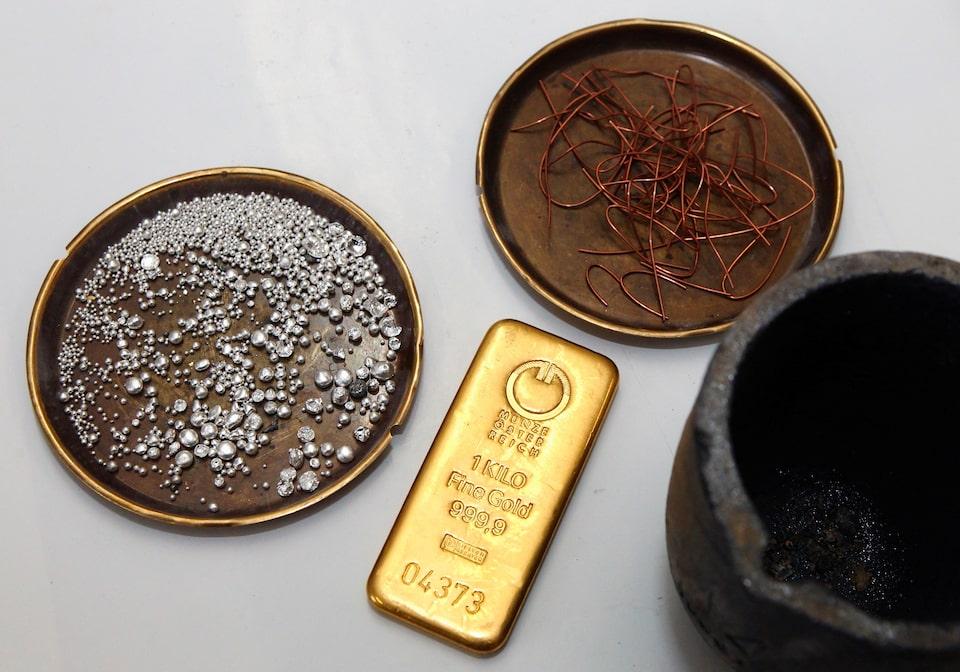
Fear of missing out triggers outsize moves Speculators reminded of two-way markets China's Lunar New Year holiday could see further sales LONDON, Jan 30 - Gold, silver and copper prices tumbled on Friday after hitting record highs this week, as jittery investors moved to lock in profits with hopes for aggressive U.S. interest rate cuts starting to fade and the dollar steadying. President Donald Trump on Friday said he had chosen former Federal Reserve Governor Kevin Warsh to head the U.S. Federal Reserve. The dollar index (.DXY) , opens new tab, a measure of the U.S. currency against peers had firmed on expectation of Warsh's appointment. Sign up here. "The market thinks Kevin Warsh is rational and that he won't push aggressively for rate cuts," said Panmure Liberum analyst Tom Price. "Generalist investors who have different agendas - like protecting capital - are taking profits." A higher U.S. currency makes dollar-priced metals more expensive for holders of other currencies, which could hit demand. This relationship is used by funds which trade using buy and sell signals from numerical models. INVESTORS CASH OUT AFTER GOLD, SILVER RALLY With gold and silver prices up 17% and 39% respectively so far in January, profit-taking on the last trading session of the month came after several days of thin liquidity where small flows driven by the fear of missing out triggered outsized moves. "Both gold and silver were ripe for a correction given the highly speculative and unhinged nature of the latest surge," said Ole Hansen, head of commodity strategy at Saxo Bank. Gold was down 4.7% at $5,143.40 an ounce at 1201 GMT and silver had lost 11% to $103.40 after hitting records at $5,594.80 and $121.60 an ounce respectively on Thursday. "Precious metals have discovered gravity," said independent analyst Ross Norman. "It's brutal, but speculators have been reminded these are two-way markets." Copper, which touched an all-time high at $14,527.50 a metric ton on Thursday, was down 1.1% at $13,465. It has gained around 6% so far this month after climbing 11% in December. "Prices are likely to remain high and volatile as funds continue to flow into this relatively small, and now very crowded market," said Macquarie analyst Alice Fox. Traders expect further losses for copper, aluminium and other industrial metals listed on exchanges ahead of the Lunar New Year holiday on February 16, when top metals consumer China will shut down for a week. "Chinese punters will not want to have any positions in these volatile markets," said Panmure's Price. "Look at what has happened in just 12 hours." https://www.reuters.com/business/gold-silver-copper-tumble-nervous-investors-discover-gravity-2026-01-30/
2026-01-30 12:48
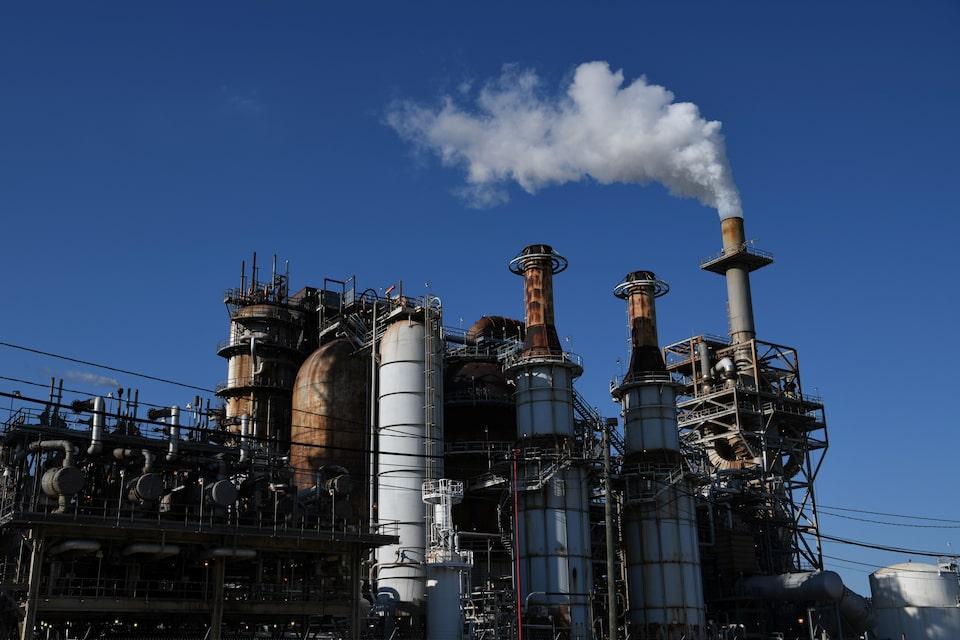
Jan 30 (Reuters) - Petrochemicals maker LyondellBasell (LYB.N) , opens new tab on Friday posted a surprise loss for the fourth quarter and said it aims to save $1.3 billion by the end of 2026, as it continues to keep a tight lid on costs amid volatility in feedstock and energy prices. LyondellBasell's shares, however, rose 1.5% in premarket trading as the company said it expects to generate an additional $500 million of cash flow this year. Sign up here. Chemicals companies have been struggling due to weaker demand and rising raw material costs in key markets such as Europe, where the rigorous regulatory landscape has compelled businesses to reassess their approach in the region. Last year, LyondellBasell said it would sell four European assets and was planning brief shutdowns at plants in Germany and Texas for maintenance and market alignment. During the reported quarter, higher feedstock and energy costs coupled with lower prices for its products led adjusted core profit at LyondellBasell's olefins & polyolefins-Americas unit to drop by 67% to $164 million. Olefins are used to manufacture polymers such as plastic. Meanwhile, adjusted core profit in the intermediates & derivatives segment, which makes oxyfuels and intermediate chemicals, fell 18% to $205 million from a year ago. The company posted an adjusted loss of 26 cents per share for the quarter ended December 31, compared with analysts' estimate of a profit of 13 cents per share, according to data compiled by LSEG. https://www.reuters.com/business/energy/lyondellbasell-targets-13-billion-cost-savings-after-surprise-quarterly-loss-2026-01-30/
2026-01-30 12:46
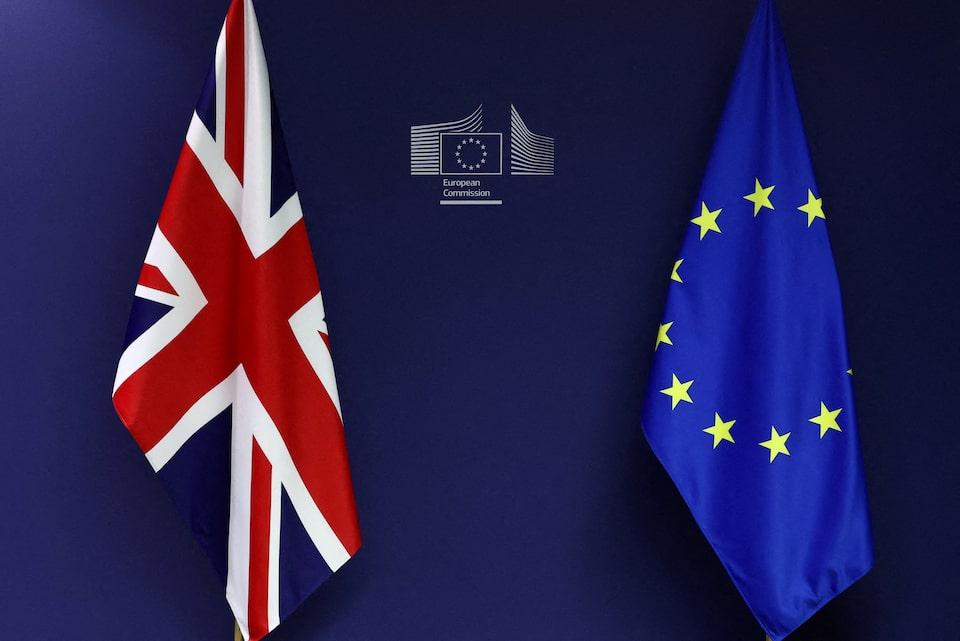
Britain left EU's internal energy market after Brexit Deal sought on UK participation in EU electricity market Talks due to start in coming months British government supports reset in UK-EU relations BRUSSELS, Jan 30 (Reuters) - European Union countries will demand that Britain contributes financially to poorer EU member states' development as part of any deal to re-link the two sides' energy markets, according to EU documents and diplomats. As part of efforts to reset relations following Britain's exit from the EU, the two sides agreed last year to start negotiations on British participation in the EU electricity market. Sign up here. Industry says such a move would remove hundreds of millions of euros in annual costs that Brexit added to energy trade between Britain and the 27-nation EU. But a dispute over funding could complicate the energy negotiations that are due to start in coming months, diplomats said. EU countries want Britain to contribute funding to EU cohesion - jargon for reducing inequality by funding development in poorer member states - in exchange for regaining access to the EU's internal energy market, diplomats told Reuters. The situation would mirror that of Norway, which is not in the EU but has access to the EU's internal energy market and has contributed about 391 million euros ($466 million) a year in grants to EU cohesion. A similar deal for Britain would be politically sensitive as Brexit supporters said while campaigning for Britain's departure that regaining control of British contributions to the EU budget would be an upside of leaving the bloc. The governing Labour Party pledged before coming to power in 2024 to reset relations with the EU and reduce barriers to trade. But Reform UK, which leads opinion polls, sees close energy ties with the EU as a threat to UK sovereignty. EU SEEKS FINANCIAL CONTRIBUTION An EU document setting out the bloc's negotiating position said Brussels wants to "establish a permanent, legally binding mechanism for the appropriate financial contribution of the United Kingdom towards reducing economic and social disparities between the regions of the Union". A British government spokesperson declined to comment on the energy talks but said: "Closer cooperation on electricity will bring real benefits to British businesses and consumers—helping to drive down energy costs, strengthen energy security and attract investment in the North Sea." Brexit resulted in a decoupling of trade on the power interconnectors between Britain and EU countries including France and Denmark. In practice this means trades are conducted manually, rather than through a more efficient algorithm that maximises trading capacity and lets power flow unhindered to where it is needed most. The post-Brexit arrangement has added costs of about 1 billion pounds ($1.38 billion) to UK-EU power trading and could rise to 350 million pounds per year by 2030, Britain's National Grid told a parliamentary committee meeting this month. Ultimately, those costs feed into consumers' energy bills. EU countries are still debating the size of a potential British financial contribution, and plan to finalise their mandate for negotiations in the next few months, diplomats said. ($1 = 0.8381 euros) ($1 = 0.7268 pounds) https://www.reuters.com/sustainability/boards-policy-regulation/eu-says-no-post-brexit-energy-deal-without-uk-payments-2026-01-30/
2026-01-30 12:40
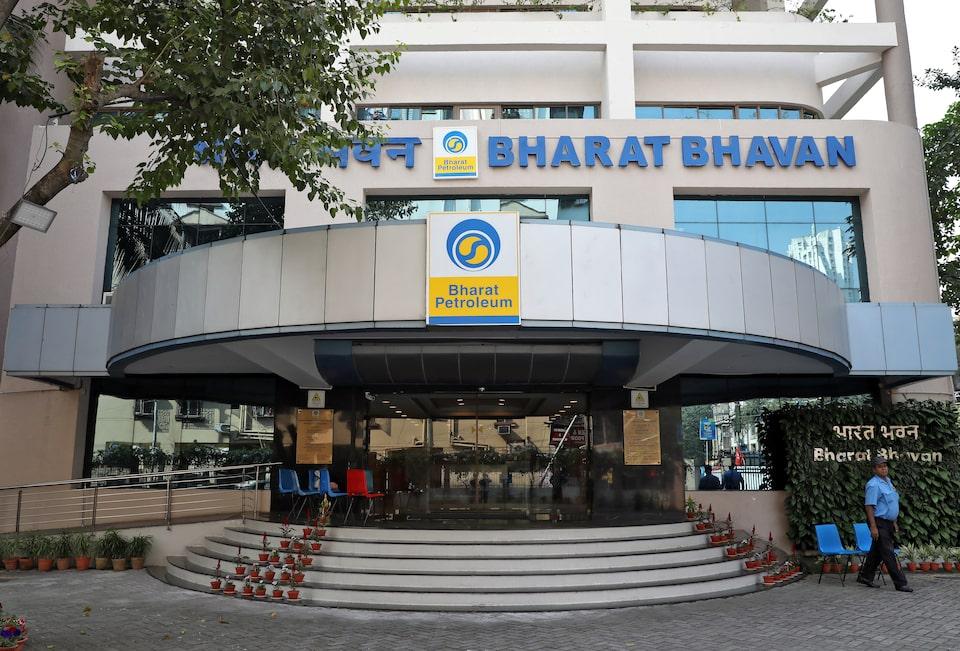
SOUTH GOA, India, Jan 30 (Reuters) - India's Bharat Petroleum Corp (BPCL) (BPCL.NS) , opens new tab is scouting global opportunities, ranging from acquisitions to strategic investments in solar, wind and hydropower, a senior official at the state-run refiner said on Friday. The refiner is pursuing renewable energy alongside refinery expansions, stressing that conventional fuels will remain critical to meeting India's fast-growing energy demand. Sign up here. "You have to keep pace with the growth. It is not either green or conventional; you have to go hand in hand," Subhankar Sen, BPCL's director (marketing), told Reuters on the sidelines of the India Energy Week conference. Companies in India, the world's third-largest emitter of greenhouse gases, are investing billions of dollars to cut emissions, while also expanding fossil fuels as economic growth is expected to drive petrochemical and fuel demand. The nation has set a target of reaching net zero by 2070. Sen said BPCL has set up a dedicated mergers and acquisitions team to pursue opportunities. The strategy will complement BPCL's expansion plans, as it targets building up to 2 gigawatts of renewable capacity by 2028. https://www.reuters.com/sustainability/climate-energy/indias-bpcl-looks-overseas-renewable-energy-acquisitions-investments-2026-01-30/
2026-01-30 12:35
FRANKFURT, Jan 30 (Reuters) - Thyssenkrupp (TKAG.DE) , opens new tab is confident that its materials trading division can be made independent in a sale or other transaction, its chief executive said on Friday, leaving open when such a step could happen. "We are confident that Material Services can be successfully brought to the capital market, even in a challenging environment," Miguel Lopez told shareholders at Thyssenkrupp annual general meeting. Sign up here. "As with any planned transaction, the exact timing will depend on market conditions." https://www.reuters.com/business/thyssenkrupp-confident-materials-trading-unit-can-be-divested-ceo-says-2026-01-30/
2026-01-30 12:25
India’s growing refineries are locking in long-term deals Traders see growth across crude, fuels and LNG Most new refining capacity will be absorbed domestically, traders say SOUTH GOA, INDIA, Jan 30 (Reuters) - A rare combination of rising fuel demand and expanding refining capacity is drawing global commodity traders to India, with firms such as Trafigura seeking long-term partnerships with state oil companies. As consumption growth slows in most major economies, trading firm executives told the India Energy Week conference that they see opportunities across crude, refined fuels and liquefied natural gas (LNG). Sign up here. "We see massive opportunities in India," said Sachin Gupta, chief executive of Trafigura India, pointing to strong demand for diesel, gasoline and liquefied petroleum gas and adding that India would be buying "a lot" of liquefied natural gas. Gupta expects Indian oil demand to reach closer to 9 million barrels per day by 2050, from about 5 million barrels per day currently. On Friday, Trafigura said it signed a "landmark crude supply agreement" with Bharat Petroleum Corp to supply Iraqi Basrah and Omani crude to the Indian state refiner. BPCL also signed a term agreement with TotalEnergies (TTEF.PA) , opens new tab for the procurement of UAE crude. GROWING DEMAND Indian Oil Corp (IOC), the country's largest refiner, last year signed a five-year import deal with Trafigura to buy 2.5 million metric tons of LNG in a deal valued at $1.3 billion-$1.4 billion. IOC's head of marketing, S.P. Srivastava told reporters at the conference that the company expects annual diesel demand to grow by 2-3% and gasoline demand to rise by 5-6% by 2030. It signed a preliminary agreement with Paris-based Engie at India Energy Week for LNG and other natural gas trading opportunities in the Asia-Pacific region, IOC Chairman A.S. Sahney said. Top gas importer Petronet LNG forecasts LNG imports will rise to 28 million-29 million tons in 2026, from about 25.5 million tons last year. Trading giant Vitol expects most of India's refinery output to be absorbed domestically. "There is 500,000 (barrels per day) of refining capacity coming online," said Kieran Gallagher, Vitol's Asia head. "Outside...summer seasonality and exports, largely the products derived from that capacity are going to be consumed within the country itself." Opportunities for traders also extend to petrochemicals, where supply remains structurally short despite government estimates that production will rise by 29.62 million tons to 46 million tons by 2030. https://www.reuters.com/business/energy/rising-oil-gas-lng-demand-draws-global-traders-india-2026-01-30/