2025-09-05 13:24
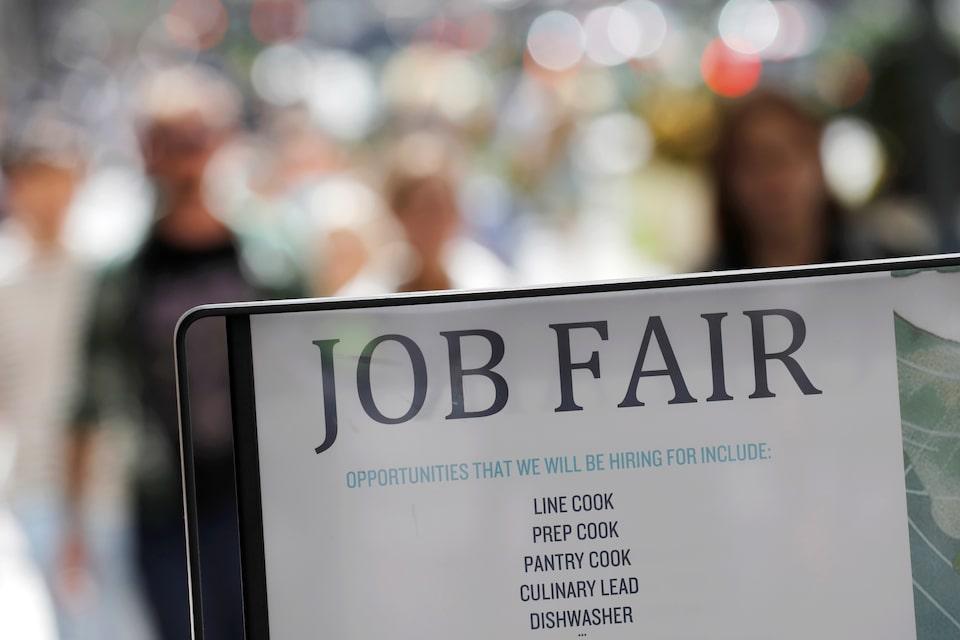
NEW YORK, Sept 5 (Reuters) - The pace of U.S. job growth slowed more than expected in August, and the unemployment rate increased, pointing to signs of slowing labor market conditions and boosting expectations the Federal Reserve will need to be more aggressive in cutting interest rates. Nonfarm payrolls increased by 22,000 jobs in August, after rising by an upwardly revised 79,000 in June, the Labor Department data showed on Friday. Economists polled by Reuters had forecast 75,000 jobs added last month. Sign up here. The unemployment rate rose to 4.3% in August from 4.2% in the previous month. MARKET REACTION STOCKS: S&P E-minis moved higher and were last up 0.45% BONDS: Treasury yields tumbled, with the yield on the benchmark U.S. 10-year note down 10.6 basis points to 4.069% and the two-year note yield down 12 basis points to 3.472% FOREX: The dollar index weakened further and was last down 0.64% to 97.61 COMMENTS: BILL MERZ, HEAD OF CAPITAL MARKETS RESEARCH AND PORTFOLIO CONSTRUCTION, U.S. BANK ASSET MANAGEMENT GROUP, MINNEAPOLIS: "This morning's soft payroll report is being interpreted by investors as an example of bad news is good news, and that's really because the payroll report today confirms a softening labor market and justifies a rate cut at the Fed meeting later this month.... It's a slower labor market, a slower job turnover market. We still continue to see consumers spending at around a 5% year-over-year clip, so the consumer continues to hang in there.” MELISSA BROWN, MANAGING DIRECTOR OF INVESTMENT DECISION RESEARCH, SIMCORP, NEW YORK: “With employment gains coming in lower than expected and downward revisions of prior months’ figures, it is clear that the economy is slowing. The lower job numbers, affecting most industries, are not surprising, as companies continue to face uncertainty surrounding tariffs and are putting off hiring. “The likelihood of more than one Fed rate cut has increased, but the specter of stagflation remains, as inflation is still a major concern and is not being tamed by the slower economic growth. If tariffs were finalized one could make the case that there would be just a one-time increase in prices, but as they continue to be on-again, off-again there Is a rolling impact that keeps inflation up.” KIM FORREST, CHIEF INVESTMENT OFFICER, BOKEH CAPITAL PARTNERS, PITTSBURGH: "The weak numbers that were just reported are giving the Fed ample room for cutting rates. There are some disturbing trends in this: the lack of jobs, the miss on the headline, and also the increase in the U-6 underemployment is also troubling. "It looks like we may have the 50-basis point cut coming up and it also looks like in the next three meetings, we (the Fed) may have to cut rates to support the economy." JEFFREY LESCHEN, MANAGING DIRECTOR, BRAMSHILL INVESTMENTS, NAPLES, FLORIDA: “We were not surprised to see the number. There’s a bit of uncertainty because of tariffs and AI, which could put pressure on hiring plans. There’s a lot of things in the future to be positive about, such as investments into the U.S. which could lead to manufacturing jobs. But it’s going to take a while to filter through. “The data puts a 50 bps cut back on the table. Today’s jobs report definitely solidifies the case for three rate cuts this year.” ART HOGAN, CHIEF MARKET STRATEGIST, B RILEY WEALTH, NY: "So the jobs number, while confusing with what we know about the total workforce population growth, continues to disappoint to the downside. "When you add everything up, you've got an average monthly jobs creation number that sits at or about 30,000. That's down from 135,000 the three months before this. So things are obviously slowing in the labor market. More importantly to the Fed is the unemployment rate moved up to 4.3%, which is a new high and I certainly think that that's one thing they'll focus on. "So this clearly leaves the door wide open for the Fed to cut rates in September to remain data dependent, especially as it pertains to the labor market in October and December meetings, but I certainly think that a rate cut in September is locked and loaded with today's data, barring any major upside surprise to the CPI inflation data that comes out next week." ED MAGUIRE, SENIOR DIRECTOR OF RESEARCH, FREEDOM CAPITAL MARKETS, NEW YORK: “Today's report evidences further softening in the jobs market. Despite uncertainties relating to the impact of tariffs and AI-powered automation remaining an overhang on hiring, the impact of recent tax law changes encouraging investment does appear to bolster underlying resilience in the U.S. economy. We appear in Goldilocks territory, with enough underlying strength to offset tepid jobs data.” Phil Blancato, CHIEF EXECUTIVE OFFICER, LADENBURG THALMANN ASSET MANAGEMENT, NEW YORK: "This certainly gives the Fed room to cut 25 basis points in September. I don't think it's 50. August hour tends to get revised back higher. They know that August is a noisy month because of back to school and the summer employment." "When you look at average hourly earnings, which are coming down, you look at the participation which are coming down... by and large when you look at these numbers, it would suggest the Fed should be cutting." BRIAN JACOBSEN, CHIEF ECONOMIST, ANNEX WEALTH MANAGEMENT, MENOMONEE FALLS, WISCONSIN: "A 50 basis point cut is back on the table. Everyone was probably more keyed-in on the revisions than the headline number. With revisions, there was nearly net zero job creation. Aggregate weekly hours were unchanged in August with broad declines across industries. Anything trade or tariff related saw declines in aggregate weekly hours worked. The diffusion index for private sector employment has been below 50, so it’s a top-heavy economy. You need some better breadth to remove the economic anxiety out there. PETER CARDILLO, CHIEF MARKET ECONOMIST, SPARTAN CAPITAL SECURITIES, NEW YORK: "It shows that the labor market is stalling to the point where we could experience negative job growth in the months ahead and this is all due to uncertainties as hiring is basically frozen due to the uncertainties over tariffs. So this raises perhaps speculation that the Fed may, even though I'm skeptical about this, but it does raise speculation that the Fed could cut by 50 basis points in September. "In terms of the economy, there's no question we're weakening and then that's because of the uncertainties over the tariffs. Consumers are still spending, but if it becomes harder to find a job all of a sudden and we find ourselves losing jobs, that certainly would mean weaker economic activity." DAVID REES, HEAD OF GLOBAL ECONOMICS, SCHRODERS, UNITED KINGDOM (via email): "The continued slump in US employment growth in August clears the way for the Fed to cut rates later this month. "But while the odds are now stacked firmly in favour of imminent rate cuts, the Fed will need to tread carefully. After all, most other labour market measures have held up well and changes to immigration policy are likely to restrict the supply of workers in the future. With the broader economy seemingly rebounding now the most pressing policy uncertainties have passed, it may not be long until hiring picks up again. "More generally, the strong performance of the US economy in recent years means that twin monetary and fiscal stimulus are more likely to fuel a pick-up in inflation than real GDP growth next year – and that is before the inflationary impact of tariffs is considered. Even though the Fed is highly likely to cut rates this month, market pricing for the fed funds rate to fall all the way to 3% next year still seems optimistic." https://www.reuters.com/business/instant-view-us-job-growth-slows-sharply-august-unemployment-rate-ticks-higher-2025-09-05/
2025-09-05 13:00
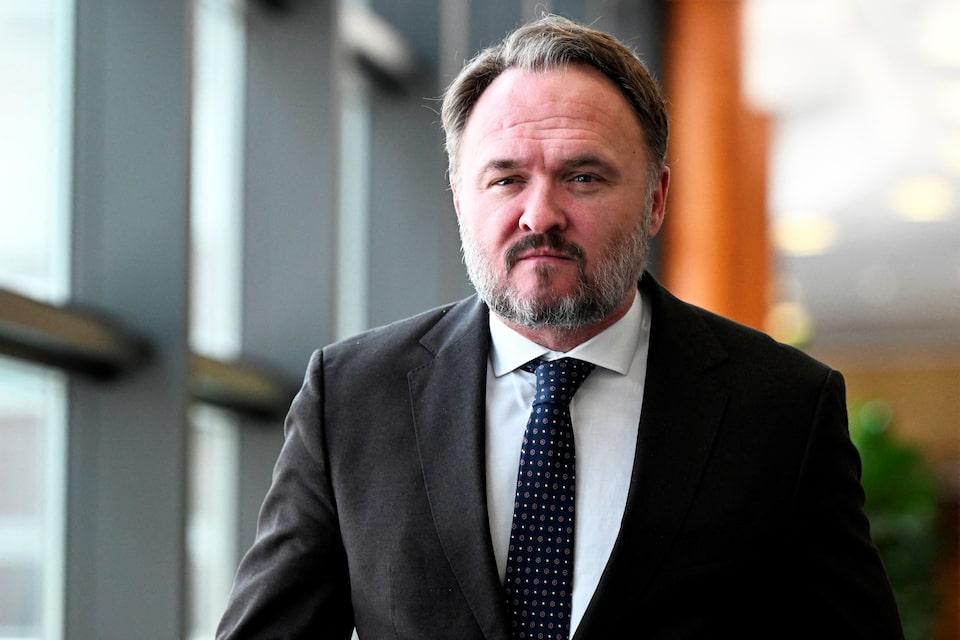
EU pledged to buy more US energy as part of trade deal Hungary and Slovakia oppose ending Russian imports Russia's oil and gas revenues have helped to fund Ukraine war COPENHAGEN, Sept 5 (Reuters) - The European Union is sticking to its plans to phase out Russian oil by 2028, the bloc's energy chief told Reuters on Friday, adding that he had not faced pressure from Washington to bring forward this deadline. As U.S. President Donald Trump seeks to end Russia's war with Ukraine, he told European leaders on Thursday to stop buying Russian oil, a White House official said, without specifying a date. Sign up here. As Russia's most lucrative exports, its fuel revenues have helped Moscow to fund its war and the European Union is negotiating legal proposals to phase out the EU's imports of Russian oil and gas by January 1, 2028. Energy Commissioner Dan Jorgensen, who is responsible for the EU's energy policies, told Reuters he had not personally come under pressure from the U.S. administration to halt Russian oil purchases faster than the 2028 deadline, but would welcome U.S. backing for the EU plan. "Not only has Putin weaponised energy against us, blackmailed member states, we are actually also indirectly helping finance Putin's war, and that needs to stop. And if President Trump agrees to that, then that is only a welcome support, because that is certainly our main objective," he said in an interview. Hungary and Slovakia import around 200,000-250,000 barrels per day of Russian oil, equivalent to around 3% of EU oil demand. EU purchases of Russian gas remain far bigger. Europe is expected to purchase around 13% of its gas from Russia this year, down from roughly 45% before Russia's full-scale invasion of Ukraine in 2022, according to EU figures. Reuters has requested Kremlin comment on the Trump remarks quoted by the White House official. The United States has imposed punitive tariffs on India for its continued purchases of Russian oil, while India has accused the West of hypocrisy. HUNGARY AND SLOVAKIA OPPOSE PHASE-OUT Hungary and Slovakia continue to import Russian crude oil through the Druzhba pipeline, and have opposed the EU's phase-out plan - saying it would hike energy prices. Jorgensen said he was in talks with both governments about their concerns - but that, if needed, EU countries could approve the phase-out plans without them. He declined to confirm if Brussels would offer funding or legal guarantees to attempt to win the two countries' support. "If, for domestic reasons, there are countries that don't feel that they can support it, then this is not something that demands unanimity," Jorgensen said. The EU proposals are designed to be passed by a reinforced majority of member countries. EU diplomats told Reuters they expect countries' energy ministers to approve them at a meeting next month. Jorgensen will hold talks with U.S. energy secretary Chris Wright in Brussels next week, on the EU's pledge to buy $250 billion of U.S. energy supplies per year, as part of the U.S.-EU trade deal. Analysts have said the energy purchase pledge is unrealistically high - in part, because the EU has little control over the energy its companies import. Jorgensen said they would discuss options for how the EU and U.S. administrations can ensure the deal is implemented. For example, the Commission has said it could pool demand from European companies to buy more U.S. gas. "It's clear that our role is to facilitate. The EU is not a gas trader," Jorgensen said. https://www.reuters.com/sustainability/climate-energy/eu-sticks-planned-russian-oil-exit-by-2028-energy-chief-says-2025-09-05/
2025-09-05 12:51
KYIV, Sept 5 (Reuters) - President Volodymyr Zelenskiy said on Friday thousands of troops could be deployed to Ukraine under security guarantees proposed by its allies once Russia's war on his country ends. French President Emmanuel Macron said on Thursday that 26 countries had pledged to provide postwar security guarantees to Ukraine, including an international force on land and sea and in the air. Sign up here. Macron initially said those countries would deploy to Ukraine, but later said some of them would provide guarantees while remaining outside Ukraine, for example by helping to train and equip Kyiv's forces. "It is important that we are discussing all this ... it will definitely be in the thousands, not just a few," Zelenskiy said after meeting European Council President Antonio Costa in Uzhhorod in western Ukraine on Friday. He said in response to a journalist's question that it was too early to comment on specifics. Russian President Vladimir Putin said on Friday that any Western troops deployed to Ukraine would be legitimate targets for Moscow to attack. In Uzhhorod, Zelenskiy said he had "coordinated steps" in Ukraine’s European Union accession talks with Costa. Kyiv sees EU membership as key to its security and recovery after the war. Zelenskiy was also due to meet Slovak Prime Minister Robert Fico on Friday. Deputy energy minister Roman Andarak said in Copenhagen that Zelenskiy was expected to discuss a phase-out of Russian oil deliveries via Ukraine with Fico. Slovakia is heavily reliant on supplies of oil from Russia via the Druzhba pipeline, whose infrastructure Ukrainian drones have attacked, causing repeated disruptions in supply that angered Bratislava. Fico met Putin on Tuesday in Beijing, and said Bratislava wants to normalise relations with Moscow. Ukraine has urged other countries to stop buying Russian oil to deprive Moscow of funds for its war. U.S. President Donald Trump told European leaders on Thursday that they must stop purchasing Russian oil, according to a White House official. https://www.reuters.com/world/europe/zelenskiy-says-thousands-troops-could-be-deployed-ukraine-under-security-2025-09-05/

2025-09-05 12:35
OTTAWA, Sept 5 (Reuters) - Canada's economy lost a net 65,500 jobs in July, largely in part-time work, and the jobless rate rose to 7.1%, Statistics Canada data showed on Friday. Employment in the goods producing sector grew by a net 1,700 jobs, largely in construction. The services sector was down by a net 67,200 positions, led by professional, scientific and technical services, as well as transportation and warehousing. Sign up here. Aug 2025 Jul 2025 Jobs gain/loss -65,500 -40,800 full-time -6,000 -51,000 part-time -59,700 +10,300 Unemployment rate 7.1% 6.9% Participation 65.1% 65.2% Labor force 22.550 mln 22.581 mln Aug 2025 Aug 2024 % change Avg hourly wage C$37.81 C$36.50 +3.6 NOTE: Analysts surveyed by Reuters had forecast 10,000 new jobs in August, and for the unemployment rate to rise to 7.0%. Hourly wage figures are for permanent employees. Keywords: CANADA ECONOMY/EMPLOYMENT https://www.reuters.com/business/world-at-work/canada-loses-net-65500-jobs-august-jobless-rate-rises-71-2025-09-05/

2025-09-05 12:28
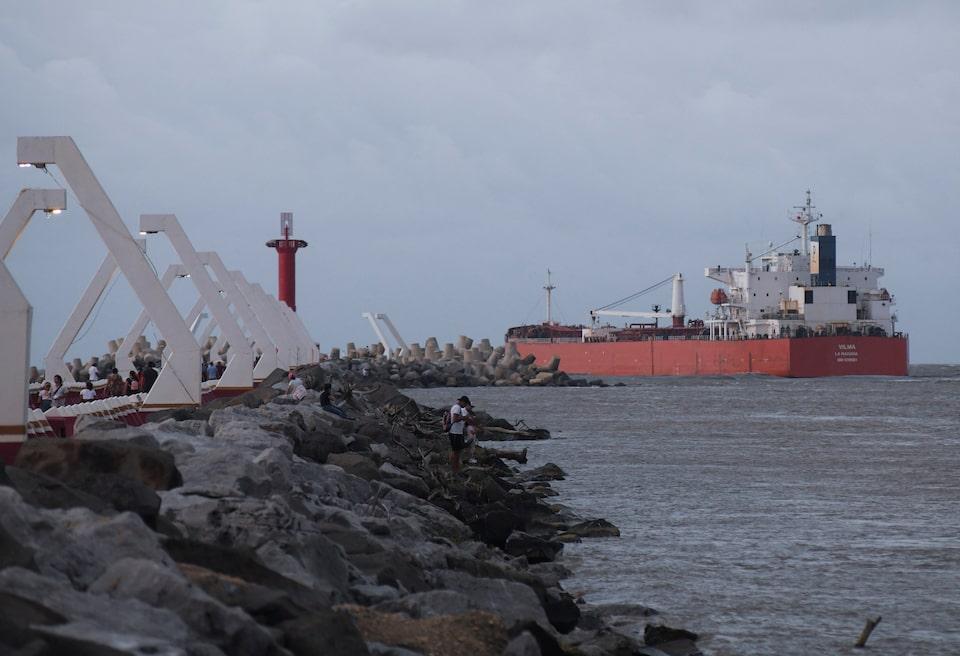
Crude down for a third consecutive session US crude inventories rise by 2.4 million barrels OPEC+ to consider further output hike on Sunday, sources say LONDON, Sept 5 (Reuters) - Oil extended its decline into a third session on Friday, heading for a weekly loss for the first time in three weeks as expectations grow of higher supply and a surprise increase in U.S. crude inventories added to demand concerns. Reuters reported on Wednesday that eight members of OPEC+ will consider raising production further at a meeting on Sunday. U.S. crude inventories rose 2.4 million barrels last week, rather than falling as analysts expected. Sign up here. Brent crude futures fell 51 cents, or 0.8%, to $66.48 a barrel by 1205 GMT, while U.S. West Texas Intermediate crude dropped 52 cents, or 0.8%, to $62.96. "There are increasing stories and signs of a future where feedstock supply is unlikely to be a problem," said John Evans at oil broker PVM. For the week, Brent is down 2.4% and WTI down 1.7%. Expectations are growing that the Organization of the Petroleum Exporting Countries and allies like Russia - known together as OPEC+ - will push more barrels into the market to regain market share at Sunday's meeting. Another boost would mean that OPEC+, which pumps about half of the world's oil, would be starting to unwind a second layer of output cuts of about 1.65 million barrels per day, or 1.6% of world demand, more than a year ahead of schedule. Strength in the downstream sector has been a key support for prices, BMI analysts said in a report, but refining margins will likely be squeezed in coming months as global demand growth wanes and refiners ramp up maintenance. Supply risks continue to support the market, however. U.S. President Donald Trump told European leaders on Thursday that Europe must stop buying Russian oil, a White House official said. Any cuts to Russia's crude exports or other disruption to supplies could push global oil prices higher. https://www.reuters.com/world/middle-east/oil-heads-weekly-loss-higher-supply-expected-2025-09-05/
2025-09-05 12:00
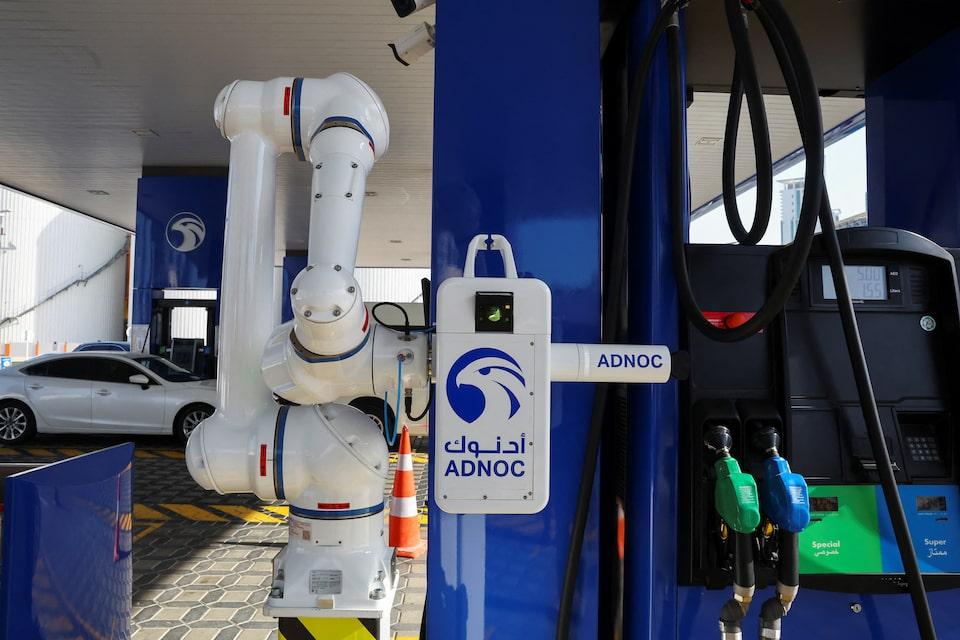
DARWIN, Australia, Sept 5 (Reuters) - The $18.7 billion bid by Abu Dhabi National Oil Company (ADNOC) for Australian liquefied natural gas producer Santos is facing a far higher hurdle than just the amount of money on offer. It's the politics of the transaction, which would be Australia's largest-ever cash takeover, that are looking increasingly hard to overcome. Sign up here. ADNOC launched the bid for Santos (STO.AX) , opens new tab, Australia's second-biggest oil and gas company, in June and an initial due diligence was due to be completed by August. This was delayed in August to September 19 even though no major issues were identified with the deal. The delay and the fact that Santos' shares are still trading well below the indicative offer price of A$8.89, having ended on Thursday at A$7.85, are signs that the deal is struggling. The proposed takeover was a major talking point at this week's South East Asia Australia Offshore and Onshore Conference in Darwin, capital of Australia's Northern Territory and home to Santos' Darwin LNG plant, which is about to be restarted. Participants from inside the industry and the government largely expressed the view that the deal was just not simply compelling enough from an Australian point of view. It was also interesting that while people would talk about the deal, nobody was prepared to go on the record, showing that above all, the ADNOC proposal is a political minefield and keeping quiet is seen as the sensible option. Other than a good payout to Santos shareholders, the question is why would Australia want to sell off some of its crown jewel LNG assets, as well as add fresh complications to a domestic natural gas market battling high prices and a lack of future supply. Australian Treasurer Jim Chalmers will have to approve the deal, and while he will want to maintain Australia's reputation as a safe and welcoming investment destination, he will also be mindful that selling a major domestic energy player to a company owned by a foreign government is unlikely to be a vote winner. MORE INVESTMENT So, what would ADNOC have to do to get the deal over the line? The major problem is that ADNOC is planning on buying existing and operating assets and has yet to outline a clear path for how it would grow the business and invest in Australia. This is quite different to the $200 billion invested by mostly foreign oil companies in the decade from 2010 to 2020 to build Australia's LNG capacity to what was then the biggest in the world. The attraction of Santos is that it offers two existing LNG plants in Australia and a stake in one in neighbouring Papua New Guinea, as well as a share in another PNG project scheduled for a final investment decision early next year. It's likely that ADNOC is less interested in Santos' onshore Australian gas assets that supply the domestic market. While ADNOC hasn't said anything, it wouldn't be a surprise if it tried to sell the onshore output to another operator. But if ADNOC wanted to show it was willing and able to build on the Santos portfolio, there are good opportunities to do so. Santos has exploration acreage in the Beetaloo Basin in the Northern Territory that holds the promise of being the next big thing for Australian natural gas, with geology superior to many similar shale plays in the United States and an estimated reserve of 500 trillion cubic feet of gas. A commitment to develop the Beetaloo, along with associated pipeline infrastructure to a newly-built LNG train alongside Santos' existing Darwin plant, would go a long way to convincing Australians that ADNOC wanted more than just control of the existing LNG assets. To give the deal a greater chance of winning political support, it's likely ADNOC is going to have to talk more about its plans and what commitments it is prepared to make. If it doesn't, it will be too easy for Chalmers and the ruling centre-left Labor Party to reject the deal on national interest grounds. Enjoying this column? Check out Reuters Open Interest (ROI), your essential new source for global financial commentary. ROI delivers thought-provoking, data-driven analysis of everything from swap rates to soybeans. Markets are moving faster than ever. ROI can help you keep up. Follow ROI on LinkedIn , opens new tab and X , opens new tab. The views expressed here are those of the author, a columnist for Reuters. https://www.reuters.com/markets/commodities/adnoc-will-have-offer-more-than-money-santos-deal-work-2025-09-05/