2025-09-03 06:45
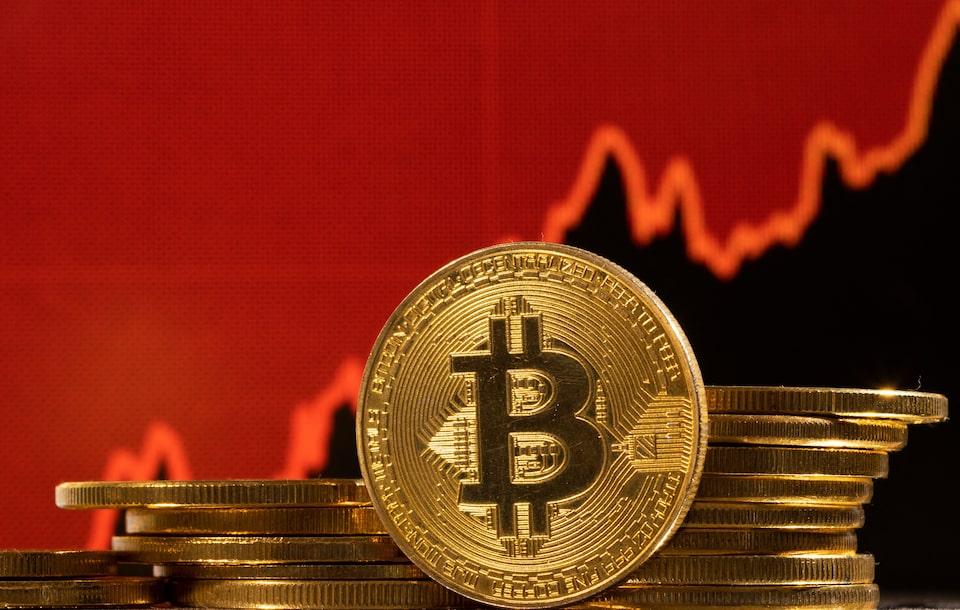
Sept 3 (Reuters) - Netherlands-based Treasury, a bitcoin treasury company backed by the US billionaire Winklevoss twins, said on Wednesday it plans to list in Amsterdam via a reverse listing alongside Dutch investment firm MKB Nedsense (NEDSE.AS) , opens new tab. Treasury, which has raised 126 million euros ($147 million) via a private funding round led by Winklevoss Capital and Nakamoto Holdings, said in a statement it aims to attract bitcoin investors in a region where options remain limited. Sign up here. WHY IT'S IMPORTANT Bitcoin treasury companies hold bitcoin reserves as their main asset instead of cash, like how companies traditionally hold dollars or euros. Unlike general crypto firms that trade many different digital coins, these companies focus only on accumulating and holding bitcoin long-term. This year, bitcoin has seen strong price appreciation to all time highs above $120,000 driven by renewed institutional interest and ETF inflows. Various crypto exchange-traded products (ETPs) have been launched in Europe, but these funds' adoption has lagged far behind that of spot ETFs in the U.S. BY THE NUMBERS Treasury says it has already accumulated more than 1,000 bitcoin. The reverse listing transaction represents a 72% premium to MKBN's closing share price of 7 euro cents on July 11. The two companies said in a joint release they aim to end up with a post-consolidation share price of 2.10 euros. CONTEXT Dutch crypto firm Amdax announced plans in August to launch a bitcon treasury company called AMBTS on Euronext Amsterdam. The Winklevoss twins, Cameron and Tyler, founded crypto exchange Gemini and are prominent bitcoin advocates who helped legitimize cryptocurrency investing among institutions. WHAT'S NEXT MKBN will convene an extraordinary meeting of shareholders to approve the reverse listing. After completion, MKBN will be renamed to "Treasury N.V." and is expected to trade under the ticker "TRSR". ($1 = 0.8542 euros) https://www.reuters.com/business/winklevoss-twins-backed-bitcoin-treasury-firm-list-amsterdam-2025-09-03/
2025-09-03 06:40
Sept 3 (Reuters) - Germany's chemical industry association said on Wednesday that production, sales, and prices in the sector declined in the second quarter, citing uncertainties regarding the U.S. tariff policy. The VCI association said pull-forward effects in business with the United States waned throughout the April-June period, as exports had been brought forward in anticipation of tariffs on goods from Europe. Sign up here. Overall production in the chemicals sector including pharmaceuticals fell 3.8% quarter-on-quarter, contrasting with the January-March quarterly increase of 6.7%. "Weak demand, declining sales, and production far below pre-crisis levels - this is the current reality in our industry and also in large parts of German industry," VCI managing director Wolfgang Grosse Entrup said in a statement. The sector, the third-largest industry in Europe's economic powerhouse Germany, can be seen as a bellwether for the broader economy as it produces materials used in sectors ranging from automotive and construction to agriculture and textiles. Pharmaceutical output fell by 5.6% compared with the previous quarter. On an annual comparison, overall quarterly production was down 3.1%, or 5.1% when pharmaceuticals were excluded, and revenue fell by 2.7% compared with the same period last year. The industry maintained its 2025 guidance for production volumes including pharmaceuticals to fall by 2% and industrial sales by 1%. https://www.reuters.com/sustainability/boards-policy-regulation/german-chemical-lobby-vci-quarterly-sales-production-fall-amid-tariff-2025-09-03/

2025-09-03 06:34
Commando forces airdropped to rescue the injured UN, aid groups appeal for food, shelter and medical supplies United Nations warns toll could rise with many trapped in rubble KABUL/MAZAR DARA, Afghanistan, Sept 3 (Reuters) - Afghanistan airdropped commandos on Wednesday to pull survivors from the rubble of homes in mountainous eastern areas ravaged by earthquakes this week that have killed 1,400, as it ramped up efforts to deliver food, shelter and medical supplies. The first earthquake of magnitude 6, one of Afghanistan's worst in recent years, unleashed widespread damage and destruction when it struck the provinces of Kunar and Nangarhar around midnight on Sunday at a shallow depth of 10 km (6 miles). Sign up here. A second quake of magnitude 5.5 on Tuesday caused panic and interrupted rescue efforts as it sent rocks sliding down mountains and cut off roads to villages in remote areas. Dozens of commando forces were being airdropped at sites where helicopters cannnot land, to help carry the injured to safer ground, said Ehsanullah Ehsan, the head of disaster management in Kunar. "A camp has been set up where service and relief committees are coordinating supplies and emergency aid," he said. Two centres were also overseeing transfer of the injured, burial of the dead and the rescue of survivors, he added. Earlier, rescuers had used helicopters to ferry the wounded to hospital as they battled with mountainous terrain and harsh weather to reach quake-hit villages along the border with Pakistan, where the tremors flattened mudbrick homes. The toll stands at 1,411 deaths, 3,124 injuries and more than 5,400 destroyed homes, the Taliban administration said, as the United Nations has warned it could rise, with victims trapped under rubble. A Reuters journalist, who arrived in the area before Tuesday's tremors, saw every home had been damaged or destroyed, while people dug through rubble in the desperate search for those still trapped. The second earthquake levelled homes only partially damaged by the first, residents said. Resources for rescue and relief work are tight resources in the impoverished nation of 42 million people, which has received limited global help after the tragedy. The impact was worsened by flimsy or poorly-built homes made of dry masonry, stone and timber giving little protection from earthquakes, in ground left unstable by days of heavy rain, the U.N. Office for the Coordination of Humanitarian Affairs (OCHA). The agency, which is pulling together the global disaster effort, called for emergency shelter, food assistance and sanitation facilities, along with drinking water, critical medical supplies and other items. The humanitarian response needed to urgently scale up, said an official of international group Médecins Sans Frontières that distributed trauma kits at two hospitals in the affected areas. "We saw many patients treated in the corridors and health workers in need of supplies," said Dr Fazal Hadi, its deputy medical coordinator in Afghanistan, adding that the hospitals had been working at full capacity even before the quake. Afghanistan is prone to deadly earthquakes, particularly in the Hindu Kush mountain range, where the Indian and Eurasian tectonic plates meet. https://www.reuters.com/business/environment/afghanistan-airdrops-commandos-rescue-earthquake-survivors-2025-09-03/

2025-09-03 06:10
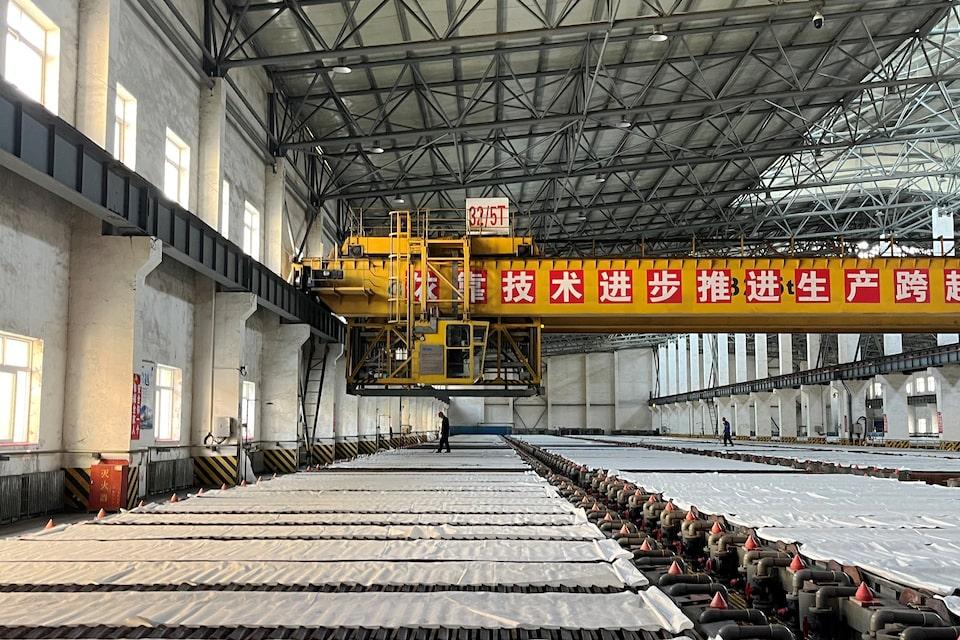
LONDON, Sept 3 (Reuters) - China's net imports of refined copper dropped to a one-year low in July as the world's largest buyer found itself in competition with the U.S. for metal. The scramble to ship copper to the U.S. ahead of threatened tariffs, deferred for now, extended to China's bonded warehouse stocks. Sign up here. China "exported" 121,000 metric tons of copper to the U.S. in the first seven months of 2025. The shipments started after President Donald Trump announced a national security investigation into U.S. copper import dependency in February. However, since U.S. customs counted in only 15 tons of refined Chinese copper over the first half of 2025, it's clear that China's "exports" were actually re-exports of previously imported non-Chinese metal. The drain on bonded inventory has stimulated China's own import appetite but the country has had to diversify its supply base to compensate for the U.S. pull on refined copper. RECORD FLOWS China's outbound shipments of refined copper totaled 426,000 tons in the January-July period, already higher than any previous calendar year with the exception of last year's 458,000 tons. The mid-year export spike in 2024 was caused by a short squeeze on the CME contract which resulted in the U.S. premium over the London Metal Exchange (LME) price widening to what was then an unprecedented $1,100 per ton in May. Chinese smelters made hay from the global pricing disconnect by shipping metal to LME warehouses in Taiwan and South Korea. LME holdings of Chinese copper amounted to just 400 tons in February 2024. By August they had mushroomed to 164,000 tons. It was, with hindsight, a dry run for this year's even greater tariff disconnect. The CME premium to the LME stretched to almost $3,000 in July before collapsing in August, when the U.S. administration confirmed tariffs on copper products but pushed back a decision on refined copper until next year. Chinese smelters have once again shipped metal to the LME, where registered stocks of Chinese copper jumped from 25,000 tons to 98,000 tons over the course of July. The turnaround of metal in Chinese bonded warehouses has also been complemented by higher outright exports to Thailand and Vietnam. Neither country hosts LME warehouses, suggesting China has been plugging supply-chain gaps opened up by the scramble to get the right sort of copper for U.S. delivery. CHILEAN DIVERSION CME's list of deliverable brands is largely limited to domestic and South American brands, Chilean in particular. U.S. imports of Chilean copper exceeded 500,000 tons in the first half of the year, compared with 650,000 tons over calendar 2024. Much of that extra metal was stripped out of LME warehouses and Chinese bonded stocks as well as the physical supply chain. It's noticeable that China's imports of Chilean copper have cratered since the tariff trade started. Arrivals of Chilean metal fell below 20,000 tons in both June and July for the first time since 2006. The year-to-date tally of 203,000 tons is down by almost half on the same period of 2024. Chinese buyers have turned to the Democratic Republic of Congo, Russia and Zambia to compensate for the loss of Chilean copper. The Congo has emerged as China's main refined copper supplier over the last couple of years and that position has been cemented this year with cumulative imports of almost 820,000 tons in the January-July period. Russia has long been a major import source for Chinese buyers, but the pace of arrivals has accelerated significantly this year. Monthly imports of Russian copper are now regularly exceeding those from Chile and cumulative January-July arrivals of 269,000 tons were up by 123% on last year. China's imports of Zambian metal have also more than doubled to 95,000 tons as buyers look for alternative non-Chilean material. IMPORT APPETITE The scale of China's exports and re-exports masks the country's continued hunger for refined copper. Imports were 2.2 million tons in the first seven months of 2025, closely tracking last year's levels. Indeed, China's import appetite seems to have grown stronger over the last couple of months in reaction to the combination of lower port stocks and direct smelter sales both to the LME and other Asian consumers. The country is also facing a shortage of recyclable copper scrap, which means increased demand for refined metal. Imports of scrap fell by 1% in the January-July period relative to last year. The U.S. has historically been the largest supplier of scrap to China, but the trade has shrunk dramatically this year after China included copper scrap in its reciprocal tariffs on the U.S. China's year-to-date imports of U.S. scrap have slumped by 49% and July's count of 930 tons was the lowest monthly total in over 20 years. As with refined copper, Chinese buyers are diversifying by lifting imports from Europe. But this may be only a short-term solution, given that the European Union is actively considering export restrictions on recyclable metal. The geopolitical dislocation to the refined copper market may be close to running its course after the push-back of U.S. tariffs, but the disruption to global scrap flows may only just have started. The opinions expressed here are those of the author, a columnist for Reuters. https://www.reuters.com/markets/commodities/china-feels-ripple-effect-us-copper-tariff-trade-2025-09-03/
2025-09-03 05:28
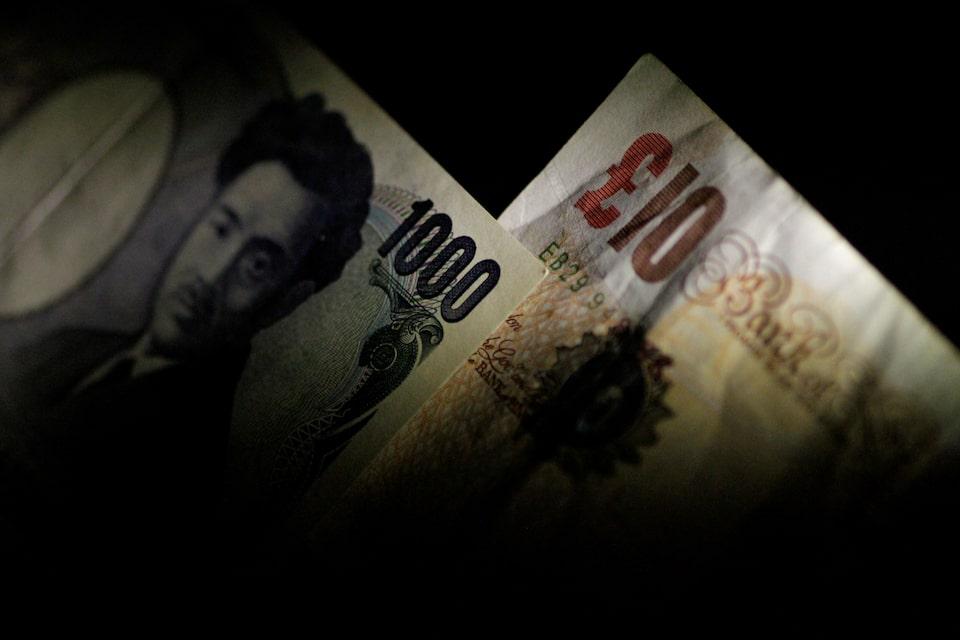
Sterling, yen struggle to regain footing Investors worried about rising debt levels globally Uncertainty over Japan's political future clouds BOJ outlook SINGAPORE, Sept 3 (Reuters) - The British pound and the yen came under pressure on Wednesday, following heavy selling stoked by renewed investor worries about the health of government finances globally and political uncertainty in Japan. Traders had dumped long-end government bonds in Europe and the U.S. in the previous session as focus once again shifted to rising debt levels across major economies, rekindling fears that governments around the world are losing their grip over fiscal deficits. The activity spilled over into Japan on Wednesday. Sign up here. The selloff was stark in the gilt market as Britain's 30-year borrowing costs rose to their highest levels since 1998, which also left sterling vulnerable as it tumbled more than 1% on Tuesday. The pound last traded 0.18% lower at $1.3370. "It's a problem Europe-wide, basically. I think France has got the same issues...it's been in the background for quite some time," said Ray Attrill, head of FX research at National Australia Bank, referring to the worsening fiscal positions of governments. "It's probably resonating a bit more in the UK because of memories of the Liz Truss episode... I think part of the concern is that there's an autumn statement or a budget that's coming up," he said. "I think at this stage, there's a lack of confidence in markets that the government is willing to address effectively the scale of the budget deficit and the speed of debt buildup." Over in Japan, the yen was similarly down more than 0.1% at 148.60 per dollar, having slid 0.8% in the previous session after the Japanese ruling party's Secretary-General Hiroshi Moriyama, a close aide to Prime Minister Shigeru Ishiba, said he intended to resign from his post. That could potentially affect the fate of Ishiba, who has resisted calls to quit over an election loss. "On the surface, political uncertainty, and the possibility that Prime Minister Shigeru Ishiba might resign in the coming days or weeks, is having a debilitating impact on the yen," said Kit Juckes, Societe Generale's chief global FX strategist. Sanae Takaichi, one of the leading contenders to replace Ishiba, is known for favouring low domestic interest rates. The yen hardly reacted to comments from Bank of Japan Governor Kazuo Ueda, who said he discussed various topics on the economy and markets, including foreign exchange rate moves, in a meeting with Ishiba on Wednesday. Meanwhile, the slide in sterling and the yen in turn lifted the dollar, which last stood at 98.43 against a basket of currencies having gained 0.66% on Tuesday. The euro was down 0.08% at $1.1631, extending its 0.6% fall from the previous session, while the Australian dollar was little changed at $0.6520. The New Zealand dollar last traded 0.06% lower at $0.5861. Fiscal and political worries aside, investors also had their eye on a slew of U.S. labour market data releases this week, headlined by Friday's nonfarm payrolls report. That could provide investors and the Federal Reserve a clearer picture of the labour market that has become the centre of policy debate, and could either underscore or cast doubt on expectations of a rate cut later this month. The two-year U.S. Treasury yield , which typically reflects near-term rate expectations, eased slightly to 3.6556% on Wednesday, though the 30-year yield was just a whisker away from the 5% level, in line with the global rise in long-end bond yields. https://www.reuters.com/world/africa/sterling-yen-undermined-by-fiscal-political-concerns-2025-09-03/
2025-09-03 05:18
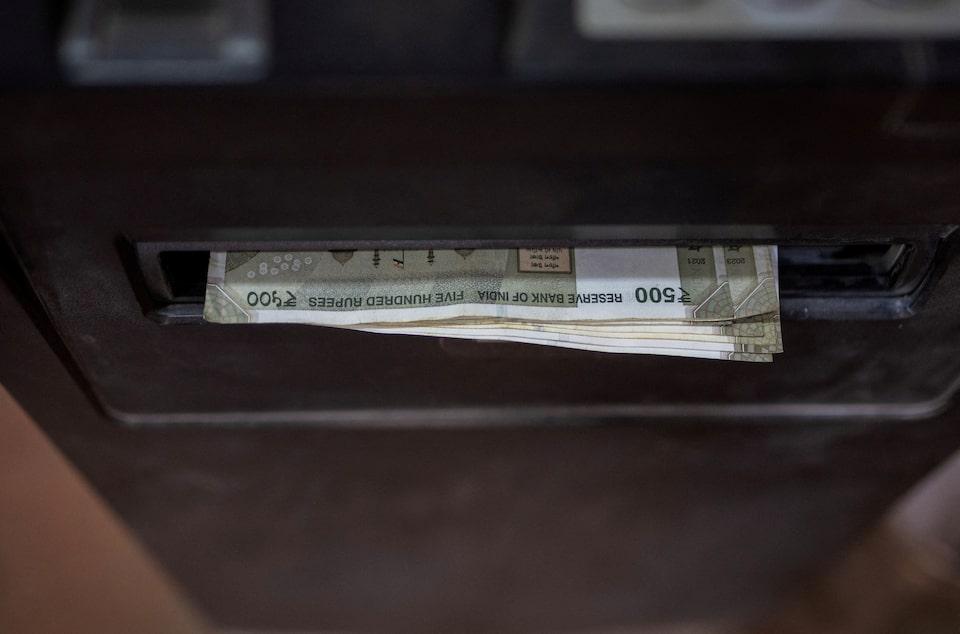
MUMBAI, Sept 3 (Reuters) - The Indian rupee rose on Wednesday, defying tepid sentiment across Asian markets, with traders noting that the bearish bias in options has faded. The rupee was quoting at 88.00 to the U.S. dollar, up 0.18% on the day. The local currency advanced despite weakness in Asian peers and a rally in the dollar index to 98.50. Sign up here. Bankers noted that the options market is signalling less near-term downside pressure on the rupee after it breached the 88 level last Friday. In particular, the 1-month USD/INR risk reversal, which had shown dollar calls trading at a premium to puts when the rupee breached the 88 mark, has now flattened, indicating lower demand for downside hedges on the currency. "The slight skew that was favouring dollar calls has disappeared, which is not surprising when you consider the price action post Friday's breakout (for USD/INR)," an FX derivatives trader at a private sector bank said. He noted that while the rupee hit a fresh all-time low of 88.33 on Monday, the move was largely orderly and did not trigger undue stress. On Tuesday, the currency rallied to 87.85 before dipping, and on Wednesday it pushed higher again to retest 88, underscoring that price action over the past three sessions has been contained. DOLLAR FINDS BUYERS The dollar index rallied 0.66% on Tuesday and inched up further in Asian trade on Wednesday amid fiscal concerns in several major economies, especially the UK and Japan. Britain's 30-year borrowing costs rose to their highest levels since 1998, highlighting investor anxiety about the UK's ability to keep its finances under control. https://www.reuters.com/world/india/rupee-rises-despite-tepid-asian-cues-options-shed-bearish-lean-2025-09-03/