2025-09-02 06:53
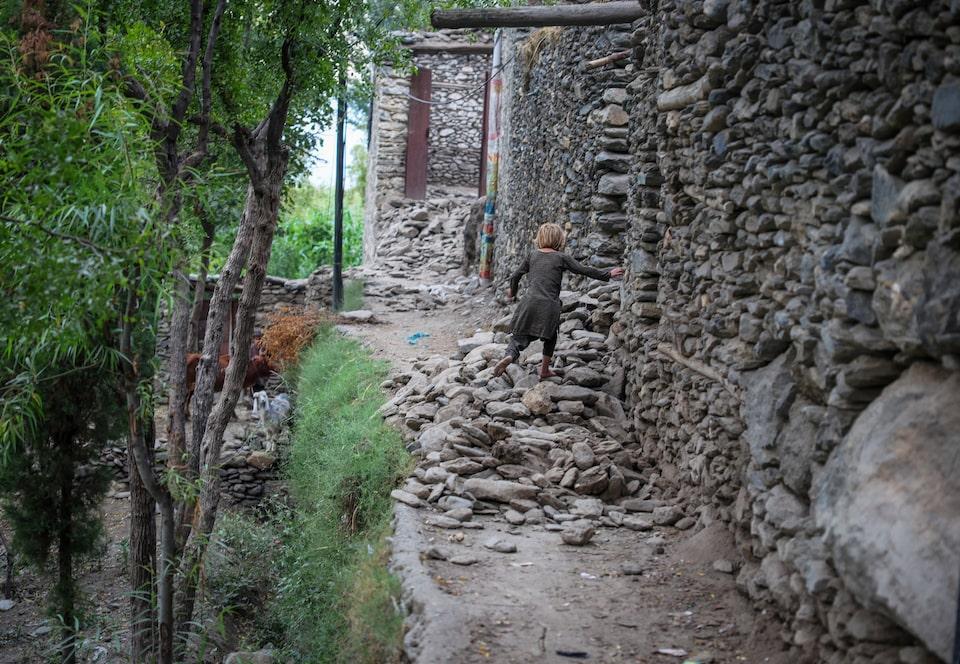
Rescue efforts focus on remote mountain areas, hindered by terrain and weather WHO highlights overwhelmed local health system and aid delivery challenges Britain, China and India pledge disaster relief assistance KABUL/MAZAR DARA, Afghanistan, Sept 2 (Reuters) - Rescuers in Afghanistan will try to reach isolated villages in the eastern region of Kunar on Tuesday, the epicentre of an earthquake that killed over 800 people and injured more than 2,800, authorities told Reuters. Rescue operations were carried out in four villages in Kunar on Monday after the quake struck and efforts will now be focused on reaching more remote mountain areas, said Ehsanullah Ehsan, the provincial head of disaster management. Sign up here. "We cannot accurately predict how many bodies might still be trapped under the rubble," said Ehsan. "Our effort is to complete these operations as soon as possible and to begin distributing aid to the affected families." One of Afghanistan's worst earthquakes, with a magnitude of 6, struck around midnight local time on Monday, at a shallow depth of 10 km (6 miles), killing 812 people in the eastern provinces of Kunar and Nangarhar. Mountainous terrain and inclement weather have hindered rescuers reaching remote areas along the Pakistani border where the quake flattened mudbrick homes. Gaining access for vehicles on the narrow mountain roads was the main obstacle for relief work, said Ehsan, adding machinery was being brought in to clear roads of debris. On Tuesday, a line of ambulances was on the damaged mountain road trying to reach Kunar villages, as helicopters flew in, bringing aid supplies and taking the injured to hospitals, according to a Reuters witness. Some of those injured have been transferred to hospitals in Kabul and the adjacent province of Nangarhar, said Ehsan. Thousands of children were at risk, the United Nations Children's Fund warned on Tuesday. UNICEF said it was sending medicines, warm clothing, tents and tarpaulins for shelter, and hygiene items such as soap, detergent, towels, sanitary pads, and water buckets. "Our response focuses on addressing urgent needs across health, safe water, sanitation, nutrition, child protection, temporary shelter, and psychosocial support to ensure that children and families receive life-saving assistance as quickly as possible," Tajudeen Oyewale, UNICEF's representative in Afghanistan, said in a statement. Taliban soldiers were deployed in the area, providing help and security. The disaster has further stretched the war-torn nation's Taliban administration, already grappling with a sharp drop in foreign aid and deportations of hundreds of thousands of Afghans by neighbouring countries. "National and international organisations are present in the area, have organised their assistance, and, God willing, aid will be distributed in an orderly manner," said Ehsan. Rescue teams and authorities are trying to dispose of animal carcasses quickly so as to minimise the risk of contamination to water resources, a U.N. official said on Monday. "Damaged roads, ongoing aftershocks, and remote locations of many villages severely impede the delivery of aid," the World Health Organization said in a situation update, adding that over 12,000 people had been affected by the quake. "The pre-earthquake fragility of the health system means local capacity is overwhelmed, creating total dependence on external actors," said the update. AID CUTS Afghanistan has been badly hit by U.S. President Donald Trump's decision in January to cut funding to its humanitarian arm USAID and reductions in other foreign aid programmes. Crises elsewhere in the world, along with donor frustration over the Taliban's policies toward women and curbs on aid workers have been a factor in funding cuts, according to diplomats and aid officials. Humanitarian officials said the shrinking of funding was hampering the response to the quake. In the wake of the latest disaster, Britain allocated 1 million pounds ($1.35 million) to support the efforts of U.N. and the International Red Cross in delivering critical healthcare and emergency supplies to affected Afghans. China said it was ready to provide disaster relief assistance "according to Afghanistan's needs and within its capacity", while India delivered 1,000 family tents to Kabul and was moving 15 tonnes of food supplies to Kunar, with more relief materials to be sent on Tuesday. Afghanistan is prone to deadly earthquakes, particularly in the Hindu Kush mountain range, where the Indian and Eurasian tectonic plates meet. A 6.1-magnitude earthquake that killed 1,000 people in the eastern region in 2022 was the first major natural disaster faced by the Taliban government. ($1 = 0.7402 pounds) https://www.reuters.com/business/environment/rescuers-afghanistan-race-reach-remote-quake-hit-mountain-villages-2025-09-02/
2025-09-02 06:45
Spot gold hits all-time high of $3,508.50/oz Focus on US non-farm payrolls data on Friday Silver firms near 14-year high Traders see 90% odds of 25-bp Fed rate cut this month Sept 2 (Reuters) - Gold sailed past $3,500 per ounce to a record high on Tuesday, as a weaker dollar and mounting expectations of a U.S. Federal Reserve interest rate cut in September boosted the precious metal's appeal. Spot gold was up 0.3% at $3,487.55 per ounce as of 0633 GMT, after hitting a record high of $3,508.50 earlier in the session. Bullion has gained 32% so far this year. Sign up here. U.S. gold futures for December delivery gained 1.2% to $3,557.80. "A corollary of the weaker economic backdrop and expectations of U.S. rate cuts is boosting precious metals," Capital.com financial market analyst Kyle Rodda said. "Another factor is the festering confidence crisis in dollar assets because of U.S. President Donald Trump's attack on Fed's independence." Trump has criticised the Fed and its chair, Jerome Powell, for months for not lowering rates, and recently took aim at Powell over a costly renovation of the central bank's Washington headquarters. On Monday, Treasury Secretary Scott Bessent said the Fed is and should be independent but added that it had "made a lot of mistakes" and defended Trump's right to fire Fed Governor Lisa Cook over allegations of mortgage fraud. Traders are currently pricing in a 90% chance of a 25-basis-point Fed rate cut on September 17, according to the CME FedWatch tool. Non-yielding gold typically performs well in a low-interest-rate environment. Rate-cut expectations and worries over the Fed's independence have weighed on the U.S. dollar (.DXY) , opens new tab, which is languishing near a more than one-month low against its rivals, making gold less expensive for overseas buyers. Long regarded as a dependable hedge against geopolitical and economic turmoil, gold has rallied to multiple record highs in 2025, drawing support from ongoing central bank buying amid a move away from the U.S. dollar, strong safe-haven demand in light of geopolitical and trade uncertainty, plus broad dollar weakness, analysts say. Spot gold prices rose 27% in 2024, and broke the $3,000 per ounce level for the first time in March this year as uncertainty around Trump's trade policies sent investors flocking to the safe-haven asset. "Gold's rally could extend to $3,600 and even beyond by year-end if the Fed follows through with multiple rate cuts and if a Russia-Ukraine peace deal remains elusive," KCM Trade chief market analyst Tim Waterer said. Investors are now looking forward to the U.S. nonfarm payrolls data due on Friday to determine the size of an expected Fed rate cut later this month. Spot silver was little changed at $40.64 per ounce, after hitting its highest since September 2011 in the previous session. Platinum gained 1% to $1,412.95 and palladium fell 0.7% to $1,129.52. https://www.reuters.com/world/india/gold-rushes-record-high-above-3500-us-rate-cut-expectations-2025-09-02/

2025-09-02 06:42
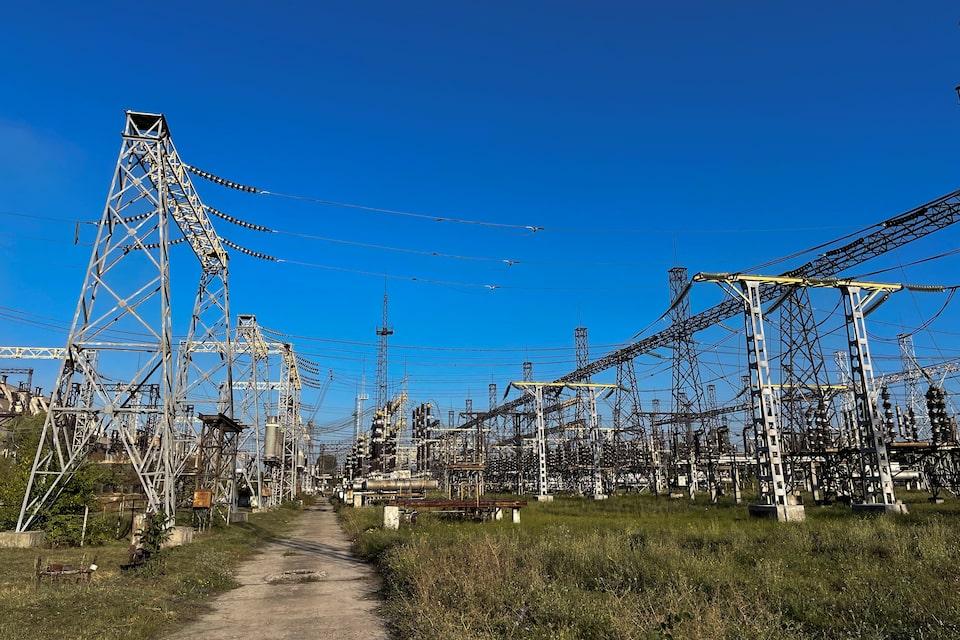
KYIV, Sept 2 (Reuters) - Ukraine, whose power system has come under continued drone and missile attacks by Russia, boosted its electricity exports by 60% in August from July to 450 megawatt hours, the Ukrainian ExPro consultancy said on Tuesday. The consultancy said Ukrainian power imports rose slightly to 264 MWh in August, or 2.5% more than in July. Sign up here. The consultancy provided no reasons for the changes. Market sources say long, sunny days have allowed more power to be produced at solar plants. Ukraine had no power exports in August 2024, while imports were 44% higher, ExPro noted. Ukraine had exported power mostly to Hungary - 38% of the volume - with 29% going to Moldova. The country had commenced large power exports to the European Union before the Russian invasion in 2022, but switched that supply off after Russia damaged Ukraine's power generating facilities. https://www.reuters.com/business/energy/ukraines-power-exports-jumped-august-analyst-expro-says-2025-09-02/
2025-09-02 06:38
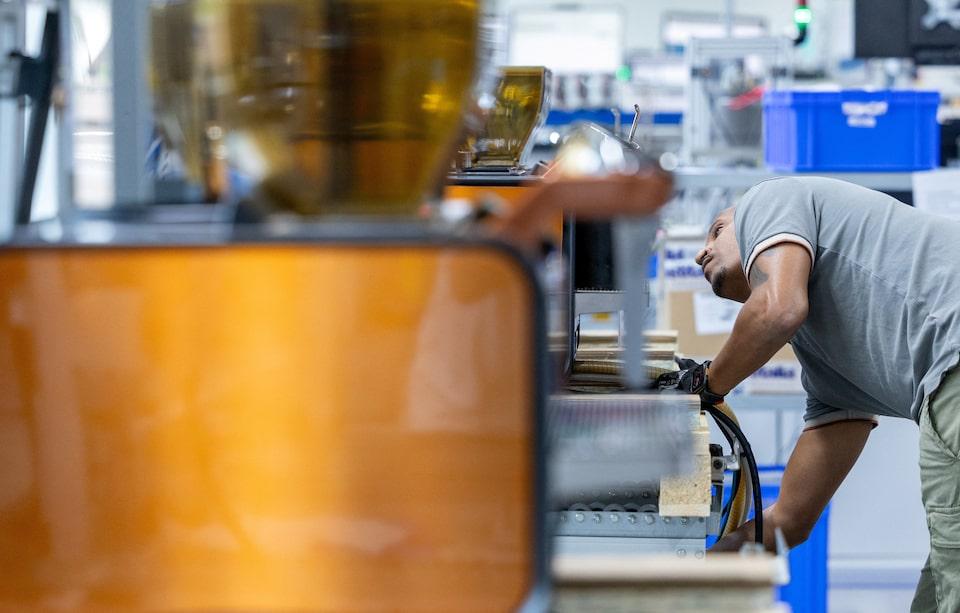
Thermoplan among Swiss firms facing 39% U.S. tariffs Coffee machine maker mulls moving production to Germany, U.S. Tariffs could shift more Swiss business to the EU WEGGIS, Switzerland, Sept 2 (Reuters) - Swiss coffee machine maker Thermoplan was a small family firm until it rode the wave of late 1990s globalisation to become a key supplier for Starbucks (SBUX.O) , opens new tab and created more than 500 jobs in a lakeside village by the Alps. The future of those jobs has been thrown into jeopardy since U.S. President Donald Trump on August 7 imposed 39% tariffs on Switzerland due to its trade surplus with the U.S. Sign up here. Thermoplan CEO Adrian Steiner calculates the 39% levy and separate U.S. tariffs on industrial metals are costing the company in Weggis, on the picturesque shores of Lake Lucerne, around 200,000 Swiss francs ($250,000) every week. "We're bleeding," he said. "It's obviously a losing business for us. We don't have the kind of margins to compensate for that." Thermoplan is already taking steps to enable production in Germany so it can export under lower European Union tariffs, and is considering moving jobs to the U.S. to shore up business there. Starbucks said it has had a long history of successfully navigating global changes, and is working closely with suppliers to help minimize any impacts on its business. After Trump first set out his global tariff plans on April 2, Thermoplan said it and Starbucks agreed to split the added costs. The Swiss company, whose other clients include McDonald's and Nestle, is one of about 2,000 Swiss machinery makers that have carved out niches as specialist exporters despite high labour costs and the steady appreciation of the Swiss franc. About one in every seven dollars made from exports by Swiss machine makers is U.S.-dependent, official data show. But if Switzerland's tariffs stay at 39% and those on the EU at 15%, about four-fifths of U.S. exports from the Swiss mechanical and electrical engineering sector - worth some 10 billion francs last year - will disappear, said Jean-Philippe Kohl, deputy head of industry association Swissmem. Tariff pressure could shift business to the EU, provided firms meet U.S. requirements to qualify as EU-based, Kohl said. A Swissmem survey showed nearly a third are considering it. Jobs are already trickling away. Around 3,000 in the sector went between the first and second quarters, Kohl said. At worst, that could become 30,000 by the end of 2026, he added. 'MADE IN SWITZERLAND' In Weggis, there is disbelief that Thermoplan is now under threat from the United States. "The USA is a really exciting country, be it for business or geographically," said Marcel Waldis, the municipal council's finance chief. "But right now, I'm deeply disappointed. How can it be that a big country is dependent on a single voice?" With Switzerland attempting to negotiate lower duties, more tariffs possible, and U.S. legal challenges still pending, the outlook for Swiss firms is uncertain. After Trump's April move, Steiner immediately instructed Thermoplan to look into producing in Germany. Calling the tariffs "insanely unfair", Steiner said the idea of relocating jobs flew in the face of Thermoplan's "Made in Switzerland" seal of quality. All Thermoplan's manufacturing is currently in Weggis, and 82% of components come from Switzerland. Fully 98% of its products are sold to export, and Starbucks accounts for 32% of its sales, about two-fifths of which are in the U.S. Steiner wants Thermoplan to be able to begin manufacturing as soon as January in Germany. But before it can, the firm has requested clarification from U.S. customs that the goods would qualify as EU-made. It hopes for word within a month, but Steiner worries the workaround will not satisfy U.S. officials. "Because to be honest, I understand we're meant to go to America," he said. "Trump's goal is clear." While conceding that such a move could ultimately benefit Thermoplan, Steiner said it may lack the muscle to uproot its supply chains to the U.S., and might not find enough skilled workers there. A decision would need to be made within a year, and starting U.S. production could take over two years, he said. And there is a deeper concern. "If Trump gets what he wants with his power politics, there's a big danger other countries do the same," he said. "Then we'll have China First. India First. Russia First." ($1 = 0.8019 Swiss francs) https://www.reuters.com/business/key-starbucks-supplier-switzerland-tastes-bitter-harvest-trump-tariffs-2025-09-02/
2025-09-02 06:37
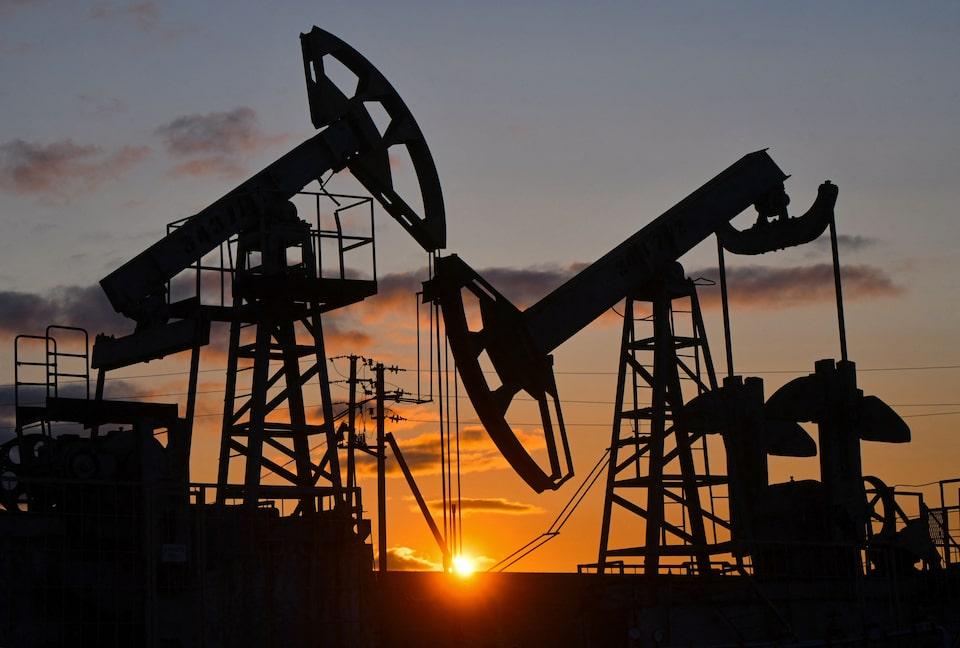
Ukraine's attacks force Russia to shut 17% of oil-processing capacity Bets on Federal Reserve rate cut buoy oil demand outlook U.S. market reopens on Tuesday following Labor Day break Sept 2 (Reuters) - Oil prices rose on Tuesday as concerns about supply disruptions grew amid an escalation of the conflict between Russia and Ukraine, and as the market weighed whether upcoming U.S. jobs data would lead to interest rate cuts. Brent crude added 37 cents, or 0.54%, to $68.52 a barrel by 0617 GMT, while U.S. West Texas Intermediate crude was at $65.02 a barrel, up $1.01, or 1.58%. Sign up here. WTI futures did not settle on Monday due to the Labor Day holiday in the U.S. "Oil prices are drawing short-term strength from the prospect of imminent Fed easing, which is reviving demand sentiment," said Priyanka Sachdeva, senior market analyst at Phillip Nova. A raft of U.S. labour data is due this week ahead of the Federal Reserve's September meeting, which could strengthen the case for monetary easing after surprisingly weak U.S. payrolls data released in July. On the supply side, recent Ukrainian drone attacks shut down facilities accounting for at least 17% of Russia's oil-processing capacity, or 1.1 million barrels per day, according to Reuters' calculations. On Sunday, Ukraine's President Volodymyr Zelenskiy said Ukraine plans new strikes deep into Russia after weeks of intensified attacks on Russian energy assets. Three-and-a-half-years into the war, Russia and Ukraine have both intensified airstrikes in recent weeks. Russia has targeted Ukraine's energy and transport systems, while Ukraine has been attacking Russian oil refineries and pipelines. "Ongoing risks to energy infrastructure in Russia remain high. Ukraine struck more Russian oil refineries over the weekend as it ramped up its attacks on infrastructure," said Daniel Hynes, senior commodity strategist at ANZ, in a note on Tuesday. China's vision for "a new global order" could potentially add to geopolitical tensions. Chinese President Xi Jinping pressed his vision on Monday for a new global security and economic order that prioritises the "Global South", in a direct challenge to the U.S., during a summit that included the leaders of Russia and India. China and India are the biggest buyers of crude oil from Russia, the world's second largest exporter. Trump has imposed additional tariffs on India over the purchases but not on China. Investors now await a meeting among members of the Organization of the Petroleum Exporting Countries and their allies on September 7 for any clues on future production plans. The market expects OPEC+ to keep output unchanged for now, after having unwound supply cuts over the past half year. That, combined with concerns about the economic impact of tariffs, have led oil supply to grow faster than demand, according to the IEA. "The scale of the surplus through next year means it's unlikely the group will bring additional supply onto the market," ING analysts said in a note. "The bigger risk is OPEC+ deciding to reinstate supply cuts, given concerns about a surplus." https://www.reuters.com/business/energy/oil-rises-ukraine-war-stokes-supply-worries-market-eyes-prospects-fed-easing-2025-09-02/
2025-09-02 06:23
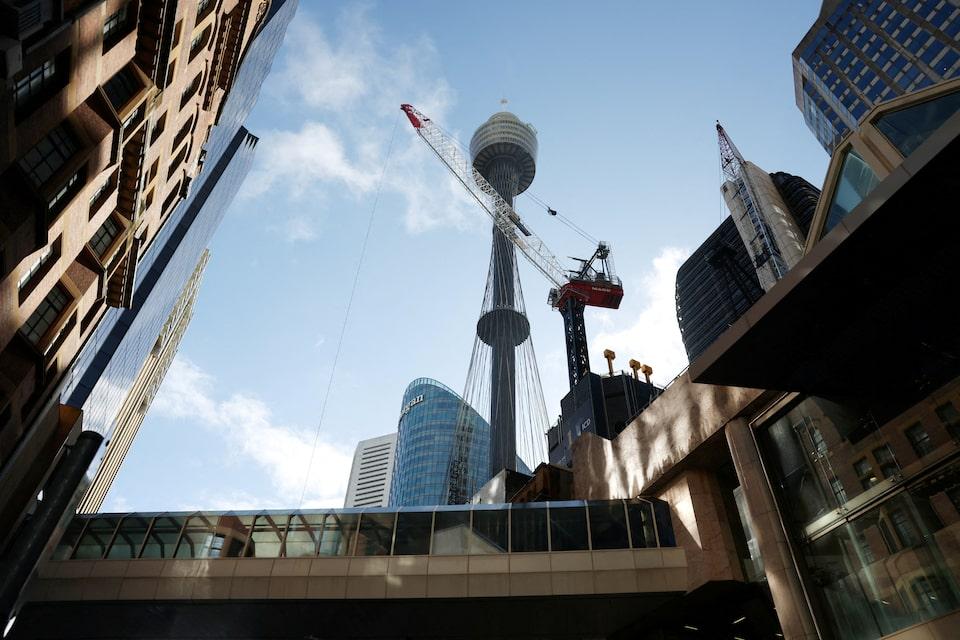
Current account deficit narrows as investors earn more from foreign investments Net exports add 0.1 ppt to Q2 economic growth Public sector demand makes no contribution SYDNEY, Sept 2 (Reuters) - Australia's international trade added only slightly to economic growth in the second quarter and government spending made no contribution at all, leading some analysts to lower their growth forecasts. Data from the Australian Bureau of Statistics on Tuesday showed the current account ran a deficit of A$13.7 billion ($8.90 billion) in the June quarter, from a revised A$14.1 billion the previous quarter. That compared with forecasts for a A$16.08 billion deficit. Sign up here. That was due to domestic investors earning more from their overseas equities, while strong imports of non-monetary gold and travel services led to a fall in the goods and services surplus. The ABS said net exports would add 0.1 percentage points to gross domestic product in the second quarter, when analysts had expected a flat contribution. Government spending, which was the engine of activity last year, continued to underwhelm, with the bureau estimating it made no contribution to growth in the second quarter. Economists had expected a rebound from the first quarter. The soft partial data led analysts at RBC Capital Markets and Citi to lower their forecasts for second-quarter GDP to 0.5% quarter-on-quarter from 0.6% previously. The GDP data is due on Wednesday. A Reuters poll of 22 analysts forecast the economy would grow by a moderate 0.5% in the second quarter, up from 0.2% the previous quarter, as household spending began to pick up after a long fallow period, lifting the annual growth rate to 1.6%. "We expect private household consumption to have underpinned activity in the quarter with a marginal contribution from business and dwelling investment," said Robert Thompson, a macro rates strategist at RBC Capital Markets. "Government demand looks to have been flat to down slightly in H1-25. This skew toward private sector activity is encouraging." The Reserve Bank of Australia has cut interest rates three times this year to 3.6% as inflation has cooled, but the recovery in the economy has been tepid so far, adding to the case for more policy easing in coming months. The RBA expected the economy to grow just 1.7% by the year end. Swaps imply a less than 20% chance the RBA will follow up with another cut this month as a monthly reading on inflation came in on the high side and the labour market remained resilient, but a move in November has been fully priced in. Rates are seen settling around 3.10%. ($1 = 1.5389 Australian dollars) https://www.reuters.com/world/asia-pacific/trade-adds-slightly-australias-q2-growth-government-spending-underwhelms-2025-09-02/