2025-08-28 07:23
Tankan survey "extremely important", Nakagawa says Says uncertainties remain over tariff impacts Says risks of falling behind the curve is "not so high" TOKYO/SHIMONOSEKI, Aug 28 (Reuters) - Bank of Japan board member Junko Nakagawa said on Thursday that persistent uncertainty stemming from U.S. tariff policies could weigh on business and household sentiment, exerting a potential drag on the Japanese and global economy. Despite a trade agreement reached between Japan and the United States and progress in trade talks among other major economies, "there remain many uncertainties," Nakagawa said in a speech to business leaders in the western Japan city of Shimonoseki, Yamaguchi prefecture. Sign up here. As a result, "business and household sentiment around the world" could be affected, she said, which "in turn could push down domestic and overseas economies." Nakagawa reiterated that the BOJ will keep raising interest rates if the economy moves in line with its forecasts, but stressed the need to carefully assess data in making policy decisions given the heightened uncertainties. In particular, Nakagawa underscored the importance of the results from the BOJ's upcoming "tankan" business sentiment survey to gauge the impact of trade negotiations among major economies on Japanese businesses. The tankan quarterly survey is "extremely important" as it gives insights into corporate sentiment and capital expenditure plans, Nakagawa said in a press conference later in the day. The next tankan survey will be released on October 1. Formerly chairperson of Japan's Nomura Asset Management, Nakagawa is considered by markets as neutral in her stance on monetary policy. After exiting a massive, decade-long stimulus last year, the BOJ raised interest rates to 0.5% in January on the view Japan was on the cusp of durably achieving its 2% inflation target. The BOJ kept rates steady in July but revised up its inflation forecasts and offered a less gloomy outlook on the economy, keeping alive market expectations for a rate hike this year. But stubbornly high food inflation and prospects of sustained wage growth have led some BOJ board members to warn of second-round price effects that could warrant another rate hike, a summary of the bank's July meeting showed. Nakagawa also noted on Thursday that upward pressure on wages could continue to drive prices higher, which would in turn affect household sentiment and inflation expectations. "We need to remain vigilant against the risk of the upward pressure spreading to prices broadly, including to those of services, and sharply accelerating inflation," Nakagawa told reporters. While the risks of falling behind the curve are "not particularly high right now," caution is warranted as interplay between wage growth and inflation is more dynamic than in the past, she said. Nearly two-thirds of economists polled by Reuters in August expect the BOJ to raise its key interest rate by at least 25 basis points again later this year, up from just over half a month ago. https://www.reuters.com/business/boj-policymaker-warns-trade-policy-risks-looks-tankan-guidance-2025-08-28/

2025-08-28 07:18
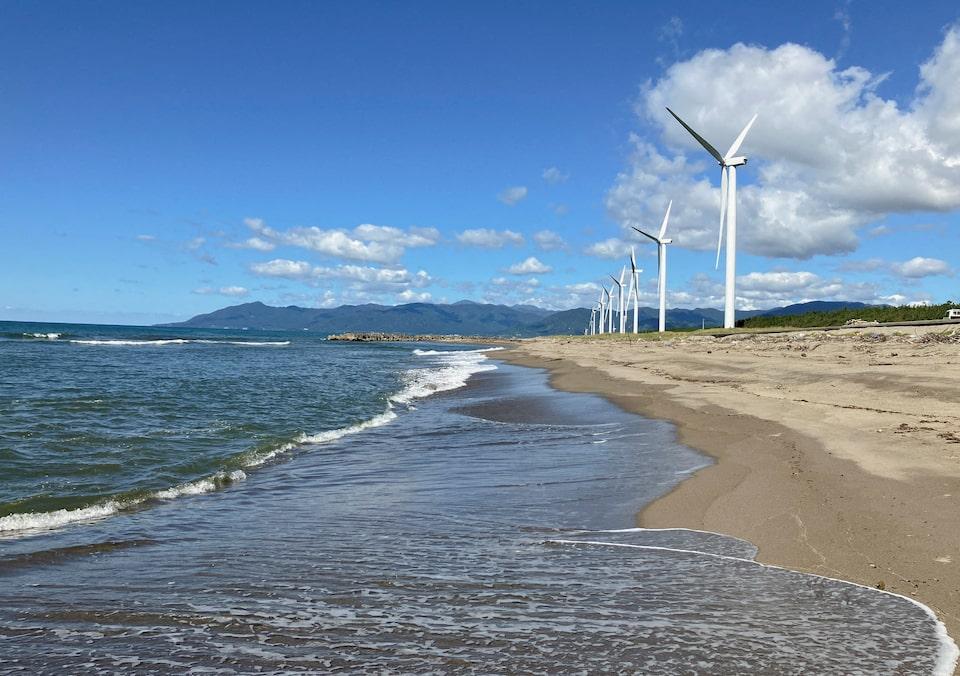
TOKYO, Aug 28 (Reuters) - Japan's government wants to re-auction three offshore wind sites abandoned by Mitsubishi-led groups as soon as possible, pending consent from local communities, a senior industry ministry official told Reuters. Trading house Mitsubishi Corp (8058.T) , opens new tab said on Wednesday it will drop plans to build the wind farms in Chiba and Akita prefectures due to soaring costs. Sign up here. The rights to build and operate the farms were awarded in the state's first major auction rounds in 2021. They have a combined planned capacity of 1.76 gigawatts (GW) and were slated to start between 2028 and 2030. Japan is looking to have offshore wind capacity of 10 GW by 2030 and 45 GW by 2040 to bolster energy security and cleaner power, and has held three major auctions so far. Winners of later rounds include RWE (RWEG.DE) , opens new tab, Iberdrola (IBE.MC) , opens new tab, BP (BP.L) , opens new tab and domestic players. Yuichi Furukawa, wind energy policy director at Japan's industry ministry, said the government will examine the factors behind Mitsubishi's withdrawal and its findings would be reflected in future auctions. It has not yet decided whether to first re-auction the sites or proceed with a fourth auction, he added. Japan's industry and land ministries are working on easing regulations, including extending operation periods by a decade, to improve returns for developers as construction costs surge. "Projects are being suspended globally due to rising costs, and similar concerns have been raised by second-round operators," Fukurawa said, but added that no developers in later rounds have signalled plans to withdraw. "We must thoroughly review the system to ensure the second and third rounds are successfully completed," he said. The government will keep 20 billion yen ($136 million) in deposits from the Mitsubishi-led groups and bar the companies from bidding in the next offshore wind auction round, he said. "Japan's offshore wind market will not collapse due to Mitsubishi's withdrawal and will remain an important source of renewable energy," Furukawa said. ($1 = 147.3300 yen) https://www.reuters.com/sustainability/boards-policy-regulation/japan-re-auction-offshore-wind-sites-dropped-by-mitsubishi-2025-08-28/
2025-08-28 07:11
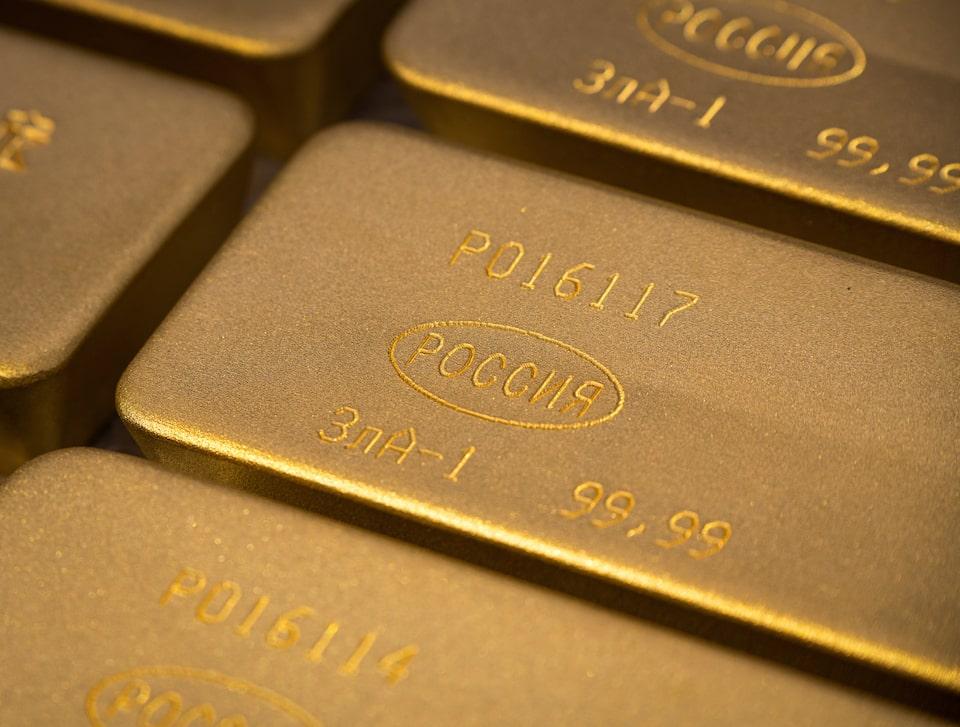
US PCE data due on Friday Need to see data before considering rate cut - Fed official Aug 28 (Reuters) - Gold held firm near a more than two-week peak on Thursday, supported by a weaker dollar and U.S. interest rate cut prospects as market participants awaited U.S. inflation data due this week. Spot gold was steady at $3,394.60 per ounce, as of 0648 GMT. Earlier in the session, bullion touched its highest point since August 11. Sign up here. U.S. gold futures for December delivery edged 0.1% higher to $3,451.60. The dollar index (.DXY) , opens new tab fell 0.1% against its rivals, making gold less expensive for other currency holders. "We've got a lot of positive interest for gold because of that sort of issues with institutional trusts and risks about Fed's independence," said Kyle Rodda, Capital.com's financial market analyst. Investors are now awaiting the release of the Personal Consumption Expenditures (PCE) Price Index, the preferred inflation measure of the U.S. Fed, scheduled for Friday. "But we're really looking for something more sort of to push the price above critical level of $3,400 ... the U.S. PCE data will be super significant. We are still bullish on gold. I think all the fundamentals (are) moving in the right direction," he added. Economists polled by Reuters expect the PCE price index (USPCEY=ECI) , opens new tab to rise 2.6% in July, matching the climb from June. Markets are anticipating an over 88% chance of a 25-basis-point rate cut at the Fed's policy meeting next month, according to CME FedWatch Tool. Non-yielding gold typically performs well in a low-interest-rate environment. New York Fed Bank President John Williams said on Wednesday it is likely interest rates can fall at some point but policymakers will need to see what upcoming data indicate about the economy to decide if it's appropriate to make a cut next month. Elsewhere, spot silver was up 0.6% at $38.86 per ounce, platinum gained 0.3% to $1,351.63 and palladium climbed 0.6% to $1,097.95. https://www.reuters.com/markets/europe/gold-holds-firm-soft-us-dollar-rate-cut-bets-lend-support-2025-08-28/
2025-08-28 07:10
BANGKOK, Aug 28 (Reuters) - At least five people have been killed and seven remain missing after heavy rains and landslides brought on by tropical storm Kajiki swept across northern Thailand, the Thai disaster agency said Thursday. Kajiki made landfall as a typhoon in Vietnam earlier this week, killing seven people, inundating more than 10,000 homes and offices as well as 86 hectares of rice and cash crops, the Vietnam government said on Wednesday. Sign up here. In Thailand, flooding and landslides hit 12 provinces in the north and northeast, including Chiang Mai, Chiang Rai and Mae Hong Son, affecting more than 6,300 people and 1,800 households, the disaster agency said. Four people in Chiang Mai died in a landslide, and another person drowned in Mae Hong Son, the Interior Ministry said. Fifteen others were injured in Chiang Mai, with another five buried in landslides and two swept away by floodwaters. On Thursday, flooding continued in eight provinces, where nearly 6,000 people in 1,600 households are still affected, according to the ministry. The destruction marked the second time this year when northern Thailand was battered by typhoon remnants, after Wutip in June swept in from southern China. https://www.reuters.com/business/environment/tropical-storm-kajiki-kills-five-leaves-seven-missing-northern-thailand-2025-08-28/

2025-08-28 07:01
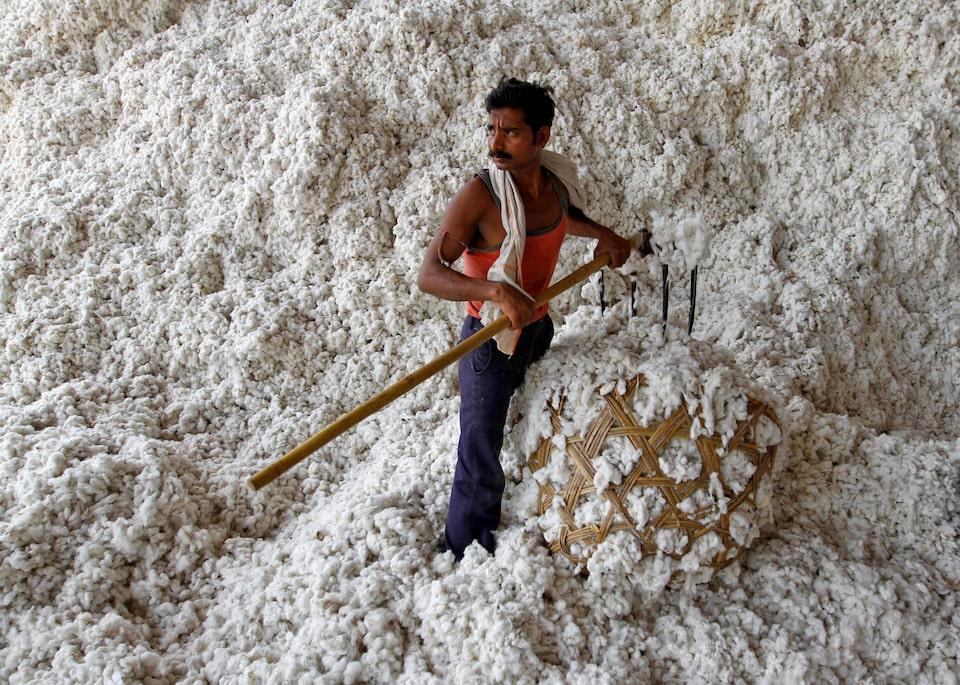
MUMBAI/NEW DELHI, Aug 28 (Reuters) - India has extended an import duty exemption on cotton by three months, until the end of December, a government order showed on Thursday, as New Delhi seeks to support the local garment industry that has been hit by hefty U.S. tariffs. The imports are likely to support global cotton prices , which erased losses and rose 0.2% after the order. However, they are likely to reduce demand for local cotton, pressuring domestic prices, market watchers said. Sign up here. The world's second-biggest cotton producer had earlier announced an exemption on cotton imports from an 11% duty until September-end and has now extended that to December 31. The cotton is likely to be sourced from Australia, Brazil, the United States and Africa, which have a surplus available for export, industry officials said. U.S. President Donald Trump's doubling of tariffs on imports from India to as much as 50% on good such as garments and jewellery took effect on Wednesday. The United States is India's largest market for garments and jewellery, worth nearly $22 billion in 2024. India has a 5.8% share in the U.S. garment market, behind China, Vietnam and Bangladesh. The duty exemption until year-end will let Indian textile companies import cheaper cotton, easing pressure amid a slowdown in U.S. demand, Atul Ganatra, president of the Cotton Association of India, told Reuters. "With the duty-free extension, imports could hit a record 4.2 million bales this year. Strong imports are likely to continue into the first quarter of next year as well," Ganatra said. India's cotton marketing year runs from October to September. The earlier import window, ending in September, was too narrow, said a New Delhi-based trader with a global trading house. Textile mills could not import cotton during that period, as the voyage from exporting countries typically takes more than a month. However, they can now place orders for large quantities for the subsequent period, the trader said. The landed cost of imported cotton is nearly 5% to 7% lower than that of local supplies, and the quality is also superior, said a Mumbai-based trader. "Most of the imports will arrive around the December quarter, just when the local crop hits the market. This is likely to push local prices down," the trader said. (1 Indian bale = 170 kg) https://www.reuters.com/world/india/india-extends-cotton-import-duty-exemption-amid-us-tariff-pressure-2025-08-28/
2025-08-28 06:58
SEOUL, Aug 28 (Reuters) - South Korean Foreign Minister Cho Hyun said on Thursday that the U.S. and South Korea agreed to discuss nuclear fuel reprocessing following a summit between U.S. President Donald Trump and South Korean President Lee Jae Myung this week. "We operate 26 nuclear power plants, buying and bringing in fuel for them every time... We have been feeling the necessity of being able to reprocess it and to make our own fuel through concentrates," Cho said in a live televised interview. Sign up here. "In order to do this, cooperation with the U.S. is most important. We need to change the nuclear agreement, or use another method under the agreement (between the countries). So it is very meaningful that we decided to begin discussions in that direction." South Korea is not allowed to reprocess spent nuclear fuel - which can be used to make nuclear weapons - without U.S. consent under an agreement , opens new tab between the countries. Foreign Minister Cho has said previously that South Korea's intention is for industrial and environmental purposes, not for nuclear armament. Cho reiterated on Thursday that "any talk about wanting our own nuclear arms or having potential nuclear capabilities through revision (of the agreement) would be something that the U.S. could never accept in terms of overall nuclear non-proliferation." https://www.reuters.com/business/energy/south-korea-minister-says-agreed-with-us-discuss-nuclear-fuel-reprocessing-2025-08-28/