2025-08-26 09:11
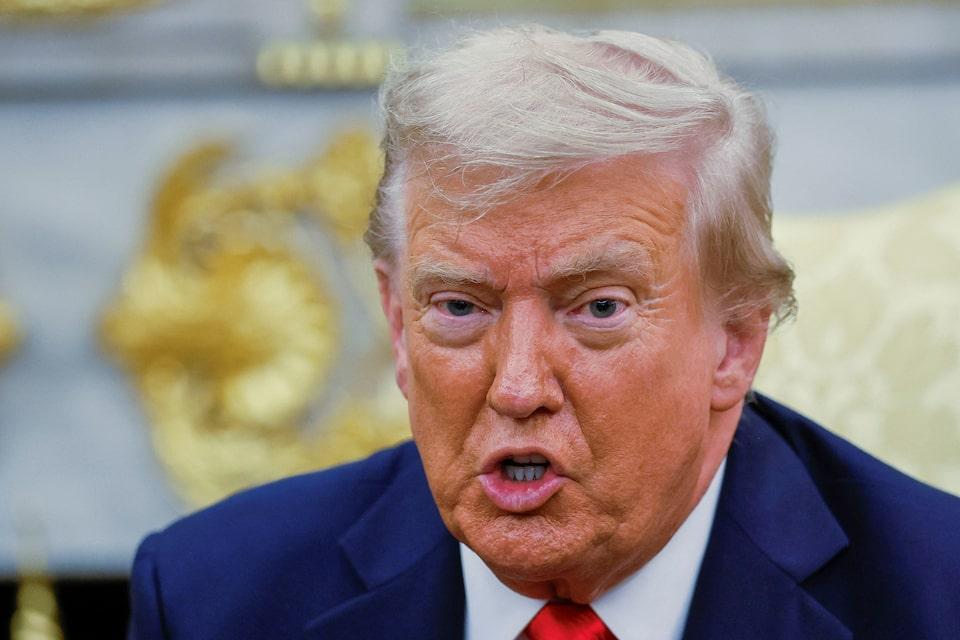
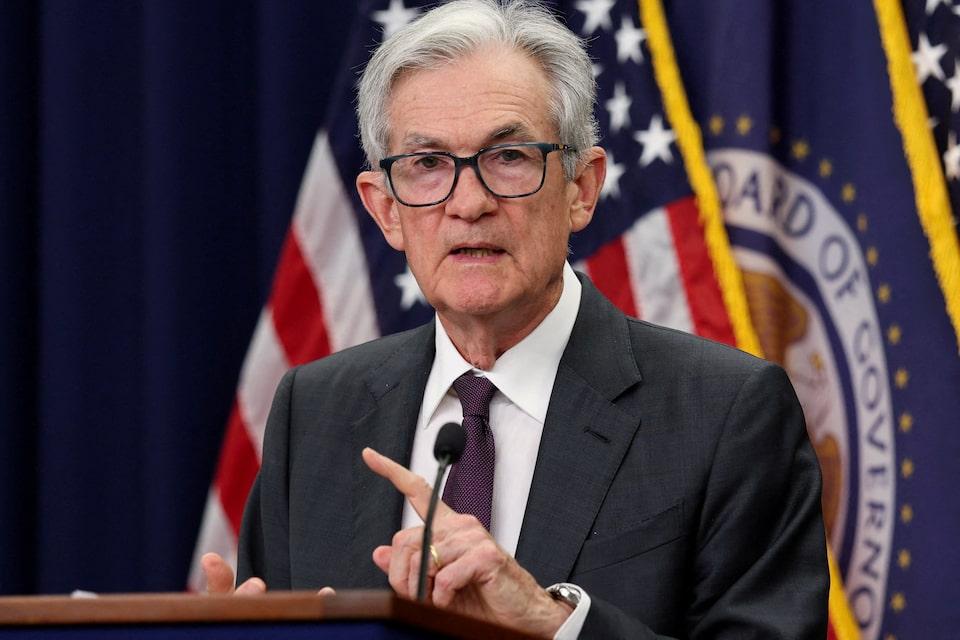
Market reaction muted after Trump says he fired Lisa Cook Analysts say Fed credibility further undermined Selling U.S. not easy when rate cuts loom SINGAPORE, Aug 26 (Reuters) - Global investors were shell-shocked on Tuesday after U.S. President Donald Trump struck another blow at the Federal Reserve's independence, caught between the concerns over politicisation of policy and the payoffs for markets. Trump's announcement he was firing Fed Governor Lisa Cook surprised markets, even though he had made clear last week that Cook was a target and has for months attacked Chair Jerome Powell as part of his campaign to get the Fed to cut rates. Sign up here. "It's another crack in the edifice of the United States and its investibility," said Kyle Rodda, a senior financial market analyst at Capital.com in Melbourne. Rodda said he was concerned about the motives of the Trump administration, that the move was not to preserve Fed integrity but rather to install Trump's own people at the central bank. "It goes back to trust in institutions," he said. While Cook's departure is not assured and she has disputed Trump's authority to remove her, that Trump said her firing was "effective immediately" just two weeks before the Fed's policy meeting, is another matter of concern for investors. Still, market reaction was tame. Short-term Treasury yields fell slightly, while expectations such forced easing of monetary conditions will lead to inflation pushed the yield on the 30-year bond up 3.9 bps to 4.928%. The S&P 500 stock index (.SPX) , opens new tab opened a slight 0.06% lower, while the dollar's index versus a basket of currencies was 0.27% easier. "People want to see if it happens, but at the same time, it's very difficult to sell the U.S. because of the credibility issues," said Tohru Sasaki, chief strategist at Tokyo-based Fukuoka Financial Group. One factor investors have to consider is Trump's trade deals, which require countries across Europe and Japan and South Korea to invest hundreds of billions in the United States, Sasaki said. "If there is a lot of investment into the United States, eventually the dollar will be supported, U.S. equities will be supported. So you may just lose money making a short position in the dollar or U.S. assets." EXCEPTIONALISM Trump's gradual ratcheting up of his campaign to exert more influence over the path of monetary policy has already knocked confidence in U.S. sovereign debt as a safe investment, and in the exceptional advantage the dollar enjoyed as a currency of choice. That advantage had allowed the U.S. to fund a massive national debt that currently stands at $36 trillion, and owe international investors some $26 trillion at the end of 2024. Foreign money has been leaving U.S. markets since Trump took over as president. Global ex-U.S. equity funds have received massive flows as investors redirected capital from the United States, LSEG Lipper data shows. Investors have sold U.S.-focused funds steadily since May. The dollar index has lost more than 9% of its value so far this year, and while U.S. stocks have been hitting record highs this month, they have lagged the double-digit gains in many other markets riding a technology and artificial intelligence boom. Foreign official and international accounts, such as central banks and reserve managers, have also been shedding U.S. Treasuries, Fed data shows. Their holdings have dropped this year, some $35.6 billion during the week ending August 20 alone. "Markets have not priced in the fact that Trump could go after other Fed officials. What is priced in right now is that we have a higher chance of a rate cut in September and further cuts this year," said Shoki Omori, chief desk strategist at Mizuho Securities. "The dollar and U.S. rates will perform (based on) how aggressively Trump speaks about the Fed going forward." https://www.reuters.com/business/trumps-latest-fed-jab-breeds-more-dismay-than-drama-2025-08-26/
2025-08-26 07:31
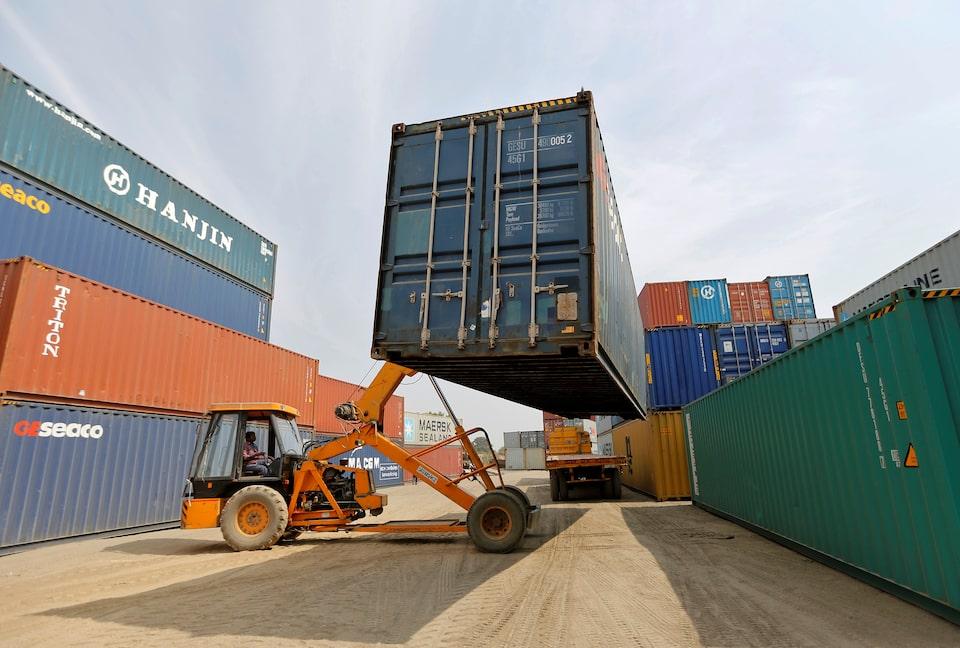
MUMBAI, Aug 26 (Reuters) - With punitive U.S. tariffs about to take effect on Wednesday, most Indian companies remain light on hedges, data from a clearing house shows, increasing their exposure to rupee fluctuations. Indian importers booked $21.8 billion of forward dollar/rupee contracts between August 1 and August 21, CCIL data shows. Sign up here. That tally, averaging $2.6 billion a day, is the lowest pace of this fiscal year which begins in April and compares with a $3.3 billion daily average, heightening the exposure of Indian importers to currency volatility. While seasonal factors typically weigh on August activity, the subdued hedging activity stands out considering that U.S. President Donald Trump flagged the prospect of steeper India tariffs in the first week of the month, two analysts said. The muted hedging reflected hopes the tariff dispute would be resolved or at least delayed. A Nomura survey last week showed nearly half of the respondents saw less than a 40% chance of new levies, though the bank warned risks were higher. With tariffs now set to take effect, that optimism looked misplaced, FX advisors said, leaving importers more exposed to a weaker, more volatile rupee. "We were advising importers to secure at least two months of hedges," Kunal Kurani, vice president at FX risk management f Mecklai Financial, said. "From a risk perspective, it made sense to lock in rates rather than wait, protecting margins against a potential rupee slide." EXPORTERS For exporters too, hedging activity was lower in August, driven by the uncertainty over U.S. orders and the broader outlook on the rupee. An official at a seafood company, who did not want to be named since he is not authorised to speak to the media, said the firm was currently limiting hedges to confirmed orders amid doubts over how U.S. buyers will respond if new tariffs take effect. Previously, it routinely hedged against anticipated demand, before the spectre of U.S. duties clouded the outlook. Meanwhile, diamond exporter Hari Krishna Exports was limiting hedges betting on the potential for tariffs to weaken the rupee and the view that the currency was unlikely to strengthen much anyway. "It made sense to stay slightly more exposed," said Abhijeet Bhushan, CFO at Hari Krishna Exports. The Indian rupee dropped to 87.80 per dollar on Tuesday, nearing the all-time low of 87.95 and marking its weakest level in three weeks. https://www.reuters.com/world/india/light-hedging-leaves-indian-importers-vulnerable-us-tariffs-fallout-2025-08-26/
2025-08-26 07:29
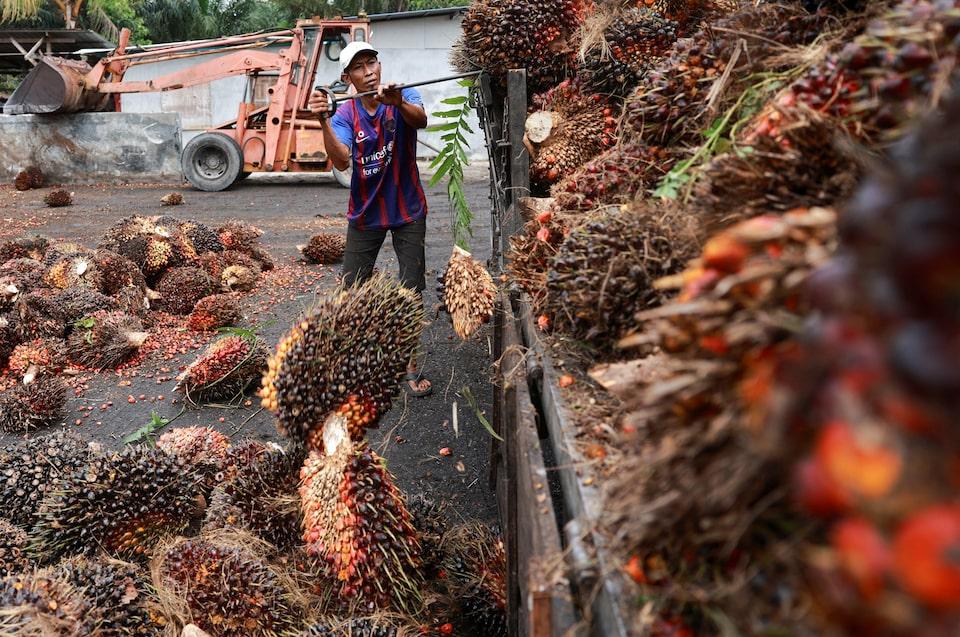
KUALA LUMPUR, Aug 26 (Reuters) - Malaysia's commodities ministry is seeking to exempt crude palm kernel oil and palm kernel olein oil from the country's sales and services tax (SST), it said on Tuesday. The government expanded the SST in July, subjecting the palm oil industry and the oleochemical sector to the tax. Crude palm kernel oil and palm kernel olein oil currently face a 5% levy. Sign up here. The application for tax exempt status for both raw materials has been submitted to the Finance Ministry, deputy Plantation and Commodities Minister Chan Foong Hin told Parliament. "This exemption is justified considering that both are raw materials in the production of oleochemical products and not final products subject to taxation by the government," he said. Chan added that proposals to give SST exemption or relief for certain services that are critical to the industry's operations have also been considered to reduce cost pressure on industry players. https://www.reuters.com/sustainability/climate-energy/malaysias-commodities-ministry-seeks-tax-exemption-palm-oil-raw-materials-2025-08-26/
2025-08-26 07:20
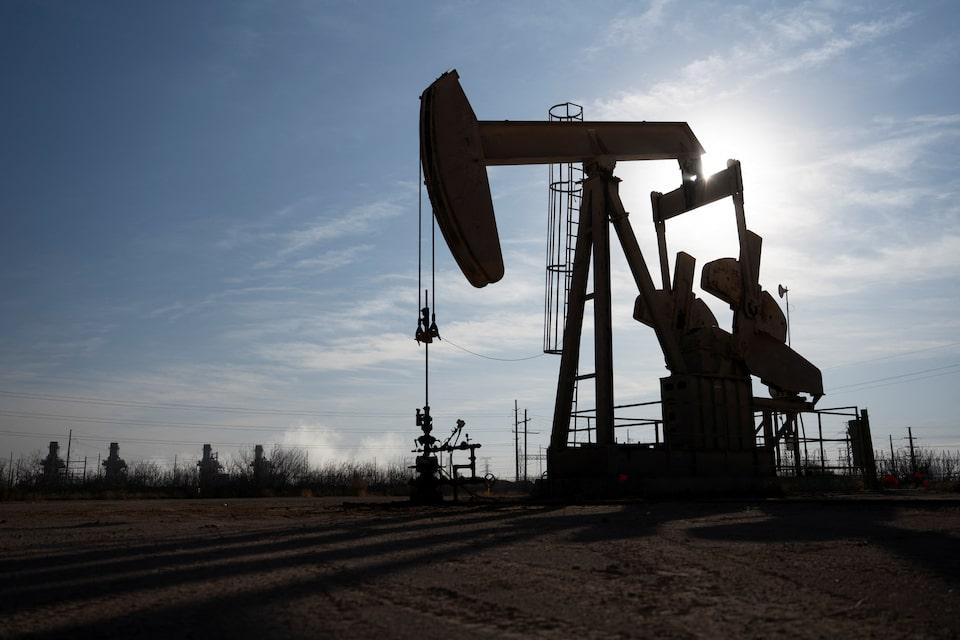
Oil slips after four previous sessions of gains Prices remain in tight range amid geopolitical volatility, Barclays says Traders track Ukraine issues, impact of US tariffs on India SINGAPORE, Aug 26 (Reuters) - Oil prices edged down on Tuesday after surging nearly 2% in the previous session, with traders keeping a close eye on developments surrounding the Ukraine war that could disrupt Russian fuel supplies. Brent crude fell 37 cents, or 0.5%, to $68.43 per barrel at 0658 GMT, while West Texas Intermediate (WTI) crude also lost 40 cents, or 0.6%, to $64.40 per barrel. Sign up here. Both contracts rose to their highest in more than two weeks on Monday, with WTI climbing above the 100-day moving average. "The risks for crude oil prices appear tilted toward further gains, particularly if the price sustains a move above the $64–$65 resistance level," IG analysts said in a note. Oil's rally on Monday was primarily driven by worries about supply disruptions as Ukraine struck Russian energy infrastructure, and as traders anticipated more U.S. sanctions on Russian oil. The attacks disrupted Moscow's oil processing and exports, created gasoline shortages in some parts of Russia, and came in response to Moscow's advances on the front lines and its pounding of Ukraine's gas and power facilities. Barclays, in a note to clients on Monday, said oil prices remain in a tight range amid geopolitical volatility and relatively resilient fundamentals. U.S. President Donald Trump has renewed his threat to impose sanctions on Russia if there is no progress towards a peace deal in the next two weeks. Traders will also be monitoring the impact of looming U.S. tariffs against India for its continued purchase of Russian oil, said Ole Hansen, head of commodity strategy at Saxo Bank. Indian exporters are bracing for disruptions after a U.S. Homeland Security notification confirmed Washington will impose an additional 25% tariff on all Indian-origin goods from Wednesday. This means Indian exports will face U.S. duties of up to 50% - among the highest imposed by Washington. Traders are awaiting the U.S. inventory data from the American Petroleum Institute later in the day, with expectations pointing to a fall in crude and gasoline stocks but a possible build-up in distillate inventories. https://www.reuters.com/world/middle-east/oil-eases-after-hitting-over-two-week-high-russia-supply-risks-2025-08-26/
2025-08-26 07:10
Aug 26 (Reuters) - Morgan Stanley has joined a growing bloc of global brokerages forecasting a September interest rate cut by the U.S. Federal Reserve, citing Chair Jerome Powell's shift in tone toward labor market risks at the Jackson Hole symposium. In a note dated Monday, the brokerage said Powell's tone marked a departure from his earlier emphasis on inflation persistence and low unemployment, suggesting the Fed may move preemptively to manage downside risks to the labor market. Sign up here. Morgan Stanley now forecasts two 25-basis-point rate cuts this year, one in September and another in December, followed by quarterly 25bp reductions through 2026, bringing the benchmark interest rate to 2.75%-3.0%. That's a shift from its previous view that the central bank would stay on hold until March 2026 and cut more aggressively thereafter. Powell's remarks on Friday triggered a wave of revised forecasts across brokerages, with Barclays, BNP Paribas and Deutsche Bank expecting a 25-basis-point cut next month. Traders are now pricing in an 81.9% chance of a September move, according to LSEG data. The change in forecasts reflect what the economists called a shift in the Fed's "reaction function," with Powell now appearing more sensitive to labor market deterioration than before. "A large up-front cut would come only with sizeable payroll declines," Morgan Stanley noted, referring to cuts bigger than 25 bps. "The Fed may also see dissents against rate cuts in September." The Trump administration's effort to steer the Fed towards more aggressive rate cuts intensified on Monday night, with the president announcing plans to remove Governor Lisa Cook over alleged mortgage fraud. JPM analysts, in a separate note, warned the move could open vacancies on the Board of Governors and potentially shift the balance of power within the FOMC. BofA Global Research remains the only major brokerage still forecasting no rate cuts this year. The rate-setting Federal Open Market Committee (FOMC) is scheduled to meet on September 16 and 17. https://www.reuters.com/business/morgan-stanley-joins-global-peers-with-september-fed-rate-cut-outlook-powell-2025-08-26/
2025-08-26 07:00
Aug 26 (Reuters) - Work is underway at three new wells in the Zohr gas field in the Mediterranean in the current financial year, Egypt's petroleum ministry said on Tuesday. Another well, the Zohr-6 well, has added about 65 million cubic feet per day of gas to Egypt’s output, the ministry added. Sign up here. Italian energy group Eni (ENI.MI) , opens new tab, Zohr's operator, resumed drilling at the Zohr field in February after production was curbed because of arrears owed to foreign oil companies. Output in the largest gas field found in the Mediterranean dropped to 1.9 billion cubic feet per day in early 2024, well below the peak reached in 2019. Zohr was discovered in 2015 by Eni and began producing gas in late 2017. It holds an estimated 30 trillion cubic feet of gas. The field in is operated by Petrobel, a joint venture of Eni and state-owned Egyptian General Petroleum Corp (EGPC). https://www.reuters.com/business/energy/egypt-petroleum-ministry-says-work-underway-three-new-wells-zohr-gas-field-2025-08-26/