2025-08-21 23:14
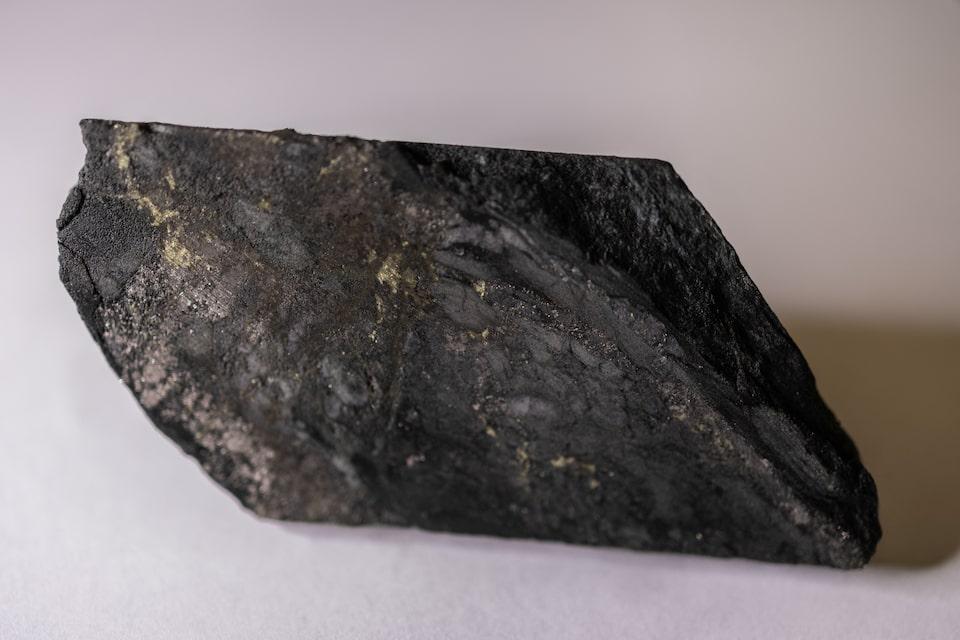
Aug 21 (Reuters) - The U.S. is seeking to procure cobalt worth up to $500 million for defense stockpiles amid the country's move to boost its critical mineral supplies. Companies have been scrambling to source rare earths after China imposed restrictions, leading to a 75% drop in rare earth magnet exports from the country in June and causing some auto companies to suspend production. Sign up here. U.S. President Donald Trump in March invoked emergency powers to boost domestic production of critical minerals as part of a broad effort to offset China's near-total control of the sector. In July, Reuters reported that the White House tapped a former mining executive, David Copley, to head an office at the National Security Council focused on strengthening supply chains. According to the tender document published by the U.S. Department of Defense and the Defense Logistics Agency (DLA) on Wednesday, they are looking for offers for alloy-grade cobalt of about 7,480 tonnes over the next five years. Cobalt, mostly imported by the U.S., is used in batteries, a component in nickel superalloys for high temperature sections of jet engines and industrial gas turbines, among others. However, the defense department was seeking offers from only three companies - units of Vale SA in Canada, Japan's Sumitomo Metal Mining and Norway's Glencore Nikkelverk. The document also said the purchase amount can range from between $2 million and $500 million in the five-year period. https://www.reuters.com/world/us/us-defense-department-buy-cobalt-up-500-million-2025-08-21/
2025-08-21 23:08
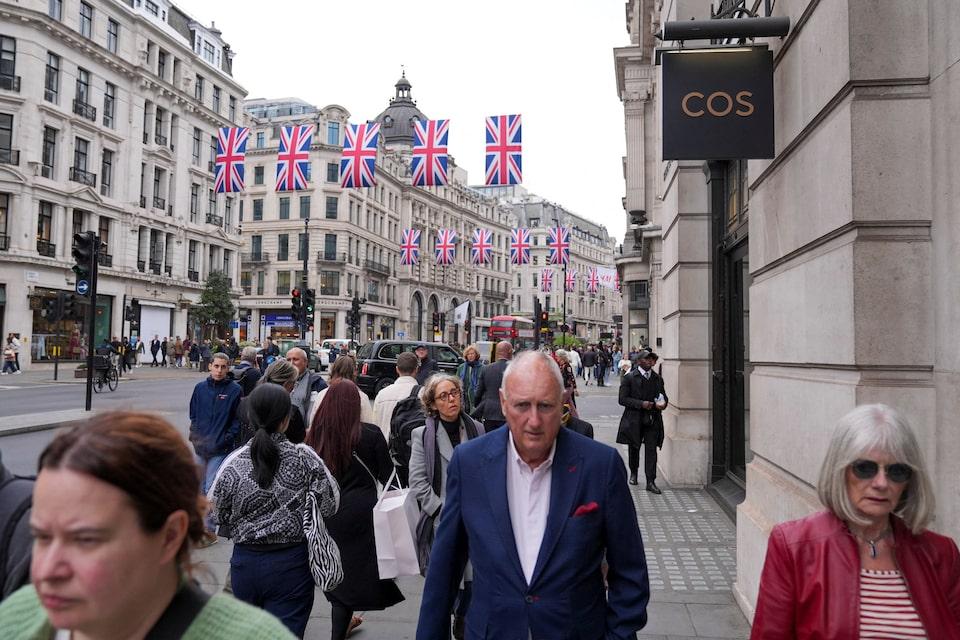
LONDON, Dec 19 (Reuters) - British consumer confidence edged up in December to its joint-highest level this year after finance minister Rachel Reeves' annual budget imposed few immediate tax rises on households, but morale remains subdued, according to a monthly survey. The GfK consumer confidence index, Britain's longest-running such measure, rose to -17 from -19 in November, matching levels seen in October and August. The index was last higher in August 2024, just after the Labour government took office. Sign up here. "Consumers resemble a family on a festive winter hike, crossing a boggy field - plodding along stoically, getting stuck in the mud and hoping that easier conditions are not far off," said Neil Bellamy, consumer insights director at GfK. Households' assessment of the general economy rose more sharply than their perception of their own financial wellbeing, while their willingness to make major purchases rose the most. Consumer price inflation slowed more than expected in November to 3.2%, its lowest since March, and Reeves' budget promised to shift climate change costs away from household energy bills into general taxation. Overall, the budget will increase Britain's tax burden by 26 billion pounds ($35 billion) a year, less than the 40 billion-pound increase announced in 2024, and most of that will not take effect this year or next. Despite wages rising faster than inflation this year, British consumer spending - like that in much of Europe - has been slow while savings rates have remained high by historic standards, puzzling many economists. The BoE cut interest rates on Thursday, its sixth reduction in borrowing costs since August 2024, but the central bank said future cuts were likely to be a closer call. The GfK survey was based on a sample of 2,003 people aged 16 and over polled between December 1 and December 11. ($1 = 0.7493 pounds) https://www.reuters.com/world/uk/uk-consumers-gain-confidence-after-bank-england-rate-cut-gfk-says-2025-07-24/
2025-08-21 22:38
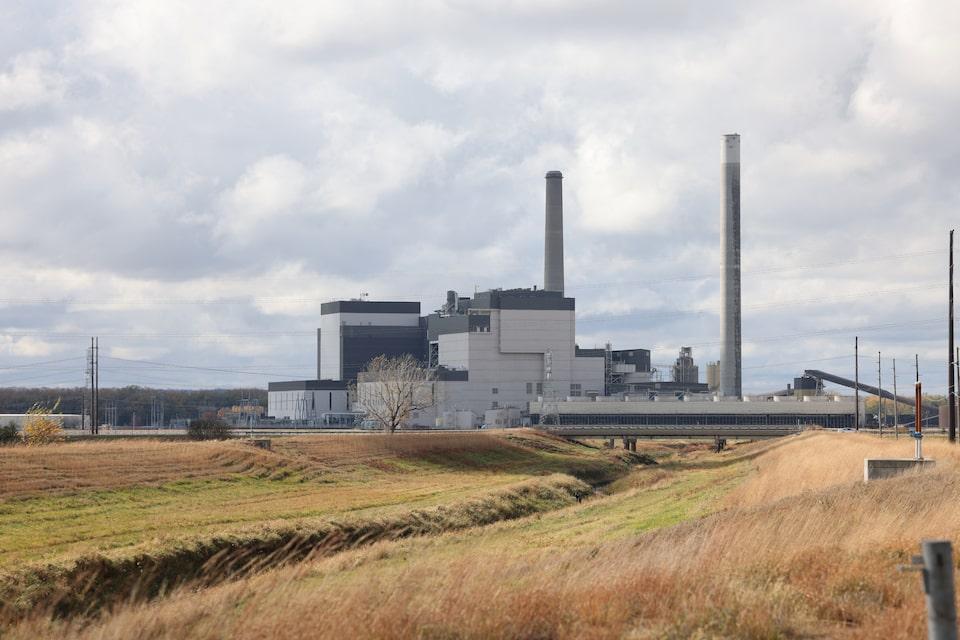
US extends order to keep coal plant open through mid-November Owner of plant says order already has cost tens of millions of dollars Homeowners, businesses could foot the bill Move is latest by Trump administration to support fossil fuels WASHINGTON, Aug 21 (Reuters) - The U.S. Energy Department on Thursday extended an order for a Michigan coal plant to stay open through November 19, even though it had been planning to shut permanently for economic reasons and complying with the original order has already cost the company tens of millions of dollars. In May, the Energy Department issued the original order, normally reserved for natural disasters, for the 1,500 megawatt J.H. Campbell plant in West Olive, Michigan to stay open. The order came a week before Consumers Energy, the majority owner of the plant, planned to shut and after it had depleted its coal stockpile and reassigned staff. Sign up here. Thursday's order is the latest in a string of U.S. moves to support fossil fuels, after President Donald Trump declared an energy emergency on the first day of his second term. In April, he signed executive orders aiming to boost coal production, in one of a series of actions that run counter to global efforts to curb carbon emissions, saying the administration was "going to put the miners back to work." Chris Wright, the U.S. energy secretary, said the order "will help ensure millions of Americans can continue to access affordable, reliable, and secure baseload power regardless of whether the wind is blowing or the sun is shining.” Trump claims that rapid adoption of solar and wind power has made U.S. electricity unstable and expensive, justifying his bid to end most subsidies for them. But reliability has improved in Texas, the U.S. grid with the most renewable energy, according to regulatory filings and price data reviewed by Reuters. Consumers Energy said in a financial filing that staying open cost $29 million over the first 38 days since the first order. A report commissioned by environmental groups said this month that keeping Campbell open would cost $279 million annually. It said if the U.S. mandates keeping open fossil fuel plants that had been slated to retire by the end of 2028, it could cost $3 billion or more per year. The costs, it said, would be distributed across homeowners and businesses that pay power bills in all regions but the U.S. Northeast. The Federal Energy Regulatory Commission ruled last week that the costs for keeping Campbell open could be spread across 10 states across the Midwest. Consumers Energy spokesperson Brian Wheeler said the company expects to continue operating the plant as required. Consumers was pleased that FERC approved its request to recover costs by allocating them across the region, Wheeler said. https://www.reuters.com/sustainability/boards-policy-regulation/us-prolongs-michigan-coal-plants-operation-until-november-despite-costs-2025-08-21/
2025-08-21 22:02
OTTAWA, Aug 21 (Reuters) - Scott Moe, premier of the major grain-growing Canadian province of Saskatchewan, said on Thursday he will travel to China soon for talks to persuade Beijing to drop new tariffs on canola. China hit Canadian canola seed imports with preliminary 75.8% duties last week following an anti-dumping investigation, escalating a year-long trade dispute. China is by far Canada's biggest canola seed market. Sign up here. Canadian Federal Agriculture Minister Heath MacDonald also pledged support for farmers and the industry, which says it employs 200,000 people and produces C$43 billion in economic value. "We're working diligently alongside them," MacDonald said in a phone interview after the meeting ended. Canada, the world's largest exporter of canola, shipped almost C$5 billion ($3.63 billion) of canola products to China in 2024, about 80% of which was seed. The steep duties on canola seed, if they remain in place, would likely all but end those Chinese imports. China objected when Canada imposed 100% tariffs on Chinese electric vehicles a year ago, and launched an anti-dumping investigation into canola seed shortly thereafter. In February, it imposed a tariff on Canadian canola oil and meal, as well as a number of other agricultural products. This month's addition of canola seed to China's tariff targets came shortly after Canada imposed tariffs on steel in July, which also upset Beijing. "Myself will be in China in the next couple of weeks with potentially another opportunity for engagement before the end of the calendar year," Moe told a news conference after a meeting with industry officials and MacDonald. Moe also reiterated a call for federal aid for the industry. MacDonald said it was too early to decide what help farmers might need, but "it could be there some day" if the dispute drags on. He added that it was difficult to assess all of China's motives in the dispute. "You're dealing with a partner that you're not 100% sure all of the time what their prerogatives are. Are they just political, or is it something else?" MacDonald said. ($1 = 1.3905 Canadian dollars) https://www.reuters.com/world/china/saskatchewan-premier-go-china-bid-end-canola-tariffs-2025-08-21/

2025-08-21 21:39
Closure could push scientists to resign, critics warn BARC research includes pests, blight, crop genetics USDA lacks data supporting reorganization plan, lawmakers say WASHINGTON, Aug 21 (Reuters) - The U.S. Department of Agriculture's plan to close its flagship laboratory near Washington, D.C., could undermine research on pests, blight and crop genetics crucial to American farms, according to lawmakers, a farm group, and staff of the facility. The USDA has already lost thousands of research staff to President Donald Trump's effort to shrink the federal government, even as Agriculture Secretary Brooke Rollins has said farm research is a pillar of national security. Sign up here. Rollins said in July that the USDA will close the Beltsville Agricultural Research Center, which occupies nearly 7,000 acres in the Maryland suburbs outside Washington, as part of an agency reorganization effort that will also move roughly half its Washington-area staff to hubs in North Carolina, Utah and elsewhere. The agency has said it is closing BARC and several other USDA buildings because of costly necessary renovations and underutilized space. Workers at BARC in 2023 filed whistleblower complaints about unsafe working conditions there. But critics of the plan to close BARC say it could backfire by interrupting the facility's ongoing research, and by pushing the scientists conducting it to resign. "It is unlikely that senior scientists of this caliber with mature research partnerships and rich professional lives will simply move somewhere else," said Donnell Brown, president of the National Grape Research Alliance, which depends on BARC research into vine stress and water usage. U.S. Senator Chris Van Hollen, a Maryland Democrat, also slammed the plan. "You have a lot of people who have invested their time and effort in research for farmers across the country, and this plan would destroy that ongoing research," he said. Three staff at the facility, who requested anonymity out of fear of retribution, said the co-location of many labs at BARC allows for economies of scale and cost savings, and that the proximity to Washington enables researchers to easily brief lawmakers or other parts of the USDA. A USDA spokesperson said the $500 million required to modernize the BARC facility, plus another $40 million in annual maintenance, was not a wise use of taxpayer funds and that the agency's other laboratories could house BARC research. Rollins said in a July memo outlining the relocation effort that the BARC facility would be closed over several years to avoid disruptions to critical research. The USDA on July 25 told the House of Representatives and Senate agriculture and appropriations committees that it did not have data or analysis underpinning its reorganization plan to share with members of Congress or their staff, according to a letter sent from Democrats on the House Agriculture Committee to Rollins on August 14. "Ostensibly they’re saying it would save money, but I haven’t seen any study that suggests that’s the case," said U.S. Representative Glenn Ivey, whose Maryland district contains the BARC site. https://www.reuters.com/world/us/us-farm-agency-plan-close-flagship-research-site-threatens-critical-research-2025-08-21/
2025-08-21 21:18
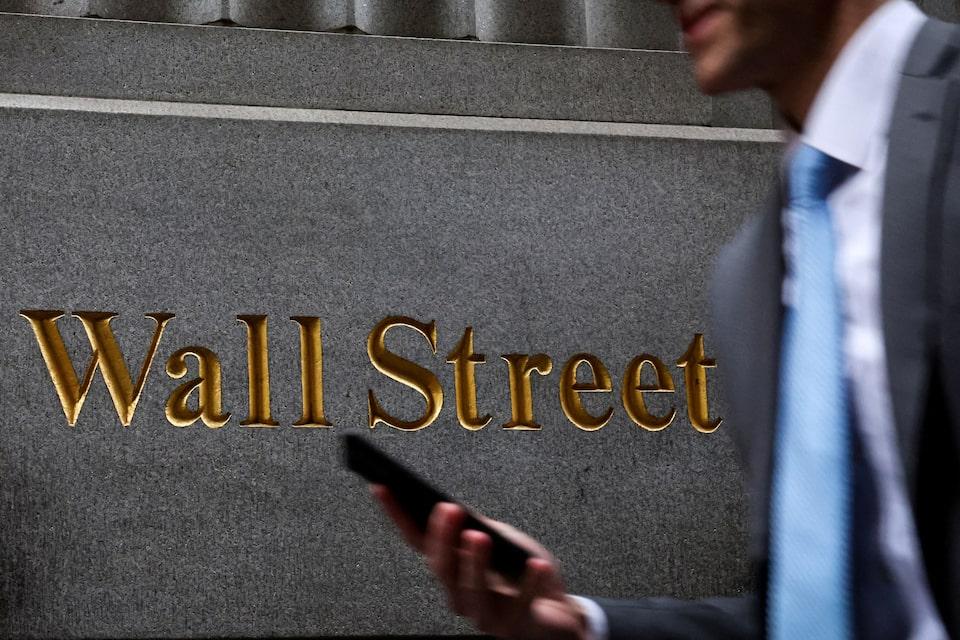
Powell to walk tightrope between inflation, softening job market Thin August market liquidity could exacerbate volatility Pushback against imminent easing seen as biggest market risk NEW YORK, Aug 21 (Reuters) - Investors are bracing for volatility as Federal Reserve Chair Jerome Powell walks a fine line between curbing inflation and supporting the labor market, with thin August trading poised to magnify any market moves from his Jackson Hole speech on Friday. Wall Street largely expects Powell will signal an imminent easing in monetary policy, but concerns that U.S. President Donald Trump's tariffs could reignite price pressures may force him to tread carefully. Meanwhile, Powell faces relentless pressure from the Trump administration to cut interest rates, turning his final address as Fed boss at the Jackson Hole economic symposium into a test of Fed independence. Sign up here. "There is a market tightrope here from a macroeconomic perspective between the inflation data and what's happening in the employment market," said Tony Rodriguez, head of fixed income strategy at Nuveen. "And now you combine that with the political tightrope that's not usually there that he has to navigate. It makes for an incredibly difficult, tricky situation," he said. Adding to the drama, Trump on Wednesday urged Fed Governor Lisa Cook to resign over mortgage allegations raised by one of his political allies, intensifying his effort to gain influence over the U.S. central bank. Cook said she had "no intention of being bullied" out of her post. "This (Jackson Hole) would be a good opportunity for Powell to speak about the importance of independence," said Idanna Appio, portfolio manager at First Eagle Investments, noting that the pressure could eventually lead to a more dovish rate-setting Fed board. A soft July jobs report and hefty downward revisions to earlier job figures fueled bets the U.S. central bank would cut interest rates from the current 4.25%-4.5% range later this year. But a surge in wholesale prices in July dimmed investor hopes for a half-point move at the Fed's next rate-setting meeting in September, leaving markets braced for about two 25 basis point cuts for the rest of the year. So far, consumers have been spared a sharp jump in prices despite Trump's escalating import tariffs, but doubts linger over how much of those duties will filter through to households in the months ahead. "I expect that Powell will signal a change in monetary policy that suggests that we'll resume the rate-cutting cycle on September 17, and markets will welcome that news," said Michael Arone, chief investment strategist at State Street Investment Management. "But I think he'll be reluctant to give too much transparency on the future path of rate cuts, because he knows what he doesn't know," Arone said, referring to the inflationary impact of tariffs. 'EXPECT VOLATILITY' Investors see any pushback from Powell against an imminent shift to monetary policy easing as the biggest risk heading into the Jackson Hole, Wyoming, event, with poor liquidity in summer trading expected to exacerbate the market reaction. "It's next to the last week of August, it's Friday, markets might be a little more susceptible to some volatility as a result of a little bit less liquidity ... (this) might lead to something of an unexpected move," said Rodriguez at Nuveen. Powell's speech comes amid market concerns of stagflation, a dreaded mix of sluggish growth and sticky inflation that could limit the Fed's ability to ride to Wall Street's rescue, just as a tech stock selloff this week highlighted long-standing worries over steep stock valuations. "Stagflation is a risk," said James Ragan, co-chief investment officer and director of investment management research at D.A. Davidson. "If Powell pulls back on the expectation for a rate cut in September, I think stocks would fall in that scenario and you obviously would see probably bond yields rise at least at the short end," he said. To be sure, Powell's address may ultimately be underwhelming for markets. Hot producer prices data in July removed the possibility that the Fed could deliver a jumbo-sized cut in September, limiting the scope for resistance from an inflation-focused Powell against those expectations. At the Jackson Hole conference in 2022, Powell echoed late Fed chair Paul Volcker with a hardline vow to crush inflation. This time, with inflation about 1 percentage point above the Fed's 2% target and a softening but still healthy job market, a subtler balance could be in the cards. Still, a balanced message could be perceived as hawkish, sparking price fluctuations in stocks and bonds over the next few weeks, said Shannon Saccocia, chief investment officer for wealth management at Neuberger Berman. "Our advice to clients has been to expect volatility," she said. https://www.reuters.com/business/investors-see-risks-market-powell-walks-tightrope-jackson-hole-2025-08-21/