2025-08-14 00:56
TOKYO, Aug 14 (Reuters) - The dollar languished near multi-week lows against the euro and sterling on Thursday as traders ramped up bets for the Federal Reserve to resume cutting interest rates next month. Rising expectations for Fed easing combined with increasing institutional cryptocurrency investment sent bitcoin powering to a fresh record peak. Sign up here. The dollar index , which measures the currency against the euro, sterling and four other major peers, was steady at 97.704 as of 0002 GMT. It dropped some 0.8% over the previous two sessions, having dipped to 97.626 on Wednesday for the first time since July 28. The euro edged up to $1.1713, nearing Wednesday's high of $1.1730, a level last seen on July 28. Sterling rose to $1.3586 for the first time since July 24. Against Japan's currency , the greenback lost 0.3% to 146.95 yen. Fed rhetoric has turned overall more dovish of late, amid signs of a cooling labour market and with President Donald Trump's tariffs not adding to price pressures in a significant way as of yet. Traders see a Fed rate cut on September 17 as a near certainty, according to LSEG data, and even lay around 7% odds on a super-sized half-point reduction. "For the markets, it's not even a matter of if the Fed cuts interest rates in September, it's a question of how much," said Kyle Rodda, an analyst at Capital.com. "Signs of a downturn in the labour market have pushed futures to bake in a series of rate cuts before the end of the year." On Wednesday, Treasury Secretary Scott Bessent called for a "series of rate cuts," and said the Fed could kick off the policy rate easing with a half-point cut. Trump has repeatedly criticised Fed Chair Jerome Powell for not easing rates sooner. A weaker dollar, the specter of political interference in U.S. monetary policy, and the increase in investor risk appetite amid Fed easing prospects all converged to buoy bitcoin to its first record peak since July 14, pushing as high as $123,674.71 in the latest session. Bitcoin was already underpinned by increased institutional money flows this year in the wake of a spate of regulatory changes spearheaded by Trump, who has billed himself the "cryptocurrency president." In the latest move, an executive order last week paved the way to allow crypto assets in 401(k) retirement accounts. "Corporate treasuries like MicroStrategy and Block Inc. continue to buy bitcoin," said IG analyst Tony Sycamore. "Technically, a sustained break above $125,000 could propel bitcoin to $150,000." https://www.reuters.com/world/africa/dollar-doldrums-fed-rate-cut-bets-build-bitcoin-soars-record-high-2025-08-14/

2025-08-14 00:29
TOKYO, Aug 14 (Reuters) - Bitcoin hit a record high on Thursday as increasing expectations for easier monetary policy from the Federal Reserve added to tailwinds from recently announced financial reforms. The world's largest crypto-asset by market capitalisation climbed as much as 0.9% to $124,002.49 in early Asia trading, surpassing its previous peak hit in July. On the day, the second largest crypto-token ether hit $4,780.04, the highest level since late 2021. Sign up here. Bitcoin's rally is being powered by increasing certainty of Fed rate cuts, sustained institutional buying and moves by the Trump administration to ease investment in crypto assets, said IG market analyst Tony Sycamore. "Technically a sustained break above $125k could propel BTC to $150,000," he wrote in a note. Bitcoin has risen nearly 32% so far in 2025 on the back of long-sought regulatory wins for the sector following President Donald Trump's return to the White House. Trump has called himself the "crypto president" and his family has made a series of forays into the sector over the past year. An executive order last week paved the way to allow crypto assets in 401(k) retirement accounts, highlighting an increasingly favorable regulatory environment in the United States. Crypto has scored multiple regulatory wins in the U.S. over 2025, including the passage of stablecoin regulations and the U.S. securities regulator's move to overhaul regulations in order to accommodate the asset class. Bitcoin's surge has also sparked a broader rally in the asset class over the past few months, shrugging off the tremors of Trump's wide-ranging tariff policies. According to data from CoinMarketCap, the crypto sector's overall market capitalisation has ballooned to over $4.18 trillion, up from about $2.5 trillion in November 2024, when Trump won the U.S. presidential election. The latest push for crypto adoption in the United States came via an executive order on Thursday last week, which would ease access to the asset class in 401(k) retirement accounts. The executive order could also be a boost for asset managers such as BlackRock and Fidelity, which operate crypto exchange-traded funds (ETFs). Crypto's push into retirement savings can also be peppered with risks, as the asset class tends to experience much more volatility than stocks and bonds, which asset managers had typically relied on for such accounts. https://www.reuters.com/business/bitcoin-hits-fresh-record-fed-easing-bets-add-tailwinds-2025-08-14/

2025-08-13 23:46
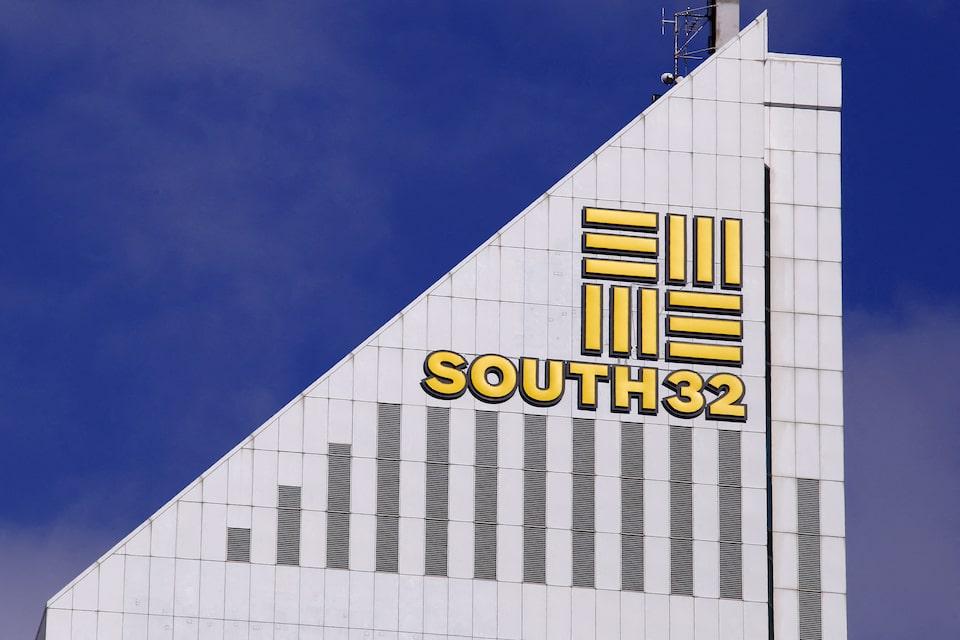
MELBOURNE, Aug 14 (Reuters) - Australia's South32 (S32.AX) , opens new tab on Thursday flagged a $372 million impairment on its Mozal aluminium smelter in Mozambique and said it was set to place the facility into care and maintenance once its current power supply agreement expires next year. The diversified miner has been in protracted negotiations with Mozambique's government over a power agreement that is set to expire in March, 2026. It warned in July that it may face an impairment at the smelter during fiscal 2025 and was reviewing production after failing to secure affordable power. Sign up here. "Based on engagements to date, we do not have confidence that Mozal will secure sufficient and affordable electricity when the current supply agreement ends," CEO Graham Kerr said in a statement. "It is not viable for Mozal to operate under the tariff indicated. The price expectations of counterparties would make Mozal internationally uncompetitive," he said. South32 said that given care and maintenance was the most likely scenario, it would curtail activities such as pot relining and would limit further investment in the operations. South32 said it has since continued engagement with the Mozambique government, hydroelectric producer Hidroeléctrica de Cahora Bassa (HCB) and South African utility Eskom since July. Shuttering the smelter is not a done deal, if the two parties can reach agreement on costs. “We are hopeful a workable solution emerges that enables Mozal to operate beyond March 2026, and maintain its substantial contribution to Mozambique,” Kerr added. HCB, majority-owned by the Mozambique government, is the primary power supplier to Mozal. When it cannot meet the smelter's needs, Eskom steps in under the current agreement. The miner expects its share of Mozal's output in fiscal 2026 to fall to about 240 kilo tons, compared with 355 kilo tons in 2025. July was the second time South32 flagged impairments at its Mozal project. In December, nationwide protests in Mozambique disrupted operations and weighed on production. https://www.reuters.com/world/africa/south32-says-mothball-mozal-flags-372-million-hit-2025-08-13/
2025-08-13 23:05
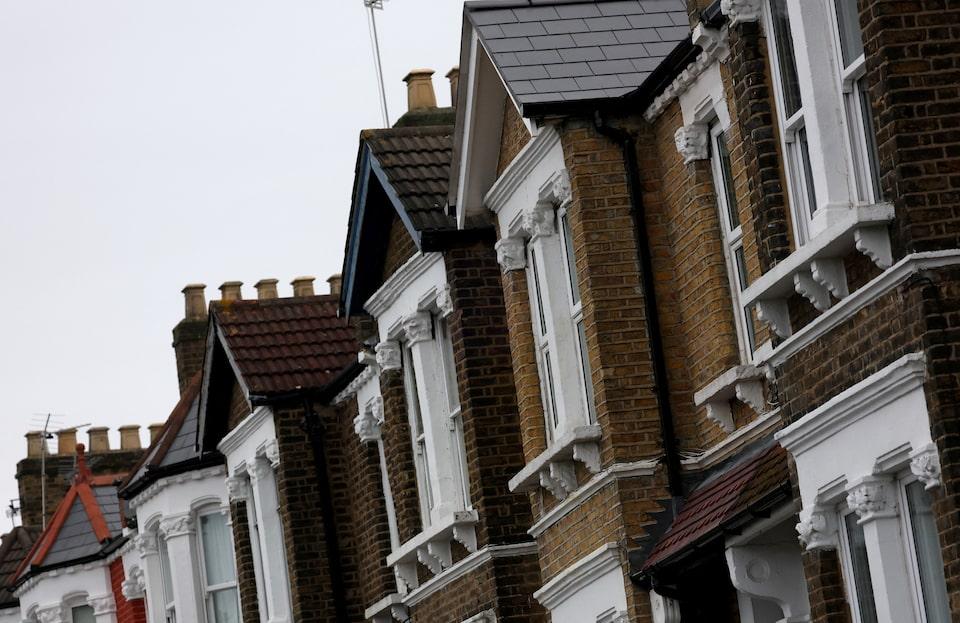
LONDON, Oct 9 (Reuters) - Britain's housing market lost momentum for a third month in a row and confidence among businesses has fallen sharply, according to two surveys published on Thursday that showed worries about finance minister Rachel Reeves' November budget. The Royal Institution of Chartered Surveyors said its measures of buyer demand and agreed sales were stuck in negative territory in September, as they both were in July and August. Sign up here. The RICS house price balance, which measures the difference between the percentage of surveyors seeing rises and falls in house prices, improved slightly to -15 from -18 in August. Tarrant Parsons, RICS' head of market research and analysis, said there was a broad sense of hesitancy in the market. "Ongoing uncertainty around potential measures in the upcoming budget is also likely adding to the prevailing cautious sentiment," Parsons said. Reeves is expected to raise taxes in her November 26 budget to remain on track to meet her targets for fixing the public finances. Reports in British media have suggested that she might look to the housing market as a source of extra tax revenue. An unexpected fall in mortgage lender Halifax's measure of house prices in September published on Tuesday was also seen by economists as a sign of worries about the budget. In the rental market, the RICS measure of landlords making properties available dropped to its lowest since May 2020 while demand from renters remained stable, contributing to an expected 3% increase in rents in over the next 12 months. The supply of rental properties has been hit by landlords selling homes and apartments after a rise in borrowing and other costs in recent years and due to their worries about planned legislation to give more rights to tenants. A separate survey by the Institute of Chartered Accountants in England and Wales showed confidence among businesses sank to its lowest level in three years in the July-to-September period. A record 60% of businesses said the tax burden was a growing challenge, the ICAEW survey found. Suren Thiru, the institute's economics director, said many employers were feeling the hit from Reeves' decision in her first budget last year to raise their social security bill. "The mounting squeeze from plummeting confidence and a weakening outlook for domestic sales and employment means the economy will struggle to deliver the uplift in growth needed to avoid more painful decisions at the budget," Thiru said. https://www.reuters.com/world/uk/uk-housing-market-loses-momentum-tax-worries-surface-rics-says-2025-07-09/
2025-08-13 23:03
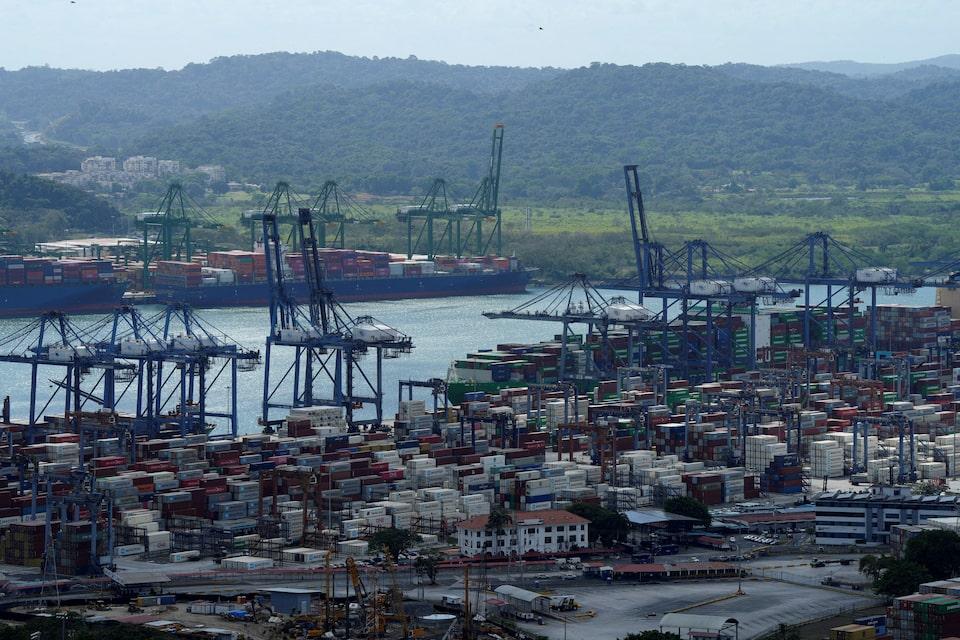
Company to hold analyst conference at 5 p.m. Management expected to be asked about port sale updates Group raised in July prospect of major Chinese investor joining the bid H1 underlying profit forecast to rise 6%, UBS says HONG KONG, Aug 14 (Reuters) - Investors will look for comments from CK Hutchison (0001.HK) , opens new tab on the status of its ports business sale to a consortium led by U.S. investment firm BlackRock (BLK.N) , opens new tab when the Hong Kong conglomerate reports its interim results on Thursday. The ports-to-telecoms group will present its results at 5 p.m. (0900 GMT), offering analysts the first opportunity to quiz the management about the plan to sell the ports business since it was announced in March. Sign up here. Departing from its usual practice, CK Hutchison did not brief analysts or media about its 2024 earnings, released after it made public its plan to sell the business, which includes two ports along the strategic Panama Canal. Since the plan to sell 43 ports in 23 countries to a group led by BlackRock (BLK.N) , opens new tab and Italian billionaire Gianluigi Aponte's family-run shipping firm MSC was announced, CK Hutchison has faced a firestorm of criticism from China. In the latest announcement on July 28, the conglomerate said it was in talks with the consortium pursuing its $22.8 billion ports business to add a Chinese "major strategic investor" to the bid, after their exclusive talks ended. It said changes would be necessary to secure regulatory approval in relevant jurisdictions and that it would allow as much time as needed to achieve that. Sources have told Reuters the investor was COSCO (1199.HK) , opens new tab - one of the world's dominant, vertically integrated marine transportation firms. They said COSCO was seeking a bigger stake while the other parties in the consortium were keen to keep it a minority. While any stake by COSCO is not yet clear, an inclusion of a Chinese investor would alleviate China's national security concerns and have its blessing, the sources and other experts have said. U.S. President Donald Trump had earlier called for the removal of Chinese ownership in the Panama Canal, which now accounts for more than 40% of U.S. container traffic valued at $270 billion annually. Ahead of the results, UBS forecast a 6% rise in underlying profit for the first six months, as ports and retail business growth and a weakening dollar offset the negative impact of oil prices. However, one-off losses, including from the completion of the 3UK merger, could weigh on the conglomerate's net profit. Morgan Stanley rated CK Hutchison "overweight" last month, citing potential strategic transactions, attractive valuation, and strong balance sheet. https://www.reuters.com/world/china/ck-hutchison-ports-deal-focus-hong-kong-conglomerate-reports-results-2025-08-13/
2025-08-13 22:48
First results after the company listed shares on NYSE Beef division in US still struggling China, EU have not resumed poultry imports from Brazil after bird flu SAO PAULO, Aug 13 (Reuters) - JBS (Z98.F) , opens new tab, the world's largest meat company, on Wednesday posted record quarterly net revenues of nearly $21 billion even as it navigates a challenging U.S. cattle cycle and deals with global geopolitical tensions, according to an earnings release. The company, which reported results for the first time after listing shares on the New York Stock Exchange in June, recorded net profit of $528.1 million in the second quarter, representing a 60.6% annual rise. Sign up here. The results were mainly driven by the good performance of subsidiary Pilgrims Pride (PPC.O) , opens new tab, which posted earnings before interest, tax, depreciation and amortization (EBITDA) of $817.7 million. JBS also highlighted the resilience of its Seara processed food business amid an outbreak of bird flu in Brazil. CEO Gilberto Tomazoni cited weakness of JBS's U.S. beef business, which represents around a third of the company's net sales and posted $233 million negative EBITDA in the last quarter. But while that unit struggled, the company's Brazilian and Australian beef operations stayed healthy. "We live a challenging moment, but given the context, we are pleased with what we are delivering in terms of margins," Tomazoni said in an interview, referring to JBS's overall margin of 8.4% for the quarter. A 50% U.S. tariff on Brazilian products, including beef, is also weighing on Brazilian meatpackers in general. Tomazoni said JBS accounts for around 15% share of Brazilian beef exports to the U.S., where it also operates many factories. Brazil exported 180,000 tons of fresh beef to the U.S. in the first half. Because of the tariff, Tomazoni said certain JBS factories in Brazil briefly stopped production. They later resumed to redirect some geef products to other markets. "The most important thing is that our platform was built taking into account these things happen," he said referring to obstacles like trade and sanitary barriers. Brazil's bird flu outbreak partially interrupted exports from companies in Brazil, the world's largest chicken exporter. China and the European Union have not yet resumed importing poultry from Brazil, which the CEO regrets because the outbreak has been controlled. "The expectation is that this will be resolved... I hope in the coming weeks." https://www.reuters.com/markets/europe/jbs-turns-q2-profit-despite-challenging-operating-environment-2025-08-13/