2025-08-13 07:53
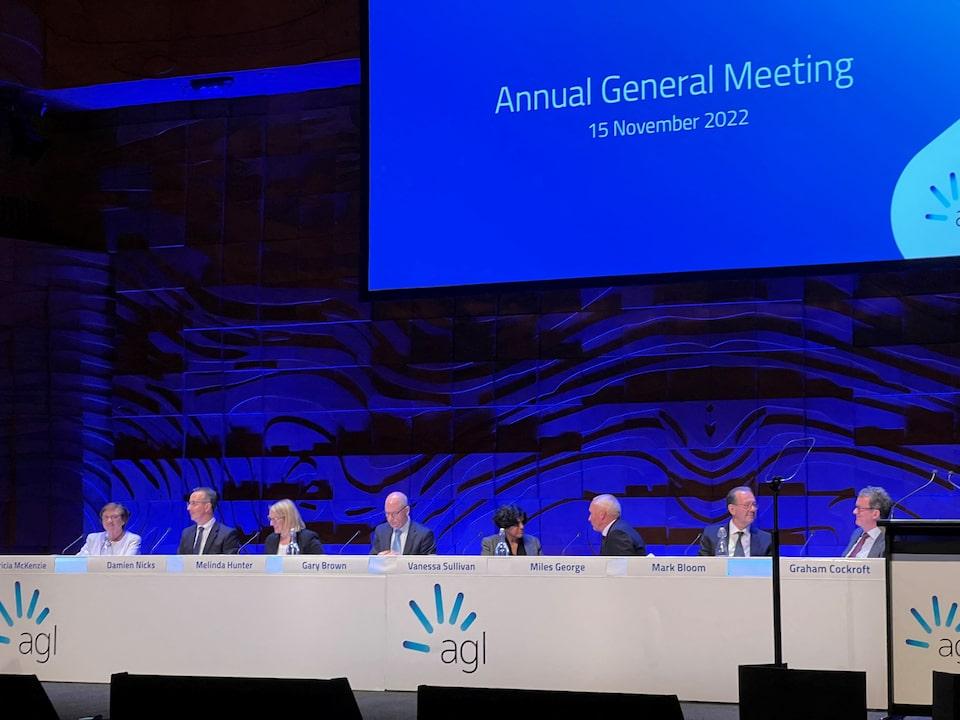
First half 2025 saw 212 GW added, more than double H1 2024 Power reforms create uncertainty for solar project investors Solar installations to stabilize at 250 GW annually from 2026, BMI says BEIJING, Aug 13 (Reuters) - China's new solar power capacity will slow in the second half of 2025 as reforms removing guaranteed pricing create uncertainty for new projects, though full-year additions will still likely reach a record high because of frontloading, analysts say. Slowing growth in the world's largest solar fleet is a fresh blow for solar manufacturers already struggling with massive overcapacity and a vicious price war. Sign up here. Global solar manufacturers, the majority of which are in China, have the capacity to make more than twice the number of panels the world will buy this year, according to an estimate from Morningstar. Through June, China has added 212 gigawatts of new solar capacity, according to data from the National Energy Administration, more than double the first-half 2024 additions. But based on that figure, the latest annual forecasts from analysts show that capacity additions are likely to roughly halve in the second half compared to last year. Analysts at Natixis expect 300 GW of new solar for 2025 in its mid-point scenario. That likely means only 88 GW will be added for the rest of the year, based on calculations deducting the first half NEA data. Fitch Solutions' BMI forecasts an annual gain of 310 GW, which would mean an expected gain of only 98 GW for the rest of the year. NEA data showed 175 GW of solar were added in the second half of 2024, part of a record annual surge of 277 GW. Power reforms introduced earlier this year removed a guaranteed rate of return for renewable energy projects, forcing projects built from June to sell power at market prices. The change creates uncertainty around the rate of return for investors accustomed to fixed pricing. Adding to the confusion, the exact market mechanisms can differ between provinces. Because of this, companies surged their new capacity into the first half of the year, with 93 GW of new additions in May, which dropped to 14 GW in June, the NEA data showed. "All of the projects were rushing to be commissioned ahead of the last window where they have basically guaranteed revenue," said Linda Zeng, senior power and renewables analyst for BMI. She believes annual additions will still be higher "because of the sheer scale of the first half. But we expect for the rest of the months that additions could be at a similar rate as June, which is not super high." From 2026, solar installations are forecast to level out around 250 GW per year, said Zeng. https://www.reuters.com/sustainability/climate-energy/chinas-solar-power-capacity-growth-slow-h2-after-pricing-reforms-2025-08-13/
2025-08-13 07:47
MOSCOW, Aug 13 (Reuters) - Russia's seaborne oil product exports in July were down 6.6% from June at 8.67 million metric tons amid planned domestic refinery maintenance and strong domestic demand, data from industry sources and Reuters calculations showed. According to Reuters calculations based on data from industry sources, Russia's offline primary oil refining capacity for July rose to a maximum year-to-date level of 4.13 million metric tons, up 26% from 3.28 million tons in June. Sign up here. Rising idle capacity points to decreasing fuel production and exports. Total oil product exports in July via the Baltic ports of Primorsk, Vysotsk, St Petersburg and Ust-Luga fell by 5.4% month-on-month to 4.74 million tons, data from market sources showed. Fuel exports via Russia's Black Sea and Azov Sea ports last month decreased 10.5% on a monthly basis to 3.27 million tons. Oil product exports from Russia's Arctic ports of Murmansk and Arkhangelsk last month fell 41.8% from June to 39,700 tons from 65,900 tons. Fuel export loadings at Russia's Far East ports rose 15.3% month-on-month in July to 611,000 tons as local refineries completed seasonal maintenance, data from sources and Reuters calculations showed. https://www.reuters.com/business/energy/russias-july-seaborne-oil-product-exports-down-66-mm-reuters-calculations-show-2025-08-13/

2025-08-13 07:23
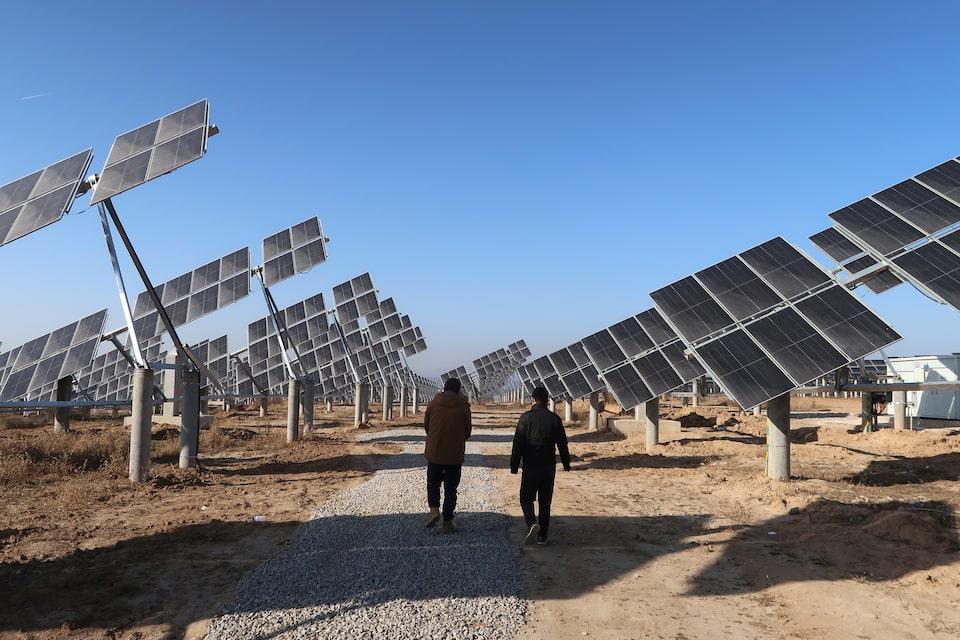
Aug 12 (Reuters) - Nomura expects the U.S. Federal Reserve to cut interest rates by 25 basis points in September, bringing forward its easing forecast, amid signs of milder U.S. inflation in July and early cracks in the labor market. The Consumer Price Index rose 0.2% last month, easing from a 0.3% gain in June and broadly in line with economists' expectations, while annual inflation came in slightly below forecasts, according to data released on Tuesday. Sign up here. The brokerage expects two more 25-bp reductions, in December 2025 and March next year, but said a 50-bp cut next month is unlikely as "The labor market is slowing, but there are few signs of stress, and broader financial conditions remain easy." The brokerage also lowered its core Personal Consumption Expenditures (PCE) estimate to 0.243% for July, from 0.325%, citing softness in segments such as prescription drugs and software. Traders, on average, are pricing in 60.4 bps of Fed rate cuts by the end of the year, with a 94.2% probability of a 25-bp reduction in September, according to data from LSEG and the CME Group's FedWatch tool. Other top brokerages, including J.P.Morgan, Citigroup and Wells Fargo retained their stance, for a September rate cut. https://www.reuters.com/business/nomura-sees-fed-rate-cut-september-inflation-cools-2025-08-13/
2025-08-13 07:16
BANGKOK, Aug 13 (Reuters) - Thailand's central bank lowered its key interest rate by a quarter point on Wednesday, its fourth cut in 10 months as it looks to support a sluggish economy grappling with negative inflation and the impact of U.S. tariffs. The Bank of Thailand's monetary policy committee unanimously voted to reduce the one-day repurchase rate (THCBIR=ECI) , opens new tab by 25 basis points to 1.50%, the lowest in more than two years. Sign up here. The BOT had held the key rate at its June meeting following back-to-back cuts at reviews in February and April. It had also cut rates in October last year. Twenty-three of 28 economists in a Reuters poll had predicted a quarter-point reduction this week. The other five had expected no rate change. The central bank in a statement said the Thai economy was expected to expand this year and next close to earlier assessments, but U.S. trade policies would exacerbate structural problems and weaken competitiveness, with small businesses vulnerable. "The committee views that monetary policy should be accommodative going forward to support the economy," the statement said. It expects growth in Southeast Asia's second-largest economy to slow in the second half of the year, it said. The baht reversed course to fall 0.1% after the announcement, while Thai stocks (.SETI) , opens new tab were largely unchanged. The economy has struggled with weak consumption, high household debt, slowing tourism, trade uncertainty and U.S. tariffs. The central bank has said the economy might have grown about 3% annually in the second quarter of 2025 but would feel the impact of U.S. tariffs and weakening consumption later this year. Wednesday's meeting was the last for Governor Sethaput Suthiwartnarueput. New Governor Vitai Ratanakorn will take over on October 1, and he has said rate cuts will support growth. The next policy review will be on October 8. In June, the BOT predicted 2025 economic growth of 2.3%, with export growth of 4%, after factoring in U.S. tariff rates of 18%. The economy expanded 2.5% last year, lagging peers. Last month, the United States reduced its tariff rate to 19% on imported goods from Thailand, down from the initial 36% level and more aligned with other countries in the region. There are still uncertainties relating to U.S. tariffs on transshipments via Thailand from third countries. https://www.reuters.com/world/asia-pacific/thai-central-bank-cuts-key-rate-by-25-bps-expected-2025-08-13/

2025-08-13 07:13
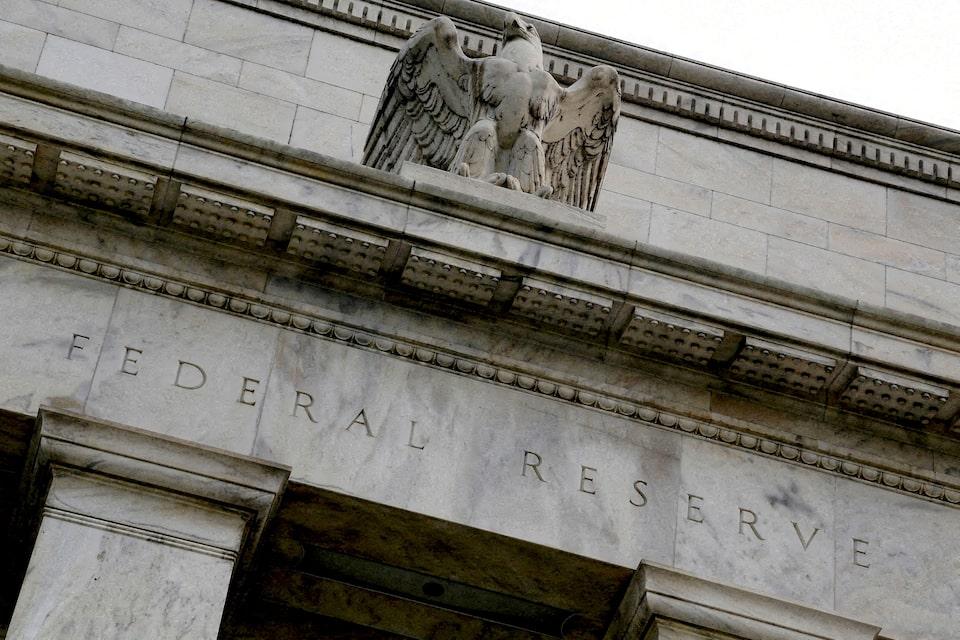
SINGAPORE, Aug 13 (Reuters) - Oil prices were little changed on Wednesday as investors awaited U.S. inventory data, while eyeing an upcoming meeting between U.S. President Donald Trump and Russian President Vladimir Putin. Brent crude futures dipped 3 cents, or 0.05%, to $66.09 a barrel at 0711 GMT, while U.S. West Texas Intermediate crude futures edged down 8 cents, or 0.13%, at $63.09. Both contracts settled lower on Tuesday. Sign up here. Trump and Putin are due to meet in Alaska on Friday to discuss ending Russia's war in Ukraine that has shaken oil markets since February 2022. Oil investors are in a "wait-and-see mode" ahead of the meeting, said ING commodity strategists. "The outcome could remove some of the sanction risk hanging over the market," the ING strategists added. Investors also awaited further cues after an industry report showed U.S. crude stockpiles climbed last week. Crude inventories in the United States, the world's biggest oil consumer, rose by 1.52 million barrels last week, market sources said, citing American Petroleum Institute figures on Tuesday. Gasoline inventories dropped while distillate inventories gained slightly. Should the U.S. Energy Information Administration data later on Wednesday also show a decline, it could indicate that consumption during the summer driving season has peaked and refiners are easing back their runs. The driving season typically runs from the Memorial Day holiday at the end of May to the Labor Day holiday in early September. Analysts polled by Reuters expect the EIA report to show crude inventories fell by about 300,000 barrels last week. Outlooks issued by OPEC and the EIA on Tuesday pointed to increased production this year which also weighed on prices. But both expect output in the U.S., the world's largest producer, to decline in 2026 while other regions will increase oil and natural gas production. U.S. crude production will hit a record 13.41 million barrels per day in 2025 due to increases in well productivity, though lower oil prices will prompt output to fall in 2026, the EIA forecast in a monthly report. The Organization of the Petroleum Exporting Countries' monthly report said global oil demand will rise by 1.38 million bpd in 2026, up 100,000 bpd from the previous forecast. Its 2025 projection was left unchanged. The White House on Tuesday tempered the expectations for a quick Russia-Ukraine ceasefire deal, which may lead investors to reconsider an end to the war soon and any easing of sanctions on Russian supply, which had been supporting prices. "Trump downplayed expectations of his meeting with President Putin ... However, expectations of additional sanctions on Russian crude continue to fall," ANZ senior commodity strategist Daniel Hynes wrote in a note. https://www.reuters.com/business/energy/oil-steady-market-awaits-inventory-data-us-russia-meeting-2025-08-13/
2025-08-13 07:06
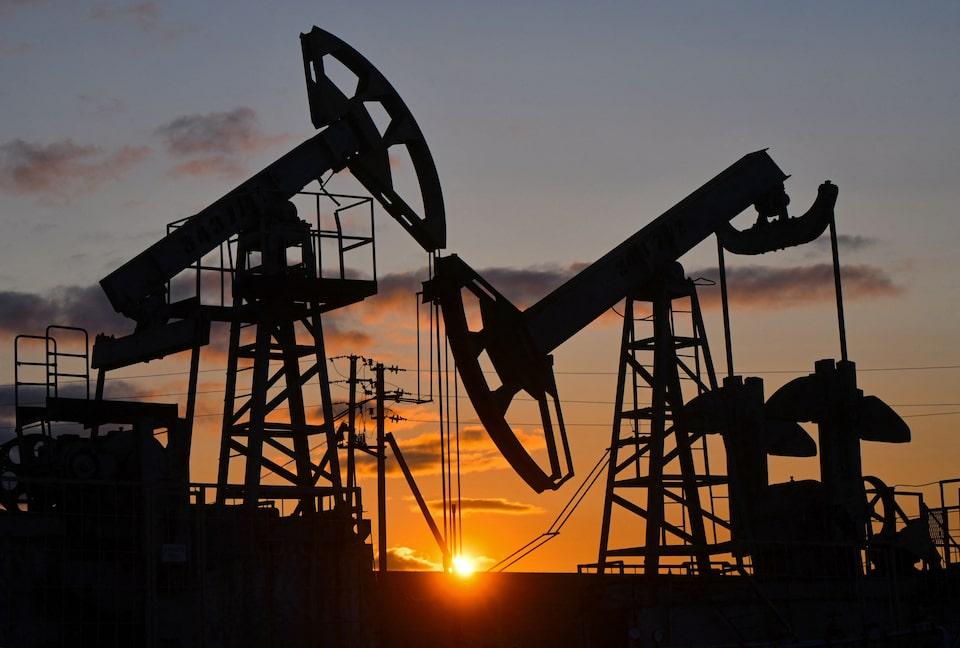
AGL shares close down 13% at over one-year low Cuts final dividend by 29% to 25 Australian cents Results reflect ongoing green transition, says investor SYDNEY, Aug 13 (Reuters) - Australia's top power producer AGL Energy (AGL.AX) , opens new tab on Wednesday reported a 21% drop in annual underlying profit and missed earnings expectations due to tighter retail margins and higher costs from its transition to renewable energy. Shares closed down 13% at the lowest level since April 2024, and had their weakest trading session since October 2007. Sign up here. But the Sydney-based company, which is Australia’s biggest carbon emitter, said it was confident its investments in big batteries would bring a strong earnings stream once operational. "We have invested heavily in growth this year, with approximately A$900 million ($587.79 million) deployed towards battery developments and strategic investments,” AGL CEO Damien Nicks said on an earnings call. He said the batteries would also "more than offset" rising gas purchasing costs as legacy contracts neared expiration in 2027. "That’s why we're going after these as quickly and as hard as we can," he said. AGL is targeting final investment decisions for 900 megawatts of grid-scale battery projects for storage, as part of a commitment to more ambitious renewable energy targets. On Wednesday, it released a new climate plan targeting 6 gigawatts of renewable and storage assets by 2030, up from its previous target of 5GW. The need for liquidity to support its green spending meant it declared a final dividend of 25 Australian cents per share, down from 35 Australian cents in the previous fiscal year, and on the lower end of its forecast payout ratio range of 50% to 75%. Earnings before interest, tax, depreciation and amortisation fell 9% to A$2.01 billion and core profit was down by over one-fifth to A$640 million. AGL said compressed consumer margins from gas and electricity retailing added to the softer result, as well as increased spending to support ageing coal plants that had suffered unplanned outages and downtime in the past year. "We are not satisfied with the fleet performance. I think that's very clear," said Chief Operating Officer Markus Brokhof. RBC Capital Markets analyst Gordon Ramsay said the result missed his estimates due to higher-than-expected costs and margin compression in its electricity and gas portfolio and the guidance had "disappointed". AGL forecast underlying net profit for the financial year ending June 30, 2026 of between A$500 million and A$700 million. The midpoint of the range is 10% below the average A$667 million net profit estimate of nine analysts polled by LSEG. But Jamie Hannah, deputy head of investments at top-15 AGL shareholder VanEck, was undeterred. He called the market reaction "out of kilter with the medium and long-term strategies" of the company. The softer performance reflected the fact the company was in a transition period as it looks to pivot to clean energy and prepare for its exit from coal power in 2035, Hannah said. “They've got the ageing coal power plants so outages are obviously affecting ability to run those power plants,” he said. “But at the same time, they have to spend money to build out the next phase of power generation, a lot of that’s renewables and the like.” “That’s an ongoing transition which is going on globally. AGL being one of the biggest players in Australia is obviously the centre of that here.” ($1 = 1.5319 Australian dollars) https://www.reuters.com/business/energy/australias-agl-shares-plunge-weaker-results-reflect-cost-going-green-2025-08-12/