2025-08-12 20:05
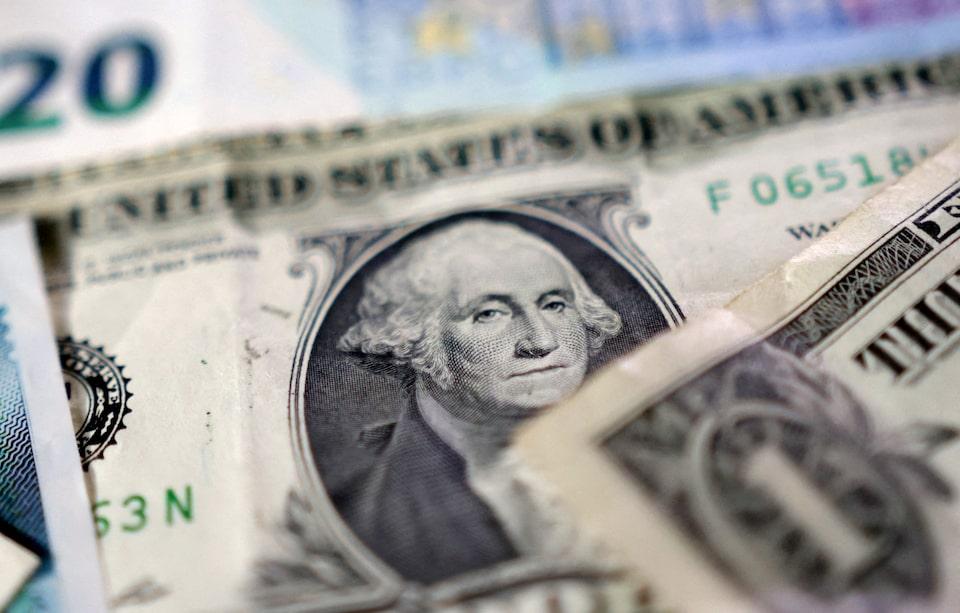
US consumer prices increase moderately in July Dollar erases early gains to trade lower against euro, yen Former Fed bank president Bullard says he'd accept Fed chair job if offered Weaker USD helps Aussie rebound after hit from widely expected RBA rate cut Sterling supported by British jobs data NEW YORK, Aug 12 (Reuters) - The dollar fell across the board on Tuesday after data showed that U.S. consumer prices increased moderately in July, leaving intact the case for a Federal Reserve interest-rate cut next month. The consumer price index rose 0.2% last month after gaining 0.3% in June, the Labor Department's Bureau of Labor Statistics said on Tuesday. Sign up here. In the 12 months through July, the CPI advanced 2.7% after rising 2.7% in June. Economists polled by Reuters had forecast the CPI rising 0.2% and increasing 2.8% year-on-year. "Underlying inflation remains subdued, giving policymakers room for maneuver as they respond to signs of incipient weakness in labor markets," Karl Schamotta, chief market strategist at Corpay, said. "Chair Powell should put a September cut on the table when he speaks at Jackson Hole on the 21st," Schamotta said, referring to the Fed's Jackson Hole Economic Symposium later this month. Currency markets had been in a holding pattern earlier as expectation grew that a moderate reading on U.S. price pressures could cement bets for a Fed rate reduction next month, which increased after last week's soft payrolls data. "If the Fed moves ahead with back-to-back cuts, the policy rate differential with peers could narrow quickly, weighing on USD against higher-yielding currencies," Fawad Razaqzada, analyst at Forex.com, said in a note. The euro erased earlier losses against the buck to trade up 0.4% at $1.16663. The greenback fell 0.3% against the Japanese yen to trade at 147.74 yen . GLOBAL GROWTH With the jury still out on the impact of tariffs on global growth, predicting how the dollar will react through the end of the year remained challenging, Schamotta said. "The early-autumn outlook remains incredibly difficult to read, and evidence of a broader global slowdown could easily see the dollar regain its poise," he said. On Tuesday, speculation about a change of leadership at the Fed was back as Former St. Louis Federal Reserve Bank President James Bullard said he would accept the role of Fed Chair if it was offered to him. Bullard told CNBC that he would accept the job "if we can protect the value of the dollar ... that'll give us lower interest rates over time; if we aim for low and stable inflation, (and) respect the independence of the institution under the Federal Reserve Act". Meanwhile, Sterling was up 0.5% on the dollar at $1.3495 after data that showed Britain's jobs market weakened further, albeit more slowly, while wage growth stayed strong - the latter underscoring why the Bank of England is so cautious about cutting interest rates. The numbers ought not to cause the Bank of England to accelerate the speed of its rate cuts. The BoE cut rates only last week in a tight 5-4 vote. The Australian dollar initially dipped after the Reserve Bank of Australia cut its interest rate by a quarter point, a move that was widely anticipated. The central bank cited a slowdown in inflation and a looser labor market, though it was cautious on prospects for further easing. The greenback's broad weakness, however, helped the Aussie recover ground to trade up 0.3% to $0.653 against the U.S. dollar. Currency markets largely ignored Trump's decision to in sharply higher tariffs on Chinese imports for another 90 days, as widely expected. Cryptocurrency bitcoin was about flat around $119,295, after climbing as high as $122,308.25 on Monday, taking it close to the all-time peak of $123,153.22 from mid-July. https://www.reuters.com/world/middle-east/dollar-slips-us-inflation-data-backs-september-rate-cut-2025-08-12/
2025-08-12 20:04
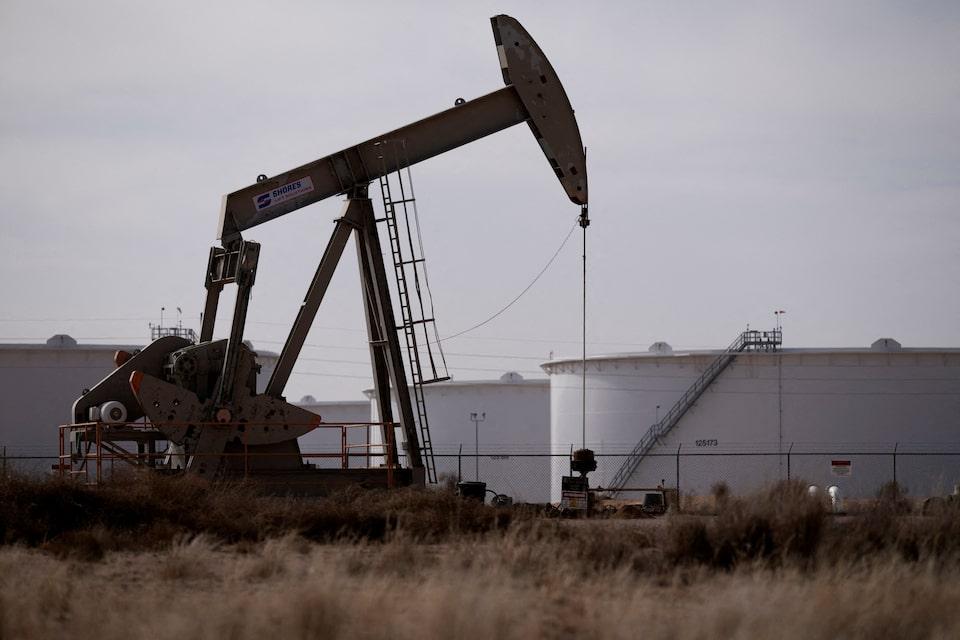
US and China extend tariff pause to November Trump-Putin talks on Friday cloud oil outlook OPEC upgrades 2026 oil demand growth forecast Oil traders watching EIA report HOUSTON, Aug 12 (Reuters) - Oil prices dipped on Tuesday as traders awaited an inventory report from the U.S. Energy Information Administration and began looking toward declining demand at the end of the summer driving season in early September. Brent crude futures settled at $66.12 a barrel, down 51 cents, or 0.77%. U.S. West Texas Intermediate crude futures finished at $63.17, down 79 cents, or 1.24%. Sign up here. "It really is seasonal factors," said John Kilduff, a partner at Again Capital. "We're not getting any lift from the stock market and the inflation report was positive and points to a rate cut." U.S. consumer prices increased in July as tariff-induced rising costs for imported goods helped to drive the strongest gain in six months for one measure of underlying inflation. Kilduff said demand for diesel, which has driven oil demand, appeared to be flagging. Inventory reports from the American Petroleum Institute and EIA on Tuesday and Wednesday, respectively, may show signs of falling demand. Outlooks issued by OPEC and the EIA pointed to increased production this year, but both expect U.S. output to decline in 2026 while other regions of the globe will increase oil and natural gas production. OPEC's monthly report on Tuesday said global oil demand will rise by 1.38 million barrels per day in 2026, up 100,000 bpd from the previous forecast. Its 2025 projection was left unchanged. U.S. crude production will hit a record 13.41 million bpd in 2025 due to increases in well productivity, though lower oil prices will prompt a fall in output in 2026, the EIA forecast on Tuesday in a monthly report. The decline in 2026 production to 13.28 million bpd would be the first drop in output since 2021 for the world's largest producer. Prices for the international benchmark Brent will average $51 per barrel next year, down from the EIA's previous forecast of $58 per barrel, after OPEC and its members decided to accelerate the pace of production increases. This week, U.S. President Donald Trump extended a tariff truce with China to November 10, staving off triple-digit duties on Chinese goods as U.S. retailers prepared for the critical end-of-year holiday season. Also potentially weighing on the oil market, Trump and Russian President Vladimir Putin are due to meet in Alaska on Friday to discuss ending Russia's war in Ukraine. "If Friday's meeting brings a ceasefire or even a peace deal in Ukraine closer, Trump could suspend the secondary tariffs imposed on India last week before they come into force in two weeks," Commerzbank said in a note. "If not, we could see tougher sanctions against other buyers of Russian oil, like China." https://www.reuters.com/business/energy/oil-prices-dip-market-awaits-eia-report-2025-08-12/
2025-08-12 19:53
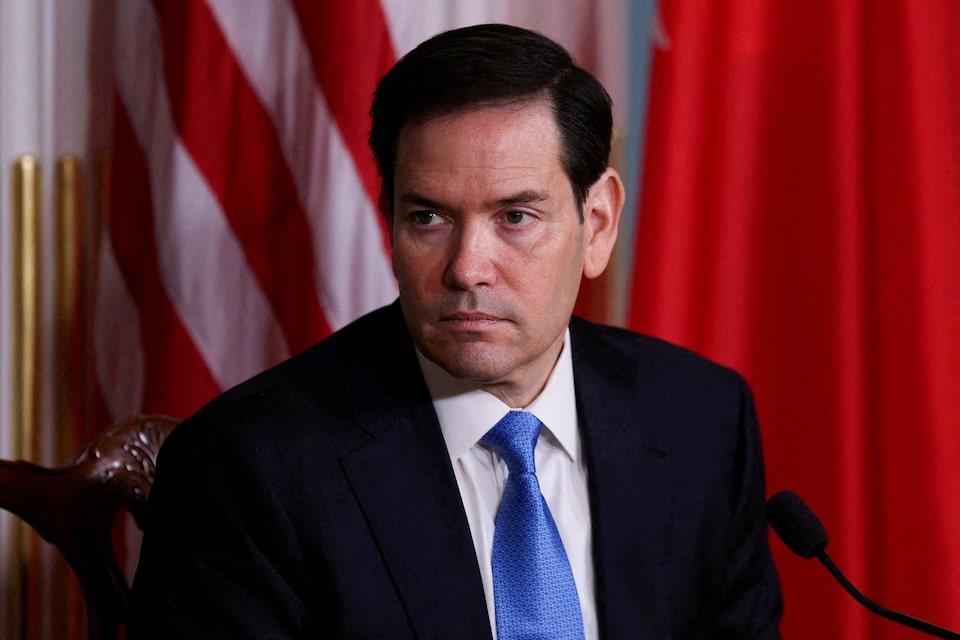
US opposes IMO proposal citing cost concerns for citizens and businesses US exited IMO talks on net-zero framework in April Major shipping firms committed to net zero by 2050 Aug 12 (Reuters) - The U.S. on Tuesday rejected the "Net-Zero Framework" proposal by the International Maritime Organization, which is aimed at reducing global greenhouse gas emissions from the international shipping sector, and threatened measures against countries that support it. The announcement, made in a joint statement by Secretary of State Marco Rubio, Commerce Secretary Howard Lutnick, Energy Secretary Chris Wright and Transportation Secretary Sean Duffy, comes ahead of a vote at the United Nations' shipping agency to adopt the net-zero proposal , opens new tab in October. Sign up here. It also comes as the Trump administration uses tariffs as a tool to influence the behavior of leaders of other nations, including China, India and Brazil, and as the U.S. withdraws support for regulations aimed at curbing climate change. "The Trump Administration unequivocally rejects this proposal before the IMO and will not tolerate any action that increases costs for our citizens, energy providers, shipping companies and their customers, or tourists," the statement said. "Our fellow IMO members should be on notice that we will look for their support against this action and not hesitate to retaliate or explore remedies for our citizens should this endeavor fail," it continued. The U.S., one of 176 IMO member states, exited IMO talks on the net-zero framework in April and urged other IMO members in a memo seen by Reuters to reconsider their support for it. Member states of the IMO agreed on the net-zero framework in April following a vote that required a simple majority, 63 member states including China, Brazil and EU countries voted in favour, while only 16 states voted against. In October, a vote would require a two-thirds majority of 108 member states that ratified the key legislation aiming to reduce shipping pollution. IMO only resorts to voting if there is no agreement on a regulation among member states. Ocean vessels transport around 80% of world trade and account for nearly 3% of the world's carbon dioxide emissions. The industry is under pressure from environmentalists and investors to deliver more concrete climate action, including a carbon levy. Many large ocean shipping companies already have committed to net-zero operations by 2050. Several industry groups that represent them support the legislation, even as members call for incentives, including levying fees on polluting fossil fuels to help offset the higher cost of green fuels. The World Shipping Council, which represents major firms like container carrier Maersk (MAERSKb.CO) , opens new tab and car carrier Wallenius Wilhelmsen (WAWI.OL) , opens new tab, declined comment. President Donald Trump has also said he is withdrawing the United States from the Paris climate agreement, which set a goal for countries to achieve net-zero emissions by 2050. The U.S. is currently engaging in UN negotiations to secure a global treaty to reduce plastic pollution and has warned countries in a memo that it will not support a pact that sets caps on plastic pollution and bans the use of certain chemicals. https://www.reuters.com/sustainability/climate-energy/us-retaliate-against-imo-members-that-back-net-zero-emissions-plan-2025-08-12/
2025-08-12 19:25
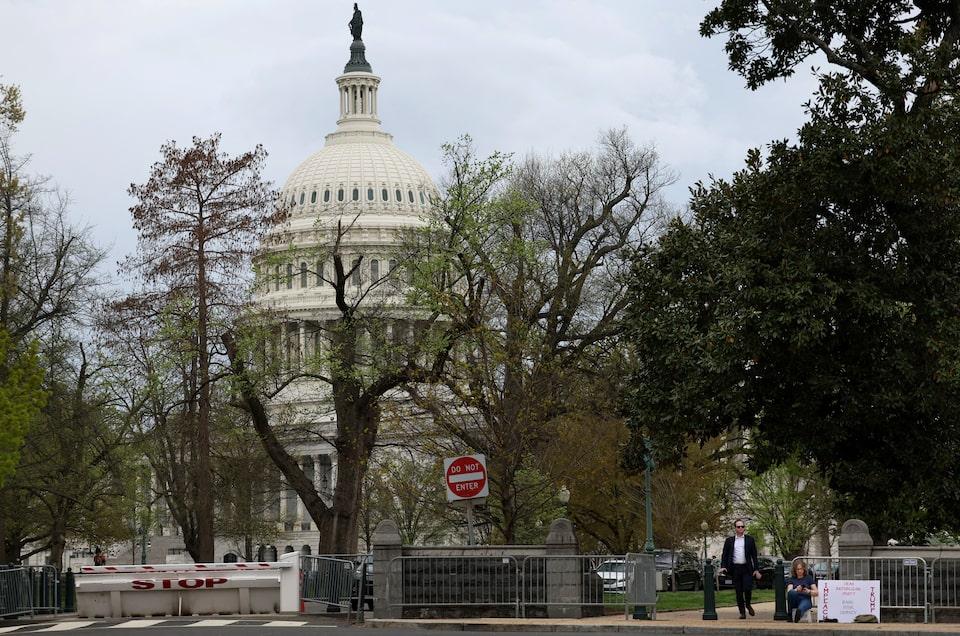
July US customs duties triple to nearly $21 billion from $7 bln a year earlier Fiscal year-to-date deficit tops $1.6 trillion Social Security, healthcare, debt interests costs continue to grow Aug 12 (Reuters) - The U.S. government's budget deficit grew nearly 20% in July to $291 billion despite a nearly $21 billion jump in customs duty collections from President Donald Trump's tariffs, with outlays growing faster than receipts, the Treasury Department said on Tuesday. The deficit for July was up 19%, or $47 billion, from July 2024. Receipts for the month grew 2%, or $8 billion, to $338 billion, while outlays jumped 10%, or $56 billion, to $630 billion, a record high for the month. Sign up here. The month of July this year had fewer business days than last year, so the Treasury Department said that adjusting for the difference would have increased receipts by about $20 billion, resulting in a deficit of about $271 billion. Net customs receipts in July grew to about $27.7 billion from about $7.1 billion in the year-earlier period due to higher tariff rates imposed by Trump, a Treasury official said. These collections were largely in line with the increase in June customs receipts after steady growth since April. Trump has touted the billions of dollars flowing into U.S. coffers from his tariffs, but the duties are paid by companies importing the goods, with some costs often passed on to consumers in the form of higher prices. Consumer price index data on Tuesday showed increases in prices for some tariff-sensitive goods like furniture, footwear and auto parts, but they were offset by lower gasoline prices in the overall index. For the first 10 months of the fiscal year, customs duties totaled $135.7 billion, up $73 billion, or 116%, from the year-earlier period. U.S. Treasury Secretary Scott Bessent told Fox Business Network's "Kudlow" program that the growing U.S. tariff revenue will make it difficult for the Supreme Court to rule against Trump's import taxes if a legal challenge to them makes its way to the country's top court. Ken Matheny, director of macroeconomics Yale University's Budget Lab, said it is unclear how much further monthly tariff revenue will grow, but the applied tariff rate measured by customs duties divided by the value of goods imports is still around 10%, lower than the current average tariff rate of about 18% based on the latest announcements. Significant numbers of firms are likely holding goods in bonded customs warehouses in the hope that negotiations will bring tariff rates down, but at some point those goods will enter the country, triggering duty payments, he said. "I suspect these numbers are showing us there is a sizable balance of imports where the duties haven't been recognized yet," Matheny said, adding that this could lead to a "temporary big surge in duties." The overall year-to-date budget results showed a $1.629 trillion deficit, up 7%, or $112 billion, from the same period a year earlier. Receipts were up 6%, or $262 billion, to $4.347 trillion, a record high for the 10-month period, while outlays grew 7%, or $374 billion, to $5.975 trillion, also a 10-month record. The year-to-date customs duties were more than eaten up by an increase of 10% or $141 billion in costs for government healthcare programs, including Medicare for seniors and Medicaid for the poor, to $1.557 trillion. The Social Security pension program, the largest single expense item, saw an increase of 9% or $108 billion over the first 10 months of fiscal 2025 to $1.368 trillion. Interest on the public debt also continued to grow, topping $1.01 trillion for the 10-month period, an increase of 6% or $57 billion over the prior year due to slightly higher interest rates and increased debt levels. https://www.reuters.com/world/us/us-deficit-grows-291-billion-july-despite-tariff-revenue-surge-2025-08-12/
2025-08-12 19:22
Aug 12 (Reuters) - The U.S. Energy Information Administration on Tuesday forecast Brent crude oil spot prices will average less than $60 per barrel in the fourth quarter, which would be the first quarter with average prices that low since 2020. It said in its August Short Term Energy Outlook (STEO) that it also expects Brent to average near $50 per barrel through 2026. The global benchmark settled at just above $66 on Tuesday. Sign up here. The statistical arm of the U.S. Department of Energy forecast a significant decline in oil prices as growth in the global supply of oil vastly surpasses growth in demand for petroleum products. "There’s a lot of uncertainty in the petroleum market. In the past, we have seen significant drops in oil prices when inventories grow as quickly as we are expecting in the coming months," said EIA Acting Administrator Steve Nalley. U.S. crude production will hit a record 13.41 million barrels per day in 2025 due to increases in well productivity, though lower oil prices will prompt a fall in output in 2026, the EIA forecast. Lower oil prices will lead to lower U.S. retail prices for gasoline and diesel and will pull domestic oil production down from the record highs in 2025, the EIA predicted. https://www.reuters.com/business/energy/eia-sees-brent-oil-prices-falling-less-than-60bbl-q4-2025-08-12/

2025-08-12 18:57
eToro beats Wall Street expectations for Q2 results CEO says retail investors bought stocks during April tariff dip Shares fall after execs signal stock trading is normalizing Crypto activity rose in July as bitcoin hit all-time highs Aug 12 (Reuters) - Stock and crypto trading platform eToro's CEO said on Tuesday that retail investors seized opportunities to buy stocks during the April market dip caused by tariffs, after the fintech firm exceeded second-quarter profit estimates. Markets saw sharp swings after U.S. President Donald Trump announced new tariffs early in the quarter, yet analysts observed that individual investors were not deterred by the volatility and quickly sought opportunities to "buy the dip." Sign up here. "We saw a lot of our retail investors jumping in to scoop opportunities with Google, Nvidia and Tesla," eToro CEO Yoni Assia said in an interview with Reuters, referring to the sharp slide in high-growth big tech stocks following April's tariff announcements. "This reminds us of what we've seen in COVID, where institutional investors are pulling out of the markets and retail investors are taking that opportunity and investing." Trading in stocks has since normalized, executives said, sending the company's shares down 8%. Analysts said the stock's slide reflected high expectations ahead of the results. The company went public in May in a bumper U.S. initial public offering, with shares surging on their debut after pricing above the marketed range. "Today's initial eToro excitement gave way to a touch of disappointment," said Michael Ashley Schulman, partner and CIO at Running Point Capital Advisors. "Management admitted the April tariff‑shock uptick in trading activity faded by July, so the beat didn't come with a sustainably higher run‑rate." CRYPTO OPPORTUNITIES Financial technology companies have been expanding their crypto product portfolios as regulatory clarity emerges in the key U.S. market under the Trump administration. EToro said crypto activity strengthened in July as bitcoin reached all-time highs, propelling several other tokens. New-age fintech platforms have taken market share from established Wall Street firms by luring younger, tech-savvy investors. "Regulators all around the world are also looking at what regulators in the U.S. are doing and saying," Assia said. "They're providing very sort of clear messaging, which is, crypto is here to stay." He added that the company will eventually cater to more sophisticated users as its product expansion, including AI strategies, gathers pace, moving beyond its core retail trading roots. Founded in 2007, eToro operates a trading platform that allows users to invest in stocks, cryptocurrencies and other assets while mirroring the strategies of top investors. eToro posted an adjusted profit of 56 cents per share in the three months ended June 30, beating estimates of 50 cents, according to estimates compiled by LSEG. https://www.reuters.com/business/finance/trading-platform-etoros-ceo-highlights-retail-investor-surge-profit-beats-2025-08-12/