2025-08-11 10:41
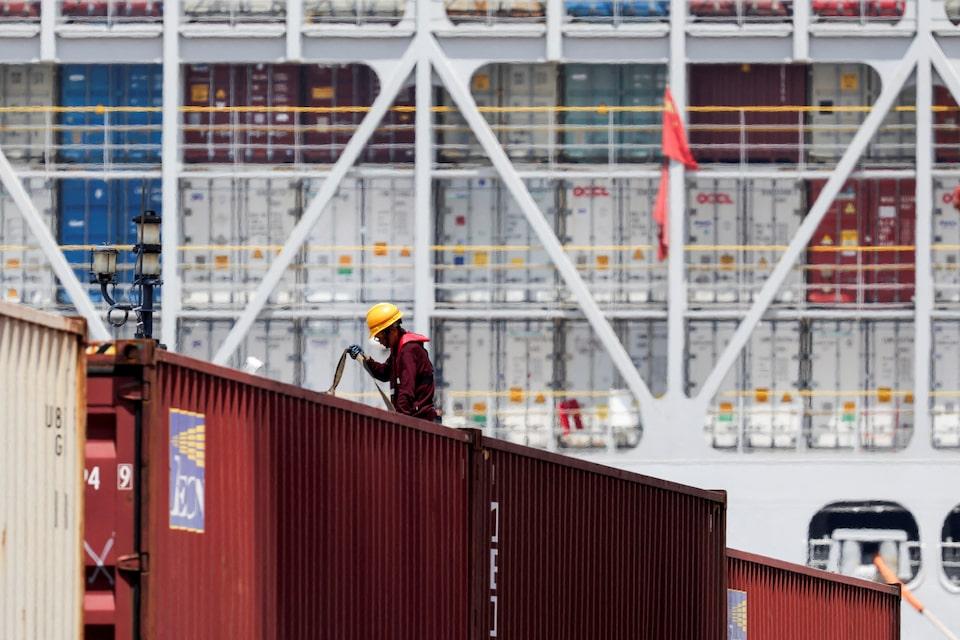
LONDON, Aug 11 (Reuters) - What matters in U.S. and global markets today By Mike Dolan , opens new tab, Editor-At-Large, Finance and Markets Sign up here. Buoyant stock markets and an event-free Monday are allowing investors to prep for the three big events of the week: Tuesday's U.S. consumer inflation report, the China trade deadline and Friday's U.S.-Russia summit in Alaska. Doubts about the strength of the jobs market and revolving doors on the Federal Reserve board have traders betting on a Fed rate cut next month. Tuesday's consumer price report for July is one of the few data sets that could alter that thinking as the potential price impact of tariffs is examined. The embattled Bureau of Labor Statistics will publish the numbers, and the consensus forecast is for annual headline and core CPI gains to tick up a tenth each to 2.8% and 3.0%, respectively, both well above the Fed's 2% target and heading in the wrong direction. * Wall Street futures and Treasuries were both firmer ahead of the big inflation number, with bond market volatility gauges at their lowest in three years (.MOVE) , opens new tab and last week's S&P 500 gains bringing the index back within 1% of all-time highs. The dollar was largely flat. * Last week's U.S. tariff day passed without causing major market moves, but Tuesday brings a separate deadline on U.S.-China trade as President Donald Trump decides whether to extend the existing truce or let tariffs shoot back up to triple-digit figures. Trump on Sunday urged China to quadruple its soybean purchases, sending Chicago soybean prices higher, and - in a highly unusual move - Nvidia and AMD reportedly agreed to give the U.S. government 15% of their revenue from sales to China of advanced AI chips such as Nvidia's H20. Chinese stocks were a touch higher ahead of the deadline. * Bitcoin surged 4% to a high of $122,308 on Monday, back within sight of the July 14 record of $123,153, in what appeared like a delayed reaction to Trump's executive order last week enabling crypto holdings to be held in U.S. retirement accounts. * Finally, Friday's Alaska summit will be watched closely by European markets monitoring possible breakthroughs on ending the Ukraine war. For today’s deep dive, I’ll discuss why whatever happens at September’s Fed meeting matters less than concerns about a potential rethink of the Fed’s entire structure. Today's Market Minute * Nvidia and AMD have agreed to give the U.S. government 15% of revenue from sales to China of advanced computer chips like Nvidia's H20 that are used for artificial intelligence applications, a U.S. official told Reuters on Sunday. * From McDonald's and Coca-Cola to Amazon and Apple, U.S.-based multinationals are facing calls for a boycott in India as business executives and Prime Minister Narendra Modi's supporters stoke anti-American sentiment to protest against U.S. tariffs. * Investors are backing out of or taking active bets against high-priced corporate credit, where they anticipate a correction in response to signs of slowing economic growth that could eventually impact stocks. * The crude oil market's sanguine reaction to the U.S. threats to India over its continued purchases of Russian oil is effectively a bet that very little will actually happen, writes ROI columnist Clyde Russell. * Inadvertent fumbles in the presentation of financial data have become endemic across the media space, which can confuse readers at a time when statistical literacy is more important than ever. Income Securities Advisor , opens new tab publisher Marty Fridson explains why having a basic grasp of statistics and finance is especially crucial today. Chart of the day China's producer prices fell more than expected in July, while consumer prices were flat, underscoring the impact of sluggish domestic demand and persistent trade uncertainty on consumer and business sentiment. Deflationary pressures have prompted Chinese authorities to address overcapacity in key industries. However, the latest round of industrial restructuring appears to be a pared-down version of the sweeping supply-side reforms launched a decade ago that were pivotal in ending a deflationary spiral. Today's events to watch * Mexico June industry output (8:00 AM EDT) Want to receive the Morning Bid in your inbox every weekday morning? Sign up for the newsletter here. You can find ROI on the Reuters website , opens new tab, and you can follow us on LinkedIn , opens new tab and X. , opens new tab Opinions expressed are those of the author. They do not reflect the views of Reuters News, which, under the Trust Principles , opens new tab, is committed to integrity, independence, and freedom from bias. https://www.reuters.com/business/finance/global-markets-view-usa-2025-08-11/
2025-08-11 10:35
Aug 11 (Reuters) - Barrick Mining (ABX.TO) , opens new tab beat analysts' expectation for second-quarter profit on Monday, as a surge in gold prices helped the miner offset a drop in production. Prices of the precious metal have been consistently touching record highs over the past few quarters, as uncertainty over U.S. President Donald Trump's tariff plans and geopolitical concerns, that could fuel inflation and slow economic growth, raised gold's safe-haven appeal. Sign up here. Gold prices averaged $3,220.58 per ounce in the second quarter, over 12% higher than the preceding quarter and nearly 40% above levels seen a year earlier. Barrick said its average realized gold price for the reported quarter rose to $3,295 per ounce from $2,344 per ounce a year earlier. However, its production decreased to 797,000 ounces in the quarter from 948,000 ounces a year earlier. The company's shares slid nearly 4% in premarket trading, hit by a more than 1% drop in gold prices on Monday that also pulled down other miners. Barrick said it was forced to suspend operations in mid-January after Mali's military-led government blocked its exports for two months, detained some of its executives and seized three tons of bullion. It also launched arbitration at the World Bank to try to resolve the dispute. In June, the Loulo-Gounkoto gold complex in Mali was placed under state control by a court in a major escalation of a dispute over taxes and ownership. While drilling and other extractive activities have not yet begun, operations at the site's plant - which processes ore stocks into gold - restarted on July 7, according to sources. For 2025, Barrick continues to expect total gold production between 3.15 million ounces and 3.50 million ounces. The company said it repurchased 13.50 million shares during the quarter under the share buyback program that was announced in February. On an adjusted basis, the company earned 47 cents per share in the second quarter, compared with analysts' average expectation of 45 cents, according to data compiled by LSEG. https://www.reuters.com/world/africa/barrick-mining-beats-quarterly-profit-estimates-bullion-price-surge-2025-08-11/

2025-08-11 10:33
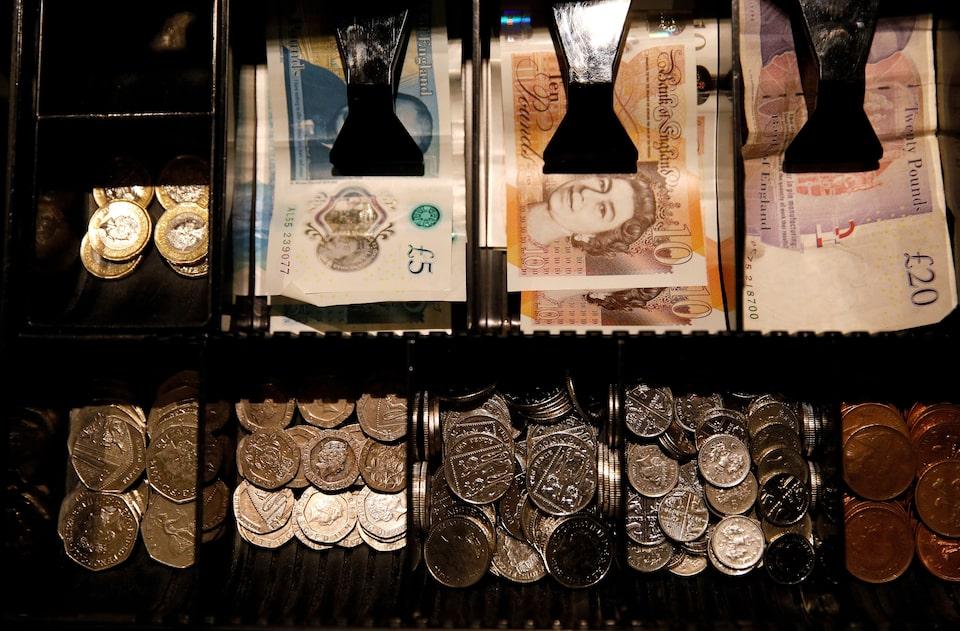
LONDON, Aug 11 (Reuters) - The pound was steady on Monday after earlier hitting a more than two-week high against the dollar, before job market and growth data later in the week that could take on more importance after the Bank of England's close decision to cut rates on Thursday. The pound was last little changed against the dollar at $1.3458 after earlier touching $1.3476, its highest since July 25. Sign up here. The BoE last week lowered the Bank Rate by 25 basis points to 4%, but the nine-person, rate-setting, Monetary Policy Committee was split, with four members voting to keep interest rates unchanged. The BoE has eased rates at a slower pace than the European Central Bank, tending to favour a rate cut about once per quarter since it kicked off its easing cycle in the middle of last year, due to worries about sticky inflation. ING FX strategist Francesco Pesole believes that incoming data will take on a greater importance for the outlook for monetary policy following the BoE's decision last week. "I think there will be quite a lot of data-related volatility in sterling," Pesole said. "The Bank of England signalled that there's a stronger case for a slowdown in the pace of easing, and markets are quite torn on whether they should keep that rate cut in December." Economists polled by Reuters expect Tuesday's data to show the unemployment rate remained steady at 4.7% in the three months to June. Preliminary growth data, released on Thursday, is expected to show GDP slowed to 0.1% in the second quarter from 0.7% in the first quarter. "Soft data will cause markets to price a higher chance of a Bank of England interest rate cut by year end, weighing on GBP/USD in our view," said Samara Hammoud, currency strategist at CBA. Money market futures imply about an 80% chance that the BoE cuts interest rates again by December's meeting. The pound was little changed at 86.53 pence per euro and 198.7 yen . https://www.reuters.com/world/uk/sterling-touches-two-week-high-before-jobs-data-2025-08-11/
2025-08-11 10:27
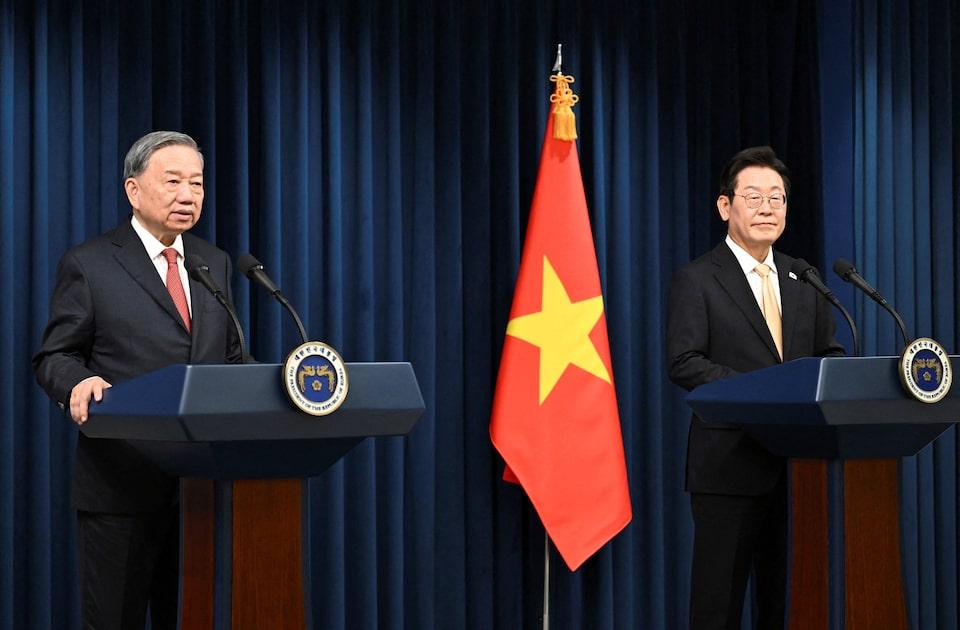
South Korea, Vietnam aim to expand trade to $150 billion by 2030 10 MOUs signed on energy, finance, technology cooperation Vietnam urges South Korea to invest in infrastructure, nuclear SEOUL, Aug 11 (Reuters) - South Korea and Vietnam's leaders pledged to deepen economic cooperation on Monday as their export-dependent countries try to shore up longstanding supply chains as U.S. President Donald Trump's tariffs shake up global trade. There was no public discussion of the levies - 15% on South Korean products going to the U.S. and 20% for Vietnamese goods - as South Korean President Lee Jae Myung hosted Vietnam's To Lam as his first state guest since taking office in June. Sign up here. But Trump's tariffs on products from Asian countries have increased uncertainty over future business commitments, with Vietnamese official data showing a slowdown in new investment. Lam, the Vietnamese Communist Party general secretary, said they agreed to expand trade with each other to $150 billion by 2030 - from about $86.8 billion in 2024 - and that Vietnam welcomed an increase in investment by South Korean businesses. "Our countries agreed that about 10,000 Korean companies operating in Vietnam contribute to Vietnam's economic development and mutually beneficial cooperation between the two countries," Lee said in a televised address. "I asked for a continued interest in the stable economic activities of our companies in Vietnam," Lam added. Lam led a delegation of industry, trade, foreign and technology ministers and senior party and parliament members on the four-day state visit. The countries signed 10 memoranda of understanding, pledging cooperation in areas including nuclear and renewable energy, monetary and financial policies, and science and technology, Lee's office said. Other agreements covered cooperation in infrastructure, including high-speed rail, Lee's office said. In a speech at South Korea's Yonsei University, Lam urged South Korean companies to keep investing in Vietnam and warned of the risk of fragmenting supply chains. "Vietnam welcomes South Korean enterprises to expand their investments in the country, emphasising substantive cooperation in technology," Lam said. Lam said the countries should make it a top priority to jointly develop semiconductors and make breakthroughs in new materials, calling on Korea to keep nurturing Vietnamese talent in areas like AI, biotech and shipbuilding. A number of major South Korean companies including Samsung Electronics have used Vietnam as an export hub, benefiting for years from lower labour costs, generous tax incentives and Hanoi's numerous free trade pacts with dozens of countries. South Korean companies have been cited as potential investors in Vietnam's planned nuclear energy, LNG power plants and high-speed rail projects. https://www.reuters.com/world/asia-pacific/south-korea-vietnam-leaders-pledge-closer-ties-us-tariffs-shake-up-trade-2025-08-11/
2025-08-11 10:26
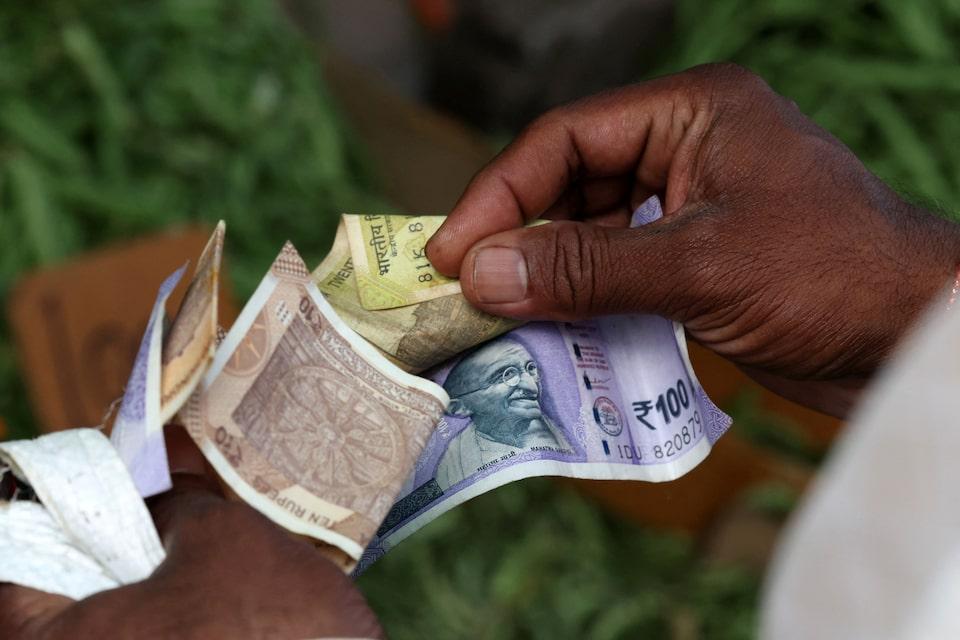
MUMBAI, Aug 11 (Reuters) - The Indian rupee closed unchanged on Monday, as dollar demand from importers offset early gains driven by a softer greenback and recovery in the non-deliverable forward (NDF) market. The rupee opened at 87.5050 but failed to extend gains, ending flat at 87.6600 against Friday's close of 87.6600. Sign up here. Traders said private sector banks stepped in to buy dollars, largely on behalf of importer clients hedging positions amid heightened market volatility, after U.S. President Donald Trump's decision to impose 50% tariffs on Indian goods. Over the past two weeks, the rupee has come close to breaching its all-time low of 87.95, but intervention by the Reserve Bank of India in both the NDF and onshore spot markets helped prevent a new low. Analysts warned that the steep tariffs — among the highest imposed by the U.S. on any trading partner — could weigh on exports and dampen capital flows into India. "Banks are vigilant on creating positions due to the volatility from tariff uncertainty and the corresponding interventions being made by the central bank," said Dilip Parmar, forex analyst at HDFC Securities. Meanwhile, Asian currencies held largely steady against a softer dollar, as investors stayed cautious ahead of the U.S. July inflation report and the expiry of a U.S. tariff deadline on China. The Philippine peso and South Korean won slipped between 0.1% and 0.3%, while most other regional units were little changed. The dollar index (.DXY) , opens new tab was largely flat at 98.254 at 1018 GMT, and has been volatile through the day, on growing expectations of a Federal Reserve rate cut next month. The U.S. inflation data for July, due Tuesday, will be key to gauge the Fed's rate-cut expectations and the dollar's direction. https://www.reuters.com/world/india/rupee-ends-flat-importer-dollar-demand-offsets-early-gains-2025-08-11/
2025-08-11 10:21
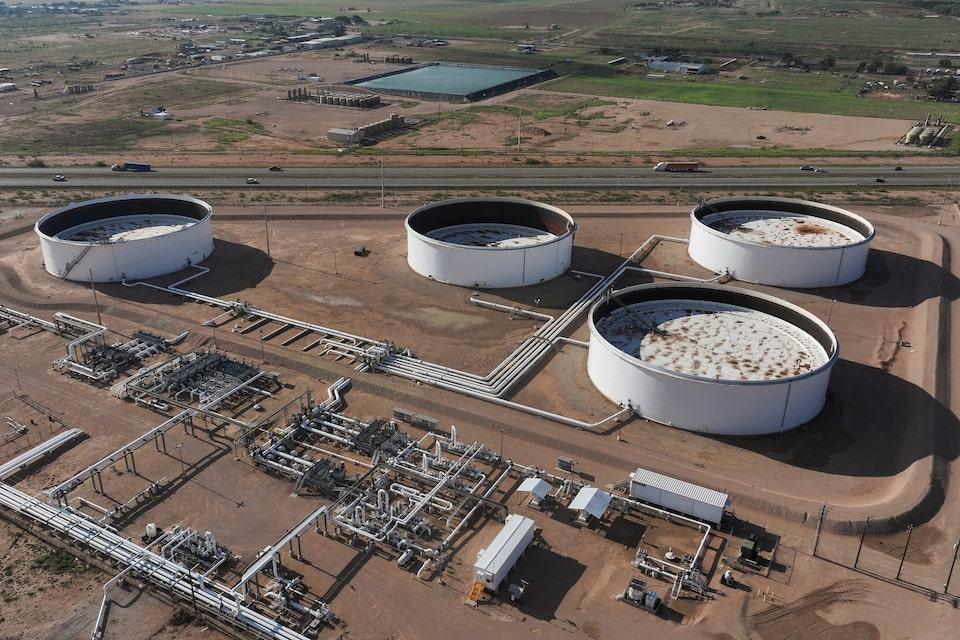
Trump and Putin to meet on Friday in Alaska UBS lowers Brent crude forecast on higher supply China producer prices fall more than expected in July LONDON, Aug 11 (Reuters) - Oil prices were steady on Monday, after falling more than 4% last week, as investors looked ahead to talks between the U.S. and Russia later this week on the war in Ukraine. Brent crude futures were up 5 cents to $66.64 a barrel at 1003 GMT, while U.S. West Texas Intermediate crude futures were down 1 cent to $63.87. Sign up here. U.S. President Donald Trump said on Friday that he would meet Russian President Vladimir Putin on August 15 in Alaska to negotiate an end to the war in Ukraine. The talks follow increased U.S. pressure on Russia, raising the prospect that penalties on Moscow could be tightened if a peace deal is not reached. Trump set a deadline of last Friday for Russia, which invaded Ukraine in February 2022, to agree to peace or have its oil buyers face secondary sanctions. At the same time, Washington is pressing India to reduce purchases of Russian oil. Prices fell in recent days as market participants reduced supply disruption estimates, likely because the U.S. only imposed an extra tariff on India rather than all buyers of Russian oil, said UBS analyst Giovanni Staunovo. UBS has lowered its year-end Brent crude forecast to $62 a barrel from $68, citing higher supply from South America and resilient output from sanctioned countries. The bank added that Indian demand had fallen short of its expectations of late, and that it expected OPEC+ to pause its production hikes unless larger unexpected supply disruptions emerge. An Exxon Mobil-led consortium began crude production four months earlier than expected at a fourth floating production, storage and offloading vessel in Guyana, Exxon said on Friday. Consultancy Energy Aspects estimated Indian refiners have already purchased WTI totalling 5 million barrels for August loadings. https://www.reuters.com/business/energy/oil-steady-markets-focus-us-russia-talks-2025-08-11/