2025-08-10 21:41
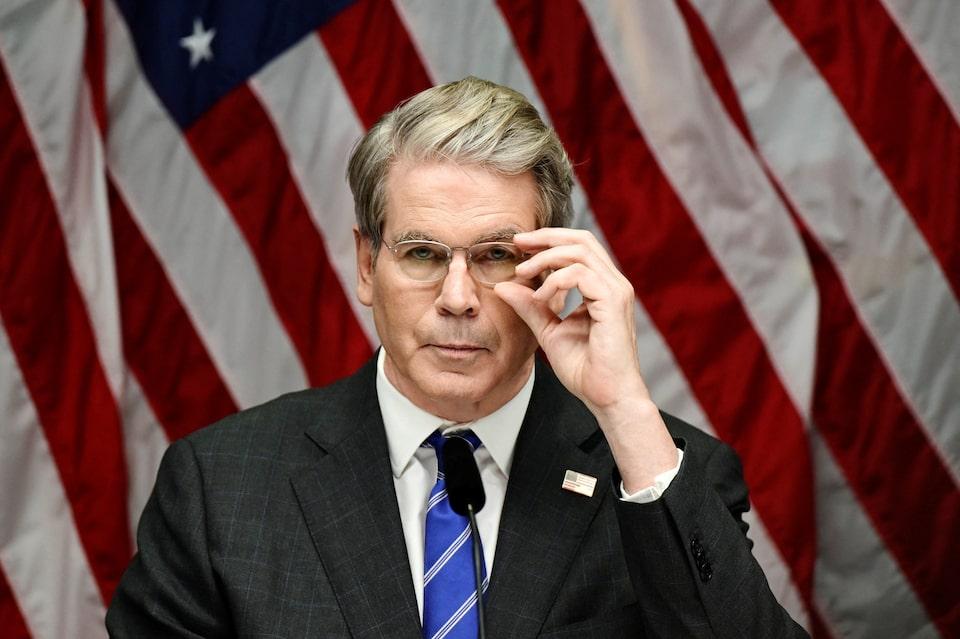
Fed is independent, when asked about Trump's calls for rate cuts Dollar will be naturally strong if US has good economic policies FX will 'take care of itself' if BOJ focuses on fundamentals TOKYO, Aug 11 (Reuters) - U.S. Treasury Secretary Scott Bessent said the new Federal Reserve chair should be someone "who can examine the whole organization" as the Fed's mission has included so many things outside of monetary policy and has put its independence at risk, Japan's Nikkei newspaper reported. "It's someone who has to have the confidence of the markets, the ability to analyze complex economic data," Bessent told the Nikkei in an interview, when asked about the qualities the new Fed chair should possess. Sign up here. "And it's also someone who wants to be, I think, very attuned to forward thinking, as opposed to relying on historical data," Bessent was quoted as saying in the interview, which was conducted in Washington on August 7 and published on Monday. A source has told Reuters that Bessent is leading a search for a successor to Fed Chair Jerome Powell, with an expanded list that includes a longtime economic consultant and a past regional Fed president. When asked about President Donald Trump's calls for the Fed to cut interest rates, Bessent said while Trump makes his opinion known, "at the end of the day, the Fed is independent." On exchange rates, Bessent said his administration's definition of a strong dollar was not about the price on the screen, which was set by the market, but the relative price against other currencies, according to the Nikkei. "The strong dollar policy is to have policies that continue to keep the U.S. dollar the reserve currency. And if we have good economic policies, then the dollar will naturally be strong," Bessent was quoted as saying. Bessent has overseen U.S. discussions with Japan on exchange rates with his counterpart Katsunobu Kato. At their meeting held on the sidelines of a G7 gathering in May, the two agreed that the dollar-yen exchange rate at the time reflected fundamentals. In its exchange-rate report to Congress in June, the U.S. Treasury Department said the Bank of Japan (BOJ) should keep tightening monetary policy, which would support a "normalization of the yen's weakness." "I think that as long as the BOJ focuses on economic fundamentals, inflation and growth, the currency will take care of itself," Bessent said. "So, I believe that governor (Kazuo) Ueda and the BOJ board is targeting an inflation outcome, not a currency outcome," he was quoted as saying. The BOJ last year exited a decade-long, massive stimulus and raised short-term interest rates to 0.5% in January on the view Japan was close to durably hitting its 2% inflation target. But it has stressed the need to tread carefully in raising rates further, with the slow pace of hikes seen by some analysts as a factor that has kept the yen low against other currencies. While inflation remains above the BOJ's 2% target for more than three years, Ueda has called for the need to scrutinise the impact U.S. tariffs could have on Japan's fragile economy. https://www.reuters.com/world/us/bessent-says-new-fed-chair-should-be-someone-who-can-examine-organization-nikkei-2025-08-10/
2025-08-10 18:07
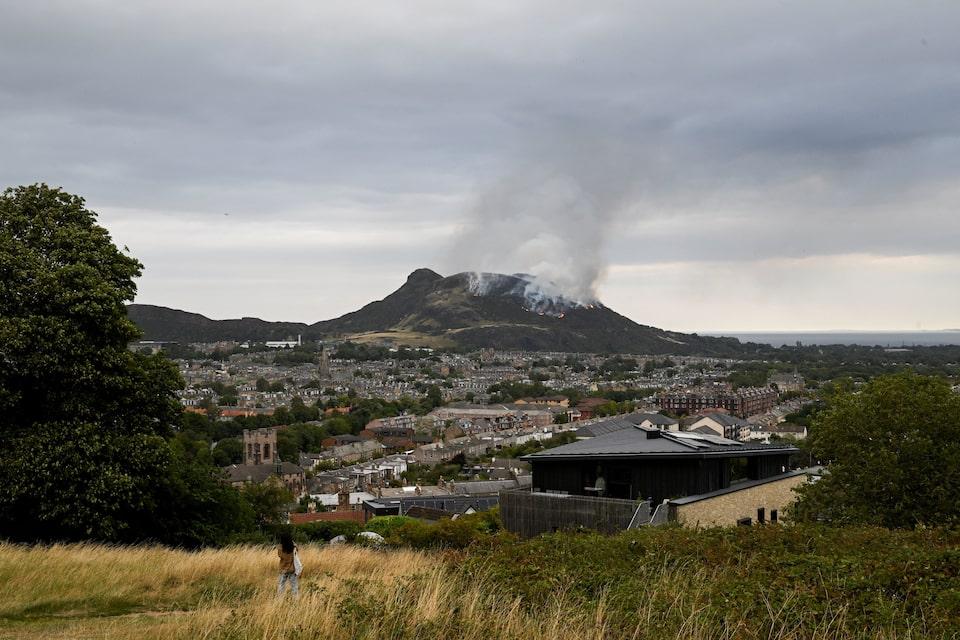
EDINBURGH, Aug 10 (Reuters) - A wildfire broke out on Arthur's Seat, the extinct volcano overlooking Scotland's capital Edinburgh, on Sunday, spreading extensively across the landmark which is popular with walkers and tourists and producing smoke visible from miles around. Arthur's Seat is the highest point of Holyrood Park, near Scotland's parliament and the end of Edinburgh's famous Royal Mile. About 250 metres above sea level, it is a popular vantage point with visitors for its views of the city. Sign up here. "Crews are in attendance at a fire in the open at Arthur's Seat, Holyrood Park, Edinburgh," the Scottish Fire and Rescue Service said on X. Police advised motorists and pedestrians to avoid the area. August is a popular month for tourists in Edinburgh as it hosts the Edinburgh International arts festival, the Fringe comedy festival, as well as tour dates for the reunion of rock band Oasis. https://www.reuters.com/business/environment/fire-breaks-out-edinburgh-landmark-arthurs-seat-2025-08-10/
2025-08-10 18:03
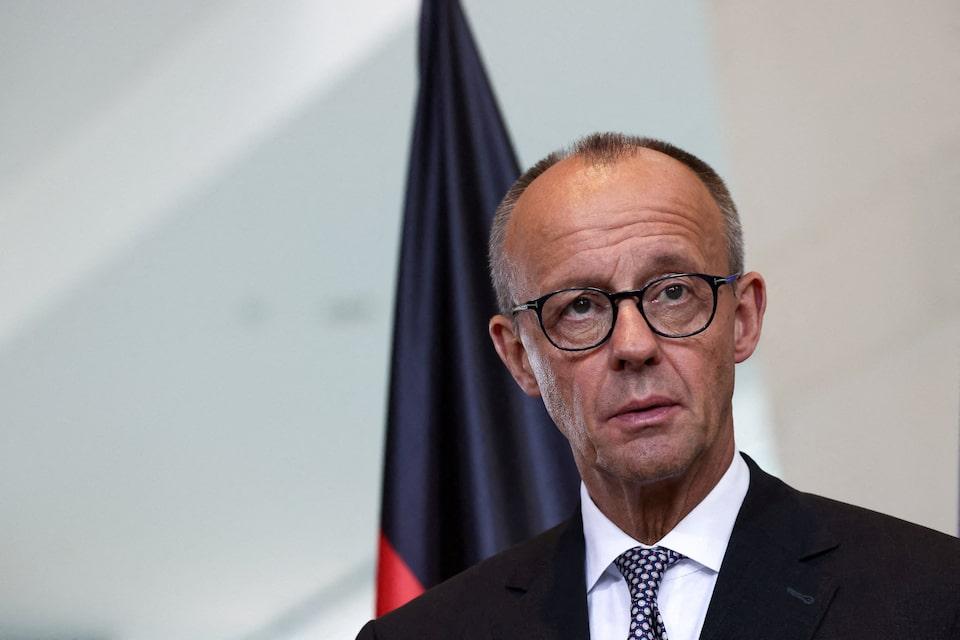
BERLIN, Aug 10 (Reuters) - Germany's decision to curb arms exports to Israel comes in response to Israel's plan to expand its operations in the Gaza Strip, Chancellor Friedrich Merz said on Sunday in an interview with public broadcaster ARD. "We cannot deliver weapons into a conflict that is now being pursued exclusively by military means," Merz said. "We want to help diplomatically, and we are doing so." Sign up here. The worsening humanitarian crisis in Gaza and Israel's plans to expand military control over the enclave have pushed Germany to take this historically fraught step. The chancellor said in the interview that the expansion of Israel's operations in Gaza could claim hundreds of thousands of civilian lives and would require the evacuation of the entire city of Gaza. "Where are these people supposed to go?" Merz said. "We can't do that, we won't do that, and I will not do that." Nevertheless, the principles of Germany's Israel policy remain unchanged, the chancellor said. "Germany has stood firmly by Israel's side for 80 years. That will not change," Merz said. Germany is Israel's second-biggest weapons supplier after the U.S. and has long been one of its staunchest supporters, principally because of its historical guilt for the Nazi Holocaust - a policy known as the "Staatsraison". https://www.reuters.com/business/media-telecom/germanys-halt-arms-exports-israel-is-response-gaza-expansion-plans-chancellor-2025-08-10/
2025-08-10 17:41
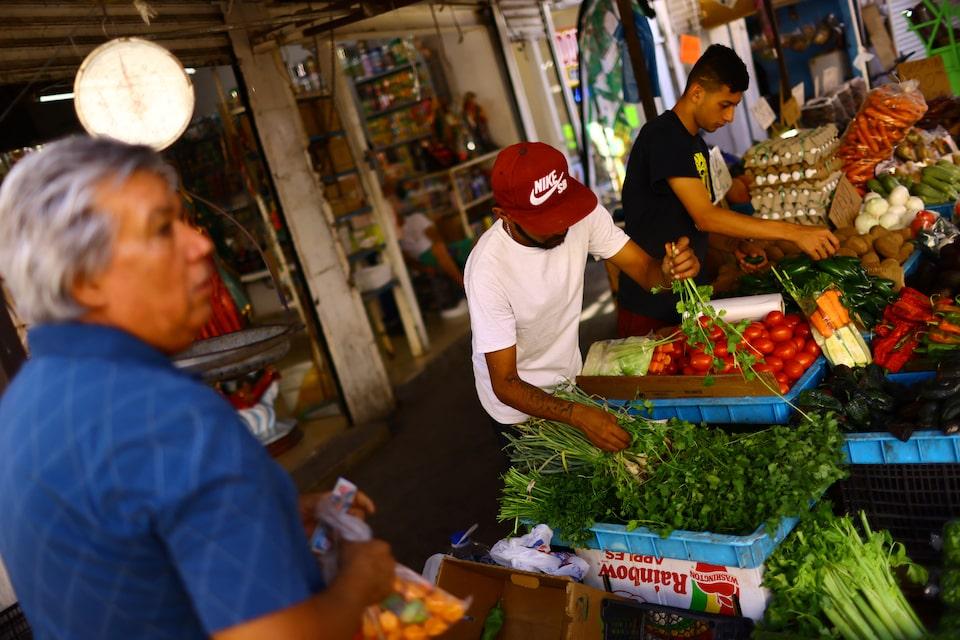
MEXICO CITY, Aug 10 (Reuters) - Mexico has set minimum export prices for fresh tomatoes to protect its domestic production and ensure internal supply after a bilateral agreement with the U.S. expired, Mexico's economy and agriculture ministries said in a joint statement on Sunday. The decision follows Washington's withdrawal in July from a 2019 deal between the two countries which regulated Mexican tomato exports to the U.S.. Sign up here. The Trump administration on July 14 announced a duty of about 17% on imports of fresh tomatoes from Mexico. While the new pricing rules apply exclusively to definitive exports, they don't restrict export volumes or impose maximum prices. Prices will be reviewed annually or sooner if market conditions demand, the Mexican ministries said. Minimum export prices per kilogram are set at $1.70 for cherry and grape tomatoes, $0.88 for Roma tomatoes, $0.95 for round tomatoes, and $1.65 for round tomatoes with stems. Other varieties, such as cocktail and heirloom tomatoes, will also have a minimum price of $1.70. According to official figures, Mexico exported $3.3 billion of tomatoes last year. "This action reinforces the government's commitment to agricultural competitiveness, dignified rural employment, and food sovereignty," the ministries said. The ministries added that Mexican associations of tomato producers have expressed support for the agreement, which entered into force immediately after its publication on August 8 in the government's official gazette. https://www.reuters.com/world/americas/mexico-sets-minimum-export-prices-fresh-tomatoes-2025-08-10/
2025-08-10 14:51
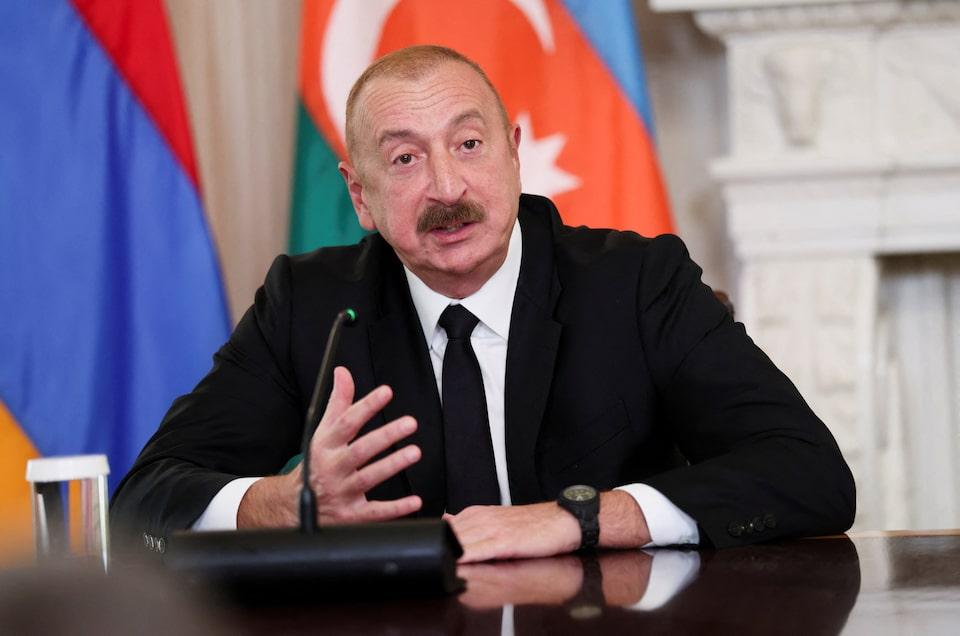
MOSCOW, Aug 10 (Reuters) - Azerbaijan's president on Sunday condemned Russian air strikes on Azerbaijani oil and gas facilities in Ukraine but said energy cooperation between the two countries would continue. Azerbaijani President Ilham Aliyev spoke with his Ukrainian counterpart Volodymyr Zelenskiy by phone. Sign up here. "During the conversation, both sides condemned the deliberate airstrikes by Russia on an oil storage facility owned by Azerbaijan's SOCAR in Ukraine, as well as other Azerbaijani facilities and a gas compressor station transporting Azerbaijani gas to Ukraine," Aliyev's press service said in a statement. "They emphasized their confidence that these attacks would not hinder energy cooperation between Azerbaijan and Ukraine." Earlier this week, Russia struck an oil depot owned by SOCAR and a gas pumping station used to import liquefied natural gas from the U.S. and Azerbaijan in Ukraine's southern Odesa region, according to sources and Ukrainian officials. In July, Ukraine pumped a test volume of Azerbaijani gas through the Transbalkan route for the first time and announced plans to significantly increase gas imports from Azerbaijan. Ukraine's infrastructure and energy facilities are frequently targeted by Russian forces, which have stepped up their drone and missile attacks on Ukrainian cities and towns in recent months. https://www.reuters.com/business/energy/azerbaijan-says-energy-cooperation-with-ukraine-wont-be-derailed-by-russian-2025-08-10/
2025-08-10 13:52
Aug 10 (Reuters) - A well-defined low pressure system has formed about midway between the west coast of Africa and the Cabo Verde Islands and has a 40% chance of becoming a cyclone in the next 48 hours, the U.S. National Hurricane Center said on Sunday. "Regardless of development, locally heavy rainfall and gusty winds are possible today and Monday across the Cabo Verde Islands," the Miami-based forecaster said. Sign up here. https://www.reuters.com/business/environment/nhc-says-40-chance-cyclone-near-west-coast-africa-cabo-verde-islands-2025-08-10/