2025-08-05 05:42
Traders boost bets on Fed easing moves extending through 2026 Goldman Sachs expects Fed to deliver 3 consecutive rate cuts Fed could harden its view to protect independence, analysts say Investors still concerned about the tariff impact Aug 5 (Reuters) - The dollar edged up against the euro and the yen, but remained within striking distance of Friday’s lows, after weak U.S. jobs data boosted bets on Federal Reserve rate cuts and triggered a sharp selloff in the greenback. Goldman Sachs expects the Federal Reserve to deliver three consecutive 25 basis-point rate cuts starting in September, with a 50 basis-point move possible if the next jobs report shows a further rise in unemployment. Sign up here. It also sees the European Central Bank as having concluded its easing cycle. Economists raised their growth forecasts for the euro area and Japan following relatively benign trade agreements, while arguing that Friday’s U.S. jobs report confirmed the economy is hovering near stall speed. Meanwhile the firing of the head of the Bureau of Labor Statistics (BLS) on Friday, and the resignation of Fed Governor Adriana Kugler, could harden the views of the FOMC to ensure its independence is protected, analysts said, recalling that the new appointee will be just one vote on the Fed’s Federal Open Market Committee (FOMC). The euro was last down 0.12% at $1.15592, after hitting on Friday $1.15855. The dollar index , which measures the U.S. currency against six counterparts, was at 98.816, after touching a one-week low earlier in the session at 98.609. "Traders likely inferred that the (U.S. jobs) report gave President Donald Trump even more justification to 'fire' Jay Powell," said Thierry Wizman, global forex and rates strategist at Macquarie Group. "Alternatively, it gave Trump even more support for giving the Chairmanship to someone that would be more 'structurally' dovish," he added, arguing that Friday's employment report shifted the outlook for where the Fed Funds rate target will be one year from now. RATE CUTS Money markets are now pricing in a 92% chance of the Fed cutting rates in its next meeting in September, compared with 63% a week earlier. They also indicate 130 bps of rate cuts by October 2026, 30 bps more than the levels seen on Friday before U.S. jobs data. The Japanese yen was down 0.14% at 147.3 per dollar after minutes of its June policy meeting showed a few Bank of Japan board members said the central bank would consider resuming interest rate increases if trade frictions de-escalate. The focus remains on tariff uncertainties, after the latest duties imposed on imports from scores of countries last week by Trump stoked worries about the health of the global economy. The Swiss franc extended losses for a second day, weakening 0.1% to 0.8089 per dollar after dropping 0.5% in the previous session. However it was still above the levels seen before Friday's economic figures, at around 0.8128. Switzerland is looking to make a "more attractive offer" in trade talks with Washington, to avert a 39% U.S. import tariff on Swiss goods that threatens its export-driven economy. In other currencies, the Australian dollar eased 0.05% to $0.6464, while the New Zealand dollar slipped 0.1% to $0.5898. https://www.reuters.com/world/middle-east/dollar-steady-rate-cut-odds-rise-risk-appetite-returns-2025-08-05/
2025-08-05 04:51
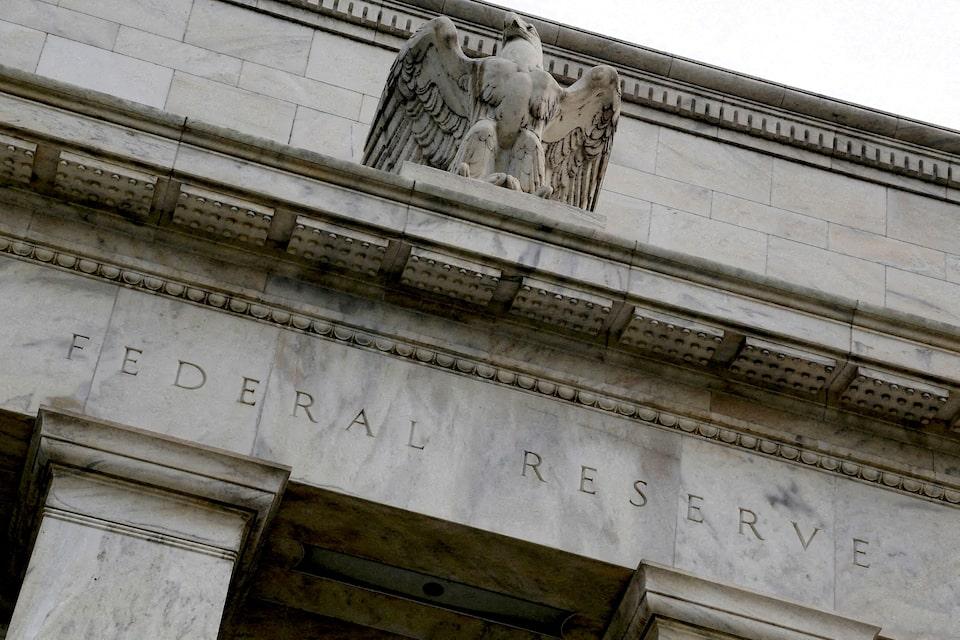
A look at the day ahead in European and global markets from Rocky Swift Markets are trying hard to see the bright side of bad news in the United States, anticipating dour data will trigger the economic "rocket fuel" of Federal Reserve interest rate cuts so craved by President Donald Trump. Sign up here. Odds for a September cut now stand at about 94%, CME Fedwatch showed, from 63% last week. Market participants see at least two quarter-point cuts by year-end. The odds shot up after disappointing non-farm payrolls data on Friday, causing equity markets to swoon and Trump to shoot the messenger, firing the head of labour statistics and promising to replace her within days. Institutional independence is turning into a short bet in the U.S. The early resignation of Fed Governor Adriana Kugler will let Trump pick her successor, adding to concerns about partisan loyalty invading the staid world of central bank policy. Asian markets followed gains on Wall Street, with MSCI's broadest index of Asia-Pacific shares outside Japan (.MIAPJ0000PUS) , opens new tab up 0.4%. South Korea's Kospi (.KS11) , opens new tab stood out with a 1% jump, while Vietnamese shares traded near a record high. Data today from the region's two biggest economies showed resilience in their service sectors in the face of headwind from Trump's chaotic introduction of tariffs on goods from trading partners. In Japan, the S&P Global final services purchasing managers' index (PMI) climbed to 53.6 in July from 51.7 in June for the strongest expansion since February. China's services activity last month expanded at its fastest pace in more than a year. A slew of PMIs for July are due for release today across Europe. In earnings, the second-quarter U.S. results season is winding down, but investors are still looking forward to reports this week from big names including Walt Disney (DIS.N) , opens new tab and Caterpillar (CAT.N) , opens new tab. Equity futures are pointing to gains in European and U.S. markets, with the pan-region Euro Stoxx 50 futures up 0.13% and the S&P 500 e-minis rising 0.14%. Key developments that could influence markets on Tuesday: Trying to keep up with the latest tariff news? Our new daily news digest offers a rundown of the top market-moving headlines impacting global trade. Sign up for Tariff Watch here. https://www.reuters.com/business/global-markets-view-europe-2025-08-05/
2025-08-05 04:38
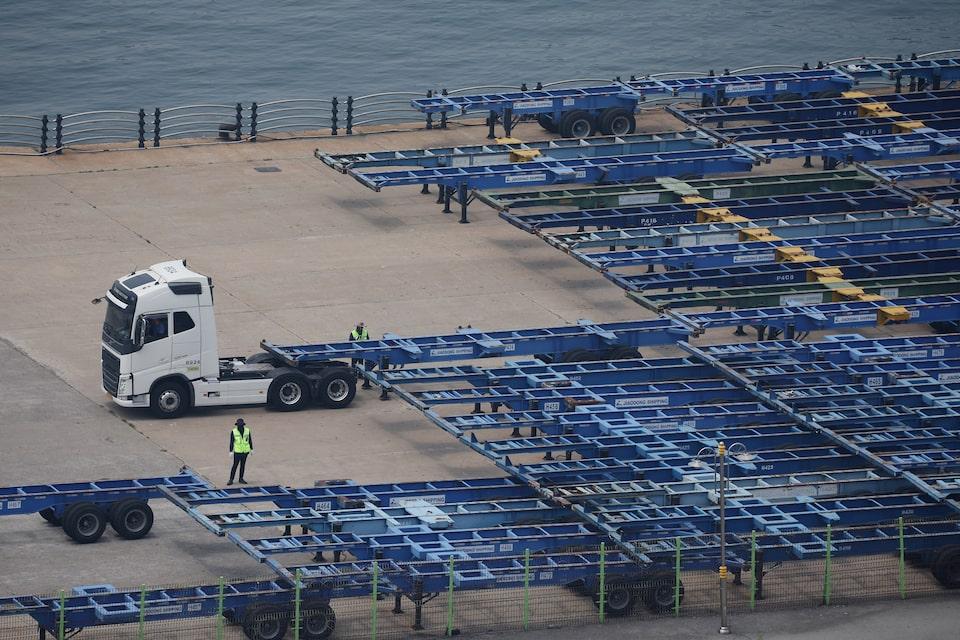
South Korea seeks to boost short-term demand and tech development Trade deal with US sets tariffs at 15%, higher than baseline Trump may seek more concessions at planned summit with Korean leader Lee SEOUL, Aug 5 (Reuters) - South Korea will prepare measures to help companies cope with higher U.S. tariffs and expand into new markets, the Finance Ministry said on Tuesday, as it kicked off a task force to prepare the new administration's economic policy plans. On the domestic front, the government will come up with measures to boost short-term demand, as well as financial support for mid- to long-term technology development to enhance market competitiveness, it said in a statement. Sign up here. South Korea reached a trade deal with the U.S. last week, just days before President Donald Trump's threatened 25% tariff rate was due to come in on its exports to the United States. The trade deal set tariffs on exports from the Asian country at 15%, still higher than a baseline 10% rate and the near zero tariffs for exports under a Korea-U.S. free trade agreement. Still, topics left unresolved by the deal provide scope for more disputes as the two countries prepare for a summit between Trump and new South Korean President Lee Jae Myung in the coming weeks. Trump may use the summit to try to squeeze more concessions on areas such as defence costs and corporate investments, left out of the deal, while non-tariff barriers and currency could prove thorny issues, experts said. South Korea's Finance Ministry, however, sought to give a positive spin on the agreement. The deal reduced uncertainty over the trade environment, while a $350 billion investment package included in the deal will provide new business opportunities for companies, deepen economic cooperation between the two countries, and contribute to a more stable supply chain, the ministry said. The administration of President Lee also plans to prepare policy measures to foster new industries, such as artificial intelligence, semiconductors and "K-contents" and include them in economic growth strategies and budget plans due to be announced later this month. K-contents refers to a range of cultural and entertainment goods produced by the country ranging from K-pop to Korean dramas that have boomed globally. The ministry vowed to bring regulatory improvements to vitalise business activity, as it kicked off a meeting with the country's major business groups. Asia's fourth-largest economy grew in the second quarter at the fastest pace in more than a year on rebounding consumer spending and a surge in technology exports, but still faces headwinds from slowing global trade amid the sweeping tariffs. The International Monetary Fund last week raised its outlook for most advanced and emerging economies this year based on developments around U.S. tariff negotiations, but South Korea was among the exceptions, with its 2025 growth forecast revised down to 0.8% from 1.0%. https://www.reuters.com/world/asia-pacific/south-korea-pledges-help-companies-cope-with-higher-us-tariffs-2025-08-05/
2025-08-05 04:08
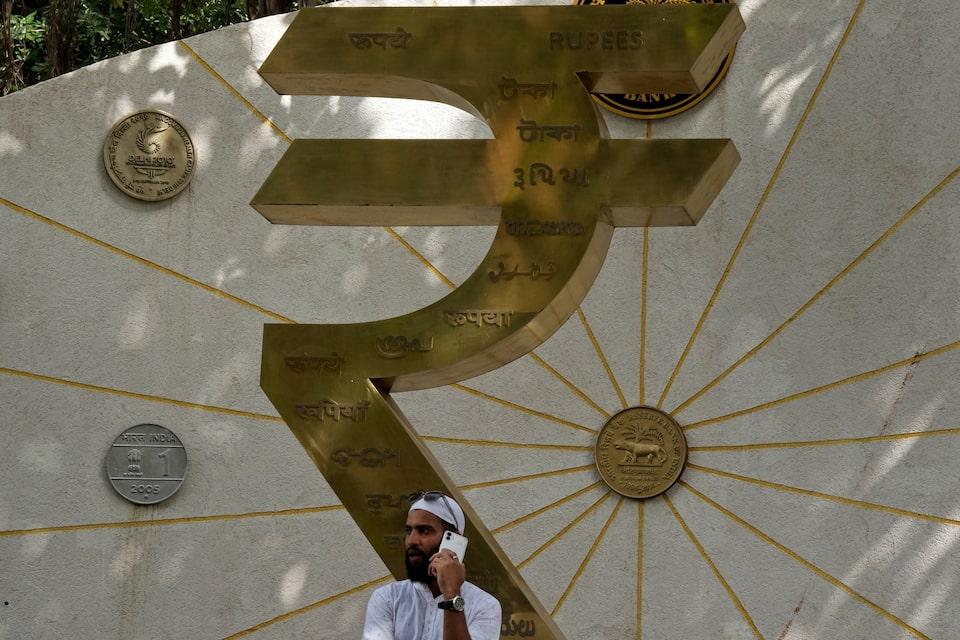
MUMBAI, Aug 5 (Reuters) - The Indian rupee opened weaker on Tuesday, pressured by heightened U.S.-India trade tensions following President Donald Trump’s renewed tariff threats. The currency managed to avert a drop past the record low of 87.95 to the dollar, likely due to intervention by the central bank, traders said. Sign up here. The rupee opened at 87.85, compared to 87.6550 on Monday. At one point, the non-deliverable forward market had indicated that the rupee would weaken past 88 at open. "It was looking like a straight break of 88 at open, RBI came in and capped the move," a senior FX trader at a private bank said. https://www.reuters.com/world/india/india-rupee-opens-weaker-rising-trade-tensions-with-us-avoids-record-low-likely-2025-08-05/
2025-08-05 02:47
MUMBAI, August 5 (Reuters) - The Indian rupee may drop past 88 to the U.S. dollar to an all-time low on Tuesday after U.S. President Donald Trump threatened steeper tariffs on Indian goods, worsening fragile sentiment and stoking concerns of more foreign outflows. The 1-month non-deliverable forward indicated the rupee will open in the 88.00 to 88.04 range versus the U.S. dollar, down from 87.6550 on Monday. The rupee’s previous record low was 87.95, touched in February. Sign up here. Trump again threatened to substantially raise tariffs on Indian goods, citing India's continued purchases and resale of Russian oil. India’s foreign ministry responded, saying it will take all necessary steps to protect its national interests and economic security. "Whether these barrage of comments are mainly negotiating tactics against India to partly prod for changes in the Russia-Ukraine war remains to be seen," MUFG Bank said in a note. Trump had already imposed higher-than-expected 25% tariffs on Indian imports last week, while U.S. officials continue to highlight multiple hurdles that are delaying a trade deal with India. Sentiment on the rupee has been fragile due to the hefty tariffs on Indian goods. On Monday, the pressure intensified, with the rupee falling despite the dollar weakening broadly. On Monday, the rupee failed to hold on to an intraday recovery to near 87.20. "Today was already shaping up to be a difficult session (for the rupee), and Trump’s latest tariff threat only amplified the pressure,” a senior trader at a private bank said. "I’d fully expect the Reserve Bank of India to step in — they won’t want to let the rupee depreciate unchecked, especially in the face of U.S. rhetoric." He warned that overseas outflows from Indian equities may gather pace in response to rising trade tensions with the U.S. KEY INDICATORS: ** One-month non-deliverable rupee forward at 88.14; onshore one-month forward premium at 12 paise ** Dollar index up at 98.82 ** Brent crude futures down 0.1% at $68.7 per barrel ** Ten-year U.S. note yield at 4.2% ** As per NSDL data, foreign investors sold a net $165.5mln worth of Indian shares on Aug. 1 ** NSDL data shows foreign investors bought a net $223.7mln worth of Indian bonds on Aug. 1 https://www.reuters.com/world/india/rupee-risk-lifetime-low-after-trump-ups-tariff-threat-india-2025-08-05/
2025-08-05 02:27
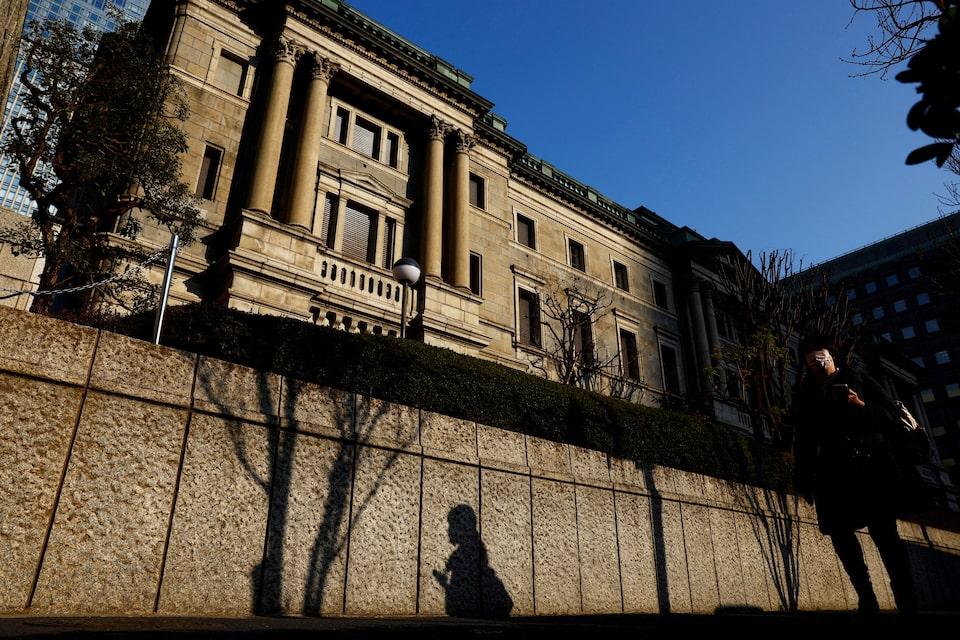
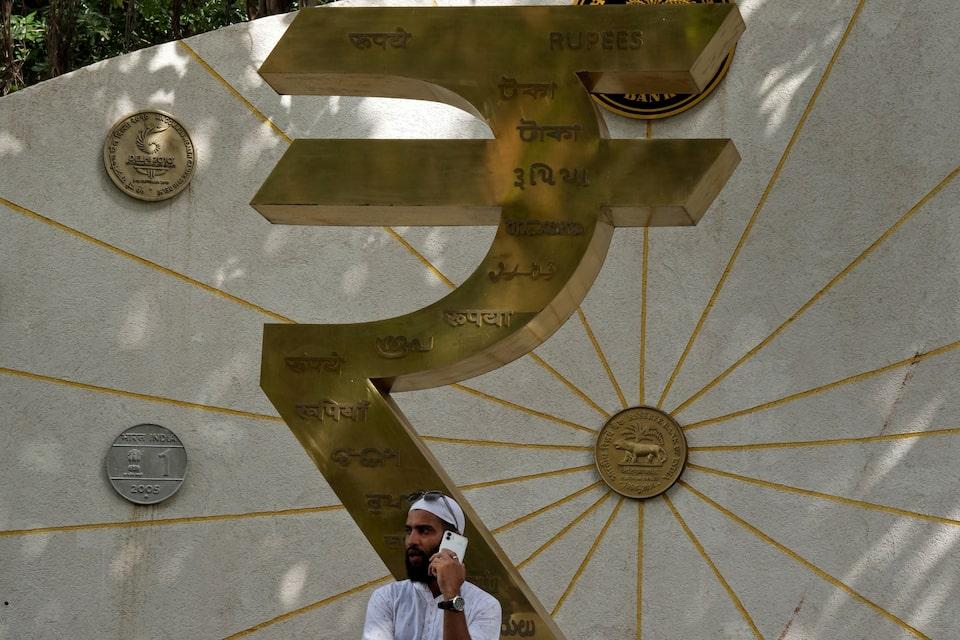
Many members saw need to focus on downside economic risk Some saw risk food inflation could affect public perceptions Board debated solid wages, inflation overshoot at June meeting Some called for debate on long-term desirable balance sheet size BOJ kept rates steady, extended QT plan, at June meeting TOKYO, Aug 5 (Reuters) - Some Bank of Japan policymakers saw scope to resume interest rate increases once trade friction caused by U.S. tariffs eased, minutes of the bank's June meeting showed, a sign Tokyo's recent trade deal with Washington cleared a key hurdle for more hikes. At the June meeting, many members said the central bank must keep interest rates steady due to downside risks to the economy from U.S. tariffs, the minutes showed on Tuesday. Sign up here. But they also saw inflation overshooting expectations, with some warning that recent rises in food costs could affect public perceptions on future inflation, the minutes showed. "Given high uncertainties, the BOJ would likely pause rate hikes for the time being. But it also must respond flexibly and nimbly, and return to a rate-hike phase depending on U.S. policy developments," one member was quoted as saying. Another member said the BOJ might need to raise rates decisively even when uncertainty remained high, given the fact inflation remained higher than expected. "As wages had been solid and prices had been slightly higher than expected, the Bank would likely shift away from the current wait-and-see approach and consider resuming rate hikes, if trade friction de-escalates," a few members were quoted as saying. The remarks highlight the board's growing attention to upside inflation risks, which led the BOJ to signal its readiness to keep raising rates even as U.S. tariffs clouded the economic outlook. At the June 16-17 meeting, the BOJ kept interest rates steady at 0.5% and decided to decelerate the pace of its balance sheet drawdown next year, signalling its preference to move cautiously in removing remnants of its massive stimulus. The impact of U.S. tariffs was the focus of debate at the June meeting, which was held before Japan clinched a trade deal with the U.S. in July and won cuts to hefty tariffs. While one member cautioned that it would take some time to gauge the impact of U.S. tariffs on corporate earnings, some said the hit to growth from the higher levy could be smaller than initially expected, the minutes of the June meeting showed. Japanese companies appear to have shed their long-held view that wages and prices must be kept low, one member said, adding the focus would be whether firms would keep hiking pay even if their profits are squeezed by U.S. tariffs. "I'm paying attention to the fact we're seeing home-made inflation emerge, as seen in rising wages driven by labour shortages," another member was quoted as saying. In deciding on next year's bond taper plan, some in the board also saw the need to scrutinise the desirable size of the BOJ's balance sheet in the long run, the minutes showed. While one member said it was desirable for the BOJ to eventually reduce monthly bond buying to zero, another said a cut to around 1 trillion yen ($6.8 billion) would suffice, the minutes said. The central bank is currently tapering bond buying so that monthly purchases slow to around 3 trillion yen by March 2026. In an extended taper plan decided in June, the BOJ expects monthly purchases fall to around 2 trillion yen by March 2027. The BOJ kept interest rates steady at a subsequent meeting on July 30-31. But it revised up its inflation forecasts and offered a less gloomy outlook on the economy, keeping alive the possibility of a resumption in rate hikes this year. ($1 = 146.9900 yen) https://www.reuters.com/business/some-boj-saw-scope-hike-rates-if-trade-friction-eases-june-minutes-show-2025-08-05/