2025-08-01 06:03
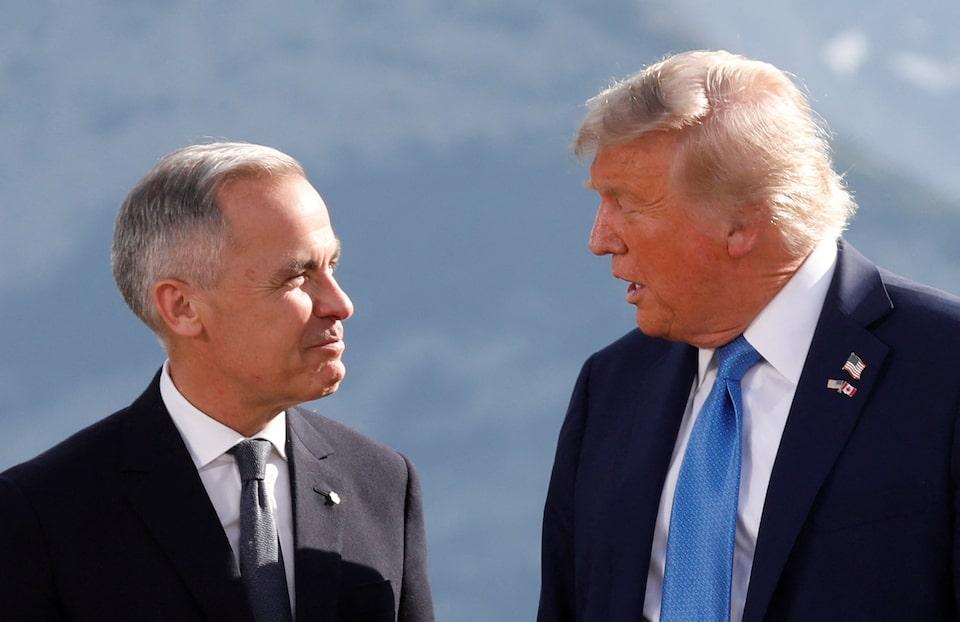
New tariff rate increases from 25% to 35% Trump says Carney called but the two have not talked ahead of tariff deadline Carney says disappointed by Trump's decision Lutnick says Trump may reconsider tariff on Canada if Carney turns on charm, removes retaliation WASHINGTON/TORONTO, Aug 1(Reuters) - U.S. President Donald Trump on Thursday signed an executive order increasing tariffs on Canadian goods to 35% from 25% on all products not covered by the U.S.-Mexico-Canada trade agreement, the White House said. Goods transshipped to another country to evade the new tariffs would be subject to a transshipment levy of 40%, according to a White House fact sheet. Sign up here. The move - which Washington linked in part to what it said was Canada's failure to stop fentanyl smuggling - is the latest blow in a months-long tariff war which Trump initiated shortly after taking power. The announcement blaming Canada's "continued inaction and retaliation" comes after Trump said Canadian Prime Minister Mark Carney reached out ahead of an August 1 tariff deadline, but no conversations between the two took place. Trump had said any country failing to strike a deal with the U.S. before Friday will be subjected to higher tariffs imposed on goods. Carney early on Friday said he was disappointed by Trump's decision. "While we will continue to negotiate with the United States on our trading relationship, the Canadian government is laser focused on what we can control: building Canada strong," Carney said in a post on X. U.S. duties and tariffs will heavily affect lumber, steel, aluminum, and automobiles, he added, vowing action to protect Canadian jobs, buy Canadian goods, invest in industrial competitiveness and diversify export markets. To justify its step, the U.S. has cited the cross-border flow of fentanyl, even though Canada accounts for just 1% of U.S. fentanyl imports and has been working intensively to further reduce the volumes, Carney added. Trump told NBC News on Thursday he was open to further discussions with Canada, adding that he may even speak with Carney later in the night. Premier Doug Ford of Ontario, which accounts for around 40% of Canadian GDP and is the country's industrial heartland, demanded Ottawa slap a 50% counter tariff on imports of U.S. steel and aluminum. "Canada shouldn't settle for anything less than the right deal. Now is not the time to roll over. We need to stand our ground," he said in a post on X. Trump said that while he loved Canada, it had treated the United States "very badly" for years. U.S. Commerce Secretary Howard Lutnick said Trump could reconsider the tariff if Carney "starts turning on the charm and if he takes off his retaliation." Earlier Thursday, Trump agreed to give Mexico a 90-day window to work toward a deal, allowing it to avoid a 30% tariff that he threatened to impose by August 1. Mexico will still have to pay a 25% duty on U.S.-bound exports that are non USMCA-compliant, a tariff that Trump has linked to demands that Mexico do more to curb drug and human smuggling. Canada sends around 75% of all its exports south of the border and is vulnerable to U.S. trade action. The economy has shown surprising resilience in the face of tariffs and is expected to avoid recession, economists say. About 90% of Canadian exports to the U.S. in May were exempt under the USMCA. The compliance level has shot up dramatically in the last few months, while some companies have diversified exports to avoid tariffs. Canadian government data shows exports to the U.S. dropped by 10 percentage points to 68% of total exports between May 2024 and May 2025, focused on manufacturing products such as cars and parts, and products made with steel and aluminum. Carney told reporters in June that if the two countries do not reach a trade deal by August 1, Canada would likely impose more counter levies on U.S. exports of steel and aluminum. https://www.reuters.com/world/americas/trump-increases-tariff-canada-35-25-cites-fentanyl-2025-07-31/
2025-08-01 06:02
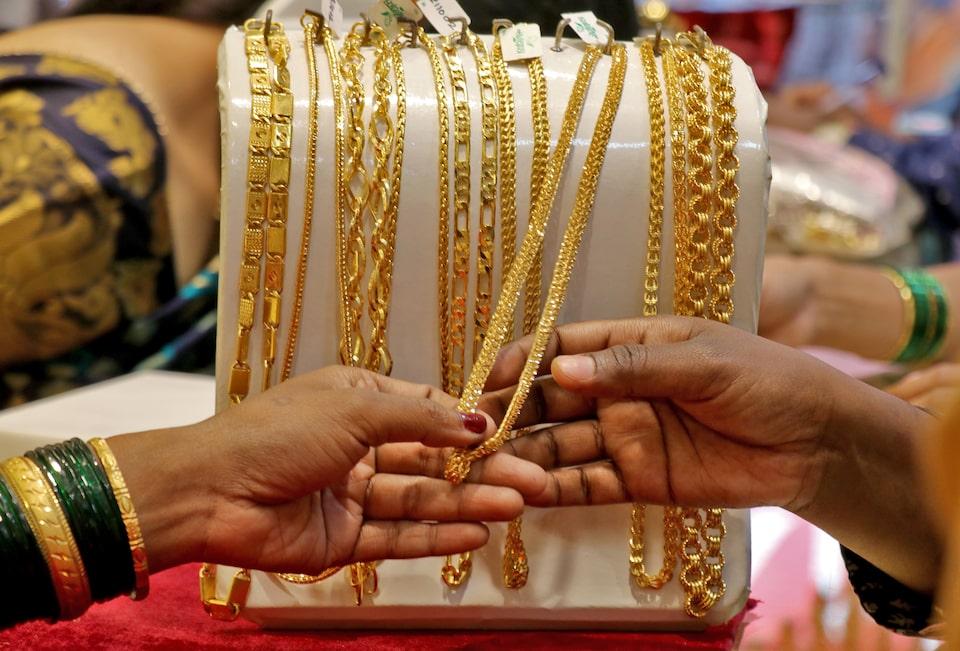
Discount in India narrows to $7/oz this week India's gold demand in 2025 may hit a 5-year low due to high prices, WGC says China offered discount of $4.2 to premium of $12 this week Aug 1 (Reuters) - Physical gold demand in key Asian markets improved slightly this week as a pullback in prices sparked buying interest, though volatility kept some buyers cautious. Spot gold hit its lowest level in a month on Wednesday and was headed for third consecutive weekly loss. Sign up here. "This week, footfall was better than last week. Buyers were inquiring about price trends and making small purchases," said a Pune-based jeweller. Domestic gold prices were trading around 97,700 rupees per 10 grams on Friday after rising to 100,555 rupees last week. Discounts offered by Indian dealers narrowed to as much as $7 an ounce over official domestic prices, inclusive of 6% import and 3% sales levies, compared to up to $15 last week. Jewellers were keen to make purchases to replenish inventory after a correction in overseas prices, but a significant drop in the rupee offset the impact of the price fall to an extent, said a Mumbai-based bullion dealer with a private bank. India's gold consumption in 2025 is set to fall to a five-year low, as record-high prices are denting jewellery purchases, the World Gold Council said on Thursday. In China, dealers quoted gold in a wide range, between a discount of $4.2 and a premium of $12 per ounce above international rates. "China appears to slightly buy the dip in gold... trading volume for the physical proxy contract AU9999 on the Shanghai Gold Exchange has been on the rise (11 tons traded yesterday), reflecting a renewed interest in the metal," said Hugo Pascal, a precious metals trader at InProved. In Hong Kong gold was sold at par to a $1.50 premium, while Singapore prices ranged from par to a $1.40 premium. In Japan, bullion was sold at par to a premium of $0.60. "There was lots of demand to buy if the price dropped even slightly. Regardless of the Japan-U.S. trade deal, gold is being purchased as an asset class amid low interest rates," a Japan-based trader said. https://www.reuters.com/world/china/asia-gold-gold-demand-key-asian-hubs-improves-amid-price-correction-2025-08-01/
2025-08-01 05:56
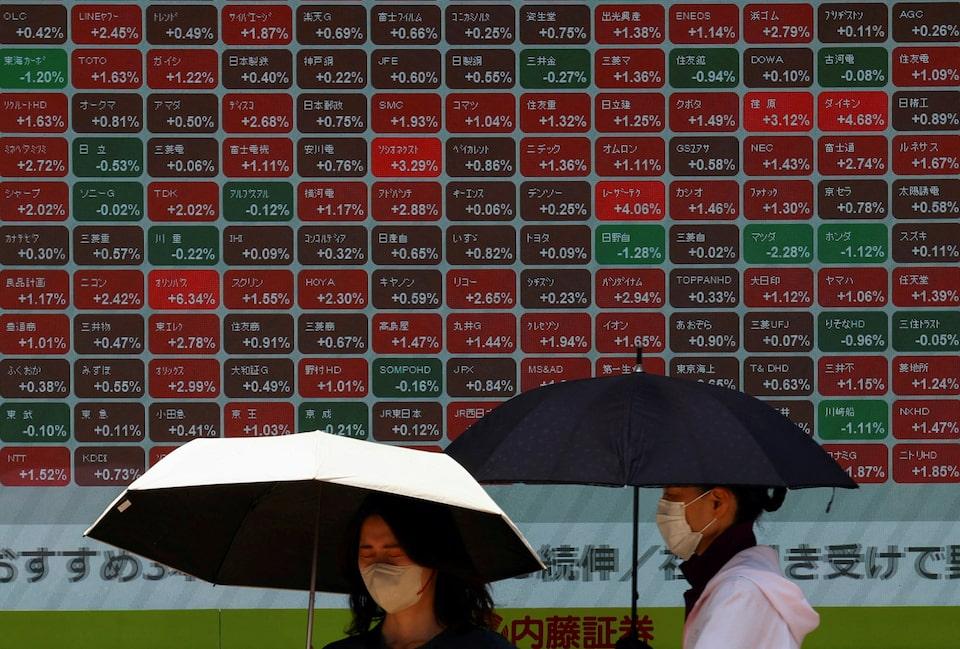
US announces new tariff rates ahead of trade talks deadline Asian shares set for worst week since April, Nasdaq futures dip Dollar set for 2.4% weekly gain, best in nearly 3 years US jobs data pivotal for Sept rate cut hopes SYDNEY, Aug 1 (Reuters) - Asian shares were headed for the worst week since April on Friday after the U.S. slapped dozens of trading partners with steep tariffs, while investors anxiously await U.S. jobs data that could make or break the case for a Fed rate cut next month. European stock markets are on track for a lower open, with EUROSTOXX 50 futures down 0.5%. Both Nasdaq futures and S&P 500 futures slipped 0.2% after earnings from Amazon (AMZN.O) , opens new tab failed to meet lofty expectations, sending its shares tumbling 6.6% after hours. Sign up here. Late on Thursday, President Donald Trump signed an executive order imposing tariffs ranging from 10% to 41% on U.S. imports from foreign countries. Rates were set at 25% for India's U.S.-bound exports, 20% for Taiwan's, 19% for Thailand's and 15% for South Korea's. He also increased duties on Canadian goods to 35% from 25% for all products not covered by the U.S.-Mexico-Canada trade agreement, but gave Mexico a 90-day reprieve from higher tariffs to negotiate a broader trade deal. "The latest tariff announcement offers some surface-level clarity, but beneath it lies a fog of uncertainty," said Thomas Rupf, Chief Investment Officer, Asia of VP Bank. "Despite some countries securing better terms, the overall impact is negative. We're entering an era of higher barriers to trade, which will have an impact and hurt growth." MSCI's broadest index of Asia-Pacific shares outside Japan (.MIAPJ0000PUS) , opens new tab fell 1.1% to bring the total loss this week to 2.2%, the biggest since April. South Korea's KOSPI (.KS11) , opens new tab plunged 3.5% while Taiwanese shares (.TWII) , opens new tab fell 0.5%. Japan's Nikkei (.N225) , opens new tab dropped 0.6%. Chinese blue chips (.CSI300) , opens new tab fell 0.7% and Hong Kong's Hang Seng index (.HSI) , opens new tab lost 0.8%. Overnight, Wall Street failed to hold onto an earlier rally. Data showed inflation picked up in June, with new tariffs pushing prices higher and stoking expectations that price pressures could intensify, while weekly jobless claims signalled the labour market remained on a stable footing. Fed funds futures imply just a 39% chance of a rate cut in September, compared with 65% before the Federal Reserve held rates steady on Wednesday, according to the CME's FedWatch. Much now will depend on the U.S. jobs data due later in the day and any upside surprise could price out the chance for a cut next month. Forecasts are centred on a rise of 110,000 in July, while the jobless rate likely ticked up to 4.2% from 4.1%. The greenback found support from fading prospects of imminent U.S. rate cuts, with the dollar index up 2.5% this week against its peers to 100, in the biggest weekly rise since late 2022. The Canadian dollar was little impacted by the tariff news, having already fallen about 1% this week to a 10-week low. The yen was the biggest loser overnight, with the dollar up 0.8% to 150.7 yen, the highest since late March. The Bank of Japan held interest rates steady on Thursday and revised up its near-term inflation expectations but Governor Kazuo Ueda sounded a little dovish in the press conference. Treasuries were largely steady on Friday. Two-year Treasury yields were flat at 3.9510%, while benchmark 10-year yields ticked up 2 basis points to 4.3781%, after slipping 2 bps overnight. In commodity markets, oil prices were little changed after falling 1% overnight. U.S. crude rose 0.1% to $69.36 per barrel, while Brent was at $71.8 per barrel, up 0.1%. Spot gold prices were up a fraction at $3,294 an ounce. https://www.reuters.com/world/china/global-markets-wrapup-3-2025-08-01/
2025-08-01 05:54
CHONGQING, China, August 1 (Reuters) - Temperatures topping 40 degrees Celsius (104 Fahrenheit) have broiled Chongqing, a metropolis in China's southwest known for its fiery hotpot restaurants and cyberpunk cityscape, pushing some locals to cope with the increasingly hot weather in innovative ways. "It's getting hotter and hotter," said Liu Fengying, 60, a local resident. Sign up here. As afternoon temperatures soared on Thursday, Liu avoided the heat by playing card games and sharing snacks with friends among around 100 retirees sheltering in the air-conditioned chill of a subway entrance. "Aside from coming here, there's really no other way to avoid the heat. Last night, even with the AC set to 17 degrees C, it was still hot and wouldn't cool down." Record heat across China has strained its power grid as demand surges to new all-time highs, now in excess of 1.5 billion kilowatts, with records broken four times just in July. After daily peaks exceeding 40 C for a week, Chongqing elevated its heat-wave warning to the highest level - a red alert - on Thursday, with 21 out of its 38 districts forecast to hit up to 43 C. A peak of 44 C is projected for Sunday. Historically, daily peaks in the city of nearly 32 million people have rarely exceeded 39 C in July, which is already very hot by global standards. Since the start of May, the number of days the city recorded temperatures exceeding 35 C this year was double the historic average. But some Chongqingers remain unfazed - for now. Xie, 79, one of dozens of swimmers who gathered at a tributary of the Yangtze as the sun started to set on Thursday, cools down with regular swims in China's longest river. "Chongqing has always been a furnace city, but we have the river to cool down," he said before diving off a two-metre tall river bank in his underwear. On the same night, Qiu Xianhui, 36, came with friends to eat hotpot, Chongqing's famously spicy broth, at a restaurant in one of the city's old bomb shelters, where the air cools naturally. "We're locals, so we're used to 40-plus degree weather. We've seen it all," he said. ($1 = 7.2087 Chinese yuan renminbi) https://www.reuters.com/sustainability/climate-energy/chongqing-residents-seek-shelter-heatwave-hits-chinas-southwest-2025-08-01/

2025-08-01 05:39
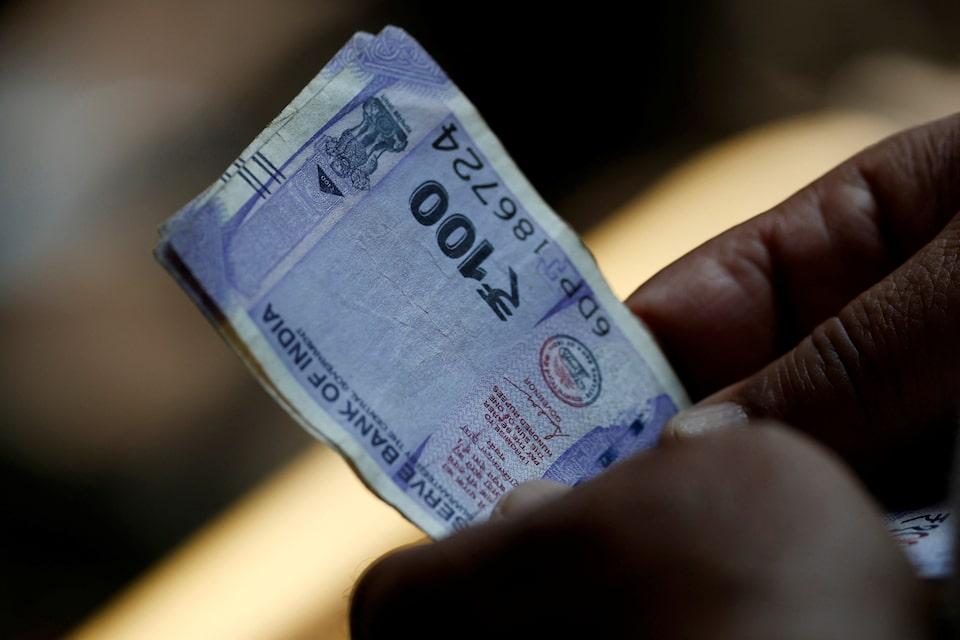
MUMBAI, August 1 (Reuters) - The Indian rupee found its footing on Friday after slipping to within striking distance of a record low in the previous session, as firm intervention by the central bank and a cutting of short bets against the currency helped it stabilise. The rupee strengthened to 87.3025 against the U.S. dollar as of 11:00 a.m. IST, up 0.3% on the day, following 12 consecutive sessions of either logging a decline or closing flat. Sign up here. The currency had declined to a low of 87.74 on Thursday, inches away from its all-time low of 87.95, after President Donald Trump slapped steeper-than-expected tariffs on Indian goods, with analysts also warning of sustained pressure on the country's growth. The Reserve Bank of India likely intervened in both the non-deliverable forward market and the local over-the-counter spot market to support the rupee, traders said. The central bank seems to be inclined to stabilise the currency, and "they have been heavily hitting the (USD/INR) pair since the morning,” a trader at a state-run bank said. The intervention also spurred traders to exit short bets against the currency, which helped it extend its gains, a second trader at a bank said. Foreign portfolio outflows have also been a consistent pain point for the rupee as overseas investors remained net sellers of Indian stocks over the last nine consecutive trading sessions. Sentiment on the rupee is quite weak right now, so it makes sense for the RBI to step in, said Dilip Parmar, a foreign exchange research analyst at HDFC Securities. Meanwhile, the dollar index was hovering at the 100 mark, and Asian currencies fell as investors fled riskier regional assets after the U.S. imposed sweeping new tariffs on dozens of trading partners. The Korean won led losses with a 0.6% decline as investors also awaited key U.S. labour market data due later in the day to gauge the future path of benchmark policy rates in the world's largest economy. https://www.reuters.com/world/india/firm-central-bank-intervention-short-culling-helps-shore-up-rupee-2025-08-01/
2025-08-01 05:29
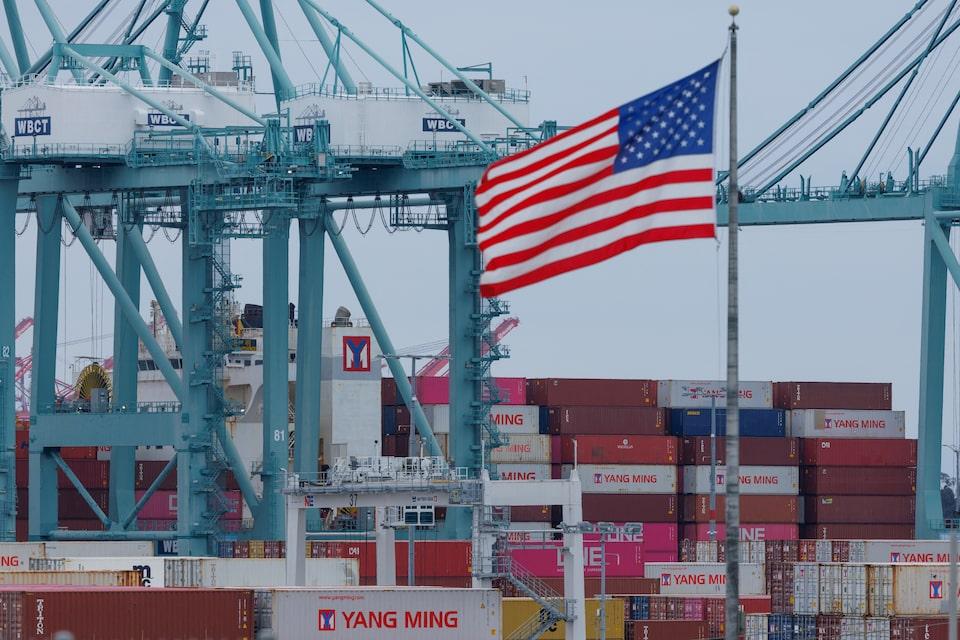
Mexico avoids 30% tariff on non-automotive, non-metals goods A 35% tariff on many Canadian goods Brazil hit with 50% tariff, some sectors excluded China trade deal not finalized, August 12 deadline looms Trump administration teases additional deals WASHINGTON, July 31 (Reuters) - U.S. President Donald Trump slapped steep tariffs on exports from dozens of trading partners including Canada, Brazil, India and Taiwan, pressing ahead with his plans to reorder the global economy ahead of a Friday trade deal deadline. Trump set rates including a 35% duty on many goods from Canada, 50% for Brazil, 25% for India, 20% for Taiwan and 39% for Switzerland, according to a presidential executive order. Sign up here. The order , opens new tab listed higher import duty rates of 10% to 41% starting in seven days for 69 trading partners as the 12:01 a.m. EDT (0401 GMT) deadline approached. Some of them had reached tariff-reducing deals; others had no opportunity to negotiate with his administration. Trump included an exception for some goods shipped within the coming week. Goods from all other countries not listed would be subject to a 10% U.S. import tax. Trump had previously said that rate might be higher. The administration also teased that more trade deals were in the pipeline as it seeks to close trade deficits and boost domestic factories. Facing a Friday deadline of his making, the Republican president has tapped emergency powers, pressured foreign leaders, and pressed ahead with trade policies that sparked a market sell-off when they were first announced in April. This time, markets had a more muted reaction. Stocks and equity futures fell modestly in Friday morning trading in Asia. Trump's order said that some trading partners, "despite having engaged in negotiations, have offered terms that, in my judgment, do not sufficiently address imbalances in our trading relationship or have failed to align sufficiently with the United States on economic and national-security matters." Other details are still to come, including on the "rules of origin" that will determine what products might face even higher tariffs. Trump also said "we have made a few deals today that are excellent deals for the country," and a U.S. official later told reporters that they were still to be announced. CANADA, MEXICO Trump issued a separate order , opens new tab for Canada that raises the rate on Canadian goods subject to fentanyl-related tariffs to 35%, from 25% previously, saying Canada had "failed to cooperate" in curbing illicit narcotics flows into the U.S. The higher tariffs on Canadian goods contrasted sharply with Trump's decision to grant Mexico a 90-day reprieve from higher tariffs of 30% on many goods to provide more time to negotiate a broader trade pact. Trump complained to reporters earlier that Canada had "been very poorly led." Canadian Prime Minister Mark Carney said he was disappointed by Trump's decision, and vowed to take action to protect Canadian jobs and diversify the country's export markets. "While we will continue to negotiate with the United States on our trading relationship, the Canadian government is laser focused on what we can control: building Canada strong," he said in a post on X. The extension for Mexico avoids a 30% tariff on most Mexican non-automotive and non-metal goods compliant with the U.S.-Mexico-Canada Agreement on trade and came after a Thursday morning call between Trump and Mexican President Claudia Sheinbaum. "We avoided the tariff increase announced for tomorrow," Sheinbaum wrote on X, adding that the Trump call was "very good." About 85% of U.S. imports from Mexico comply with the rules of origin outlined in the USMCA, shielding them from 25% tariffs related to fentanyl, according to Mexico's economy ministry. Trump said the U.S. would continue to levy a 50% tariff on Mexican steel, aluminum and copper and a 25% tariff on Mexican autos and on non-USMCA-compliant goods subject to tariffs related to the U.S. fentanyl crisis. "Additionally, Mexico has agreed to immediately terminate its Non Tariff Trade Barriers, of which there were many," Trump said in a Truth Social post, without providing details. INDIA DISCORD Goods from India appeared to be headed for a 25% tariff after talks bogged down over access to India's agriculture sector, drawing a higher-rate threat from Trump that also included an unspecified penalty for India's purchases of Russian oil. Although negotiations with India were continuing, New Delhi vowed to protect the country's labor-intensive farm sector, and the threat of higher rates from Trump triggered outrage from the opposition party and a slump in the rupee. Trump's rollout of higher import taxes on Friday comes amid more evidence they have begun driving up consumer goods prices. Commerce Department data released Thursday showed prices for home furnishings and durable household equipment jumped 1.3% in June, the biggest gain since March 2022. Recreational goods and vehicles prices shot up 0.9%, the most since February 2024. Prices for clothing and footwear rose 0.4%. TOUGH QUESTIONS FROM JUDGES Trump hit Brazil's exports on Wednesday with a steep 50% tariff as he escalated his fight with Latin America's largest economy over its prosecution of his friend and former President Jair Bolsonaro, but softened the blow by excluding sectors such as aircraft, energy and orange juice from heavier levies. The run-up to Trump's tariff deadline was unfolding as federal appeals court judges sharply questioned Trump's use of a sweeping emergency powers law to justify his sweeping tariffs of up to 50% on nearly all trading partners. Trump invoked the 1977 International Emergency Economic Powers Act to declare an emergency over the growing U.S. trade deficit and impose his "reciprocal" tariffs and a separate fentanyl emergency. The Court of International Trade ruled in May that the actions exceeded his executive authority, and questions from judges during oral arguments before the U.S. Appeals Court for the Federal Circuit in Washington indicated further skepticism. Meanwhile, China is facing an August 12 deadline to reach a durable tariff agreement with Trump's administration, after Beijing and Washington reached preliminary deals in May and June to end escalating tit-for-tat tariffs and a cut-off of rare earth minerals. A U.S. official told reporters that they are making progress toward a deal. https://www.reuters.com/world/americas/trump-hits-dozens-countries-goods-with-steep-tariffs-2025-07-31/