2025-07-31 13:13
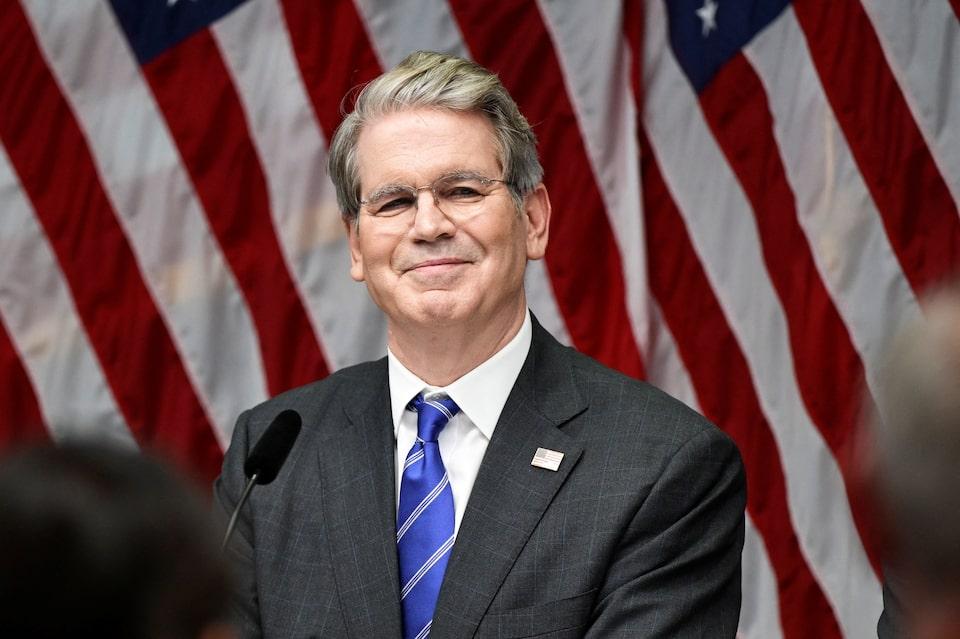
WASHINGTON, July 31 (Reuters) - U.S. Treasury Secretary Scott Bessent said on Thursday he is pulling together a list of potential candidates to lead the U.S. Federal Reserve and that he expects an announcement by the end of the year. "We are putting together a very good list of candidates" to replace Fed Chair Jerome Powell and another seat that will become vacant on the Fed board, Bessent said in an interview with CNBC. Sign up here. Powell's term as chairman ends in May. The Fed has faced steady and often aggressive pressure from President Donald Trump to cut rates. The president has said a large move down in rates is justified by a number of factors, but part of his critique centers on the elevated interest costs the government faces as it sells bonds to cover oceans of red ink. "So there'll be two seats opening up. I'm putting together a list for president, chief of staff to review. We'll be interviewing people. So, you know, I would expect that we could have an announcement by the end of the year," he said. https://www.reuters.com/world/us/us-treasury-chief-says-he-expects-fed-chair-announcement-by-years-end-2025-07-31/
2025-07-31 12:55
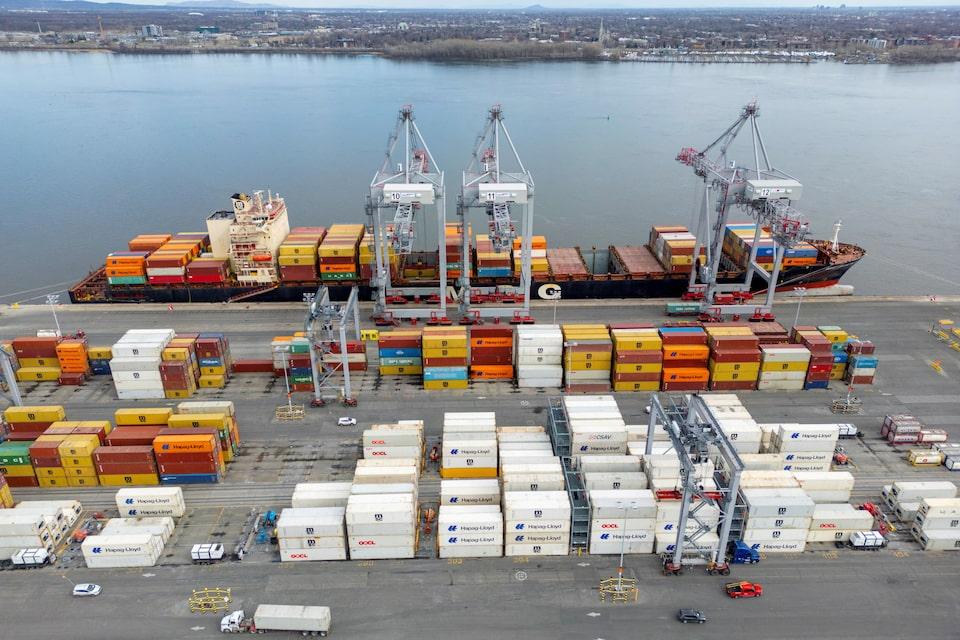
Economy shrinks 0.1% in May, likely expanded 0.1% in June May GDP falls due to output drop in retail trade, mining Q2 GDP likely to be 0.1% on an annualized basis, StatsCan says But Bank of Canada sees GDP contracting annualized 1.5% in Q2 OTTAWA, July 31 (Reuters) - Canada's Gross Domestic Product shrank 0.1% in May on a monthly basis as expected but is likely to regain the lost ground in June as some sectors rebound, data showed on Thursday. An advanced estimate showed GDP is likely to have expanded by 0.1% in June, and on an annualized basis it could also post growth of 0.1% for the second quarter, Statistics Canada said. Sign up here. That is in contrast to the more widely held expectation for a second-quarter contraction, and could change when the final June numbers are released next month. In May, the biggest hit to growth came from the retail trade sector which contracted 1.2%, StatsCan said, adding that activity across seven subsectors out of 12 shrank. Retail trade is part of the larger services-producing industries that contribute up to 75% of total GDP. Overall, output from the services-producing group was flat in May as the drop in retail trade was offset by real estate and transportation. Amongst goods-producing industries, which account for 25% of GDP, the mining, quarrying, and oil and gas extraction sector was the main laggard with activity shrinking 1% in the month. Manufacturing expanded 0.7% on a monthly basis, after a 1.8% decline in April, largely as a result of higher inventory accumulation, the statistics agency said. Canada's first quarter GDP expanded 2.2% on an annualized basis as exporters advanced their sales to the United States to beat a barrage of incoming tariffs. But as tariffs took effect from March, exports and industrial output took a hit. The Bank of Canada, after announcing that it would keep rates on hold at 2.75% on Wednesday, said that it expected the economy to contract by 1.5% in the second quarter due to a 25% drop in exports. StatsCan's forecast of even slim Q2 growth could take away the incentive for a rate cut in September, though data on inflation and job growth before the BoC's next meeting will be crucial. Money markets are betting around an 89% chance of the BoC holding rates on September 17, up three percentage points from before the GDP data was released . The Canadian dollar dropped 0.11% to 1.3842 to the U.S. dollar, or 72.24 U.S. cents. The U.S. and Canada are currently locked in negotiations to hash out a trade deal by Friday in a bid to reduce tariffs, but negotiators have admitted that it may not happen by the deadline. https://www.reuters.com/world/americas/canadas-gdp-shrinks-may-likely-avoid-contraction-second-quarter-2025-07-31/
2025-07-31 12:50
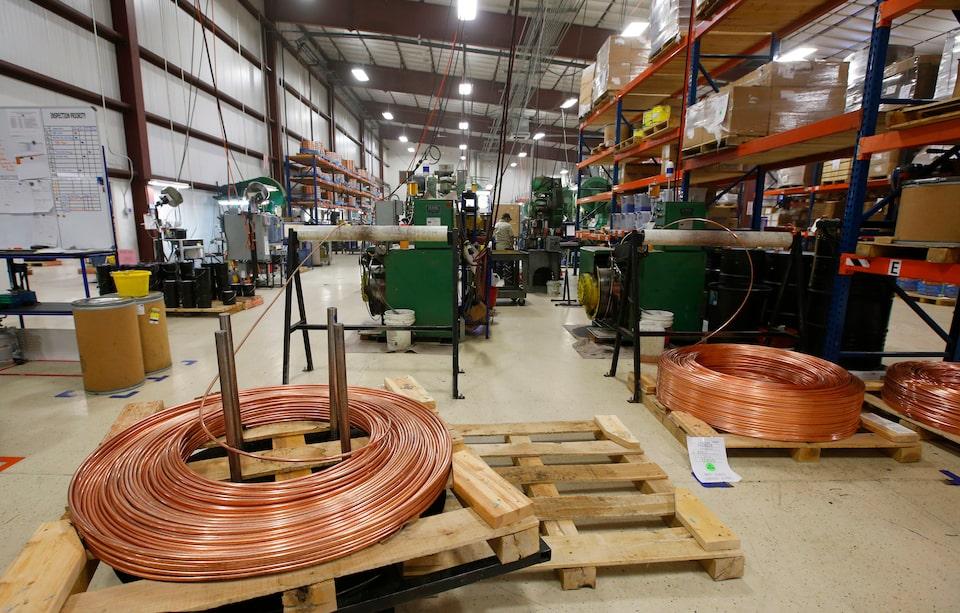
Refined copper spared from US tariffs, surprising metals market US copper futures slump, unwind premium over global ones Rush to deliver copper to the US ahead of August 1 is over Massive re-exports from the US stockpile unlikely in short term BEIJING/LONDON, July 31 (Reuters) - The once-mighty premium U.S. copper enjoyed over the global benchmark slid on Thursday as markets clawed back months of gains in hours of frenzied trading after President Donald Trump surprised markets with pared-back tariffs. Trump said on Wednesday the United States would impose a 50% tariff on copper pipes and wiring, but the levy fell short of the sweeping restrictions expected and left out copper ores, concentrates and cathodes. Sign up here. The surprise move dragged down U.S. copper prices more than 20% on the Comex exchange and unwound the premium over the London global benchmark that had grown in recent weeks, with shipments diverted into the United States in anticipation of higher domestic prices. "We think the LME flips to a premium in the short term due to excess inventories in the U.S.," Anant Jatia, founder and chief investment officer at Greenland Investment Management, a hedge fund specialising in commodity arbitrage trading, told Reuters. "Over time Comex moves back to a premium as inventories draw and downstream tariffs leave a sustained U.S. premium." U.S. September Comex copper futures were last down 22% at $4.376 a lb or $9,647 a metric ton on Thursday, meaning a premium over LME copper of $27 a ton. This compares with last week's premium of $3,000. Benchmark LME copper fell 0.8% to $9,620.5 a ton. WHAT HAPPENS TO US INVENTORIES Months of hefty premiums had sucked in enormous volumes of copper from around the world since Trump first flagged the possibility of tariffs in February. As recently as a few weeks ago, traders were still redirecting cargoes to the United States in a rush to get copper into the country before the tariffs. Trump first teased the tariff in early July, implying that it would apply to all types of the red metal, ranging from cathodes produced by mines and smelters to wiring and other finished products. Data provider Kpler said that 99,170 tons of copper were delivered by bulk carriers to the U.S. since July 8, when Trump said he would announce a 50% tariff on copper and his team added that the probable deadline would be August 1. This brought U.S. March-July copper imports to more than 550,000 tons. Since the July 8 announcement only one vessel managed to leave its port of origin and deliver the cargo to the U.S. in time, according to Kpler. The vessel brought 14,998 tons of cathodes to a port in Hawaii. Yet in a proclamation released by the White House, the administration said the tariff starting this Friday will apply only to pipes, tubes and other semi-finished copper products, as well as products that copper is heavily used to manufacture, including cable and electrical components. Trump's unexpected pivot now raises the question of whether some of the U.S. stockpile might be re-exported. Macquarie estimated earlier this month it would take nine months of normal consumption just to run down the inventories built up in the first half of the year. Goldman Sachs said in a note on Thursday that Trump's threat to potentially impose tariffs on refined copper in 2027 would keep U.S. and global prices near parity and limit any large scale re-exporting. https://www.reuters.com/markets/commodities/trumps-watered-down-copper-tariffs-crush-comex-premium-2025-07-31/
2025-07-31 12:45
July 31 (Reuters) - Utility PPL (PPL.N) , opens new tab missed Wall Street estimates for second-quarter profit on Thursday, hurt by higher operating costs and interest expenses. More than 450,000 people in Pennsylvania were without power in April, after a storm system brought on severe weather to the central U.S., increasing costs for utilities like PPL and FirstEnergy (FE.N) , opens new tab which operate in the state. Sign up here. The company's quarterly operating expenses were up about 9% at $1.62 billion from a year earlier. Its quarterly interest expenses were also up about 9% at $199 million from a year earlier. Higher-for-longer interest rates can weigh on utilities as it makes investing in construction and maintenance of critical infrastructure such as electrical grids more expensive. The utility also said its earnings were impacted by milder weather conditions in the reported quarter, which were favorable in the year earlier. PPL Corp generates and delivers electricity to nearly 3.6 million customers across Pennsylvania, Kentucky and Rhode Islands. The company posted an adjusted profit of 32 cents per share for the quarter ended June 30, compared with analysts' average estimate of 38 cents per share, according to data compiled by LSEG. https://www.reuters.com/business/energy/ppl-misses-quarterly-profit-estimates-higher-operating-costs-2025-07-31/

2025-07-31 12:44
July 31 (Reuters) - Story on UAE renewables firm Masdar's 2024 profit has been withdrawn because it was previously reported in April. There will be no replacement item. STORY_NUMBER: L8N3TS0W4 Sign up here. STORY_DATE: 31/07/2025 STORY_TIME: 1057 GMT https://www.reuters.com/business/energy/story-uae-renewables-firm-masdar-2024-profit-withdrawn-2025-07-31/

2025-07-31 12:44
Refiners have not sought Russian crude for about a week-sources India bought more Russian oil after Russia's Ukraine invasion Trump has warned countries not to buy Russian oil NEW DELHI, July 30 (Reuters) - Indian state refiners have stopped buying Russian oil in the past week as discounts narrowed this month and U.S. President Donald Trump warned countries not to purchase oil from Moscow, industry sources said. India, the world's third-largest oil importer, is the biggest buyer of seaborne Russian crude, a vital revenue earner for Russia as it wages war in Ukraine for a fourth year. Sign up here. The country's state refiners - Indian Oil Corp (IOC.NS) , opens new tab, Hindustan Petroleum Corp (HPCL.NS) , opens new tab, Bharat Petroleum Corp (BPCL.NS) , opens new tab and Mangalore Refinery Petrochemical Ltd (MRPL.NS) , opens new tab - have not sought Russian crude in the past week or so, four sources familiar with the refiners' purchase plans told Reuters. IOC, BPCL, HPCL, MRPL and the federal oil ministry did not immediately respond to Reuters' requests for comment. The four refiners regularly buy Russian oil on a delivered basis and have turned to spot markets for replacement supply - mostly Middle Eastern grades such as Abu Dhabi's Murban crude and West African oil, sources said. Private refiners Reliance Industries (RELI.NS) , opens new tab and Nayara Energy, majority owned by Russian entities including oil major Rosneft (ROSN.MM) , opens new tab, have annual deals with Moscow and are the biggest Russian oil buyers in India. On July 14, Trump threatened 100% tariffs on countries that buy Russian oil unless Moscow reaches a major peace deal with Ukraine. Indian refiners are pulling back from Russian crude as discounts shrink to their lowest since 2022, when Western sanctions were first imposed on Moscow, due to lower Russian exports and steady demand, sources said. Refiners fear the latest EU curbs could complicate overseas trade including fund raising — even for buyers adhering to the price cap. India has reiterated its opposition to "unilateral sanctions". Trump on Wednesday announced a 25% tariff on goods imported from India from August 1, but added that negotiations were ongoing. He also warned of potential penalties for purchase of Russian arms and oil. On Monday Trump cut the deadline to impose secondary sanction on buyers of Russian exports to 10-12 days from the previous 50-day period, if Moscow does not agree a peace deal with Ukraine. Russia is the top supplier to India, responsible for about 35% of India's overall supplies. Private refiners bought nearly 60% of India's average 1.8 million barrels per day of Russian oil imports in the first half of 2025, while state refiners that control over 60% of India's overall 5.2 million bpd refining capacity, bought the remainder. Reliance purchased Abu Dhabi Murban crude for loading in October this month, an unusual move by the refiner, traders said. https://www.reuters.com/business/energy/indian-state-refiners-pause-russian-oil-purchases-sources-say-2025-08-01/