2026-01-26 04:57
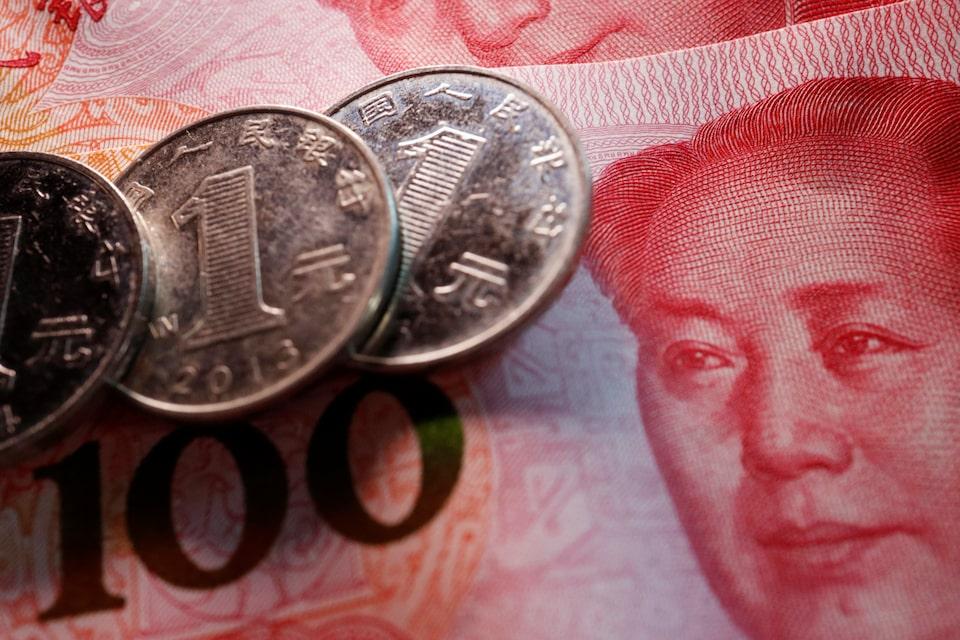
SHANGHAI, Jan 26 (Reuters) - China's yuan climbed to a new 32-month high against the dollar on Monday as the central bank continued its recent practice of carefully guiding the currency stronger by lifting the official midpoint guidance to manage the pace of appreciation. Despite the firm fixings, the central bank has been setting the midpoint weaker than market projections since November. And Monday's fixing marked the largest weak-side deviation from market forecasts since such data first became available in 2022. Sign up here. Before the market opened, the People's Bank of China set the midpoint at 6.9843 per dollar, the strongest since May 17, 2023, though it was 551 pips weaker than a Reuters estimate of 6.9292. "We expect growing resistance from China's authorities to yuan appreciation pressures," Barclays analysts said in a note. "We also expect more measures to ease upward pressure on the yuan in the weeks and months ahead and maintain our view of a turnaround over the medium term." In the spot market, the onshore yuan rose to a high of 6.9539 per dollar, the strongest level since May 16, 2023, before changing hands at 6.9558 at 0350 GMT. Its offshore counterpart last fetched 6.9522 per dollar at 0350 GMT. The yuan has gained 0.5% against the dollar so far this year following a 4.5% rise in 2025, which was the most substantial annual appreciation since 2020. Its recent strength has been supported by a weaker dollar and increased corporate demand for the Chinese currency as the Lunar New Year holiday approaches. Exporters usually settle more foreign exchange receipts around this time to cover various payments including employee bonuses before the Lunar New Year holiday, which falls in mid-February this year. Forex conversions will likely begin to fade this week, providing less support for the yuan, currency traders and analysts said. In global markets, several Asian currencies strengthened after the Japanese yen jumped to a more than two-month high on growing speculation that coordinated intervention by authorities in the U.S. and Japan could be imminent, a prospect Tokyo's top currency diplomat left wide open, keeping markets guessing. LEVELS AT 0350 GMT: https://www.reuters.com/world/asia-pacific/chinas-yuan-hits-32-month-high-pboc-carefully-lifts-midpoint-2026-01-26/
2026-01-26 04:34
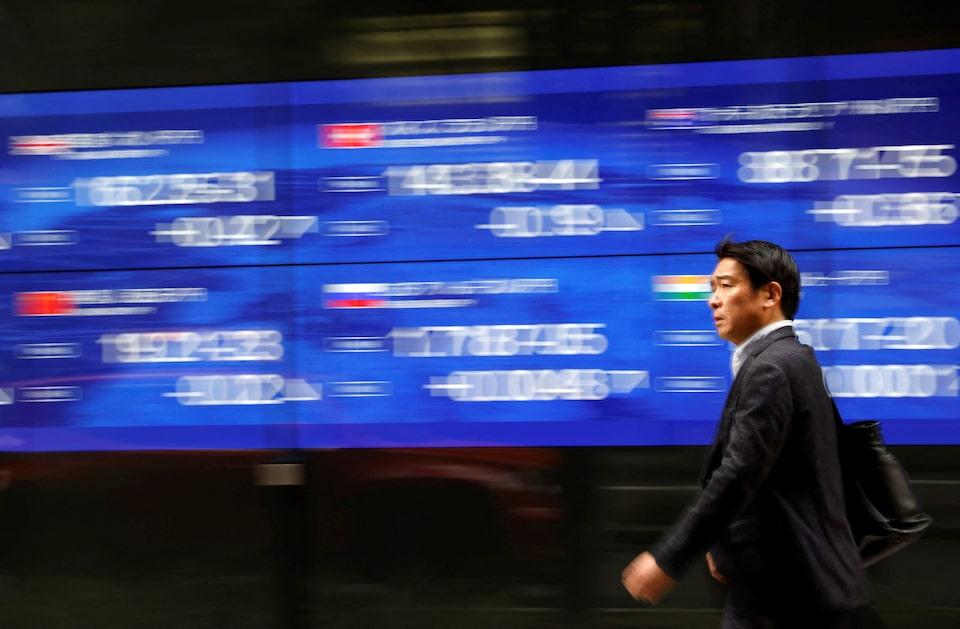
Yen surges again after two bouts of spikes on Friday Intervention worries swirl as Takaichi vows to act Precious metals keep rising on safe-haven bet, soft dollar Investors await Fed policy meeting later in the week NEW YORK, Jan 26 (Reuters) - Global stocks advanced for a fourth straight session on Monday as investors awaited earnings from a bevy of U.S. megacaps while the yen strengthened against the dollar as investors looked for any signs of intervention in the Japanese currency. In addition, gold advanced to top $5,100 an ounce for the first time, as a swath of geopolitical tensions continues to weigh on the U.S. dollar. Sign up here. On Wall Street, U.S. stocks closed higher, buoyed in part by gains in the S&P 500 communication services (.SPLRCL) , opens new tab and tech (.SPLRCT) , opens new tab sectors. Markets are also expecting earnings this week from heavyweight names that are part of the so-called Magnificent Seven such as Microsoft (MSFT.O) , opens new tab, Apple (AAPL.O) , opens new tab, Tesla (TSLA.O) , opens new tab and Meta Platforms (META.O) , opens new tab, while the Federal Reserve is scheduled to release its policy statement on Wednesday. "You're seeing communications and technology are trading well today (Monday) in advance of the earnings from a lot of the large companies," said Chris Zaccarelli, chief investment officer of Northlight Asset Management in Charlotte, North Carolina. "It seems like we're having an expansion in corporate profits and an expansion in the economy - so generally speaking, investors are cautiously optimistic and most likely looking forward to earnings season." The S&P 500 materials sector (.SPLRCM) , opens new tab also closed higher, as the rise in gold helped lift stocks such as Freeport-McMoRan (FCX.N) , opens new tab and Newmont Mining (NEM.N) , opens new tab, although the sector ended well off earlier highs. The materials sector has the second-highest earnings growth rate of any sector in the first quarter at 24.4%, according to LSEG data. The Dow Jones Industrial Average (.DJI) , opens new tab rose 313.69 points, or 0.64%, to 49,412.40, the S&P 500 (.SPX) , opens new tab rose 34.69 points, or 0.50%, to 6,950.30 and the Nasdaq Composite (.IXIC) , opens new tab rose 100.11 points, or 0.43%, to 23,601.36. MSCI's gauge of stocks across the globe (.MIWD00000PUS) , opens new tab added 6.12 points, or 0.59%, to 1,043.67 and was on track for a fourth straight session of gains, while the pan-European STOXX 600 (.STOXX) , opens new tab index closed up 0.2%, supported by gains in financial stocks ahead of bank earnings later in the week. GOLD HITS RECORD HIGH Spot gold rose 1.42% to $5,053.37 an ounce after hitting a high of $5,110.50. It is up more than 17% for the month. "We now see gold reaching $6,000/oz by year-end, with the caveat that this is probably a conservative estimate and it could well go higher," analysts at Societe Generale said. The Fed is widely expected to keep rates unchanged, according to CME's FedWatch Tool , opens new tab, while investors will monitor comments from Chair Jerome Powell for clues on the path of monetary policy. The dollar index , which measures the greenback against a basket of currencies, shed 0.22% to 97.01, with the euro up 0.48% at $1.1883. Sterling strengthened 0.29% to $1.368. Against the Japanese yen , the dollar weakened 1.05% to 154.09 after hitting its lowest since mid-November at 153.30 yen, after sharp spikes in the Japanese currency on Friday sparked speculation over a possible intervention. The New York Federal Reserve conducted rate checks on Friday, sources told Reuters. Top Japanese authorities said on Monday they have been in close coordination with the United States on foreign exchange, which would mark the first coordinated intervention between the two countries in 15 years. "While a cautiously hawkish stance from the (Fed) this week, along with resilient data could offer some support to the USD, any potential intervention in the yen market may worsen the already weak flow picture for the dollar," analysts at Barclays said in a note. While markets will eye comments from Powell in the wake of the Fed policy statement, the meeting may be overshadowed by a Trump administration criminal investigation into the central bank chief, the president's effort to fire Fed Governor Lisa Cook and the coming nomination of a successor for Powell in May. The yield on the benchmark U.S. 10-year note dipped 2.4 basis points to 4.215%. A $69 billion auction of two-year notes was seen as strong by analysts. JAPAN'S FISCAL CHALLENGE The yen has been under pressure since Sanae Takaichi became Japan's prime minister in October, in part due to concerns over Japan's government debt that stands at more than double its economic output. A historic rise in market interest rates has raised fears for Japan’s ability to service its debt, but Takaichi has said she will cut taxes as she campaigns in a snap election set for February 8. BOJ money market data released on Monday suggested there had been no intervention on Friday. U.S. crude settled down 0.72% to $60.63 a barrel and Brent settled at $65.59 per barrel, down 0.44% on the day after climbing more than 2% as investors assessed the impact on output in U.S. crude-producing regions from winter storms. https://www.reuters.com/world/china/global-markets-global-markets-2026-01-26/
2026-01-26 03:31
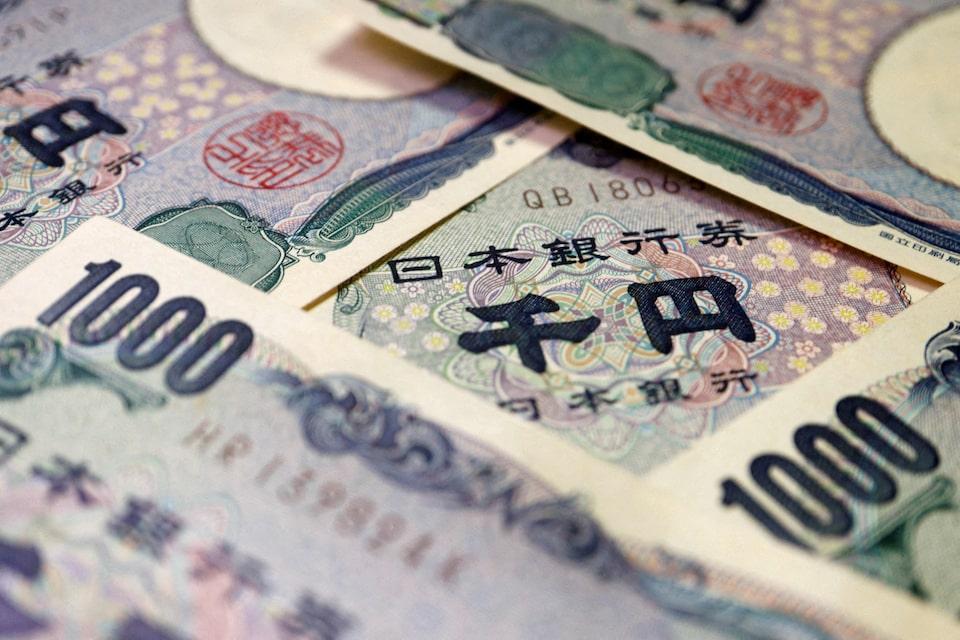
Jan 26 (Reuters) - Japan's yen is surging and dragging down the dollar across markets, as rate checks have investors on high alert over the risks of the first joint U.S.-Japan currency intervention in 15 years. After leaping on Friday, when the New York Federal Reserve contacted traders to check rates, the yen has rallied a further 1.2% to 153.89 in Asia trade on Monday. Sign up here. The euro is at four-month highs and precious metals such as silver and gold have soared to record peaks above $100 and $5,000 an ounce. Here is what investors and analysts are saying about the market moves: HARUNA TANAKA, CHIEF MANAGER AT TREASURY AND SECURITIES DIVISION, SAITAMA RESONA BANK, TOKYO "I can not say whether there will be an intervention in the near future, but right now it seems that market players are unwinding their short positions, betting that the yen will not hit 160 to the dollar. In the long run, the yen and the dollar move sideways because of the corporate demand for the dollar." TIM KELLEHER, HEAD OF INSTITUTIONAL FX SALES, COMMONWEALTH BANK AUSTRALIA, AUCKLAND "That's the first time the Fed has checked a currency in more than a decade. They've threatened before, but to physically go and do it is a big change in their MO. "We're under a new regime ... we've seen an anti-U.S. dollar move. There is random talk of a Plaza Accord 2.0, which would matter, and signal a weaker USD." DAVID FORRESTER, SENIOR STRATEGIST, CREDIT AGRICOLE, SINGAPORE "There is potentially something larger at play here. The threat of intervention reflects a broader investor concern that Japanese and U.S. authorities would like a weaker USD. This combined with Trump's erratic policymaking, including the threat of 100% tariffs on Canadian exports if it signs a trade deal with China, is weighing on the appeal of USD assets." MOH SIONG SIM, FX STRATEGIST, OCBC, SINGAPORE "It sends a strong signal ... I think the market will take it more seriously as opposed to if it's just the Ministry of Finance or Bank of Japan checking rates. Because it's rare for the U.S. to get involved, and you can see this as somewhat of a coordinated attempt or effort to rein in the yen weakness. "The weak yen has become problematic ... in the sense that it's unpopular with the public, because the weak yen is seen as contributing to the inflation problem. So perhaps ... this intervention threat itself is an attempt to check the yen weakness and prevent it from becoming a political issue." JASON WONG, SENIOR MARKET STRATEGIST, BNZ, WELLINGTON "It's a continuation of last week's trends. JPY is stronger as intervention risk overhangs, and short positions in yen are squeezed. USD risk premium is continuing to rise as investors balk at U.S. policy direction." EUGENE EPSTEIN, HEAD OF TRADING AND STRUCTURED PRODUCTS, MONEYCORP, NEW JERSEY "It's more driven by the fact that the Fed and the Treasury are seemingly involved in the background. You can make the argument that the fact that the Treasury intervened in the Argentinian peso not that long ago shows that they're serious about these types of things and it's not just verbal intervention. "I know Argentina is not Japan, but nonetheless, the fact that the Treasury actually intervened in another currency pair rather forcefully showed pretty clearly that they're not going to hesitate to act. So when they were rate checking in dollar/yen, everybody's ears perked up and the market realised that they have to be taken seriously." MARC CHANDLER, CHIEF MARKET STRATEGIST, BANNOCKBURN CAPITAL MARKETS, NEW YORK "Dollar/yen is the big move, but we're seeing follow-through dollar selling across the board. So this is not just a yen move. "There are a lot of things going on right now in the U.S. like the protests against the latest Minnesota shooting. Trump could also be naming the successor to Jay Powell this week. So the markets are nervous about both. "The dollar has been fragile anyway, but the gain in the yen has been the precipitating trigger for the market to sell it across the board." MASAHIKO LOO, SENIOR FIXED INCOME STRATEGIST, STATE STREET INVESTMENT MANAGEMENT, TOKYO, IN A CLIENT NOTE "Should joint FX intervention materialise, the probability of a spring BOJ rate hike rises materially. Any backing from the U.S. Treasury would likely be conditional on a pulled‑forward BOJ hike and continued policy normalisation, while reinforcing U.S. Treasuries as Japan’s core long‑term reserve asset. "Bottom line: this is shaping up as a controlled, policy‑engineered reset. The risk of a disorderly, systemic yen‑carry unwind recedes significantly. The message is discipline and coordination - with a credible soft cap at 162.” JOEY CHEW, HEAD OF ASIA FX RESEARCH, HSBC, SINGAPORE, IN A CLIENT NOTE "Considering how joint intervention took place quite frequently over a protracted period in May 1989 - April 1990, we should not assume U.S. involvement is necessarily a game-changer or a panacea for the JPY’s weakness." PRASHANT NEWNAHA, SENIOR ASIA-PACIFIC RATES STRATEGIST, TD SECURITIES, SINGAPORE "Takaichi's jawboning and Mimura'S limited commentary but confirmation that the (finance ministry) is in close contact with the U.S. Treasury means the market is unable to rule out FX intervention by both Japan and the U.S. The market's inclination is to short the yen but the possibility of coordination means it no longer is a one-way bet." CARLOS CASANOVA, ASIA SENIOR ECONOMIST, UBP, HONG KONG "The appeal of recent short yen positions appears to be diminishing due to the presence of two-sided risks. The mere expectation of potential intervention could, in itself, contribute to some strengthening of the currency. "The Japanese yen is likely to stabilize to some extent - though the catalysts for significant appreciation remain limited - while long-term yields are expected to face continued pressure at their current elevated levels." https://www.reuters.com/world/asia-pacific/view-yen-jumps-broad-hit-dollar-japan-intervention-risks-grow-2026-01-26/
2026-01-26 01:00
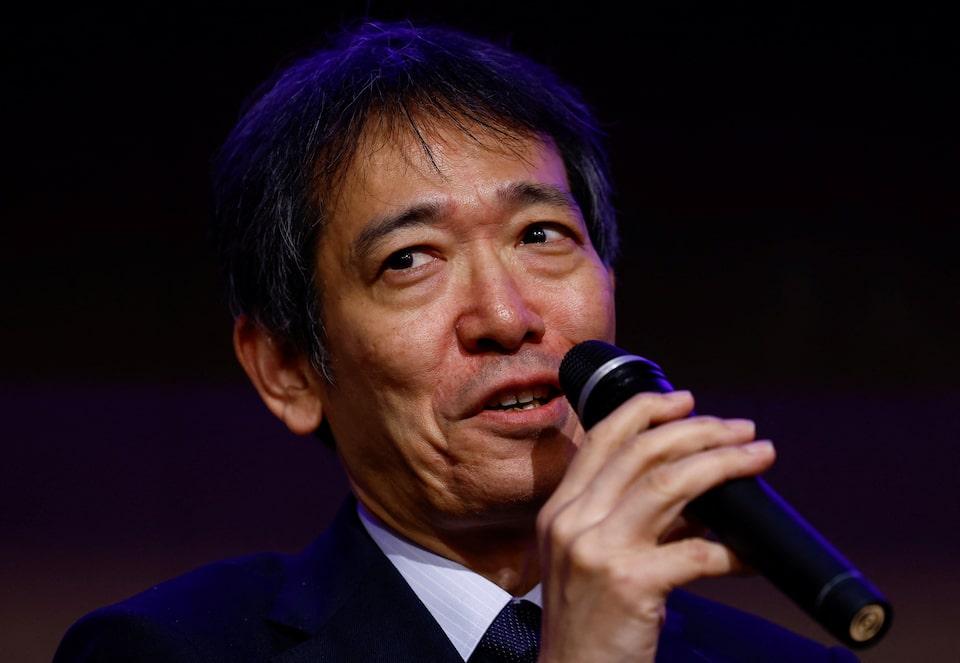
TOKYO, Jan 26 (Reuters) - Top Japanese authorities said on Monday they have been in close coordination with the United States on foreign exchange, but declined to confirm news reports of rate checks that drove the yen sharply higher. The yen has spiked since the New York Federal Reserve reportedly conducted rate checks on Friday, putting investors on high alert to the risks of the first joint U.S.-Japan currency intervention in 15 years. Sign up here. "We will continue to closely coordinate with the U.S. authorities as needed, based on a joint Japan-U.S. statement issued in September last year, and will respond appropriately," Japan's currency diplomat Atsushi Mimura told reporters in the morning. The September statement reaffirmed both countries' commitment to market-determined exchange rates while agreeing that foreign-exchange intervention should be reserved for combating excessive volatility. Japanese officials have said it marked the first written U.S. confirmation of the right to intervene in the event of excessive volatility. Later on Monday, Japan's Finance Minister Satsuki Katayama said the government is closely monitoring the foreign exchange market "with a sense of urgency." Asked about any progress in coordination with the United States, Katayama also referred to the joint Japan-U.S. statement: "I believe we are responding in line with the statement." Both Katayama and Mimura did not comment on the possibility of a coordinated market intervention by the two governments. They also declined to comment on Friday's reported rate checks that led to the yen suddenly jumping against the U.S. dollar. "There is nothing I can talk about," Katayama said. U.S. participation in currency intervention is extremely rare, with the most recent one conducted in March 2011, when it joined other countries in a concerted intervention to weaken the yen following a massive earthquake in Japan. https://www.reuters.com/world/asia-pacific/japan-us-closely-act-together-foreign-exchange-currency-diplomat-mimura-says-2026-01-26/
2026-01-26 00:55
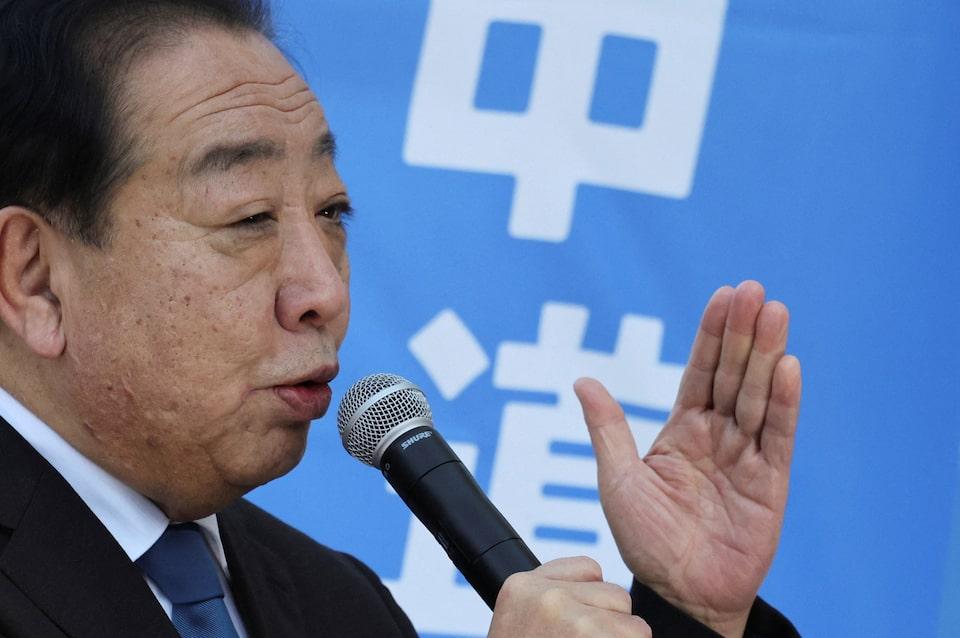
Japan unlikely to get international consent for intervention, Noda says Yen, bond selloff requires Japan to be in crisis mode, he says Government must vow to restore fiscal discipline to end yen fall, Noda says Japan must create environment allowing for steady BOJ rate hikes, he says Ex-finance minister Noda currently co-heads largest opposition party TOKYO, Jan 26 (Reuters) - Any Japanese intervention to prop up the yen will have limited effect in sustainably halting the currency's slide, former Finance Minister Yoshihiko Noda, who co-heads Japan's newly created largest opposition party, told Reuters. Instead, Japan must combat yen declines by showing its resolve to get its fiscal house in order and protect the central bank's efforts to raise interest rates from political interference, said Noda, who was finance minister when Group of Seven nations including Japan conducted a rare, concerted yen intervention in 2011. Sign up here. "Even if Japan were to conduct currency intervention, it won't be that effective unless Tokyo has the understanding of other countries," which would be hard to get, he said. "I've done it myself but back then, it was concerted intervention" to reverse a yen spike after Japan was hit by a massive earthquake and tsunami in March 2011, Noda said in an interview on Sunday. "The situation is very different now." Currency markets are on edge over the chance of official yen buying after the currency's spike on Friday caused by so-called rate checks by the New York Federal Reserve, and a pledge by Prime Minister Sanae Takaichi to act against speculative moves. Some analysts say the rate checks, seen as authorities' signal of their readiness to step into the market, suggest Washington approves of an intervention to prop up the yen. But Japan typically seeks indirect consent not just from the U.S., but other G7 advanced economies when it intervenes. NEW POLITICAL PARTY Takaichi called a snap general election on February 8 to seek a mandate to gear up her expansionary fiscal policy. Noda's main opposition Constitutional Democratic Party of Japan joined Komeito to form a new political party earlier this month, in an attempt to present a united front against Takaichi's ruling camp which they see as too right-leaning. He is now co-head of the new party, Centrist Reform Alliance (CRA), which is the largest opposition party and seen as the only viable competitor to Takaichi's ruling coalition. Japanese government bonds and the yen have been sold off in recent weeks on concern Takaichi's expansionary fiscal policy and the slow pace of interest rate hikes by the Bank of Japan could lead to additional debt issuance and too-high inflation. Noda said excessive yen falls must be put to a halt as they hurt households by pushing up import costs. But this can only be done by easing market concern over Japan's finances, he added. "Japan needs to be in crisis-management mode" with markets ringing a "drumbeat of alarm bells" over its dire fiscal state through a selloff in bonds and yen, he said. Japan must send a stronger message to markets it has a plan to get its fiscal house in order and focus more on fighting inflation including by shedding its reliance on loose monetary policy, Noda said. For example, the government and BOJ should tweak a current joint agreement focused on beating deflation to one clarifying the role each would play in taming inflation, Noda said. "Japan needs an environment where the BOJ can make timely and appropriate decisions toward normalising monetary policy," Noda said. "Politicians must avoid making comments threatening the BOJ's independence." An advocate of loose fiscal and monetary policy, Takaichi has signalled her preference for low rates and in the past said the government holds jurisdiction over monetary policy goals. But she toned down her criticism of the BOJ's rate hikes and nodded to its decision to raise rates in December after the yen's renewed declines. Japan has a history of using verbal and direct intervention to combat sharp rises in the yen that hurt its export-reliant economy. Since 2022, Tokyo's forays into the market have shifted towards addressing excessive yen declines that push up import costs and broader inflation. https://www.reuters.com/world/asia-pacific/japans-ex-finance-minister-noda-sees-limited-success-yen-intervention-2026-01-26/
2026-01-26 00:17
LONDON, Jan 26 (Reuters) - Britain, Germany, Denmark and other European countries will sign a clean energy pact at a summit in Hamburg on Monday, pledging to deliver 100 gigawatts (GW) of offshore wind power through large-scale joint projects, the British government said. The agreement comes days after U.S. President Donald Trump stepped up criticism of green energy, and signals that Western and Northern European governments remain committed to wind power as a way to boost the region's energy security. Sign up here. "We are standing up for our national interest by driving for clean energy, which can get the UK off the fossil fuel rollercoaster and give us energy sovereignty and abundance," British energy minister Ed Miliband said in a statement. North Sea countries agreed in 2023 to a broader goal of 300 GW of offshore wind capacity by 2050. That followed Russia's invasion of Ukraine, which sharpened fears about Europe's dependency on Russian gas. Monday's deal, a draft of which was reported by Reuters last week, will be signed at the North Sea Summit by Britain, Belgium, Denmark, France, Germany, Iceland, Ireland, Luxembourg, the Netherlands and Norway. "By planning expansion, grids and industry together and implementing them across borders, we are creating clean and affordable energy, strengthening our industrial base and increasing Europe's strategic sovereignty," said German Economy Minister Katherina Reiche. Britain said it would also sign other agreements with smaller groups of attending nations to promote more efficient development of cross-border projects, and infrastructure to create wind farms at sea that are directly connected to more than one country. Earlier in January, Britain secured a record amount of offshore wind capacity in its latest power auction, when projects with a total capacity of 8.4 GW were awarded contracts. https://www.reuters.com/sustainability/climate-energy/european-nations-reinforce-wind-power-commitment-with-100-gw-pledge-2026-01-26/