2025-07-18 11:37
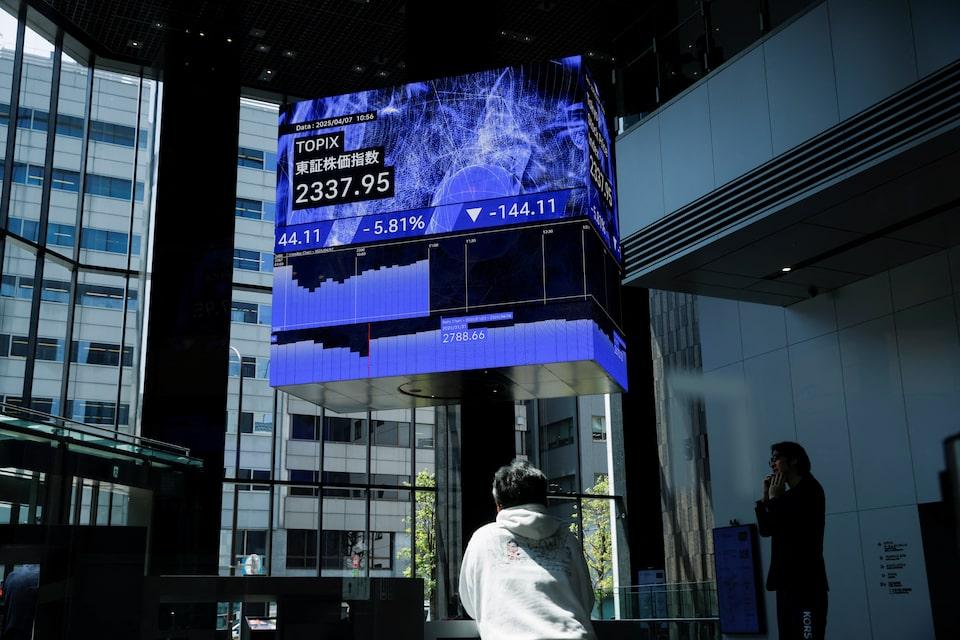
Solid US economic data this week supports sentiment Oil up as investors weigh impact of fresh EU sanction on Russia Alphabet, Tesla among companies to report earnings next week LONDON/SYDNEY, July 18 (Reuters) - Global shares were on track for weekly gains on Friday as robust U.S. economic data and corporate earnings this week tempered tariff concerns for now, while the yen headed toward a second successive weekly loss ahead of a crunch legislative election in Japan on Sunday. Stronger than expected U.S. retail sales and jobless claims data, suggesting modest improvement in economic activity, helped to push the S&P 500 and the Nasdaq to close at record highs on Thursday. Sign up here. MSCI's broadest index for global stocks edged up 0.2% on Friday and was on track for a 0.6% weekly gain. (.MIWD00000PUS) , opens new tab Asian shares outside Japan were up 0.9% on the day (.MIAPJ0000PUS) , opens new tab, while European stocks were broadly flat. Wall Street futures , were also flat ahead of the open. A solid start to earnings season in the U.S. - with companies including streaming giant Netflix (NFLX.O) , opens new tab beating forecasts - is supporting investor confidence, said Eren Osman, managing director of wealth management at Arbuthnot Latham. "We're pretty constructive on the (U.S.) macro backdrop... We do see some scope for slowing growth, but not for anything material and that's giving the markets quite a nice bounce," Osman said, adding the potential full impact of U.S. tariffs was still in focus. Alphabet (GOOGL.O) , opens new tab and Tesla (TSLA.O) , opens new tab are among the companies reporting half-year results next week, which will further test the market mood. Oil prices also gained on Friday as investors weighed new European Union sanctions against Russia, which include measures aimed at dealing further blows to Russia's oil and energy industries. U.S. crude rose 1% to $68.19 per barrel and Brent was up 0.8% to $70.06 a barrel. The yen was broadly flat at 148.5 per dollar but was about 0.7% weaker this week after polls showed Japanese Prime Minister Shigeru Ishiba's coalition was in danger of losing its majority in the upper house election on Sunday. Data on Friday showed Japan's core inflation slowed in June due to temporary cuts in utility bills but stayed above the central bank's 2% target. The rising cost of living, including the soaring price of rice, is among the reasons for Ishiba's declining popularity. "If PM Ishiba decides to resign on an election loss, USDJPY could easily break above 149.7 as it would usher in an initial period of political turbulence," said Jayati Bharadwaj, head of FX strategy at TD Securities. "JPY could reverse the recent dramatic weakness if the ruling coalition wins and is able to make swift progress on a trade deal with Trump." Elsewhere, the U.S. dollar index slipped 0.2% to 98.285, but was still heading for a second successive weekly gain of about 0.4%, bouncing from a 3-1/2 year low hit over two weeks ago. Fed Governor Christopher Waller said on Thursday he continues to believe the central bank should cut interest rates at the end of this month, though most officials who have spoken publicly have signalled no desire to move. U.S. Treasury yields were slightly lower. Benchmark 10-year yields dropped nearly 3 basis points to 4.44%, while two-year yields also edged 3 bps lower to 3.89%. Spot gold prices gained 0.4% to $3,353 an ounce. https://www.reuters.com/world/china/global-markets-wrapup-4-2025-07-18/
2025-07-18 11:29
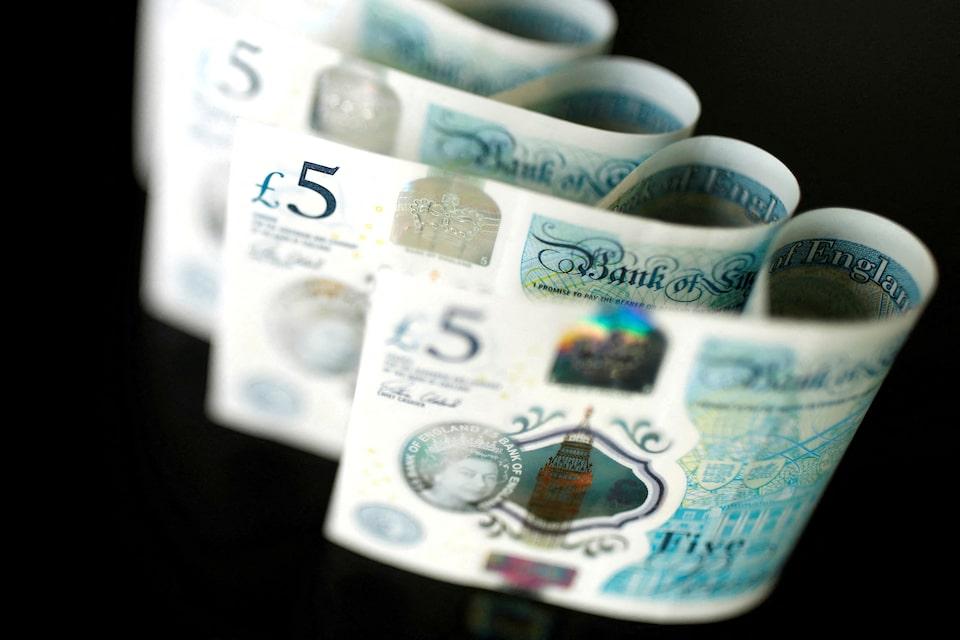
LONDON, July 18 (Reuters) - The pound was set to finish the week down on the dollar and a fraction stronger against the euro as traders digested data that caused analysts to pare back expectations of near-term Bank of England easing and worry about longer-term economic prospects. Sterling was last up 0.27% on the day against the dollar at $1.3454, though set for a weekly fall of 0.3%, both in line with the dollar's moves against other European currencies. Sign up here. It was trading at 86.57 pence to the euro, softer on the day, but a whisker stronger on the week. Friday was quiet in terms of domestic British data after a busy week, which saw hotter than expected inflation numbers released on Wednesday and news of slowing wage growth on Thursday. The data caused analysts at Goldman Sachs, Citi and Bank of America, who had previously expected the Bank of England to cut interest rates in both August and September, to remove the September cut from their forecasts in notes published on Friday. "The labour market has been softening, pay growth is slowing and growth data remains weak. This is likely to warrant further cuts, and we continue to expect the next cut in August," BofA said. "But stronger-than-expected inflation and sizeable upward revisions to recent payroll falls show that the data is not weakening enough for the BoE to accelerate cuts." Markets are close to fully pricing a rate cut in August, and see one more as likely by year-end. But while a prospect of fewer BoE rate cuts would typically support the pound, its gains have been limited by the implications of higher borrowing costs for Britain's public finances. "The outlook for the UK appears much weaker than other major economies," said currency analysts at Monex Europe. "We expect these building headwinds to weigh on the pound in the coming weeks." https://www.reuters.com/world/uk/pound-mixed-end-busy-data-week-boe-policy-top-mind-traders-2025-07-18/
2025-07-18 11:24
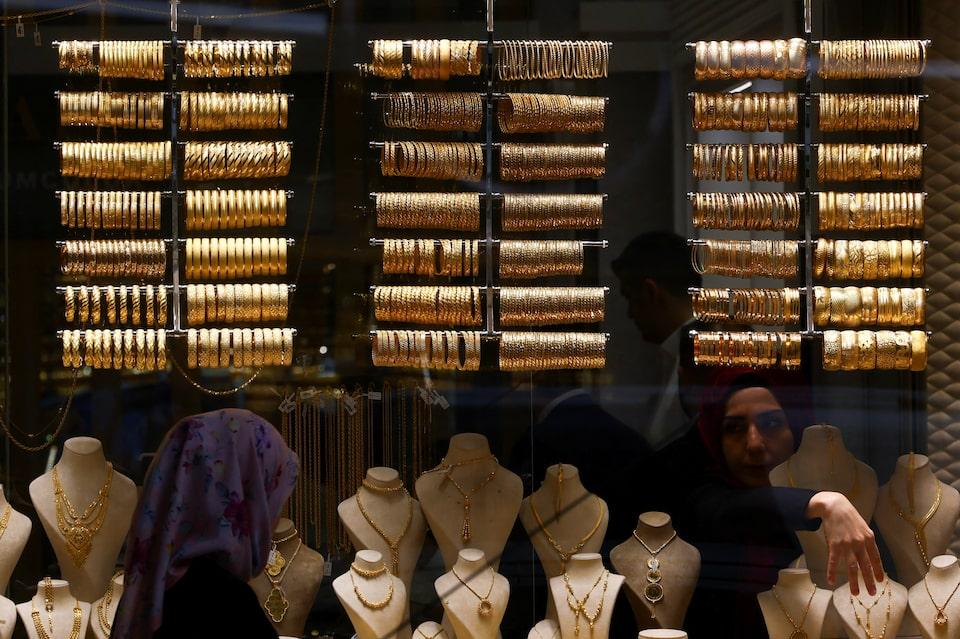
EU approves new Russia sanctions Carnival has moved to silver, platinum and palladium- analyst Palladium up 4% July 18 (Reuters) - Gold prices firmed on Friday on a weaker dollar and persistent geopolitical tensions, though easing concerns about the U.S. Federal Reserve's independence, and strong U.S. data capped gains. Spot gold was up 0.4% at $3,350.87 per ounce, as of 1013 GMT, after falling 1.1% in the previous session. The bullion has receded 0.1% so far this week. Sign up here. U.S. gold futures rose 0.3% to $3,356.70. The dollar (.DXY) , opens new tab was down 0.4% for the day, though headed for a second straight weekly rise. A weaker dollar tends to make gold cheaper for buyers holding other currencies. The European Union agreed to an 18th package of sanctions against Russia over its war in Ukraine, including measures aimed at dealing further blows to its oil and energy industry. "Gold is rising on the softer US dollar, yet remains hemmed in by this week’s U.S. data releases which buffered the notion that the world’s largest economy remains resilient," said Han Tan, chief market analyst at Nemo.Money. "New EU sanctions on Russia are a reminder to market participants that geopolitical risks remain evident on the global stag." Earlier in the week, a source told Reuters that U.S. President Donald Trump was open to firing Fed Chair Powell. Trump later said he doesn’t plan to sack Powell but renewed his criticism over the Fed's interest rate policy. Meanwhile, U.S. retail sales in June exceeded expectations, while initial jobless claims too were better. "In precious metals, the carnival has moved on from safe-haven gold to silver, platinum and palladium as pro-growth, industrial alternatives," said Adrian Ash, head of research at online marketplace BullionVault. Spot platinum rose 0.3% to $1,461.77 per ounce, its highest since August 2014. Palladium climbed 4% to $1,329.88, its highest since August 2023. Silver was up 0.5% at $38.31. https://www.reuters.com/world/china/gold-drifts-higher-platinum-highest-over-decade-2025-07-18/
2025-07-18 11:23
Q2 revenue falls 5.7%, but beats consensus Flags currency exchange hit of CHF 186 million on H1 sales No change yet in customer behaviour amid trade war, CEO says July 18 (Reuters) - Swiss lift maker Schindler (SCHP.S) , opens new tab reported a nearly 6% drop in its second-quarter sales on Friday, as U.S. President Donald Trump's trade war drove up the value of the Swiss franc. The value of the Swiss currency, seen as a safe haven amid economic turmoil, has grown around 12% against the U.S. dollar since the start of the year. Sign up here. As Schindler makes a vast majority of its sales in foreign currencies, this means their value suffers a negative impact when converted into francs. The company, which also makes escalators and moving walkways, saw a 5.7% revenue drop to 2.75 billion francs ($3.43 billion) in the quarter, which exceeded analysts' mean estimate of 2.65 billion, LSEG data showed. Currency conversions impacted sales by 186 million francs in the first half of the year, it said. Schindler's shares, which have gained around 17% since the start of the year, were down 2.4% as of 1108 GMT. The company is working to pass on some tariff costs to its customers, like it had said in April, CEO Paolo Compagna told Reuters. "There's a pricing action in place, and in magnitude of customers, we go piece by piece," he said, adding the company had not seen a change in the market environment or customers' behaviour yet. "Everyone talks about these question marks towards the future, but by now, it's not yet there," Compagna said. Schindler has focused on the digitalization of its business in recent years, a move that it expects to drive growth through enhanced customer loyalty as services become more efficient. "Our efforts in modernization are paying off, driving solid organic growth at a time of macro-economic uncertainty and severe currency headwinds," Compagna said in the earnings statement. The company also confirmed its guidance for 2025. ($1 = 0.8027 Swiss francs) https://www.reuters.com/markets/europe/schindlers-sales-hit-by-strong-swiss-franc-beat-expectations-2025-07-18/
2025-07-18 11:11
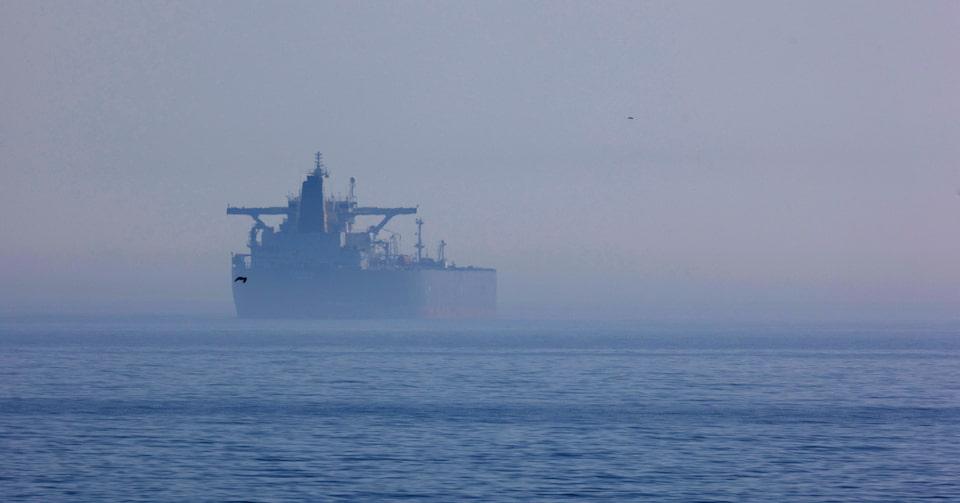
EU sanctions target Russian energy and financial sectors EU tries to cap Russian oil at 15% below market price Concerns remain over enforcement and impact on Russian oil exports BRUSSELS, July 18 (Reuters) - The European Union on Friday agreed an 18th package of sanctions against Russia over its war in Ukraine, including measures aimed at dealing further blows to the Russian oil and energy industry. The EU will set a moving price cap on Russian crude at 15% below its average market price, EU diplomats said, aiming to improve on a largely ineffective $60 cap that the Group of Seven major economies have tried to impose since December 2022. Sign up here. "The EU just approved one of its strongest sanctions packages against Russia to date," EU foreign policy chief Kaja Kallas said on X. "We will keep raising the costs, so stopping the aggression becomes the only path forward for Moscow." G7 PRICE CAP INEFFECTIVE SO FAR Yet Russia has so far managed to sell most of its oil - the lifeblood of its state finances - above the previous price cap as the current mechanism makes it unclear who must police its implementation. Traders doubt the new EU sanctions will significantly disrupt Russian oil exports. Kremlin spokesman Dmitry Peskov shrugged off the EU move, which would, at current prices, aim to cap the price of Russian crude at roughly $47.60 per barrel. Benchmark Brent futures rose marginally on Friday to about $70. "We have repeatedly said that we consider such unilateral restrictions illegal, we oppose them," Peskov told reporters. "But at the same time, of course, we have already acquired a certain immunity from sanctions, we have adapted to life under sanctions." The package also bans transactions related to Russia's Nord Stream gas pipelines under the Baltic Sea, and with Russia's financial sector. Kallas said 105 ships in Russia's "shadow fleet", the term used by Western officials for ships that Moscow uses to circumvent oil sanctions, had been blacklisted, along with Chinese banks that "enable sanctions evasion", which she did not name. Ukrainian President Volodymyr Zelenskiy called the decision "essential and timely" as Russia intensifies its air war on Ukrainian cities and villages. Foreign Minister Andrii Sybiha added: "Depriving Russia of its oil revenues is critical for putting an end to its aggression." US DECLINES TO BACK EUROPE ON PRICE CAP The European Union and Britain have been pushing to lower the G7 cap for the last two months after a fall in oil futures made the level of $60 a barrel largely irrelevant. But the United States has resisted, leaving the EU to move forward on its own, but with only limited power to enforce the measure, analysts and oil traders say. As the dollar dominates global oil transactions, and U.S. financial institutions play the central role in clearing payments, the EU cannot block trades by denying access to dollar clearing. Agreement on the new EU package was held up for weeks as Slovakian Prime Minister Robert Fico demanded concessions on a separate plan to phase out EU dependence on Russian oil and gas. Fico announced on Thursday night that he was ending his opposition. Countries such as Greece, Cyprus and Malta had expressed concerns about the effect of the oil price cap on their shipping industries. But Malta, the last of the trio to hold out, also came on board on Thursday. https://www.reuters.com/world/europe/eus-new-russia-sanctions-aim-more-effective-oil-price-cap-2025-07-18/
2025-07-18 11:11
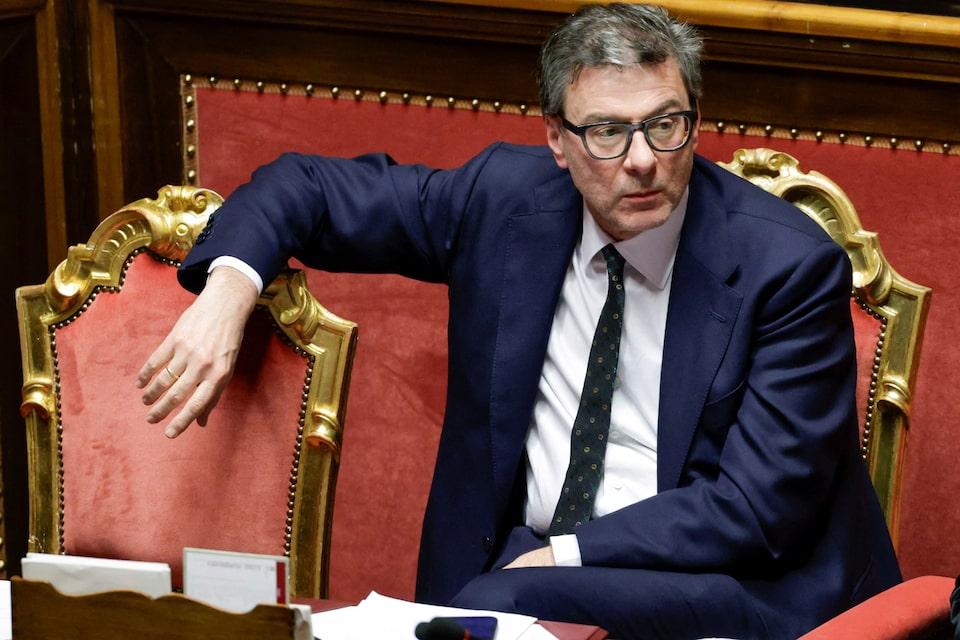
ROME, July 18 (Reuters) - Italy is concerned about trade tensions triggered by the threat of U.S. tariffs, and about the devaluation of the dollar, its economy minister told his international partners on Friday at a meeting of G7 finance chiefs in Durban, South Africa. "We are concerned about the impact of economic uncertainty and persistent trade tensions on our economies," Minister Giancarlo Giorgetti said in a statement issued by his staff on the sidelines of the gathering. Sign up here. In an escalation of a trade war that has angered U.S. allies and rattled investors, President Donald Trump this month announced a 30% tariff on imports from Mexico and the European Union starting on August 1, after weeks of negotiations with the major U.S. trading partners failed to reach a comprehensive trade deal. Italy in April estimated a negative impact of 0.3% on its economic output this year, under the assumption of a 20% U.S. tariff on European Union countries. "The weakening of the U.S. dollar exchange rate is adding to the effect of increased trade tariffs," Giorgetti said in his comments in Durban on Friday. The minister also said that firms that have helped Russia fund its war on Ukraine by doing business with Moscow should be excluded from Ukraine's reconstruction, reiterating a position he has already expressed. https://www.reuters.com/markets/us/italy-g7-warns-about-risks-trade-tensions-dollar-weakening-2025-07-18/