2025-07-17 21:01
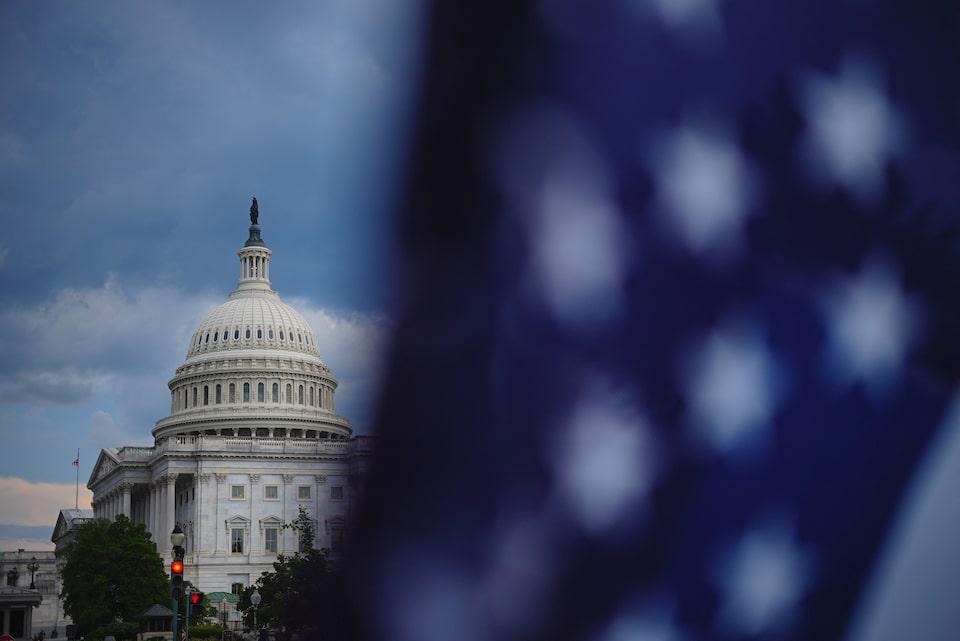
July 17 (Reuters) - The U.S. House of Representatives on Thursday passed a bill to create a regulatory framework for U.S.-dollar-pegged cryptocurrency tokens known as stablecoins, sending the bill to President Donald Trump, who is expected to sign it into law. The vote marks a watershed moment for the digital asset industry, which has been pushing for federal legislation for years and poured money into last year's elections in order to promote pro-crypto candidates. Sign up here. Shares of crypto-related companies were mostly higher after passage of the bill, dubbed the Genius Act, that would expand the Commodity Futures Trading Commission's oversight of the industry. Bitcoin , the largest crypto currency, was down 0.54% at $119,298.87, trading near a record high reached earlier this week. Rival ethereum rose 1.42% to $3,429.47. COMMENTS STEVE SOSNICK, CHIEF STRATEGIST, INTERACTIVE BROKERS, CONNECTICUT: "We had already run up over the past week-plus in anticipation of “crypto week”, so a certain level of expectation was already built in. At least we’re not seeing a “sell the news” reaction, perhaps because traders remain hopeful about all the legislation gets passed." JAKE DOLLARHIDE, CHIEF EXECUTIVE OFFICER, LONGBOW ASSET MANAGEMENT, TULSA, OKLAHOMA: "The crypto stocks have been on a run leading up to this hopeful outcome, and they got exactly what they wanted. The Trump administration said they were going to be a champion for the crypto industry, and this is a huge step in that direction. I look for bitcoin to make new highs from here. I look for Ethereum... to make a rebound. Crypto is going to have a moment in the weeks and months ahead as people who have missed out pile in and chase bigger returns." "Regarding the late trimming of gains in crypto-related shares, he said: "We assumed five days ago it was going to happen. So there's not really a reason to rally. So, it's a relief pause." BILL STRAZZULLO, CHIEF MARKET STRATEGIST, BELL CURVE TRADING, BOSTON: “I think [this bill] is positive in the sense that you’d want to have some infrastructure and some regulation. That invites a much broader audience to participate. So, I think it's a positive. But when you look at the correlation of crypto to the S&P 500, it's very high. In order words, people are buying crypto; because I hear this all the time: 'I wanted to diversify my portfolio, it's a hedge against inflation if the bottom falls out on the economy.' No! With crypto, I think the correlation is up around 90% or something and it moves with the S&P 500. I mean when you buy something you need to know what you really own. And with crypto, you are basically just increasing your exposure to the stock market. You need to know that. This notion that it's going to be kind of countertrend or countercyclical or not correlated, that's just not factual. So, I think any regulation and any structure is good because it gives the general public more confidence that it's not a scam and they’d be protected in some way. That's a positive thing for sure. But if you were thinking that buying crypto is some way going to be a magic bullet that hedges you against inflation or geopolitical or market downturn, it’s not. That’s why the short-term momentum is positive. I don't want to go overboard with crypto either because I still think the [stock] market somewhere around here is going to end up putting a top in. My guess is that as we get closer to the midterms, there’s some sort of significant move lower and I don't think crypto will protect you from any of that.” ANDREW FORSON, PRESIDENT, DEFI TECHNOLOGIES (by email): “It signals the start of a new era for digital assets and public companies. We’re seeing an unprecedented wave of corporations embracing digital assets, diversifying beyond Bitcoin into Ethereum, Solana, and more. But for many institutions, education gaps and regulatory uncertainty have been real barriers.” “By establishing clear, actionable rules for stablecoins and digital assets, the Genius Act unlocks broader adoption by traditional institutions and brings much-needed trust and transparency to the sector. This paves the way for compliant, bank-backed digital money and new solutions for corporate treasuries, helping to bridge the gap between innovation and investor protection.” DANTE DISPARTE, CHIEF STRATEGY OFFICER, CIRCLE, NEW YORK: “The House vote to clear the GENIUS Act for the President’s signature is a defining moment for the future of money and the internet financial system. It signals strong bipartisan support for responsible innovation and sends a clear message that the U.S. will lead in the regulation of dollar-backed payment stablecoins. We commend Congressional leaders for delivering a regulatory foundation that puts consumer protection, financial integrity, and U.S. competitiveness at the forefront.” SUMMER MERSINGER, CEO, BLOCKCHAIN ASSOCIATION (press release): “The bipartisan passage of the GENIUS Act is a watershed moment for digital assets in the United States. For the first time, Congress has moved comprehensive legislation that provides enforceable, tailored rules for stablecoins — a foundational technology for the future of finance. This marks real momentum toward regulatory clarity that protects consumers, supports innovation, and reinforces the strength of the U.S. dollar in the digital economy. We now call on President Trump to swiftly sign the bill into law, ensuring that the United States continues to lead in shaping the global standards for digital assets.” MICHAEL JAMES, EQUITY SALES TRADER, ROSENBLATT SECURITIES, LOS ANGELES: "Crypto stocks have been strong the past two days in expectation that the bill, which didn't pass on Tuesday, would eventually get the necessary votes to pass, which it has done this afternoon. That is part of the reason that crypto stocks have been outperformers in the last two days." https://www.reuters.com/legal/government/view-us-house-sends-genius-act-stablecoin-bill-trump-sign-2025-07-17/
2025-07-17 21:00
July 18 (Reuters) - Japanese Finance Minister Katsunobu Kato on Thursday called for vigilance against excessive foreign exchange volatility at the meeting of finance leaders from the Group of 20 major economies in South Africa. "I told the meeting that based on the existing G20 foreign exchange commitments, we should continue to be cautious about excessive volatility driven by speculative movements," he told a press conference after the first day of the meeting. Sign up here. Japan's currency this week touched its weakest level since early April against the dollar and a one-year low against the euro, as polls showed Prime Minister Shigeru Ishiba's coalition was in danger of losing its majority in the upper house. Kato also said he had expressed concerns to his G20 counterparts about the impact of U.S. tariffs on global economies and financial markets. "Tariffs are not an appropriate measure to correct the current account imbalance," he said, adding that G20 should address the issues of imbalance though calm and constructive dialogue. https://www.reuters.com/markets/asia/japan-finance-minister-calls-vigilance-against-fx-volatility-2025-07-17/

2025-07-17 20:57
July 17 (Reuters) - President Donald Trump's administration said on Thursday that decisions related to solar and wind energy projects on federal lands will be reviewed by Interior Secretary Doug Burgum's office to end what calls preferential treatment for renewable energy sources. The added scrutiny is aligned with Trump's pledge to undo the clean energy and climate change policies of former President Joe Biden. Sign up here. Solar and wind companies said the move was at odds with Trump's broader goal to slash burdensome regulations and boost domestic energy to fuel the nation's artificial intelligence ambitions. The Interior Department said in a statement that the additional reviews would apply to rights-of-way, leases, construction and operations plans and other project permitting activities. The announcement is the latest in a string of government measures aimed at restricting wind and solar energy. Trump's sweeping tax and spending law, passed this month, accelerates by several years the phase-out of tax credits for wind and solar projects. Trump also directed federal agencies to tighten the rules on who can claim incentives. Solar and wind accounted for the vast majority of new electricity generation added to the grid last year. Trump says they are unreliable and expensive. Most U.S. solar and wind facilities are built on private land because historically it has been costlier and more time-consuming to permit projects on federal lands. The Biden administration sought to boost investment on public lands by finalizing deep fee reductions for wind and solar projects. The Trump administration has sought to reverse those cuts. "Today's actions further deliver on President Trump's promise to tackle the Green New Scam and protect the American taxpayers' dollars," Acting Assistant Secretary for Lands and Minerals Management Adam Suess said in a statement. “American Energy Dominance is driven by U.S.-based production of reliable baseload energy, not regulatory favoritism towards unreliable energy projects that are solely dependent on taxpayer subsidies and foreign-sourced equipment,” Suess said. The American Clean Power Association, which represents renewable energy developers, said the new policy would add layers of bureaucracy. "The recently released memo from the Interior Department is a bewildering departure from the administration’s promise to bring down energy prices and make America competitive in the race against China for AI and data centers," Jason Grumet, ACP's chief executive, said in a statement. https://www.reuters.com/business/energy/solar-wind-projects-us-lands-will-get-extra-scrutiny-2025-07-17/

2025-07-17 20:51
PRAGUE, July 17 (Reuters) - Slovakia will stop blocking the approval of the 18th package of European Union sanctions against Russia on Friday, Prime Minister Robert Fico said. Fico said on Thursday Slovakia had achieved as much as it could at this point, after blocking the EU's approval of the sanctions multiple times to demand guarantees against damages it fears from a separate EU plan to end all gas imports from Russia from 2028. Sign up here. "At this point, it would be counterproductive to continue blocking the 18th sanctions package tomorrow," Fico said in a video message posted on Facebook. EU countries' ambassadors will meet on Friday morning to approve the new sanctions, EU diplomats told Reuters. The European Commission last month proposed the 18th package of sanctions against Russia for its 2022 invasion of Ukraine, aimed at Moscow's energy revenue, banks, and military industry. The proposed package included a floating price cap on Russian oil of 15% below the average market price of crude in the previous three months, EU diplomats have said. The proposal would also ban transactions with Russia's Nord Stream gas pipelines, as well as banks that engage in sanctions circumvention. Slovakia has vetoed the package several times to try to win concessions on the separate plan to phase out Russian oil and gas, which, unlike sanctions, does not need unanimous support from EU countries. Slovakia continues to import Russian energy, including gas under a contract running until 2034, and often takes pro-Russian views on Ukraine. Fico said on Tuesday that Slovakia had received guarantees from the Commission on assistance in case of potential gas shortages or jumps in prices and transit fees, and assistance in disputes over potential damage claims from Russian supplier Gazprom (GAZP.MM) , opens new tab. The Commission said in a letter to Slovakia on Tuesday it would intervene in potential litigation, and also clarify how an "emergency break" can be triggered if gas prices spike because of scarce supply during the Russian gas phase-out. Brussels will also develop a solution that aims to reduce the costs of cross-border tariffs on gas and oil for Slovakia, said the letter. Malta had also previously expressed reservations about the proposed Russian oil price cap, but the government said on Thursday evening it would also support the new sanctions on Friday, EU diplomats told Reuters. https://www.reuters.com/world/slovakia-allow-approval-new-eu-sanctions-russia-friday-pm-fico-says-2025-07-17/

2025-07-17 20:50
Bitcoin price hit new record this week Limited data, opaque wallets make it hard to pinpoint buyers Institutional interest growing but still small US policy embrace growing in pivotal 'crypto week' NEW YORK, July 17 (Reuters) - Bitcoin's surge to a record this week has reignited questions about the role institutional investors are playing in pushing it higher, with analysts suggesting their role is still in its infancy. The world's largest cryptocurrency earlier this week surged to a record above $123,000, receiving a boost on the expectation of pro-crypto policies from Washington. While buzz around digital assets has increased, there is room for demand from institutional investors to grow as pension funds and other long-term buyers add bitcoin to their portfolios, analysts say. Sign up here. On Thursday, the U.S. House of Representatives voted in favor of creating a regulatory framework for the U.S. dollar-pegged cryptocurrency tokens referred to as stablecoins. President Donald Trump is expected to sign that legislation into law on Friday. The House also passed two other key bills related to cryptocurrencies, both of which will now go to the U.S. Senate. "We're still in the early innings when it comes to institutional ownership," said Adrian Fritz, head of research at 21Shares, a digital assets investment firm, adding that retail investors still dominate crypto markets. Less than 5% of all spot bitcoin Exchange Traded Fund assets are held by long-term investors such as pension funds and endowments, with another 10% to 15% owned by hedge funds or wealth management firms, Fritz calculates. The latter group of wealth managers, however, often buy these funds on behalf of high-net worth retail clients, and the bulk of ETF ownership remains retail, he said. There is a correlation between soaring retail purchases of crypto ETFs and crypto-related stocks and a run-up in prices, according to estimates from Vanda, a financial research firm. The data shows retail buyers bought heavily in late 2024 when prices surged after Donald Trump - who has vowed to be a "crypto president" won the U.S. election - as well as during the recent rally. Crypto buyers have been aided by a series of bills U.S. lawmakers are expected to pass this week, the most consequential of which - known as the Genius Act - will define the rules around stablecoins, a fast-growing area of the crypto market. The passage of the crypto legislation on Thursday by the Republican-controlled U.S. House of Representatives paves the way for the first U.S. federal law for digital assets. Some large U.S. lenders, including Bank of America (BAC.N) , opens new tab and Citigroup (C.N) , opens new tab, are also working on launching stablecoins. Another bill will provide regulatory clarity by formally establishing definitions of digital commodities and spelling out the roles of agencies in overseeing digital assets. This could make it easier for institutions that have long avoided the sector to invest. Simon Forster, global co-head of digital assets at trading platform operator and data provider TP ICAP, predicts the number of institutions active in crypto will grow by 2026, including pensions and other buy-and-hold firms. "By definition, they will be the slowest (to enter crypto)," Fritz said. BITCOIN TREASURY BUYING Analysts say data, although patchy given how opaque crypto markets remain, points to the growing role of bitcoin treasury companies in boosting demand. These are listed companies such as Strategy (MSTR.O) , opens new tab and GameStop (GME.N) , opens new tab, that initially focused on software and videogame retailing respectively but now emphasize owning and making money on bitcoin positions held on their balance sheets in place of cash, gold or ultra-short Treasury securities. Strategy's shares have soared in the past year, far outpacing the rise in bitcoin, with many investors seeing the stock as a way to get exposure to crypto while investing in mainstream financial markets. Juan Leon, research analyst at Bitwise Asset Management, said these companies' ability to buy bitcoin suggests they represent a bigger source of recent demand than pension, endowment and hedge funds that are major players in stock and bond markets. Strategy and GameStop did not respond to requests for comment. Since July last year, public companies worldwide collectively have increased their bitcoin holdings by 120% and now hold just over 859,000, or 4%, of the total 21 million bitcoin that will ever be in existence, said Simon Peters, crypto analyst at investment platform eToro. Companies are also selling common stock, preferred shares and convertible securities to raise funds to spend on boosting their bitcoin holdings, in a bid to replicate Strategy's outsized stock gains. The new wave of U.S. legislation could also pave the way for more listed companies to allocate a portion of their cash reserves to crypto tokens, said Susannah Streeter, head of money and markets at Hargreaves Lansdown. Analysts warn, however, that a drop below $90,000 for bitcoin could put half of these corporate treasuries underwater. Demand for crypto ETFs has also been rising in recent months. Global net inflows into crypto exchange-traded products hit $4 billion last week, the highest so far this year, according to data from crypto firm Bitwise. Among the big institutional investors to have made public their investments in crypto ETFs in the past 18 months are the State of Wisconsin Investment Board, Abu Dhabi's Mubadala sovereign wealth fund and hedge fund Millennium Management, regulatory filings show. So far this year, bitcoin has gained around 25%, compared with the S&P 500 index's (.SPX) , opens new tab 6.5% gain. Ether , another cryptocurrency has climbed 2%, while XRP is up nearly 40%. The crypto sector's market capitalization now stands at $3.8 trillion, up nearly 66% since before the U.S. election in November, according to CoinMarketCap. https://www.reuters.com/sustainability/boards-policy-regulation/institutional-investors-warm-crypto-demand-still-nascent-2025-07-17/

2025-07-17 20:37
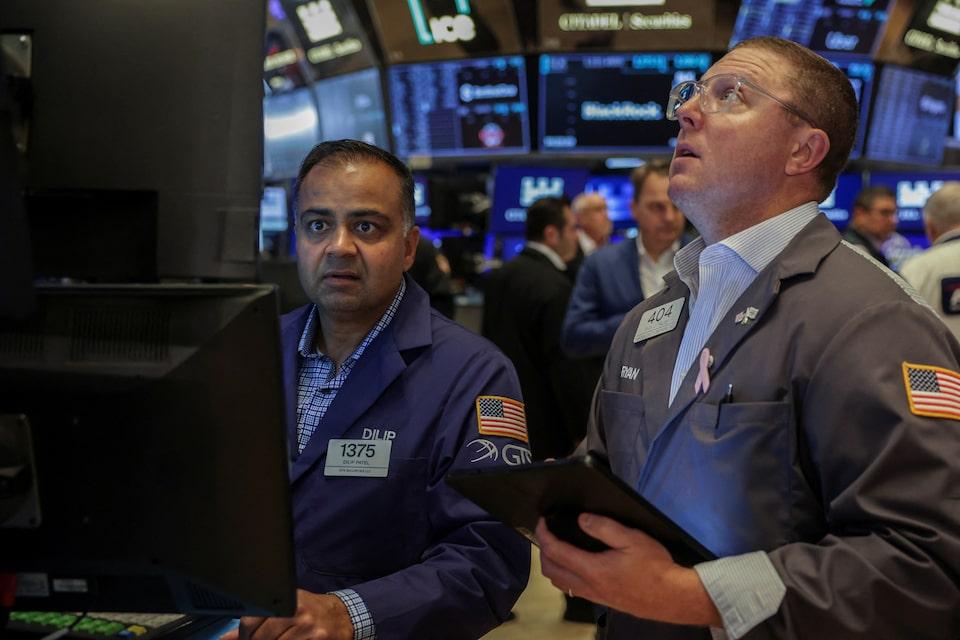
S&P 500 posts sixth record high since June 27 Nasdaq has six best finishes in last seven sessions Chip stocks jump after TSMC's record quarterly profit Consumer-facing PepsiCo, United Airlines rise on outlook Indexes up: Dow 0.52%, S&P 500 0.54%, Nasdaq 0.74% July 17 (Reuters) - The S&P 500 (.SPX) , opens new tab stock index and the Nasdaq Composite (.IXIC) , opens new tab both finished at record highs on Thursday, as investors embraced strong economic data and earnings reports that showed American consumers remained willing to spend. The Nasdaq has ended at a record high in six of the previous seven sessions, and the S&P 500 has had six best finishes since June 27. Sign up here. The Nasdaq Composite (.IXIC) , opens new tab gained 153.78 points, or 0.74%, to 20,884.27, and the S&P 500 (.SPX) , opens new tab increased 33.66 points, or 0.54%, to 6,297.36. The Dow Jones Industrial Average (.DJI) , opens new tab also ended up, rising 229.71 points, or 0.52%, to 44,484.49. Wall Street has had a strong run since tumbling after President Donald Trump's Liberation Day tariff announcements in early April and then recovering. This week was seen as a proving ground for these gains though, with a number of key economic reports and the start of second-quarter earnings season. Economic data and corporate earnings reports "are showing that the economic backdrop is still pretty solid, and so markets have been able to grind higher this week with some data to support where we are going," said Anthony Saglimbene, chief market strategist at Ameriprise Financial. U.S. retail sales bounced back sharply in June, data showed on Thursday. Investors saw renewed economic momentum and confidence among consumers, after mixed inflation data which showed stalled producer prices and a spike in consumer inflation in the same month. Investors have been watching for signs of whether Trump's tariff policies are starting to permeate the U.S. economy. The Federal Reserve has indicated it will hold off on interest rate cuts until it can see the inflationary impact of higher import taxes. This was reiterated on Thursday by Fed Governor Adriana Kugler, who said rate cuts are on hold for now, as Trump's tariffs begin to push up consumer prices. Traders now peg the odds of a September rate cut at around 54%, with a July move nearly ruled out, according to CME's FedWatch tool. Accompanying strong retail sales was upbeat commentary from consumer-facing American companies. PepsiCo (PEP.O) , opens new tab jumped 7.5% after forecasting upbeat results, fueled by demand for energy drinks and healthier sodas, helping offset concerns about a dip in annual core profit. United Airlines (UAL.O) , opens new tab gained 3.1% after the carrier projected stronger demand since early July, offering a rare bright spot for an industry strained by Trump's budget cuts and trade tensions. Rivals Delta (DAL.N) , opens new tab and American Airlines (AAL.O) , opens new tab also climbed more than 1.4%. Technology stocks were also buoyed, in particular U.S. chipmakers, after TSMC (2330.TW) , opens new tab, the world's main producer of advanced AI chips, posted a record quarterly profit, saying demand for artificial intelligence was getting stronger. U.S.-listed shares of TSMC gained 3.4%, as Marvell (MRVL.O) , opens new tab rose 1.6% and Nvidia (NVDA.O) , opens new tab increased 1%. Ameriprise's Saglimbene said the blowout TSMC earnings bode well for chipmakers and the wider technology sector. "Before we get all the Big Tech earnings in the next week or two, you're seeing the single source of production of those (AI) chips saying their demand is very strong. So the set-up for Big Tech is pretty positive, which is why technology is leading on the day today," he added. Both the technology (.SPLRCT) , opens new tab and industrials (.SPLRCI) , opens new tab indexes finished at record highs on Thursday, although the leading sector of the nine which ended in positive territory was financials (.SPSY) , opens new tab, with a 0.9% advance. Netflix climbed 1.9%. After the bell, it reported earnings above forecasts, aided by the final season of global phenomenon "Squid Game". https://www.reuters.com/business/sp-500-nasdaq-end-fresh-record-highs-data-earnings-point-consumer-strength-2025-07-17/