2025-07-17 04:33
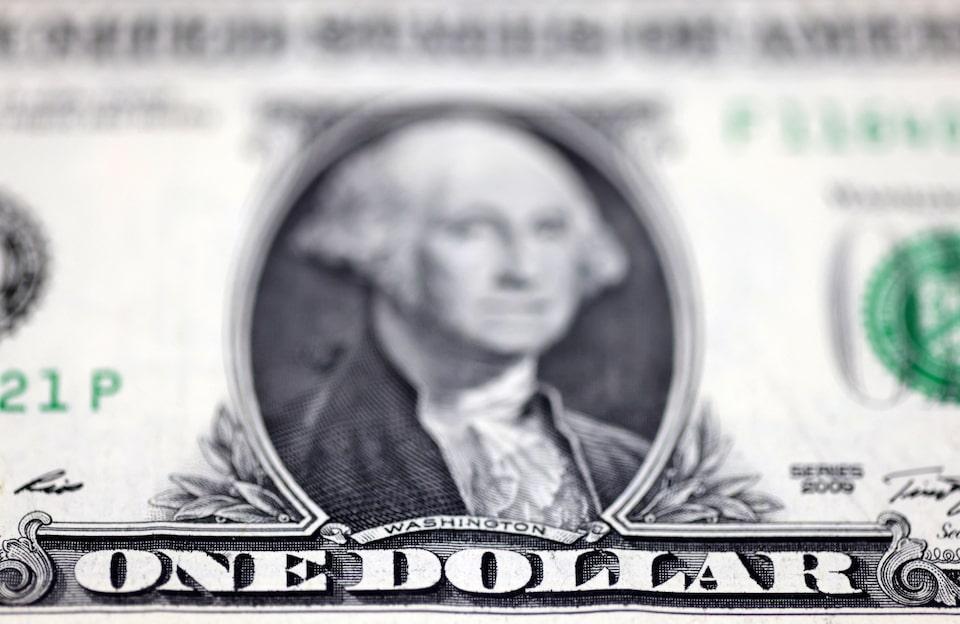
A look at the day ahead in European and global markets from Rae Wee The markets were in a calm but sombre mood on Thursday after a dramatic session on Wall Street driven by renewed uncertainty over the tenure of Federal Reserve Chair Jerome Powell. Sign up here. U.S. President Donald Trump soothed investors' nerves a bit by stating he was not planning to fire Powell, but he confirmed he floated the idea with Republican lawmakers and kept his options open, saying he would love for the Fed Chair to resign. Stocks in Asia were largely muted on Thursday while Wall Street futures fell, although European stock futures edged higher after slipping during the cash session on Wednesday. The long-running Trump-Powell saga continues to undermine the dollar, which on Thursday was on fragile footing given lingering worries over the Fed's independence. With calm mostly restored to the markets, investors have enough earnings reports and data releases on their plate to keep them distracted for now, barring any stepped-up attacks on Powell. Top of mind are results from TSMC (2330.TW) , opens new tab, the world's main producer of advanced AI chips, and streaming giant Netflix (NFLX.O) , opens new tab, both expected later in the day. TSMC, a key supplier to Nvidia (NVDA.O) , opens new tab and Apple (AAPL.O) , opens new tab, is expected to post a 52% jump in second-quarter profit to record levels, although U.S. tariffs and a strong Taiwan dollar could weigh on its outlook. As for Netflix, the bar is high for it to deliver a result that could impress investors. They are likely to focus on the company's expansion into live sports and the growth of its ad-supported tier. Over in the UK, Thursday's jobs numbers could provide further clarity on the outlook for domestic interest rates. Pay growth in Britain is expected to have slowed further in the three months to May with the unemployment rate likely to have stayed steady at 4.6%. Still, Bank of England policymakers could turn more cautious on further rate cuts this year, after data on Wednesday showed Britain's annual rate of consumer price inflation unexpectedly rose to its highest in more than a year, at 3.6% in June. The Australian dollar fell sharply in the Asian session after domestic employment rose only marginally in June, while the jobless rate jumped to its highest since late 2021. Japan's exports fell for a second straight month as sweeping U.S. tariffs took a toll on the country's manufacturers, and Canadian retailer Alimentation Couche-Tard (ATD.TO) , opens new tab pulled its $47 billion bid to buy Seven & i Holdings (3382.T) , opens new tab, citing a lack of constructive engagement by the Japanese retailer. Key developments that could influence markets on Thursday: - TSMC, Netflix earnings - British labour market data (May) - U.S. weekly jobless claims - Fed's Waller speaks Trying to keep up with the latest tariff news? Our new daily news digest offers a rundown of the top market-moving headlines impacting global trade. Sign up for Tariff Watch here. https://www.reuters.com/world/europe/global-markets-view-europe-2025-07-17/
2025-07-17 03:14
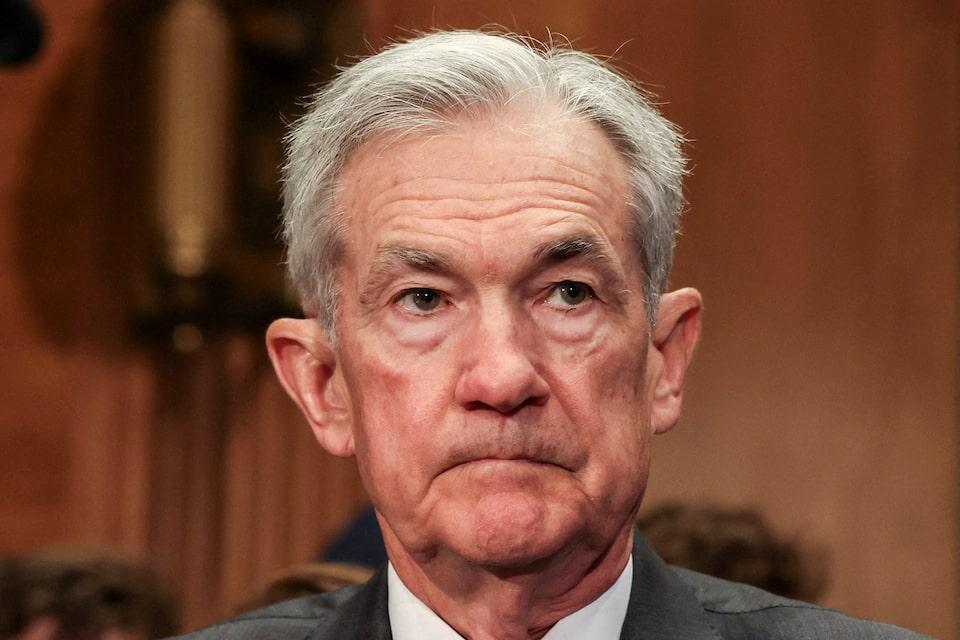
MUMBAI, July 17 (Reuters) - The Indian rupee at open on Thursday will contend with a slide in Asian peers, U.S. Federal Reserve leadership upheaval, and soft U.S. inflation data that slightly strengthened expectations of a rate cut at the Fed's September meeting. The 1-month non-deliverable forward indicated that the rupee will open flat-to-slightly weaker versus the U.S. dollar from 85.94 on Wednesday. Sign up here. The The dollar index whipsawed Thursday, dropping on speculation that President Trump would sack Fed Chair Jerome Powell, before trimming losses after the report was denied. Trump kept up his pressure on the central bank to cut rates. Trump has been vocal in his frustration with Powell for not cutting rates, which he thinks should be much lower. Trump confirmed that he had floated the idea with Republican lawmakers to fire the Fed chief. Investors were rattled last week by signals that the White House was paving the way to dismiss Powell — a move that would likely spark a sharp market backlash. ING Bank said in a note that the firing of Powell remains a low-probability event. However, Wednesday's market action showed how investors are likely to react if it does materialize - short-term U.S. yields would fall, the dollar would weaken, equities would decline, credit spreads would widen, and long-dated Treasury yields would rise, ING added. ASIA FX WEAK, SOFT US INFLATION U.S. producer prices index came in unchanged for June, compared with expectations for a 0.2% rise, while core or underlying prices were flat. The miss pushed up market odds of a Fed rate cut in September. Despite that, Asian currencies were mostly weaker on Thursday, pressured by the ongoing turmoil surrounding Fed leadership. The decline in Asian peers "may hurt the rupee at open", said a currency trader at a bank, adding that the unit remains well-supported around the 86 level based on recent price action. KEY INDICATORS: ** One-month non-deliverable rupee forward at 86.06; onshore one-month forward premium at 9.50 paise ** Dollar index up at 98.51 ** Brent crude futures up 0.4% at $68.8 per barrel ** Ten-year U.S. note yield at 4.48% ** As per NSDL data, foreign investors sold a net $20.2 million worth of Indian shares on July 15 ** NSDL data shows foreign investors bought a net $17.8mln worth of Indian bonds on July 15 https://www.reuters.com/world/india/rupee-contends-with-weak-asia-fed-leadership-speculation-2025-07-17/
2025-07-17 03:11
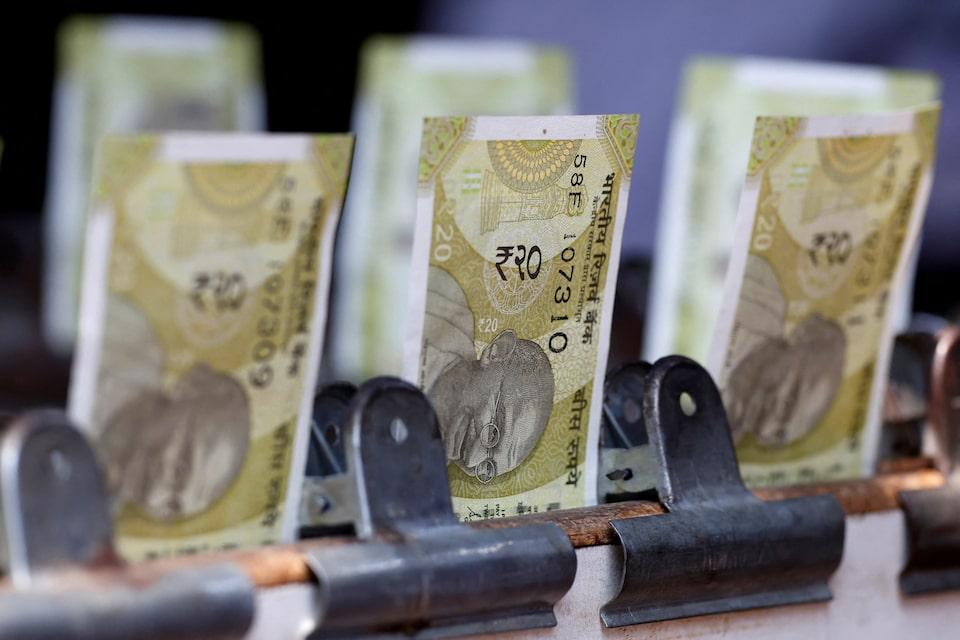
WASHINGTON, July 16 (Reuters) - U.S. President Donald Trump said on Wednesday the Transportation Department is rescinding $4 billion in U.S. government funding for California's High-Speed Rail project. "This project was severely overpriced, overrregulated, and never delivered," Trump said in a social media post. "The railroad we were promised still does not exist and never will." Sign up here. In a separate statement from Trump's, the department said there was no viable path forward for the High-Speed Rail project and it was considering potentially clawing back additional funding related to the project, calling it "grossly over budget." California officials called the action illegal. This is the latest in a series of clashes between Trump and California, including over transgender athletes, electric vehicle rules, the use of National Guard troops in Los Angeles and even over egg prices. "California is putting all options on the table to fight this illegal action," California Governor Gavin Newsom said in a statement. The Federal Railroad Administration issued a 315-page report last month citing missed deadlines, budget shortfalls and questionable ridership projections. Key issues cited include that California had not identified $7 billion in additional funding needed to build an initial 171-mile segment between Merced and Bakersfield and the project has not begun laying track. The California High-Speed Rail System is a planned two-phase 800-mile (1,287 km) system with speeds of up to 220 miles per hour that aims to connect San Francisco to Los Angeles and Anaheim, and in the second phase, extend north to Sacramento and south to San Diego. The entire San Francisco-to-Los Angeles project was initially supposed to be completed by 2020 for $33 billion, but has now jumped from $89 billion to $128 billion. "Canceling these grants without cause isn’t just wrong — it’s illegal," said California High-Speed Rail Authority CEO Ian Choudri. "These are legally binding agreements, and the Authority has met every obligation ... This is no time for Washington to walk away on America's transportation future.” The authority added the project "is fast approaching the track-laying phase, with 171 miles under active construction and design, 15,500 jobs created, and more than 50 major structures completed." Newsom currently has a budget proposal before the legislature to extend at least $1 billion per year in funding for the next 20 years "providing the necessary resources to complete the project’s initial operating segment." In a post on social media platform X, Transportation Secretary Sean Duffy said "Newsom and California's high-speed rail boondoggle are the definition of government incompetence and possibly corruption." Newsom responded to the post, "Won't be taking advice from the guy who can't keep planes in the sky." Voters approved $10 billion for the project in 2008. The Transportation Department under former President Joe Biden awarded the project about $4 billion. In 2021, Biden restored a $929 million grant for California's high-speed rail that Trump had revoked in 2019 after the Republican president called the project a "disaster" and the state successfully sued. https://www.reuters.com/world/us/trump-says-he-is-ending-government-funding-californias-high-speed-rail-project-2025-07-16/
2025-07-17 02:46
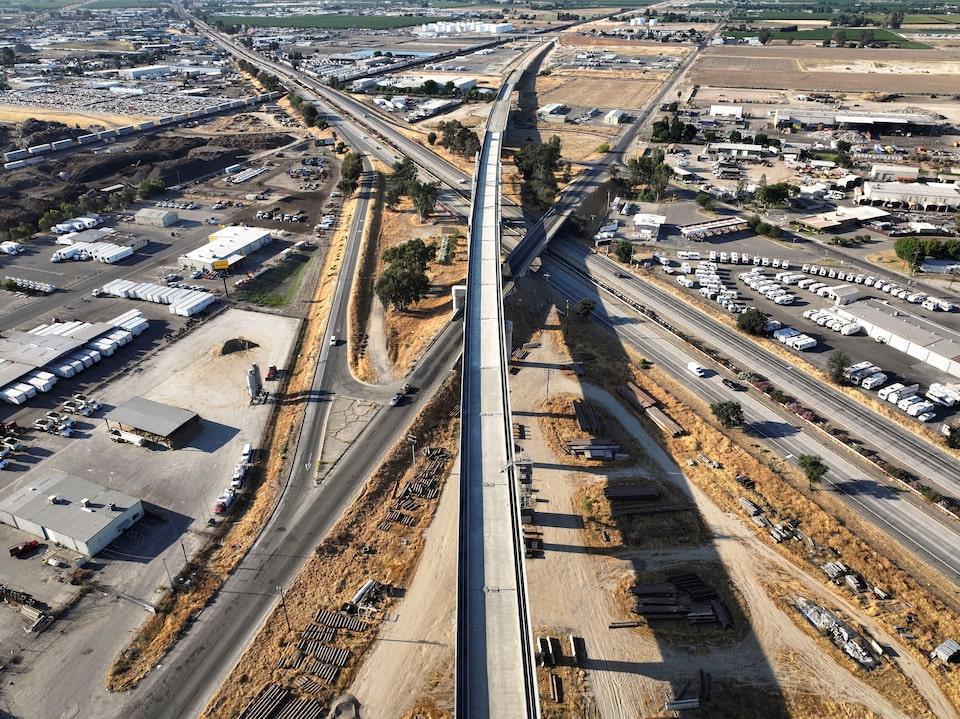
Jobless rate hits 4.3% in June, highest since Nov 2021 That is what RBA expected to be the peak in the cycle Employment +2,000 in June, after a drop of 1,100 in May SYDNEY, July 17 (Reuters) - Australian employment rose only marginally in June as the jobless rate jumped to the highest since late 2021, showing perhaps the first crack in what had been an unusually resilient labour market and adding to the case for a rate cut next month. Investors sent the Australian dollar down 0.7% to $0.6480, the lowest in over three weeks. Three-year government bond yields slid 10 basis points to 3.386% as markets ramped up bets for an August rate cut to 85% from 76% previously. Sign up here. Figures from the Australian Bureau of Statistics out on Thursday showed net employment rose 2,000 in June from May, when it fell by an upwardly revised 1,100. That was well short of market forecasts for a 20,000 increase, though the series has been volatile in recent months. Most importantly, the jobless rate popped up to 4.3%, from 4.1%, the highest since November 2021 and a jolt after months of stable readings. The Reserve Bank of Australia was expecting the unemployment rate to peak at 4.3% by the end of the year. "While we’re still not ringing the alarm bells, June’s slackening is another good reason for the RBA to get a wriggle on with rate cuts," said Harry Murphy Cruise, head of economic research at Oxford Economics Australia. "Looking ahead, the labour market has a number of challenges nipping at its heels. First and foremost, President Trump’s tariffs are weighing on business investment and prompting some firms to rethink hiring plans." The labour market had proven unexpectedly resilient even as the economy overall barely grew. That was a reason that the RBA shocked markets earlier this month and held interest rates steady at 3.85%, having cut them twice this year. It is still not convinced inflation has been tamed, and is waiting for confirmation from the third quarter consumer price data due at the end of July. So far, the reductions in interest rates have done little to spur consumers into spending, and economic growth has stayed subdued. Details of the Thursday's report were weak. Full-time jobs dropped 38,200 in June, while hours worked fell back 0.9% after a sharp rise in May. The participation rate ticked up to 67.1%. That was somewhat at odds with leading indicators such as job vacancies, which showed signs of steadying after falling from their peaks in 2022, up 2.9% in the May quarter. Private sector data for June also showed job ads rebounded to one-year highs. "There are clear signs of deceleration emerging in the labour market. This calls into question the RBA’s decision to prioritise inflation over growth and jobs at its meeting earlier this month," said Tony Sycamore, analyst at IG. "The RBA will no doubt be keen to make amends at its meeting in August." https://www.reuters.com/world/asia-pacific/australia-unemployment-rate-climbs-3-12-year-high-june-2025-07-17/
2025-07-17 01:43
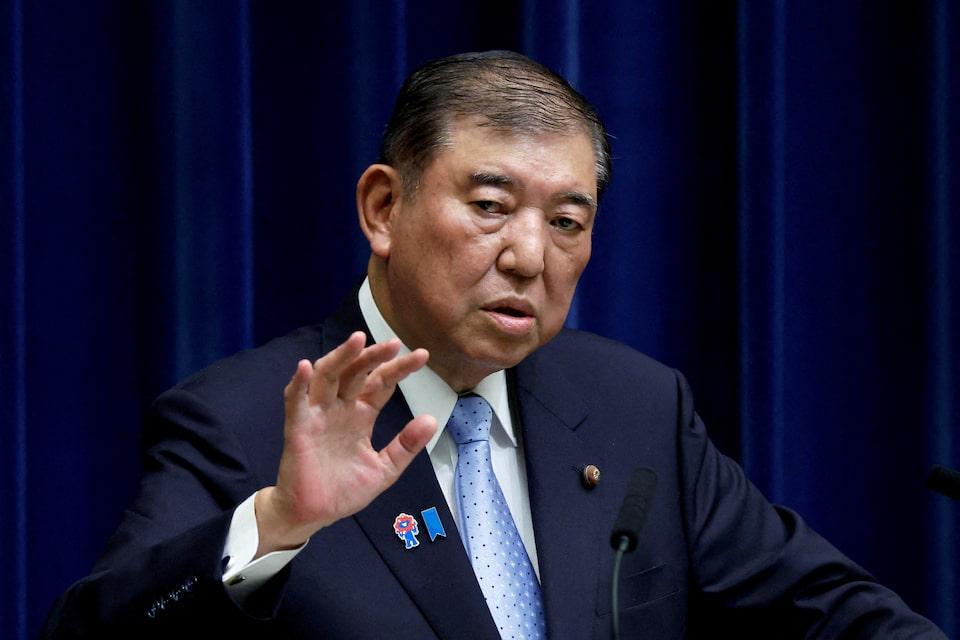
July 17 (Reuters) - Japan's Liberal Democratic Party ruling coalition may lose its majority in the upper house in an election on Sunday, which could heighten calls for the government to boost spending and cut tax. Here is a guide on how the election outcome could affect Japan's fiscal and monetary policy: Sign up here. LOOMING POLITICAL UNCERTAINTY Recent media polls show the LDP coalition could lose its majority, heightening the risk of political instability when the country is struggling to strike a trade deal with the U.S., and stoking fears of an increase in debt. Japan's debt burden is the highest in the developed world at about 250% of GDP. Prime Minister Shigeru Ishiba is regarded as a fiscal hawk, but concern over possible increased spending by parties to ensure political support on Tuesday pushed up bond yields to multi-decade highs. Yields may rise further if the chance of big spending or a sales tax cut increases. WOULD JAPAN HAVE A NEW PRIME MINISTER? If the election loss is small, Ishiba could remain prime minister and seek opposition parties' cooperation to pass bills through parliament. Faced with a big defeat, Ishiba could step down and his party will hold a leadership race to choose a successor. Depending on the extent of loss, there is a slim chance a new premier could be chosen from an opposition party. WOULD JAPAN SEE BIGGER SPENDING? Regardless of the election outcome, Japan will increase spending as Ishiba has pledged to offer cash payouts to households to ease the cost of living. The estimated 3.5 trillion yen ($23.6 billion) in payouts will be funded by tax revenues. But spending may balloon if the LDP coalition suffers a big loss, as it would heighten calls from within the party and opposition forces to take bolder steps to cushion rising living costs. Some analysts expect Japan to compile an extra budget around autumn this year to fund spending of at least 10 trillion yen, which will likely require additional debt issuance. HOW LIKELY IS A CUT TO JAPAN'S SALES TAX RATE? Japan's sales tax rate is set at 10%, except for food items at 8%. Ishiba has shunned opposition calls to slash the sales tax, which funds social welfare costs for a rapidly ageing population. An election defeat could force Ishiba to cut sales tax, which would leave a huge hole in Japan's finances. Excluding proceeds from debt issuance, the sales tax is Japan's biggest source of revenue. In fiscal 2025, it collected 25 trillion yen, or 21.6% of total budget. Analysts say halving the tax rate would cut revenues by over 10 trillion yen. A sales tax cut will require passing legislation through parliament, so will not take place until April at the earliest. WHAT WOULD BE JAPAN'S WORST-CASE SCENARIO? A worst-case scenario is a credit rating downgrade on Japan's sovereign debt, which could trigger a triple selling of bonds, yen and Japanese stocks - and boost the cost of dollar funding for Japanese banks. Moody's Ratings has said an increase in tax cut pressure could be negative for Japan's rating depending on the size and duration of the cut. It rates Japan A1, the fifth-highest level. HOW WOULD THE ELECTION OUTCOME AFFECT BOJ POLICY? The ruling coalition has given a quite nod to gradual interest rate hikes, as has the biggest opposition Constitutional Democratic Party of Japan. If the clout of other smaller opposition parties increases, the BOJ could come under pressure to go slow in rate hikes. But the BOJ's long-term rate hike path is unlikely to be affected unless Ishiba is replaced by vocal advocates of bold monetary easing like Sanae Takaichi, who Ishiba narrowly defeated in a LDP leadership race last year. ($1 = 148.1800 yen) https://www.reuters.com/world/how-could-japans-election-affect-economic-policy-2025-07-17/
2025-07-17 00:56
Investors focus on tariffs and Japan's political shift Japan's exports fall amid tariff tensions with U.S. Concerns over Fed independence and dollar stability rise TOKYO, July 17 (Reuters) - The yen slid on Thursday as concerns mounted over a pivotal election in Japan and a still elusive trade deal with the U.S. to avoid a punishing rise in tariffs. Japan's currency traded near a one-year low against the euro as polls showed Prime Minister Shigeru Ishiba's coalition was in danger of losing its majority in the upper house. The U.S. dollar staged a meagre recovery after U.S. President Donald Trump denied he was planning to fire Federal Reserve Chair Jerome Powell. Sign up here. Japan's top trade negotiator held a phone call with U.S. Commerce Secretary Howard Lutnick on tariffs, as data showed the Asian nation's exports were starting to feel the impact of tariffs with shipments down for a second straight month. "With the elections, the tariffs, the overall relationship between Japan and the U.S., I do think there is some reason to sell the yen," said Bart Wakabayashi, Tokyo branch manager at State Street. "The election seems to be a key point in the foreign view of the currency at the moment." Investors remain focused on tariffs ahead of an August 1 deadline when many trading partners face higher trade levies. Japan failed to clinch a deal with the U.S. before the July 9 expiration of the temporary pause on the country-specific tariffs. Overseas shipments from the world's fourth-largest economy dropped 0.5% in June year-on-year in value terms, data showed on Thursday. The nation's chief trade negotiator Ryosei Akazawa held a 45-minute phone call with Lutnick following comments by Trump that the U.S. would likely keep 25% tariffs on Japan unless the countries agree on a trade deal. Domestic reported that Prime Minister Ishiba is arranging to meet U.S. Treasury Secretary Scott Bessent in Tokyo on Friday, where the two sides may discuss trade. Ishiba must also contend with an election on Sunday, where polls are signalling a poor showing for his coalition, which could heighten calls for the government to boost spending and cut taxes. The yen slid 0.4% to 148.44 to the dollar after touching the weakest since April 3 in the previous session. The Japanese currency weakened 0.3% to 172.58 per euro, after touching 173.24 on Wednesday, the weakest since July 12, 2024. The greenback rebounded after declines against the yen and euro on Wednesday on investor worries that removing the Fed chief before his term ends in May 2026 would undermine faith in the U.S. financial system. A more dovish Fed could lead to a return of inflation and negative real yields on Treasuries, said Mahjabeen Zaman, head of foreign exchange research at ANZ. "If that comes to fruition, you're going to see a much weaker dollar than we're already expecting," Zaman said in an ANZ podcast. "Such an event, if that even does happen, it will raise questions for Fed independence and credibility, so I think it's only going to be an increase in volatility." Trump has railed against Powell for months for not easing rates, which he says should be at 1% or lower. Bloomberg reported that the president is likely to fire Powell soon, and a source told Reuters that Trump polled some Republican lawmakers on firing Powell and received a positive response. Trump said that the reports were not true. "I don't rule out anything, but I think it's highly unlikely unless he has to leave for fraud," Trump said, a reference to recent White House and Republican lawmaker criticism of cost overruns in the $2.5 billion renovation of the Fed's historic headquarters in Washington. The dollar index , which measures the greenback against major peers, rose 0.1% to 98.466 after a 0.3% slide on Wednesday. The euro stood at $1.1626 , down 0.1%, while sterling edged 0.2% lower to $1.3395 . The Australian dollar slid after jobs data badly missed forecasts and unemployment hit highs not seen since late 2021. The Aussie fetched $0.6491 , down 0.6%. New Zealand's kiwi dollar lost 0.3% to $0.5929 . https://www.reuters.com/world/middle-east/dollar-shaky-ground-markets-fret-about-fed-independence-2025-07-17/