2025-07-16 13:42
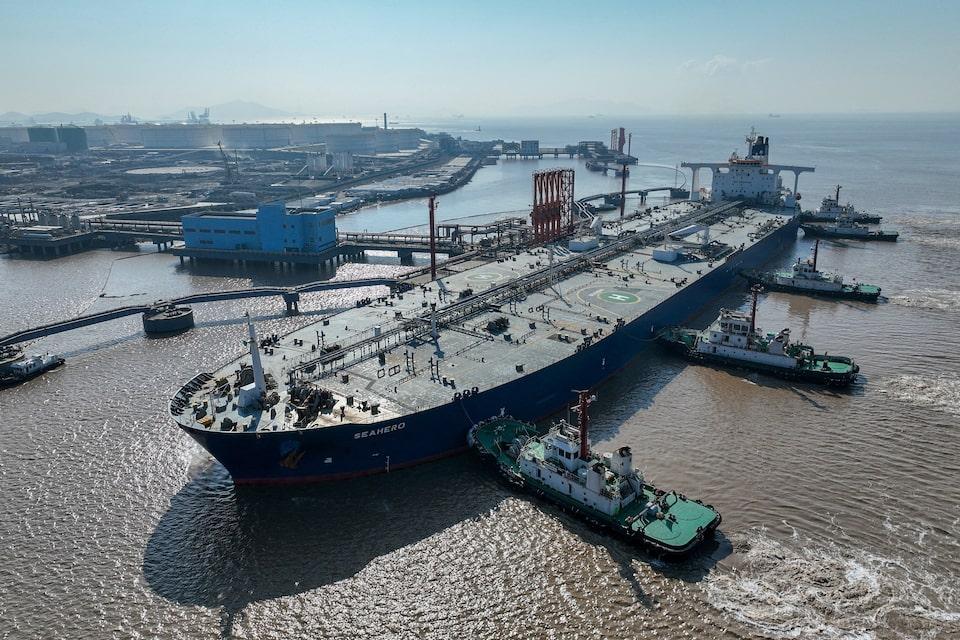
NEW DELHI, July 16 (Reuters) - India's oil imports from Russia rose marginally in the first half of this year, with private refiners Reliance Industries Ltd (RELI.NS) , opens new tab and Nayara Energy making almost half of the overall purchases from Moscow, according to data provided by sources. India, the world's third-largest oil importer and consumer, received about 1.75 million barrels per day of Russian oil in January-June this year, up 1% from a year ago, the data showed. Sign up here. The two private refiners have term deals to buy Russian oil, while state companies rely on purchases from the spot market. India's purchases of Russian oil sold at discounted rates surged after Western nations imposed sanctions and stopped buying oil from Moscow over its invasion of Ukraine in 2022. Earlier this week, U.S. President Donald Trump threatened sanctions on buyers of Russian exports unless Moscow agrees a peace deal within 50 days. Indian refiners expect that any move by Trump is unlikely to disrupt oil supplies but could wipe out the thinning discount on Russian crude, as traditional and new suppliers ramp up output, refinery officials told Reuters. In January-June, Russia continued to be the top supplier to India, accounting for about 35% of India's overall supplies, followed by Iraq, Saudi Arabia, and United Arab Emirates. The United States was the fifth-largest oil supplier to India, up from the sixth position it held a year earlier, the data showed. India plans to raise energy imports from the U.S. as it prepares for a trade deal with Washington to avoid stiff U.S. import tariffs. Overall, India's oil imports in January-June rose by 4.3% to about 5.2 million bpd, the data showed. In June, India's Russian oil imports rose 17.4% to about 2 million bpd from the previous month, dragging down the share of Middle Eastern producers and the Organization of the Petroleum Exporting Countries. https://www.reuters.com/business/energy/indias-russian-oil-imports-up-slightly-january-june-data-shows-2025-07-16/
2025-07-16 12:26
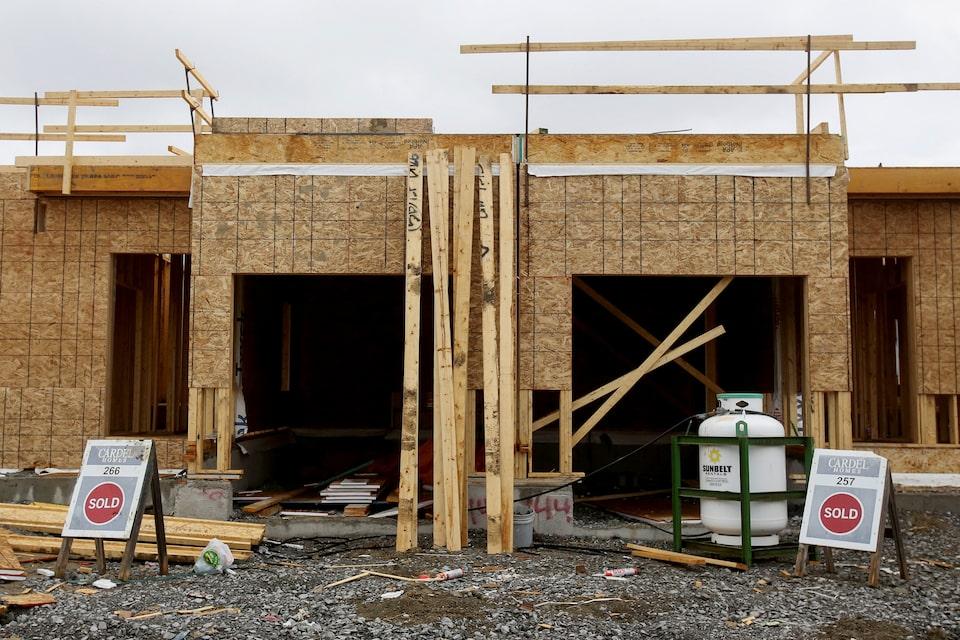
July 16 (Reuters) - Canadian housing starts posted a surprise increase in June, rising 0.4% from May, data from the national housing agency showed on Wednesday. The seasonally adjusted annualized rate of housing starts rose to 283,734 units from a revised 282,705 units in May, the Canadian Mortgage and Housing Corporation (CMHC) said. Economists had expected starts to fall to 259,000. Sign up here. (This story has been corrected to revise the units figure in May in paragraph 2) https://www.reuters.com/world/americas/canadian-housing-starts-post-surprise-04-rise-june-2025-07-16/
2025-07-16 12:23
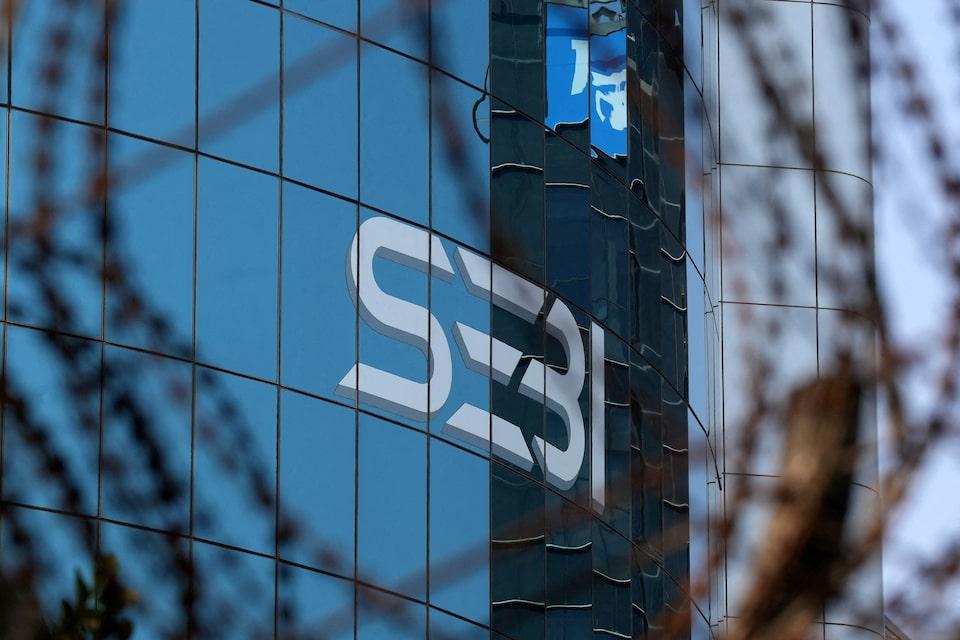
July 16 (Reuters) - India's markets regulator on Wednesday proposed to mandate that asset management companies use spot prices published by domestic commodity exchanges to value gold and silver. To increase transparency on the polled price for the spot market of gold and silver, Securities and Exchange Board of India, in a consultation paper, also proposed that the price polling mechanism should be made public. Sign up here. SEBI said the proposed changes are expected to bring uniformity in valuation of gold and silver throughout the mutual fund industry, and for investments made by the gold and silver exchange traded funds. It has sought feedback by August 6. The proposals are being made during a period of increased interest in safe-haven assets due to ongoing global trade uncertainties. Gold ETFs in India saw a ten-fold month-on-month jump in inflows to 20.81 billion rupees ($242.1 million) in June, hitting a five-month high. ($1 = 85.9580 Indian rupees) https://www.reuters.com/sustainability/boards-policy-regulation/india-markets-regulator-mulls-mandating-asset-managers-use-domestic-gold-silver-2025-07-16/
2025-07-16 12:20
Shares rise 15% as ether extends gains Bitmine raised $250 mln to add ether to balance sheet July 16 (Reuters) - Bitmine Immersion Technologies (BMNR.A) , opens new tab shares jumped nearly 15% in early trading on Wednesday after tech billionaire Peter Thiel disclosed a 9.1% stake in the crypto mining and services company. Thiel has publicly praised bitcoin, a currency based on blockchain technology, and his Silicon Valley venture capital firm Founders Fund was among the early investors in the digital currency. Sign up here. The stake, which would make the Palantir (PLTR.O) , opens new tab co-founder the biggest investor in Bitmine based on the latest data, was revealed in a regulatory filing after markets closed on Tuesday. Bitmine shares were trading at $46.07, also boosted by bitcoin hovering near record highs and ether hitting a five-and-a-half month high. The stock has gained more than five-fold so far this year through last close, compared with the nearly 27% gain in bitcoin. The company held about 154 bitcoins as of June 6 and 163,142 ether as of , opens new tab July 14 , opens new tab on its balance sheet, collectively worth about $535.5 million at current prices. In June, Bitmine announced a $250 million private placement to start an ethereum treasury strategy and said Fundstrat Global Advisors head of research, Thomas Lee, would serve on its board. The $2 billion market value firm engages in proprietary bitcoin mining and provides hosting services for third-party digital asset mining equipment. A few other small-cap companies such as SharpLink (SBET.O) , opens new tab, Bit Digital have added ether to their corporate treasuries, mirroring MicroStrategy's (MSTR.O) , opens new tab high-profile bitcoin strategy. Ether has doubled in value in the past three months amid growing institutional interest in the cryptocurrency. https://www.reuters.com/business/bitmine-immersion-jumps-after-palantir-co-founder-peter-thiels-stake-reveal-2025-07-16/

2025-07-16 12:15
LONDON, July 16 (Reuters) - Egypt's Finance Minister Ahmed Kouchouk said on Wednesday he is confident Egypt is hitting targets set by the International Monetary Fund over the country's $8 billion loan programme and expects the next review to be completed by September or October. The fund announced earlier this month that it would combine the fifth and sixth reviews of Egypt's support program to give authorities more time to meet critical objectives of its economic reform program. Sign up here. "Both sides, are working on the expectation that this should be happening in September, October," Kouchouk said on the sidelines of an event at the London Stock Exchange. "The IMF is after certain targets - and that's what's important." A successful agreement on a review and subsequent sign off by the Fund's executive board triggers payment of a tranche. Kouchouk also said he expected the government to complete three to four privatisation transactions before the end of the current financial year that started earlier this month. The IMF has made increasing the role of the private sector in the economy a requirement of an expanded $8 billion loan, and Egypt's cabinet said earlier this year it would offer stakes in military-owned companies through its sovereign wealth fund to help comply with the Fund's requirements. "It will be across a lot of sectors, but we have shared also a very strategic plan, a medium-term plan with the international institutions, including the IMF and others, with a very clear, visible timeline," added Kouchouk. https://www.reuters.com/world/africa/egypt-finance-minister-expects-combined-imf-review-be-completed-by-october-2025-07-16/

2025-07-16 12:00
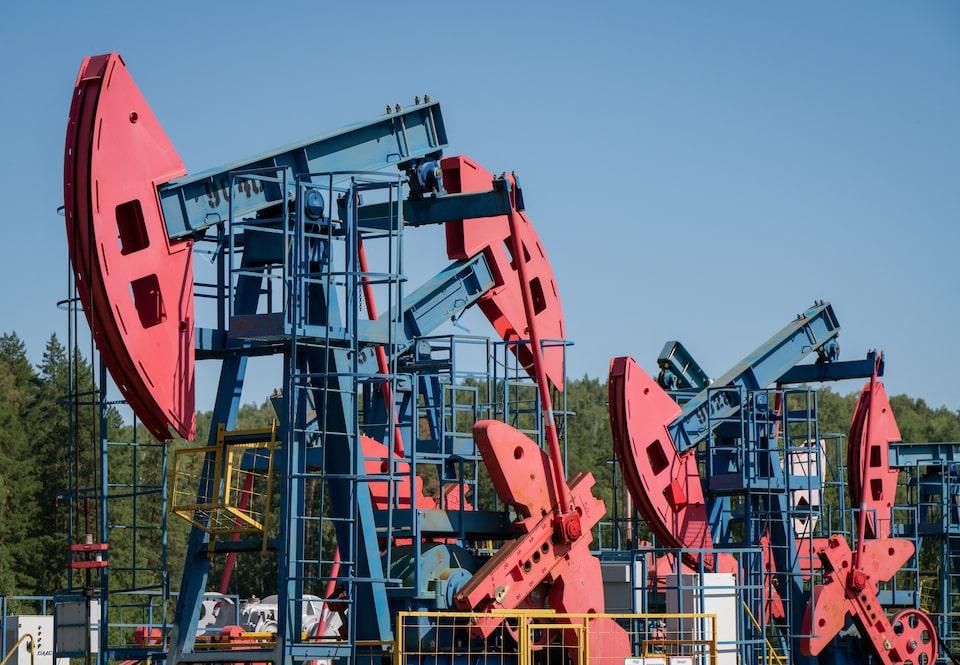
LAUNCESTON, Australia, July 16 (Reuters) - China accelerated the pace at which it is building crude oil stockpiles in June as the strongest imports in almost two years outweighed a rise in refinery processing. China's surplus crude amounted to 1.42 million barrels per day (bpd) in June, up from 1.40 million bpd in May and the fourth straight month above the 1 million bpd level, according to calculations based on official data. Sign up here. For the first half of 2025 China's surplus crude amounted to 1.06 million bpd, as strong second quarter oil imports overcame a soft start to the year. The volume of crude flowing into inventories gives Chinese refiners options in coming months, as they can choose to trim imports if they deem that oil prices have risen too quickly as a result of the Israel-Iran conflict last month. China does not disclose the volumes of crude flowing into or out of strategic and commercial stockpiles, but an estimate can be made by deducting the amount of oil processed from the total of crude available from imports and domestic output. Refiners processed 15.15 million bpd in June, according to Reuters calculations based on official data released on Tuesday, up 8.8% from May and the highest rate since September 2023. The world's largest importer of crude oil saw arrivals of 12.14 million bpd in June, the highest daily rate since August 2023, and up 7.1% from May. Domestic oil production was 4.43 million bpd in June, up from 4.35 million bpd in May. Putting June imports and domestic output together gives a total of 16.57 million bpd of crude available to refiners, leaving a surplus of 1.42 million bpd once refinery throughput of 15.15 million bpd is subtracted. It is worth noting that not all of this surplus crude is likely to have been added to storage, with some being processed in plants not captured by the official data. But even allowing for gaps in the official data, it is clear that from March onwards China has been importing crude at a far higher rate than it needs to meet its domestic fuel requirements. PRICE MOVES China has built up a track record of importing more crude than it needs when it believes prices are low, but pulling back when prices rise. The surge in imports in the second quarter came against a backdrop of declining crude prices when the cargoes would have been arranged. Global benchmark Brent futures dropped from a high of $75.47 a barrel on April 2 to a four-year low of $58.50 on May 5, a period during which cargoes that arrived in the second quarter would have been secured. Conversely, China's soft crude imports in the first quarter came after prices were rising during the window when those cargoes would have been bought. Brent went from a low of $70.85 a barrel on December 6 to a six-month high of $82.63 on January 15, meaning China's refiners were facing rising import costs for cargoes arriving in the first quarter. Brent prices have been volatile in recent weeks amid the brief conflict between Israel and Iran in June, which was later joined by the United States. Brent reached a six-month high of $81.40 a barrel on June 23 and has since moderated to end at $68.71 on Tuesday, as concern mounts over the global economic impact of the higher import tariffs promised by U.S. President Donald Trump. This volatility may result in China's refiners easing back on import volumes in August and September, but much still depends on whether the June spike remains a brief blip higher amid an overall declining price trend. Enjoying this column? Check out Reuters Open Interest (ROI), your essential new source for global financial commentary. ROI delivers thought-provoking, data-driven analysis of everything from swap rates to soybeans. Markets are moving faster than ever. ROI can help you keep up. Follow ROI on LinkedIn , opens new tab and X , opens new tab. The views expressed here are those of the author, a columnist for Reuters. https://www.reuters.com/markets/commodities/chinas-surplus-crude-oil-surges-june-giving-refiners-options-2025-07-16/