2026-01-24 02:26
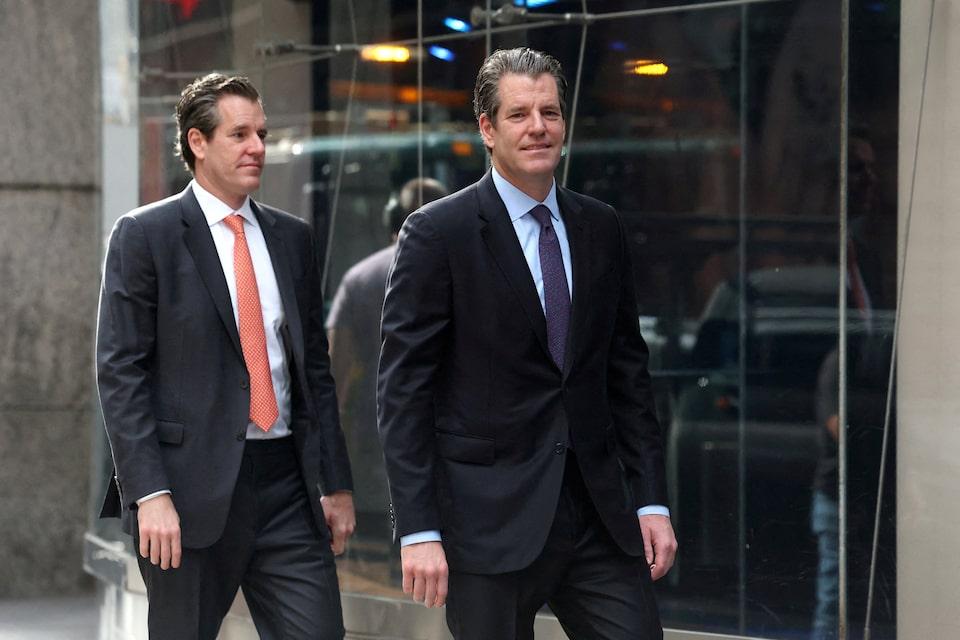
Jan 23 (Reuters) - The U.S. Securities and Exchange Commission on Friday agreed to dismiss its enforcement case against a cryptocurrency exchange founded by billionaire twins Tyler and Cameron Winklevoss, after investors in its lending program recovered their assets in full. The SEC and the exchange now known as Gemini Space Station (GEMI.O) , opens new tab filed a joint stipulation , opens new tab in federal court in Manhattan to dismiss the case, citing the complete return of crypto assets to Gemini Earn investors through the Genesis Global Capital bankruptcy process between May and June 2024. Sign up here. The financial regulator had decided to resolve the lawsuit last year. The SEC has shifted its approach to crypto enforcement under U.S. President Donald Trump, who has promised to be the "crypto president," bringing in more favorable rules and pledging to popularize mainstream use of digital currencies. Gemini did not immediately respond to a Reuters request for comment outside regular business hours. In 2023, the SEC charged Genesis Global Capital and Gemini Trust Company with illegally selling securities to hundreds of thousands of investors through their crypto lending program. Gemini customers who participated in the Gemini Earn program loaned their crypto to Genesis and were paid interest on their loaned assets. The total value of the Gemini Earn assets was $940 million when Genesis froze customer accounts in November 2022, Gemini previously said. Unlike other crypto companies that went bankrupt after a 2022 market crash, Genesis was able to return customers' crypto to them rather than liquidating a limited pool of assets and paying them back in cash. After "the 100 percent in-kind return of Gemini Earn investors' crypto assets through the Genesis Bankruptcy and the settlements ... the Commission believes the dismissal of the claims against Defendant is appropriate," according to the court document filed on Friday. The SEC emphasized that its decision to seek dismissal does not reflect its position on any other case. Gemini last year made a strong debut on Nasdaq, underlining the rapid institutional adoption that has renewed investor optimism for digital assets. The exchange is currently valued at $1.14 billion according to data provided by LSEG. https://www.reuters.com/business/finance/sec-agrees-dismiss-case-over-crypto-lending-by-winklevoss-gemini-2026-01-24/
2026-01-24 00:03
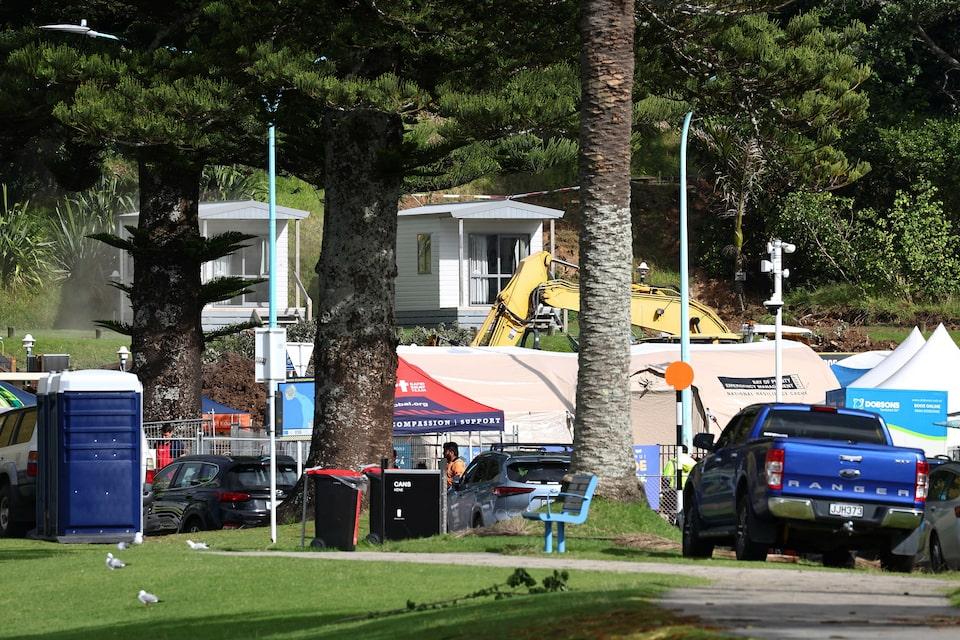
SYDNEY, Jan 24 (Reuters) - New Zealand authorities said on Saturday they were working to identify victims of a landslide that hit a busy campground on the country's North Island, after human remains were found overnight. Six people, including two teenagers, were presumed dead after heavy rains triggered Thursday's landslide at Mount Maunganui on the island's east coast, bringing down soil and rubble at the site in the city of Tauranga, crowded with families on summer holidays. Sign up here. Rescue efforts have ceased and a recovery operation is under way, police said, adding that it was unlikely any of those missing were still alive. No signs of life have been detected from the rubble since voices were heard by first responders on Thursday, according to police. Chief Coroner Anna Tutton said her office was now working to identify victims. “I can’t say how long the identification process will take - but I give my absolute assurance that we will work very carefully," Tutton said in a statement. Prime Minister Christopher Luxon said it was "devastating to receive the news we have all been dreading". "To the families who have lost loved ones - every New Zealander is grieving with you," Luxon posted on X. The prime minister visited the site on Friday and met with families of the victims. Thirty-five crew, assisted by heavy machinery, were removing debris on Saturday after a partial slip in a section of the search area on Friday evening, Fire and Emergency New Zealand said. Heavy rain forecast for the area on Saturday could present further challenges, and the work crew might have to withdraw from the search area for their safety, Fire and Emergency official Megan Stiffler said in a statement. The heavy rain this week unleashed another landslide in the neighbouring suburb of Papamoa, killing two. https://www.reuters.com/business/environment/safety-fears-hamper-new-zealand-rescue-work-after-landslide-2026-01-24/
2026-01-23 23:46
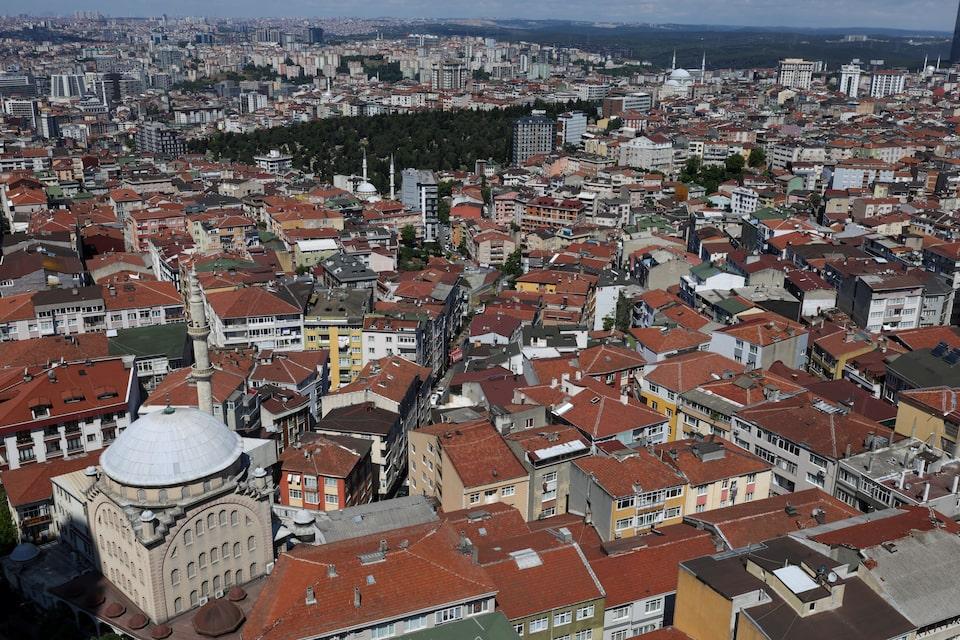
Jan 23 (Reuters) - Global credit ratings agency Fitch revised Turkey's outlook to "positive" from "stable" on Friday and affirmed its long-term foreign-currency rating at 'BB-', citing a faster-than-expected buildup in foreign exchange reserves that has reduced external vulnerabilities. This is the first positive action by Fitch since it upgraded Turkey to 'BB-' in September 2024. Sign up here. Gross foreign exchange reserves rose to $205 billion in mid-January, up from $155 billion at the end of 2024. Net reserves, excluding swaps, recovered to $78 billion from a low of negative $66 billion in early 2024, driven by lower dollarization and capital inflows, as well as rising gold prices, Fitch said. "Turkey's strengthened reserves and disciplined policies reflect meaningful progress in reducing economic vulnerabilities," Fitch , opens new tab said in its report. The decision highlights Turkey's efforts to mitigate past structural weaknesses, including high inflation and external financing pressures. However, political risks and high debt servicing needs remain points of concern. Turkey's central bank recently delivered a smaller-than-expected 100-basis-point rate cut to 37%, indicating caution in addressing inflation risks amidst pressure on living costs. Annual inflation dipped to 30.89% in December, slightly below expectations, though food prices still rose 28.31% annually while education and housing costs surged above 49%. President Tayyip Erdogan defended the government's "comprehensive reforms" to stabilize inflation, while manufacturers warned that tight monetary policies have weighed on production. Turkey projects inflation to reach 16% by the end of 2026 and decline to 9% by 2027. Economists in a Reuters poll forecast a more modest decline, expecting inflation at 23% by 2026 and a policy rate of 28% by year-end. https://www.reuters.com/world/middle-east/fitch-upgrades-turkeys-outlook-positive-amid-rising-reserves-economic-reforms-2026-01-23/
2026-01-23 23:17
Heavy snow and ice converging with Arctic blast Travel disruptions, widespread power outages expected At least 14 governors declare weather emergencies Record-low temperatures likely in some regions Jan 23 (Reuters) - Snow fell over parts of Texas, Oklahoma and Kansas on Friday in a frosty prelude to a monster winter storm expected to converge with bitter Arctic cold and engulf much of the United States over the weekend from the Rockies to the Eastern Seaboard. Forecasts called for heavy snow, sleet and freezing rain, accompanied by dangerously frigid temperatures, to sweep the eastern two-thirds of the nation, threatening to upend travel and spawn widespread power outages. Sign up here. At least 14 states and the District of Columbia declared weather emergencies as of Friday morning, and major U.S. airlines warned passengers to stay alert for abrupt flight changes and cancellations. "This is a mean storm," said Jacob Asherman, a meteorologist at the U.S. Weather Prediction Center in Maryland, calling it the biggest so far this season in terms of intensity and scope. 'CATASTROPHIC' ICE STORM Government warnings and advisories for winter storm conditions, ice storms and extreme cold were posted from the southern Rockies east to the mid-Atlantic Coast and New England, encompassing well over 200 million Americans. Snowfall totals were likely to exceed a foot in the hardest-hit areas of the Rockies, the Plains, the mid-Atlantic and the Northeast, according to the National Weather Service. Along the southern fringe of the storm's snow belt, sleet and freezing rain were expected to glaze the southern Plains, the lower Mississippi Valley, Tennessee Valley and the Southeast with "catastrophic" ice accumulations, forecasters said. The worst was predicted for parts of Louisiana, Mississippi and Tennessee, where ice up to an inch thick was likely to coat tree limbs, power lines and roadways, Asherman said. TWO STREAMS OF MOISTURE Snow began to fall on Friday over the southern-central Plains and was expected to expand eastward across a broad front, fed by two streams of dense moisture - one blowing in from the Pacific and one welling up from the Gulf of Mexico. At the same time, a zone of near-record high pressure was migrating out of the Rockies, pulling an Arctic air mass into the U.S. combined with gusty winds, Asherman said. By Friday, life-threatening wind-chill readings had plunged to below minus 50 degrees Fahrenheit (minus 45 degrees Celsius) in the Dakotas and Minnesota, he said, warning that exposure to such cold without proper clothing "can lead to hypothermia very, very quickly." "Even in areas where you expect cold weather in January, this is a really dangerous Arctic blast," Asherman said. Sub-zero conditions were expected to reach as far south as the southern Plains, lower-Mississippi Valley, Ohio Valley and mid-Atlantic into early next week, shattering some record-low temperatures in those regions, forecasters said. Officials warned that the bone-chilling cold and ice were likely to cause major travel and power disruptions in some areas unaccustomed to heavy winter weather. 'TREACHEROUS VERY QUICKLY' "Dallas could see a half-inch of ice," said Brandon Buckingham, a meteorologist with private forecasting company AccuWeather. "This is going to become treacherous very quickly." Residents should prepare for "power outages lasting at least several days" in areas where ice accumulates, even though the storm is expected to dissipate by early Monday, Buckingham said. In Oklahoma City, which could see up to 12 inches of snow and a glaze of ice before the weekend is over, Morgan Mayo, a manager at the Not Your Average Joe cafe, said customers were packing in on Friday morning to escape the frigid outdoors, where the low hit 8 degrees Fahrenheit on Friday. "We're going to do our darndest to stay open," even on Saturday, when the high was expected to be just 10 degrees, Mayo said. "We have several employees who live in walking distance and are willing to brave the storm." The forecast in Texas was reminiscent of a 2021 ice storm that cut power to nearly 40 percent of the state's energy grid and left more than 2.7 million people without electricity for days. That storm was blamed for more than 200 deaths, most due to exposure to the cold. The state’s largest electrical grid operator, the Electric Reliability Council of Texas (ERCOT), said it is ready for this weekend's storm and expects “sufficient generation to meet demand this winter.” In the nation's capital, with 4 to 8 inches of snow forecast, D.C. Mayor Muriel Bowser asked the National Guard to provide high-clearance vehicles to ensure first responders could effectively move through the District. The storm represents the first major test for New York City Mayor Zohran Mamdani, who took office just weeks ago. He told local news station NY1 on Friday the city's sanitation workforce would transform into "the nation’s largest snow-fighting operation" in advance of the heavy snowfall expected on Sunday. https://www.reuters.com/business/environment/snow-starts-falling-texas-oklahoma-eastern-us-braces-winter-storm-2026-01-23/
2026-01-23 22:44
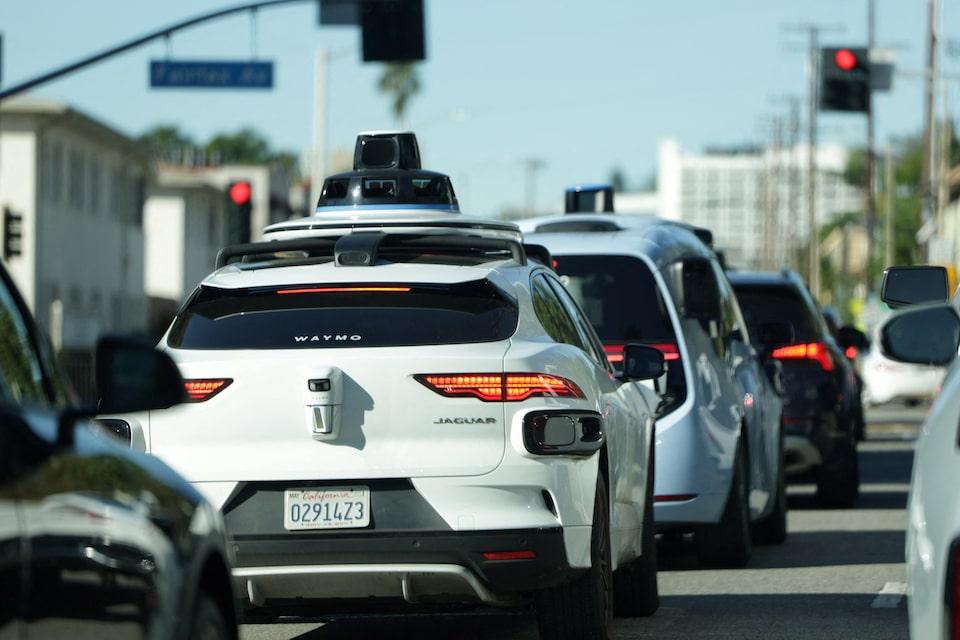
WASHINGTON, Jan 23 (Reuters) - The U.S. National Transportation Safety Board said on Friday it is opening an investigation into self-driving car company Waymo after its robotaxis illegally passed stopped school buses in Austin, Texas, at least 19 times since the start of the school year. The Alphabet (GOOGL.O) , opens new tab unit in December recalled more than 3,000 vehicles to update the software that had caused vehicles to drive past stopped school buses that were loading or unloading students, increasing the risk of a crash. The National Highway Traffic Safety Administration opened a probe in October into Waymo vehicles near school buses. Sign up here. Waymo said Friday there were no collisions in the incidents and said its self-driving system known as the Waymo Driver "safely navigates thousands of school bus encounters weekly across the United States, and the Waymo Driver is continuously improving." Waymo added it is "confident that our safety performance around school buses is superior to human drivers." In a November 20 letter posted by NHTSA, the Austin Independent School District said five incidents occurred in November after Waymo software updates to resolve the issue. The school system asked the company to halt operations around schools during pick-up and drop-off times until it could ensure the vehicles would not violate the law. In December, the school district told Reuters that Waymo had refused to halt operations around schools. "We cannot allow Waymo to continue endangering our students while it attempts to implement a fix," a lawyer for the school district wrote, saying a Waymo was "recorded driving past a stopped school bus only moments after a student crossed in front of the vehicle, and while the student was still in the road." https://www.reuters.com/world/us-safety-board-opens-probe-into-waymo-robotaxis-passing-stopped-school-buses-2026-01-23/
2026-01-23 22:30
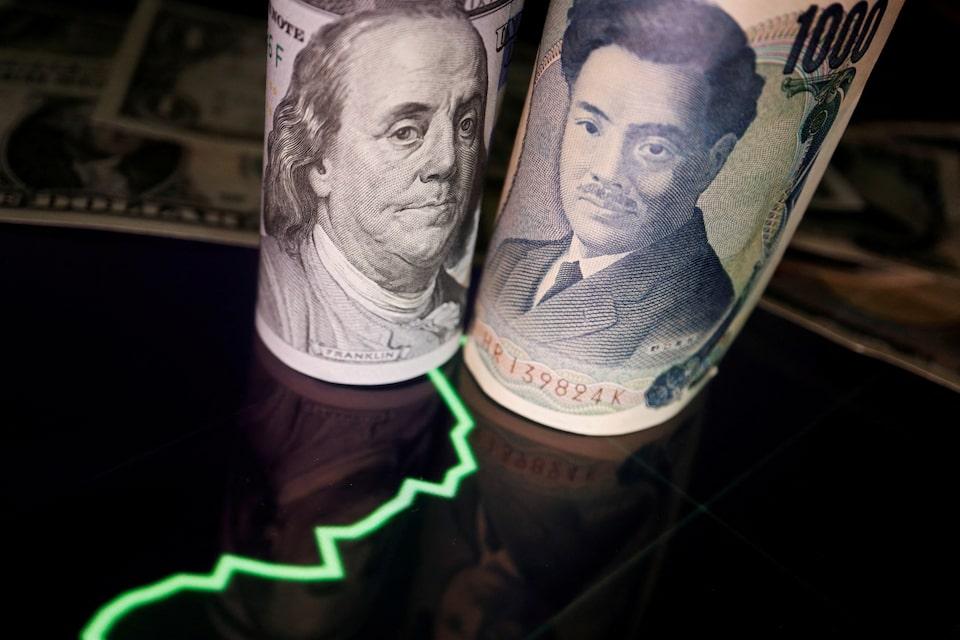
NEW YORK, Jan 23 (Reuters) - The New York Federal Reserve conducted rate checks on the dollar/yen pair around midday on Friday, a source familiar with the matter told Reuters. Analysts say the move may have triggered a sharp drop in the greenback and could signal that U.S. and Japanese monetary authorities may be preparing to act after weeks of sustained dollar strength against the yen. Sign up here. The dollar slid from around 157.50 yen at midday to a four-week low of 155.66 in the afternoon. It was last down 1.6% at 155.85 yen. Acting as fiscal agent for the U.S. Treasury, the NY Fed carried out the rate checks, the source said. The U.S. Treasury did not respond to Reuters’ requests for comment. A rate check, in which officials ask dealers what price they would get if they entered the market, is something monetary authorities can use to signal their readiness to do so. Traders have been wary of intervention by Japanese authorities as the yen has approached 160 per dollar. Whether actual intervention took place might be inferred from data the Bank of Japan is set to release on Monday at 1800 JST (0900 GMT). Analysts said U.S. monetary authorities stepping into what began as a Japanese affair is not typical, but it is not without precedent. https://www.reuters.com/world/asia-pacific/ny-fed-carried-out-dollaryen-rate-checks-source-says-2026-01-23/