2025-07-08 11:21
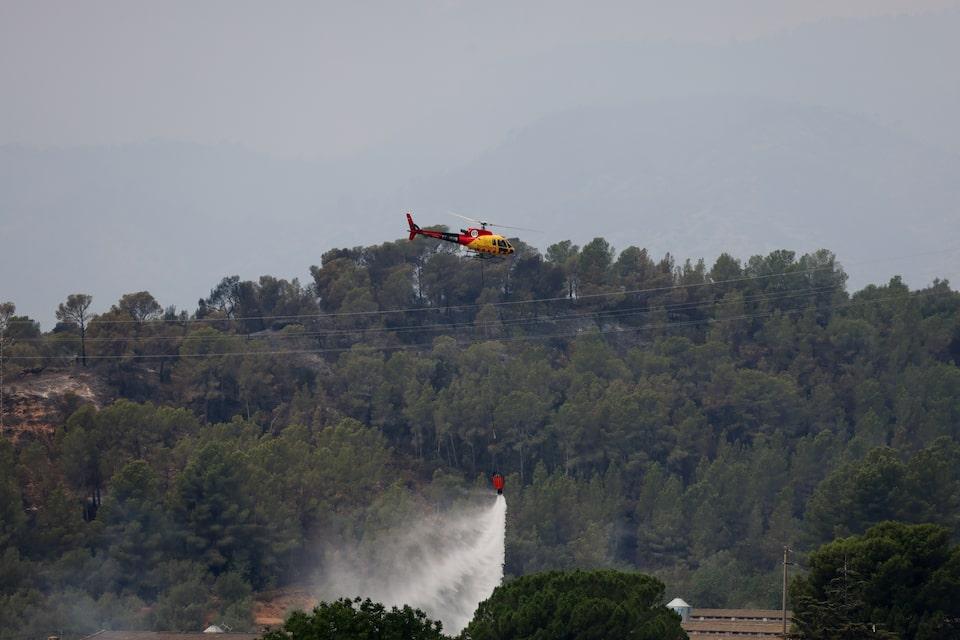
XERTA, Spain, July 8 (Reuters) - Spanish authorities ordered more than 18,000 residents of the northeastern Tarragona province to remain indoors on Tuesday and several dozen were evacuated as a wildfire raged out of control, consuming almost 3,000 hectares (7,413 acres) of vegetation. Large parts of Spain are on high alert for wildfires after the country experienced its hottest June on record. Two people died in a wildfire on July 1 in the region of Catalonia where Tarragona is located. Sign up here. The latest fire broke out early on Monday in a remote area near the village of Pauls, where strong winds and rugged terrain have hampered firefighting efforts, authorities said. An emergency military unit was deployed early on Tuesday alongside more than 300 firefighters working in the area. "Since midnight, firefighters have been battling the blaze with gusts of wind reaching up to 90 kilometres per hour (56 miles per hour)," Catalonia's regional firefighting service said, adding that the strong Mistral wind was expected to ease by the afternoon. Overnight, fire engines raced the winding roads of the Pauls Mountains, surrounded by flames, as crews assessed and tried to contain the blaze. In the neighbouring villages of Xerta and Aldover, residents spent a sleepless night as the flames threatened their homes. "(There has been) a lot of fear and a lot of crying because we are already on the edge of the fire. Last night, because of the wind that was blowing the fire and the smoke, we couldn't leave our house. Terrible, this has never been seen before," Rosa Veleda, 76, told Reuters. Authorities said they had prevented the fire from spreading across the Ebro River, which would have worsened the situation. Approximately 30% of the affected area lies within the Ports Natural Park, and officials are investigating the fire's origins. https://www.reuters.com/sustainability/climate-energy/more-than-18000-people-lockdown-wildfire-rages-catalonia-2025-07-08/
2025-07-08 11:03
TSX ends down 0.4% at 26,903.57 Materials group falls 3.5% as gold price declines Tech loses 0.9% with Shopify down 3.4% Energy adds 2.1% as oil settles 0.6% higher July 8 (Reuters) - Canada's main stock index fell on Tuesday for a second straight day as a drop in gold prices weighed on metal mining shares and after U.S. President Donald Trump said he would impose a hefty tariff on copper imports. The S&P/TSX composite index (.GSPTSE) , opens new tab ended down 116.71 points, or 0.4%, at 26,903.57, extending its pullback from a record closing high on Friday. Sign up here. Trump said he will announce a 50% tariff on copper later in the day, aiming to boost U.S. production of a metal critical to electric vehicles, military hardware, the power grid and many consumer goods. Canada is among the top suppliers of copper to the United States. U.S. copper futures jumped more than 10%, but gold was down 1%. "We've got gold off and that's keeping the miners down," said Philip Petursson, chief investment strategist at IG Wealth Management. "Gold being down is outweighing any benefit from copper being up and I think also the market could just be reacting in a knee jerk fashion to what Trump is saying." The materials group, which includes metal mining shares, fell 3.5%. Technology was also a drag, losing 0.9%, with shares of e-commerce company Shopify (SHOP.TO) , opens new tab down 3.4%. Not all sectors lost ground. Energy added 2.1% as the price of oil settled 0.6% higher at $68.33 a barrel on forecasts for less U.S. oil production and after renewed Houthi attacks on shipping in the Red Sea. Communication stocks were another bright spot, with BCE (BCE.TO) , opens new tab Inc rising 2.7% and Rogers Communications Inc (RCIb.TO) , opens new tab ending 1.4% higher. https://www.reuters.com/markets/europe/tsx-futures-rise-new-us-tariff-proposals-focus-2025-07-08/
2025-07-08 11:00
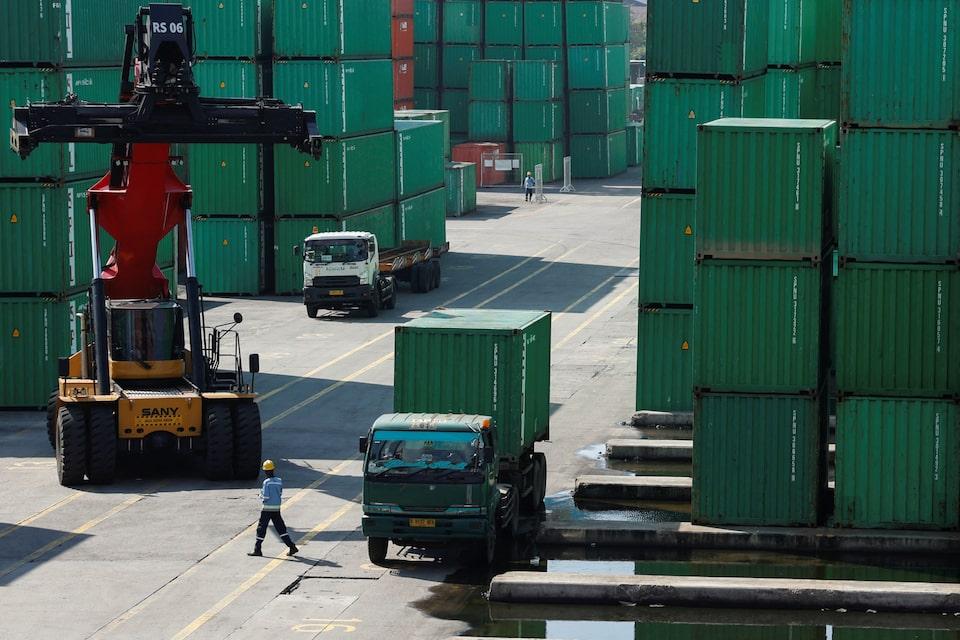
LONDON, July 8 (Reuters) - A look at the day ahead in U.S. and global markets by EMEA Breaking News Markets Correspondent, Lucy Raitano. .S. President Donald Trump has issued 14 letters to global trade partners laying out sharply higher tariffs and a new deadline of August 1. Sign up here. mong the recipients are major U.S. trade partners Japan and South Korea, as well as other players like Thailand and Malaysia. It is the latest gyration in a global trade war unleashed by Trump in April that sent countries scrambling to cushion their economies as they hashed out potential trade deals with the U.S. Mike Dolan is enjoying some well-deserved time off over the next week, but the Reuters markets team is here to provide you with all the information you need to start your day. Today's Market Minute * U.S. President Donald Trump on Monday ramped up his trade war telling 14 nations, from powerhouse suppliers such as Japan and South Korea to minor trade players, that they now face sharply higher tariffs from a new deadline of August 1. * Developing nations at the BRICS summit on Monday brushed away an accusation from President Trump that they are "anti-American," with Brazil's president saying the world does not need an emperor. * China warned the Trump administration on Tuesday against reigniting trade tension by restoring tariffs on its goods next month, and threatened to retaliate against nations that strike deals with the United States to cut China out of supply chains. * President Trump, hosting Israeli Prime Minister Benjamin Netanyahu at the White House on Monday, said the United States had scheduled talks with Iran and indicated progress on a controversial effort to relocate Palestinians out of Gaza. * Saudi Arabia's drive to rapidly increase OPEC+ oil output may put Riyadh in the pole position to regain market share today while also solidifying its dominance over the long term, says ROI energy columnist Ron Bousso. * In his latest piece, ROI columnist Clyde Russell discusses the lack of volatility in iron ore prices so far in 2025, despite the ongoing uncertainty surrounding the tariff policies of U.S. President Donald Trump and the impact these will have on global trade and economic growth. You've got mail! Aside from an initial drop in U.S. stocks on Monday after the latest ratcheting-up of Trump's trade war, traders seem to be taking the threat of sharply higher tariffs in their stride. By and large, it's been business as usual on Tuesday for markets, now well-versed in the nebulous and fast-changing trade policy approach the U.S. has adopted under Trump's leadership, and particularly since his fateful April 2 "Liberation Day" announcements. The initial deadline of July 9 has been replaced by August 1, providing some breathing room. S&P 500 futures are barely in positive territory, while Europe's benchmark STOXX 600 was pretty flat for most of the European morning. Even the VIX volatility index is down a touch, having remained largely range-bound for the past two months. One area still sensitive to the twist and turns of Trump's tariffs, however, is gold, which has soared to an all-time high in 2025 as traders hedged against trade policy uncertainty. So while the rest of the market yawns at the latest see-sawing in Trump's global trade war, is the yellow material one area where stronger views - and bigger price swings - could materialise? Citi analysts warn that with no big trade war and U.S. economic data continuing to remain robust, gold could drop a steep 20% from current levels of around $3,300 an ounce. But even that decline would keep the price of gold a sliver above where it started the year. Other analysts remain bullish on the precious metal as a hedge given high geopolitical risks and a general move to diversify away from U.S. assets. One segment of the market that did not hit the snooze button on Tuesday are European spirit makers, up after daily Italian newspaper Il Messaggero reported there is a possibility wines and alcohol could be completely excluded from tariffs, amid EU-U.S. trade negotiations. With Remy Cointreau, Campari and Pernod Ricard up between 1.7% to 3.4%, it might be worth keeping an eye on U.S. peers for some read-across. The euro is maintaining its position as a beneficiary of the trade war, up 2% against the U.S. dollar in the past two weeks and rising 0.3% on Tuesday against a faltering dollar. Markets think the European Union is likely to dodge the latest round of Trump's trade threats. So far, so good. Even the global recession fears which flared up at the prospect of a worsening trade war have largely receded, and with the U.S. employment picture holding up and markets anticipating Federal Reserve rate cuts on the horizon, it will take more than a few strongly-worded letters to rattle investors. Chart of the day The price of gold is up 26.6% in 2025, soaring past the key psychological threshold of $3000 dollars per ounce in March 2025 as traders hedged against tariff uncertainty, while increased geopolitical risks and a move away from U.S. assets by big investors and central banks pushed prices higher. Today's events to watch * Auction sale of 3-year notes * NY Federal Reserve consumer inflation expectations for June * U.S. consumer credit data for May Opinions expressed are those of the author. They do not reflect the views of Reuters News, which, under the Trust Principles , opens new tab, is committed to integrity, independence, and freedom from bias. Want to receive the Morning Bid in your inbox every weekday morning? Sign up for the newsletter here. https://www.reuters.com/world/china/global-markets-view-usa-2025-07-08/
2025-07-08 10:12
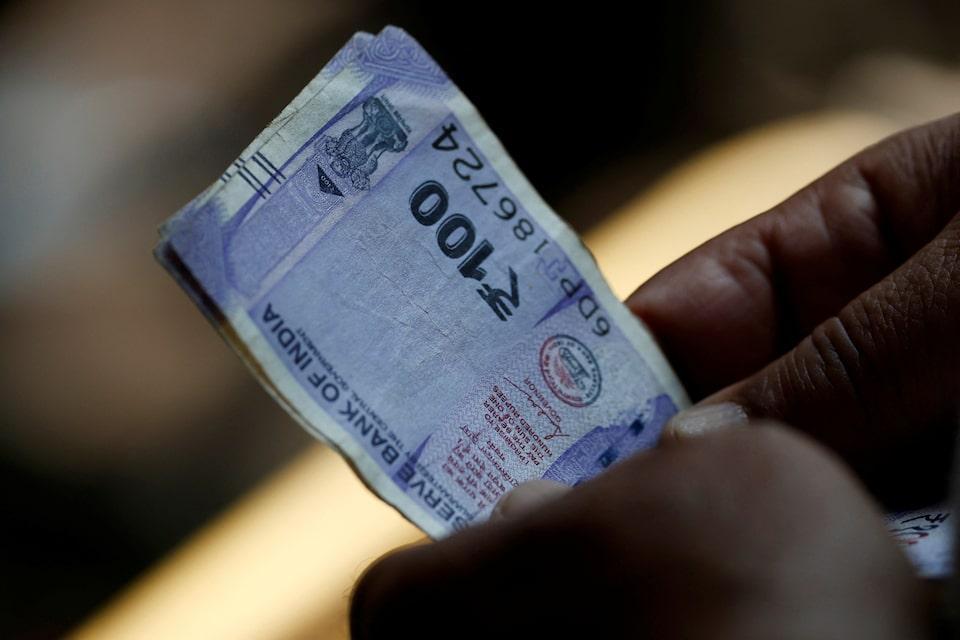
MUMBAI, July 8 (Reuters) - The Indian rupee posted modest gains on Tuesday, tracking strength in regional peers, as markets looked past the White House's tariff letters and instead took solace in the deadline extension to August 1 that leaves room for deals to be struck. The rupee closed at 85.6950 against the U.S. dollar, up about 0.2% from its close at 85.85 in the previous session. Sign up here. Market reaction to U.S. President Donald Trump dispatching letters to 14 trading partner with sharply higher tariffs on imports into the United States was largely muted, with most regional equities and currencies gaining on Tuesday. For instance, while South Korea received a letter declaring a 25% tariff, the won rose 0.7% against the dollar and the KOSPI 200 (.KS200) , opens new tab index gained nearly 2%, logging its best day in two weeks. India's benchmark equity indexes logged modest gains as well. Local equities have largely kept pace with a regional stock gauge (.MIAPJ0000PUS) , opens new tab since U.S. reciprocal tariffs were announced on April 2, but the rupee has underperformed emerging market peers despite broad weakness in the dollar. "The market seems to be taking the view that nothing is final and that these letters merely mark another iteration on the journey towards a trade deal," ING said in a note. The local currency was supported by modest interbank dollar sales on the day alongside positive cues from gains in regional currencies, a trader at a private bank said. Traders reckon that the rupee is likely to stick to rangebound price action in the near-term but the announcement of a trade deal with U.S. could open room for a rise towards 85. Meanwhile, dollar-rupee forward premiums retreated as traders trimmed wagers on rate cuts by the U.S. Federal Reserve. The 1-year dollar-rupee implied yield declined 4 basis points to 1.95%. https://www.reuters.com/world/india/rupee-inches-up-tracking-regional-peers-spotlight-stays-tariffs-2025-07-08/
2025-07-08 09:22
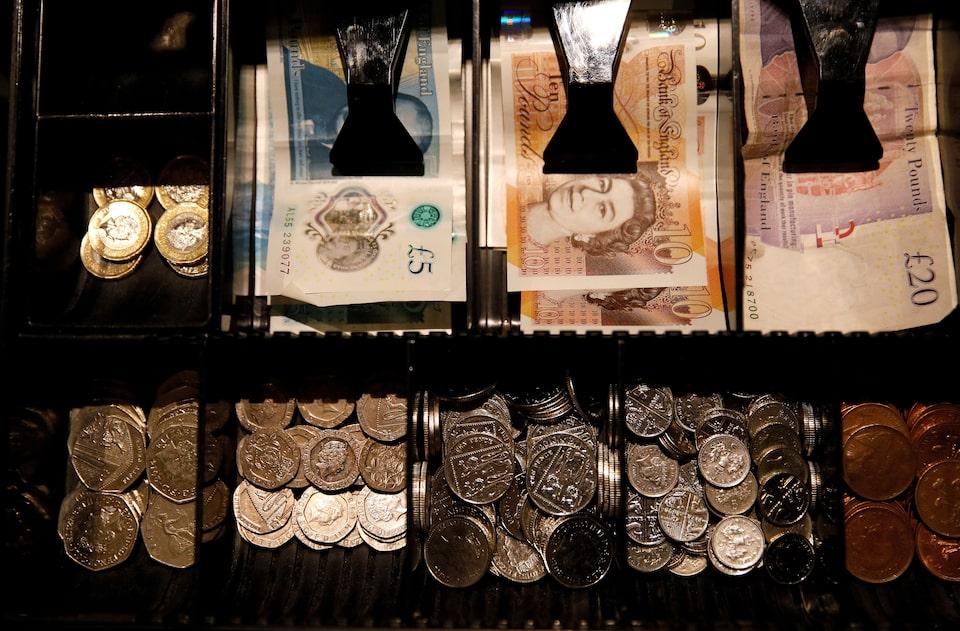
LONDON, July 8 (Reuters) - The pound rose on Tuesday, gaining against the likes of the yen after the U.S. announced 25% tariffs on imports from Japan and South Korea, as investors gravitated towards markets that are at less risk of being hit by hefty duties. U.S. President Donald Trump on Monday wrote to 14 countries, from major suppliers like Japan and South Korea to minor trade players, warning they face sharply higher tariffs from a new deadline of August 1 unless they strike fresh trade deals. Sign up here. Sterling rose 0.3% to $1.3645, bringing gains for the year so far to 9.1% as it heads for its strongest yearly performance against the dollar since 2017. Against the yen the pound was up 0.3% at nearly 199.14 yen, around its highest since last November. The Korean won rose by 0.35% to 1,863 to the pound , recovering from the previous day's selloff. Britain is the only major economy so far with a U.S. trade deal in the bag, albeit limited in scope, which means the focus for investors is squarely on the UK's economic and fiscal backdrop. The pound and UK government bonds have regained some stability from last week's aggressive sell-off, but have not managed to recover those losses. Investors hit sterling and gilts hard on July 2, when the government ditched key parts of a major reform to welfare benefits that puts finance minister Rachel Reeves at risk of breaking her own borrowing rules. "Our view remains negative on the growth and fiscal picture in the UK," Jefferies strategist Mohit Kumar said. "The government will have no choice but to increase taxes, but we (are) reaching a point where further tax rises can be counterproductive," he said. In its annual report on fiscal risks and sustainability, the Office for Budget Responsibility said on Tuesday the British government deficit stood at 5.7% of gross domestic product at the end of last year - around 4 percentage points above the average among advanced economies. With 10-year gilt yields around 4.5% right now, the UK has the third-highest borrowing costs of any developed economy, behind only New Zealand and Iceland, the OBR said. https://www.reuters.com/world/uk/sterling-gains-broadly-trump-unveils-tariff-specifics-2025-07-08/
2025-07-08 09:01
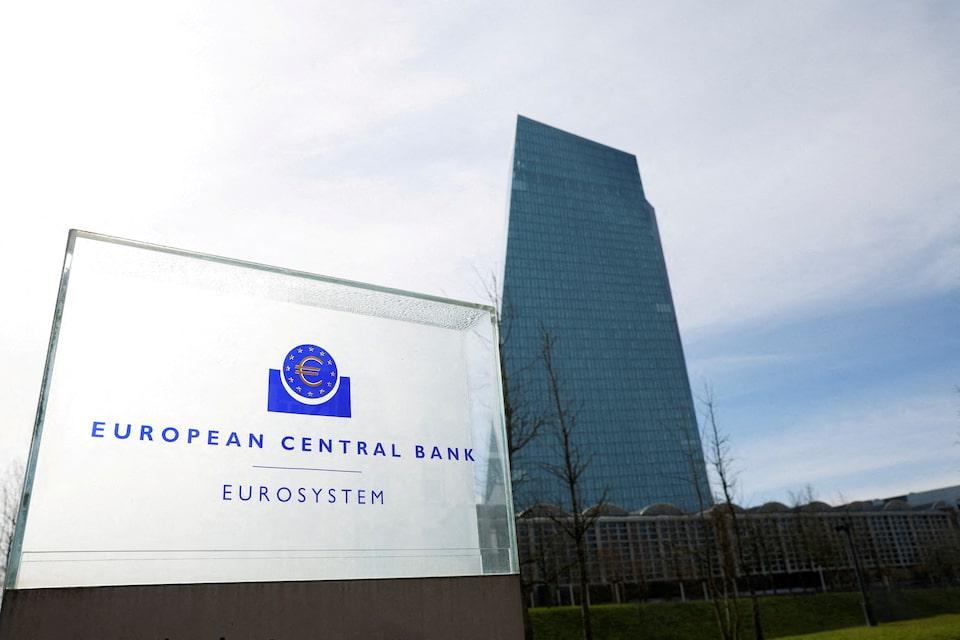
FRANKFURT, July 8 (Reuters) - The European Union is increasingly trading with autocratic regimes, funding their often expansionary strategy and potentially aiding an existential challenge to the bloc itself, a European Central Bank blog post said on Tuesday. The EU has long prided itself on running a values-based economic policy, with trade relations taking into consideration factors such as social justice, human rights, labour rules, and environmental standards. Sign up here. But reality is quite different and trade with autocratic regimes has steadily risen from 1999 until the bloc imposed widespread sanctions on Russia after its invasion of Ukraine, the blog post authored by ECB economists Claudia Marchini and Alexander Popov argued. "Our findings show that, despite its pledges, the EU is indeed increasingly trading with countries run by autocrats and dictators," the blog, which does not reflect the ECB’s views, said. "We see an interruption to this trend only recently." The shift comes as the EU has reallocated imports in favour of less democratic countries and because the quality of democratic governance has declined among existing trading partners. "'Trading with dictators' amounts to generating profits for regimes that often have an explicit expansionary and militaristic agenda," the blog said. "Ultimately, this can potentially become an existential challenge to the EU." The article, however, dismisses the argument that increased trade with China is the culprit, claiming that a similar trend can be observed even if China is excluded. It also disputes that democracy was itself on the decline, arguing that the median country outside the bloc has actually become more democratic. On top of the reputational and existential threats, the trend is also concerning since many of the key resources needed for the bloc’s green transition are found in countries run by autocrats, the blog added. "Our findings suggest a trade-off associated with the green transition," the blog said. "Current low-carbon technologies rely on a range of rare earth materials that are typically found in countries with autocratic regimes." https://www.reuters.com/sustainability/society-equity/trading-with-dictators-eu-may-be-funding-threats-itself-ecb-says-2025-07-08/