2025-07-07 11:29
July 7 (Reuters) - The World Bank said on Monday that Syria’s gross domestic product is expected to grow modestly by 1% in 2025, following a contraction of 1.5% in 2024. "The easing of sanctions provides some upside potential; however, progress remains limited as frozen assets and restricted access to international banking continue to hinder energy supply, foreign assistance, humanitarian support, and trade and investment," the World Bank said in a statement. Sign up here. https://www.reuters.com/world/middle-east/world-bank-expects-syrias-gdp-grow-1-2025-2025-07-07/

2025-07-07 11:17
MILAN, July 7 (Reuters) - Italy's government will discuss a long-awaited measure to offer gas at reduced prices to energy-intensive companies by the end of this month, the country's energy minister said on Monday. "We couldn't start earlier because the discussion with the European Union was still open. We didn't have the OK yet," Energy Minister Gilberto Pichetto Fratin told Radio24 in an interview. Sign up here. The initiative will follow the European Commission's approval in June of Italy's "Energy Release 2.0" scheme, which supports power-intensive industries and the nation's green transition. Under the scheme, electricity is provided at a fixed price of 65 euros per megawatt-hour in its initial phase, significantly below last year's average of 108.5 euros per megawatt-hour. Pichetto Fratin said the new gas measure could mirror the mechanism used for electricity under the approved scheme. However, the minister cautioned about potential challenges in securing suppliers willing to offer gas at discounted rates. "Discounted gas bidders are not so easy to find," he said. Gas prices heavily influence electricity costs in Italy, where more than 40% of electricity is generated from gas-fired power plants. Industries such as steel manufacturing, ceramics, and glass production are among the country's most gas-intensive sectors. https://www.reuters.com/sustainability/boards-policy-regulation/italy-discuss-gas-measure-energy-intensive-firms-by-months-end-2025-07-07/
2025-07-07 11:13
SEC takes steps toward new crypto ETF framework Guidance is latest major change in how regulators address crypto assets Measures set the stage for flurry of new crypto products July 7 (Reuters) - New U.S. Securities and Exchange Commission guidance on disclosure requirements for exchange-traded products tied to cryptocurrencies marked the first step toward approval of dozens of applications for ETFs linked to everything from Solana and XRP to President Donald Trump's eponymous meme coin. The guidance, issued last Tuesday, signaled a dramatic shift by Republican leadership in how the top U.S. markets regulator deals with the crypto sector. The SEC has launched a task force to draft new regulations, refocused its crypto enforcement team and paused or altogether walked away from high-profile enforcement cases that many thought the agency was winning. Sign up here. The 12-page document is the first part of the new landscape for crypto funds that SEC staff members are designing. Asset managers also anticipate guidance from the SEC's division of trading and markets on ways to streamline the application process, said people familiar with the discussions. This should accelerate the pace for new product debuts. "The SEC is moving forward on creating a framework for how they'd like to see all these crypto assets included in investment funds" to address the "explosion" in the number of ETFs now awaiting a regulatory verdict, said Sui Chung, CEO of crypto index provider CF Benchmarks. Industry participants said they saw few surprises so far. "The most interesting and important thing about this guidance is that it exists," said Matt Hougan, chief investment officer of Bitwise Asset Management, which has more than half a dozen crypto ETFs awaiting SEC approval. "It suggests that the SEC acknowledges that crypto ETPs are becoming part of the mainstream and so it's trying to lay down rules of the road to save both issuers and SEC staff time and hassle." The SEC guidance spells out that in order to be approved, issuers must clearly address, in "plain English", all factors that make crypto-based ETFs distinctive, such as custody arrangements and risks of the hyper-competitive landscape. The next document, however, is likely to prove more significant. According to several people familiar with the ongoing discussions, who could not speak publicly due to the confidentiality of those proceedings, the SEC staff is seeking to create a new listing template to replace the current need for exchanges to submit a special form each time they want to list a new crypto product. That form, known as a 19(b)4, asks for an exemption from current listing rules for the specific ETF. Eliminating that from the process could cut the time between filing and launch dates from as much as 240 days to only 75 days. "The SEC is looking for a general rule it can apply to all listings, and currently is going back and forth on precise wording with the exchanges," said a senior executive at one issuer, who added he expected that exchanges will submit that kind of general filing within "days or weeks." Officials at the Nasdaq Stock Market and Cboe declined to comment on these talks; the New York Stock Exchange did not respond to requests for comment. A spokesperson for the SEC also declined comment on the discussions. While ETFs tied to the spot prices of everything from coins like XRP, Polkadot, Dogecoin and the Trump meme coin await an SEC verdict, issuers expect the next batch of crypto products will be tied to Solana, the world's sixth-largest cryptocurrency. That likely will not happen until after the SEC has rolled out the second part of its guidance, pushing the launch date into early autumn, issuers said. Some asset managers are not waiting. Last week, REX Financial and Osprey Funds used a more indirect and complex approach to launch the first U.S. ETF to give investors exposure to Solana, the REX-Osprey Sol + Staking ETF (SSK.Z) , opens new tab. In contrast to the half-dozen spot Solana ETFs awaiting approval, it invests in a separate entity that in turn will own both Solana and a non-U.S. Solana fund. That structure means REX can bypass the rules governing those commodity funds and leapfrog other issuers, as well as offering investors access to yield via the cryptocurrency "staking" mechanism. In staking, cryptocurrency holders volunteer to take part in validating transactions on the blockchain, checking that the ledger all adds up. In return, validators either receive a share of the transaction fees or newly created cryptocurrencies. "We do think the SEC is taking big steps forward in dealing with cryptocurrency, but it's still the SEC, and not everything has been codified yet," Greg King, CEO of REX Financial, told Reuters. King acknowledged he is trying to get a head start on what is expected to be a fiercely competitive race for market share on new Solana products. The new ETF pulled in $12 million of assets on its first day of trading on Wednesday, July 1, King said. "We'll probably do a spot Solana ETP too, once those rules are in place," he added. "There's no either/or in this situation." https://www.reuters.com/legal/government/us-secs-guidance-is-first-step-toward-rules-governing-crypto-etfs-2025-07-07/
2025-07-07 10:56
July 7 (Reuters) - Sterling slipped on Monday in a lacklustre start to a week packed with economic data reports that could offer clues to the interest rate outlook, while globally investors watched the latest deadline on U.S. tariffs. Sterling slipped 0.3% and last fetched $1.3601 against the U.S. dollar , while the pound was broadly unchanged against the euro at 86.23 pence. Sign up here. Last week saw investors in UK assets rattled by ambiguities around the health of public finances, as a number of U-turns by the governing Labour Party over welfare reforms sparked speculation around the future of finance minister Rachel Reeves. Traders are now shifting their focus to a set of data this week, with Monday bringing a report that showed British house prices stagnated month-on-month during June as expected, after an increase in tax on property transactions took effect in April. However, "the post April dip is likely to fizzle out", said Victoria Scholar, head of investment at interactive investor. "Plus, mortgage lending is improving, thanks to four rate cuts from the Bank of England over the last year and two more priced in this year." Later in the week, traders will scrutinize a report on gross domestic product that could offer clarity on the health of the UK economy and determine the outlook on interest rates. Bank of England policymaker Alan Taylor said late on Friday that he thought it would be better to cut interest rates now rather than wait and risk needing to cut them in a hurry. Taylor expects the Bank Rate to fall to "around 3%" by the end of next year. Traders largely anticipate the next 25 basis points interest rate cut by the central bank will be in September, according to data compiled by LSEG. Meanwhile, investors globally were awaiting a Wednesday deadline ahead of which economies scrambled to strike trade deals with the U.S. to avoid sharply higher duties on their exports to the United States. Britain was the first to secure an agreement with the U.S. in May and has avoided the additional tariffs on steel and aluminium. Negotiations are ongoing to remove existing 25% duties on industrial metals altogether. The pound has appreciated about 2% since the deal with the U.S. and is trading close to its highest level since late 2021, also benefiting from a broader dollar weakness. Separately, a Deloitte survey showed British business executives now see greater opportunities closer to home, while the attractiveness of the United States as an investment destination dwindled. In other news, Reeves is expected to announce a 28.6 million pound ($39 million) investment by the National Wealth Fund in a carbon capture project that could create jobs in central and northern England, as the government strives to shore up public support. https://www.reuters.com/world/uk/sterling-slips-with-economic-data-tariff-uncertainty-focus-2025-07-07/
2025-07-07 10:53
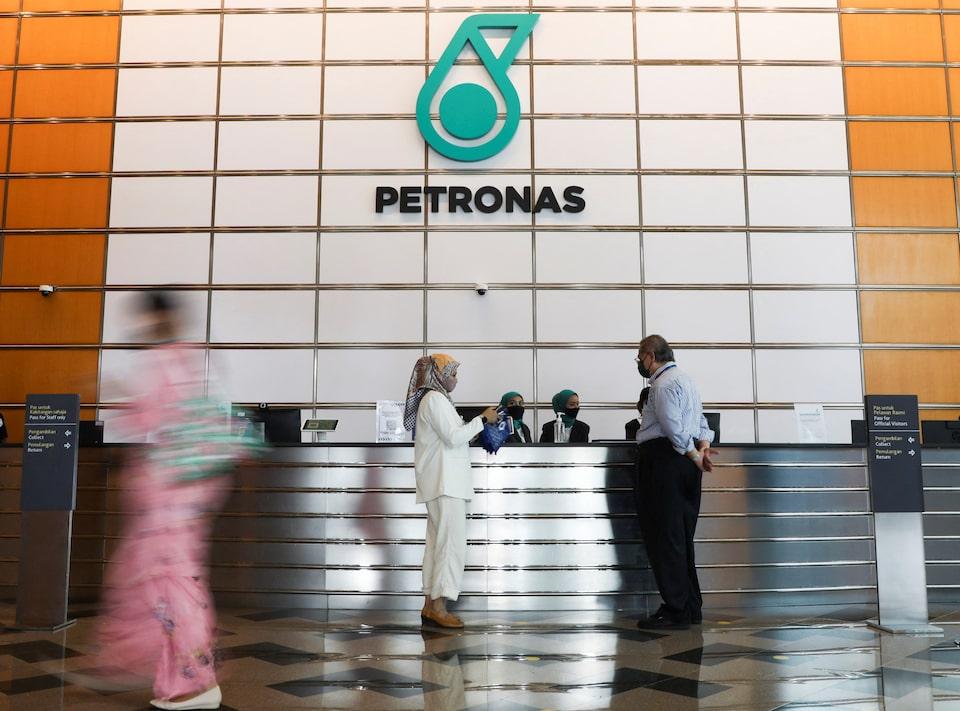
KUALA LUMPUR, July 7 (Reuters) - Malaysia's state energy firm Petronas on Monday said it has successfully shipped its first liquefied natural gas (LNG) cargo to Japan from its newly operational LNG facility in Kitimat, Canada. Petronas has a 25% stake in the Kitimat LNG plant in British Columbia on Canada's west coast. Sign up here. The shipment departed for Japan aboard the 174,000-cubic metre Puteri Sejinjang LNG vessel, but the company didn't specify how much LNG it was delivering. https://www.reuters.com/business/energy/petronas-ships-its-first-lng-cargo-japan-its-new-facility-canada-2025-07-07/
2025-07-07 10:33
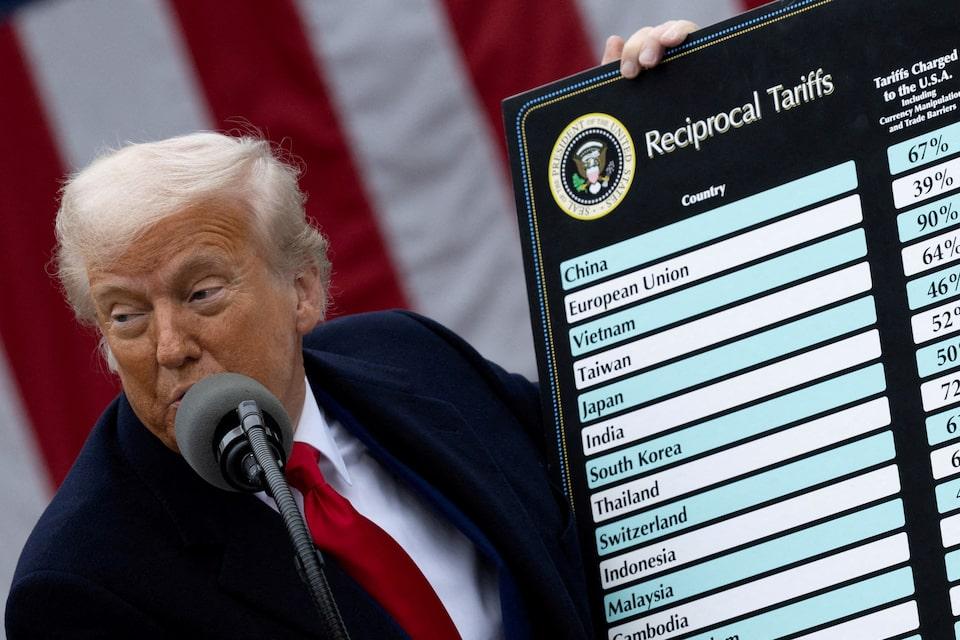
LONDON, July 7 (Reuters) - A look at the day ahead in U.S. and global markets by EMEA Markets Breaking News Editor Amanda Cooper. Stock futures are pointing to a slightly softer open after the July 4 Independence Day holiday weekend. Confusion reigns supreme after U.S. officials flagged a delay on tariffs but have not provided any specific details on the changes, while oil prices came under pressure after OPEC+ opened the supply spigots more than expected. Sign up here. Mike Dolan is enjoying some well-deserved time off over the next week, but the Reuters markets team is here to provide you with all the information you need to start your day. Today's Market Minute The United States is close to finalizing several trade pacts in the coming days and will notify other countries of higher tariff rates by July 9, President Donald Trump said on Sunday, with the higher rates set to take effect on August 1. President Trump said the U.S. will impose an additional 10% tariff on any countries aligning themselves with the "Anti-American policies" of the BRICS group of developing nations, whose leaders kicked off a summit in Brazil on Sunday. Global investors are heading into U.S. President Trump's Wednesday deadline for trade tariffs unexcited and prepared for a range of benign scenarios that they believe are already priced in. The U.S. tax and spending bill passed on July 3 is expected to add more than $3 trillion to the country’s deficit over the next decade. If the current debt trajectory continues unabated, writes Panmure Liberum investment strategist Joachim Klement, it could set off a slow motion debt spiral that could endanger the Federal Reserve’s independence. Two questions stand out after the decision by OPEC+ to accelerate increases in crude oil output: who is going to buy the extra crude, and will the group actually export the additional barrels they say they are going to produce? Read the latest from ROI columnist Clyde Russell. Trump, tariffs and Tesla Few things will send a shiver up the spine like an unexpected brown envelope landing in the mail. Trump says the U.S. will start delivering the first letters outlining what tariffs will apply from August 1 to a handful of countries later today. Who the recipients are, what the contents are, and what the reaction might be are a mystery at this point. In April, Trump unveiled a tariff base rate of 10% on most countries, and additional duties ranging up to 50%, although he later delayed the effective date for all those except the 10% rate until July 9. Trump himself hasn't offered much in the way of clarity. Early on Friday, he said the tariffs could be even higher - ranging up to 70% - with most set to go into effect on August 1. "I signed some letters and they'll go out on Monday, probably twelve," Trump said, when asked about his plans. "Different amounts of money, different amounts of tariffs." So far, markets aren't reacting at all. Since he took office, Trump has built a solid reputation for threatening one thing, only to back down, delay or reverse course completely. Having said that his administration would strike "90 deals in 90 days", so far there is one limited deal with Britain and an agreement in principle with Vietnam. The pause in the trade war with China expires around August 12. While the two sides have taken steps on loosening certain restrictions on issues like shipments of semiconductor chips and critical minerals, there have been no signs yet of any major breakthrough. But Trump can still surprise. In a social media post on Sunday, he pulled a completely new policy out of the bag - that of applying an extra 10% levy on countries that "align themselves with the "Anti-American policies" of BRICS." The original BRICS group gathered leaders from Brazil, Russia, India and China at its first summit in 2009. The bloc later added South Africa and, more recently, Egypt, Ethiopia, Indonesia, Iran, and the United Arab Emirates as members. It was not immediately clear what Trump meant by "anti-American" or whether this new threat would derail trade talks with India, Indonesia and other BRICS nations. Group heavyweight China said on Monday the threat of another 10% tariff served no one. It seems clear that the oil price is almost certainly going to head lower over the course of the summer driving season. The OPEC+ group, which includes the Organization of the Petroleum Exporting Countries and non-members such as Russia and Oman, agreed to raise crude output next month by a lot more than expected. The group is planning to raise production by 548,000 barrels per day in August, up from the monthly increases of 411,000 bpd that were approved for May, June and July. Lower energy costs will please Trump, who is seeking to loosen regulations around oil and gas extraction at home, urging companies to "drill, baby, drill." What might please him less is that the OPEC+ output increase is about taking market share, specifically from the producers in the prolific U.S. shale basin. Finally, it seems Tesla investors are unhappy about chief executive Elon Musk's decision to dive back into politics. Having left the Department of Government Efficiency, which carried out mass dismissals of government employees, to concentrate on his businesses in May, Musk has announced the creation of the "America Party". He has repeatedly criticised Trump's landmark tax-cut and spending bill on the grounds that it would add trillions in national debt and bankrupt the country. A day after asking his followers on X whether a new U.S. political party should be created, Musk said on Saturday that the "America Party is formed." Trump has called the plans "ridiculous". As the feud with Musk escalates, Trump has threatened to pull billions of dollars that Tesla and Musk's SpaceX company receive in government contracts and subsidies. Chart of the day Tesla shares are heading for a decline today as trading gets underway after the three-day weekend. Musk's decision to get back into politics has unnerved his investors, who already had to contend with a second straight quarterly decline in deliveries in the second quarter of this year. Today's events to watch * Trump's letters to major trading partners are due to be delivered at midday ET (4:00 PM GMT) * Participation by ECB President Christine Lagarde and ECB board member Piero Cipollone in a Eurogroup meeting in Brussels * 3- and 6-month Treasury bill auctions Opinions expressed are those of the author. They do not reflect the views of Reuters News, which, under the Trust Principles , opens new tab, is committed to integrity, independence, and freedom from bias. Want to receive the Morning Bid in your inbox every weekday morning? Sign up for the newsletter here. https://www.reuters.com/world/china/global-markets-view-usa-2025-07-07/