2026-01-23 06:31
NEW DELHI/SINGAPORE, Jan 23 (Reuters) - Indian Oil Corp (IOC.NS) , opens new tab, the country's top refiner, has bought 7 million barrels of oil, including from Brazil's Petrobras, for March loading to replace Russian oil, two trade sources familiar with the matter said. Indian refiners are recalibrating their strategies to shift away from top supplier Russia and boost imports from the Middle East, a move that could help New Delhi clinch a trade deal with the United States to lower tariffs. Sign up here. The refiner has purchased 1 million barrels of Abu Dhabi's Murban grade from Shell and 2 million barrels of Upper Zakum from trader Mercuria, the sources said. IOC has also acquired 1 million barrels each of Angola's Hungo and Clove from Exxon, they added. IOC also bought 2 million barrels of Brazil's Buzios oil from Petrobras under its optional contract that provides flexibility to strike a deal at mutually agreed terms, the sources said. The pricing details were not immediately available. Oil buyers and sellers typically do not comment on such deals due to confidentiality agreements. India's Russian oil imports fell to their lowest level in two years in December, while the share of imports from OPEC nations hit an 11-month high, trade data showed. India emerged as the biggest buyer of discounted Russian seaborne crude following the start of the Ukraine war in 2022, but refiners in the country scaled down Russian oil purchases following tougher Western sanctions on Russia's top producers in October. IOC last month purchased its first Colombian oil under an optional supply deal with state oil company Ecopetrol and for the first time bought Ecuadorean Oriente crude. https://www.reuters.com/business/energy/indian-oil-buys-angola-brazil-uae-oil-replace-russian-crude-sources-say-2026-01-23/

2026-01-23 06:10
BEIJING, Jan 23 (Reuters) - China and the Philippines said on Friday they launched rescue operations after receiving reports of a distressed cargo ship near the Scarborough Shoal in the South China Sea which was carrying 21 Philippine crew members. The Chinese military said 17 crew members were rescued and two of them later died, after a report around 1:30 a.m. on Friday (1730 GMT on Thursday) that a foreign cargo vessel had capsized in waters near the shoal. It dispatched aircraft to conduct searches and the Chinese Coast Guard sent two vessels for rescue efforts. Sign up here. One person was receiving emergency medical treatment, it said, adding that China's maritime authorities were organising additional rescue forces to head to the area. The Philippine Coast Guard said it deployed two vessels and two aircraft to rescue the Philippine crew from a Singaporean-flagged cargo vessel loaded with iron ore that was en route to southern Chinese city of Yangjiang. "The PCG Command Center acquired information from the Hong Kong Maritime Rescue Coordination Centre that 10 of the 21 Filipino crew members were rescued by a passing China Coast Guard vessel," it said. Scarborough Shoal is one of Asia's most contested maritime features and a frequent flashpoint in disputes over sovereignty and fishing rights. On Tuesday, the Chinese military said it organised naval and air force units to drive away a Philippine government aircraft that it accused of "illegally intruding" into airspace over the atoll. China claims almost the entire South China Sea, overlapping the exclusive economic zones of Brunei, Indonesia, Malaysia, the Philippines and Vietnam. https://www.reuters.com/world/china/china-coast-guard-says-it-rescued-philippine-crew-near-scarborough-shoal-2026-01-23/

2026-01-23 05:53
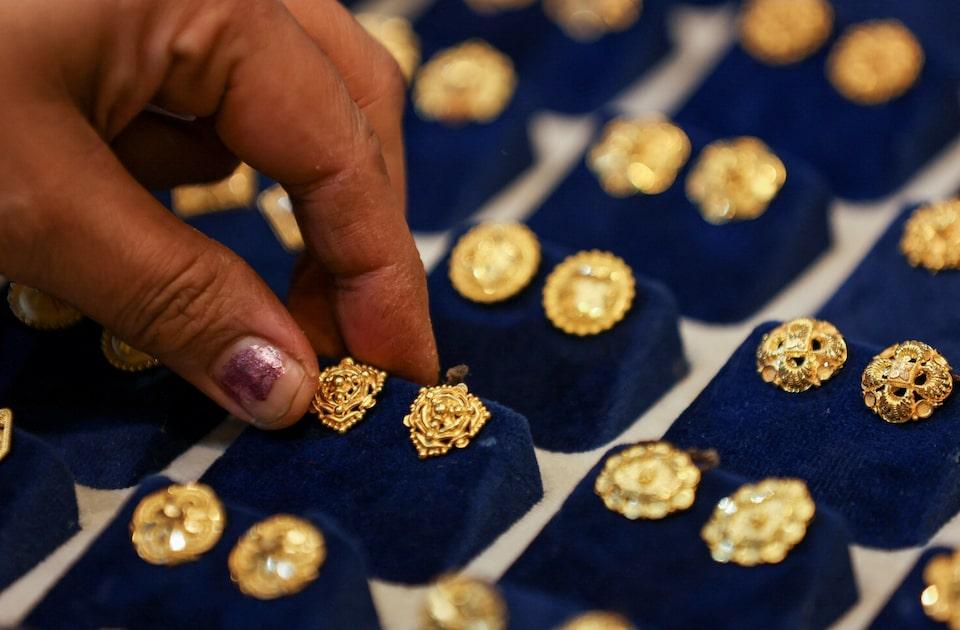
Several waves of retail buying powered the rally Pockets of physical market tightness provide support Outflows from the US stocks to ease tightness LONDON, Jan 23 (Reuters) - Silver prices vaulted above $100 an ounce on Friday, extending a remarkable 2025 surge into the new year as retail investor and momentum-driven buying added to a prolonged spell of tightness in physical markets for the precious and industrial metal. Hopping onto the coat-tails of far more expensive gold, technical analysts who study charts of past price moves to predict future movement said the rapid nature of silver's gains had positioned it for a major correction. Sign up here. "Silver is in the midst of a self-propelled frenzy and with plenty of geopolitical risk to give gold added buoyancy, silver is benefiting, even now, from its lower unit price," said StoneX analyst Rhona O'Connell. "Everyone, it seems, wants to be involved but it is also flashing amber wealth warnings," she added. "As and when cracks start to appear they could easily become chasms. Buckle up." Spot prices for silver , used in jewellery, electronics, solar panels, as well as an investment, were last up 5.1% at $101 per troy ounce on Friday. The price has gained 40% since the beginning of 2026 after rallying by 147% in 2025. Gold hit a record high of $4,988 per ounce on Friday. BofA strategist Michael Widmer estimates that a fundamentally justified silver price is around $60 with demand from solar panel producers probably having peaked in 2025 and overall industrial demand under pressure from record-high prices. For the first time in 14 years, it will take just 50 ounces of silver to buy one ounce of gold as of Friday, down from 105 ounces in April. This ratio , which traders and analysts use as a gauge for future direction, means that silver's outperformance over gold has become stretched. INVESTMENT DEMAND Silver's gain in 2025 was the largest yearly growth in LSEG data going back to 1983. The market's performance in 2025 was underpinned by robust investment demand for all precious metals and an extended period of thin liquidity in the benchmark London silver market as worries about U.S. tariffs prompted massive inflows to U.S. stocks. Several waves of active retail buying through purchases of small bars and coins as well as inflows into physically backed silver exchange-traded funds have added to buying since October, according to analysts. Almost 20% of a total 1.0-billion-ounce silver supply comes annually from the recycling sector, with activity heightened due to record prices. However, inventories have not been rebuilding quickly with a shortage of high-grade refining capacity limiting the speed at which silver scrap material can be returned to the market, leading precious metals consultancy Metals Focus said. The availability of the stocks in the market and secondary supply have become more crucial after five consecutive years of structural deficit, set to persist in 2026. These deficits, outflows to the U.S. and inflows to the ETFs saw the amount of metal which can be quickly mobilised in periods of high demand in London commercial vaults dwindle to a record low of 136 million ounces by end-September, Metals Focus estimates. By end-2025, stocks had recovered to nearly 200 million ounces helping to drive down lease rates in London from their October spike, but remained far below the roughly 360 million ounces available in London in the peak of the Reddit-driven rally in early 2021. WHAT NOW? Analysts expect outflows from U.S. stocks to speed up and boost liquidity in the traditional markets as Washington refrained from imposing any tariffs when announcing , opens new tab the results of its critical metals review in mid-January. After peaking at 532 million ounces on October 3, COMEX inventories have fallen by 114 million ounces to 418 million ounces, their lowest level since March, as the metal worth about $11 billion left the inventories. To reach pre-Trump-election levels, COMEX stocks would need to see further outflows of about 113 million ounces, equal to about 11% of total annual silver supply. "Profit taking following the frenzied nature of the investor-driven rally since late November is likely sooner rather than later, particularly in view of ongoing physical market easing," said BNP Paribas senior commodities strategist David Wilson. https://www.reuters.com/world/india/gold-silver-platinum-extend-recordsetting-rally-2026-01-23/
2026-01-23 05:50
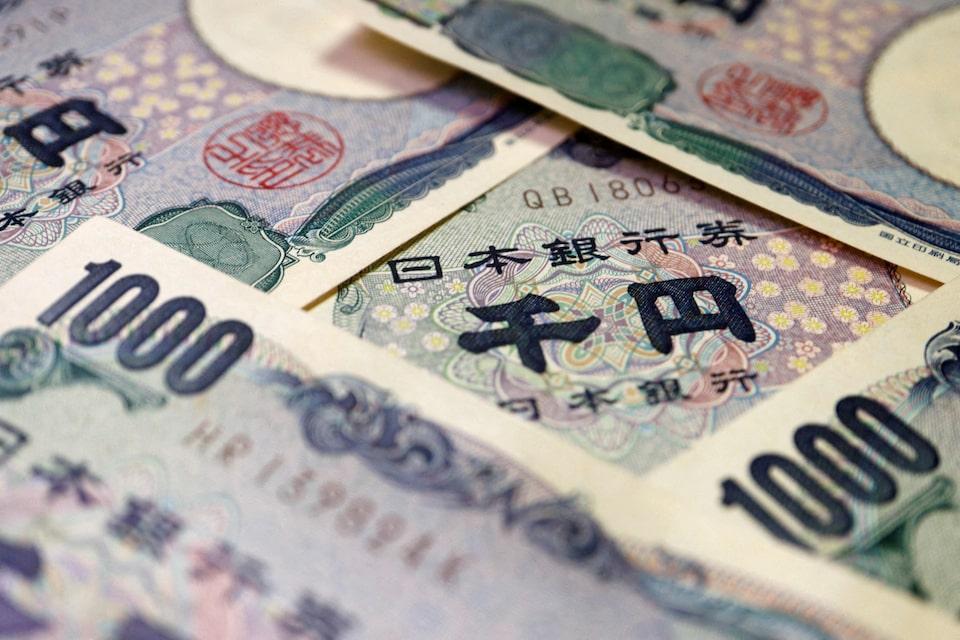
Yen volatile as markets speculate about rate checks Bank of Japan keeps rates steady Dollar selling intact as Greenland saga rumbles on Trump touts 'total access' Greenland deal with NATO NEW YORK, Jan 23 (Reuters) - The yen was volatile on Friday, with two sudden spikes raising market speculation that authorities had conducted a rate check, often a precursor to intervention. The yen was last stronger on the day at 155.855 per dollar. Sign up here. Traders are alert to the prospect of intervention from Tokyo to stem the Japanese currency's slide after the yen had weakened to as soft as 159.2 per dollar, close to 18-month lows, during a press conference by Bank of Japan Governor Kazuo Ueda after the BOJ held rates steady. "Given the lack of news, the only thing I can really see is just this underlying bearish sentiment [and] fear of intervention, said Marc Chandler, chief market strategist at Bannockburn Capital Markets. Shortly after Ueda's press conference, the yen suddenly strengthened to 157.3 per dollar, though the loose market consensus was that authorities had not intervened directly but had run rate checks with banks. A rate check - asking what price it would get if it were to intervene - is something Japanese authorities can use to signal their readiness to enter the market. "It's late in the week ... and nobody's got a firm grasp on what's going on. I think that's what's making it a little bit more anxious of a move," said Erik Bregar, director of FX & precious metals risk management at Silver Gold Bull. The yen has been under relentless pressure since Sanae Takaichi took over as Japan's prime minister in October, dropping more than 4% on fiscal concerns and hovering near levels that have spurred verbal warnings and intervention fears. A bond market rout this week underscored investor nerves about Japan's fiscal position as Takaichi called a snap election for February and promised tax cuts, sending Japanese government bond yields to record highs. They have recovered somewhat since then but investors remain skittish. DOLLAR SELLING MOMENTUM Elsewhere, the dollar was set for its steepest weekly decline since June as geopolitical tensions unsettled investors. U.S. President Donald Trump on Wednesday said he had secured U.S. access to Greenland in a deal with NATO, which came as he backed off tariff threats against Europe and ruled out taking the autonomous territory of Denmark by force. The dollar has borne the brunt of investor angst in the currency markets as U.S. assets were pummelled at the start of the week amid the intensifying geopolitical tensions, which revived talk of the 'Sell America' trade that emerged in the aftermath of Trump's sweeping Liberation Day levies last April. The dollar index , which measures the U.S. currency against six units, was last weaker at 97.571. It was headed for a more than 1% weekly decline, its steepest since June. The euro was last 0.5% higher at $1.181, and set for a more than 1% weekly gain. The French government on Friday survived two no-confidence votes, with more expected after Prime Minister Sebastien Lecornu said he was invoking the constitution to force the expenditure part of the 2026 budget bill through parliament. Meanwhile, sterling was last at $1.362. Data released on Friday showed that UK retail sales rose unexpectedly in December but it had little effect on the pound. https://www.reuters.com/world/asia-pacific/dollar-set-worst-week-year-yen-pressured-ahead-boj-2026-01-23/
2026-01-23 05:35
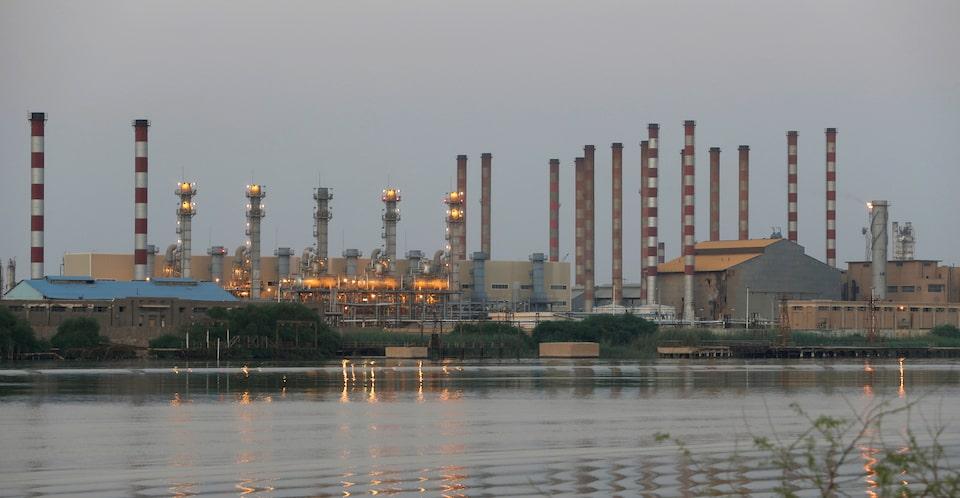
Trump escalates pressure against Iran Warships to arrive in Middle East in coming days, US official says US sanctions vessels involved in transporting Iranian oil Kazakhstan oil output yet to resume NEW YORK, Jan 23 (Reuters) - Oil prices settled at their highest in over a week on Friday after U.S. President Donald Trump ratcheted up pressure against Iran through more sanctions on vessels that transport its oil, and announced an armada was heading towards the Middle Eastern nation. Brent crude futures rose $1.82, or 2.8%, to settle at $65.88 a barrel, the highest since January 14. U.S. West Texas Intermediate crude gained $1.71, or 2.9%, at $61.07, also a more than one-week high. Sign up here. Both benchmarks notched weekly gains of over 2.5%. Trump's statements renewed warnings to Tehran against killing protesters or restarting its nuclear program. The escalating pressure has caused concerns of oil supply disruptions in the Middle East. Kazakhstan has been struggling to resume output from one of the world's largest oilfields. Warships, including an aircraft carrier and guided-missile destroyers, will arrive in the Middle East in the coming days, a U.S. official said. The United States conducted strikes on Iran last June. U.S. HITS VESSELS, FIRMS WITH SANCTIONS The U.S. on Friday also imposed sanctions on nine vessels and eight related firms involved in transporting Iranian oil and petroleum products, the U.S. Treasury said in a statement. At about 3.2 million barrels per day according to OPEC figures, Iran is OPEC's fourth-biggest crude oil producer behind Saudi Arabia, Iraq and the United Arab Emirates. It is also a major exporter to China, the world's second-largest oil consumer. Chevron (CVX.N) , opens new tab said oil output at Kazakhstan's Tengiz oilfield has yet to resume after Chevron-led operator Tengizchevroil announced a shutdown on Monday following a fire. The incident exacerbated problems for Kazakhstan's oil industry, already challenged by bottlenecks at its main exporting gateway on the Black Sea, which has been damaged by Ukrainian drones. JP Morgan said on Friday that Tengiz, which accounts for nearly half of Kazakhstan's production, could remain offline for the rest of the month and that Kazakhstan's crude output is likely to average only 1 million to 1.1 million bpd in January, compared with a usual level of around 1.8 million bpd. Oil prices climbed earlier in the week on Trump's moves on Greenland, but dropped by about 2% on Thursday as he backed off tariff threats against Europe and ruled out military action. Trump said on Thursday that Denmark, NATO and the U.S. had reached a deal that would allow "total access" to Greenland. https://www.reuters.com/business/energy/oil-prices-rebound-after-trump-comments-armada-moving-iran-spur-supply-worries-2026-01-23/
2026-01-23 05:34
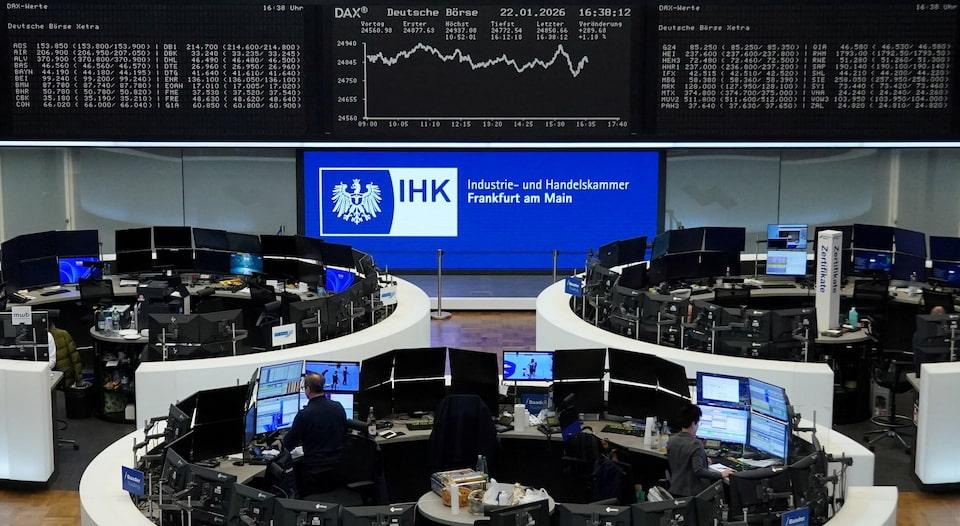
The Bank of Japan did just enough to keep the yen from falling in the Asia session, nudging up inflation forecasts and doing little to dissuade the market from expecting a couple of rate hikes this year, with the first as soon as April. The dollar was also under a bit of pressure more broadly as perhaps investors anticipate the week's Greenland drama leaves the U.S. diminished as an investment destination. Sign up here. In sum, the world has a net long U.S. position to the tune of $27.6 trillion, leaving a fair bit of room for trimming. After rescinding tariff threats, President Donald Trump said he had secured total and permanent U.S. access to Greenland in a deal with NATO, whose head said allies would have to step up their commitment to Arctic security. European Union leaders heaved a sigh of relief and have said they want an EU-U.S. trade deal to be back on track, but warned they were ready to act if Trump was to threaten them again. Closer to home, Trump withdrew his invitation for Canada to join his Board of Peace after Canadian Prime Minister Mark Carney decried powerful nations using economic integration as weapons and tariffs as leverage in a blockbuster speech at Davos. Equities were up in Asia, but an after-hours dive in Intel (INTC.O) , opens new tab shares pointed to brewing strains in the chip supply chain. The company said it had struggled to meet demand for its data-centre server chips and its stock dropped 13%. Meanwhile, China lifted its official yuan guidance to the stronger side of 7-per-dollar for the first time since 2023 on Friday. Although that's weaker than where market-derived expectations put the yuan's value, it's seen as a tacit approval. Key developments that could influence markets on Friday: - European and U.S. PMIs - U.S. consumer sentiment https://www.reuters.com/world/china/global-markets-view-europe-2026-01-23/