2025-06-20 10:26
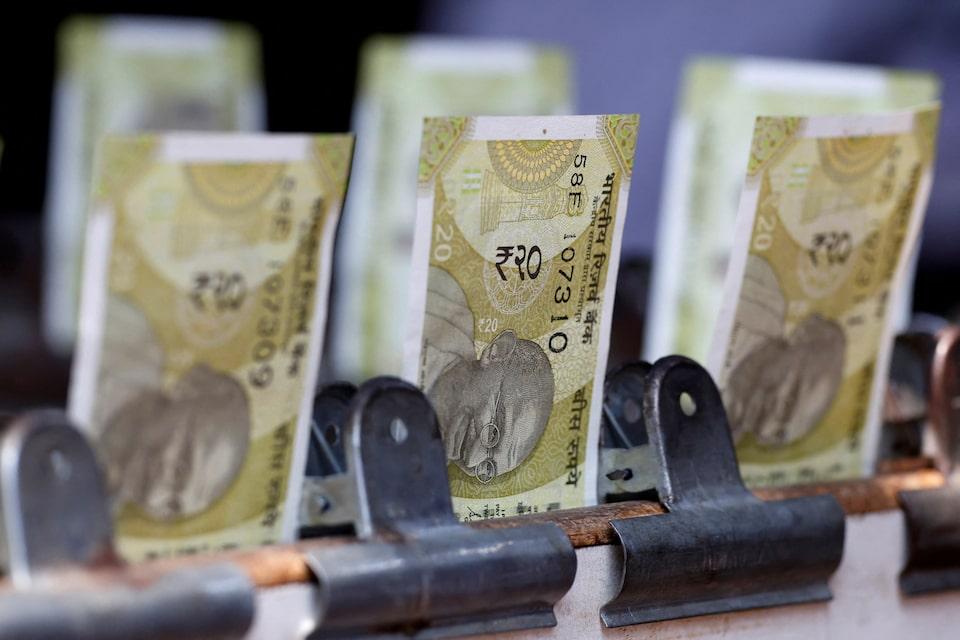
MUMBAI, June 20 (Reuters) - The Indian rupee ended modestly higher on Friday but fell for a second consecutive week as the conflict between Iran and Israel remained the key driver for global markets and kept energy prices elevated, pressuring oil-sensitive currencies in Asia. The rupee ended at 86.5850, up from its close of 86.7225 in the previous session. It was down nearly 0.6% on the week. Sign up here. While escalating tensions in the Middle East kept risk appetite under pressure for much of the week, markets found some relief on Friday after U.S. President Donald Trump pushed back a decision on U.S. military involvement in the Israel-Iran war. Brent crude oil prices declined more than 2% on the day after rallying to a five-month high of $79.04 per barrel earlier in the week. Most equity gauges in Asia logged gains, with India's benchmark equity indexes, the BSE Sensex (.BSESN) , opens new tab and Nifty 50 (.NSEI) , opens new tab, rising 1.3% each. Analysts pointed out that oil prices and the Middle East conflict would likely remain the key drivers for FX markets in the near term. On the day, the dollar index was a tad lower at 98.6 but was on course for a weekly gain. "The FX market has taken the somewhat lower probability of the U.S. intervening in Iran already this weekend as an opportunity to re-enter USD short positions, especially against European currencies," ING Bank said in a note. "This confirms that a constant flow of oil-positive, risk-negative geopolitical news is needed to keep the dollar supported," the note added. For the rupee, meanwhile, traders will also gauge the extent of portfolio inflows that a large IPO scheduled next week will draw. Sizeable inflows could help the rupee hold ground above the 86.50 mark while a sharp rise in crude oil prices could build momentum for a fall below 87, a trader at a foreign bank said. https://www.reuters.com/world/india/rupee-gains-slightly-cap-week-clouded-by-middle-east-conflict-2025-06-20/
2025-06-20 09:46
COPENHAGEN, June 20 (Reuters) - Norway aims to impose a temporary ban on the establishment of new data centres that mine cryptocurrency with the most power-intensive technology, in order to conserve electricity for other industries, the Nordic country's government said on Friday. "The Labour Party government has a clear intention to limit the mining of cryptocurrency in Norway as much as possible," Minister for Digitalization and Public Administration Karianne Tung said in a statement. Sign up here. "Cryptocurrency mining is very power-intensive and generates little in the way of jobs and income for the local community," she added. A temporary ban could be introduced during the autumn of 2025, the government said. https://www.reuters.com/technology/norway-plans-temporary-ban-power-intensive-cryptocurrency-mining-2025-06-20/

2025-06-20 07:51
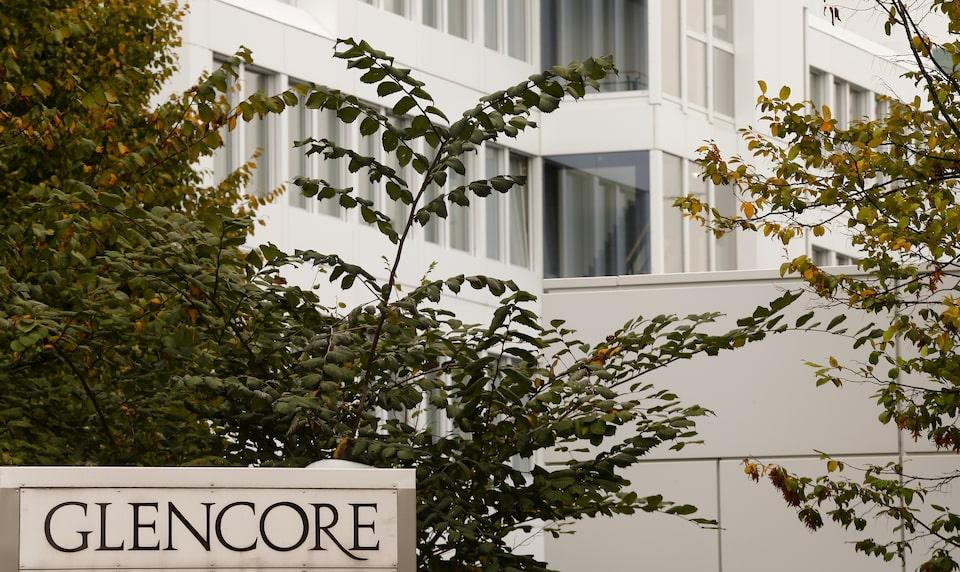
MELBOURNE, June 20 (Reuters) - Glencore (GLEN.L) , opens new tab has called its Mount Isa copper smelter unviable and is waiting to hear back on its requests for assistance from state and federal governments to keep the facility open amid tough global conditions, it said on Friday. The UK-listed miner has been sounding the alarm in local media about its Mount Isa smelting business in Queensland state as its related mining operations are set to close next month. Sign up here. It will then have to procure copper concentrate to process when excess global smelting capacity has pushed global processing fees to historic lows. "A combination of unprecedented smelting market conditions, high costs like energy, gas and labour, and a shortage of copper concentrates is currently making the Mount Isa copper smelter unviable," Glencore said in a statement. Glencore said it has approached both federal and Queensland state governments for support to keep the copper smelter and refinery operating. Several lawmakers visited the plant on Friday including Australia's industry and science minister, Tim Ayres, and Queensland resources minister, Dale Last. The state and federal governments have engaged extensively with Glencore to explore options for a viable path forward for the smelter, which is a critical asset for regional and state economies, the ministers said in a joint statement. "Any closure of the Mount Isa copper smelter would have a detrimental impact on Australia's sovereign capability and other facilities downstream that rely on the smelter," Ayres said in the statement, without giving any details on what options there might be to provide Glencore with any funding. Glencore said that it had put forward ideas for a "regional solution that would bridge the current economic gap and enable the smelter and refinery to continue operating." "We want to continue operating the smelter and refinery and look forward to hearing feedback from both federal and Queensland governments on a possible way forward,” said Troy Wilson, chief operating officer for Glencore’s Australian metals business, in a statement. https://www.reuters.com/markets/commodities/glencore-says-australia-copper-smelter-unviable-asks-government-help-2025-06-20/
2025-06-20 07:45
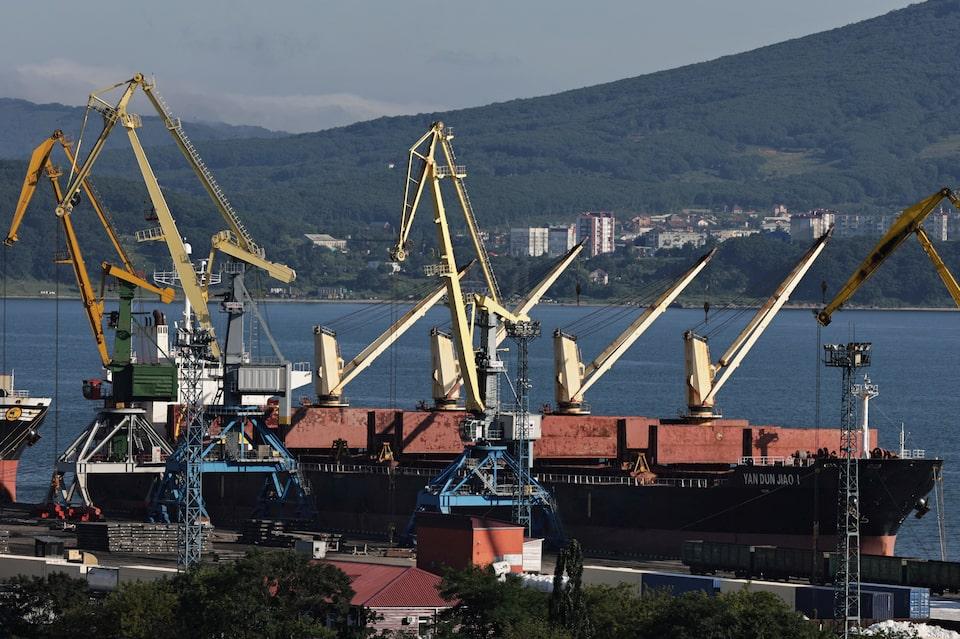
Oil up 20% in June but well below 2022 peak Dollar correlation with oil weakening Market inflation expectations creeping up LONDON, June 20(Reuters) - Global benchmark Brent crude oil is up around 20% so far in June, and set for its biggest monthly jump since 2020 as Israel-Iran tensions flare-up. Although relatively contained, the rise has not gone unnoticed just three years after Russia's invasion of Ukrainetriggered a surge in energy prices that ramped up global inflation and sparked aggressive interest rate hikes. Sign up here. Here is a look at what rising oil means for world markets. 1/ HOW HIGH? Oil prices have crept rather than surged higher with investors taking comfort from no noticeable interruption to oil flows. Still, pay attention. The premium of first-month Brent crude futures contract to that for delivery six months later this week rose to a six-month high as investors priced in an increased chance of disruptions to Middle East supply . It remained elevated on Friday. Trading at around $77 a barrel, Brent crude futures are below 2022's $139 high, but nearing pain points. "If oil goes into the $80-100 range and stays there, that jeopardizes the global economy," said ABN AMRO Solutions CIO Christophe Boucher. "We are just below that threshold." 2/ SUPPLY SHOCK? Traders have an eye on shipping, often seen as a key energy bellwether. About a fifth of the world's total oil consumption passes through the Hormuz Strait between Oman and Iran. Disruption here could push oil above $100, analysts say. Blocked shipping routes would compound any supply shock, as any increased output from OPEC+ may not reach the international market, said hedge fund Svelland Capital director, Nadia Martin Wiggen. The Organization of the Petroleum Exporting Countries' most recent monthly oil market report found production by the broader OPEC+ group rose in May by 180,000 barrels per day to 41.23 million bpd, less than the 411,000-bpd hike called for by the group's increase in its May quotas. Wiggen is watching freight rates closely. "So far, freight rates show that China, with the world's biggest spare refining capability, hasn't started panic buying oil on supply concerns," she said. "Once China starts to buy, freight rates will rise, and world's energy prices will follow." 3/ NO OIL, NO GROWTH Rising oil prices raise worries because they can lift near-term inflation and hurt economic growth by squeezing consumption. High oil prices work like a tax, say economists, especially for net energy importers, such as Japan and Europe, as oil is hard to substitute in the short term. Lombard Odier's chief economist Samy Chaar said that sustained oil prices above $100 would shave 1% off global economic growth and boost inflation by 1%. Unease rose after Israel launched its strike on Iran a week ago. An initial rally in safe-haven bonds soon evaporated as focus turned to the inflationary impact of higher oil. The euro zone five-year, five-year forward, a closely-watched gauge of market inflation expectations, climbed to its highest level in almost a month . "In the United States, $75 oil is enough to, if it's sustained, boost our CPI forecast by about half a percent by the year end, to go from 3 to 3.5%," said RBC chief economist Frances Donald. Turkey, India, Pakistan, Morocco and much of eastern Europe where oil is heavily imported are set to be hit hardest by the rise in crude prices. Those that supply it - Gulf countries, Nigeria, Angola, Venezuela and to some degree Brazil, Colombia and Mexico should get a boost to their coffers, analysts say. 4/ OH KING DOLLAR A shift is taking place in the dollar. In recent years, the currency has risen when oil rallies, but it has had only limited support from oil's latest rise, with a weekly gain of 0.7% . Analysts expect the dollar's downward trend to resume, given expectations of limited Middle East risks for now and underlying bearish sentiment. It has weakened around 9% so far this year against other major currencies, hurt by economic uncertainty and concern about the reliability of U.S. President Donald Trump's administration as a trading and diplomatic partner. No doubt, a weaker dollar heals the sting from higher oil, which is priced in dollars. "For oil-importing countries, the dollar's fall offers some relief, easing the impact of soaring oil prices and mitigating wider economic strain," UniCredit said. 5/ COMPLACENT STOCKS? In the absence of an oil-supply shock, world stocks are happy to stick near all-time highs. "Investors want to look past this until there's a reason to believe this will be a much larger regional conflict," said Osman Ali, Goldman Sachs Asset Management's global co-head of Quantitative Investment Strategies. Gulf markets sold off on the initial news, then stabilised somewhat, helped by the higher oil prices. U.S. and European energy shares, particularly oil and gas companies have outperformed (.SPNY) , opens new tab, (.SXEP) , opens new tab, as have defence stocks. (.SXPARO) , opens new tab Israeli stocks, (.TA125) , opens new tab up 6% in a week, have been the most notable outperformer. Stocks of oil consumers have been the worst hit, airlines stand out. https://www.reuters.com/business/energy/global-markets-oil-graphic-2025-06-20/
2025-06-20 07:45
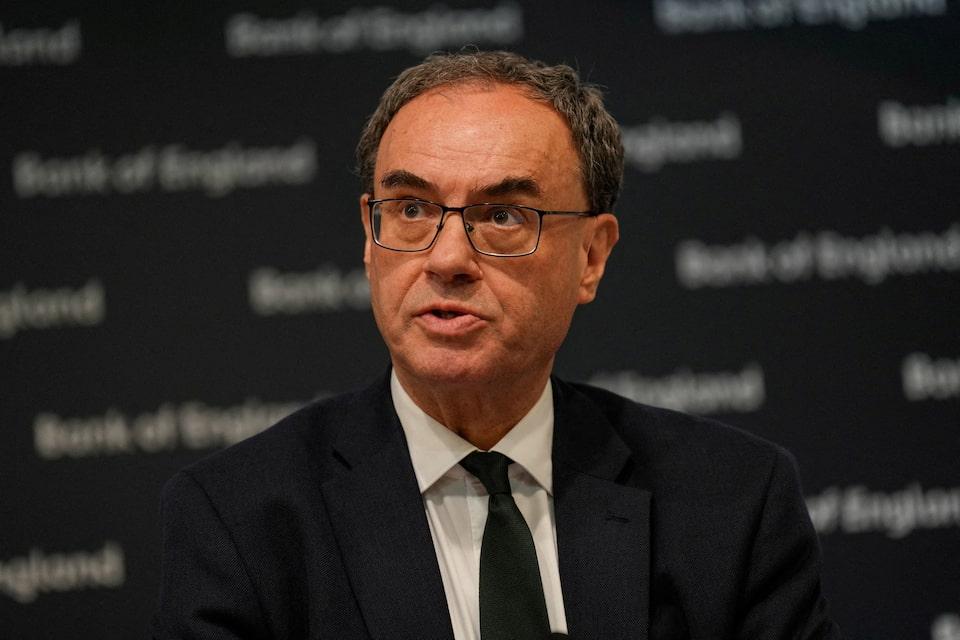
LONDON, June 20 (Reuters) - Bank of England Governor Andrew Bailey said on Friday that the Ukrainian central bank's commitment to focus fully on price stability once security threats are lower was both credible and critical as he addressed a research conference in Kyiv. "You have been very clear in public that after the security risks abate and appropriate macroeconomic conditions are established in place, you will return to conventional inflation targeting," he said in his first visit to Ukraine's capital. Sign up here. "It is a very clear commitment to get back to the established regime. And it is being done in a way that is not only critical but it also - to my reading - is credible," he added in his spoken remarks at the conference. Earlier this month the Ukrainian central bank held its benchmark interest rate at 15.5%, ahead of data showing that the country's inflation rate rose to an annual rate of 15.9% on the back of higher food prices. Ukraine targets an inflation rate of 5% but also uses exchange rate policy instruments and currency restrictions that are not part of the routine toolkit of most Western central banks. https://www.reuters.com/markets/europe/bank-england-chief-says-ukraines-goal-price-stability-is-credible-critical-2025-06-20/
2025-06-20 07:05
ST PETERSBURG, June 20 (Reuters) - U.S. and Chinese purchases for strategic oil reserves are expected to offset any potential global surplus, keeping oil prices in check, the head of the Russian oil producer Gazprom Neft (SIBN.MM) , opens new tab said on Friday. The eight members of OPEC+, which groups OPEC and other producers led by Russia, are unwinding voluntary production cuts and have agreed monthly increases for April through July, when they will meet to decide on August production. Sign up here. OPEC+ production growth in the coming months is unlikely to lead to market overstocking, said Alexander Dyukov, CEO of Gazprom Neft, the oil arm of Russian energy giant Gazprom (GAZP.MM) , opens new tab. It is also not expected to affect prices, he told journalists at an economic forum in Saint Petersburg. "The new U.S. administration has set the task of replenishing strategic oil reserves as soon as possible, which have fallen to about 400 million barrels - less than 20 days of consumption - with storage capacity of over 700 million barrels," he said. "China has announced that it will accelerate the replenishment of strategic fuel reserves planned for this year," he added. https://www.reuters.com/business/energy/us-chinese-strategic-reserve-buys-may-offset-oil-surplus-russias-gazprom-neft-2025-06-20/