2026-02-10 21:03
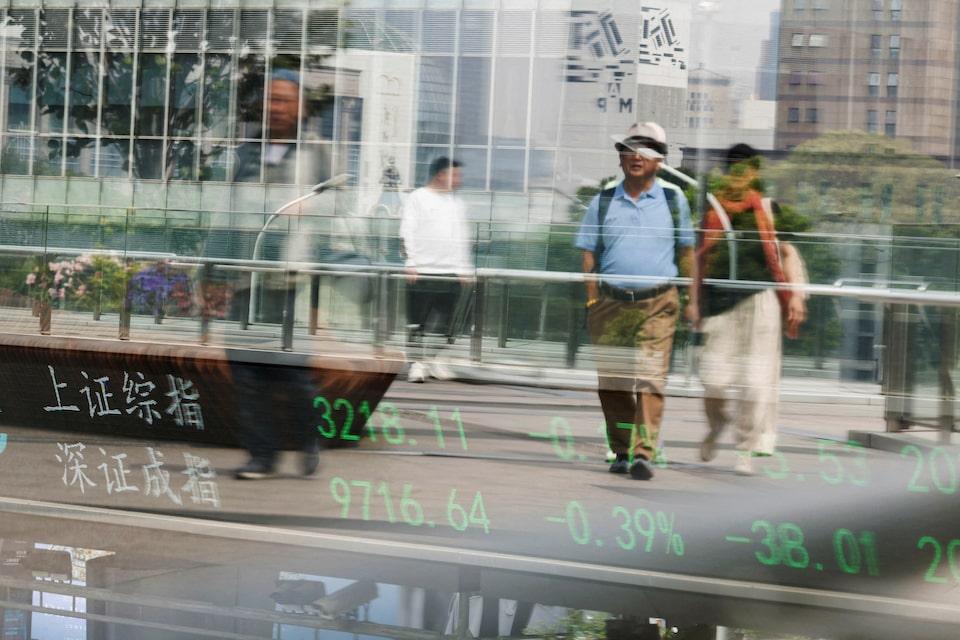
China ramps up crackdown on market speculators amid strong rally Regulatory steps highlight importance of financial markets State-backed investors temper market rally, ETFs see net outflows Regulatory measures extend to commodities futures amid metal price surge SHANGHAI/HONG KONG, Feb 11 (Reuters) - As global capital trickles back toward China, policymakers are signalling they want growth without the froth, using tougher enforcement and cooling measures to slow the market's pace in order to strengthen its appeal in the long term. With fund managers now seeking to diversify away from dollar-heavy portfolios, Beijing's calibrated approach could help reverse years of retreat when some investors even called the country "uninvestable". Sign up here. Analysts say these measures highlight the growing importance of the financial sector, particularly as China seeks to attract global capital amid a challenging geopolitical environment. "A rising stock market helps fund China's technology advancement, enhances people's wealth, and aids economic growth," said Meng Lei, UBS China strategist. The China Securities Regulatory Commission (CSRC) cracked down on speculators , opens new tab last month after the Shanghai Composite Index (.SSEC) , opens new tab hit 10-year highs on record turnover driven by leverage bets in a sign of overheating. Over the past month, the Shanghai and Shenzhen stock exchanges handled more than 2,000 cases of irregular trading, including "pump-and-dump" schemes and spoofing, marking a monthly record in enforcement activity. Regulators also meted out a 41-million-yuan ($5.92 million) fine to a local hedge fund for illegal fundraising and misappropriation of investors' money. Broader cooling efforts include tightening margin financing rules, curbing high-frequency traders' access to exchange data, and curtailing stock-picking "influencers." Sovereign funds, meanwhile, have pared back equity holdings. "The art of the slow bull is in effect," fund consultancy Z-Ben Advisors said. The market is entering a self-sustaining cycle as "dynamics suggest a growing level of confidence in market depth from regulators and investors alike." Chinese President Xi Jinping outlined in a speech published last month his vision to build a robust financial system supported by powerful regulators and "global reserve currency status" for the yuan. China's benchmark Shanghai Composite Index (.SSEC) , opens new tab gained 18% in 2025, its strongest performance in six years, outperforming a 16.4% rise in the S&P (.SPX) , opens new tab. The CSRC did not reply to a Reuters request for comment. 'WARNING CALLS' In the commodities futures market, regulatory actions have also intensified following a surge in metal prices. Measures included raising margin requirements and capping the number of new positions traders can open. In a rare move, state-backed investors, typically seen as market rescuers, divested stocks to temper the rally. Exchange-traded funds (ETFs), used by sovereign fund Central Huijin as a tool to steer markets, witnessed net outflows exceeding 700 billion yuan last month, according to Z-Ben Advisors. The crackdown on speculators has not weighed on sentiment as heavily as measures implemented in the past. "Substantial yet well-paced selling by the National Team is curbing – but not killing – the positive market momentum," Laura Wang, chief China equity strategist at Morgan Stanley, said in a note, adding that "market dynamics remain on a healthy track." To boost financial strength, "you need a steadily rising currency and steadily appreciating asset prices," said Yuan Yuwei, Hong Kong-based fund manager at Trinity Synergy Investments. Some market participants are taking the measures to prevent another boom-and-bust cycle seriously. Li Feng, co-dean of a Shanghai-based investment institute which until recently taught short-trading skills, has switched to teaching value investing. "Many traders I know got warning calls from regulators, or had their trading accounts frozen." STEADY REGULATORY HAND To be sure, Beijing's drive towards a more investor-friendly market started a couple of years ago, after it was jolted by a massive selloff. Policies to limit equity fundraising and encourage share buybacks and dividend payouts, have begun to win investor trust, analysts say. Last year, the "structural market drag" of massive equity fundraising was reversed, said Thomas Gatley, China strategist at Gavekal Dragonomics, and listed firms are now returning much more capital to shareholders than they are extracting. In currency markets, policymakers have allowed the yuan to gradually strengthen against a weaker dollar. "A sustainable uptrend is key to boosting the yuan's global reach," said Aleksandar Tomic, an economics professor at Boston College. "Why is China having a difficult time having yuan as the reserve currency? Because they were prone to devaluation in order to improve trade." Another obstacle is that China's capital markets are underdeveloped relative to the size of its economy, though that is changing, Tomic said. Liqian Ren, Director of Modern Alpha at WisdomTree, said the key to attracting foreign inflows into Chinese stocks is for China to build a transparent, and trustworthy system, as well as sustainable outperformance. "If you put up three years of good performance, the money will flow in," she said. ($1 = 6.9275 Chinese yuan) https://www.reuters.com/sustainability/boards-policy-regulation/china-tightens-market-oversight-create-slow-bull-momentum-2026-02-10/
2026-02-10 20:14
PARIS, Feb 10 (Reuters) - French oil major TotalEnergies (TTEF.PA) , opens new tab has taken full ownership of the Zeeland refinery in the Netherlands, re-acquiring the remaining 45% stake owned by Russia's Lukoil (LKOH.MM) , opens new tab , two sources with knowledge of the matter told Reuters. The sources did not know whether Total paid for the shares and if so how much, or if it engaged in another deal, such as an asset swap with Total's projects in Russia, to take full control. Sign up here. TotalEnergies declined comment. Lukoil did not immediately respond to a request for comment. The U.S. Treasury issued sanctions on Lukoil in October in an attempt to pressure Russia to end its war with Ukraine, prompting the company to launch a sale of its international assets, initially valued at around $22 billion. Lukoil acquired its 45% stake in Zeeland from Total for about $725 million in 2009, during a state visit to the Netherlands by Russia's then-president Dmitry Medvedev, in a deal widely seen as expanding Moscow's influence in northwest Europe. Zeeland was not formally subject to U.S. sanctions given Lukoil was a minority shareholder, one of the sources said. But concerns that oil suppliers would be unwilling to do business with Zeeland, coupled with news of a possible global sale of Lukoil's assets, pushed Total to re-acquire the remaining shares of the 180,000 barrels-per-day refinery. The U.S. Treasury did not immediately respond to a request for comment. "This is an internal affair for Total, just like any other corporate decision, which did not require any approval or action from the government of the Netherlands because the refinery was never formally subject to sanctions," a spokesperson for the Dutch ministry for climate and green growth said on Tuesday. Total reports fourth-quarter and full-year 2025 results on Wednesday, and expects a 230% jump in profit margins for refining in Europe in the fourth quarter, according to a trading statement published last month. TotalEnergies CEO Patrick Pouyanne in September attributed the rise in profitable refining to sanctions on Lukoil and Rosneft. https://www.reuters.com/business/energy/totalenergies-takes-over-100-zeeland-refinery-co-owner-lukoil-sources-say-2026-02-10/
2026-02-10 19:25
Feb 10 (Reuters) - U.S. energy officials found no evidence of malicious communication equipment embedded in Chinese-made inverters in the nation's power infrastructure, according to a Department of Energy report viewed by Reuters. Inverters convert electricity produced by solar panels or batteries into power that it can be used in household appliances. They are also built to allow remote access for updates and maintenance. Sign up here. Most of the world's power inverters are made in China, and the United States government has sought to reduce its reliance on Chinese-made equipment for the power grid due in part to concerns about national security amid tense relations between Beijing and Washington. The DOE analysis, which was provided to some in the energy industry but not released publicly, was performed in response to media reports that said unexplained communication equipment was found inside some inverters produced in China. Reuters had reported on the existence of those devices last year. "DOE assessments found no definitive evidence of intentionally introduced malicious wireless functionality in inverters examined," the report, which is dated Jan. 20, said. DOE officials did not immediately respond to a request for comment on the report. The agency inspected about 30 inverters and identified two that differed from official documentation, the analysis said. The differences were found to be "non-malicious and non-intentional." The report said any devices with communication capabilities are a risk for remote access, including inverters. It added that a compromised single inverter was unlikely to have a grid-wide impact. It recommended that buyers of components be familiar with the full capabilities of the products they procure. https://www.reuters.com/sustainability/climate-energy/us-probe-finds-no-evidence-spyware-chinese-power-inverters-2026-02-10/

2026-02-10 19:21
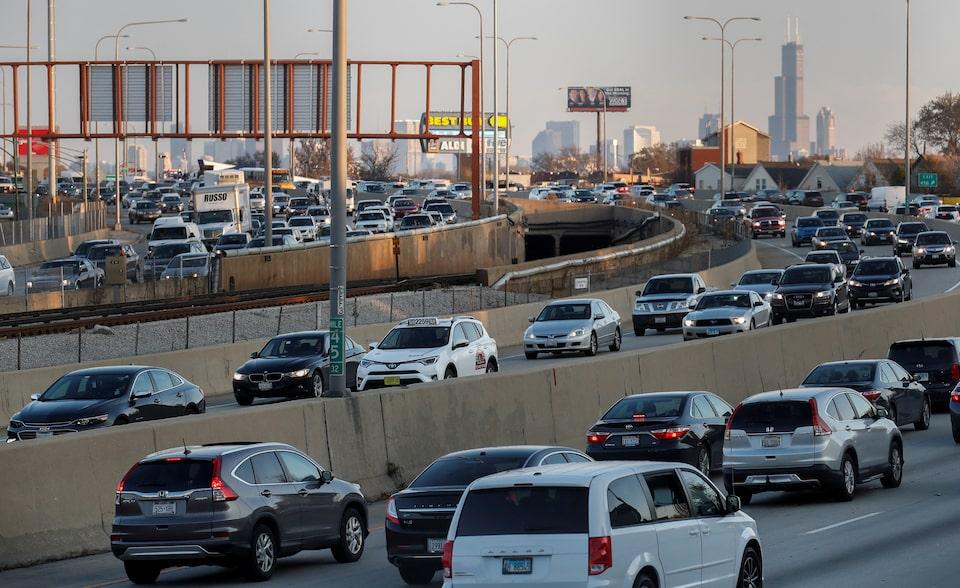
WASHINGTON, Feb 10 (Reuters) - U.S. President Donald Trump plans to formalize on Thursday a move to overturn the Obama-era legal basis for federal greenhouse gas rules, which will lead to the repeal of vehicle emissions rules, the White House said on Tuesday. White House press secretary Karoline Leavitt told reporters that Trump will be joined at an event by Environmental Protection Agency administrator Lee Zeldin to formalize the rescission of then-President Barack Obama's 2009 scientific finding that carbon dioxide endangers human health. Sign up here. She said the move was the largest deregulatory action in U.S. history and estimated it would reduce costs for automakers by $2,400 per vehicle. The move, which Trump's Republican administration formally proposed in July, marks its most sweeping climate change policy rollback to date and follows a string of regulatory cuts and other moves intended to unfetter fossil fuel development and stymie the rollout of clean energy. An EPA spokesperson said the finding had been used by the Democratic Obama and Biden administrations to "justify trillions of dollars of greenhouse gas regulations covering new vehicles and engines." Rules introduced by former President Joe Biden's administration in 2024 aimed to cut passenger vehicle fleetwide tailpipe emissions by nearly 50% by 2032 compared with 2027 projected levels. The EPA forecast between 35% and 56% of new vehicles sold between 2030 and 2032 would need to be electric, and said the rules would result in net benefits of $99 billion annually through 2055, including $46 billion in reduced fuel costs, and $16 billion in reduced maintenance and repair costs for drivers. Consumers were expected to save an average of $6,000 over the lifetime of new vehicles from reduced fuel and maintenance costs. A group representing major automakers asked the EPA in September to roll back aggressive vehicle emissions limits but argued the agency should still rewrite the Biden rules, saying they "still need to be revised to feasible levels to provide certainty for the industry." "Such a contingency plan will be critical if motor vehicle GHG standards are retained or reinstated in some way," said the Alliance for Automotive Innovation, which represents General Motors, Toyota, Volkswagen and other major automakers. The repeal will remove regulatory requirements to measure, report, certify, and comply with federal GHG emission standards for cars and trucks. https://www.reuters.com/sustainability/cop/white-house-says-trump-plans-formalize-regulatory-rollback-greenhouse-gases-2026-02-10/
2026-02-10 19:02
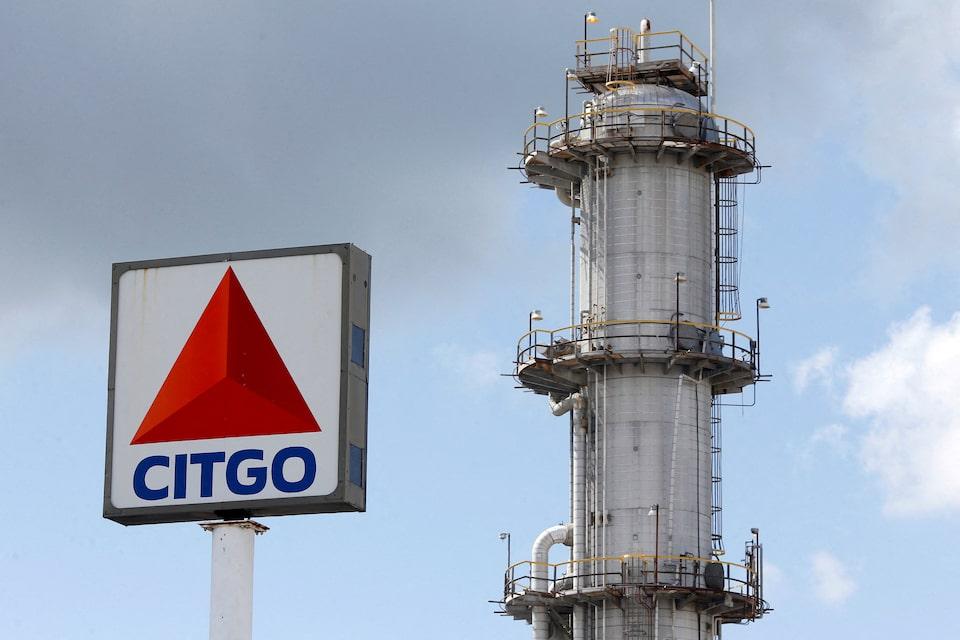
Court's sale order remains unexecuted, pending OFAC approval Citgo prevented from making material changes that could alter company's value, sources say Amber plunging itself into refiner's decision-making, sources say HOUSTON, Feb 10 (Reuters) - U.S. refiner Citgo Petroleum is struggling to make key decisions about investments and finances as the sale of its Venezuela-owned parent to an affiliate of Elliott Investment Management remains frozen months after a U.S. judge signed off on the process, two sources with knowledge of the matter told Reuters. A Delaware court late last year approved a $5.9 billion bid from Elliott's affiliate Amber Energy for Citgo parent PDV Holding and ordered the sale after two years of auctions as part of complex proceedings to compensate creditors for defaults and expropriations in Venezuela. Sign up here. The transaction, however, remains unexecuted as it still needs approval from the U.S. Treasury Department. The department's Office of Foreign Assets Control in early February extended its long-standing protection from creditors for Citgo through March 20. It did not give a reason for the extension and the approval does not have a clear deadline, according to the court's sale terms. A political transition in Venezuela after the U.S. removed President Nicolas Maduro from power last month, alongside plans to re-activate the country's energy sector, is raising fresh questions about who should own and control Citgo, the crown jewel of Venezuela's foreign assets. The U.S. State Department is seen as one of the main barriers holding up the sale, while the Treasury, Commerce and Energy Departments all support the transaction going through, said a separate source familiar with the talks. The State and Treasury departments and the White House did not immediately respond to requests for comment. Until OFAC greenlights the sale or issues an opinion against it, Citgo - the seventh-largest U.S. refiner - is prohibited from making material changes to its business plans that can alter the value assigned to the company as part of the sale, which includes changing ownership in any way, taking on new debt or making major investments, the two sources with knowledge of the matter said. The company's board keeps running the business and making routine decisions - last month it approved buying Venezuelan oil for the first time since 2019. But the sale order prevents it from major hires or spin-offs, refining turnarounds or infrastructure expansions that were not included in its business plans, unless approved by Amber, the people added. Meanwhile, Amber is increasingly plunging itself into the refiner's decision-making process, with the company seeking information about Citgo's board meetings, financial and operating details "on a daily basis," even though it is not formally in control of the company, the sources said. Citgo did not reply to a request for comment. Elliott and boards supervising the refiner declined to comment. CITGO CREDITORS WAIT IN THE WINGS The sale of Citgo is critical to compensating over a dozen creditors collectively claiming some $19 billion for debt defaults and expropriations in the South American nation. These include U.S. oil producer ConocoPhillips (COP.N) , opens new tab, which exited Venezuela in 2007 and filed for arbitration after its assets there were expropriated, and bondholders that have collateral over Citgo's equity. Conoco has made the recovery of the funds it is owed a key prerequisite to consider returning to the country as part of President Donald Trump's call for $100 billion of new investment there, the company has said. Conoco did not reply to a request for additional comment. Parties that want the sale executed have argued to the Trump administration, which took control of Venezuela's oil revenue after capturing Maduro in January, that the Amber transaction supports U.S. interests because it is an American company, the source familiar with the talks said. The parties say that transferring Citgo to Amber would transform the refiner into a truly American company and would pave the way to fairly compensate other U.S. companies, including Conoco, the person added. Efforts to arrange meetings between Elliott founder Paul Singer and top U.S. cabinet officials are ongoing, the source said. Both Elliott and the Venezuela parties have expanded lobbying in Washington in recent weeks, but the administration has not shown itself ready to make a decision, three sources close to the preparations said. The Venezuela parties, supported by opposition leader Maria Corina Machado, have not had relevant meetings about Citgo with top U.S. officials since a government led by interim President Delcy Rodriguez took office last month, the sources said. Both Rodriguez and Venezuela's political opposition have rejected the auction and asked the U.S. to keep the refiner in Venezuela's hands as a tool for the country's planned reconstruction. https://www.reuters.com/legal/litigation/citgo-struggles-with-long-term-direction-sale-process-remains-frozen-sources-say-2026-02-10/
2026-02-10 18:30
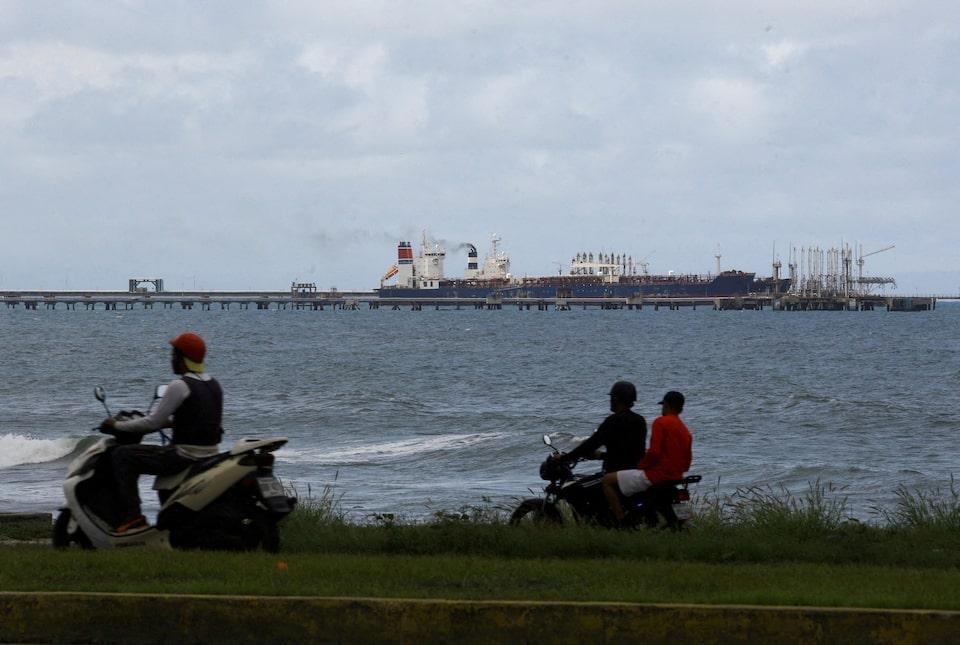
Expanded US license to help ease Venezuela output shut-ins - EIA Venezuela was producing up to 1.2 million bpd before US naval blockade Global oil output growth to outpace demand through 2027 - EIA Brent crude prices to average about $57.69/bbl this year - EIA NEW YORK, Feb 10 (Reuters) - Expanded U.S. licenses for Venezuela-related deals are expected to restore the South American country's oil production by mid-2026 to levels seen before a U.S. naval blockade in December, the U.S. Energy Information Administration said on Tuesday. Venezuela's state oil company PDVSA was forced to make deep output cuts after Washington imposed the strict naval blockade to pressure Nicolas Maduro, the Venezuelan president captured by U.S. forces in early January. Sign up here. The blockade cut off Venezuela's ability to export oil, leading to millions of barrels of crude building up in onshore tanks and vessels. Venezuela had been producing around 1.1 million to 1.2 million barrels per day of crude before the blockade. PDVSA has since reversed most of the cuts, lifting output to close to 1 million bpd, after the U.S. government last month authorized commodities traders Vitol and Trafigura to join oil major Chevron (CVX.N) , opens new tab in exporting Venezuelan oil, helping clear the storage buildup. The traders have stored much of the oil in Caribbean terminals, from where it is likely to be shipped to refineries on the U.S. Gulf Coast, the EIA said. Washington also issued an expanded general license late last month, allowing more companies to transport and sell Venezuelan oil. The move should ease production shut-ins and enable output to return to pre-blockade activity by the end of the second quarter this year, the EIA said. Global oil production growth is meanwhile expected to outpace demand over the EIA's forecast period through the end of 2027, raising inventories and putting pressure on prices, the agency said. The EIA expects Brent crude to average $57.69 a barrel this year, a 3% increase from its prior forecast of $55.87 but still well below last year's average of about $69, it said in its short-term energy outlook report. Brent is forecast to fall further to around $53 a barrel next year, it said. U.S. oil output is now projected to average a record 13.60 million bpd this year, about 10,000 bpd above the prior forecast, the EIA said. Output from the world's top producer is expected to ease to about 13.32 million bpd in 2027, it said. Total world crude and liquid fuels production is forecast to average 107.8 million bpd, up about 100,000 bpd from the previous estimate, the EIA said. https://www.reuters.com/business/energy/venezuelan-oil-output-could-return-pre-blockade-level-by-mid-2026-eia-says-2026-02-10/