2025-06-06 06:02
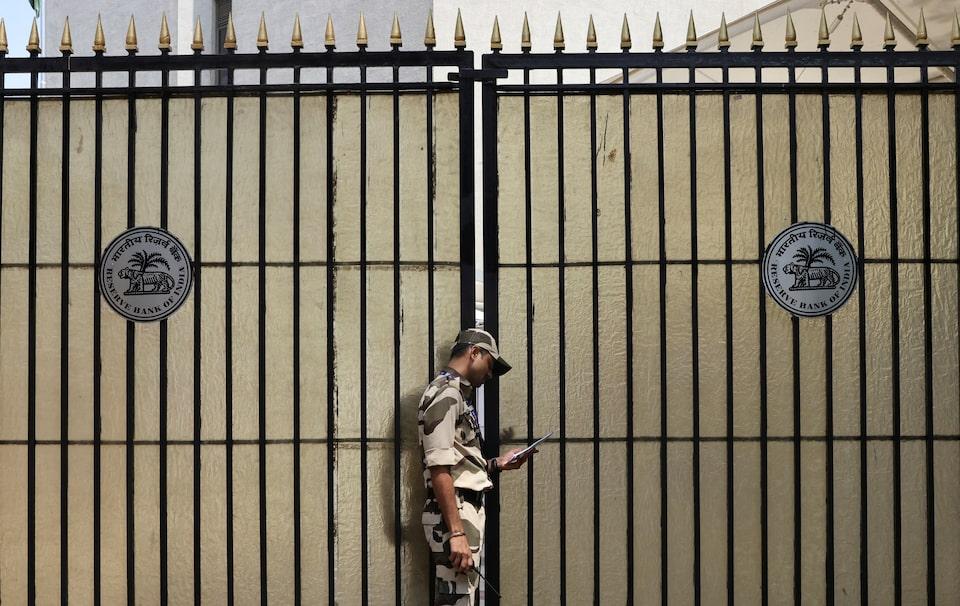
June 6 (Reuters) - The Reserve Bank of India (RBI) cut its key repo rate by a larger-than-expected 50 basis points (bps) on Friday, a third consecutive reduction, and slashed the reserve ratio for banks as muted inflation provided space for policymakers to focus on supporting economic growth. The Monetary Policy Committee (MPC), which consists of three RBI officials and three external members, cut the repo rate (INREPO=ECI) , opens new tab to 5.50%. It has now cut rates by 100 bps in 2025, starting with a 25 bps reduction in February. Sign up here. Additionally, the RBI lowered the cash reserve ratio by 100 bps to 3%, further boosting the already surplus liquidity in the banking system. COMMENTARY: RAGHVENDRA NATH, MD, LADDERUP ASSET MANAGERS, MUMBAI "This is twice the reduction that most economists had anticipated." "The RBI's decision to gradually reduce the CRR in four equal tranches of 25 basis points over this year is likely to enhance liquidity in the system and lower the cost of funds for banks, leading to lowering (the) cost for borrowers and thus supporting private investment and domestic consumption." VINIT BOLINJKAR, HEAD OF RESEARCH, VENTURA SECURITIES, MUMBAI "This move brings major relief to borrowers, with EMIs set to drop further following a cumulative 100 bps cut since February. The MPC also shifted its stance to 'neutral' and announced a staggered 100 bps CRR cut to 3%. These measures offer timely support to the economy and markets amid global uncertainties." ABHISHEK BISEN, HEAD, FIXED INCOME, KOTAK MAHINDRA AMC, MUMBAI "The RBI finally goes for 'whatever it takes' moment for India with the confidence of keeping inflation within target and aspiration of growing higher." "With the stance change to 'neutral' and RBI Governor statement of frontloading of the rate cut in this policy, we expect further rate action to be data dependent. However, we believe there is scope for more 25 bps rate cut in this cycle, though the timing of the cut is uncertain. Headwinds continue to be from global variables with uncertainty of U.S. tariffs and tense geopolitical situation in parts of the world." SAKSHI GUPTA, PRINCIPAL ECONOMIST, HDFC BANK, GURUGRAM "The RBI has delivered a surprise bonanza with an outsized rate cut and a CRR cut... The change in stance to 'neutral' perhaps indicates that the RBI could now become data dependent and remain on pause at least for the next two meetings. Any further rate cuts would be a function of how growth performs in H1 FY26." "It is highly likely that the repo rate remains at 5.5% over the course of 2025 now." RADHIKA RAO, SENIOR ECONOMIST, DBS BANK, SINGAPORE "The policy committee provided a double-barrelled boost by undertaking a 50 bps rate cut as well as a durable liquidity infusion via the CRR cut, tapping into the window of below-target inflation this quarter." "Official inflation forecast for fiscal 2026 was also trimmed. This was balanced by a shift to 'neutral' stance, signaling that the focus will now shift towards policy transmission. With our forecast of the terminal rate being met, further rate reductions are likely if the growth momentum weakens anew." UPASNA BHARDWAJ, CHIEF ECONOMIST, KOTAK MAHINDRA BANK, MUMBAI "The higher-than-expected repo rate cut comes along with a shift in the stance back to 'neutral'. This clearly points towards future decisions being more data dependant given the significant global uncertainties." "Furthermore, the sharp drop in CRR is likely to keep liquidity conditions suitably comfortable to ensure monetary transmission." MANAN SHAH, MD, REALTY DEVELOPER MICL GROUP, MUMBAI "For the real estate and infrastructure sectors, this is not merely a reduction in borrowing costs - it is a catalyst for renewed buoyancy, capital deployment and project acceleration." "As liquidity improves and sentiment strengthens, we anticipate a cycle where homebuyer confidence rises, developers unlock new investments and ancillary industries gain momentum." MADHAVI ARORA, CHIEF ECONOMIST, EMKAY GLOBAL SERVICES, MUMBAI "The RBI appears to have front-loaded all policy actions, be it higher-than-expected rate cuts or infusing durable, albeit staggered, liquidity via lower CRRs." "All of that now implies that the ball is in the banks' court to transmit easier financial conditions faster." AMIT KUMAR GUPTA, FOUNDER AND CHIEF INVESTMENT OFFICER OF FINTREKK CAPITAL, NEW DELHI "Full liquidity bazooka. Along with a 50 bps rate cut, the RBI has given lenders full plate to go ahead and bring back credit growth. CRR cut by 100 bps is in four tranches of 25 bps. But that's alright." "Liquidity easing slowly is good for corporations." ANIL REGO, FOUNDER & FUND MANAGER AT RIGHT HORIZONS PMS, BENGALURU "This marks a key turning point in India's monetary approach, signaling a move from active easing to a more balanced, data-dependent stance amid rising global uncertainties and volatile capital flows." "The cumulative 100 basis point rate cut since February underscores the RBI's urgency to support demand, while the shift to a 'neutral' stance signals a more cautious, data-driven approach to balancing growth and inflation risks going forward." GARIMA KAPOOR, ECONOMIST, INSTITUTIONAL EQUITIES, ELARA SECURITIES, MUMBAI "An assessment of growth being lower than aspirations and inflation continuing to remain benign offered room for RBI's MPC to cut policy repo rate by 50 bps. However, a 100 bps CRR cut along with policy repo rate cut of 25 bps suggests an assertive growth bias of the policy, especially in uncertain global environment." "(The) 100 bps cut in CRR will ensure quick transmission of rates, support net interest margins (NIMs) for banks and ensure ample liquidity to aid credit demand when demand rises." JYOTI PRAKASH GADIA, MANAGING DIRECTOR AT RESURGENT INDIA, MUMBAI "The repo rate cut of 50 basis points by RBI amounts to bringing a welcome surprise to support the growth, taking into account the grand opportunities emerging from a strong and stable economy." "The frontloading of the rate cut is, however, accompanied with a change in stance from 'accommodative' to 'neutral', which implies that further rate cuts may not come sooner and RBI will watch the future scenario of growth inflation matrix. This is considered a wise step to give the chance for early credit and investment growth to take the economy to a new trajectory before we lose the opportunity due to future likely uncertainty." SUJAN HAJRA, CHIEF ECONOMIST AND EXECUTIVE DIRECTOR, ANAND RATHI GROUP, MUMBAI "The RBI's 50 bps policy rate cut, coupled with a 100 bps reduction in the cash reserve ratio (CRR), exceeded both our expectations and the market consensus. As the Governor indicated, this frontloading of monetary easing reflects a clear intent to support growth while inflation remains benign." "At the same time, the policy stance has been shifted from 'accommodative' to 'neutral'. Although this change might be read as a signal that the rate cut cycle is nearing its end, we believe it is aimed at tempering any potential 'irrational exuberance' in the financial markets." "Overall, the policy decision is constructive for both equity and debt markets. In equities, interest-sensitive sectors are poised to benefit. While lower rates and policy transmission could have weighed on bank net interest margins in the near term, the sizeable CRR cut provides a significant offset, making this a particularly positive move for banks." SACHCHIDANAND SHUKLA, GROUP CHIEF ECONOMIST AT LARSEN & TOUBRO, MUMBAI "The RBI has gone ahead and utilized all the space afforded by inflation undershoot and underwhelming growth to deliver an outsized and less expected 50 bps rate cut." "Even more surprising is the fact that it has reversed its stance back to 'neutral'. This must be one of the quickest changes or reversals in stance as it had moved to 'accommodative' stance only in its last policy in April, which meant only rate cuts or pauses, but going back to 'neutral' means RBI can move either side." https://www.reuters.com/world/india/view-india-central-bank-delivers-outsized-50-bps-rate-easing-lowers-cash-reserve-2025-06-06/
2025-06-06 05:50
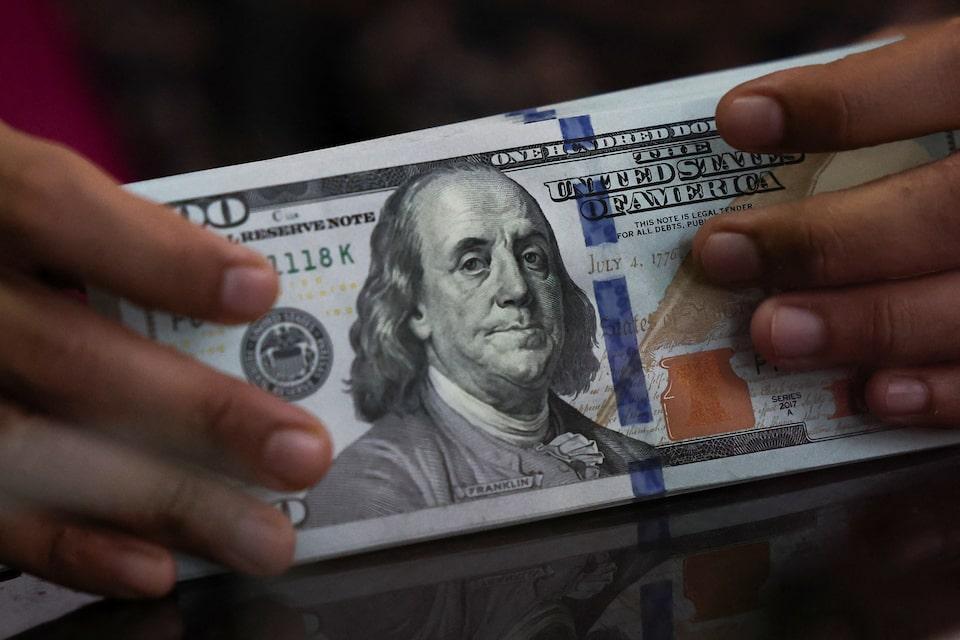
Dollar gains against yen and Swiss franc US adds 139,000 jobs in May Euro loses ground but set for weekly gain NEW YORK, June 6 (Reuters) - The dollar rose against major currencies on Friday after data showed better-than-expected U.S. jobs growth in May despite a slowdown from the previous month, suggesting the Federal Reserve might wait longer to cut interest rates. Labor Department data showed that employers added 139,000 jobs in May, fewer than the 147,000 jobs added in April, but exceeding the 130,000 gain forecast in a Reuters poll of economists. Sign up here. The dollar was up 0.95% to 144.87 against the Japanese yen and added 0.26% to 0.822 against the Swiss franc . The greenback extended gains against both safe-haven currencies following the data. The U.S. currency was headed for a second straight weekly gain against both the yen and franc, but it was still down about 8% year-to-date and about 9% year-to-date, respectively, against both currencies. The dollar has been weighed down by uncertainty from President Donald Trump's tariff policies and the prospects of negotiations with trading partners including China, the deficit spending and tax bill being considered in the U.S. Senate after it passed the House of Representatives, and the trajectory of recent economic data, said Eugene Epstein, head of structuring for North America at Moneycorp in New Jersey. But the market is starting to reverse some of its short positioning against the dollar in the wake of stronger-than-expected economic data, including the jobs data, Epstein said. "Every bank is forecasting a weaker dollar, which I think is probably the right call long-term. But now you have this stretched positioning and suddenly reversing everything since you have stronger jobs numbers and stronger hourly earnings. The numbers are stronger overall and now good news is bad news because the 10-year yields went up so the rate cuts are not going to come," Epstein said. The euro added to losses against the dollar immediately after the jobs data and was down 0.43% at $1.1395. It is still up about 10% year-to-date against the dollar. The single currency, which is headed for a weekly gain against the greenback, had hit a six-week high of $1.14950 on Thursday following comments by European Central Bank President Christine Lagarde that the central bank was nearing the end of the monetary policy easing cycle. The dollar index , which measures the greenback against a basket of currencies including the yen and the euro, rose 0.53% to 99.20 on the session, but it is on track to notch a weekly loss. Trump and Chinese leader Xi Jinping held a rare leader-to-leader call on Thursday, as tensions over tit-for-tat tariffs appear to be easing. The dollar strengthened 0.23% to 7.191 versus the offshore Chinese yuan. Bitcoin rose 4.21% to $104,739.17. Ethereum rose 4.17% to $2,499.02. https://www.reuters.com/world/africa/dollar-mired-us-economic-weakness-trade-limbo-2025-06-06/
2025-06-06 05:43
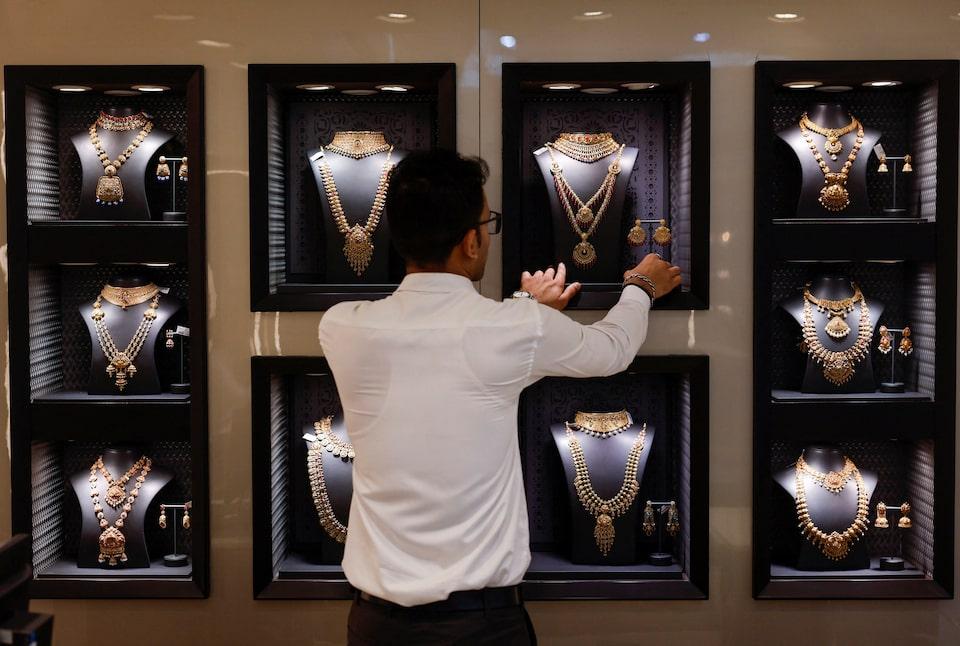
Expect some selling because of high prices - Singapore dealer India dealers offer $56/oz discount this week June 6 (Reuters) - Gold discounts in India widened this week to their highest levels in more than a month, as a rally in domestic prices to near-record highs weighed on demand, while elevated rates also dampened buying across other major Asian hubs. Domestic gold prices were trading around 98,300 rupees per 10 grams on Friday, after rebounding from a low of 90,890 rupees last month and nearing the all-time high of 99,358 rupees. Sign up here. The spike in prices forced Indian dealers to offer discounts of up to $56 an ounce below official domestic prices, which include a 6% import duty and 3% sales tax, up from $31 last week. "Prices have gone up, and that's really hit demand. Hardly anyone was buying this week," said Harshad Ajmera of wholesaler JJ Gold House in Kolkata. Gold demand in India typically remains subdued during the monsoon season, which began earlier than usual this year. Jewellers are not making purchases because the lean demand season has started, and they don't want to build high-cost inventory, said a Mumbai-based bullion dealer with a private bank. Meanwhile, dealers in top gold consumer China charged premiums of $10-$14 an ounce over the global benchmark spot price. Last week, bullion changed hands at par to a $15 premium. "Elevated gold prices appear to have negatively impacted Chinese demand, judging by weaker trading volume," said Hugo Pascal, a precious metals trader at InProved. In Hong Kong, gold was sold at a premium of $0.30 to $1.30, while in Singapore gold traded between at-par prices and a $2.50 premium. "We've seen some of our clients coming to take profit and also on the wholesale side, we've seen some selling because prices are high," said Brian Lan, managing director at Singapore-based GoldSilver Central. In Japan, bullion traded anywhere between a discount of $0.5 and a $0.5 premium over spot prices. https://www.reuters.com/world/china/asia-gold-indian-dealers-offer-steeper-discounts-price-rally-dulls-demand-2025-06-06/
2025-06-06 05:23
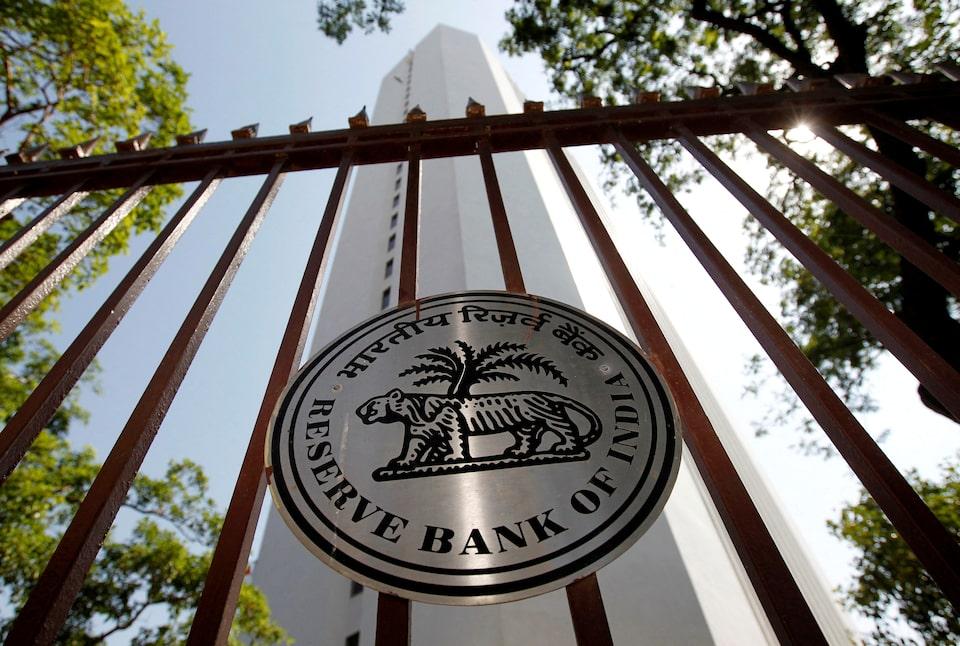
MUMBAI, June 6 (Reuters) - India's foreign exchange reserves (INFXR=ECI) , opens new tab stood at $691.5 billion as of May 30, the governor of the country's central bank said on Friday, down $1.2 billion from the previous week and coming off near-eight month highs. The country's FX reserves are now about $13.4 billion below their all-time high hit in September 2024. Sign up here. "These (reserves) are sufficient to fund more than 11 months of goods imports and about 96% of external debt outstanding," Reserve Bank of India Governor Sanjay Malhotra said in a statement while announcing the monetary policy decision. Changes in foreign currency assets, expressed in dollar terms, include the effect of appreciation or depreciation of other currencies held in the reserves. For the week ended May 30, the rupee notched a weekly drop amid uncertainty around U.S. tariffs. The currency had risen to a six-month high in May but shed its gains through the month. The rupee was little changed at 85.8050 per U.S. dollar on Friday, after the RBI cut its key repo rate by a larger-than-expected 50 basis points, a third consecutive reduction, and slashed the reserve ratio for banks. Foreign exchange reserves include India's reserve tranche position in the International Monetary Fund. https://www.reuters.com/world/india/indias-forex-reserves-fall-6915-billion-may-30-2025-06-06/
2025-06-06 05:16
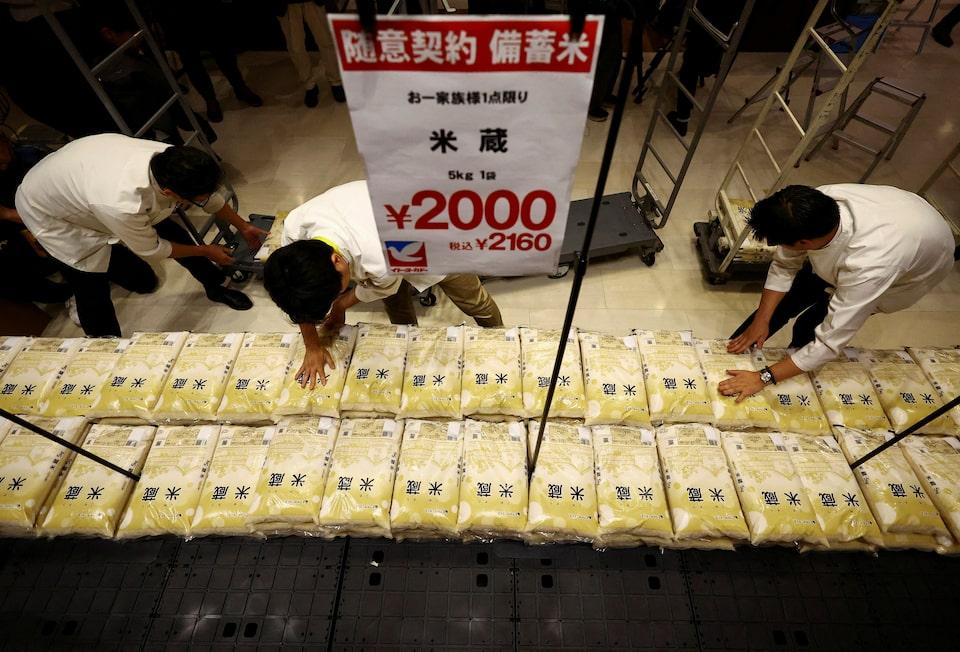
TOKYO, June 6 (Reuters) - Japan said on Friday that "all options" were being considered to stabilise rice prices, including the use of up to 100,000 metric tons of tariff-free staple rice the government imports a year, and further emergency imports beyond that quota. WHY IT'S IMPORTANT The doubling of rice prices since last year has become a major concern for consumers as well as policymakers ahead of key elections in Tokyo and nationwide in June and July. Sign up here. The government has so far earmarked about 600,000 metric tons of rice for release from its emergency stockpile in an effort to lower prices. Koizumi has said he was ready to release the entire stock - or another 300,000 tons - as needed, but it remains to be seen how much that would help prices fall. KEY QUOTES "If you look at other products, (emergency imports) are something that we naturally turn to. When bird flu causes a shortage of eggs, for example, we've imported from Brazil," Japan's Agriculture Minister Shinjiro Koizumi told a press conference. "Maybe rice has always been seen as sacred ground but we have to drop that thinking and consider all options to achieve stable prices." BY THE NUMBERS Japan has a limit of 100,000 metric tons a year of tariff-free "minimum access" staple rice imports, as agreed with the World Trade Organisation. As homegrown rice prices have soared, demand for cheaper, foreign-made rice has surged, even for imports outside this tariff-free quota. Rice prices in Japanese supermarkets averaged 4,260 yen ($29.62) per 5 kg (11 pounds) in the week to May 25, about double the level from a year earlier. CONTEXT Shortly after taking over as agriculture minister last month, Koizumi ended the slow and cumbersome distribution method of stockpiled rice to cooperatives and wholesalers via auction. The emergency rice is now being sold directly to retailers, which are generally selling it for about 2,000 yen per 5 kg. WHAT'S NEXT How much average rice prices come down across the market and what further policies, if any, are taken will remain in focus as Japan approaches crucial elections. ($1 = 143.8100 yen) https://www.reuters.com/markets/commodities/japan-says-emergency-rice-imports-other-options-considered-stabilise-prices-2025-06-06/
2025-06-06 04:37
A look at the day ahead in European and global markets from Stella Qiu It could be the most expensive breakup ever. Sign up here. The bromance-turned-to-brawl between U.S. President Donald Trump and billionaire Elon Musk sparked a 14% drop in Tesla shares overnight, wiping out $150 billion in market value. Then there's the tens of billions of dollars in SpaceX government contracts that Trump has threatened to cut. High-stakes political drama aside, investors have not lost sight of the U.S. payrolls report looming later in the day, after a run of soft economic data this week left markets wary of a downside surprise. Any unexpected weakness in the U.S. labour market could be enough to get the Federal Reserve's policy-makers thinking again about rate cuts, after sitting on their hands since December to assess the inflationary impact of Trump's tariffs. The Trump-Musk feud was not without wider consequences for markets, though. Even bitcoin prices tumbled 4% overnight as investors reckoned Trump's support should perhaps not be counted on indefinitely. Asian technology shares followed Wall Street lower, helping to nudge most of the region's stock markets into negative territory. Japan's Nikkei (.N225) , opens new tab was an exception, rising 0.3%. There were signs in the Asia morning on Friday that tempers may be cooling down a bit, with Trump telling Politico that "it's okay" when asked about the breakup and Tesla stocks steadying in after-hours trading. In the meantime, investors found little reason to cheer the phone call on trade between Trump and Chinese President Xi Jinping, which produced little more than an agreement to talk further. As for the U.S. payrolls, forecasts are centred on a rise of 130,000 jobs in May, with the unemployment rate holding steady at 4.2%. Fed funds futures imply little chance of a rate cut until September, although a move at that time is about 90% priced in with another expected in December. Worries of a downside surprise on payrolls kept markets subdued. Wall Street futures , were mostly flat and European markets are set for a lower open, with EUROSTOXX 50 futures down 0.2%. In the currency markets, the euro rose to a six-week high of $1.1495 overnight after the European Central Bank cut rates but signalled it was nearing the end of its policy easing cycle. Investors have given up on the chances of a cut in July, while the final move is expected in December. Key developments that could influence markets on Friday: -- German industrial output, trade data for April -- Eurozone retail sales for April -- U.S. nonfarm payrolls for May https://www.reuters.com/business/autos-transportation/global-markets-view-europe-2025-06-06/