2025-06-03 10:59
PRETORIA, June 3 (Reuters) - South Africa's economy stagnated in the first quarter, eking out quarter-on-quarter growth of just 0.1%, as contractions in sectors like mining and manufacturing offset a strong performance by agriculture. Africa's biggest economy has struggled to build momentum since the 2008-2009 global financial crisis, with annual growth averaging less than 1% over the past decade. Sign up here. Business and consumer confidence has picked up since the formation of a coalition government last year, but that is yet to translate into higher levels of output. Tuesday's data was marginally better than expected, as economists polled by Reuters had predicted gross domestic product (GDP) would be unchanged from the previous quarter in seasonally adjusted terms (ZAGDPN=ECI) , opens new tab. But analysts and the country's top statistics official said the weak growth was worrying. "Our economy is not growing sufficiently, ... and at this state, it is easy for it to slide into the negative," Statistician-General Risenga Maluleke told a press conference. The agriculture sector grew more than 15% in the first quarter, making the biggest contribution to growth. But mining shrank 4% and manufacturing 2%. Statistics South Africa revised down its estimate of fourth-quarter growth to 0.4% quarter-on-quarter, from an initial estimate of 0.6%. Capital Economics said in a research note that the data showed South Africa's economic recovery was losing momentum, strengthening the case for more interest rate cuts from the central bank. The country's coalition government is trying to lift the growth rate through reforms, but longstanding problems like logistics bottlenecks at the ports and on the freight rail network are only slowly easing. First-quarter GDP increased 0.8% year on year, versus forecasts for 0.7% growth (ZAGDPY=ECI) , opens new tab. Last week, the central bank revised down its 2025 growth forecast to 1.2% from 1.7%. https://www.reuters.com/world/africa/south-africas-first-quarter-gdp-rises-01-qq-2025-06-03/

2025-06-03 10:52
MUMBAI, June 3 (Reuters) - Indian markets will likely be among the top three in Asia to attract foreign inflows once tariff-related uncertainties ease, with the rupee and local currency-denominated bonds benefiting the most, an executive from BofA Securities told Reuters. "India within Asia should be one of the best markets for investments as they have a lot of drivers for growth which other markets do not have," David Hauner, head of global emerging markets fixed income strategy at BofA Securities, said on Tuesday. Sign up here. Taiwan and South Korea could also invite investor interest, he said. The rupee was at 85.59 on Tuesday and is nearly flat for the year after easing 2.9% in 2024. Hauner expects the unit to appreciate to 84 against the U.S. dollar by end-2025. While the rupee could rise above 84 next year, aided by a weaker greenback, Hauner said he expects it to stay around that level as the central bank accumulates reserves. A soft dollar and the possibility of rate cuts from emerging market central banks is likely to draw investors, Hauner added. "I would expect that we will receive more inflows from the second half of the year, and we would see more proof that inflation globally is coming down and people will get more comfortable with EM fixed income, leading to more inflows." U.S. bond yields have risen and the dollar has fallen this year on fears that President Donald Trump's policies will be inflationary and lead to a selloff in Treasuries. Despite the upbeat outlook, foreign investors reduced their holdings of Indian government bonds in April and May, offloading over 320 billion rupees ($3.74 billion) on a net basis. Hauner said the selloff was sparked by worries over the impact of trade tensions, but added that a lot of capital is parked in U.S. money market funds, which could start flowing in later this year. BofA Securities expects the Reserve Bank of India to cut the policy repo rate by another 50 basis points over the remainder of this year. The central bank has already delivered 50 bps of reductions in 2025. Hauner prefers India's five-year government bonds and expects yields across the bond curve to decline by 25-50 bps. The five-year bond yield was at 5.85% on Tuesday. ($1 = 85.5270 Indian rupees) https://www.reuters.com/world/india/indian-rupee-bonds-set-be-among-top-three-asian-beneficiaries-foreign-inflows-2025-06-03/
2025-06-03 10:22
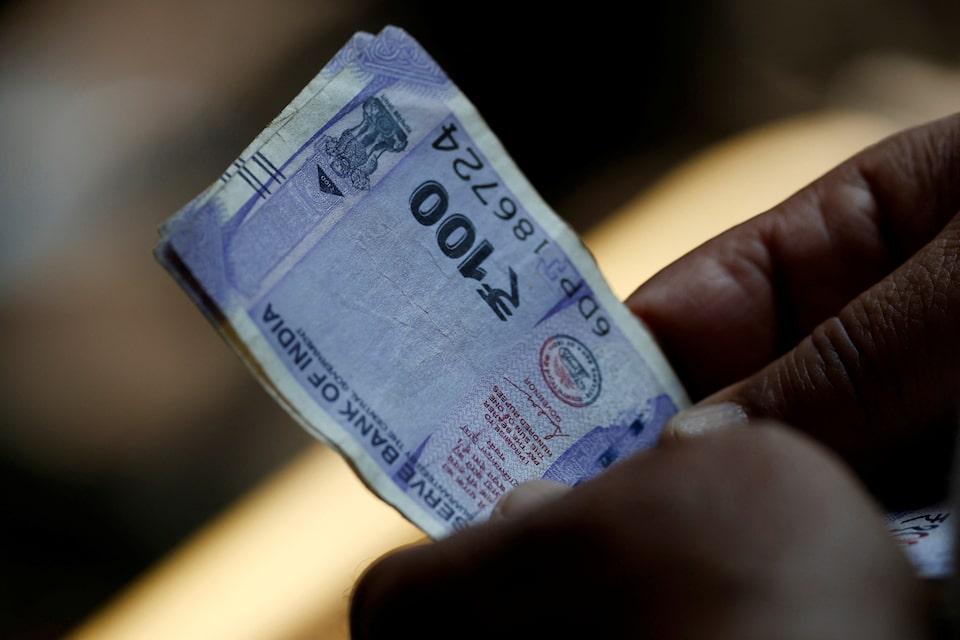
MUMBAI, June 3 (Reuters) - The Indian rupee closed marginally lower on Tuesday, but analysts said the underlying bias continues to be for a gradual appreciation to 85 per dollar amid persistent dollar weakness and easing headwinds. The local currency , which settled at 85.59 against 85.3825 in the previous session, had to contend with mixed cues from Asian peers and a modest recovery in the dollar index, which clawed back part of Monday’s losses. Sign up here. "The rupee is currently in a consolidation phase before the eventual breakout," said Anil Bhansali, head of treasury at Finrex Treasury Advisors. "With the dollar broadly struggling, we think a move towards 85.00 could materialize sooner rather than later." While the dollar index recovered modestly, it remains under pressure on U.S. policy and economy concerns. Data released on Monday showed U.S. manufacturing activity contracted in May. Meanwhile, worries over the U.S. fiscal deficit and the tariffs back-and-forth continue to linger. Analysts at HSBC said in a recent note that two key headwinds for the rupee - elevated oil prices and real effective exchange rate overvaluation - have begun to ease. Brent crude has declined meaningfully since March, which will help contain India's trade deficit, while a rally in the euro is expected to reduce the rupee’s overvaluation, the analysts said. HSBC projects USD/INR to reach 85 by the end of the April-to-June quarter. Market participants await the Reserve Bank of India's policy decision and the U.S. non-farm payrolls report on Friday. https://www.reuters.com/world/india/rupee-ends-slightly-lower-bias-rise-85-persists-2025-06-03/

2025-06-03 10:14
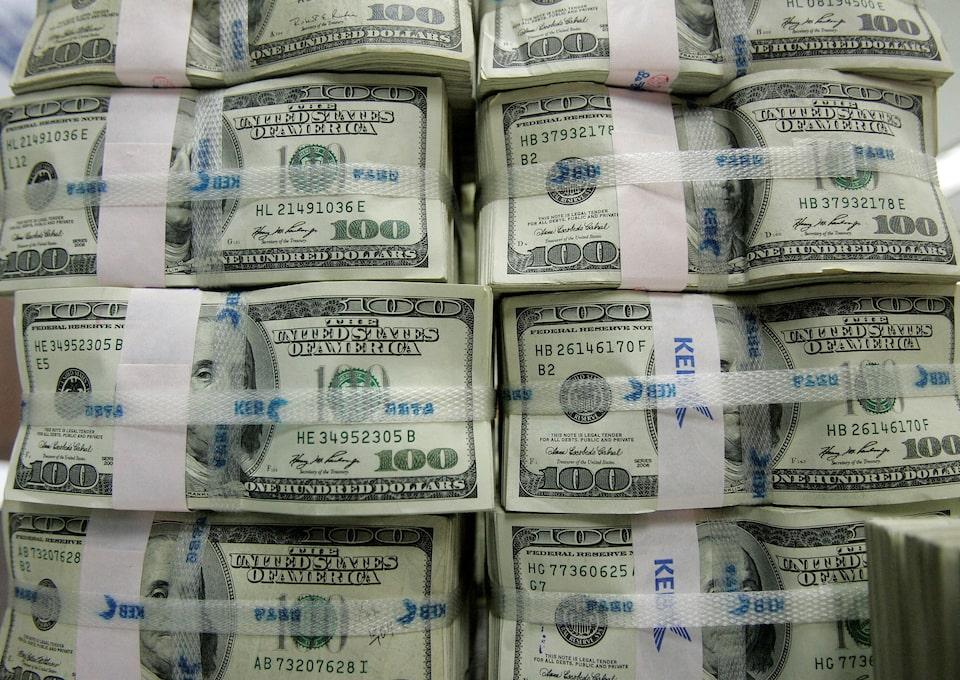
Investors are increasingly buying put options on the dollar FX options market signals further dollar weakening Investors favor USD puts over calls, indicating bearish sentiment Euro and yen show strong demand against the dollar EUR/USD risk reversal measures are near highest level on records dating to 2007 NEW YORK, June 3 (Reuters) - The U.S. dollar has steadied after a sharp tumble this year but traders in the foreign exchange options market are positioned for the U.S. currency to weaken further amid growing concern about the U.S. economy and persistent trade-related tensions. Investors started the year expecting the Trump administration's policies to boost the dollar, helped by his tax cuts and safe haven demand stemming from protectionist policies. Sign up here. But that view quickly soured when U.S. President Donald Trump unveiled levies in April that were larger and broader than anticipated, spiking volatility and sending the dollar to a three-year low. While a temporary pause in some of the reciprocal tariffs has helped calm nerves, the options market still paints a dour outlook for the dollar. The options market can offer a view on how investors and traders expect currencies to fare months down the line. "FX option prices in general continue to point to a greater risk of further dollar weakening," said Tim Brooks, head of FX options at Optiver. "From our perspective there is no clear single large position, but relative to the past 5-10 years, we see unprecedented demand from investors to own USD puts in comparison with at-the-money options or USD calls." Put options confer the right to sell the underlying security at a fixed price and date and are typically bought to express a bearish view. Their bullish counterpart is the call option, which grants the right to buy at a set price and known time frame. Because the foreign exchange market quotes currencies in pairs like dollars per euro , and yen per dollar , a bullish position on the euro indicates a bearish view on the dollar. FX risk reversals, a type of options strategy that involves the simultaneous purchase of a put option and sale of a call, or vice versa, are useful indicators of which currency is seeing more demand. Pricing on several of these currency pairs remains near multi-year highs despite the pause in the dollar's slide this year, highlighting the market's bearish stance on the buck. According to LSEG data, the three-month , six-month , and one-year 25-delta EURUSD at-the-money risk reversal measures just edged off their highest level of bullishness for the euro against the dollar on records dating to 2007, apart from a brief interlude during the 2020 pandemic's market disruption. "Positioning remains extremely bearish on the dollar," Karl Schamotta, chief market strategist at Corpay, said. "Pricing increases across the curve, with one-year risk reversals trading well above their shorter-term equivalents, suggest that options market participants expect the euro to continue its gradual grind higher," he said. The euro is up nearly 10% against the dollar this year. DOLLAR BEARS AT PLAY Other popular bets being placed are for the dollar to fall against the yen, Sagar Sambrani, senior FX options trader at Nomura, said. Investors are building up positions in dollar puts, trades to sell the U.S. currency particularly against currencies like the euro and sterling, suggesting they remain convinced the greenback has more losses in store. CME Group's options data show USD puts have drawn strong demand, both in aggregate and against most major currencies. In May, USD puts made up just over 59% of traded FX options volume, said Chris Povey, head of FX options at CME Group. Demand for dollar puts over calls was especially apparent in the yen and the Australian dollar, Povey said, making up more than 65% of the options volume in those pairs. Options data hint at expectations that the pace of decline in the dollar from here may be more measured relative to the sharp drop seen since the start of the year. The dollar is down about 9% against the euro, and the yen, respectively, for the year. The euro was last at $1.1443, and the dollar was trading at 142.70 yen. "Traders think spot market momentum will fade in the short term, but are betting on a gradual narrowing in relative growth differentials between the advanced economies by the autumn, along with a slow-motion diversification push over the next year, with major investors reallocating resources toward structurally undervalued markets outside the United States," Corpay's Schamotta said. CONTRARIANS BEWARE Investor confidence in the U.S. economy outperforming the rest of the world has taken a knock in recent months. Worries about rising U.S. debt and a widening budget deficit have also come to the fore, bolstering investors' desire to lighten up on U.S. assets. "I don't think we have the conviction to fight this consensus," Jayati Bharadwaj, a global FX strategist at TD Securities. "The new announcements that we have seen since the start of the year ... after a long time there are fundamental reasons to be bearish on the dollar," she said. With trade policy in flux, the dollar could well experience modest relief rallies. It also has the great advantage of being the No. 1 central bank reserve currency, backed by the world's safest and most liquid government debt market, with higher interest rates than rival developed-economy currencies. But on balance, the path of least resistance for the dollar is lower, strategists and investors said. "We've seen a significant amount of buying of dollar puts coming from a number of different types of clients," said an FX options trader at a large U.S. bank, who did not want to be named because of the private nature of these trades. "We still want to have exposure to dollar weakness, because that's the trade that when you add up all the things that are going on in the world probably makes the most sense," the trader said. https://www.reuters.com/business/fx-options-market-positioned-further-dollar-weakness-2025-06-03/
2025-06-03 10:11
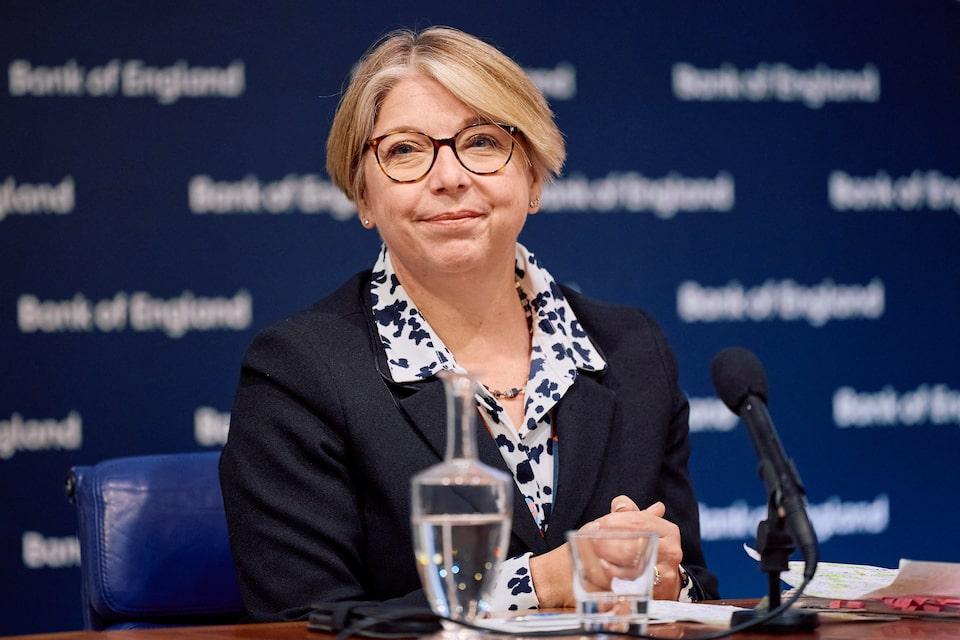
June 3 (Reuters) - Bank of England Deputy Governor Sarah Breeden said on Tuesday that she saw a case for cutting interest rates last month even without the impact of trade policy uncertainty on the global economy. "I thought that there was a case for a cut in Bank Rate, even absent the international developments, because I judged that domestic disinflationary process that we've all talked about was progressing as I expected, and I thought it would continue," Breeden told parliament's Treasury Committee. Sign up here. https://www.reuters.com/markets/europe/boes-breeden-saw-case-may-rate-cut-even-without-trade-turmoil-2025-06-03/
2025-06-03 10:08
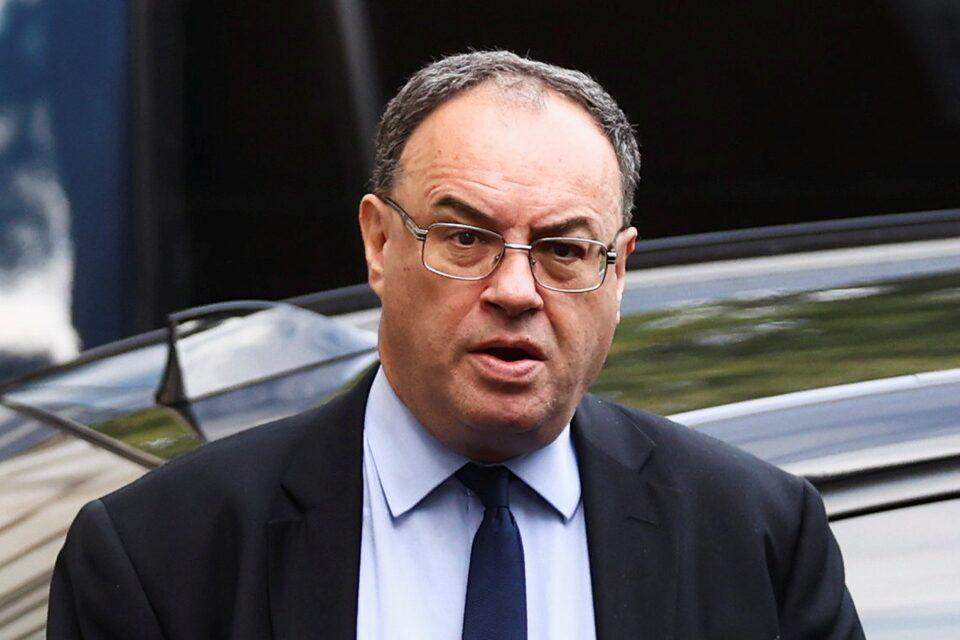
LONDON, June 3 (Reuters) - Bank of England Governor Andrew Bailey said the path for interest rates was now shrouded in more uncertainty than before because of global trade policy turmoil. "I think the path remains downwards, but how far and how quickly is now shrouded in a lot more uncertainty," Bailey told parliament's Treasury Committee. Sign up here. "We've added the word 'unpredictable' to 'uncertain' because of the sheer nature of what we're dealing with." https://www.reuters.com/markets/europe/boes-bailey-sees-rate-path-shrouded-increasingly-by-uncertainty-2025-06-03/