2025-05-28 12:04
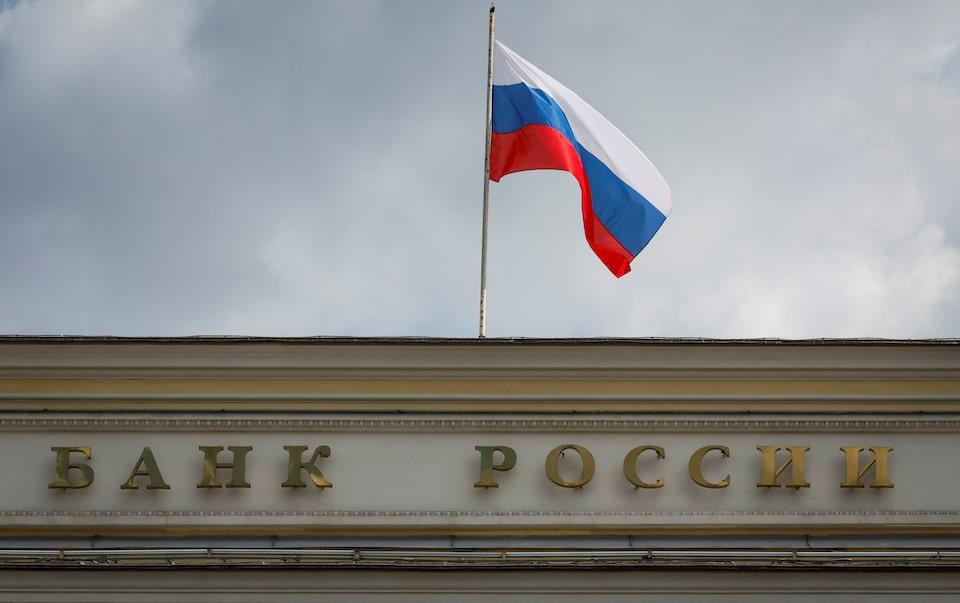
MOSCOW, May 28 (Reuters) - Russia's central bank defended its tight monetary policy in a report on Wednesday, saying high rates had contributed to a slowdown in lending and fostered signs of disinflation, but pointed to low oil prices as a key risk for the Russian economy. The central bank, battling stubbornly high inflation, has stood firm for months against growing pressure to ease borrowing costs, with critical companies cutting investment plans and the government bemoaning slowing economic growth. Sign up here. Economy Minister Maxim Reshetnikov on Monday said the cooling economy was facing "hypothermia" risks as he urged the central bank to take slowing inflation into account when it next meets to set interest rates on June 6. "Tight monetary policy is a temporary factor, necessary for a sustainable reduction in inflation," the bank, which has held its key interest rate at 21% since October, said in a financial stability review. Soaring military spending in the last two years has generated economic growth but fuelled inflation, causing overheating that the central bank has sought to cool with high rates. Russia's growth domestic product growth slowed to 1.4% in the first quarter, from 4.5% a quarter earlier. External conditions remain difficult, the bank said, pointing to risks from global market volatility, trade wars and the prospect of increased sanctions against Moscow. Further drops in prices for Russia's export goods, particularly oil, could become a "key risk" for Russia, the bank said. Price drops can reduce revenue for exporting companies and, in turn, the budget. However, financial stability risks overall are limited due to Russia's low debt and reserves accumulated during years of high oil prices, the bank said. The bank said increased credit restructuring by large and medium-sized Russian companies at the end of March was a temporary trend, expressing confidence that a majority of firms was resilient to interest rate risk. Nevertheless, banks must conduct regular stress tests of the stability of their corporate loan portfolios, the bank said. https://www.reuters.com/business/finance/russian-central-bank-warns-oil-price-risks-it-defends-high-rates-2025-05-28/
2025-05-28 12:00
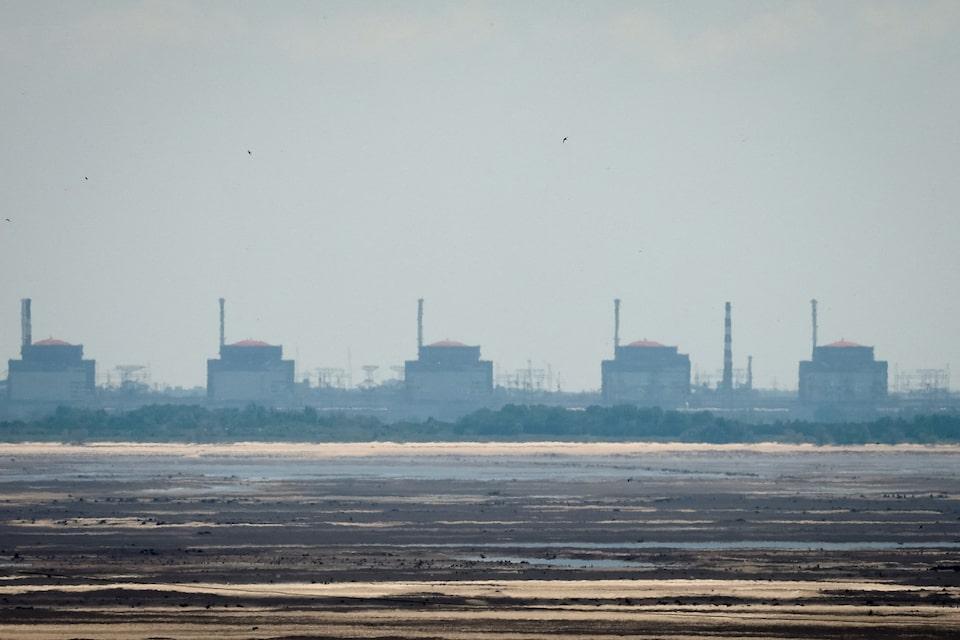
KYIV, May 28 (Reuters) - Ukraine has protested to the international atomic energy watchdog about reports that Russia is building power lines to connect the Zaporizhzhia nuclear plant to its own grid, a Ukrainian official said on Wednesday. Yuriy Vitrenko, Ukraine's representative to international bodies in Vienna, told Ukrainian news agency Ukrinform that Kyiv sees any attempt by Russia to connect the occupied plant to its grid as a gross violation of international law and Ukrainian sovereignty. Sign up here. On Tuesday, The New York times cited a new Greenpeace report which found that Russia had been building more than 50 miles (80 km) of power lines between the occupied Ukrainian cities of Mariupol and Berdyansk. Ukrainian officials have repeatedly stated that attempts to restart the plant could lead to a nuclear disaster, as Russian personnel are unfamiliar with the significantly upgraded equipment, are not trained to use it, and the condition of the plant itself is unknown. The lack of sufficient water volumes to cool the reactors after the Russian-held Kakhovka dam was blown up , opens new tab in June 2023, unleashing flooding, was an additional source of danger, they say. IAEA chief Rafael Grossi said the issue of restarting the plant would be discussed at meetings during his visits to Ukraine and possibly to Russia in the coming days. https://www.reuters.com/business/energy/ukraine-protests-iaea-over-russia-building-power-lines-zaporizhzhia-nuclear-2025-05-28/
2025-05-28 11:51
NEW DELHI, May 28 (Reuters) - India has raised the price at which it will buy the new-season common rice paddy variety from local farmers by 3%, the lowest increase in five years, as New Delhi struggles to manage overflowing granaries after last year's record harvest. India is the world's second-largest producer of rice and the biggest exporter in the world with a market share of more than 40%. Sign up here. For the common grade of rice paddy, the government has fixed the support, or guaranteed price at 2,369 rupees ($27.76) per 100 kg (220.46 lb), up from 2,300 rupees last year, Information and Broadcasting Minister Ashwini Vaishnaw said on Wednesday. Last year, India raised the rice paddy purchase price by 5.4%. The small rise in the support price will help exporters remain competitive in the world market against rivals such as Thailand and Vietnam, B.V. Krishna Rao, president of the Rice Exporters Association told Reuters. Every year authorities raise the support price of staples such as rice and wheat to build stockpiles to run the largest food welfare programme in the world, providing access to free grains for those most in need. But rice stocks, including unmilled rice paddy, in government warehouses totalled 59.5 million tons on May 1, more than four times a government target. The government is sitting on excess rice stocks and struggling to sell them, said a Mumbai-based dealer with a global trade house. "It doesn't want a big spike in production since that would mess things up. It's hoping farmers switch to other crops instead," the dealer said. Rice yields are affected by seasonal monsoon rainfall as rice is a water intensive crop. India's weather department has forecast above-average monsoon rainfall for the second straight year in 2025. India also raised the cotton purchase price by 8.3% to 7,710 rupees per 100 kg and the soybean price by 8.9% to 5,328 rupees per 100 kg. https://www.reuters.com/world/china/india-raises-purchase-price-rice-by-3-lowest-increase-five-years-2025-05-28/

2025-05-28 11:46
DOHA, May 28 (Reuters) - The Syrian government is to sign a deal with four companies on Thursday to expand its electrical grid by 5,000 megawatts, potentially doubling supply in a country that has suffered severe power shortages after more than a decade of conflict. State-supplied electricity is available in Syria for only two or three hours a day in most areas, and the government of President Ahmed al-Sharaa has pledged to quickly ramp up power supply in the country. Sign up here. The deal launching the Syria Power Revival Initiative will be signed at the Syrian presidential palace on Thursday, according to a media invitation from Qatar's UCC Holding, whose unit UCC Concession Investments will be lead developer on the project. The deal will also involve Kalyon GES Enerji Yatirimlari, Cengiz Enerji and Power International USA, according to the invitation. Energy and construction company UCC Holding - whose chairman is Syrian-Qatari entrepreneur Moutaz Al-Khayyat and whose president and CEO is his brother, Ramez Al-Khayyat - did not immediately respond to a Reuters request for further comment. The project will expand the grid through the development of gas turbines and solar plants. Fourteen years of war have destroyed much of Syria’s electricity infrastructure, which UN estimates say will require billions of dollars to repair. Damascus used to receive the bulk of its oil for power generation from Iran, but supplies have been cut off since Islamist Hayat Tahrir al-Sham led the ouster of Tehran-allied former president Bashar al-Assad in December. Qatar, a major producer of liquefied natural gas, has been providing Damascus's main power generation plant with gas since March as a stop-gap measure. https://www.reuters.com/world/middle-east/four-firms-including-qatars-ucc-expand-syrian-power-grid-2025-05-28/

2025-05-28 11:44
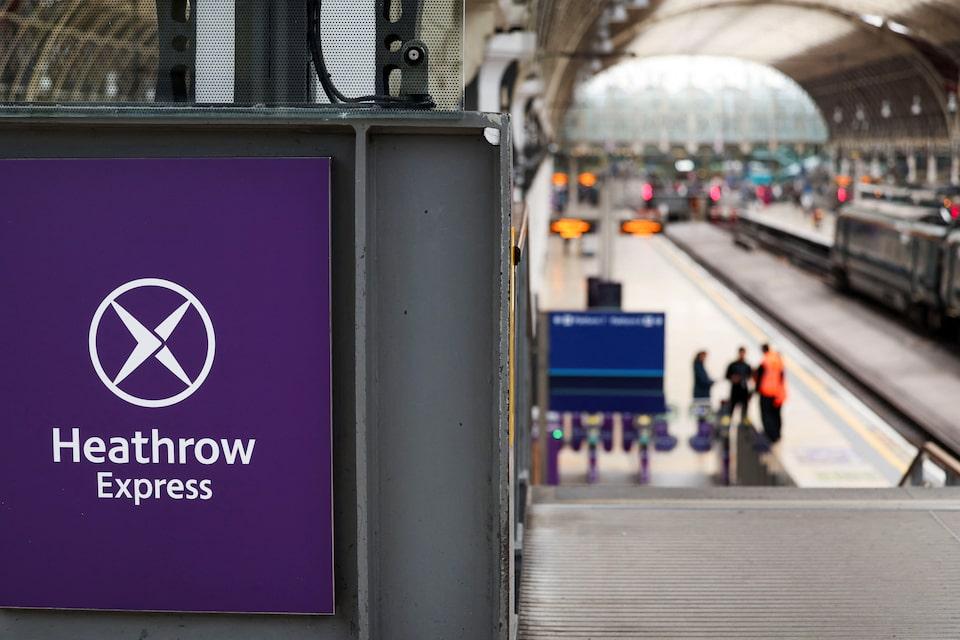
LONDON, May 28 (Reuters) - London's Heathrow Airport responded well to a major power outage in March that forced Europe's busiest hub to shut down for almost a day, a review commissioned by the airport concluded on Wednesday. The March 21 closure of Heathrow cost airlines tens of millions of pounds and stranded hundreds of thousands of passengers. It also raised questions about the resilience of Britain's infrastructure. Sign up here. "The evidence confirms that Heathrow made the right decisions in exceptionally difficult circumstances. Whilst the disruption was significant, alternative choices on the day would not have materially changed the outcome," said the review's author, former transport minister Ruth Kelly. "The airport had contingency plans in place, and the report highlights that further planned investment in energy resilience will be key to reducing the impact of any similar events in the future." The cause of a fire at a nearby electricity substation that forced Heathrow's closure remains unknown, a separate report published earlier this month by the National Energy System Operator said. Police have said the fire was not suspicious. The outage prompted scrutiny from the government, airlines and passengers, who asked why all of Heathrow's terminals had to shut and why it took 18 hours for power to be restored. The review made 28 recommendations, including to foster better understanding between the airport and power distributor SSEN, improve the monitoring of critical safety systems and assess whether additional back-up generators could improve resilience. https://www.reuters.com/world/uk/londons-heathrow-airport-responded-well-outage-march-review-finds-2025-05-28/
2025-05-28 11:43
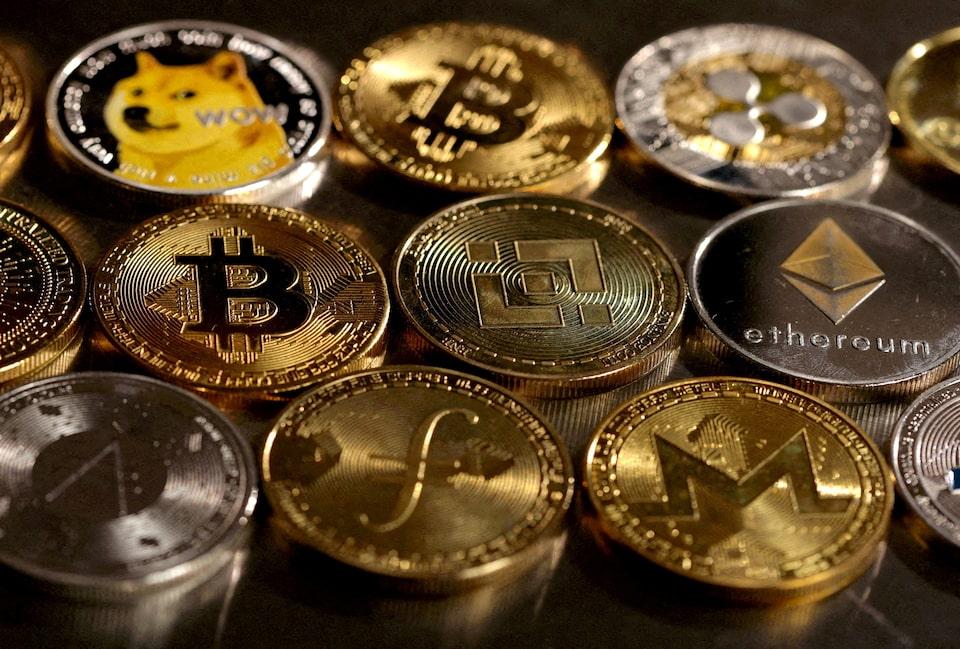
US banks initial steps toward crypto are likely to be tentative Large lenders are hesitant to be the first to expand into crypto More banks are keen to be fast followers after a few test cases Banks seek more clarity around AML-crypto regulations NEW YORK, May 28 (Reuters) - Big U.S. banks are holding internal discussions about expanding into cryptocurrencies as they get stronger endorsements from regulators, but initial steps will be tentative, centering on pilot programs, partnerships or limited crypto trading, according to four industry executives. Wall Street giants that had been largely blocked from many crypto activities by strict regulations are poised to grow quickly. Yet the biggest lenders are still hesitant to be the first among rivals to expand too heavily into crypto in case they fall afoul of changing rules, said the four executives, who declined to be identified since they were discussing internal business plans. Sign up here. If a major firm expands without issues, others will be fast followers to run small-scale pilot projects and weigh other business prospects, the executives said. Jamie Dimon, CEO of the largest U.S. bank, JPMorgan Chase (JPM.N) , opens new tab, ruled out getting into custody - storing crypto assets for clients - or expanding significantly even if regulations ease. "When I look at the bitcoin universe, the leverage in the system, the misuse in the system, the money laundering issues, trafficking, I'm not a fan of it," Dimon, a longtime crypto skeptic, told investors last week. "We're going to allow you to buy it, we're not going to custody it. ... I don't think you should smoke, but I defend your right to smoke. I defend your right to buy bitcoin," he added. U.S. President Donald Trump vowed to become the first "crypto president" before he took office. He has since wooed the industry's elite at the White House, promised to boost the adoption of digital assets and said he aims to create a strategic bitcoin reserve. While there are welcoming signs, banks are seeking even clearer guidelines from the government clarifying what they can do in crypto, more than half a dozen industry executives said. "The shift in the stance is encouraging for traditional lenders, but they are still approaching it with caution and viewing the changes in regulation as an opportunity to engage and not a free pass," said Dario de Martino, A&O Shearman M&A partner who works on crypto-related issues. Custody businesses to store and manage crypto assets are promising, bankers and executives said, but they have thin margins and potentially pose high risks. Most banks are likely to enter custody businesses through partnerships with existing crypto firms, sources said. Charles Schwab CEO Rick Wurster told Reuters earlier this month that the traffic lights from financial regulators were flashing "pretty green" for large firms to grow in crypto. The signals have reinforced Schwab's plans to offer spot crypto trading within a year, he said. New regulators under Trump have also signaled more bank-friendly crypto policies. The U.S. Office of the Comptroller of the Currency paved the way for lenders to engage in some crypto activities, such as custody, some stablecoin activities and participation in distributed ledger networks. The Securities and Exchange Commission also scrapped earlier accounting guidance that made it expensive for banks to deal in crypto. Bank of America (BAC.N) , opens new tab could launch stablecoins, its CEO Brian Moynihan said earlier this year, and the U.S. banking industry will embrace cryptocurrencies for payments if regulations permit them. Meanwhile, Morgan Stanley (MS.N) , opens new tab wants to work with regulators to see how it can be a middleman for crypto-related transactions, CEO Ted Pick said earlier this year. The lender is also exploring adding crypto to its e-trade platform, a source said. Some of the large banks are also exploring issuing a joint stablecoin, with the conversations in initial stages, another banking source said. U.S. brokerage firm Cantor Fitzgerald said on Tuesday it had executed the first transactions in its bitcoin financing business, for which it has earmarked an initial $2 billion. Brandon Lutnick, the company's chairman and son of U.S. Commerce Secretary Howard Lutnick, is among the executives speaking at a crypto conference in Las Vegas this week. Big banks seek more clarity around anti-money laundering rules and supervision before diving deeper into crypto. They are also asking for consistent guidelines across banking and market regulators before launching new businesses in digital assets, whose values are volatile. For now, banks are weighing their crypto prospects and running small-scale pilot programs. "While a much-improved environment, banks will continue to have concerns around anti-money laundering and regulatory compliance," said Matthew Biben, co-head of the global financial services group at law firm King & Spalding. SHIFTING LANDSCAPE Banks want to understand if they can engage in crypto lending, or if they are allowed to become market makers for digital assets, one of the banking sources said. The rules for traditional banking businesses are very well defined and there is complete clarity over what a bank is allowed to do and what is outside their ambit, similar well-defined guidelines are needed for digital assets too. The working group on crypto under David Sacks, the Trump-appointed crypto czar, has no representation from banking regulators, which needs to be amended if the big banks are allowed to play any meaningful role in the business, two banking sources said. https://www.reuters.com/sustainability/boards-policy-regulation/us-banks-tiptoe-toward-crypto-awaiting-more-green-light-regulators-2025-05-28/