2025-05-28 05:00
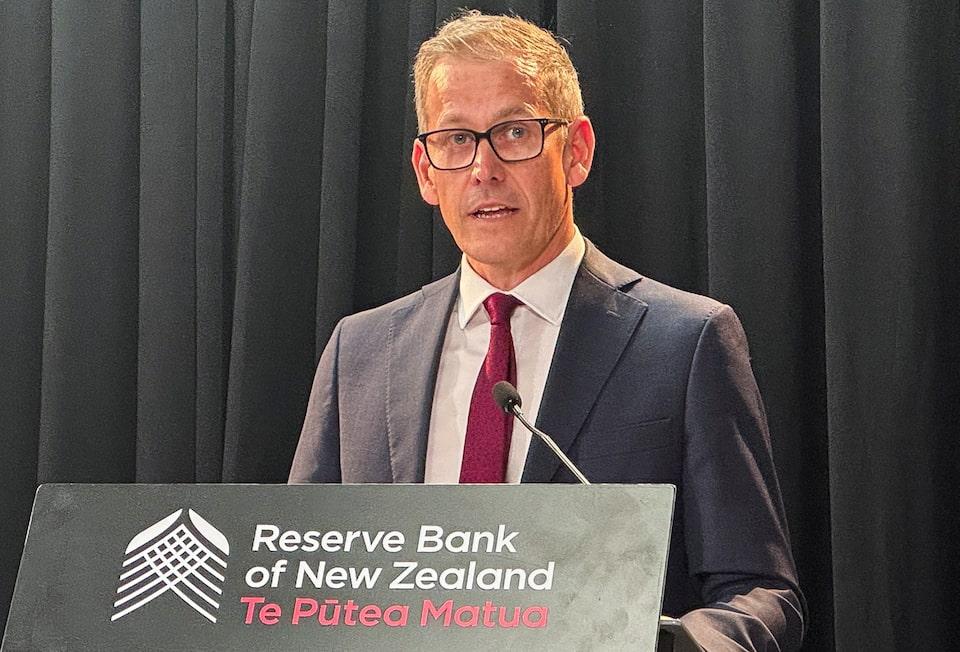
RBNZ cuts rate by 25 bps to 3.25%, as expected Central bank warns of reduced NZ demand and global growth due to US tariffs RBNZ forecasts slightly deeper easing cycle versus 3 months ago New Zealand dollar bounces following decision WELLINGTON, May 28 (Reuters) - New Zealand's central bank cut its benchmark rate by 25 basis points to 3.25% on Wednesday and flagged a slightly deeper easing cycle than it forecast three months ago, underlining the rising economic risks from a sharp shift in U.S. trade policies. U.S. President Donald Trump's sweeping tariffs and his broader economic agenda have shaken up financial markets and raised fears of a recession, complicating policymaking for central banks and delaying investment decisions across a whole host of industries. Sign up here. The 25-bps cut was in line with a Reuters poll where all but one of the 30 economists surveyed forecast the Reserve Bank of New Zealand would reduce the cash rate (NZINTR=ECI) , opens new tab for the sixth successive meeting. “Inflation is within the target band, and the Committee is well placed to respond to domestic and international developments to maintain price stability over the medium term,” the RBNZ said in a statement accompanying its policy review. The central bank has slashed rates by 225 basis points since August, with lower inflation giving policymakers leeway to reduce borrowing costs as the economy faces fresh global risks from Trump's international trade war. The central bank is now forecasting the cash rate will be at 2.92% in the fourth quarter of 2025 and at 2.85% in the first quarter of 2026, a slightly deeper easing cycle than had been projected in February. "What the next step is at the next meeting, it will be dependent on developments, and in particular, what those developments mean for medium term inflation pressure in New Zealand," RBNZ Governor Christian Hawkesby told a press conference after the policy review. Wednesday's rate-cut decision was not unanimous with one of the five members of the committee voting to hold the cash rate at 3.5%. The New Zealand dollar rose to US$0.5970 from US$0.5930, while two-year interest rate swaps increased 11 basis points to 3.23% as the market was caught off guard by the non-unanimous decision. Nick Tuffley, chief economist at ASB bank, said he wouldn't place too much weight on the voting outcome. "The reality is there is little clarity around how the tariffs will impact – not least because no one knows where the tariffs will settle," he said. The central bank warned that the U.S. tariff blitz could hurt growth globally and at home, adding that "significant uncertainty" remained over the demand and supply side impacts of Trump's trade policies. "The announced increase in U.S. tariffs will lower global demand for New Zealand’s exports, particularly from Asia, constraining domestic growth. Heightened global policy uncertainty is expected to weigh on business investment and consumption in New Zealand," the central bank said. FRAGILE GROWTH A global front-runner in withdrawing pandemic-era stimulus, the RBNZ lifted rates 525 basis points between October 2021 and September 2023 to curb inflation in the most aggressive tightening since the cash rate was introduced in 1999. The punishing borrowing costs took a heavy toll on demand and tipped the economy into recession last year. While the economy has emerged from the slump, growth remains weak and is being further hampered by a slowdown in the global economy and the government’s tight fiscal policy. Markets expect lower inflation will give the RBNZ sufficient leeway to cut the cash rate at least once more this year. New Zealand's annual inflation remains within the 1%-3% target band at 2.5%, with the RBNZ expecting it to track around the midpoint from next year. Central Bank chief economist Paul Conway said the cash rate was now within the neutral zone and "it is now more about feeling your way rather than being definitive about policy being stimulatory or otherwise." New Zealand is one of several countries to ease rates as inflation has moved lower, but its sharp reductions to borrowing costs contrast with a more cautious approach by the U.S. Federal Reserve and its counterpart in Australia as they assess Trump's broader U.S. economic agenda. Shannon Nicoll, associate economist at Moody’s Analytics, said uncertainty is preventing the RBNZ from "gung-ho easing." "The central bank will ease a touch more; we figure that 3% is a fair estimate of the neutral cash rate, making for a likely stopping point." https://www.reuters.com/world/asia-pacific/new-zealand-central-bank-cuts-cash-rate-by-25-bps-2025-05-28/
2025-05-28 04:52
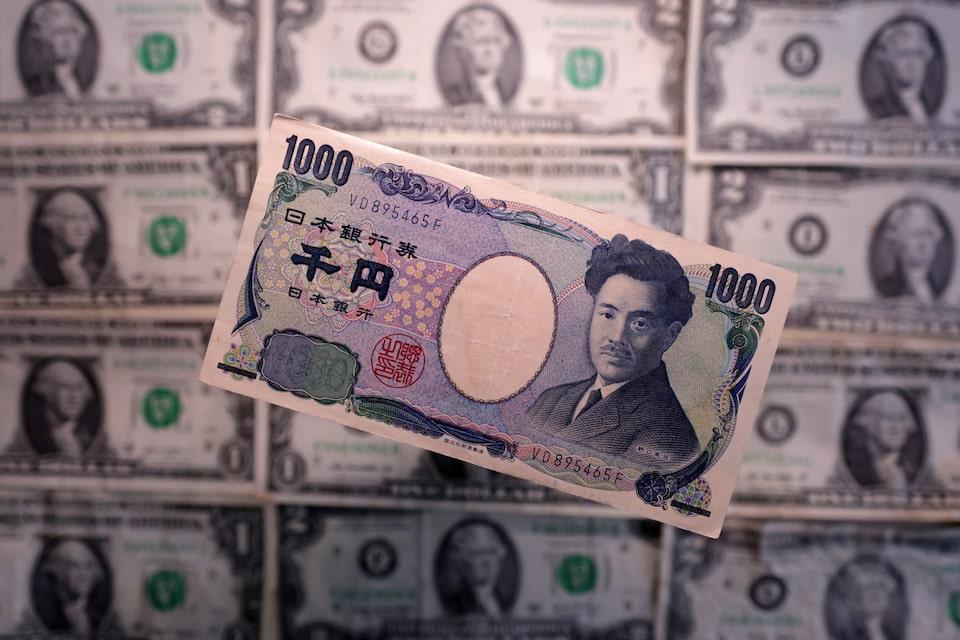
Dollar gains for second day on trade optimism Nvidia results may sway risk sentiment, dollar demand Fed officials cite rising inflation, jobless risks in meeting minutes NEW YORK, May 28 (Reuters) - The U.S. dollar was boosted for a second day on Wednesday on optimism that trade deals will brighten the U.S. economic outlook, while the Japanese yen was weaker after the government saw soft demand for 40-year bonds. Pessimism over the U.S. economy has declined after President Donald Trump delayed on the weekend a plan to impose 50% tariffs on European Union imports and following a deal with China earlier this month to reduce tariffs imposed on each other. Sign up here. “The weekend's quick reversal of tariff threats against Europe has bolstered risk appetite and reduced negative perceptions of the U.S. growth trajectory, and so that's boosting the dollar,” said Karl Schamotta, chief market strategist at Corpay. Investors are also focused on Nvidia’s (NVDA.O) , opens new tab earnings due after Wednesday’s stock market close, which are likely to influence risk sentiment. A strong result would likely boost the U.S. currency, said Schamotta. The dollar had little reaction to minutes from the Federal Reserve's May 6-7 meeting released on Wednesday. Fed officials acknowledged they could face "difficult tradeoffs" in coming months in the form of rising inflation alongside rising unemployment, an outlook buttressed by Fed staff projections of increased risks of a recession. The Fed kept rates unchanged at the meeting. Fed funds futures traders see the U.S. central bank as most likely to resume interest rate cuts in September. Much stronger consumer confidence data on Tuesday bolstered the view that the U.S. economy remains solid, and until there are clear signs of weakening, the Fed is expected to prioritize inflation concerns in its monetary policy decision-making. SUPER-LONG SELLOFF The euro was last down 0.35% against the greenback at $1.1288. Against the Japanese yen , the dollar strengthened 0.33% to 144.8. The dollar index rose 0.39% to 99.92. Demand at an auction of 40-year Japanese government bonds on Wednesday fell to the lowest since July, amid a selloff in super-long debt this month. The yen fell around 1% against the greenback on Tuesday on reports that Japan will consider trimming issuance of super-long bonds in the wake of recent sharp yield increases. Soft demand for longer-dated debt globally has drawn attention to worsening government deficits. Traders are also watching progress of a budget and spending bill in U.S. Congress that is expected to add trillions of dollars of debt. Trump said on Wednesday that he plans to negotiate aspects of the "big, beautiful" tax bill, expressing dissatisfaction with certain provisions while being satisfied with others. The Australian dollar weakened 0.33% versus the greenback to $0.6422. Data earlier showed that Australian consumer inflation held steady in April, leaving hopes for more interest rate cuts mostly intact. The New Zealand dollar strengthened 0.2% to $0.5958. The country's central bank signalled it might be nearer to an end to easing than some in the market had hoped for, as it cut rates by 25 bps as expected. https://www.reuters.com/world/middle-east/yen-drifts-ahead-japan-bond-auction-dollar-steady-2025-05-28/
2025-05-28 04:32
A look at the day ahead in European and global markets from Rae Wee Earnings results from Nvidia (NVDA.O) , opens new tab will be the marquee event for markets on Wednesday, with all eyes on how much U.S. technology curbs on China will cost the AI bellwether. Sign up here. Company watchers expect the chip giant to report a 66.2% surge in first-quarter revenue to $43.28 billion, however uncertainty surrounding its China business looms large even as a pullback in other regulations is set to open up new markets. As it is, traders in the options markets are bracing for industry-wide volatility after the results, with defensive options contracts on a major semiconductor ETF drawing heavy attention. Earnings aside, investors will also be watching developments in global bond markets after demand on Wednesday for Japan's 40-year government bond auction was its lowest since November, underscoring the market's diminishing capacity to absorb new debt. Long-end yields have surged worldwide in recent weeks on a heavy selloff in bonds as concern mounts over fiscal deficits, particularly in developed nations such as the U.S. and Japan. Worries over tax cuts and that the United States' chaotic tariff policy will stoke inflation and propel government spending have made investors increasingly nervous about holding long-dated sovereign debt. On Tuesday, Reuters' exclusive report that Japan is considering trimming the issuance of super-long bonds was followed by a drop in both yields and the yen. Yields on Japanese government bonds were little changed following Wednesday's auction. U.S. Treasury yields edged up slightly after falling the previous day. Over in New Zealand, the central bank cut its benchmark interest rate by 25 basis points and flagged a slightly deeper easing cycle than it forecast three months ago, underlining risk to economic growth from a sharp shift in U.S. trade policy. Key developments that could influence markets on Wednesday: Trying to keep up with the latest tariff news? Our new daily news digest offers a rundown of the top market-moving headlines impacting global trade. Sign up for Tariff Watch here. https://www.reuters.com/business/global-markets-view-europe-2025-05-28/

2025-05-28 02:52
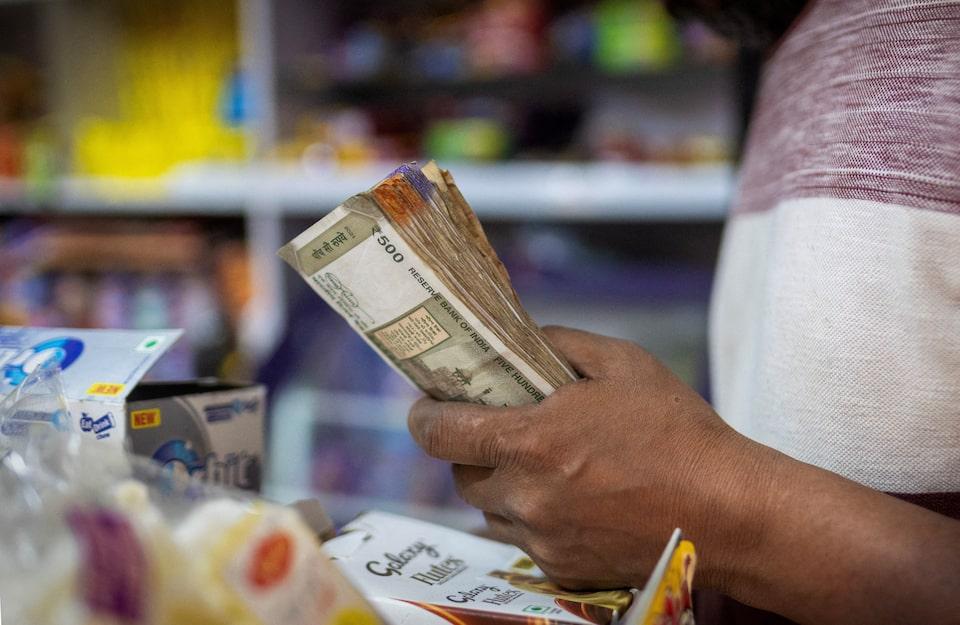
MUMBAI, May 28 (Reuters) - The Indian rupee is poised to open slightly weaker on Wednesday, pressured by a recovery in the struggling U.S. dollar following better-than-expected consumer confidence data. The 1-month non-deliverable forward indicated the local currency would open in the 85.38-85.40 range, compared to the close of 85.33 in the previous session. Sign up here. The rupee briefly climbed past the 85 level against the dollar on Monday, where it had to contend with hedging demand for the U.S. dollar. "It pays to play the 85–86 range on the dollar/rupee pair, regardless of the broader dollar trend," a currency trader at a bank said. With the pair expected to open near the midpoint of that range, the near-term bias remains broadly neutral, he added. DOLLAR RECOVERY The dollar index inched up in Asia, adding to Tuesday's 0.6% advance. The dollar index, down over 8% year-to-date on U.S. trade policy uncertainty and fiscal worries, managed to find support from the improvement in U.S. consumer confidence. The pullback in U.S. Treasury yields also helped. The dollar, in recent days, has been reacting negatively to the rise in yields that was sparked by worries around the U.S. fiscal deficit. On Tuesday, long-term U.S. yields declined, mirroring those in Japan. "The key immediate driver, both from an FX and rates perspective, was news the Japanese Ministry of Finance may adjust debt issuance following a sharp rise in longer-end Japanese yields," MUFG Bank said in a note. Japan will consider trimming issuance of super-long bonds in the wake of the recent surge in yields for the notes, two sources told Reuters on Tuesday, amid policymakers seeking to soothe market concerns about worsening finances. KEY INDICATORS: ** One-month non-deliverable rupee forward at 85.55; onshore one-month forward premium at 15 paise ** Dollar index up at 99.7 ** Brent crude futures up 0.6% at $64.5 per barrel ** Ten-year U.S. note yield at 4.46% ** As per NSDL data, foreign investors bought a net $186.9 million worth of Indian shares on May. 26 ** NSDL data shows foreign investors sold a net $34.8 million worth of Indian bonds on May. 26 https://www.reuters.com/world/india/rupee-face-mild-pressure-after-dollar-receives-confidence-boost-2025-05-28/
2025-05-28 01:59
Central banks' focus should be to avoid costly mishaps Williams warns of uncertainty on inflation expectations Focus should be to avoid inflation becoming persistent US reserves abundant, serving as buffer against shocks TOKYO, May 28 (Reuters) - New York Federal Reserve President John Williams said on Wednesday central banks must "respond relatively strongly" when inflation begins to deviate from their target. Given high uncertainty around the economic impact of U.S. tariffs and trade policy, central banks should focus on avoiding taking steps where the "cost of getting it wrong far outweighs the benefits," rather than aiming for the perfect solution to the problem, he said. Sign up here. Among the costly risks central banks must avoid are to allow inflation expectations to deviate from their targets, Williams said in a fireside chat with BOJ Deputy Governor Ryozo Himino at the central bank's conference held in Tokyo. "You want to avoid inflation becoming highly persistent because that could become permanent," Williams said. "And the way to do that is to respond relatively strongly" when inflation begins to deviate from the central bank's target, he added. Williams said shocks typically do not have long-lasting effects on inflation as long as inflation expectations are well anchored. But he warned there was always uncertainty on how supply-side shocks, such as those caused by the COVID-19 pandemic, could affect public perceptions on future price moves. "Uncertainty has risen pretty significantly," he said "We have to be very aware that inflation expectations could shift in any way that could be detrimental." Given such uncertainties, central banks must strive to not just anchor long-term inflation expectations, but ensure shorter-term expectations are "well behaved" so that public perceptions of future price moves emerge back towards central bank targets "within several years," Williams said. U.S. President Donald Trump's sweeping tariffs and erratic trade policies have complicated central bankers' task of keeping inflationary pressure in check, without cooling too much economies already facing the damage from higher levies. The Fed has kept its policy rate unchanged at 4.25%-4.50% since December, as officials pause for more clarity on the economic and price impact of Trump's tariffs. Policymakers are also having to grapple with volatile market moves caused by Trump's on-and-off comments on U.S. trade negotiations with other countries. While global financial markets experienced "huge shocks" and volatility in April after Trump's announcement of sweeping reciprocal tariffs, they did not see a "dissolution," Williams said. "One of the things you definitely saw in April was a lot of flow between buyers and sellers," which was a sign markets were functioning, he added. The level of reserves in the U.S. is "clearly abundant" judging by many metrics the New York Fed monitors, and serves as a buffer against unforeseen shocks, Williams said. "When you get big shocks and you're seeing unanticipated shocks, it's really nice that there's a buffer" that absorb the market ramifications, he added. https://www.reuters.com/world/us/feds-williams-calls-strong-response-if-inflation-deviates-target-2025-05-28/

2025-05-28 00:49
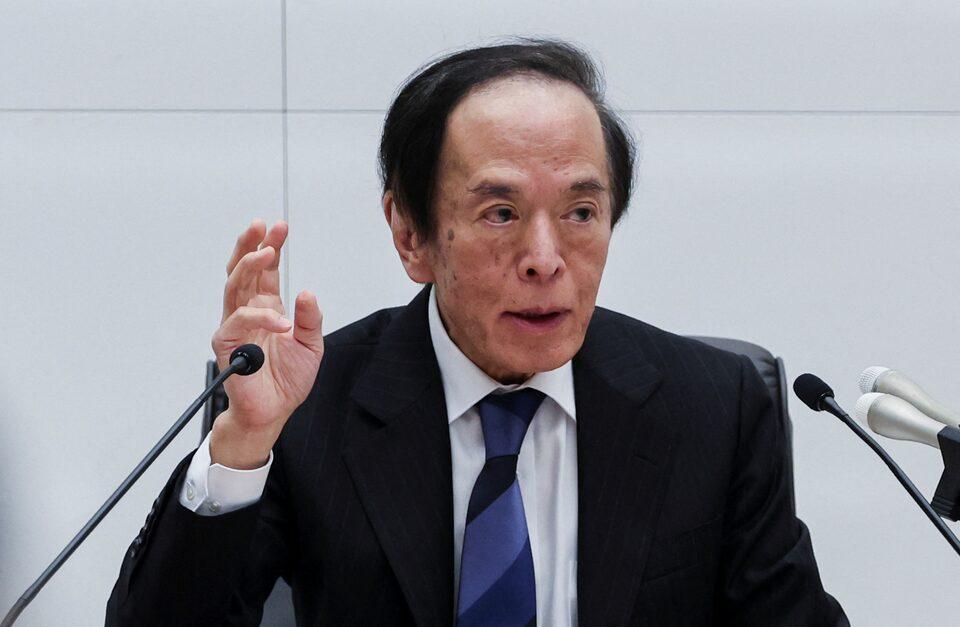
Shorter rates affects growth more than super-long yields Large swings in super-long yields could affect shorter end Uncertainty on U.S. trade policy, fallout remains high Remarks highlight BOJ's attention to volatile yield moves TOKYO, May 28 (Reuters) - Bank of Japan Governor Kazuo Ueda said on Wednesday the central bank will be vigilant to the risk large swings in super-long bond yields could affect shorter-term borrowing costs and have a bigger impact on the economy. The remarks underscore the BOJ's growing attention to recent volatile moves in super-long bond yields, which could affect the board's discussions next month on the pace of bond tapering. Sign up here. In Japan, short- and medium-term interest rates have a larger impact on the economy than super-long yields due to the duration of household and corporate debt, Ueda said. "But we will bear in mind that large swings in super-long yields could affect long-term bond yields as well as those on short and medium-term bonds," Ueda told parliament. "We'll carefully watch market developments and their impact on the economy," he added. Ueda also said uncertainties surrounding U.S. trade policy and its fallout on Japan's economy remain high. Yields on super-long Japanese government bonds (JGB) rose to record levels last week as part of a global sell-off in bonds reflecting growing market attention to the worsening finances of advanced economies. Those yields slumped on Tuesday after Reuters reported that Japan's government will consider trimming issuance of super-long bonds as policymakers focused on soothing market concerns about worsening government finances. Markets are focusing on the BOJ's response at its next policy meeting on June 16-17, when the board reviews an existing bond taper plan running through March, and comes up with a plan for next fiscal year and beyond. Having exited a bond yield control policy last year, the BOJ is wary of ramping up bond buying or making big tweaks to its existing taper plan. Board member Asahi Noguchi, once known as an advocate of massive asset buying, said last week that he saw no need for the BOJ to intervene in the bond market to tame bond yield rises. But the market rout could affect the BOJ board's debate on the future pace of bond taper, some analysts say. Many bond market participants surveyed by the BOJ appeared to have called for maintaining or slightly slowing the pace of tapering from fiscal 2026, a summary of the survey released by the central bank showed. https://www.reuters.com/markets/asia/boj-governor-says-swings-super-long-yields-could-impact-shorter-durations-2025-05-28/