2025-05-27 07:34
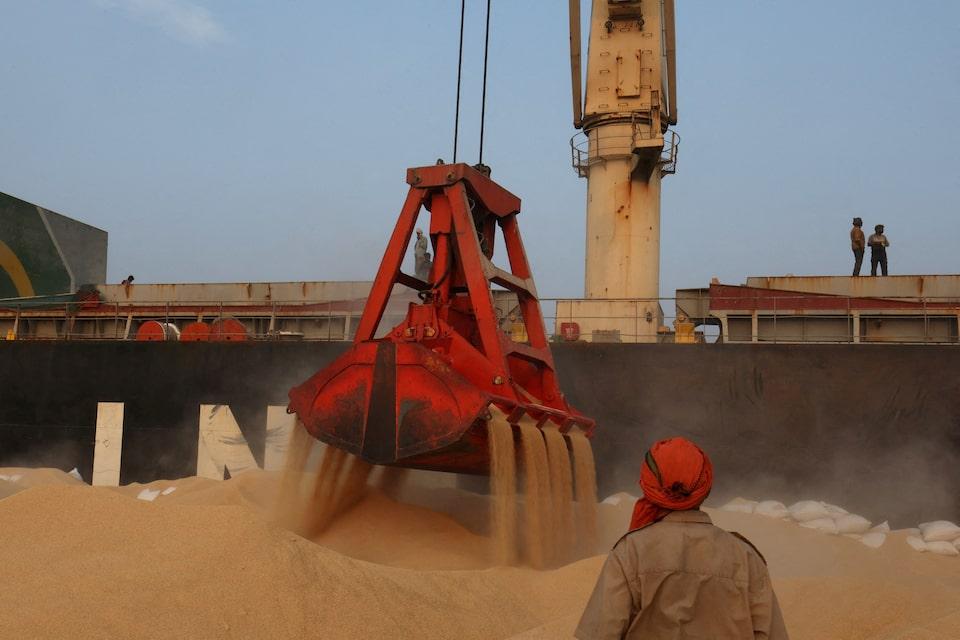
DEVAS, India, May 27 (Reuters) - Soybean acreage in India is likely to fall this year as corn and sugar cane could replace it in some areas after these crops gave higher returns to farmers than the oilseed, farmers and industry officials told Reuters. Soybean is India's main summer-sown oilseed crop and lower output will force the world's biggest importer of edible oils to increase overseas buying of palm oil, soyoil and sunflower oil. Sign up here. "We've barely made any profit from soybean over the past three years, so this year we're switching to corn — it's giving better returns," said Subodh Parmar, a farmer in Devas in Madhya Pradesh state. Soybean prices were under pressure in the last few months, which is prompting farmers to switch to other crops, said D.N. Pathak, executive director of the Soybean Processors Association of India (SOPA). The government fixed a floor price of 4,892 rupees ($57.29) per 100 kg for soybean, but since the start of the new marketing year in October 2024, prices have been 10 to 20% below this level. Soybean is mainly a rain-fed crop, and the monsoon rains - expected to be above average this year - play a crucial part in deciding yields. The states of Madhya Pradesh in central India, Maharashtra in the west, Rajasthan in the northwest and Andhra Pradesh and Karnataka in the south, are major producers of soybean. Soybean contains more than 80% meal and less than 20% oil, but local soymeal demand has been squeezed by cheaper supplies of distiller's dried grains with solubles (DDGS), a byproduct of ethanol production, said B.V. Mehta, executive director of the Solvent Extractors' Association of India (SEA). The poultry industry is a big consumer of soymeal, but in the past two years it has been replacing soymeal with DDGS since it is more than 30% cheaper, Mehta said. In Maharashtra, the leading producer of sugar in India, ample rainfall has prompted some farmers to switch to water-intensive perennial sugarcane, said a Mumbai-based dealer with a global trade house. "It seems the new soybean crop will be considerably lower than last year's. This will obviously force India to increase imports of edible oils," the dealer said. India buys palm oil mainly from Indonesia and Malaysia, while it imports soyoil and sunflower oil from Argentina, Brazil, Russia and Ukraine. ($1 = 85.3850 Indian rupees) https://www.reuters.com/world/india/indias-soybean-acreage-shrink-farmers-favour-corn-sugar-cane-2025-05-27/
2025-05-27 06:51
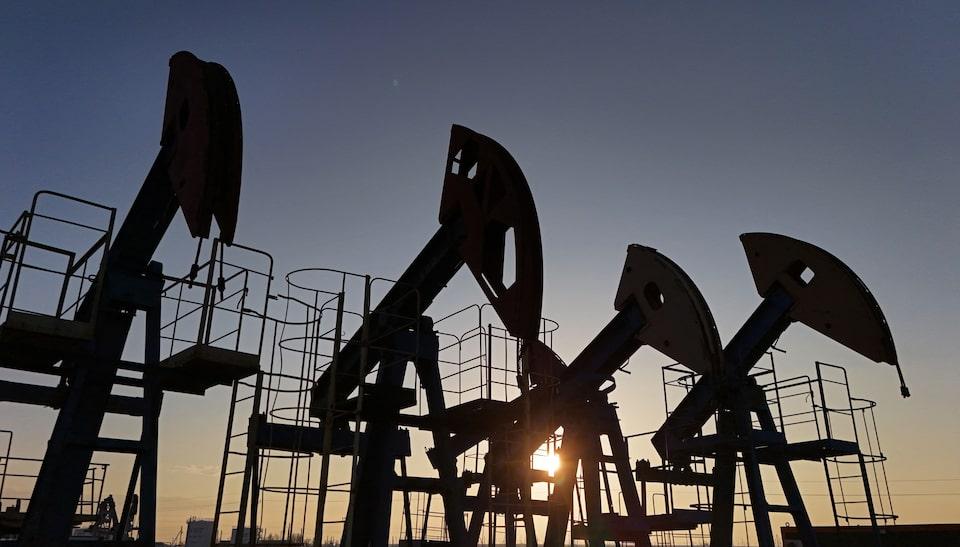
Iranian and US delegations wrap up fifth round of talks OPEC+ set to agree on July oil output hike this week, sources say President Trump's trade reprieve helps support prices HOUSTON, May 27 (Reuters) - Oil prices settled 1% lower on Tuesday as investors worried about a supply glut after Iranian and U.S. delegations made progress in their talks and on expectations that OPEC+ will decide to increase output at a meeting this week. Brent crude futures closed down 65 cents, or 1%, at $64.09 a barrel, while U.S. West Texas Intermediate crude fell 64 cents, or around 1.04%, to $60.89 a barrel. Sign up here. The Organization of the Petroleum Exporting Countries and its allies, known as OPEC+, is not expected to change policy at a meeting on Wednesday. However, another meeting on Saturday is likely to agree to a further accelerated oil output hike for July, three delegates from the group told Reuters. Meanwhile, Iranian and U.S. delegations wrapped up a fifth round of talks in Rome last week. While signs of limited progress emerged, there were many points of disagreement that were hard to breach, notably the issue of Iran's uranium enrichment. "OPEC+ also meets next week where they will likely agree on further output increases, which, if it occurs, will be a major near-term headwind for crude, especially if Iran adds barrels in the possible (U.S.) deal," said Dennis Kissler, senior vice president of trading at BOK Financial. If nuclear talks between the U.S. and Iran fail, it could mean continued sanctions on Iran, which would limit Iranian oil supply, while any resolution could add Iranian supply to the market. Also on the supply side, U.S. crude oil stockpiles likely rose by about 500,000 barrels last week, a preliminary Reuters poll found on Tuesday. Supporting prices, U.S. President Donald Trump's decision to extend trade talks with the European Union until July 9 alleviated immediate fears of tariffs that could suppress fuel demand. Wall Street rose on Trump's trade reprieve. Easing trade concerns were supportive, said UBS analyst Giovanni Staunovo, adding that upside to prices remains limited until it is clear what OPEC+ will decide on Saturday. Also helping prices, a wildfire in the Canadian province of Alberta prompted the temporary shutdown of some oil and gas production. https://www.reuters.com/business/energy/oil-edges-down-potential-higher-opec-output-eyed-2025-05-27/
2025-05-27 06:25
JOHANNESBURG, May 27 (Reuters) - Harmony Gold (HARJ.J) , opens new tab, South Africa's top gold producer by volume, has agreed to buy Australian miner Mac Copper Ltd (MTAL.N) , opens new tab in a deal worth $1.03 billion as it steps up a diversification into copper. Johannesburg-based Harmony said it is offering $12.25 per Mac Copper share in the cash deal, a 20.7% premium to the stock's closing price in New York on Friday. Mac Copper said in a statement that its board unanimously backs the offer. Sign up here. The Australian company's CSA Copper mine, situated in New South Wales, produced 41,000 metric tons of the metal last year and Harmony said that buying a producing mine brings immediate cash returns. The acquisition will be financed with internal cash reserves and a $1.25 billion loan facility, Harmony said. Harmony's shares fell 6.3% in early morning trade in Johannesburg. It is Harmony's second acquisition of copper assets in Australia after it bought the Eva Copper project in Queensland, in 2022, a mine that could produce 55,000-60,000 metric tons of metal a year from 2029. Harmony has also explored over the years options to develop Wafi-Golpu, a gold-copper project in Papua New Guinea it jointly owns with Newmont Corp. South African mining companies including Gold Fields are increasingly looking elsewhere for assets as domestic operations become more costly due to the geological challenges presented by some of the world's deepest gold mines. Harmony said it will build on its experience in underground mining in South Africa to boost Mac Copper's CSA mine. The deal is a significant step toward Harmony growing into a global gold and copper producer, CEO Beyers Nel said. https://www.reuters.com/world/africa/harmony-gold-agrees-buy-australian-miner-mac-copper-1-billion-2025-05-27/

2025-05-27 06:17
OSLO, May 27 (Reuters) - Norwegian oil and gas investments are expected to hit a record this year, and to decline next year, a statistics office survey of industry players showed on Tuesday. The country's biggest business sector expects to invest 269.1 billion crowns ($26.62 billion) in 2025, up from a 253.8 billion crowns estimate in February and compared to 251.2 billion last year. Sign up here. Preliminary estimates for oil and gas investments in 2026 were 206.6 billion crowns, compared to a previous estimate of 197.1 billion crowns in February. Forecasts typically rise as companies finalise spending plans in the months leading up to a new year. Several new oil and gas fields are expected to be developed this year and the next, the statistics office, or SSB, said. One oil company, Vaar Energi , majority-owned by Eni (ENI.MI) , opens new tab, aims to approve up to 14 new projects by the end of this year, targeting smaller oil and gas discoveries that are situated near existing platforms, which would boost output from already-producing fields. Still, it is "unlikely that the new developments will be able to prevent a decline in oil and gas investments in 2026," the SSB said. ($1 = 10.1049 Norwegian crowns) https://www.reuters.com/business/energy/norway-oil-industry-expects-make-record-high-investments-2025-2025-05-27/

2025-05-27 06:07
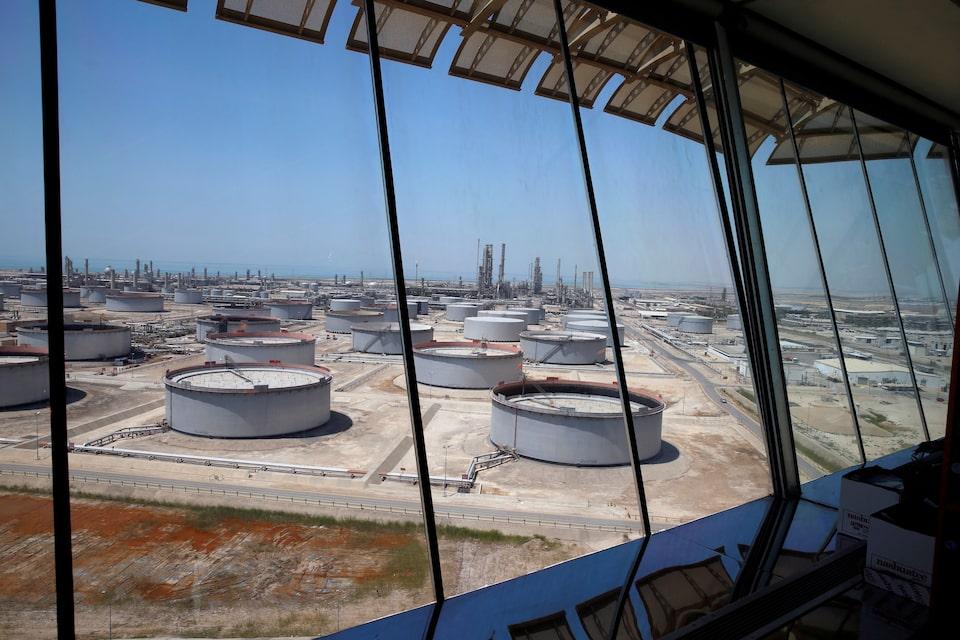
Saudi refining rises to seasonal all-time high in March While kingdom's crude oil exports decline Strong refining profits can offset revenue loss from weak crude prices LONDON, May 27 (Reuters) - Saudi Arabia has been cranking up oil refining operations to capture strong profit margins, helping the kingdom offset revenue lost from declining crude prices and exports. The world's top oil exporter has in recent years invested heavily in expanding and modernizing its refining and petrochemical capacity at home and overseas to meet growing demand for fuel and plastics while also securing outlets for its crude oil. Sign up here. Saudi Arabia has nine local refineries with a combined capacity of 3.33 million barrels of oil per day (bpd), accounting for roughly 3% of global demand, which are configured to process its domestically produced crude oil. It operates another 4.3 million bpd of refining capacity abroad, including in China, the United States and Malaysia. The kingdom's domestic refineries processed 2.94 million bpd in March, the highest-ever volume for that month and only a smidgen below the record high of 2.96 million bpd in April 2024, according to data from the Joint Organizations Data Initiative (JODI). The 12% monthly increase in refining crude intake in March was 23% above the 10-year average for the same period. It correlates with a 12% month-on-month drop in Saudi crude exports to 5.75 million bpd in March, according to the data, highlighting the kingdom's flexibility between directly selling crude to other refiners and refining it itself. Saudi refinery rates likely declined by around 200,000 bpd in April due to planned plant maintenance, but should remain at elevated levels ahead of peak summer demand season, according to Keshav Lohiya, CEO and founder of analytics firm Oilytics. Saudi's refined product exports, which include diesel, gasoline, jet fuel and fuel oil, rose to a record 1.58 million bpd in March, before declining to 1.48 million bpd in April and 1.42 million bpd so far in May, according to data from ship tracking firm Kpler, likely reflecting refinery turnaround. FLEXIBILITY This integrated strategy offers Saudi Aramco (2222.SE) , opens new tab, the country's national oil company, an effective way to manage oil price volatility as refining margins - the profit made by processing crude oil into transportation fuels and chemicals - typically rise when feedstock prices decline. It will likely prove valuable going forward after OPEC+, an alliance of major producing countries unofficially led by Riyadh and including Russia, started to rapidly unwind 2.2 million bpd of output since April. The move to add a large volume of oil into an already well-supplied market concerned by the impact of U.S. President Donald Trump's tariffs on global economic activity put heavy pressure on oil prices, which dropped to around $65 a barrel from a high of $82 in mid-January. Saudi Arabia and its allies will likely deepen the price war when they meet later this month by further accelerating the unwinding of their production cuts. Refining margins have held strong so far this year despite the growing economic headwinds, benefiting from lower crude prices and healthy demand for diesel in particular. Benchmark Singapore refining margins are currently near their highest since February 2024 of around $8 a barrel, according to LSEG data. Regardless of the possible impact of the trade wars, global fuel demand in the northern hemisphere typically peaks from June through early September, as motorists drive more over the summer while more air travel buoys jet fuel demand. This will therefore likely support refining margins in the coming months. Saudi Aramco placed 28% of its crude oil production in domestic refining operations in 2024, up from 26% the previous year, according to its annual report. It also supplied 53% of the crude used by its joint venture refineries abroad. The International Monetary Fund assessed that Saudi Arabia will need an average Brent oil price of around $90 a barrel in order to balance its national budget. While crude prices are likely to remain at current levels or even lower for most of the year given the surge in supplies and demand uncertainty, the increased refining operations offer Riyadh an effective tool to manage oil price volatility and to better withstand a protracted price war. ** The opinions expressed here are those of the author, a columnist for Reuters. ** Want to receive my column in your inbox every Thursday, along with additional energy insights and trending stories? Sign up for my Power Up newsletter here. https://www.reuters.com/markets/commodities/saudis-refining-boom-helps-it-weather-oil-price-war-bousso-2025-05-27/
2025-05-27 05:59
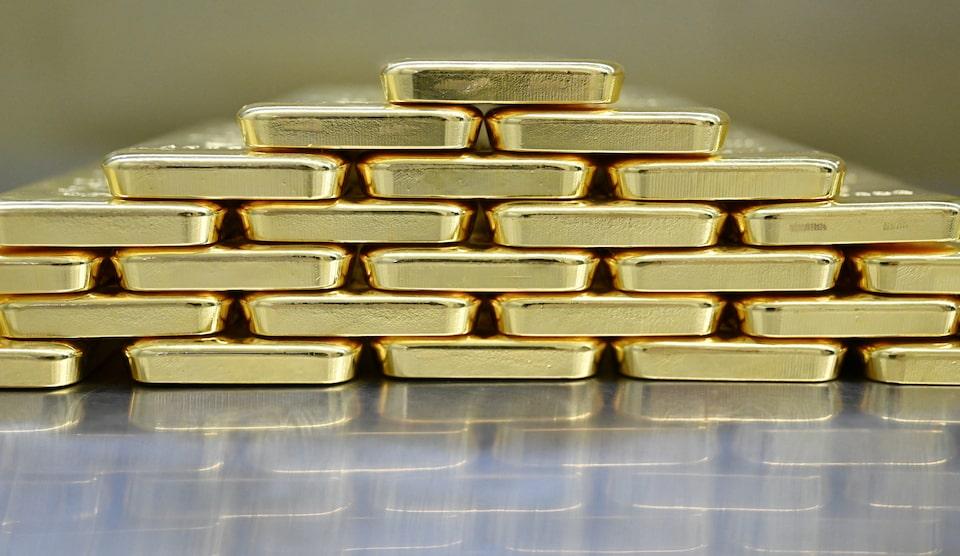
Fed minutes due on Wednesday Fed's Kashkari calls for steady rates EU sees 'new impetus' in trade talks from call with Trump May 27 (Reuters) - Gold prices declined for a second consecutive session on Tuesday, as risk sentiment improved following U.S. President Donald Trump's decision to postpone tariffs on the European Union. Spot gold fell 1.2% to $3,302.10 an ounce by 02:03 p.m. ET (1802 GMT) after rising nearly 5% last week. Sign up here. U.S. gold futures settled 1.9% lower at $3,300.40. "There is a lot of volatility in gold prices as we keep having things change on the tariff front. Currently, the market may be under the impression that there is a deal to be had and that is pressuring gold," Bart Melek, head of commodity strategies at TD Securities, said. A weekend telephone call between Trump and EU chief Ursula von der Leyen gave "new impetus" to trade talks, the EU said, after Trump dropped his threat to impose 50% tariffs on imports from the European Union next month. The U.S. dollar strengthened and stock index futures surged. A stronger dollar and rising risk sentiment weighed on gold, a dollar-denominated asset typically favoured during periods of economic and geopolitical uncertainty. Federal Reserve Bank of Minneapolis President Neel Kashkari called for keeping interest rates steady until there is more clarity on how higher tariffs affect inflation. The minutes from the Fed's latest policy meeting are set to be released on Wednesday. Key U.S. economic data scheduled for release this week include the first-quarter GDP estimate, weekly unemployment claims, and the core PCE price index. "Our longer term bullish view on gold has not changed. As soon as the market believes that the Fed is going to cut (rates), gold will start doing well," Melek added. Zero-yield bullion tends to do well in a low-interest rate environment. Elsewhere, spot silver slipped 0.4% to $33.21 per ounce, platinum fell 0.1% to $1,084.02 and palladium dropped 1.2% to $975.49. https://www.reuters.com/world/india/gold-hovers-near-two-week-high-dollar-weakness-us-fiscal-woes-2025-05-27/