2025-05-23 19:56
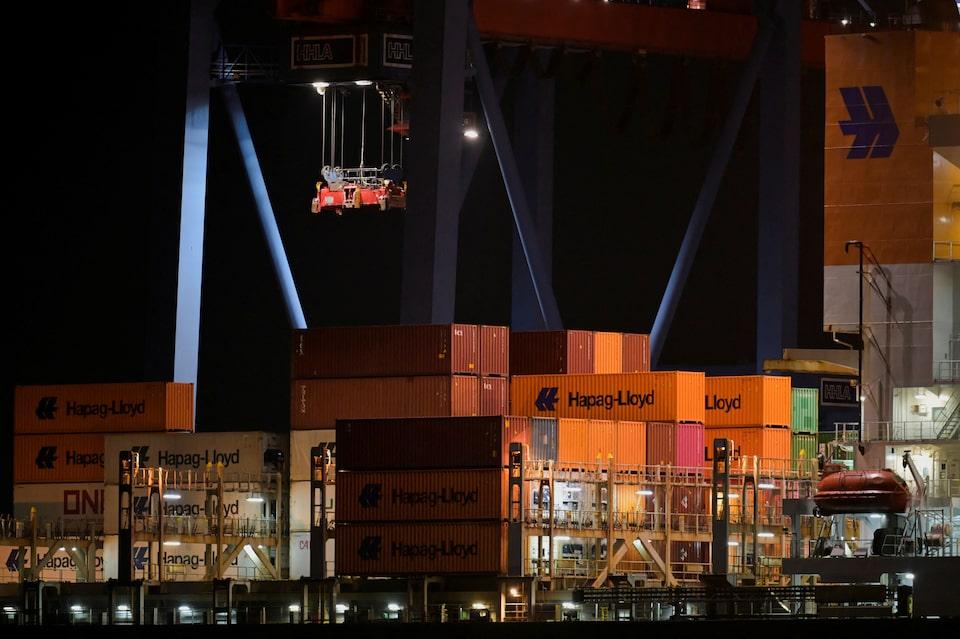
August 25 - An outbreak of bird flu in Brazil, the world's largest chicken exporter, prompted countries to implement trade restrictions in an effort to prevent the spread of the virus after the first case was confirmed on a commercial farm in May. Brazil declared itself free of the virus in commercial flocks after 28 days without any new outbreaks on commercial farms, and dozens of importers have now reversed their bans. Sign up here. The following is a list from Brazil's Agriculture Ministry of countries maintaining their bans as of August 25: SUSPENSIONS TARGETING ALL POULTRY FROM BRAZIL China, the European Union, Canada, Malaysia, East Timor, and Pakistan. SUSPENSIONS TARGETING RIO GRANDE DO SUL STATE Russia, Belarus, Armenia, Kyrgyzstan, Oman, Kazakhstan, Tajikistan and Ukraine. SUSPENSIONS TARGETING SPECIFIC REGIONS Japan, Mauritius, Saint Kitts and Nevis, Suriname and Uzbekistan. https://www.reuters.com/business/healthcare-pharmaceuticals/which-countries-restrict-brazilian-chicken-imports-over-bird-flu-2025-06-26/
2025-05-23 19:53
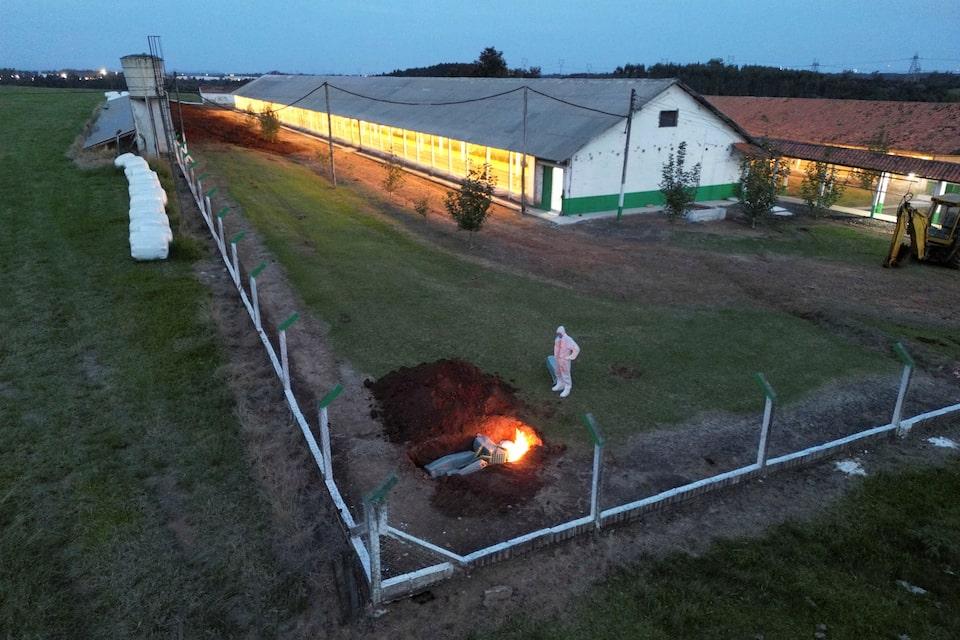
Trump signs executive orders seeking to boost U.S. nuclear production Order directs nuclear regulatory agency to rule on new licenses within 18 months Department of Defense expected to have a prominent role in ordering reactors and installing them on military bases May 23 (Reuters) - U.S. President Donald Trump on Friday ordered the nation's independent nuclear regulatory commission to cut down on regulations and fast-track new licenses for reactors and power plants, seeking to shrink a multi-year process down to 18 months. The requirement was part of a batch of executive orders signed by Trump on Friday that aim to boost U.S. nuclear energy production amid a boom in demand from data centers and artificial intelligence. Sign up here. Licensing for reactors in the U.S. can take over a decade at times, a process designed to prioritize nuclear safety but which has discouraged new projects. "This is going to turn the clock back on over 50 years of overregulation of an industry," U.S. Interior Secretary Doug Burgum, who heads the White House Energy Dominance Council, said in the Oval Office. The moves include a substantial overhaul of the Nuclear Regulatory Commission that includes looking at staffing levels and directing the Energy and Defense departments to work together to build nuclear plants on federal lands. The administration envisions the Department of Defense taking a prominent role in ordering reactors and installing them on military bases, a senior White House official said. The orders also seek to reinvigorate uranium production and enrichment in the United States. The CEO of U.S. nuclear power operator Constellation Energy (CEG.O) , opens new tab, Joseph Dominguez, said the president's actions would help normalize the regulatory process. "We're wasting too much time on permitting, and we're answering silly questions, not the important ones," Dominguez said during the signing event. The U.S. and other nations have ramped up nuclear power regulation in recent decades, partly in response to reactor incidents like the meltdown at the Chernobyl plant in the former Soviet Union in 1986, and the partial meltdown at Three Mile Island plant in the United States in 1979. Developers are also now looking to deploy advanced nuclear technology like small modular reactors (SMRs) that could potentially be built quickly and at less cost than traditional plants, but which may pose new safety challenges. "Reorganizing and reducing the independence of the NRC could lead to the hasty deployment of advanced reactors with safety and security flaws," said Ernest Moniz, former U.S. Energy Secretary and a nuclear physicist supportive of the industry. "A major event would, like those in the past, increase regulatory requirements and set back nuclear energy for a long time," he said. Trump had declared a national energy emergency in January as one of his first acts in office, saying the U.S. had inadequate supplies of electricity to meet the country’s growing needs, particularly for data centers that run artificial intelligence systems. Most of Trump's actions have focused on boosting fossil fuels like coal, oil and natural gas, but administration officials also support nuclear power, which in recent years has attracted growing bipartisan support. Some Democrats endorse nuclear because the plants do not emit planet-warming greenhouse gases, even as environmentalists have raised concerns about radioactive waste and reactor safety. Republicans, who are less concerned about global warming, support it because they say nuclear power plants could strengthen U.S. energy security. Cost and competition, however, has been a major impediment to new nuclear projects, and it is unclear whether Trump's orders will be enough to overcome them. NuScale (SMR.N) , opens new tab, the only U.S. company with an SMR design approved by regulators, axed its project in 2023 on rising costs and competition from plants that burn plentiful natural gas. Vogtle, the last U.S. reactor to come online, meanwhile, was about $16 billion over budget and delayed by years. The Loan Programs Office, which the administration wants to use to finance reactor projects that banks are not willing to support, has been hit hard by Trump's job layoffs. https://www.reuters.com/business/energy/trump-seeks-fast-track-new-nuclear-licenses-overhaul-regulatory-agency-2025-05-23/
2025-05-23 19:37
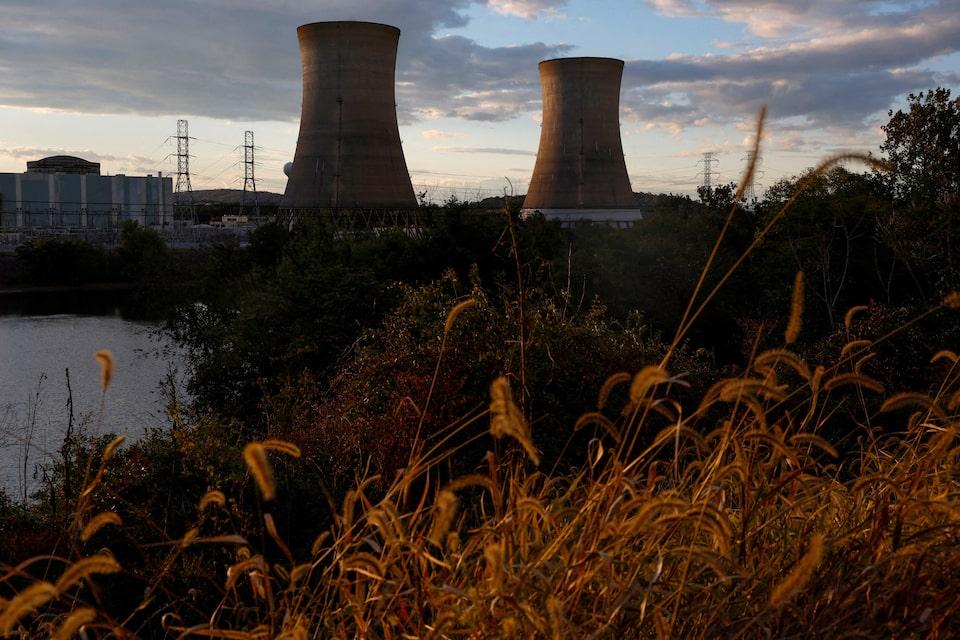
May 23 (Reuters) - U.S. President Donald Trump on Friday directed the country's independent nuclear regulator to ease rules and accelerate approvals for new reactors and power plants, aiming to cut licensing timeline from several years to just 18 months. The move was part of a series of executive orders intended to boost domestic nuclear energy production amid surging demand from data centers and artificial intelligence. Sign up here. The orders also seek to reinvigorate uranium production and enrichment in the U.S., the senior White House official said. Here is a snapshot of the U.S. nuclear energy landscape: DOMESTIC PRODUCTION Total uranium concentrate production touched 676,939 pounds of U3O8 in 2024, more than triple the output recorded in 2023. GENERATING CAPACITY U.S. monthly nuclear power generation remained steady, peaking in January 2025 at over 71 million megawatt-hours, nearly 4% higher than in January last year. TOTAL NUCLEAR FUEL IMPORTS Owners and operators of U.S. civilian nuclear reactors remain heavily reliant on uranium imports: foreign sources dominated deliveries in 2023, with Canada supplying 27%, followed by Australia and Kazakhstan at 22% each. PROJECT STATUS U.S. uranium in-situ recovery plants have a combined permitted capacity of 41 million pounds of U3O8 annually, with leading production sites in Wyoming and Texas. https://www.reuters.com/business/energy/inside-us-nuclear-energy-landscape-trump-seeks-fast-track-reactor-approvals-2025-05-23/
2025-05-23 16:40
Finance ministry scraps higher tax on overseas investments Tax hike was aimed at plugging budget gap Brazil's currency pares early losses SAO PAULO, May 23 (Reuters) - Brazil's Finance Ministry on Friday said it had scrapped a higher transaction tax on funds invested abroad after critics inside and outside the government blasted the move as backsliding toward the return of capital controls. The measure was part of an executive decree on Thursday raising Brazil's IOF financial transactions tax for a range of operations in order to plug a budget gap. Immediate outcry led Finance Minister Fernando Haddad to partially reverse course. Sign up here. "Due to the repercussions we had to be quick with the revision," Haddad told journalists in Sao Paulo. "We understood that ... it was worth reviewing this item to avoid speculation about objectives that are not proper to the Finance Ministry or the government, such as inhibiting foreign investment, which had nothing to do with it," he said. Brazil's currency weakened over 1% against the U.S. dollar in Friday morning trading before paring losses, supported by global dollar weakness (.DXY) , opens new tab. The higher tax rates, rolled out on Thursday with immediate effect, caught the central bank and parts of the government's own economic team off guard, according to three officials who requested anonymity. The central bank did not approve or support the move, which reversed Brazil's recent efforts to streamline currency-related taxation as part of a push to join the Organisation for Economic Co-operation and Development, the sources said. "It's a setback for the internationalization of the Brazilian economy," said one of the officials. Haddad, who said in January that the government would not modify the IOF tax on currency transactions, acknowledged on social media that Thursday's measures were not coordinated with the central bank. Former central bank director and economist Tony Volpon blasted the measures on X. "Imposing a 3.5% IOF on all investments made by Brazilians abroad ... amounts to capital controls," he wrote on Thursday. On Friday, he said the reversal on financial flows was correct, but lamented that companies still had to pay a 3.95% IOF rate on loans, on top of interest rates in double digits. High-income Brazilians will also pay more for transfers involving their pension funds. A range of foreign exchange operations such as international credit, debit and prepaid card transactions will pay a new IOF rate of 3.5%. The Finance Ministry announced the higher rates as a way to boost public revenue by 20.5 billion reais ($3.61 billion) this year and 41 billion reais in 2026 to hit fiscal targets. By returning to zero the IOF rate on transfers by Brazilian funds investing abroad, rather than raising it to 3.5% as planned, Haddad said the government would forego about 6 billion reais of additional revenue through 2026. ($1 = 5.7058 reais) https://www.reuters.com/world/americas/brazil-walks-back-higher-tax-investments-abroad-under-fire-2025-05-23/

2025-05-23 16:37
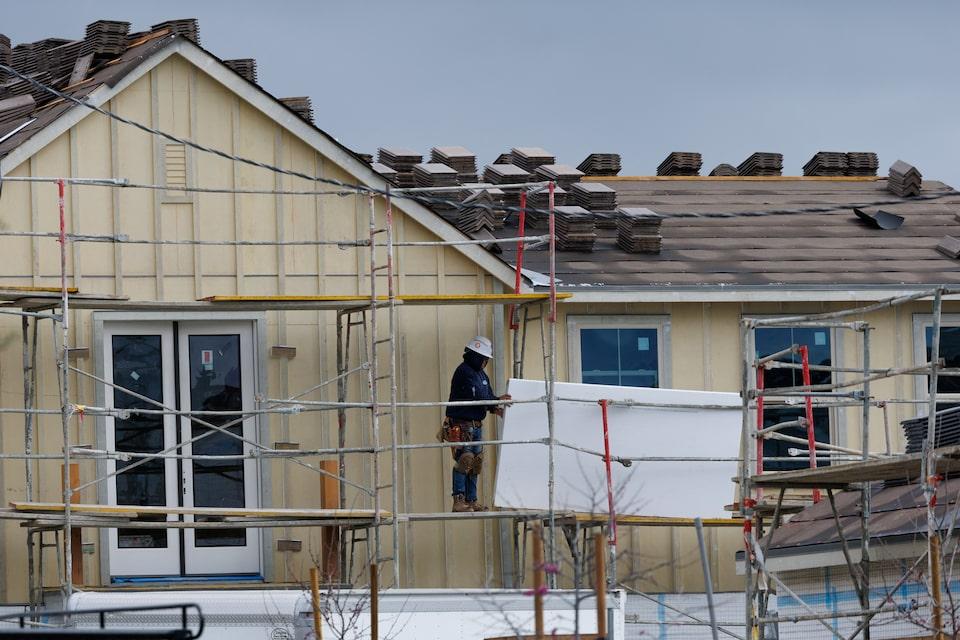
New home sales jump 10.9% to more than three-year high Median new house price falls 2% from year ago to $407,200 New housing inventory still near levels last seen in 2007 WASHINGTON, May 23 (Reuters) - Sales of new U.S. single-family homes surged to more than a three-year high in April as builders lowered prices to attract buyers, but rising mortgage rates and economic uncertainty remained headwinds for the housing market. Data for February and March was revised significantly down, taking some of the shine from the unexpected increase in sales last month reported by the Commerce Department on Friday. Sign up here. The bulge of unsold new housing inventory remained, which together with higher borrowing costs could discourage builders from breaking new ground on single-family housing projects and weigh on the housing market this year. "Strength in new home sales does not change our view that housing activity is weakening further in the second quarter and is likely to remain soft this year," said Veronica Clark, an economist at Citigroup. "Still-high rates and a slowing labor market will weigh further on housing demand." New home sales soared 10.9% to a seasonally adjusted annual rate of 743,000 units last month, the highest level since February 2022, the Commerce Department's Census Bureau said. The sales pace for March was revised down to a rate of 670,000 units from the previously reported 724,000 units, while that for February was downgraded to 653,000 units from 674,000 units. Economists polled by Reuters had forecast new home sales, which make up about 15.7% of U.S. home sales, declining to a rate of 693,000 units. New home sales, which are counted at the signing of a contract, are volatile on a month-to-month basis and subject to big revisions. They advanced 3.3% on a year-on-year basis in April. Sales last month tumbled 14.8% in the Northeast. They, however, jumped 35.5% in the Midwest and increased 11.7% in the densely populated South. Sales climbed 3.3% in the West. Higher mortgage rates and an unsettled economic outlook amid President Donald Trump's aggressive trade policy and mass firings of public workers have sidelined buyers, leaving builders to cut prices and offer incentives to ease some of the squeeze on buyers from higher borrowing costs. Jitters over the economy were amplified by Trump on Friday threatening once again to ramp up his trade war, recommending a 50% tariff on European Union goods starting June 1 and warning Apple (AAPL.O) , opens new tab he might impose a 25% tariff on any iPhones manufactured outside the United States. Stocks on Wall Street were trading lower on Trump's latest threats. The dollar slipped against a basket of currencies. U.S. Treasury yields fell. BUILDERS CUTTING PRICES The median new house price dropped 2.0% to $407,200 in April from a year earlier. Prices could moderate further as the National Association of Homebuilders reported last week that the share of builders cutting prices in May was the highest in nearly 1-1/2 years. The bulk of homes sold in April were in the $300,000-$399,999 price range. Most of the houses were either completed or under construction. "Builder incentives including price reductions may lend some support to sales, but we think that will be outweighed by weaker economic growth and rising mortgage rates, which are closing in on 7%," said Nancy Vanden Houten, lead U.S. economist at Oxford Economics. The rate on the popular 30-year fixed mortgage averaged 6.86% this week, a three-month high, data from mortgage finance agency Freddie Mac showed. Mortgage rates have increased in tandem with the yield on the benchmark 10-year U.S. Treasury note on concerns over the Trump administration's policies and the nation's deteriorating fiscal outlook after Moody's Investors Service cut its sovereign credit rating from the top "Aaa" level. The U.S. House of Representatives on Thursday passed Trump's "big, beautiful bill," which the nonpartisan Congressional Budget Office estimated would add about $3.8 trillion to the federal government's $36.2 trillion debt in the next decade, if it becomes law. The inventory of new homes last month dipped 0.6% to 504,000 units, remaining near levels last seen in late 2007. Homes under construction constituted most of the inventory. At April's sales pace it would take 8.1 months to clear the supply of new houses on the market, down from 9.1 months in March. With supply of previously owned homes now the highest in more than four years, the outlook for new construction is dim. "Housing starts have already declined, suggesting that the availability of new builds will fade from here," said Ben Ayers, a senior economist at Nationwide. "Additionally, the buildup in existing homes for sale should shift some demand away from the new home market over 2025." https://www.reuters.com/world/us/us-new-home-sales-unexpectedly-rise-april-2025-05-23/
2025-05-23 12:40
LONDON/NEW YORK, May 23 (Reuters) - U.S. President Donald Trump cranked up his trade threats on Friday, targeting both smartphone giant Apple (AAPL.O) , opens new tab along with imports from the European Union, roiling global markets. Trump threatened to impose a 25% tariff on Apple for any iPhones sold, but not manufactured, in the United States. He also said he would recommend a 50% tariff on the European Union to begin on June 1. Sign up here. Stock indexes in the U.S. and across Europe fell, although they pared earlier sharper losses. The U.S. benchmark S&P 500 (.SPX) , opens new tab was down about 0.8% and the pan-European STOXX 600 index (.STOXX) , opens new tab was last down 1%. COMMENTS: PHIL BLANCATO, CHIEF MARKET STRATEGIST, OSAIC, NEW JERSEY “Trump announced the possibility of two tariffs, one on the European Union of 50% that could possibly be enacted on June 1st, and one on Apple of 25% that did not come with a potential timeline. Both tariff announcements are seen as a way to bring the respective entities to the bargaining table, as Apple recently announced shifting iPhone production to India as opposed to the U.S., and the EU has not made any notable concessions in trade negotiations." “Trump's renewed trade threats against Apple and the EU disrupt the period of relative calm in global trade tensions, raising risks for tech and multinational firms ahead of low-liquidity holiday weekend in the United States. With the bond market closing early, the timing heightens the potential for outsized market reactions as investors reassess geopolitical risks and brace for possible European retaliatory measures.” STEVE SOSNICK, CHIEF STRATEGIST, INTERACTIVE BROKERS, GREENWICH, CONNECTICUT "President Trump’s double whammy of threats against (Apple) and the EU was an unexpected blast to global markets. Opening more fronts on the trade war were exactly what traders hoping for a quiet end to a pre-holiday weekend did not need, and it clearly caught most off guard. I’m sure that plans of many in the US to try to leave work early were dashed. It’s not clear what prompted these statements, but they are emblematic of the type of volatility that we should always be prepared for." JAMIE COX, MANAGING PARTNER, HARRIS FINANCIAL GROUP, RICHMOND, VIRGINIA "These latest, ultra specific tariffs are clearly negotiating leverage tactics. You can tell which trade deals are being negotiated and need an extra nudge to make progress." "Markets go through a cycle with tariffs - freak out and sell when they are announced, freak out and buy when they are paused. It’s crazy, but that’s the pattern." JIM CARROLL, PORTFOLIO MANAGER, BALLAST ROCK PRIVATE WEALTH, CHARLESTON, SOUTH CAROLINA "The response to today’s news about EU tariffs and Apple is a combination of that specifically, and continuing unease about interest rates, aggravated by the feeling of 'we’re heading into a long weekend here, Mr. President' and we could do without another bombshell. We need to remember who drives the market – the marginal buyer or seller. And if I’m on the fence and then I read this news, I’m probably not going to be buying and I’m even possibly going to consider taking more risk off the table. I think we could get some investor fatigue in here and wind up with a dip that no one wants to buy. Investors need to make sure they are not stuck in the middle, with a three- to six-month time horizon, in this kind of environment. That’s too long a time period to profit from short-term trading opportunities created by volatility, and too short to reflect a patient long-term approach to investing.” MARK MALEK, CHIEF INVESTMENT OFFICER, SIEBERT FINANCIAL, NEW YORK “Just when the market looked as if it had finally recovered from all the turmoil surrounding the deficit debate, this fresh round of tariffs news arrives. It’s serving as a reminder that while it’s been overshadowed by the fiscal legislation, there’s this whole other big thing going on, and it may not be going so well at least with the EU. The news itself shouldn’t have come as much of a shock as the EU had been making noises earlier this week that it wouldn’t necessarily just bend the knee. Equally, there had been a lot of rumors in the wind on Wall Street that Apple would find a way to escape tariffs, and this obviously didn’t escape the president’s gaze. The market is still fine-tuning its response right now, though. Initially, the futures implied something way worse and now we’ve recovered a bit of ground. But it’s all a reminder that this issue is not going away any time soon, almost certainly not this summer. I think we’ll still be seeing it affect markets well into the fourth quarter.” SAM STOVALL, CHIEF INVESTMENT STRATEGIST, CFRA RESEARCH, PENNSYLVANIA “The renewed tariff war with Europe is going to affect the U.S. as well as Europe. It's going to be causing investors to move into money market funds, just to hide out in the safety of cash because if bonds are going to be hit by rising interest rates, if earnings are going to be hit by higher rates and tariffs… then in many ways there’s no place to hide.” “I would conclude that no company is safe after Trump has singled out Apple. Every company could be subject to higher tariffs and that it would be very difficult to select individual companies that could end up outperforming.” JAKE MILLER, CO-FOUNDER & CHIEF SOLUTIONS OFFICER, OPTO INVESTMENTS, LOS ANGELES, CALIFORNIA “Renewed and targeted tariff threats on Apple and the EU show that despite some recent ‘wins’ we may be in the early innings of trade war risk in portfolios, and those risks might be more localized than investors anticipate and portfolios are ready for. “Should investors believe these risks are compensated or diversifying -- probably not, so it’s an implicit bet you’re taking, not a choice you’re making. We continue to look for sectors and assets that can insulate our funds and investors and provide safe harbor in whichever direction trade goes from here. Lower middle market PE opportunities earlier in the supply chain and in critical support industries like logistics continue to look interesting as the state of play develops.” ROBERT SOCKIN, SENIOR GLOBAL ECONOMIST, CITIGROUP, NEW YORK "I really think that this 50% tariff is a negotiating threat by Trump to bring Europeans to the table. Europe has the second largest trade surplus with the U.S. after China, such a level of tariff would be relevant for pharmaceuticals, autos. I imagine this would be quite disruptive. At the previous tariff levels, we were predicting a 1 percentage point reduction in Europe's GDP growth. With a 50% tariff, there would be a recessionary forecast for Europe, but I am doubtful it would be enacted. The threat of tariffs on Apple also seems to be a threat to get more commitments of investment in the U.S." NATHAN SHEETS, GLOBAL CHIEF ECONOMIST, CITIGROUP, NEW YORK "It feels the 50% tariff is about negotiation, and Trump has been redefining the terms of the alliance with Europe, making it more transactional. My base case is that they are able to reach an agreement but I am most nervous about negotiations with European Union." "On the threat of tariffs on Apple, it may create an additional political challenge to the Trump administration once they are enacted. As consumers see prices going up, they'll be upset and concerned about it. We're still recovering from the COVID-era inflation, and in many ways Trump was elected because voters were worried about inflation issues. The public response to that could be quite loud. Sales of iPhones in the U.S. are very high, across the income distribution. Many people see a smartphone as a necessity, and higher tariffs on electronics could have a political effect." ON EU TARIFFS: KALLUM PICKERING, CHIEF ECONOMIST, PEEL HUNT, LONDON "The market is giving the signal that this policy move by the U.S. - judging by what we see in currencies - is probably amplifying problems that the U.S. economy has. To a certain extent, we’ve seen this before. Donald Trump, when he’s not getting what he wants in negotiations, tends to escalate. The EU is a big economic entity with influence in trade negotiations and probably thinks it can stand its ground with America and will be prepared to tolerate some pain, as opposed to giving into requests from Trump that EU officials think are unreasonable." HOLGER SCHMIEDING, CHIEF ECONOMIST, BERENBERG, LONDON "This is a major escalation of trade tensions. With Trump you never know but this would be a major escalation. The EU would have to react and it is something that would really hurt the US and European economy. But Trump is highly volatile and I would not bet on this coming through." GERRY FOWLER, HEAD OF EUROPEAN EQUITY STRATEGY, UBS, LONDON "The 10% tariff that Europe is currently experiencing was always going to be a best case scenario considering that’s what the UK was able to achieve anyway. So tariffs were likely to go up, they could obviously in the worst case scenario not only be 20% but potentially higher, but also cause retaliation against some of the Mag 7. So this is much worse but it is also a bit like the China tariffs -probably not a sustainable tariff. "Even the fact that he’s used the phrase “I recommend” suggests this is part of the late stage negotiation tactics. But if they’re even close to being implemented, then obviously Europe’s retaliation would be very significant so quite problematic." FIONA CINCOTTA, SENIOR MARKET ANALYST, CITY INDEX, LONDON "The market was in this sense of perhaps there are going to be trade deals and worst case scenario is potentially being avoided after Liberation day and then there was that pause. But this latest threat is worse than the worst case scenario." "We're seeing a big impact in equities in Germany particularly, because they're very much an export nation to the US, which will be impacted and so those companies are going to see profits hit, they're going to see revenue and margins hit. So we're seeing the this play out much more in the equities market than others." JOHN CANAVAN, LEAD ANALYST, OXFORD ECONOMICS "Treasury yields are lower ahead of the open this morning in response to a safe-haven bid over the past few minutes on additional tariff threats from President Trump. U.S. equity index futures spent most of the night narrowly mixed, but have declined on the latest development. The dollar index has been falling steadily throughout the night, with additional losses after the latest tariff threats." ON APPLE TARIFFS: MATTHEW TUTTLE, CHIEF EXECUTIVE OFFICER, TUTTLE CAPITAL MANAGEMENT, RIVERSIDE, CONNECTICUT "The flip-side of Trump’s inner circle are the stocks that Trump has issues with. That will impact Apple, at least today. It should also impact any other tech names making products overseas." DANIEL IVES, ANALYST, WEDBUSH SECURITIES, NEW YORK "This would result in an iPhone price point that is a non-starter for Cupertino and translate into iPhone prices of ~$3,500 if it was made in the U.S. which is not realistic as this would take 5-10 years to shift production to the U.S. We believe the concept of Apple producing iPhones in the US is a fairy tale that is not feasible." https://www.reuters.com/world/europe/view-markets-slump-trump-recommends-50-tariff-european-union-2025-05-23/