2025-05-21 23:06
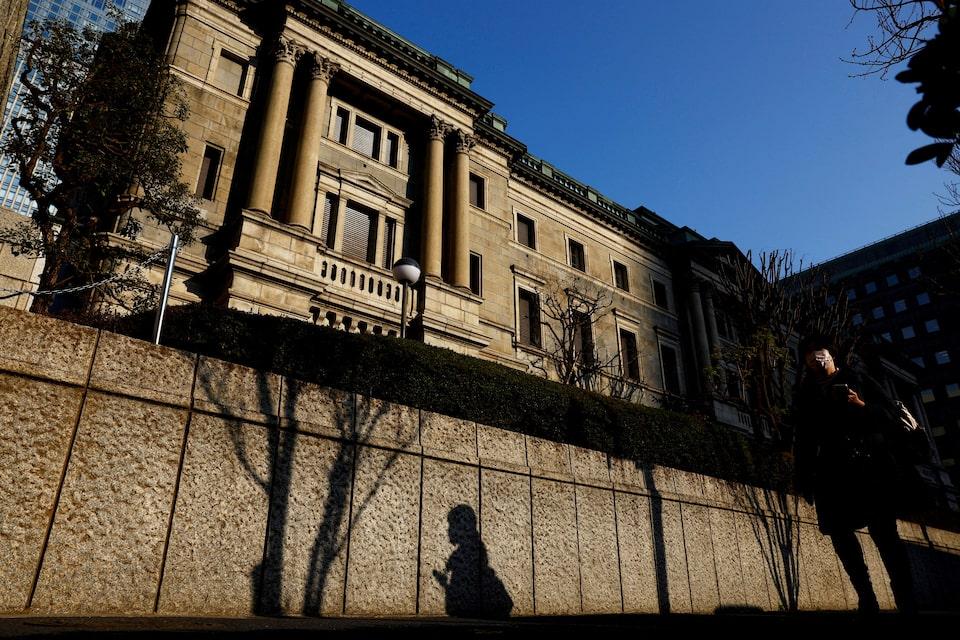
Two-thirds of Japanese firms want BOJ to pause rate hikes given tariffs Some 63% of Japanese firms see adverse earnings impact from tariffs Most Japanese firms plan to proceed with wage hikes despite levies TOKYO, May 22 (Reuters) - Nearly two-thirds of Japanese firms want the Bank of Japan to temporarily pause interest rate hikes as U.S. President Donald Trump's tariff policies raise pressure on earnings, a Reuters poll showed on Thursday. Japan's economy contracted for the first time in a year in the first quarter, underscoring the fragile nature of its recovery now under threat from U.S. trade policies. Sign up here. About 65% of respondents want the BOJ to pause interest rate increases and 10% would like to see rates lowered, while 25% are of the view that the central bank should proceed with rate hikes, the survey showed. "No one knows how negotiations over the Trump tariffs will be settled and what their impact will be. Any rate action should be taken only after visibility has been regained," a manager at a company in the service sector wrote in the survey. An official at an electronics company said the tariffs on Japanese goods, coupled with a firmer yen on the back of higher interest rates, would be a "double whammy" for the nation's all-important export-oriented industries. The survey was conducted by Nikkei Research for Reuters from May 7-16. Nikkei Research reached out to 504 companies and 224 responded on condition of anonymity. On April 2, Trump imposed 10% tariffs on all countries except Canada, Mexico and China, along with higher tariff rates for many big trading partners, including Japan, which faces a 24% tariff rate starting in July unless it can negotiate a deal with the United States. Washington has also imposed 25% levies on cars, steel and aluminium, dealing a huge blow to Japan's economy, which relies heavily on automobile exports to the United States. Among those respondents who want the BOJ to carry on with rate increases, 42% picked the last quarter of 2025 as desirable timing for the next hike, while 36% chose July-September this year. A separate Reuters poll showed last week that most economists expected the BOJ to hold interest rates through September as it pauses to assess the effects of the U.S. tariffs. EARNINGS IMPACT On U.S. tariffs' earnings impact, 9% of respondents expect a significant negative effect and 54% anticipate a moderate adverse impact, while 34% see little unfavourable effect, the survey showed. No company expected a positive impact. "We expect a drop in exports of cars made in Japan to the United States, and our sales to the auto industry will likely fall as well," a manager at a chemical company said. Asked how they would respond to the tariff-related downside risks to earnings, more than half of respondents said they planned to pass on the added costs to consumers. However, despite the widely anticipated earnings impact of the Trump tariffs, most Japanese companies are determined to stick to their plans to raise wages amid chronic labour shortages. About 83% of respondents intend not to let the new U.S. tariffs affect their wage hike plans, the survey showed. "We need to raise wages regardless of U.S. policies. Otherwise, we cannot obtain human resources," an official at a machinery maker said. Japanese companies have agreed to raise pay by 5.32% this year, the fifth tally of annual labour talk results from the country's largest union umbrella group, Rengo, showed this month, staying on course to deliver the biggest pay hike in 34 years. The Reuters survey also showed nearly half of respondents saw the yen trading between 140-145 yen to the dollar in the current business year to March 2026, while 26% expected the Japanese currency to be weaker at 145 to 150 yen. On Wednesday, the yen was trading around 144 yen to the dollar. https://www.reuters.com/sustainability/sustainable-finance-reporting/two-thirds-japanese-firms-want-boj-pause-rate-hikes-amid-trump-tariffs-reuters-2025-05-21/
2025-05-21 22:42
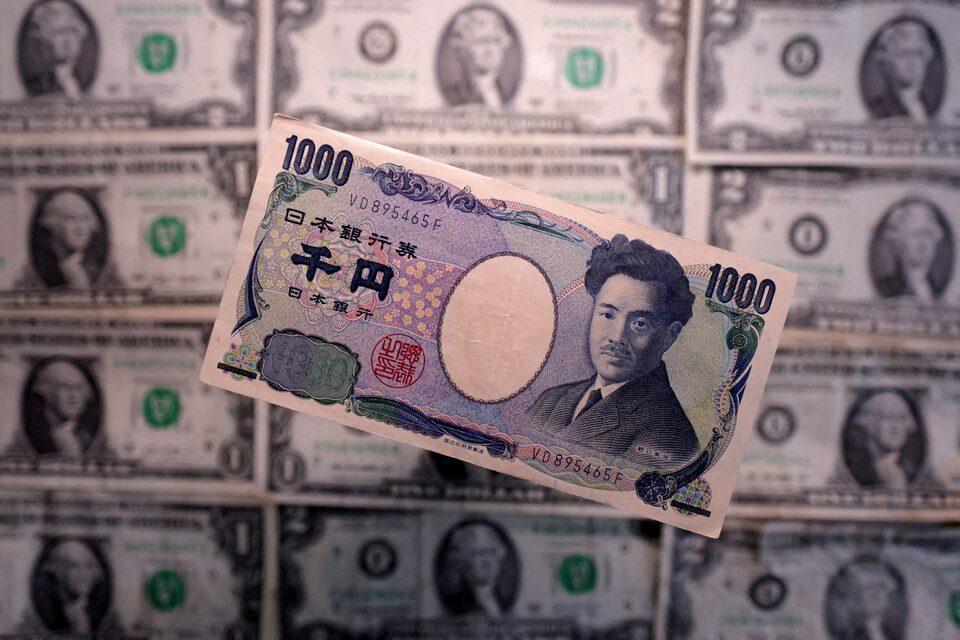
U.S., Japan finance chiefs met on the sidelines of G7 gathering Japan finmin says no discussion on forex rates with Bessent Analyst points to U.S. wish to avoid further dollar depreciation BANFF, Alberta, May 21 (Reuters) - U.S. Treasury Secretary Scott Bessent and Japanese Finance Minister Katsunobu Kato agreed on Wednesday that the dollar-yen exchange rate currently reflects fundamentals, the U.S. Treasury Department said, a rare and explicit statement on the market situation. President Donald Trump's focus on addressing the huge U.S. trade deficit and his past remarks accusing Japan of intentionally maintaining a weak yen have led to market expectations that Tokyo will face pressure to strengthen its currency's value against the dollar to give U.S. manufacturers a competitive advantage. Sign up here. Bessent and Kato "reaffirmed their shared belief that exchange rates should be market determined and that, at present, the dollar-yen exchange rate reflects fundamentals," the Treasury Department said in a statement. They met on the sidelines of the Group of Seven finance ministers gathering in Banff, Canada. In a rather contradictory statement, however, the department also said that, as in their previous meeting in April, they did not discuss foreign exchange levels. Asked about the Treasury's claim that the two agreed exchange rates reflect fundamentals at a subsequent news conference, Kato said that he was not in a position to comment but added that he did not discuss 'exchange-rate levels'. "We agreed that currency rates should be set by markets," he said. The dollar briefly jumped to 144.40 yen after the U.S. statement, but the lack of confirmation from the Japanese side pushed back the greenback below 143.50 yen. Later on Wednesday, Japan's top currency diplomat, Atsushi Mimura, who also attended the bilateral meeting, clarified that Kato and Bessent neither discussed currency targets nor current rates. "Our understanding is that the U.S. side probably meant the agreed basic principles that currency rates should be set by markets and excessive volatility and disorderly movements are not desirable," Mimura told reporters. SQUASHING SPECULATION Katsutoshi Inadome, senior strategist at Sumitomo Mitsui Trust Asset Management, said the U.S. statement may reflect its wish to avoid a further depreciation of the dollar. "Without the statement, the market would have speculated that the U.S. might have pushed Japan for a stronger yen. I personally believe that Bessent, with his sense as a market player, wanted to squash such expectations," Inadome said. Some Asian currencies including South Korea's and the Taiwan dollar this month saw sharp swings on market speculation about possible U.S. pressure to prop up their currencies in their tariff talks. Japan and the United States have agreed to keep the thorny issue of currency rates separate from direct trade negotiations, setting it aside for talks between their finance ministers. A weak yen has also been a headache for Japanese policymakers because it accelerates inflation by pushing up import costs and weighs on consumption. But the yen has already strengthened about 9% this year, as strong uncertainties stemming from sweeping U.S. tariffs have led investors to buy safe-haven currencies such as the yen. In the news conference, Kato said he did not directly discuss Japan's massive holdings of U.S. Treasuries with Bessent. Earlier in May, Kato surprised markets by saying that Japan could use its $1 trillion-plus Treasuries holdings as a card in trade talks with Washington, but later clarified that his comments did not mean to suggest potential sale. https://www.reuters.com/world/china/us-japan-finance-chiefs-say-current-dollar-yen-reflects-fundamentals-2025-05-21/
2025-05-21 22:37
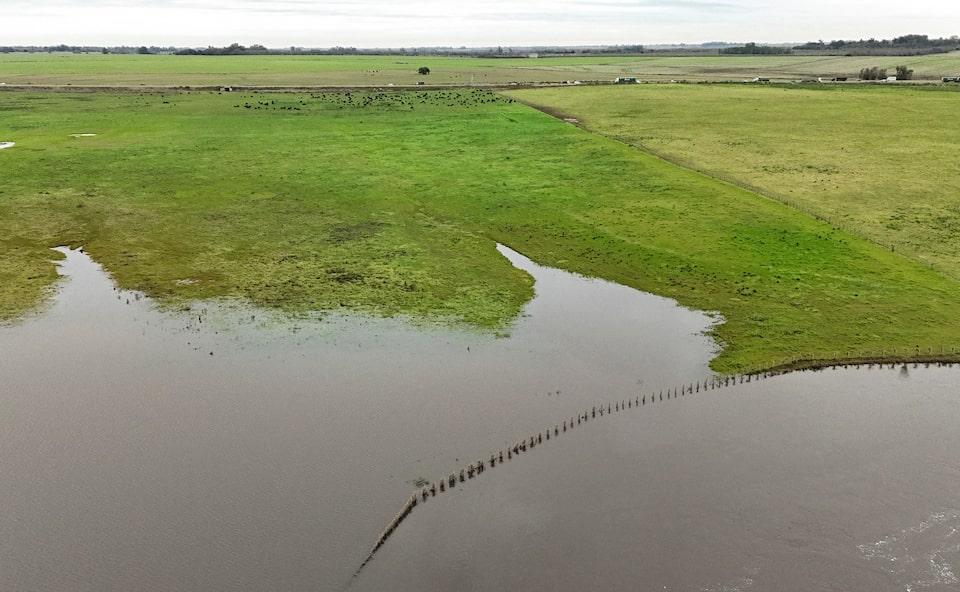
BUENOS AIRES, May 21 - Dry weather conditions in the coming days will help air out Argentina's muddy fields, the Buenos Aires Grains Exchange said on Wednesday, after heavy storms flooded the already behind-schedule soybean crop. Fierce rains washed out the north of Buenos Aires province at the end of last week, with the exchange warning that it may need to cut its estimates for the soybean harvest. Argentina is the world's largest exporter of soybean oil and meal. Sign up here. The exchange currently pegs 2024/25 output of soy at 50 million metric tons. But with the harvest running late, farmers risk losing crops due to disease caused by the rains or pods opening. The exchange forecasts little to no rainfall over most of Argentina's agricultural heartland over the next several days, after up to 400 mm of precipitation was dumped on the area, the exchange said in its weekly weather report. As fields dry out, farmers will need to rush to rake in the rest of the soybean crop. They are also set to kick off planting wheat for the 2025/26 season. https://www.reuters.com/business/environment/dry-weather-bring-relief-argentinas-soggy-farmlands-2025-05-21/
2025-05-21 21:09
ORLANDO, Florida, May 21 (Reuters) - By Jamie McGeever, Markets Columnist U.S. debt despair Sign up here. Investors' unease about holding long-dated sovereign debt was magnified by a soft 20-year U.S. Treasury note auction , opens new tab on Wednesday, which slammed the dollar and stocks, pushed long bond yields higher and steepened the U.S. yield curve. In my column today I take a closer look at the rising term premium on U.S. debt. How much higher can it go? More on that below, but first, a roundup of the main market moves. I'd love to hear from you, so please reach out to me with comments at [email protected] , opens new tab. You can also follow me at @ReutersJamie and @reutersjamie.bsky.social. Trading Day is also sent by email every weekday morning. Think your friend or colleague should know about us? Forward this newsletter to them. They can also sign up here. If you have more time to read, here are a few articles I recommend to help you make sense of what happened in markets today. Today's Key Market Moves Bond alarms ring louder After a poor 20-year government bond auction in Japan on Tuesday, it was the turn of a weak sale of 20-year U.S. debt on Wednesday to cast a cold, dark shadow over world markets and put investors on the defensive. The trouble is, when supposedly safe-haven sovereign bonds are at the root of the deepening market angst, the selloff takes on a more worrisome significance. And when it's U.S. Treasuries specifically, the cause for concern is even greater. Wednesday's auction of 20-year notes, the first sale of U.S. government debt since Moody's stripped the U.S. of its triple-A rating last week, drew softer demand than usual, but what soured sentiment and risk appetite was the high yield investors demanded. That was always going to be the case really - investors of all stripes from every corner of the world will buy Treasuries, the only doubt is the price. It was clearly lower than expected on Wednesday, and markets reacted accordingly. Washington's fiscal profligacy remains a major source of anxiety for bond investors. Non-partisan analysts say President Donald Trump's tax-cut bill proposals will add between $2 trillion and $5 trillion to the $36 trillion federal debt over the next decade. The 20-year Treasury note auction provided fuel for the bond fire, but fixed income was already smoldering on Wednesday - long-dated Japanese yields were at record highs and figures showed UK inflation rose much faster than expected to 3.5% in April, the highest in over a year. Tariffs, monetary stimulus, rising debt levels, poor fiscal discipline, growing policy risk, sticky inflation and soaring inflation expectations - these are some of the reasons investors around the world are reluctant to go long 'duration', or buy long-dated bonds. It's a potent mix, and all markets are feeling the heat. U.S. markets, in particular, are under pressure as the rest of the world reevaluates its holdings of dollar-denominated assets in light of Trump's global trade war and drive to upend the world economic order of the past 80 years. Steep declines in U.S. stocks, Treasuries and the dollar on Wednesday point to a nervy global session on Thursday. How much higher can the U.S. term premium go? A lot Financial markets have had a fairly muted reaction to Moody's decision to strip the United States of its triple-A credit rating last week, fueling hopes that the action will do little long-term damage to U.S. asset prices, as was the case when the U.S. suffered its first downgrade in 2011. But given today's challenging global macroeconomic environment and America's deteriorating fiscal health, that may be wishful thinking. To monitor the impact in the coming months, a key indicator to watch will be the so-called 'term premium' on U.S. debt. When Standard & Poor's Global became the first of the three major ratings agencies to cut America's top-notch rating in August 2011, there was little blowback because Treasuries were still widely considered the safest asset in the world. Demand for U.S. bonds went through the roof, despite S&P's landmark move, and yields and the term premium plummeted. That's unlikely to happen now. In 2011, the U.S. debt/GDP ratio was 94%, a record at the time reflecting a surge in government spending in response to the 2008-09 Global Financial Crisis. But the fed funds rate was only 0.25%, and inflation was 3% but falling. It dropped to zero a few years later and did not return to 3% until the pandemic in 2020. It's a vastly different picture today. U.S. public debt is around 100% of GDP and projected to rise to 134% over the next decade, according to Moody's. Official interest rates are above 4%, inflation is 2.3% but expected to rise as tariff-fueled price hikes kick in. Meanwhile, consumers' short- and long-term inflation expectations are the highest in decades. And while the $29 trillion Treasury market is still the linchpin of the global financial system, increasing U.S. policy risk is prompting the rest of the world to rethink its exposure to U.S. assets, including Treasuries - 'de-dollarization' is underway. HISTORICALLY LOW Put all that together, and it's easy to see why the 'term premium' - the risk premium investors demand for holding longer-term bonds rather than rolling over short-term debt - is liable to rise after this downgrade, unlike 2011. Especially given its relatively low starting point. True, the term premium was already the highest in a decade before the Moody's downgrade on Friday, and is now 0.75%, or 75 basis points. But that is still well below the level in 2011 and slim by historical standards. In July 2011, the term premium on 10-year Treasuries was over 2.0%, but quickly slumped after the S&P downgrade the following month to below 1% and was negative within a few years. Treasuries were downgraded, but their status as the world's undisputed safe-haven asset remained intact. The last time Uncle Sam's debt or inflation dynamics were as concerning as they are today, the term premium was much higher. It rose to 5% during the 'stagflation'-hit 1970s, and was around 4% following the 'Volcker shock' recessions in the early 1980s triggered by the Fed's double-digit interest rates to quell double-digit inflation. "The term premium has come up quite a bit recently and is likely going to rise more given the fiscal challenges the U.S. is facing," notes Emanuel Moench, professor at Frankfurt School of Finance & Management and co-creator of the New York Fed's 'ACM' term premium model. "The worry some investors might have is a self-fulfilling debt crisis – a high debt/GDP ratio increases interest rates, which raises the interest rate burden of the government and means you can't so easily grow yourself out of this anymore. This may push the term premium higher." FEEL THE SQUEEZE The question is, how high can it go? History suggests it can go a lot higher until Washington exerts some serious fiscal discipline, or until the squeeze on households, businesses and the federal government from higher market-based borrowing costs gets too much. Some analysts reckon another 50 basis points this year, which would take the 10-year yield up to around 5.00%, a pivotal level for many investors and the historical post-GFC high from October 2023. With fiscal uncertainty so high and policy credibility so low, it's a "tenuous" time right now for Treasuries, as Moench notes. The global environment is nervy too - Japan's 30-year yield this week soared to a record high. BlackRock Investment Institute strategists point out that long-term Treasuries still carry a "relatively low risk premium versus the past", and their "starting point" in their portfolio construction is to assume a rising term premium and "persistent" inflation pressure. They are underweight long-dated Treasuries. Treasuries will always attract buyers. It's just that the clearing price they accept may be lower, and the term premium they demand may be higher. The risk now is it's a lot higher. What could move markets tomorrow? Opinions expressed are those of the author. They do not reflect the views of Reuters News, which, under the Trust Principles , opens new tab, is committed to integrity, independence, and freedom from bias. https://www.reuters.com/markets/global-markets-trading-day-graphic-pix-2025-05-21/
2025-05-21 20:44
WASHINGTON, May 21 (Reuters) - The Trump administration will halt funding of $365 million awarded during the previous administration for rooftop solar power in Puerto Rico and redirect it to fossil fuel burning plants and maintenance of infrastructure, it said on Wednesday. Puerto Rico has long dealt with widespread power outages due to the U.S. territory's crumbling infrastructure, the 2017 bankruptcy of the Puerto Rico Electric Power Authority and a string of devastating hurricanes. It experienced a wide blackout a month ago, followed by an outage that hit 134,000 customers. Sign up here. The Department of Energy said the funding will be redirected away from solar power to fixes that can be deployed immediately "such as dispatching baseload generation units, supporting vegetation control to protect transmission lines and upgrading aging infrastructure." Baseload generation in this case refers to power plants that run on oil products and potentially natural gas. Last week, Energy Secretary Chris Wright issued an emergency order that directed Puerto Rico's state-owned utility to tackle electricity shortfalls with power generated by oil-burning power plants, which emit pollution, including the greenhouse gases that cause climate change and global warming. The administration of President Donald Trump has supported maximizing the output of fossil fuels and dismantling policies by former President Joe Biden's administration designed to spur use of renewable power. "The redirection of these funds will expand access to reliable power for millions of people rather than thousands and generate a higher return on investment for taxpayers while advancing grid resiliency for Puerto Rico," the department said on Wednesday. The Biden administration awarded the funding for solar power and battery storage in late 2024, for projects that had been slated to begin construction in 2026. The DOE said the redirected funding will support practical fixes and activities that offer faster help, benefiting facilities, including hospitals and community centers. https://www.reuters.com/world/us/us-redirects-365-million-biden-had-set-puerto-rico-solar-power-2025-05-21/
2025-05-21 20:44
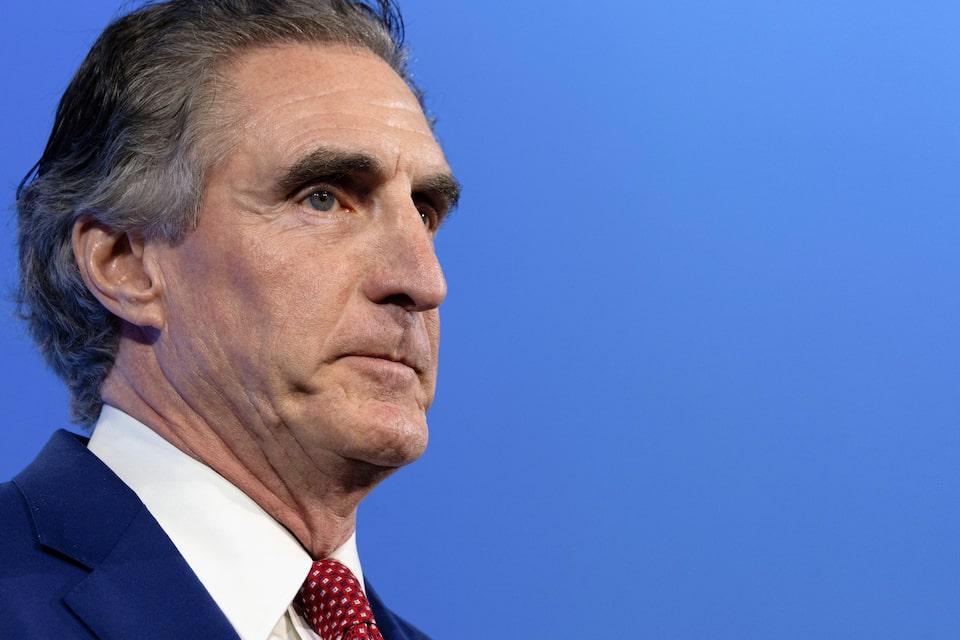
May 21 (Reuters) - A new federal assessment has identified significant undiscovered, technically recoverable oil and gas resources in parts of Wyoming, Utah and Colorado, the U.S. Interior Department said on Wednesday. WHY IT'S IMPORTANT The resources identified by the U.S. Geological Survey in what is known as the Mowry Composite Total Petroleum System could bolster domestic energy supplies, aligning with the Trump administration's agenda to boost drilling and mining on public lands. The Mowry Composite TPS covers most of southwestern Wyoming and small portions of Utah and Colorado. Sign up here. KEY QUOTE "This new USGS assessment underscores the role of American energy resources in strengthening our energy independence and driving economic development across the West," Interior Secretary Doug Burgum said in a statement. CONTEXT The push for increased drilling and mining on public lands is part of President Donald Trump's broader strategy to reduce regulatory barriers to domestic fossil fuel and metals production. BY THE NUMBERS The assessment estimates the presence of 473 million barrels of oil and 27 trillion cubic feet of natural gas. The Mowry Composite system has produced approximately 7.3 trillion cubic feet of natural gas and 90 million barrels of oil since exploration began in the 1950s. WHAT'S NEXT The results of the assessment can help inform future land use and resource management plans by the Bureau of Land Management, which oversees energy development on federal lands. https://www.reuters.com/business/energy/us-says-there-are-significant-undiscovered-oil-gas-resources-wyoming-2025-05-21/