2026-01-20 04:56
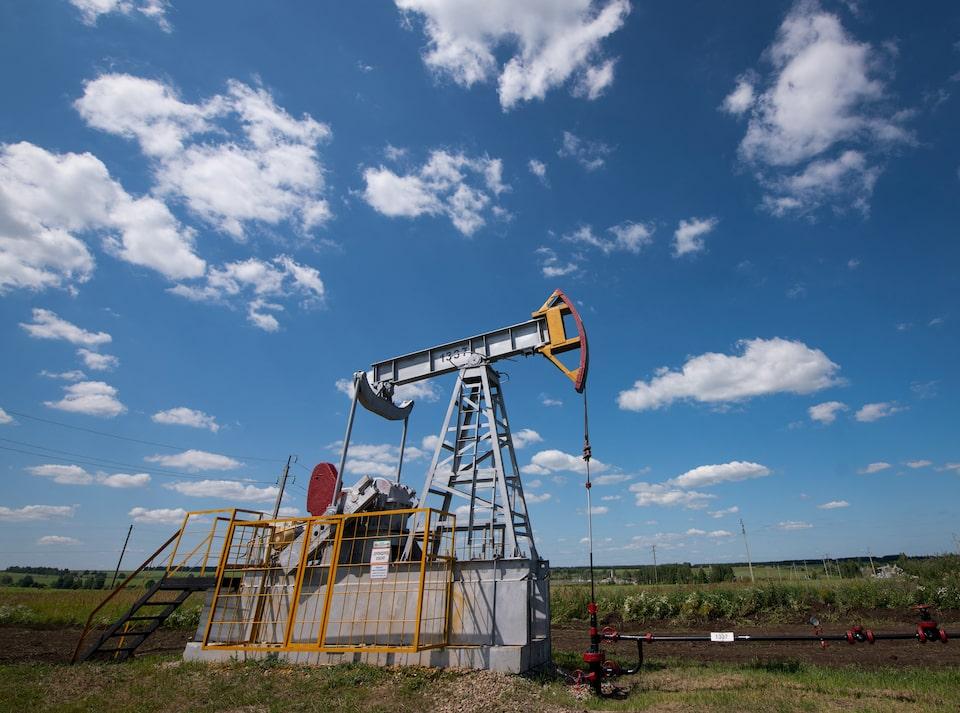
US threatens tariffs on European states over Greenland China reports better-than-expected fourth-quarter GDP data Kazakhstan's Tengizchevroil halts production NEW YORK, Jan 20 (Reuters) - Oil prices rose on Tuesday on the temporary suspension of output at Kazakhstan's oil fields and expectations of firmer global economic growth that could drive fuel demand. Investors continued to monitor U.S. President Donald Trump's tariff threats against European states that oppose his push to acquire Greenland. Sign up here. Brent futures settled 98 cents, or 1.53%, higher at $64.92 a barrel. The U.S. West Texas Intermediate crude contract for February , which expires on Tuesday, gained 90 cents, or 1.51%, at $60.34. The more actively traded WTI March contract rose $1.02, or 1.72%, to $60.36. Kazakh oil producer Tengizchevroil, led by Chevron (CVX.N) , opens new tab, said on Monday it had temporarily halted production at the Tengiz and Korolev oilfields after an issue affected power distribution systems. TENGIZ FIELD COULD BE HALTED 7-10 DAYS Tengiz could be halted for another seven to 10 days, cutting crude exports via the Caspian Pipeline Consortium, sources told Reuters on Tuesday. "Tengiz is amongst the largest fields in the world and so the outage is certainly disruptive for crude flows," said Ajay Parmar, director of energy and refining at ICIS. "But this disruption does look to be temporary, and so if the tariffs rhetoric continues, we expect prices to fall back," he said. The oil market also drew support from better-than-expected fourth-quarter Chinese gross domestic product data released on Monday, said IG market analyst Tony Sycamore. "This resilience in the world's top oil importer provided a lift to demand sentiment," he said. China's economy grew by 5% last year and the country's refinery throughput in 2025 climbed 4.1% on a year-over-year basis, data showed on Monday. China's crude oil output also grew 1.5%. Prices also gained on an upward revision of this year's global economic growth estimate by the International Monetary Fund as well as stronger diesel prices, said PVM analyst Tamas Varga. A sliding dollar has also supported prices, as a weaker U.S. currency could boost oil demand by making dollar-denominated purchases cheaper. TRUMP TARIFF THREATS IN FOCUS Fears of a renewed trade war escalated over the weekend after Trump said he would impose additional 10% levies from February 1 on goods imported from EU members Denmark, Finland, France, Germany, Sweden and the Netherlands, as well as Britain and Norway, rising to 25% on June 1 if no deal on Greenland was reached. Trump's tariff threats have a negative bearing on crude prices as the levies could lead to lower global economic growth and therefore reduce oil demand growth, said Parmar of ICIS. European Commission President Ursula von der Leyen said on Tuesday that the bloc's executive arm is working on a package to support Arctic security and that the tariffs are a mistake. https://www.reuters.com/business/energy/oil-gains-upbeat-china-data-greenland-spotlight-2026-01-20/
2026-01-20 04:50
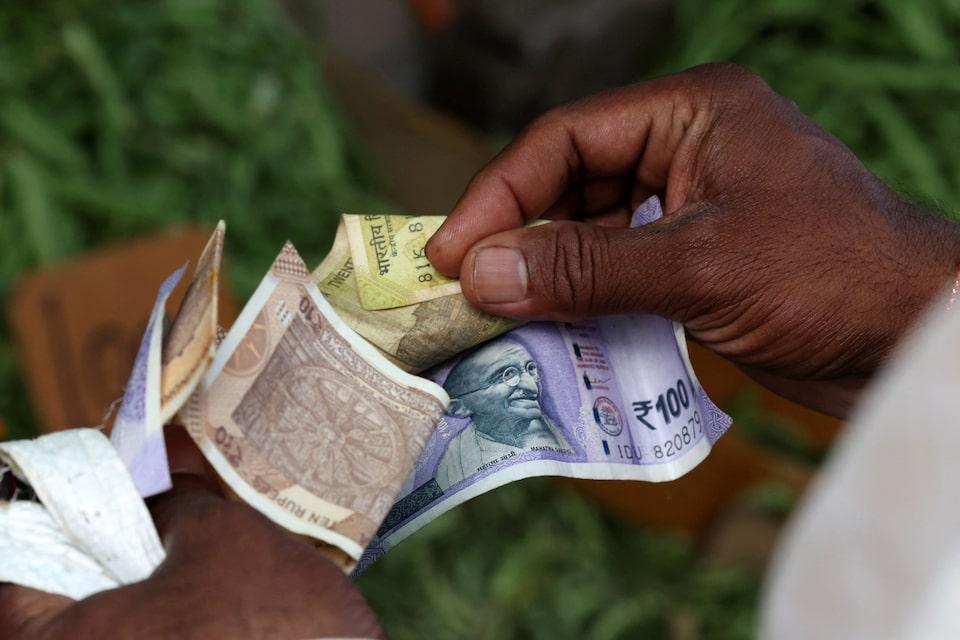
MUMBAI, Jan 20 (Reuters) - The Indian rupee continued its weakening trend on Tuesday, with ongoing flow-based dollar demand tightening the squeeze as the currency broke past 91 per dollar levels for first time in a month, putting it within striking distance of a fresh record low. The currency opened a tad weaker, but declined rapidly to 91.0525. It was at 91.02 as of 10:20 a.m. IST after closing at 90.91 in the previous session, and plumbing an intraday low of 90.99. Sign up here. The rupee fell for four sessions through Monday, losing around 1% in that period, leaving it perched near the closely watched 91 level and its all-time low of 91.0750 per dollar, set in mid-December. "The moves are dependent on the flows scenario, with focus turning to the RBI if the local currency is close to breaching any major level" a currency trader at a state-run bank said. Bankers say the near daily presence of the central bank is lending a small degree of confidence to rupee bulls that a new record low may not be hit imminently. The Reserve Bank of India's support on Friday and Monday was relatively light, with traders saying the central bank was seen offering dollars at multiple levels rather than mounting a defence at any single point. Meanwhile, Asian currencies were mixed on Tuesday, while the dollar index retreated to its lowest level in a week. Growing tension between the U.S. and European Union has put some pressure on the greenback as well as pushed U.S. yields higher. U.S. President Donald Trump's threats to rekindle a trade war with Europe over the future of Greenland has sparked nerves across markets. These developments introduce new complexities into the trade and diplomatic relationship between the U.S. and E.U., suggesting a likely resurgence in trade tensions, DBS Bank said in a note. https://www.reuters.com/world/india/indian-rupee-seen-vulnerable-near-91-record-low-play-flow-driven-woes-2026-01-20/
2026-01-20 04:17
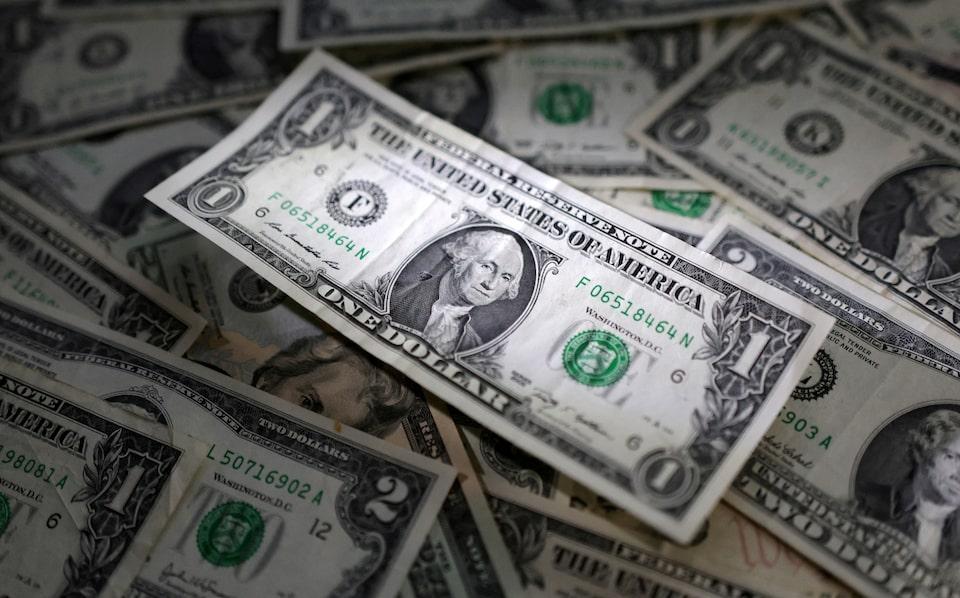
ART increases hedging to reduce exposure to weakening US dollar US dollar expected to weaken due to interest rate cuts Global volatility and trade tensions contribute to market uncertainty SYDNEY, Jan 20 (Reuters) - Australia's second-biggest pension fund says it is reducing its exposure to the U.S. dollar through currency hedging as falling interest rates and ongoing global volatility have investors around the world reassessing their U.S. allocations. Andrew Fisher, Australian Retirement Trust's (ART) general manager of total portfolio management and resilience, said the prospect of U.S. rate cuts while some other major economies were expected to lift rates would weaken the dollar this year. Sign up here. Financial markets have priced in about 50 basis points worth of interest rate cuts in the U.S. in 2026, whereas rates are expected to rise in Japan and Australia and remain steady in Europe. ART has A$353 billion ($237.39 billion) of funds under management and is the second-largest fund in Australia's A$4.5 trillion pension system, known as superannuation. Fisher said while ART was not reducing its U.S stock holdings, it was increasing its currency hedging position to reduce exposure to a forecast weakening greenback. "The U.S. dollar seems to be the one place where I think the U.S. administration is going to get what it wants, which is a weaker dollar," Fisher told Reuters in an interview on Monday. "They made it clear they want the dollar to weaken. It's hurting U.S. competitiveness, and I think they're going to succeed." Previously, almost all pension fund investors in U.S. equities would have very little currency hedging because the dollar was expected to rise on negative shocks. A low-hedging strategy would insulate a fund because if the value of its U.S. stocks fell, it would be cushioned by the dollar also going down. ART holds about A$53 billion of U.S. stocks, according to the fund's figures. "We're not going to change our allocation to U.S. equities, we're just going hedge more of the U.S. equities and unhedge more of the other equities," Fisher said. "Our Japanese exposure might be fully unhedged and our U.S. exposure might be much more hedged than it has been in the past to try and get that balance right," he said. While the dollar traded near a six-week high last week, the currency has eased this week against the safe-haven yen and Swiss franc after U.S. President Donald Trump threatened additional tariffs on goods imported from European nations that oppose his planned takeover of Greenland. ($1 = 1.4870 Australian dollars) https://www.reuters.com/world/asia-pacific/major-australian-pension-fund-trimming-us-dollar-exposure-weakening-outlook-2026-01-20/
2026-01-20 03:14
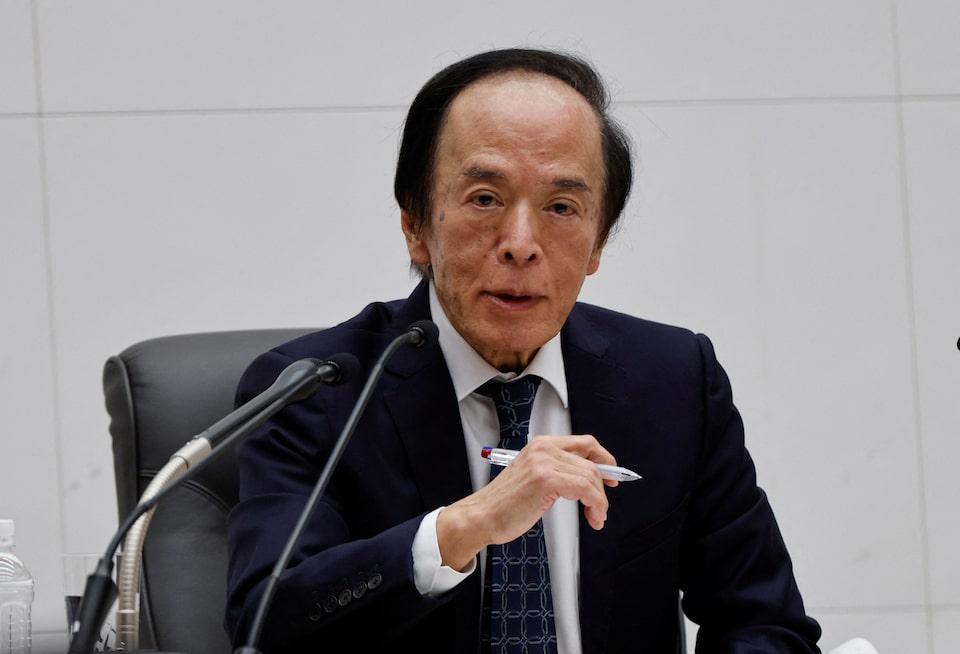
BOJ set to keep policy rate steady at 0.75% Decision due 0330-0430 GMT January 23 Board expected to revise up 2026 growth forecast, sources say No change to projected timeframe for hitting price goal Governor Ueda to brief media 0630 GMT Friday TOKYO, Jan 20 (Reuters) - The Bank of Japan is expected to raise its growth forecast on Friday and signal its readiness to hike interest rates further, as recent yen falls and prospects of solid wage gains keep policymakers alert to containing inflationary pressure. But BOJ Governor Kazuo Ueda is likely to offer few clues on how soon the central bank could resume rate hikes, a decision complicated by rising bond yields and Prime Minister Sanae Takaichi's announcement on Monday to call a snap election in February. Sign up here. Having just raised interest rates to a 30-year high of 0.75% in December, the central bank is set to keep borrowing costs steady at its two-day policy meeting ending on Friday. Markets will be looking to Ueda's post-meeting press conference for policy signals, particularly focussing on how the BOJ chief reconciles the need to keep unwelcome yen falls at bay while seeking to avoid further rises in bond yields. Takaichi on Monday echoed proposals by rival parties to cut Japan's consumption tax and vowed to end "excessively tight fiscal policy," heightening the chance of more spending and tax cuts after the election. TAKAICHI AND THE RATES CONUNDRUM While expansionary fiscal steps may push up inflation and give the BOJ another reason to raise rates, a Takaichi victory may embolden her reflationist advisers favouring low rates to underpin a fragile economy, some analysts say. "So far, the BOJ has maintained a negative stance toward consecutive rate hikes" on concerns over the impact on Japan's financial system and pressure from Takaichi's administration, said Ayako Fujita, Japan chief economist at JPMorgan Securities. "Whether the recent yen depreciation will prompt a change in this stance is a key point to watch," she said. Concern over Japan's worsening finances has driven bond yields sharply higher since early November with the 10-year Japanese government bond yield hitting a 27-year high of 2.30% on Tuesday. Moreover, since fiscal and monetary dove Takaichi became prime minister in October, the yen has fallen about 8% against the dollar to briefly hit an 18-month low of 159.45 last week, its lowest level since Japan last intervened in July 2024. The yen bounced back somewhat and stood around 158.18 on Tuesday. But the currency's downtrend, which boosts import costs and broader consumer prices, has led to market views the BOJ could speed up rate hikes to forestall the risk of too-high inflation. AN APRIL RATE HIKE CANNOT BE RULED OUT Sources have told Reuters some BOJ policymakers see scope to raise rates sooner than markets expect with April a distinct possibility, as a sliding yen risks adding to already broadening inflationary pressure. The central bank ended a decade-long, massive stimulus in 2024 followed by several sequences of hikes in its short-term policy rate including one to 0.75% from 0.5% last month. Analysts polled by Reuters expect the BOJ to wait until July before raising rates again, with more than 75% of them expecting it to climb to 1% or higher by September. The BOJ's quarterly outlook report, due on Friday, will likely highlight the bank's growing conviction that Japan is on course to meet the conditions for further rate increases. In the report, the BOJ is expected to revise up its economic forecast for fiscal 2026 from the 0.7% growth rate expected three months ago, reflecting the boost from the government's stimulus package and the fading impact of U.S. tariffs, the sources said. The BOJ may slightly revise up its fiscal 2026 core consumer inflation forecast from 1.8% projected three months ago, with the effect of government steps to curb utility bills offset by rising goods prices and steady wage gains, they said. The central bank is expected to maintain its projection that inflation in Japan will durably hit 2% around October, or the latter half of the fiscal year starting in April. https://www.reuters.com/world/asia-pacific/boj-signal-more-rate-hikes-yen-politics-fuel-inflation-risks-2026-01-20/
2026-01-20 00:53
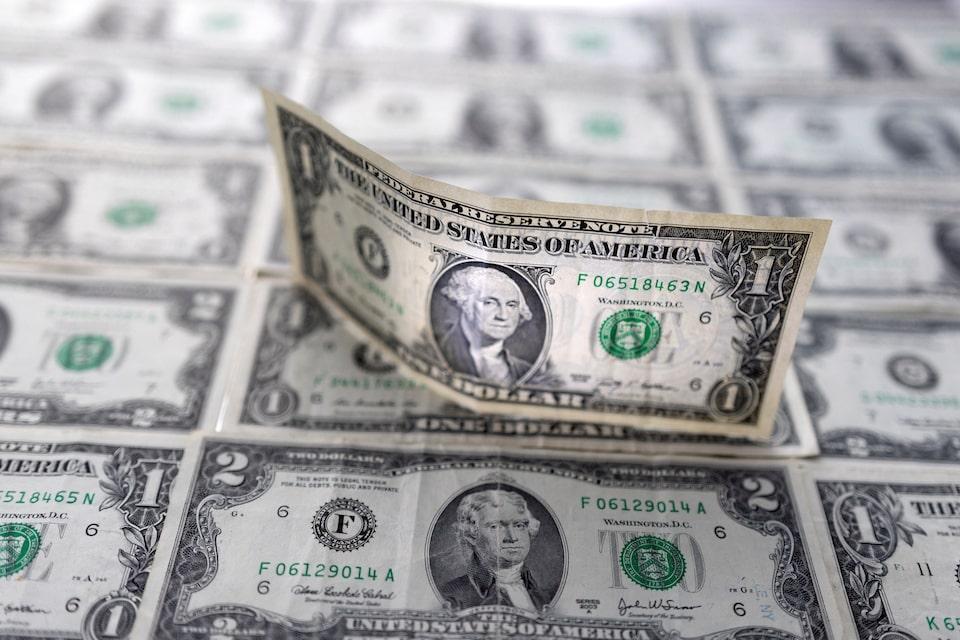
Trump's Greenland threats spark retreat from US assets Japanese yen in focus as Takaichi vows to suspend sales tax on food Dollar lower against euro, Swiss franc NEW YORK, Jan 20 (Reuters) - The dollar was set for its largest daily fall in over a month on Tuesday, after White House threats to Europe over the future of Greenland triggered a broad selloff across U.S. stocks and government bonds, and drove the euro and the pound higher. The dollar index , which measures the U.S. currency's performance against a basket of six others, fell as much as 0.7% - marking its biggest one-day drop since mid-December - as investors worried about exposure to U.S. markets. Sign up here. On Monday, U.S. President Donald Trump's renewed tariff threats against European allies prompted a repeat of the so-called "Sell America" trade that emerged after last year's "Liberation Day" tariff announcement in April, with stocks, Treasury bonds and the dollar all declining. Investors were dumping dollar assets on "fears of prolonged uncertainty, strained alliances, a loss of confidence in U.S. leadership, potential retaliation and an acceleration of de-dollarisation trends," said Tony Sycamore, market analyst at IG in Sydney. "While there are hopes the U.S. administration may soon de-escalate these threats, as it has with prior tariff announcements, it is clear that securing Greenland remains a core national security objective for the current administration," he added. The euro was last up 0.57% at $1.1711, while the pound gained 0.01% to trade at $1.34. Sterling got a minor additional lift earlier in the session from UK labour market data that showed unemployment remained at a five-year high, but also offered positive signs such as vacancy numbers plateauing. The S&P 500 and Nasdaq Composite dropped to their lowest points in a month on Tuesday, as investors returned from the U.S. long weekend and reacted negatively to the fresh tariff threats. The risk-off wave, which also pushed the Dow Jones Industrial Average to its lowest intraday level since January 5, left U.S. Treasuries wobbling under renewed selling pressure. "We knew that some stock markets like the U.S ... were all at elevated, stretched levels. So who knew what the pinprick was going to be? But we found it," said Marc Chandler, chief market strategist at Bannockburn Capital Markets. Weekly data from the U.S. markets regulator show investors have trimmed their largest long, or bullish, holdings of euro futures modestly, but that position is still close to its largest since mid-2023 , which in theory means there could be appetite to sell. The yen, which slid overnight as a selloff in Japanese government bond markets accelerated, picked up as European trading got underway, leaving the dollar at 158.280. Japanese Prime Minister Sanae Takaichi has called snap elections for February 8 and has pledged a wave of measures to loosen fiscal policy, which has unnerved investors in Japanese sovereign bonds about the country's fragile public finances. The Swiss franc , a key beneficiary of any safe-haven flows, strengthened for a third straight day, leaving the dollar down 0.88% at 0.7902 francs. Against the Chinese yuan trading offshore in Hong Kong , the dollar was steady at 6.9576 yuan, its weakest since May 2023. The People's Bank of China left benchmark lending rates unchanged for an eighth straight month in January, as expected by analysts polled by Reuters. The Australian dollar was last up 0.27% to $0.673, while the New Zealand dollar climbed 0.54% to $0.583, its highest level this year. https://www.reuters.com/world/asia-pacific/dollar-week-low-geopolitics-revive-sell-america-trade-2026-01-20/
2026-01-19 23:43
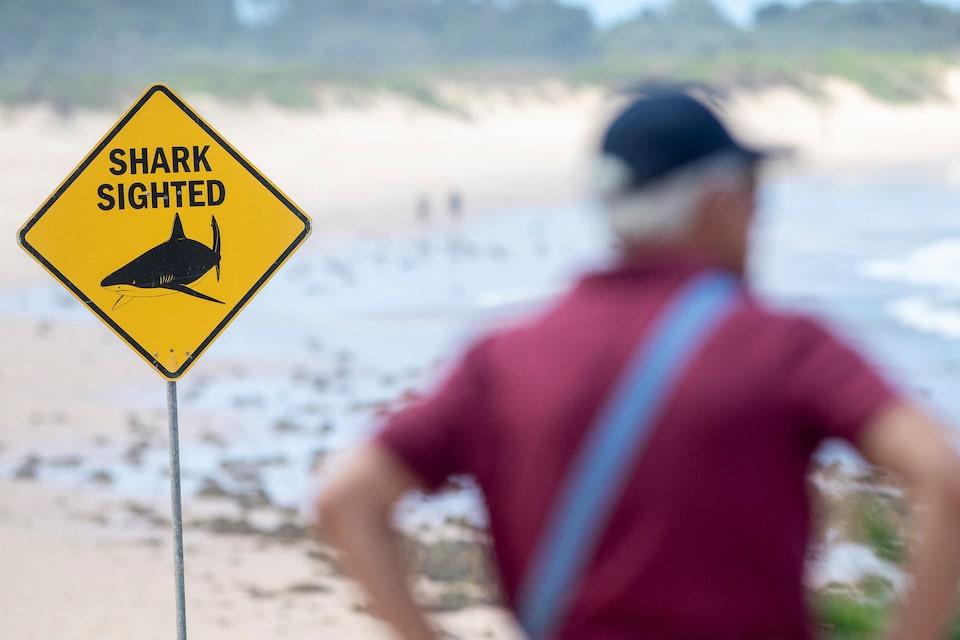
SYDNEY, Jan 20 (Reuters) - Beaches in the north of Sydney remained closed on Tuesday after a man in his 20s was bitten by a shark - the city's third shark attack in two days - as heavy rains left the waters murky and more likely to attract the animals. Emergency services were called to a beach in Manly on Monday evening following reports a surfer had been bitten by a shark, New South Wales police said in a statement. Sign up here. Max White, an eyewitness, said another surfer had kept the man alive using his surfboard's leg rope as a makeshift tourniquet to stem the bleeding. "He was breathing, but he was unconscious, and we just ... tried to keep him awake, as well as all the other people around us. Everyone was involved," he told state broadcaster ABC. Paramedics treated the man for serious leg injuries before taking him to hospital in critical condition. All beaches in the Northern Beaches, a council area straddling the city's northern coastline, will remain closed until further notice, police said. The attacks follow days of heavy rain that ran off into the harbour and beaches around the city, creating ideal conditions for the bull sharks suspected to be behind some of the attacks. The species thrives in brackish water. "If anyone's thinking of heading into the surf this morning anywhere along the Northern Beaches, think again," Steven Pearce, the chief executive of Surf Life Saving NSW told reporters on Tuesday. "We have such poor water quality that's really conducive to some bull shark activity." On Monday, a 10-year-old boy escaped unharmed after a shark knocked him off his surfboard and bit a chunk out of it. A day earlier, another boy was left in critical condition after being bitten at a city beach. Australia sees around 20 shark attacks per year with fewer than three of those being fatalities, according to data from conservation groups. Those numbers are dwarfed by drownings on the country's beaches. https://www.reuters.com/world/asia-pacific/sydney-beaches-close-after-three-shark-attacks-two-days-2026-01-19/