2025-05-19 23:32
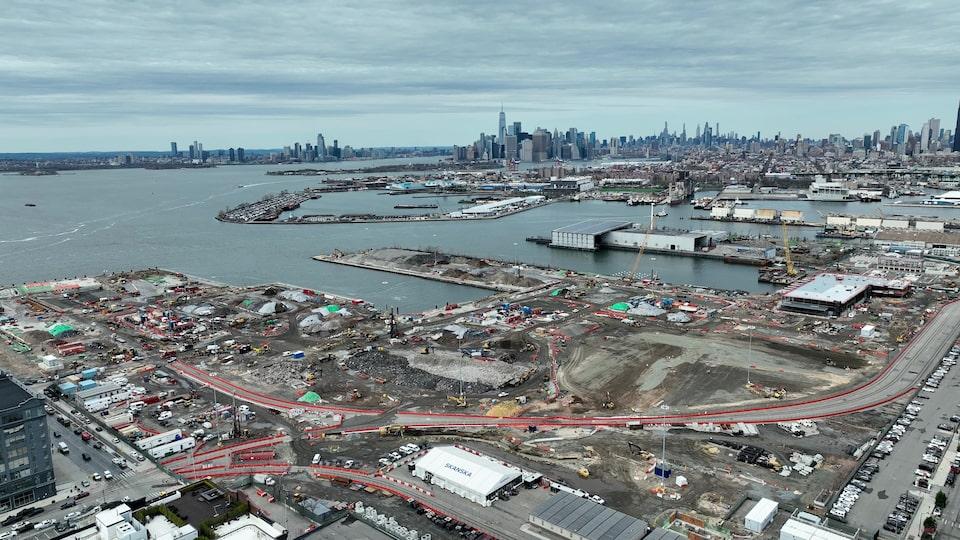
Equinor resumes Empire Wind construction after month-long halt Interior Secretary halted project over environmental concerns Equinor spent $50 million weekly during construction halt May 19 (Reuters) - The Trump administration lifted a month-old stop-work order on a major offshore wind facility planned off the coast of New York, the project's developer said on Monday. Norwegian energy company Equinor (EQNR.OL) , opens new tab said construction activities were allowed to resume on Empire Wind, a $5 billion project that is expected to one day provide power for half a million New York homes. Sign up here. The reversal marks a critical reprieve for the offshore wind industry after Equinor had warned it stood to lose billions of dollars due to the order which sent shockwaves through the offshore wind industry, raising concerns that fully permitted developments representing billions in investment are not safe. "I would like to thank President Trump for finding a solution that saves thousands of American jobs and provides for continued investments in energy infrastructure in the U.S.," Equinor CEO Anders Opedal said in a statement. He also thanked Norway's leadership for raising the issue with the Trump administration. Norway's Prime Minister Jonas Gahr Stoere and Finance Minister Jens Stoltenberg met with the president in Washington last month. New York Governor Kathy Hochul was also instrumental in getting the project back on track, Opedal said. Officials from the U.S. Interior Department, which issued the order last month, were not immediately available for comment. Equinor said it would make an updated economic assessment in the second quarter, while aiming to proceed with offshore installation in 2025 and achieve commercial operation by 2027. The Norwegian energy company, which had warned it was spending $50 million weekly to keep the project afloat during the suspension, will now work with suppliers and regulatory bodies to minimise impacts from the delay, it said. Equinor purchased the Empire Wind lease during Trump's first administration in 2017, and the 810-megawatt project was approved under former President Joe Biden in 2023. The project, which will use wind turbines from Vestas (VWS.CO) , opens new tab, is 30% complete, according to the company. On April 16, Interior Secretary Doug Burgum told Equinor to halt construction, saying the Biden administration had rushed the project's approval without sufficient environmental analysis. He cited concerns raised in an internal report by the National Oceanic and Atmospheric Administration (NOAA), which assists the Interior Department's Bureau of Ocean Energy Management in permitting offshore wind projects by assessing impacts on marine mammals and fisheries. Trump has vowed to expand domestic energy production as part of his energy dominance agenda, but wind is excluded from that effort. He issued an executive order on his first day in office pausing new leasing and permitting of wind projects, which he says are ugly, expensive and harmful to wildlife. An industry group praised the administration for lifting the stop-work order. "The administration is clearing the way for major investments to move forward - activating American shipyards, creating high-quality jobs, and accelerating the buildout of infrastructure needed to deliver reliable, domestic energy to the East Coast," National Ocean Industries Association President Erik Milito said in a statement. The United States has four operating offshore wind farms. Aside from Empire Wind, another three are under construction. Two are owned by Denmark's Orsted (ORSTED.CO) , opens new tab: Sunrise Wind off the coast of New York and Revolution Wind off the coast of Rhode Island. Dominion Energy's (D.N) , opens new tab Coastal Virginia Offshore Wind is also underway. https://www.reuters.com/sustainability/climate-energy/equinor-says-us-lifts-stop-work-order-new-york-offshore-wind-farm-2025-05-19/
2025-05-19 23:23
Judge says rejecting settlement would save legal fees Vanguard's $106.4 million SEC accord included an offset Vanguard, investors' lawyers not available to comment May 19 (Reuters) - A federal judge on Monday rejected Vanguard Group's $40 million settlement with investors who claimed the mutual fund giant stuck them with inflated tax bills in its popular target-date funds. U.S. District Judge John Murphy in Philadelphia said the proposed class action settlement announced in November "provides no value" to investors because Vanguard could have offset the $40 million from its similar, larger settlement in January with the U.S. Securities and Exchange Commission. Sign up here. The SEC accord provided $135 million in remediation to investors, minus the $40 million and minus $2.1 million for individual claims. Vanguard's total payout to the SEC was $106.4 million, including a $13.5 million civil fine. In a 25-page decision, Murphy agreed with an objecting class member that approving the $40 million settlement didn't make sense because it would leave investors with less money, with more than $13 million taken out for their lawyers' legal fees. Murphy said that meant the settlement was not fair, reasonable and adequate. "The named plaintiffs, their counsel, and Vanguard cannot deny the math," Murphy wrote. "The SEC settlement guarantees class members the exact benefit that would have been provided by this proposed settlement - but without deduction for attorneys' fees or requiring claims to be extinguished." Lawyers for the investors and for Vanguard did not immediately respond to requests for comment. The objecting class member John Hughes, a lawyer, declined to comment. Vanguard argued that Hughes misunderstood the SEC accord, and rejecting the $40 million settlement based on his objection would make it harder for companies to settle parallel civil and regulatory actions. Both settlements stemmed from Vanguard's December 2020 decision to reduce the minimum investment in lower-cost target-date fund classes meant for institutional clients to $5 million from $100 million. Many investors who qualified for those funds shifted from higher-cost retail fund classes. This forced the retail funds to sell assets to meet redemptions, and pass taxable capital gains to the remaining investors. The target-date funds contain mixes of stocks, bonds and cash designed to become less risky as investors age. They are also designed to be tax-efficient. Vanguard is based in Valley Forge, Pennsylvania. It had $10.4 trillion of assets under management as of January 31. The case is In re Vanguard Chester Funds Litigation, U.S. District Court, Eastern District of Pennsylvania, No. 22-00955. https://www.reuters.com/legal/us-judge-rejects-vanguard-40-million-settlement-with-mutual-fund-investors-2025-05-19/
2025-05-19 23:15
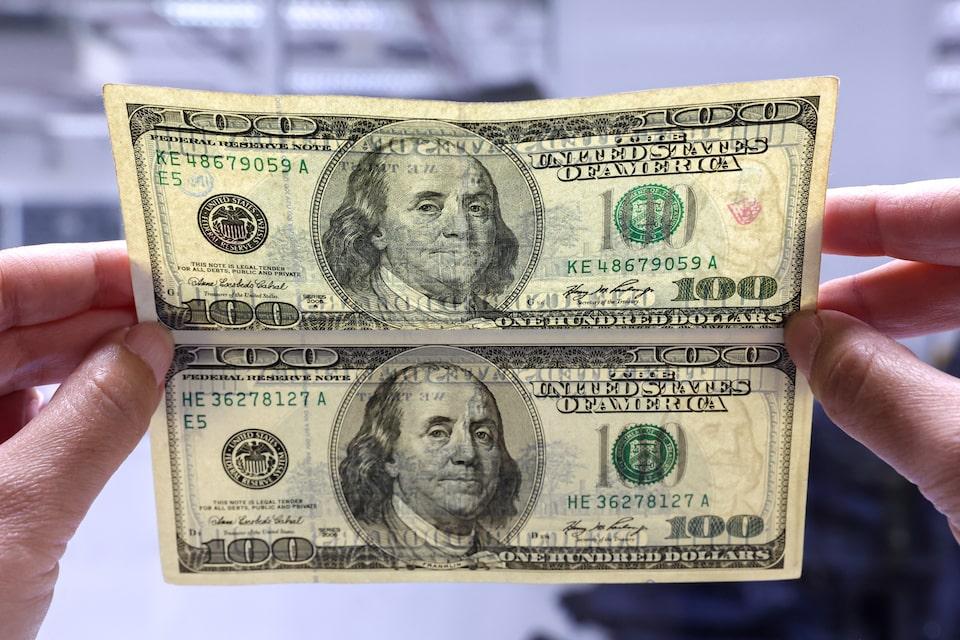
Investors still see dollar as overvalued even after recent fall Further rebalancing of global portfolios away from USD assets poses risk to the buck Rise in FX hedge ratios could add selling pressure Some investors looking to sell dollar rallies NEW YORK, May 19 (Reuters) - Trade-related uncertainties, ballooning fiscal debt and weakened confidence about enduring U.S. exceptionalism have weighed on U.S. assets, with the dollar one casualty. Investors see the currency losing more of its luster as the greenback comes back to earth from lofty valuations. The Trump administration's tariffs salvo this year prompted investors to cut exposure to U.S. assets after a long period of overperformance. While the U.S. currency steadied somewhat in recent sessions as investors took heart from a truce in the ongoing U.S.-China trade war, it came under renewed selling pressure after ratings agency Moody's cut the United States' pristine sovereign credit rating by one notch. Sign up here. "There's plenty of room for further depreciation, purely from a valuation perspective," said George Vessey, lead FX and macro strategist at payments firm Convera. The "sell America" trade was back in focus after Moody's U.S. credit downgrade, he said. The U.S. dollar index (.DXY) , opens new tab has tumbled as much as 10.6% from its January highs, one of the sharpest retreats for a three-month period, leaving speculators net short the dollar to the tune of $17.32 billion, close to the most bearish position on the buck since July 2023, according to CFTC data. Part of the bearishness around the dollar has been due to the currency trading at a relatively rich valuation - in January trading as high as 22% above its 20-year average of 90.1 on the dollar index. Currently, the index is hovering about 10% above its 20-year average level. There is room for it to weaken significantly further, for example another 10% slide would take it to the lows touched during President Donald Trump's first term. LONG-TERM CONCERNS Investors and strategists have viewed the dollar as overvalued for years but betting against the currency has proved painful time and again, as the U.S. economy powered on. That could be about to change. Steve Englander, head of global G10 FX Research at Standard Chartered in New York, said that while recent trade arrangements might calm markets some, they do not address long-term confidence issues facing the U.S. "The dollar weakness story is not over," said Englander. Investors are also concerned about the long-term fiscal picture for the United States. Analysts say Trump's sweeping tax-cut bill would add $3 trillion to $5 trillion to the nation's $36.2 trillion in debt over the next decade. "The combination of diminished appetite to buy U.S. assets and the rigidity of a U.S. fiscal process that locks in very high deficits is what is making the market very nervous," George Saravelos, global head of FX research at Deutsche Bank, said in a note. The Trump administration has said it backs a strong-dollar policy. "President Trump has been unequivocally clear about maintaining the strength and power of the U.S. dollar as the world’s reserve currency," White House spokesperson Kush Desai said. FOREIGN HOLDINGS Despite recent foreign selling, years of U.S. asset appreciation mean the world still holds trillions in U.S. equities and Treasuries. Such selling pressure could come from various corners of the globe as more people zero in on the dollar's recent failure to act as a haven, investors said. "That's really what gave people a jolt ... and say ‘Well, if the dollar is no longer acting as a safe-haven currency, if it's not diversifying us any longer, should we really be holding this much of it?'" said Peter Vassallo, FX portfolio manager at BNP Paribas Asset Management. Colin Graham, head of multi-asset strategies at Robeco in London, however, said that while there had been a rebalancing of portfolios where people wanted to cut risk, "it hasn't turned into people selling dollars, assets or equities or Treasuries to repatriate yet." That could still follow, he said. UNHEDGED RISK The dollar's strength over the last decade had let market participants hold U.S. assets without worrying too much about currency risk. With foreign holdings of U.S. assets in trillions of dollars, per estimates from banks, including Deutsche Bank, even a modest rise in hedge ratios - the portion of foreign currency exposure that is protected - could spell significant selling. Increased hedging by investors means less direct demand for the dollar and more dollar selling pressure in the forward markets. Asian economies including China, South Korea, Singapore and Taiwan have accumulated massive USD exposure as a result of a decades-long trend of investing big trade surpluses in U.S. assets. An unprecedented two-day surge in Taiwan's currency in early May showed investors how a scramble out of the U.S. dollar could roil markets. Eurizon SLJ Capital's Stephen Jen and Joana Freire said in a note in early May that USD hoardings of about $2.5 trillion by Asian exporters and institutional investors "pose sharp downside risks to the dollar vis-à-vis these Asian currencies." One counter-argument to the bearish dollar story, however, is the resilience of the U.S. economy. Should economic growth surprise on the upside, it could keep the U.S. Federal Reserve on hold for longer and support the buck. Jack McIntyre, portfolio manager at Brandywine Global, noted that U.S. consumers have remained resilient so far in the face of bets on weakness. Still, he and others were more inclined to sell rallies in the dollar than bet on a rebound. "The story is more kind of looking for opportunities to sell dollars on strength right now," McIntyre said. https://www.reuters.com/business/dollar-set-more-weakness-brand-usa-falls-further-out-favor-2025-05-19/
2025-05-19 22:30
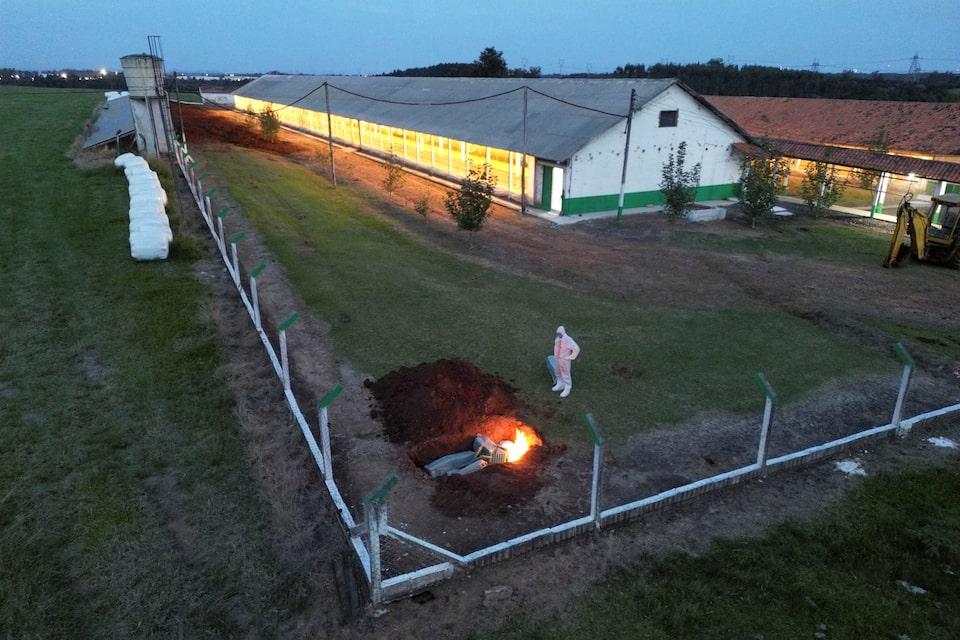
Two suspected bird flu cases on commercial farms in two states still under investigation Bird flu outbreaks on commercial farms triggered trade bans Brazil is the world's No. 1 chicken exporter SAO PAULO, May 19 (Reuters) - Brazil, the world's largest chicken exporter, ruled out three of seven suspected cases of highly pathogenic avian influenza, commonly known as bird flu, officials told a press conference on Monday, citing laboratory test results. The government had been investigating seven cases after the first outbreak was confirmed on a commercial farm in Brazil last week, according to updated information on the agriculture ministry's website. Sign up here. Two of the cases still under investigation concern poultry raised on commercial farms and five involved backyard flocks in Brazil, which sold some $10 billion worth of chicken products globally last year, supplying more than 5 million metric tons. All three negative tests related to samples taken from subsistence, non-commercial farms, officials said. Under existing protocols signed between Brazil and trade partners including China, the European Union and South Korea, nationwide bans apply to poultry imports in case of a bird flu outbreak on a commercial farm. Protocols with buyers Japan, UAE and Saudi Arabia provide for local trade restrictions. Officials also told reporters the United States said it would continue buying eggs from Brazil. The U.S. boosted Brazilian egg imports after domestic prices hit a record high due to U.S. bird flu outbreaks. One of the cases that remain under investigation was at a commercial farm in the state of Tocantins, and the other a commercial farm in Santa Catarina, according to the officials. The first commercial-farm outbreak was confirmed last week in Brazil's southernmost state of Rio Grande do Sul. "People are on high alert," agriculture minister Carlos Favaro told TV reporters outside his ministry on Monday, referring to the cases under investigation. "Farmers, whether on commercial or subsistence farms, report it when they see a sick animal, and it's good that it is that way." Brazil would be considered free of bird flu if no new cases of the disease are confirmed in a 28-day window after the initial outbreak, Favaro said. That would not mean that exports would be restored immediately, but Brazil would be in a position to negotiate with buyers to relax restrictions triggered by exiting health protocols. Brazil's chicken exports account for more than 35% of the global trade, making regional or nationwide trade embargoes painful not just for Brazilian farmers but also for major importers. China, Japan, Saudi Arabia and the United Arab Emirates are among the main destinations for Brazil's chicken exports. In addition to last Friday's confirmation of an outbreak of bird flu on a commercial farm in Montenegro, in Brazil's southernmost state of Rio Grande do Sul, authorities also confirmed a case in a black-necked swan in the town of Sapucaia do Sul, about 50 kilometers (31 miles) from Montenegro. https://www.reuters.com/business/healthcare-pharmaceuticals/brazil-investigates-six-suspected-bird-flu-cases-2025-05-19/
2025-05-19 22:16
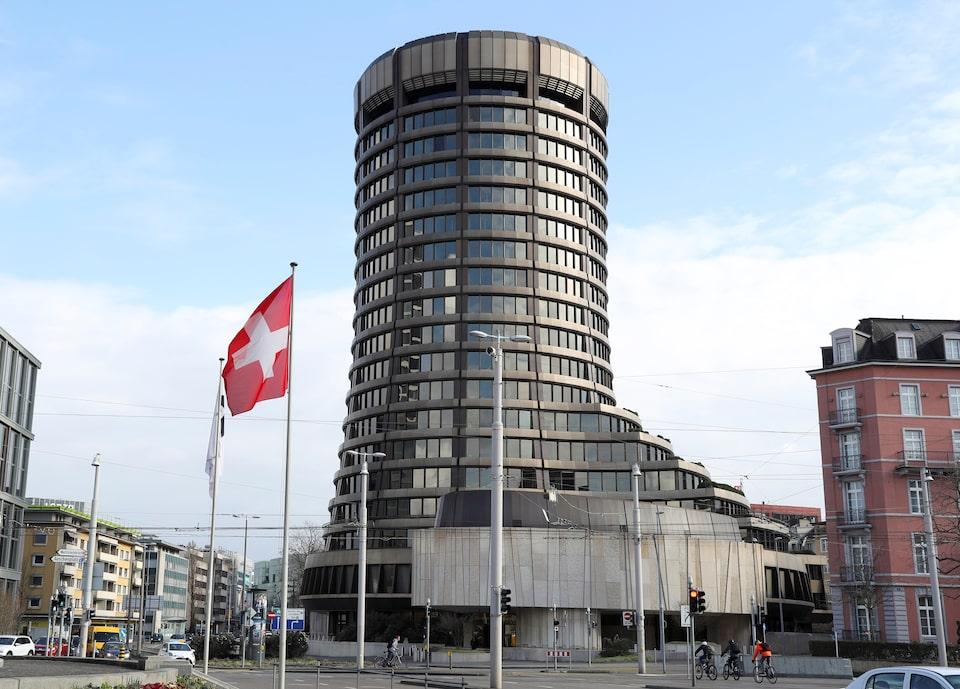
LONDON, May 19 (Reuters) - Central bank body the Bank for International Settlements has flagged a possible scramble for dollars could be triggered if whipsawed investors begin to unwind positions in the $113 trillion FX swap market amid U.S. volatility. The BIS recently estimated that funds and other non-bank financial firms had more than $80 trillion in FX swaps - money borrowed in the U.S. currency with the promise to pay it back at an agreed exchange rate at a later date. Sign up here. Effectively a form of short-term debt, swaps tend to be held 'off balance sheet' and are not to be factored in regulatory capital requirements. The issues come if investors suddenly rush to unwind these positions, the head of the BIS' monetary and economics department, Hyun-Song Shin, said in a lecture at the London School of Economics. Investors who have hedged positions are often holding euros or yen but still have the dollar repayment obligations. "If you have to roll over that swap you have to join the scramble (for dollars)," Shin said, adding that can then cause a rapid spike in the value of the U.S. currency. The comments come after market turmoil in April when President Donald Trump launched the U.S. into a full blown trade war and consigned the dollar to its weakest start to a year in over 35 years. On Friday too, Moody's stripped the U.S. of its last remaining triple-A credit rating, underscoring concerns about the huge increase in U.S. government debt over the last 15 years. Shin also touched on whether U.S. exceptionalism - investors' strong preference and incentive to buy U.S. assets - had been eroded by this year's turbulence. He noted the highly unusual combination of U.S. stocks, bonds and the dollar all selling off in tandem but said it was still too soon to know whether major investors were selling down their U.S. assets or just hedging. However, they are likely to be at least thinking about whether strategic changes might be warranted, Shin added. https://www.reuters.com/business/central-bank-body-bis-flags-potential-dollar-scramble-2025-05-19/
2025-05-19 22:12
May 19 (Reuters) - Mining company Perpetua Resources (PPTA.O) , opens new tab said on Monday it has received the final federal permit for its Idaho antimony and gold Stibnite project from the U.S. Army Corps of Engineers. President Donald Trump invoked emergency powers in March to boost domestic production of critical minerals as part of a broad effort to offset China's near-total control of the sector. Sign up here. In April, the White House said it would fast-track permitting for 10 mining projects across the country as part of President Donald Trump's push to expand critical minerals production. The Pentagon-backed mine, which would be the country's first antimony project, has an estimated reserve of 148 million pounds of the metal used in bullets and tanks, as well as in flame retardants and alloys for electric vehicle batteries. China accounted for nearly 60% of globally mined antimony in 2024 and banned exports of the metal to the United States in December last year, which has called for efforts to increase domestic production. Perpetua's project — which would supply copper, antimony and other minerals — was granted FAST-41 status, a federal initiative launched in 2015 to streamline approvals of critical infrastructure. "We believe this administration's commitment to boosting efficiency without compromising rigorous environmental standards can have a transformational impact on American mining," said CEO Jon Cherry. The U.S. Army Corps was involved in the interagency permitting review of the project since 2017 and began formally evaluating Perpetua's Section 404 Clean Water Act (CWA) permit application in 2023. With the receipt of the federal permit, the last one required to progress towards construction, the company said it is focused on finalizing the remaining state permits and securing project financing needed to begin construction. https://www.reuters.com/world/us/perpetua-resources-receives-final-federal-permit-stibnite-gold-project-2025-05-19/