2025-05-14 06:43
LONDON, May 14 (Reuters) - Bank of England interest rate-setter Catherine Mann said she voted to keep borrowing costs on hold last week - having sought a big 50-basis point cut in February - because Britain's labour market had been more resilient than she expected. "The first observation is that the labour market has been more resilient. Now, yes, we've had some prints that are indicative of a slowing labour market, but it is not a non-linear adjustment," Mann also told CNBC television on Wednesday. Sign up here. Data published on Tuesday showed a fall in employment but economists said the drop appeared modest. Mann also said she was worried that household inflation expectations and goods price inflation had increased. The BoE cut its benchmark Bank Rate by a quarter of a percentage point on May 8, a decision backed by five of the Monetary Policy Committee's nine members. Mann and BoE Chief Economist Huw Pill voted for no change while two other MPC members supported a 50-basis point cut. Mann told CNBC that goods prices at Britain's borders might fall due to higher trade tariffs imposed by the United States on countries such as China, which could cause exports to be diverted to countries such as Britain. But retailers would probably be looking for the chance to rebuild their profit margins which could keep pressure on consumer price inflation, she said. "I need to see the loss of pricing power. I need to see that firms are starting to be much more moderate in setting their prices across a broad range of products," Mann said. "Goods price inflation is actually going up, not down." https://www.reuters.com/world/uk/bank-englands-mann-says-uk-labour-market-more-resilient-than-thought-2025-05-14/

2025-05-14 06:09
May 14 (Reuters) - Australia's Woodside Energy (WDS.AX) , opens new tab said on Wednesday it has agreed to explore opportunities to collaborate with Saudi Aramco (2222.SE) , opens new tab, which might take a stake in its $17.5 billion Louisiana liquefied natural gas project. Shares in Australia's top gas producer surged nearly 4% after the announcement. Sign up here. The agreement, which could also see Aramco secure LNG supply, was a "demonstration of the ongoing interest Louisiana LNG is generating among high-quality potential investors," Woodside CEO Meg O'Neill said in a statement. Woodside in April gave its final approval for the project, confident that a pro-fossil fuel U.S. administration and strong demand would give it competitive returns. The three-train, 16.5 million tonnes per year project is expected to start producing LNG in 2029. Woodside has also sold a 40% interest in the company holding the infrastructure assets for the project to U.S. investor Stonepeak for $5.7 billion. MST Marquee senior energy analyst Saul Kavonic said a buy-in from a "quality partner" like Aramco would validate the project's worth to the market. "Aramco aren't doing this just for a few percent of a million tons ... when they go into something, they go big," he said. Aramco and Woodside are also looking at collaborating in lower-carbon ammonia. Kavonic also said he expects Woodside to take on additional equity partners based in Asia. Woodside has held talks with buyers such as Tokyo Gas (9531.T) , opens new tab and Japan's JERA. https://www.reuters.com/business/energy/australias-woodside-saudi-aramco-sign-deal-potential-louisiana-lng-stake-buy-2025-05-14/

2025-05-14 06:07
EU on track to replenish gas storage to 90% Plans to ban Russian gas imports face several hurdles Russia accounts for 15% of region's LNG imports in 2025 LONDON, May 14 (Reuters) - Europe is on track to replenish its depleted natural gas storage network using almost no Russian pipeline supplies for the first time ever. But the region's plans to completely phase out Russian gas still look like a daunting challenge. While EU imports of Russian gas via pipelines have plummeted since the invasion of Ukraine in February 2022, around 19% of the bloc’s gas imports still comes from Russia through liquefied natural gas imports and via the TurkStream pipeline into central Europe. Sign up here. But the bloc appears serious about changing this. The European Union last week released a roadmap for fully phasing out Russian oil and gas imports , opens new tab, and the European Commission next month will propose legal measures to ban remaining Russian pipeline gas and LNG imports under existing contracts by the end of 2027. The EU executive body will also propose a ban on new deals for Russian gas and existing spot contracts by the end of 2025. At first glance, Europe looks fairly well positioned for this shift, as gas markets are currently enjoying a relatively serene period following a tricky winter. Particularly cold weather coupled with the termination of the last major pipeline delivering Russian gas into the region led to a sharp draw in Europe's stocks. At the same time, rigid EU rules requiring traders to fill storage levels to 90% by the start of November created distortions in regional gas pricing. But a surge in LNG imports in recent months and warmer weather have allowed traders to start the long process of refilling the region’s vast underground storage network. Storage reached 43% of capacity by May 11, recovering from a seasonal low of 35% at the end of March, according to Gas Infrastructure Europe, though the current level is down roughly a third from the same month last year. At the current gas injection rate, storage is likely to reach 90% by late September, according to Reuters calculations. The easing of concerns over European stocks, along with rising LNG production and weakening Asian demand have also led to a sharp drop in benchmark European TTF gas prices to around 35 euros per megawatt hour from a three-year high of 58 euros/MWh on February 10. EASTERN FRONT So is the bloc’s plan for phasing out Russian energy a done deal? Unfortunately, things aren't all quiet on Europe's eastern front. First of all, member states Slovakia and Hungary, which rely on Russian oil and gas supplies and whose leaders are friendly with Russian President Vladimir Putin, have vehemently opposed the proposed ban. True, the Commission's proposal only requires a qualified majority in the European Parliament to pass, meaning that the two central European states would not be able to block it. But their objections could complicate the process. The proposal could also face resistance from an unexpected source: U.S. President Donald Trump, who has been pushing for a peace deal between Russia and Ukraine. And as part of any deal, Russia could seek to revive – or at least maintain – some of its gas sales to Europe, which has historically been its most important oil and gas market. That might be a long shot. European Energy Commissioner Dan Jorgensen has said the bloc would not revive its imports after any potential deal. But Trump, eager to clinch a deal, could press Europe to acquiesce on this point. Fully cutting off Russian gas supplies may also prove tricky because of how concentrated the LNG market is. Russia reached around 15% of Europe’s total LNG imports in the first four months of this year, making it the second-largest supplier behind the United States, which accounted for around 55% of supplies. Banning Russian LNG would thus heavily increase Europe's reliance on U.S. supplies. Dependency of this scale – potentially 70% of the region’s LNG imports - could prove risky in the event of supply disruptions such as hurricanes and floods along the U.S. Gulf Coast, where the vast majority of U.S. LNG is produced. And the EU would essentially be swapping dependency on Russia for overreliance on the United States, at a time when the U.S. has become a much less reliable partner. On the other hand, replacing Russia's significant share of LNG imports could be made easier by an expected surge in supply over the next decade from project startups, particularly in the United States and Qatar. Additionally, the expected decline in European gas consumption due to the rapid growth in renewables and the contraction in energy-intensive industries could make the transition away from Russian gas less painful. Ultimately, Europe may find that slashing reliance on Russian pipeline gas was one thing, but completely decoupling from Russian energy supply may end up being a much tougher challenge. ** The opinions expressed here are those of the author, a columnist for Reuters. ** Want to receive my column in your inbox every Thursday, along with additional energy insights and trending stories? Sign up for my Power Up newsletter here. https://www.reuters.com/business/energy/europe-will-struggle-wean-itself-off-russian-gas-bousso-2025-05-14/
2025-05-14 06:05
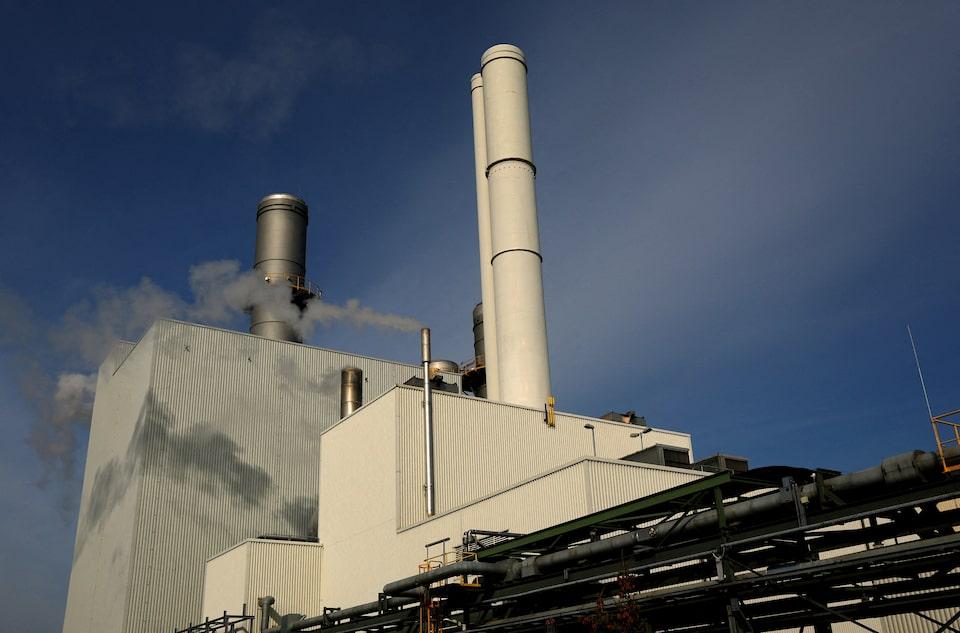
LITTLETON, Colorado, May 14 (Reuters) - The recent deal between the United States and China to pause trade hostilities for 90 days will likely spur renewed activity throughout China's mammoth manufacturing sector, with repercussions for the country's energy needs. On paper, the trade truce is only a temporary measure that could be reversed if either side feels unfairly treated during negotiations. Sign up here. But the sharp lowering in tariffs for the truce's duration marks a significant de-escalation in trade tensions between the world's two largest economies, and should spur a recovery in sentiment and output among Chinese manufacturers. Below are some key metrics that can be used to track how the reduction in trade tensions may impact power generation, emissions, manufacturing output and trade volumes in China over the coming months. CLEAN START The share of clean power sources within China's overall electricity generation mix will take a hit as factory production picks up across the country. Clean power sources accounted for a record 39% of China's electricity supplies during the first quarter of 2025, data from Ember shows, helped by an 18% jump in clean electricity output from the same period in 2024 to 950 TWh. In part, clean energy's greater share of the generation mix was due to Beijing's ongoing push to reduce dependence on fossil fuels for power, which has resulted in steady increases in clean power generation capacity. However, the subdued tone of China's manufacturing sector during the January to March window also contributed to the higher clean power share. Scores of Chinese factories and industrial plants reduced output since the start of the year as Trump's tariffs were threatened or went into effect, reducing their collective power consumption. As a result, utilities were able to curb use of fossil fuel plants in power generation. Fossil fuel-fired electricity production during January to March was down 4% from the year before, to 1,494 TWh, Ember data shows. Going forward, however, fossil fuel use within China's power mix is primed to climb, and will likely get an additional boost from any sustained pick-up in factory output and industrial activity. SUMMER PEAK The impending factory output rebound looks set to emerge during China's traditional peak in power consumption, and so could trigger record power generation and use over the coming summer regardless of the durability of the trade truce. China's power demand peaks during the summer due to greater use of air conditioners from June through August, when temperatures in Beijing can average more than 85 degrees Fahrenheit (30 degrees Celsius). To ensure power supplies meet those elevated demand levels, power firms tend to become heavily reliant on fossil fuel generation sources, especially during the evenings when air conditioner use rises just as generation from solar farms falls. If China's mammoth manufacturing sector also dials up collective output during the summer months, China's power firms may have to throttle up fossil fuel-fired generation even more than normal. Higher fossil fuel reliance could in turn reverse the gains made by clean power sources in China's power mix during the opening quarter of the year. Elevated fossil fuel use could also trigger a fresh rise in power sector emissions, which tend to peak during the summer months anyway, and could hit a record in 2025 if fossil fuel output also hits new highs. OUTPUT MONITORING While the trade truce will likely spark a widespread rise in factory production, some materials may see a steeper climb in production and use than others as the country's broader manufacturing sector steps up a gear. Output of materials used by factories - such as resins, plastics and copper wires - will likely gain an outsized boost as assembly lines crank up and replenish stockpiles. Exports of China-made goods and products should also rise in the coming months now that tariffs have been reduced. Shipments of items not easily manufactured at scale in other locations - such as solar cells, furniture and toys - should be particularly quick to respond to the lower tariffs, and can offer a read on the broader health of China's manufacturers. Finally, the traffic through key Chinese container ports could also offer a gauge on the health of Chinese manufacturers, with shipments of finished and semi-finished products now set to rise in the months ahead. The opinions expressed here are those of the author, a columnist for Reuters. https://www.reuters.com/markets/asia/gauging-chinas-power-rebound-potential-after-trade-truce-maguire-2025-05-14/
2025-05-14 05:53
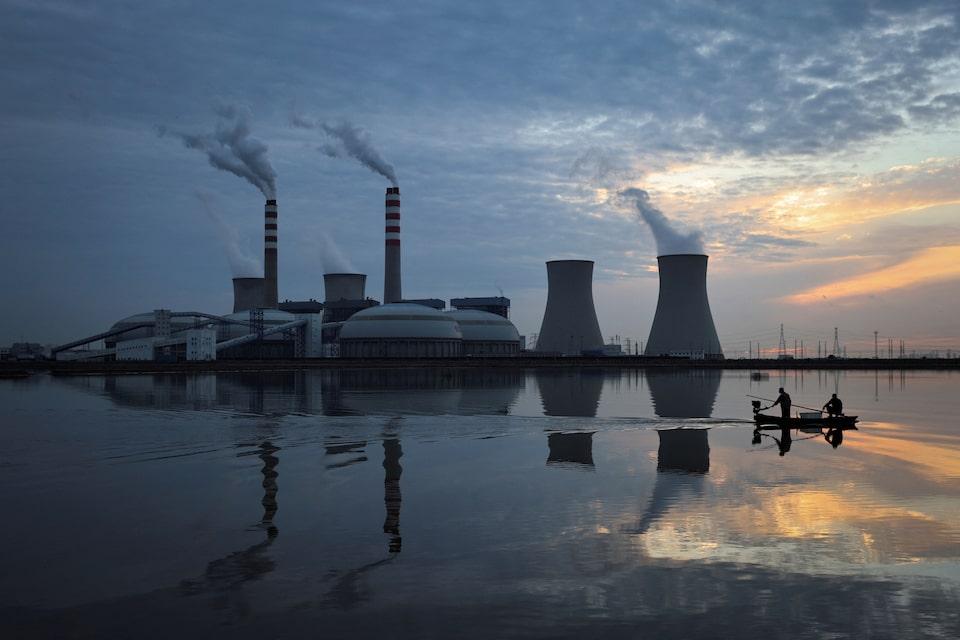
May 14 (Reuters) - India's Kalyan Jewellers (KALN.NS) , opens new tab is targeting revenue growth of more than 25% this financial year as the gold and diamond retailer quickens store openings amid a rising preference for lower-carat jewellery, its executive director said on Tuesday. Record high gold prices have not deterred the wealthy from investing in gold and buying ornaments in the second-largest gold buying country but the middle class is switching to lower-carat and lightweight jewellery. Sign up here. Consumers are favouring chains over independent jewellers, shopping frequently, and spending more on gifts, Kalyan Jewellers' Executive Director Ramesh Kalyanaraman said in an interview. "The advantage of Kalyan today is we can grow across the country ... We have a lot of markets to go and explore," he said, forecasting that revenue would "easily" rise over 25% for the fiscal year that started on April 1. The jeweller, which had 278 showrooms branded "Kalyan" and 73 stores under the more affordable "Candere" brand in India at March-end, plans to open shop at 160 new locations this fiscal year, with the additions split evenly between the two brands. Its bigger rival Titan (TITN.NS) , opens new tab had more than a thousand jewellery stores in India at March-end, with roughly half of those under its flagship "Tanishq" brand. In three years, Kalyan Jewellers aims its "Kalyan" branded stores to catch up with Titan's "Tanishq" count, the executive director said, but flagged that the rapid expansion would squeeze the group's core earnings margin. For the year ending on March 31, Kalyan Jewellers reported a more than one-third rise in revenue to 250.5 billion rupees ($2.9 billion), helped by double-digit percentage same-store sales growth as it opened 136 stores in India. Titan's mainstay jewellery business saw a 21% increase in total income to 465.7 billion rupees for the fiscal year. ($1 = 85.2875 Indian rupees) https://www.reuters.com/world/india/indias-kalyan-jewellers-bets-store-opening-spree-will-fuel-revenue-growth-top-2025-05-14/

2025-05-14 05:51
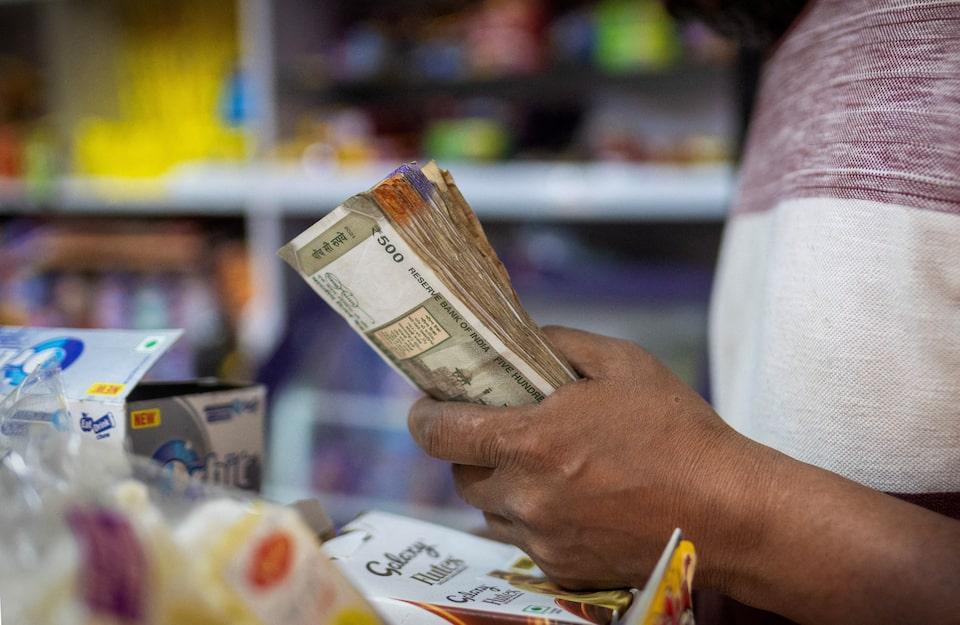
MUMBAI, May 14 (Reuters) - The Indian rupee struggled for direction on Wednesday, as comfort from a broadly weaker dollar and modest inflows proved transient in the face of strong demand for the greenback from state-run banks and weakness in the Chinese yuan. The rupee rose to a peak of 85.07 per U.S. dollar in early trading but quickly shed gains to drop to a low of 85.51 before reversing course yet again to quote up by 0.1% at 85.2325 as of 10:50 a.m. IST. Sign up here. Traders said the rupee was bogged down by dollar demand from state-run and foreign banks as well as the yuan's retreat from a six-month peak to a 0.2% drop to 7.21. There were "decent inflows in the morning, but their impact barely lasted in the face of strong dollar bids," including from a large state-run bank, a foreign exchange trader at a Mumbai-based bank said. The dollar index was hovering just shy of the 101 mark, after falling 0.8% in the previous session as U.S. consumer prices rose less than market expectations. Meanwhile, India's consumer prices also increased less than expected at 3.16%, bolstering expectations that the Reserve Bank of India cut interest rates in June. The inflation print "implies room for the RBI to continue its policy easing. Meanwhile, markets may have taken off some geopolitical risk premium on the rupee following the ceasefire with Pakistan, with rupee volatility easing," MUFG Bank said in a note. The rupee's 1-month implied volatility , a gauge of future expectations, was hovering near 5%, well off the peak of above 7% hit last week. Dollar-rupee forward premiums were lower on the day, though, with the 1-year implied yield down 5 basis points at 2.10%, weighed down by an uptick in U.S. bond yields. https://www.reuters.com/world/india/rupee-choppy-client-flows-weaker-yuan-counter-dollar-weakness-2025-05-14/