2026-01-19 10:20
Jan 19 (Reuters) - India's Hindustan Zinc (HZNC.NS) , opens new tab reported a 46.2% jump in third-quarter profit on Monday, driven by record-high silver prices, as well as higher zinc prices, amid resilient demand. India's top refined zinc producer said its consolidated net profit rose to 39.16 billion rupees ($430.6 million) in the quarter ended December 31 from 26.78 billion rupees a year earlier. Sign up here. Prices of spot silver soared 52.6% in the final quarter of 2025, underpinned by robust investment inflows and persistent supply constraints, while benchmark zinc prices in London rose 5.3%. Hindustan Zinc's shares closed 3.6% higher after the results. Earlier in the day, HSBC delivered a ratings upgrade after it forecast earnings upside from higher zinc and silver prices. "Zinc and lead prices are forecast to stay resilient despite some nominal surplus," the company said in an exchange filing. A unit of oil-to-metals conglomerate Vedanta, Hindustan Zinc is the world's third-largest silver producer and the largest integrated silver player in India, which is the world's biggest consumer of the metal. Demand for the precious metal shot up in the festive quarter in the South Asia country as consumers looked to silver as an investment alternative for gold after prices hit multiple record highs. The company, which commands roughly three-fourths of India's zinc market, reported total revenue from operations jumped 27.5% to 109.80 billion rupees. Its mined and refined metal production grew 4% each on-year, the highest ever logged in the October-December quarter. ($1 = 90.9400 Indian rupees) https://www.reuters.com/world/india/indias-hindustan-zinc-posts-quarterly-profit-jump-strong-base-metal-prices-2026-01-19/

2026-01-19 10:16
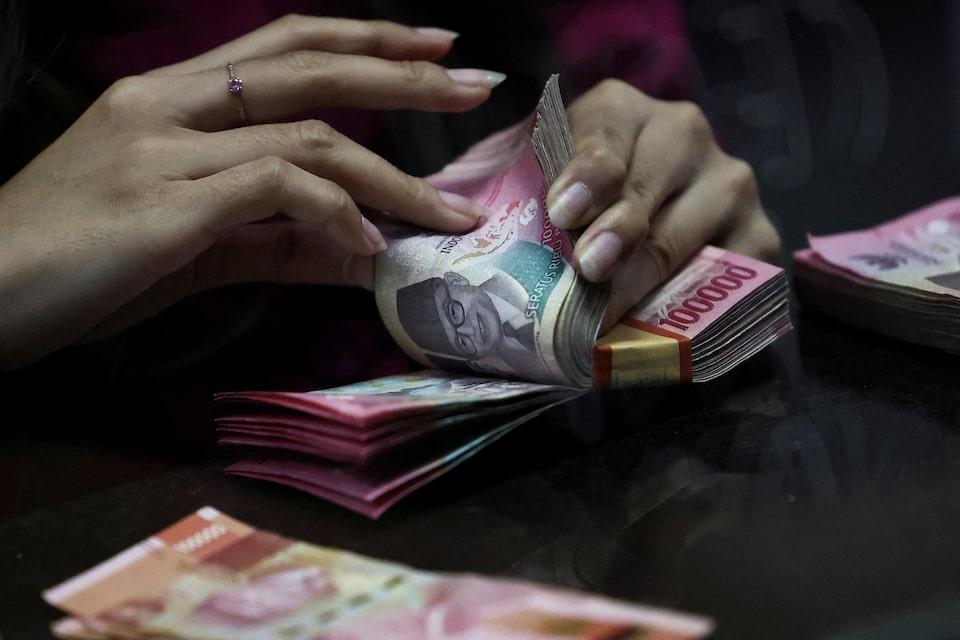
All 26 economists expect rates to be on hold at 4.75% on January 21 BENGALURU, Jan 19 (Reuters) - Bank Indonesia will keep its key interest rate unchanged again on Wednesday to limit further weakness in the rupiah while continuing to press commercial banks to pass on the benefits of earlier rate cuts to borrowers, a Reuters poll of economists showed. The central bank has paused its easing cycle since October as its focus shifted from supporting growth to stabilising the rupiah , which fell about 3.5% last year, making it one of Asia's worst-performing currencies and prompting multiple interventions by BI. Sign up here. Lavanya Venkateswaran, senior ASEAN economist at OCBC Bank, said "the persistent depreciation pressure we've seen on the currency... has not allowed BI any wiggle room in the near term to try and support growth". Limited pass-through by banks on commercial lending rates from earlier rate cuts, combined with this currency weakness, has left policymakers with little room to ease further. Pressure on the currency has been compounded by persistent foreign outflows from local debt markets, with ANZ Research estimating overseas investors pulled about $6.5 billion from Indonesia's sovereign bond market last year and remained mostly net sellers over the past six months. Economists said concerns over Indonesia's fiscal position have exacerbated those outflows, as investors worry President Prabowo Subianto's populist spending plans since he came to power in 2024 could undermine fiscal credibility. At 2.92% of GDP, the 2025 budget deficit was the widest in at least two decades outside the pandemic years and close to the statutory cap of 3% of GDP. All 26 economists polled from January 13 to 19 expected BI to leave its benchmark seven-day reverse repurchase rate (IDCBRR=ECI) , opens new tab unchanged at 4.75% on January 21, with the overnight deposit and lending facility rates also seen steady at 3.75% and 5.50%, respectively. Bank lending rates only fell , opens new tab by 24 basis points to 8.96% through November from 9.20% at the start of 2025, despite BI cutting policy rates by a cumulative 150 basis points since September 2024. BI has repeatedly urged commercial banks to lower borrowing costs and has offered additional reserve requirement cuts for banks that reduce lending rates more aggressively. But credit demand remains weak. While a continued pause in the rate cycle appeared certain this month, a majority of economists, 12 of 23, expected BI to cut rates by 25 basis points to 4.50% by the end of the first quarter, while 11 forecast no change. A similar proportion, 12 of 22 economists, expected rates to fall to 4.25% by the end of the second quarter, while ten saw either smaller cuts or no change. The median forecast showed rates holding at 4.25% for the rest of 2026. "We are still expecting two more cuts before they reach the terminal rate, even though fiscal policy may have temporarily boosted some economic activity. Structurally, consumption still remains quite soft," said Adam Ahmad Samdin, economist at Oxford Economics. The poll showed Indonesia's economy likely grew about 5% in 2025 and was expected to expand at a similar pace this year and next, while inflation was forecast to stay within the central bank's 1.5%-3.5% target range through 2026. (Other stories from the January Reuters global economic poll) https://www.reuters.com/world/asia-pacific/bank-indonesia-hold-rates-again-rupiah-currency-remains-weak-2026-01-19/
2026-01-19 07:14
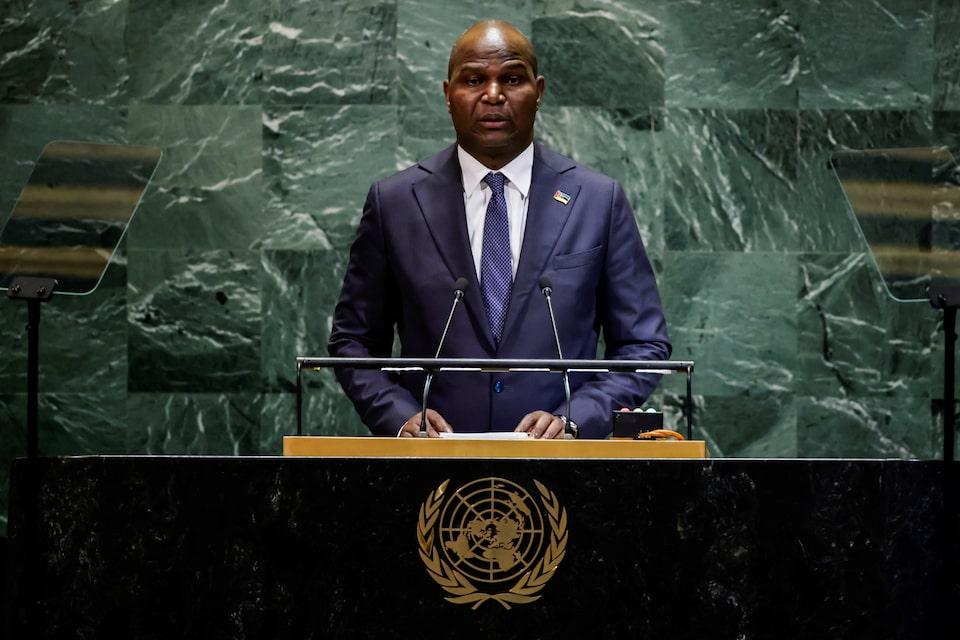
Over half a million people affected by floods, says IFRC South Africa sends helicopter to assist with rescues Mozambique faces frequent disasters linked to climate change MAPUTO, Jan 19 (Reuters) - Severe floods from heavy rains have forced thousands to flee homes in Mozambique and left some stranded on roofs as surging waters swamp settlements, aid workers and witnesses said on Monday. The floods have directly impacted more than 620,000 people, with over 72,000 houses flooded and widespread damage caused to roads, bridges and health centres, said the International Federation of Red Cross and Red Crescent Societies (IFRC), which is assisting with relief efforts. Sign up here. "Rains are still expected to continue for the coming days, and the water dams are already at full capacity, so the situation could worsen, placing further people at risk," IFRC Program and Operations Manager Rachel Fowler told Reuters from the capital Maputo. BOATS AND HELICOPTERS USED TO REACH SURVIVORS Red Cross volunteers have been using small fishing boats to reach survivors but access is becoming increasingly hard, Fowler added. Neighbouring South Africa has deployed an air force helicopter to help. Hospital worker Celeste Maria told Reuters she and her family fled their home in Chokwe in the southern province of Gaza after authorities sent out flood warnings last week. "Our home is now completely submerged ... We left behind neighbours who are now telling us they are sheltering on rooftops as the water continues to rise," the 25-year-old said by phone from a resettlement centre. Aerial videos showed vast areas of land submerged in water, with only the tops of trees sticking out. There were no immediate estimates of the number of people killed or injured in the latest flooding. PRESIDENT CANCELS TRIP, PORT OPERATIONS SLOWED President Daniel Chapo cancelled his trip to the World Economic Forum in Davos and said on social media late on Sunday that "the absolute priority at this moment is to save lives". The southern African country has been hit by frequent weather-related disasters that scientists say have been exacerbated by climate change. Portuguese news agency Lusa quoted the National Director of Water Resources Management Agostinho Vilanculos comparing water levels last week to those in 2000 that killed some 700 people. A spokesperson for Maputo Port, a commodities export hub, said operations were slower than usual but did not stop. Petrochemical company Sasol (SOLJ.J) , opens new tab and logistics firm Grindrod (GNDJ.J) , opens new tab, two major foreign businesses operating there, said their operations have not been affected at this stage. Heavy rains have also affected parts of South Africa, including the northeast where the renowned Kruger National Park reopened on Monday after being closed for several days. https://www.reuters.com/sustainability/climate-energy/mozambique-president-cancels-davos-trip-due-severe-floods-2026-01-19/
2026-01-19 07:10
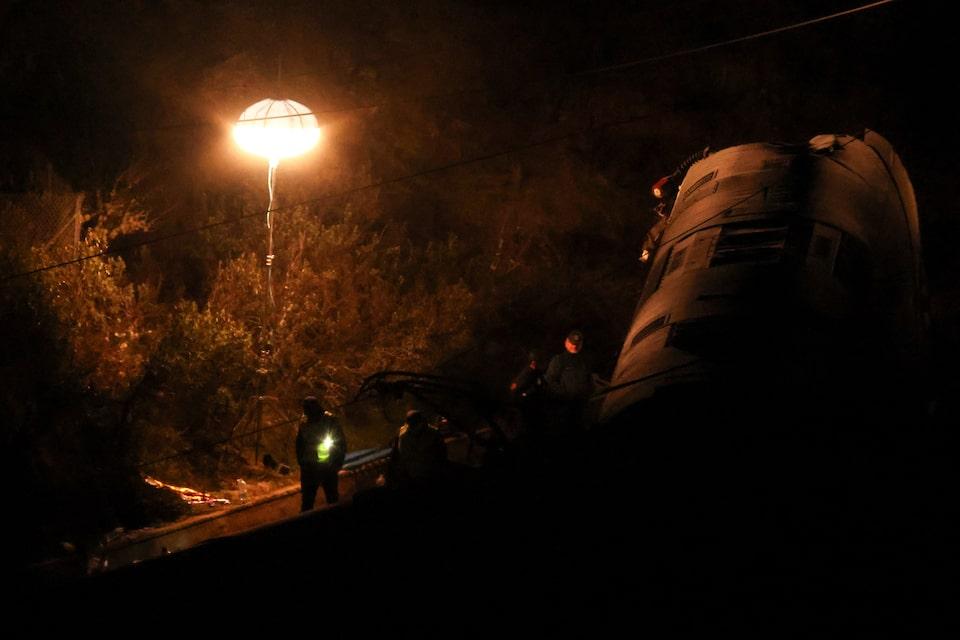
Spain suffers worst railway disaster since 2013 High-speed train derailed and hit an oncoming one Over 200 trains to Andalusia cancelled after crash At least 40 people dead, 12 in intensive care; cause unknown ADAMUZ, Spain, Jan 19 (Reuters) - At least 40 people have died in southern Spain after a high-speed train derailed and collided with an oncoming one on Sunday night in one of the worst railway accidents in Europe in 80 years. Twelve were in intensive care after the accident near Adamuz in the province of Cordoba, about 360 km (223 miles) south of Madrid, according to emergency services. Experts say a faulty rail joint might be key to determining the cause of the crash. Sign up here. "The train tipped to one side... then everything went dark, and all I heard was screams," said Ana Garcia Aranda, 26, who was being treated at a Red Cross centre in Adamuz. Limping and with plasters across her face, she described how fellow passengers dragged her out of the train covered in blood. Firefighters rescued her pregnant sister from the wreckage and an ambulance took them both to hospital. "There were people who were fine and others who were very, very badly injured... you knew they were going to die, and you couldn’t do anything," she said. A total of 43 reports of missing persons have been filed so far at police headquarters in Huelva, Madrid, Málaga, Córdoba and Seville, officials said. REMOTE LOCATION COMPLICATES RESCUE The collision occurred in a hilly, olive-growing region accessible only by a single-track road, making it difficult for ambulances to reach the area, Iñigo Vila, national emergency director at the Spanish Red Cross, told Reuters. The Andalusia region's President Juan Manuel Moreno said at least 40 people had perished, and emergency crews faced difficulties bringing in the heavy equipment needed to lift the wreckage and reach those still lying beneath it. Prime Minister Pedro Sanchez cancelled his trip to the World Economic Forum in Davos, Switzerland, and Transport Minister Oscar Puente visited the site on Monday. Police drone footage showed how the trains, which were carrying 527 people, came to a standstill 500 metres apart. One train's carriage was split in two, and the locomotive was crushed like a tin can. Experts studying the crash site found a broken joint on the rails, which created a gap between the rail sections that widened as trains continued to travel on the track, according to a source briefed on initial investigations. That faulty joint could prove important in identifying the cause of the accident, the source said. 'INTERACTION BETWEEN THE TRACK AND THE VEHICLE' Ignacio Barron, head of Spain's Commission of Investigation of Rail Accidents (CIAF), said on RTVE: "What always plays a part in a derailment is the interaction between the track and the vehicle, and that is what the commission is currently (looking into)." Paqui, an Adamuz resident who rushed to help rescue survivors with her husband, said he had "found a dead child inside, another child calling for his mother. You're never ready to see something like this." Police said they had opened an office in Cordoba for relatives to provide DNA samples to help identify the dead. The Iryo train was travelling at 110 kph from Malaga to Madrid when it derailed, Renfe President Álvaro Fernandez Heredia said on radio station Cadena Ser. Twenty seconds later, the second train, heading to Huelva at 200 kph, either collided with the final two carriages of the Iryo train or with debris on the line, he said. The Iryo train lost a wheel that has not yet been located. CRASH OCCURRED IN 'STRANGE CONDITIONS' It was too early to talk about the cause, but it happened in "strange conditions," Fernandez Heredia said, adding that human error was virtually ruled out. The death toll was among the 20 highest from a train crash in Europe in 80 years, according to Eurostat data, and the highest in Spain since 2013, when a train derailed in the northwestern city of Santiago de Compostela, killing 80. Spanish train drivers had warned state-owned rail infrastructure administrator Adif of “severe wear and tear” on the Madrid-Andalusia line and others, according to a letter seen by Reuters sent to Adif by train drivers' union Semaf in August and urging stricter speed restrictions. Adif had no immediate comment. The Iryo train, a Frecciarossa 1000, was under four years old and the railway line near Adamuz was renovated last May, Puente said. Iryo said the train was last inspected on January 15. Spain's high-speed railway network is the largest in Europe and second-largest in the world after China with 3,622 km of tracks, according to Adif. The government was criticised last year for a series of delays to high-speed rail, caused by power outages and the theft of copper cables from the lines. Spain opened up the network to private competition in 2020 in a bid to offer low-cost alternatives to Renfe's Ave trains. Iryo is a joint venture between Italian state railway operator Ferrovie dello Stato, airline Air Nostrum and Spanish infrastructure investment fund Globalvia. ($1 = 0.8604 euros) https://www.reuters.com/world/europe/death-toll-high-speed-train-collision-spain-rises-39-rtve-reports-2026-01-19/
2026-01-19 07:03
Jan 19 (Reuters) - Australia's Perseus Mining (PRU.AX) , opens new tab said on Monday that a second employee of a contractor firm passed away in a hospital, days after an accident near the gold producer's Bagoe mine in Cote d'Ivoire. Another employee of the contractor, Binkadi, was fatally injured in the accident last Thursday. Sign up here. Perseus said it is continuing its investigation into the accident and is working closely with the relevant Ivorian authorities. Reuters reported in December last year that the West African nation introduced new revenue-raising measures, including a flat 8% gold royalty, which miners initially refused to pay as unlawful under contract protections before entering talks to have it scrapped. Perseus ended the day up 3.6% at A$6.04 apiece. https://www.reuters.com/world/asia-pacific/australian-gold-miner-perseus-confirms-second-fatality-ivory-coast-mine-accident-2026-01-19/

2026-01-19 06:46
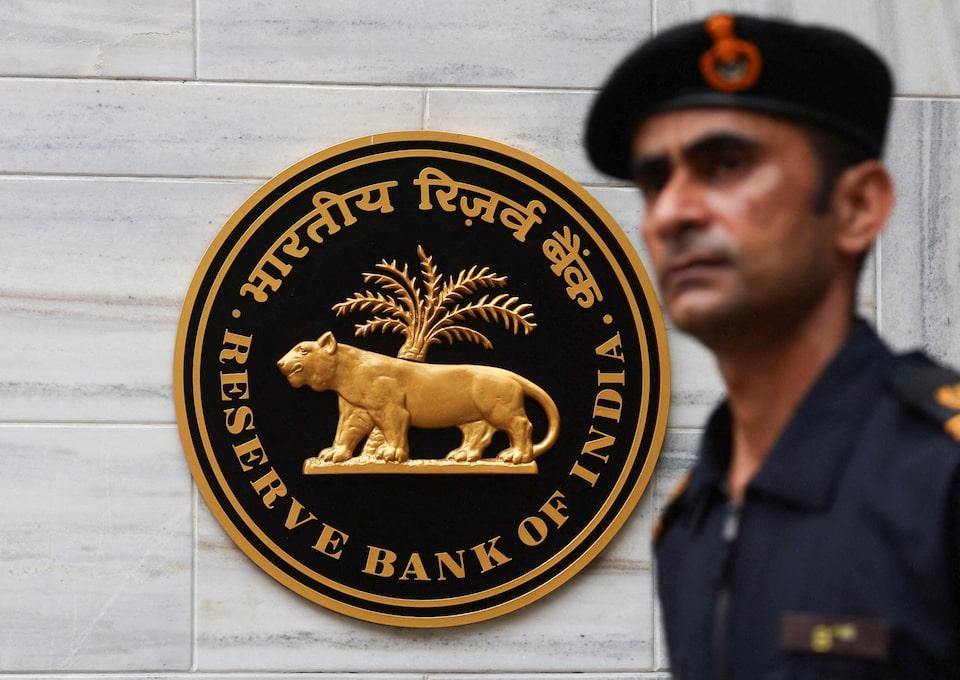
Proposal aimed at easing cross-border trade finance and tourism payments, sources say Interoperable tech, governance rules viewed as key for digital currency links Trump previously warned against BRICS' measures to bypass USD MUMBAI/NEW DELHI, Jan 19 (Reuters) - India's central bank has proposed that BRICS countries link their official digital currencies to make cross-border trade and tourism payments easier, two sources said, which could reduce reliance on the U.S. dollar as geopolitical tensions rise. The Reserve Bank of India (RBI) has recommended to the government that a proposal connecting the central bank digital currencies (CBDCs) be included on the agenda for the 2026 BRICS summit, the sources said. They requested anonymity because they were not authorised to speak publicly. Sign up here. India will host the summit, which will be held later this year. If the recommendation is accepted, a proposal to link the digital currencies of BRICS members would be put forward for the first time. The BRICS organisation includes Brazil, Russia, India, China and South Africa, among others. The initiative could irritate the U.S., which has warned against any moves to bypass the dollar. U.S. President Donald Trump has previously said the BRICS alliance is "anti-American" and he threatened to impose tariffs on its members. The RBI, India's central government and the central bank of Brazil did not respond to emails seeking comment. The People's Bank of China said it had no information to share on the subject in response to a Reuters request for comment; the South African and Russian central banks declined to comment. The RBI's proposal to link BRICS' CBDCs for cross-border trade finance and tourism has not been previously reported. BUILDING BRIDGES The RBI's proposal builds on a 2025 declaration at a BRICS summit in Rio de Janeiro, which pushed for interoperability between members' payment systems to make cross-border transactions more efficient. The RBI has publicly expressed interest in linking India's digital rupee with other nations' CBDCs to expedite cross-border transactions and bolster its currency's global usage. It has, however, said its efforts to promote the rupee's global use are not aimed at promoting de-dollarisation. While none of the BRICS members have fully launched their digital currencies, all five main members have been running pilot projects. India's digital currency - called the e-rupee - has attracted a total of 7 million retail users since its launch in December 2022, while China has pledged to boost the international use of the digital yuan. The RBI has encouraged the adoption of the e-rupee by enabling offline payments, providing programmability for government subsidy transfers and by allowing fintech firms to offer digital currency wallets. For the BRICS digital currency linkages to be successful, elements like interoperable technology, governance rules and ways to settle imbalanced trade volumes would be among the discussion topics, one of the sources said. The source cautioned that hesitation among members to adopt technological platforms from other countries could delay work on the proposal and concrete progress would require consensus on tech and regulation. One idea that is being explored to manage potential trade imbalances is the use of bilateral foreign exchange swap arrangements between central banks, both the sources said. Previous attempts by Russia and India to conduct more trade in their local currencies hit roadblocks. Russia accumulated large balances of the Indian rupee for which it found limited use, prompting India's central bank to permit the investment of such balances in local bonds. Weekly or monthly settlements for transactions are being proposed to be made via the swaps, the second source said. LONG ROAD Founded in 2009 by Brazil, Russia, India and China, BRICS later expanded to include South Africa and has since broadened further, adding newer members like the United Arab Emirates, Iran and Indonesia. The bloc has returned to the limelight thanks to Trump’s revived trade-war rhetoric and tariff threats, including warnings aimed at countries aligning with BRICS. At the same time, India has edged closer to Russia and China as it faced trade friction with the U.S. Past efforts to turn BRICS into a major economic counterweight have run into hurdles, including an ambition to create a common BRICS currency, an idea that was floated by Brazil but was subsequently nixed. While interest in CBDCs has been dampened globally by rising stablecoin adoption, India continues to position its e-rupee as a safer, more regulated alternative. CBDCs "do not pose many of the risks associated with stablecoins," RBI Deputy Governor T Rabi Sankar said last month. "Beyond the facilitation of illicit payments and circumvention of control measures, stablecoins raise significant concerns for monetary stability, fiscal policy, banking intermediation and systemic resilience," Sankar said. India fears widespread stablecoin use could fragment national payments and weaken its digital payments ecosystem, Reuters reported in September. https://www.reuters.com/world/india/indias-central-bank-proposes-linking-brics-digital-currencies-sources-say-2026-01-19/