2025-05-12 19:26
Animal disease unit of USDA has lost 16% of staff Staffing losses come as agency battles bird flu, screwworm State veterinarians warn of fewer resources to respond to threats May 12 (Reuters) - Hundreds of veterinarians, support staff and lab workers at the animal health arm of the U.S. Department of Agriculture have left under the Trump administration's push for resignations, according to three sources familiar with the situation, leaving fewer specialists to respond to animal disease outbreaks. The departures come as the country battles its longest-ever outbreak of bird flu and faces the encroachment of New World screwworm, a flesh-eating pest detected among cattle in Mexico. Sign up here. "With the decrease in USDA veterinary positions, there is concern that fewer veterinarians will be able to perform ongoing regulatory requirements, disease investigations, and response planning and preparation," Kansas animal health commissioner Justin Smith said. "This could result in slower response times and less responsiveness to local veterinary needs," he added. Egg prices set records this year after bird flu wiped out millions of laying hens. Cases have slowed in recent weeks, though experts warn outbreaks could flare up again during the spring and fall migratory seasons for wild birds that spread the virus. More than 15,000 USDA employees have taken President Donald Trump's financial incentive to quit, about 15% of agency staff, as part of administration efforts spearheaded by billionaire Elon Musk to shrink the federal workforce. In that exodus, the Animal and Plant Health Inspection Service, the agency that fights livestock diseases and pests that hurt crops, lost 1,377 staff. That represents about 16% of APHIS employees, according to a Reuters analysis of data from the federal Office of Personnel Management. About 400 of those leaving worked in the agency's Veterinary Services arm, representing more than 20% of its 1,850 staff, one source said. That branch works across the U.S. and globally with farmers to test animals for disease and control its spread. The tally includes 13 of the agency's 23 area veterinarians who oversee veterinary work across the country, according to a chart of staff departures seen by Reuters and a source familiar with the situation. Also leaving are 20%-30% of staff at one USDA lab that tests for animal disease like bird flu, a second source said. Those remaining must have all purchases above $10,000 approved by Musk's Department of Government Efficiency, potentially adding up to four weeks of delay, the source said. The USDA did not respond to a request for comment. 'A BIG DEAL' The staff losses threaten APHIS' ability to respond to bird flu, which continues to infect dairy herds and poultry, said three state veterinarians and three other sources. Seventy people, mostly farm workers, have contracted the virus since 2024, and further spread raises the risk that bird flu could become more transmissible to humans, experts say. The U.S. Centers for Disease Control and Prevention says the risk to people from bird flu remains low. Among other responsibilities, area veterinarians can support culling of infected poultry flocks and receiving of payments for their losses, said Beth Thompson, South Dakota's state veterinarian. "The federal government, they won't have the number of people to be able to help out the states," said Thompson, who had seen the chart of staff losses. "It's a big deal." Thompson said USDA's chief veterinarian, Rosemary Sifford, told her the agency will determine how to organize the remaining area veterinarians after seeing whether there are further departures. Other APHIS departures include about half of its 69-person legislative and public affairs office, which handles correspondence with members of Congress, external groups and the press, including on issues like bird flu, according to another source. In New Mexico, state workers are assuming additional duties after USDA support staff resigned, state veterinarian Samantha Holeck said. "We won't know the full impacts of these changes immediately," she said. "The important thing is that we work together as a team through all of these challenges." https://www.reuters.com/world/us/staff-exodus-us-farm-agency-leaves-fewer-experts-battle-bird-flu-2025-05-12/

2025-05-12 19:24
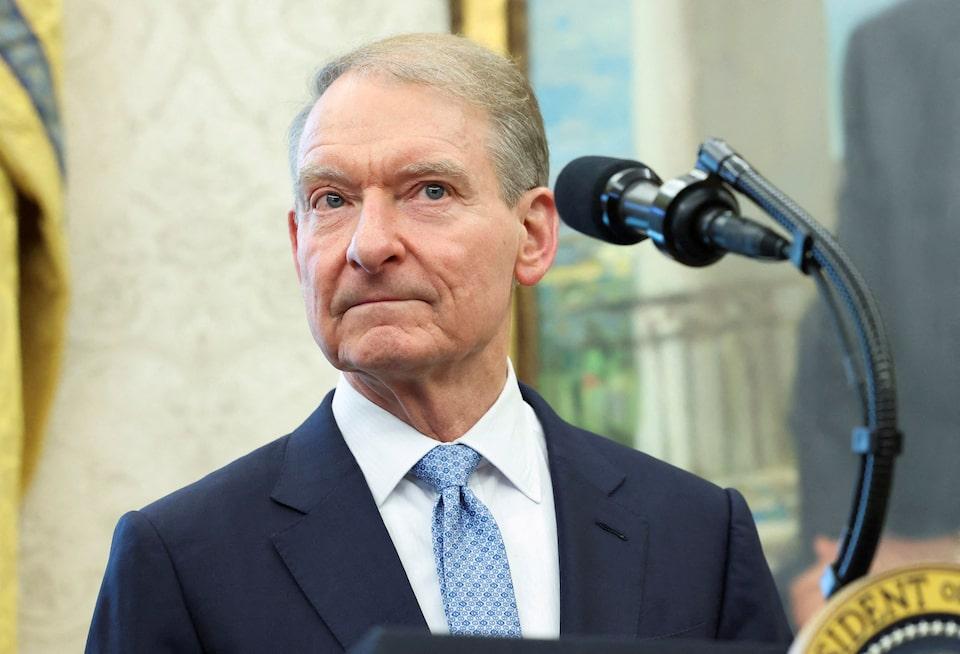
May 12 (Reuters) - Paul Atkins, the chair of the Securities and Exchange Commission, laid out his vision for overhauling the agency's cryptocurrency policies on Monday, saying he plans to establish guidelines for distributions of crypto tokens that are securities and consider whether additional exemptions are necessary. In remarks made at the outset of a public meeting of the SEC's crypto task force, Atkins also indicated that the SEC may consider tweaking its rules so that registered broker-dealers with an alternative trading system - or ATS - can also facilitate trading in non-securities, such as bitcoin or ether, the two largest cryptocurrencies. Sign up here. "A key priority of my chairmanship will be to develop a rational regulatory framework for crypto asset markets that establishes clear rules of the road for the issuance, custody and trading of crypto assets while continuing to discourage bad actors from violating the law," Atkins said. Atkins, who was sworn in last month, has said his top priority as SEC chair will be to have a firm foundation for digital assets and keep politics out of securities laws. The crypto industry has long clashed with regulators over how federal securities laws translate to digital assets, with many arguing that most crypto tokens are more akin to commodities. Tokens classified as securities would require firms to register with the SEC and provide certain disclosures to investors. President Donald Trump, who campaigned on promises to be a "crypto president," has pledged to reverse an industry crackdown under former President Joe Biden's SEC, which sued multiple crypto companies, including Coinbase and Kraken, alleging they had flouted its rules. The SEC's new leadership has agreed to withdraw or pause many of those cases. Republican SEC Commissioner Hester Peirce is leading the SEC's crypto task force, which is charged with developing rules and guidance for the sector. https://www.reuters.com/sustainability/boards-policy-regulation/us-sec-chair-says-agency-plans-create-new-rules-crypto-tokens-2025-05-12/
2025-05-12 19:19
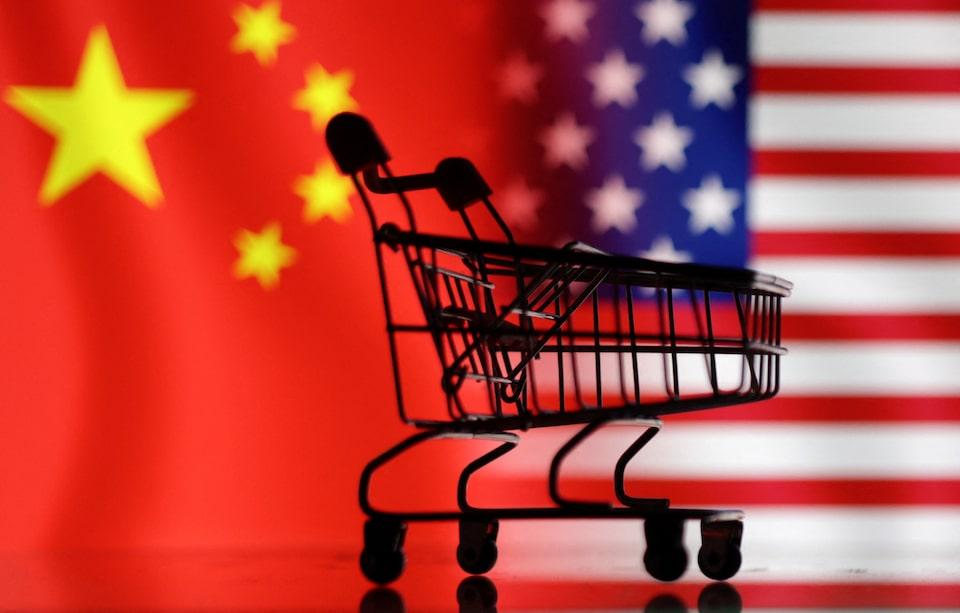
U.S.-China tariff agreement does not reinstate de minimis Tariff cut from 145% to 30% helps Shein and Temu could use reprieve to replenish U.S. warehouses LONDON, May 12 (Reuters) - An agreement between the United States and China to temporarily slash tariffs stopped short of reinstating the U.S. "de minimis" duty exemption for ecommerce packages from China, but still gives online retailers like Shein and Temu a window to adapt their businesses. The Chinese firms, which have taken market share from dollar stores and mall rivals to surge to among the top ten downloaded apps in the U.S., will likely use the 90-day reprieve to bring in bulk shipments and restock their U.S. warehouses, trade experts said. Sign up here. President Donald Trump's administration on May 2 ended the de minimis policy allowing packages worth less than $800 ordered online from China and Hong Kong to enter the U.S. duty-free. Shipping products duty-free from Chinese factories to American consumers helped Temu and Shein surge in popularity, selling ultra-cheap gadgets, clothes, and accessories to American shoppers. Their success drove Amazon.com (AMZN.O) , opens new tab to set up a copycat service, Amazon Haul, which also benefited from the de minimis policy. The removal of de minimis exposed those packages to steep tariffs of up to 145% on most Chinese goods, threatening business models centered around rock-bottom prices and leading Shein and Temu to cut advertising spending in the U.S. and turn to Europe instead. Amazon Haul launched last week in the UK and Saudi Arabia. With the de minimis issue absent from Monday's announcement, trade experts said the exemption did not seem to be coming back. Even so, the 90-day cut in tariffs to 30% from 145% would help Shein and Temu restock their U.S. warehouses at lower cost. "This is great for Shein and Temu, if nothing else, to replenish their U.S. inventory," said Yao Jin, associate professor of supply chain management at Miami University of Ohio. Instead of making individual shipments by plane, Shein and Temu are likely to ship products in bulk via container ship to the U.S. over the next 90 days to stock up ahead of the next possible tariff increase, said Jin. Temu owner PDD Holdings (PDD.O) , opens new tab, Shein, and Amazon did not immediately reply to requests for comment. On its U.S. website, Temu has been featuring products already in U.S. warehouses as it shifts its business model away from direct factory-to-consumer shipments. On May 2 Temu said all sales in the U.S. were now handled by locally based sellers. About 50% of air cargo shipments on the China to U.S. route were low-value e-commerce prior to the de minimis exemption removal, said Niall van de Wouw, chief air freight officer at pricing platform Xeneta. Since May 2, overall daily average freighter capacity on that air freight corridor has dropped 39%, he added, citing data from consultancy Rotate. Hugo Pakula, customs expert and CEO of trade automation platform Tru Identity, said Shein and Temu could send some products directly to consumers from China and others via bulk shipments, depending on price. "There are some commodities that are low enough value that you can add 30% to the retail price and it still makes sense as that would still be cheaper than Amazon or anywhere else," he said. "For a really, really cheap product, it's very possible they continue [shipping] direct from China." For Amazon, the latest trade update may give some third-party sellers time to plan and expedite orders from China for the holiday shopping season, although it remained unclear how many merchants would bite at the opportunity. https://www.reuters.com/world/china/ecommerce-packages-left-out-us-china-tariff-reprieve-2025-05-12/
2025-05-12 19:08
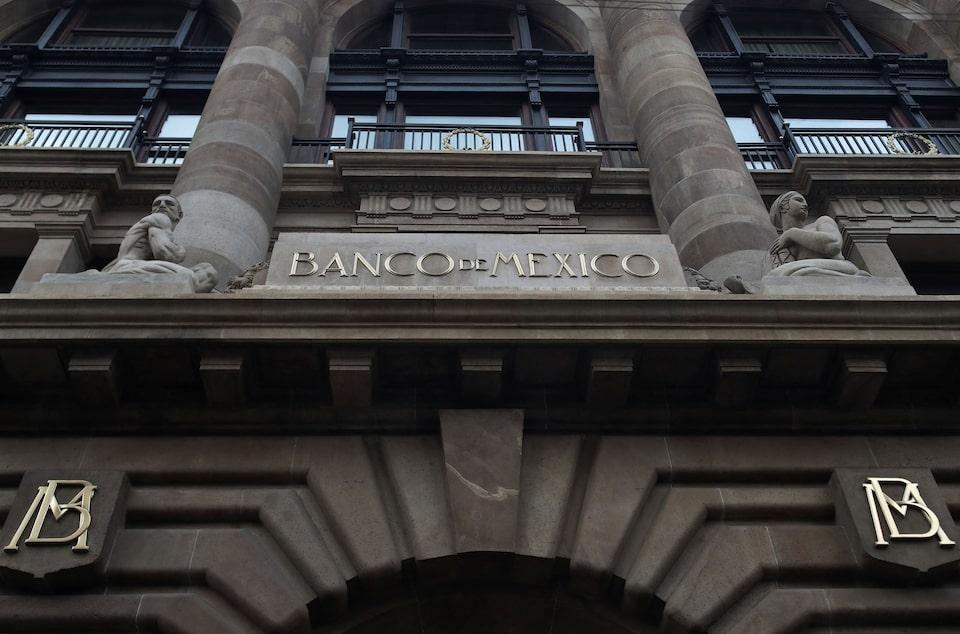
May 12 (Reuters) - The Bank of Mexico will likely cut its benchmark interest rate by 50 basis points at its meeting on May 15, taking it to 8.5%, according to a Reuters poll on Monday, as inflation remains near target and worries linger over weak economic activity. Of 31 economists surveyed, 30 expect the central bank to deliver its third consecutive cut of 50 basis points, after cutting by that margin in February and March. Sign up here. The outlier projected the bank would keep the rate at its current level, in light of the U.S. Federal Reserve's warning last week of higher inflation and unemployment due to President Donald Trump's tariff policies. At the last monetary policy meeting, Banxico, as Mexico's central bank is known, said it could consider further significant rate adjustments in its subsequent decisions if the inflation outlook allows. Since hitting a more than two-decade high of 8.7% in 2022, Mexico's annual inflation rate has fallen to within Banxico's target range of 3%, plus or minus a percentage point. Inflation rose to 3.93% in the 12 months through April, but still within the target range. Analysts noted that members of the governing board have recently been emphasizing their concerns about weakening economic activity. Although growth is not part of the central bank's mandate, a weaker outlook is seen adding pressure on the governing board to continue reducing borrowing costs. "Current inflation and the economic outlook should allow Banxico to continue monetary easing at the same 50 bp pace as the first two rate cuts this year," Barclays said. "Furthermore, we believe the decision on a 50 bp cut will be unanimous." Mexico's gross domestic product expanded just 0.2% in the first quarter, avoiding a technical recession after GDP in the fourth quarter contracted for the first time in more than three years. Analysts and officials have said the risks of another contraction remain. Of 21 experts who shared forecasts for Banxico's subsequent decisions, 19 foresee another rate cut at the bank's June meeting, although they were divided on the magnitude. The two others said the next rate cut could come as late as August. The key rate is expected to close the year at 7.75%, which would be its lowest level since mid-2022, according to the median of 23 forecasts received for the final quarter of 2025. https://www.reuters.com/markets/bank-mexico-seen-cutting-key-rate-by-50-basis-points-2025-05-12/
2025-05-12 19:06
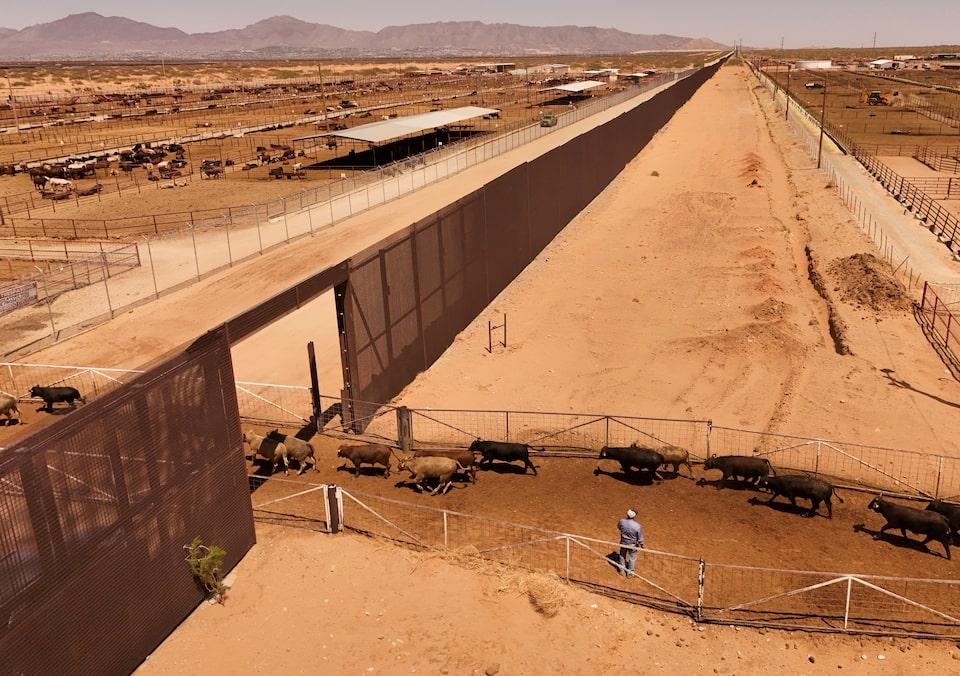
MEXICO CITY/CHICAGO, May 12 (Reuters) - U.S. cattle futures soared to record highs on Monday after Washington suspended cattle imports from Mexico over a flesh-eating parasite, which Mexican President Claudia Sheinbaum denounced as unfair. New World screwworm maggots burrow into open wounds on cattle and other animals, often killing their host within weeks. Though screwworm has been eradicated in the U.S. since 1966, the U.S. agriculture department warned there was a risk of re-introduction. Sign up here. The import suspension threatened to increase U.S. beef prices by further tightening the supply of cattle, already at its lowest in decades. All cattle futures contracts, traded in Chicago, hit lifetime highs following the halt. "Cattle are on fire," said Dan Norcini, independent livestock analyst. The parasite was detected in cattle herds in southern Mexico in November, prompting the USDA to temporarily stop imports. On Sunday, U.S. Agriculture Secretary Brooke Rollins said she was suspending livestock imports again through the southern U.S. border due to the pest's "unacceptable northward advancement". She added that the suspension would be in place on a "month-by-month" basis. Mexican Agriculture Minister Julio Berdegue said the measure would last 15 days, which Sheinbaum repeated in a regular press conference. The U.S. typically imports more than a million cattle a year from Mexico. U.S. cattle supplies have dwindled and beef prices soared after drought reduced grazing lands and caused ranchers to slash their herds in recent years. Chicago Mercantile Exchange June live cattle futures ended the day 2.15 cents higher at 216.825 cents per pound, and August feeder cattle futures settled 6.075 cents higher to 306.375 cents per pound. "The border closure will create economic harm for U.S. farmers and ranchers, and create supply chain disruptions," the National Cattlemen's Beef Association said. "The costs will be far less than if New World screwworm crosses into the United States." "We hope that this measure, which we consider unfair, will be lifted very soon," Sheinbaum said. Washington and Mexico reached an agreement last month on the handling of the pest, though the U.S. said the efforts were not enough. https://www.reuters.com/world/americas/mexico-disagrees-with-us-suspension-mexican-cattle-imports-over-screwworm-2025-05-12/
2025-05-12 18:30
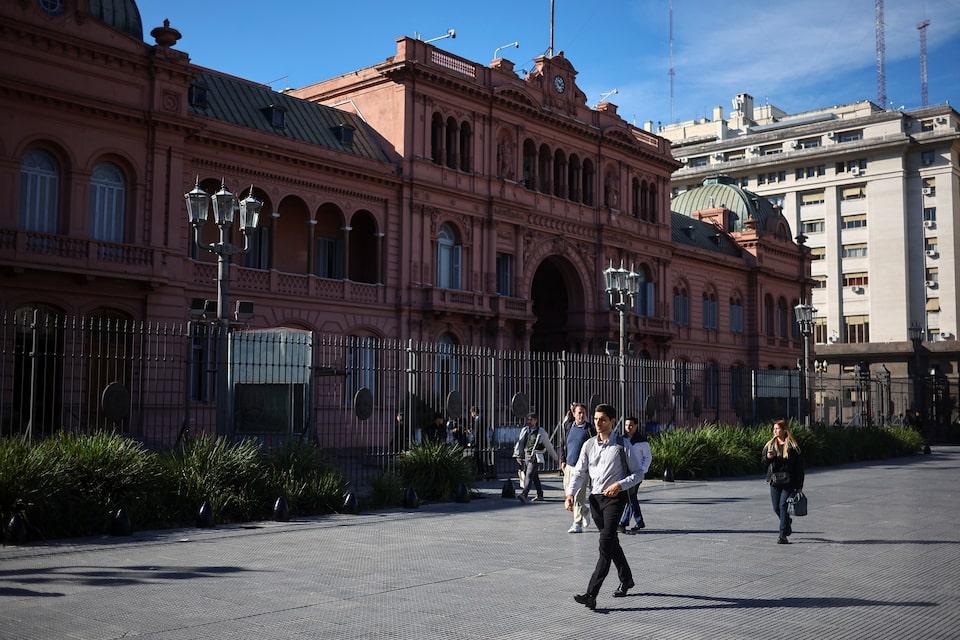
May 12 (Reuters) - Credit ratings agency Fitch on Monday upgraded Argentina's long-term foreign-currency and local-currency issuer default rating to "CCC+" from "CCC", citing the launch of a new International Monetary Fund (IMF) program and the liberalization of the foreign-exchange market that have boosted the country's external liquidity. "The economic recovery and disinflation have already exceeded our prior expectations and should be further supported by these policy changes," Fitch said in a statement. Sign up here. The South American country last month sealed a $20 billion extended fund facility with the IMF and dismantled large parts of its currency controls as libertarian President Javier Milei looks to drag the country out of a prolonged economic slump. The IMF had already disbursed $12 billion in April, while another $2 billion will become available by June. Milei's administration has rolled out tough austerity measures, which have helped bring inflation down, but the spending pinch has also fueled protests, with workers paralyzing the country in a nationwide strike in April. https://www.reuters.com/world/americas/fitch-upgrades-argentina-rating-ccc-2025-05-12/