2025-05-09 10:05
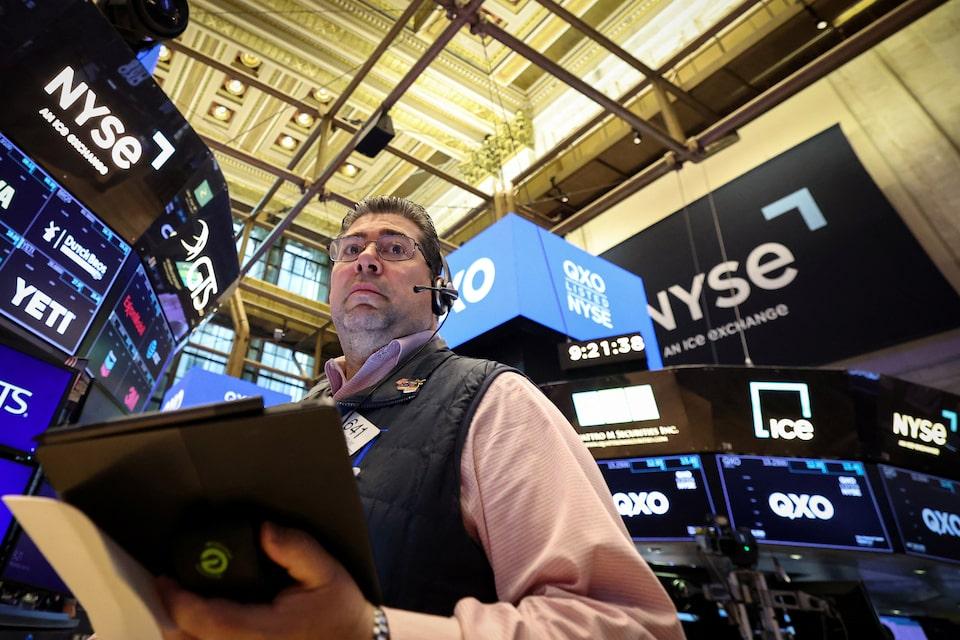
NEW YORK, May 9 (Reuters) - Investors head into a busy week for economic data watching if leadership in the U.S. stock market could be moving away from defensive equity areas that indicates greater appetite for risk. While the benchmark S&P 500 index (.SPX) , opens new tab is down 3.7% in 2025, with stocks jolted by concerns about economic damage from President Donald Trump's tariffs, the consumer staples (.SPLRCS) , opens new tab and utilities (.SPLRCU) , opens new tab sectors, typically seen as more safe-haven areas of the market, are up this year 5% and 5.6%, respectively. Sign up here. Investors often seek shelter in those groups because their businesses are considered relatively immune to economic slowdowns while the stocks tend to offer strong dividends. "If the market is in a risk-off mode, those sectors will continue to lead," said Chuck Carlson, chief executive officer at Horizon Investment Services. More recently, however, as the U.S. market has rebounded from its lows over the past month, groups like technology, industrials and consumer discretionary that are more associated with upbeat economic sentiment, or "risk on" investor behavior, have been outperforming. Leadership moving from defensive sectors to those areas or groups tied to the economy such as financials or energy could be "a sign perhaps that investors are regaining some animal spirits with regard to the prospects for the economy," said Mark Luschini, chief investment strategist at Janney Montgomery Scott. "That would be a tell of less caution being insinuated by investors," Luschini said. While data so far this year has indicated resilience in the economy, sentiment surveys and other "soft data" have been weak. "What all macro investors are grappling with is, is this just a sentiment slowdown that's being reflected in a defensive tilt within equities, or is this something more fundamental?" said Matthew Miskin, co-chief investment strategist at Manulife John Hancock Investments. Economic data in the coming week provides a critical view. Tuesday's April consumer price index will give a fresh read on inflation trends, while April retail sales on Thursday offers the latest window into consumer spending. While economic fallout from the tariffs remains unclear, concerns abound that the import levies are poised to drive up prices and slow growth. If CPI is hotter than expected and retail sales miss estimates, it could raise concerns about "stagflation," Miskin said - a mix of sluggish growth and relentless inflation that could pressure stocks. Some investors said the Federal Reserve appeared to nod to such worries at its meeting this week. The central bank held interest rates steady and said the risks of both higher inflation and unemployment had risen. Aside from data, the coming week will see more U.S. companies posting quarterly results, including retailing giant Walmart (WMT.N) , opens new tab, whose report stands to offer insight into consumer behavior and the cost of imported goods. Stocks gained on Thursday after Trump and British Prime Minister Keir Starmer announced a trade agreement, the first since Trump triggered a global trade war with a barrage of levies on trading partners. Investors will continue to be fixated on the Trump administration's negotiations with other countries in hopes of more agreements after the president last month paused many of the heftiest tariffs for 90 days. "Talks are starting to take place globally, and there is increased optimism that deals can be made before" the pause expires, CFRA strategists said in a note on Wednesday. https://www.reuters.com/business/wall-st-week-ahead-us-stock-market-leadership-eyed-with-crucial-economic-data-2025-05-09/
2025-05-09 09:54
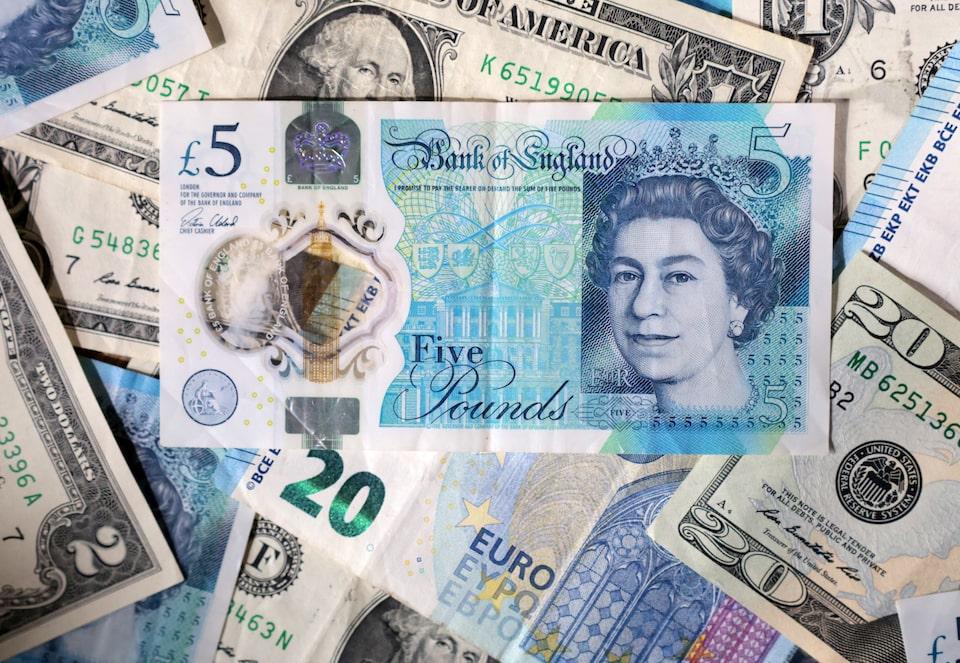
Sterling rises as optimism grows over trade Euro set for biggest four-week loss versus pound since 2022 Analysts say US/UK trade deal lacks detail, but supports sentiment BoE cut rates on Thursday, policymakers split on voting LONDON, May 9 (Reuters) - The pound rose on Friday, following the announcement of a "breakthrough" trade deal between Britain and the United States the previous day. U.S. President Donald Trump and British Prime Minister Keir Starmer on Thursday announced a limited bilateral trade agreement that leaves in place Trump's 10% tariffs on British exports, modestly expands agricultural access for both countries and lowers prohibitive U.S. duties on British car exports. Sign up here. The deal, while light on substance and unlikely to serve as a blueprint for other countries, analysts said, was enough to offer investors some hope that trade agreements with the Trump administration were possible. Britain will hold talks on trade with the European Union later this month and the U.S. deal has helped shore up sentiment around that, ING strategist Francesco Pesole said. "The deal had already been largely priced in, and the implications for the UK economy are not significant," he said. "That said, the UK has now signed two trade deals in quick succession, and that is keeping markets hopeful on trade talks with the EU," Pesole said, referring to UK's trade agreements with the United States and India. Sterling was last up 0.3% against the dollar at $1.3278, having touched its lowest since mid-April earlier in the day. Meanwhile, the Bank of England on Thursday cut interest rates by a quarter point to 4.25%, as expected. Voting by policymakers was split three ways, with two members of the rate-setting committee opting for no cut at all, which traders took as a sign to buy sterling, at least initially. BoE Governor Andrew Bailey on Friday said the trade deal was a good thing but still left tariffs on most British exports to the U.S. higher than they were before last month. "It's good news in a world where it will leave the effective tariff rate higher than it was before all of this started," he said in a question and answer session at an economics conference in Reykjavik. The derivatives market shows traders have ditched their bets on another cut from the BoE in June and still only see a little more than a 50% chance of a cut in July. Sterling was set for a flat week against the dollar, which has benefited from a nascent sense of optimism that more trade deals may be in the offing, with particular focus on this weekend's scheduled talks between U.S. and Chinese negotiators in Switzerland. Against the euro , however, the pound is on a roll. The euro is heading for its largest four-week loss against sterling since October 2022, when the pound burst above record lows struck during the crisis triggered by former Prime Minister Liz Truss' failed budget plans. The euro has lost over 2% against sterling in the last four weeks, with a 1% drop in this week alone. https://www.reuters.com/world/uk/sterling-claws-higher-after-usuk-trade-deal-2025-05-09/
2025-05-09 07:40
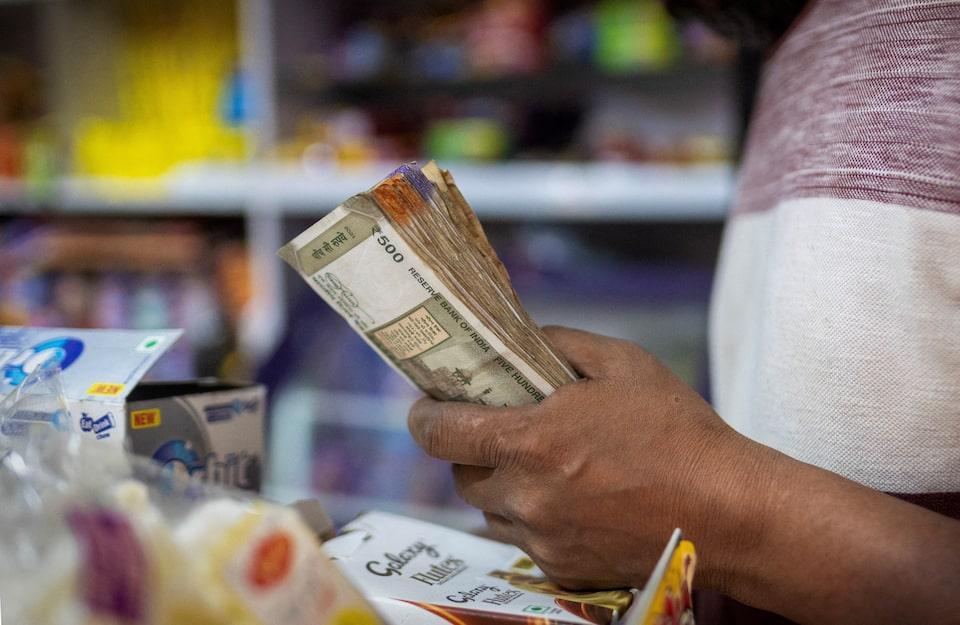
MUMBAI, May 9 (Reuters) - Indian forex traders had taken the simmering tensions between India and Pakistan in their stride until Thursday afternoon, when news of a flare-up in the military offensive sent the market into a tizzy and the rupee to its worst day in over two years. In early trading hours of Thursday, the rupee had nearly recovered all its losses since India's initial strikes in Pakistan and Pakistan-administered Kashmir on Wednesday. But news in the afternoon of Pakistan striking back in a tit-for-tat sparked a rapid shift in sentiment. Sign up here. In a spectacular U-turn, the rupee went from its peak of near 84.50 per dollar on the day to end down 1% at 85.71, marking its biggest one-day percentage drop in more than two years. While the market was counting on Pakistan not retaliating, Thursday's developments have spurred worries about a wider conflict, said Apurva Swarup, vice president at Shinhan Bank India. "At the same time, the market liquidity is quite thin, which is why there are sharp moves happening right now," Swarup said. The conflict between the two neighbours has intensified further, with the rupee extending losses to a one-month low of 85.8425 on Friday. The Reserve Bank of India stepped in to support the currency. The market's nervousness is also reflected in the rise in the dollar-rupee volatility skew, which signals that demand for options betting the rupee will fall has outpaced appetite for options that wager on its rise. The 1-month dollar-rupee non-deliverable forwards have climbed to their highest in a month, reflecting offshore market participants' concerns about rupee weakness. Indian bonds and the Nifty 50 equity index also extended their losses on Friday. India and Pakistan, currently locked in the worst confrontation in more than two decades, have been clashing since India struck multiple locations in Pakistan on Wednesday in retaliation for a deadly attack in its restive region of Kashmir last month. Pakistan's armed forces launched "multiple attacks" using drones and other munitions along India's entire western border on Thursday night and early Friday, the Indian army said. The rupee could remain under pressure in the near term, said Dhiraj Nim, an FX strategist and economist at ANZ, as the overnight escalations look "severe". So far, there is no credible hint of either side backing down or talking down tensions, Nim said. https://www.reuters.com/world/india/poise-frenzy-rupee-traders-mood-swings-india-pakistan-conflict-flares-up-2025-05-09/
2025-05-09 07:36
LONDON, May 12 (Reuters) - As global growth worries deepen, the coming days could be defined by relief if further U.S. trade deals come through - with focus on China - or more pessimism if disappoint. U.S. President Donald Trump heads to the Middle East, Asian currencies are on the rise, and Germany's new leader just got off to a wobbly start. Sign up here. Here's your heads-up on the week ahead in financial markets from Amanda Cooper, Karin Strohecker and Dhara Ranasinghe in London, Rae Wee in Singapore, and Lewis Krauskopf in New York. 1/ SAUDI CALLING Trump's first major diplomatic trip kicks off this week with a three-country Middle East tour starting in Saudi Arabia. The visit will be accompanied by investment conferences, with a raft of trade and security issues on the agenda. Trump has flagged he will soon have an announcement on whether the U.S. will ease microchip export restrictions to some Gulf countries. Saudi Arabia has said mining and minerals deals will be discussed. Energy is also set to feature prominently. Washington, sources say, will no longer demand Saudi Arabia normalise ties with Israel as a condition for progress on civil nuclear cooperation talks. This would be a major U.S. concession. Notably, Trump's trip is not expected to include a stop in ally Israel. 2/ THE TARIFF EFFECT A fresh look at inflation and consumer spending are the highlights of a busy week of U.S. data as investors and policymakers assess how Trump's tariffs are affecting growth and prices. Tuesday's April consumer price index will give a fresh read on inflation trends, while April retail sales numbers on Thursday offer the latest view on consumer spending. Retail sales increased by the most in over two years in March, as households stepped up auto purchases and other goods to avoid higher prices from tariffs. Investors are waiting to see whether weakness in sentiment surveys and other "soft data" translates into a slowdown. The Federal Reserve kept rates steady last week and said the risks of both higher inflation and unemployment had risen. U.S. quarterly earnings also continue, with Walmart results among the most closely watched in the coming week. 3/ ONE WAY FROM HERE? Asian currencies are back, after years of being sidelined by the mighty dollar. An unprecedented surge in Taiwan's dollar, up 8% over two trading days, suggests money is moving into Asia at scale, capturing the attention of central banks. The Hong Kong Monetary Authority has intervened to maintain its currency peg to the dollar. Investors are also speculating that the meteoric rise in Taiwan's currency could be telling of a "Mar-a-Lago Accord" with the United States, despite pushback from the island's president. The notion countries will allow their currencies to strengthen as part of trade negotiations with the U.S. will remain on investors' minds after the U.S. and China met in Geneva in initial trade talks viewed as "constructive". Notably, South Korea's delegation in Washington has said the country's finance ministry and the U.S. Treasury would hold separate discussions on currency policy at the request of Treasury Secretary Scott Bessent. 4/ A DEAL'S A DEAL Britain has struck the first trade deal with Washington. Trump and Prime Minister Keir Starmer hailed the "breakthrough" agreement on May 8 that included lowering or removing tariffs on UK shipments of cars, engines and plane parts, and aluminium and steel, in return for more access to the British market for U.S. beef and machinery, among others. The kicker? - Trump's 10% tariff for everything else remains, and this is for a staunch U.S. ally that boasts a trade surplus, meaning it may not serve as a blueprint for others. The impact of tariffs on the economy has created such uncertainty that Bank of England policymakers are split on monetary policy. This week's data on UK employment and growth would ordinarily offer a decent steer, but now might be in investors' rear-view mirrors. 5/ BUMPY START New German Chancellor Friedrich Merz got off to a bumpy start after failing to win parliamentary backing for the role in a first vote, an unprecedented snub in post-war Germany. That has focused attention on the challenges Merz faces in delivering on his plans to lift Europe's biggest economy out of its malaise. Germany's economy has contracted for three straight years. Merz lit a fire under European markets following February's election, pushing for a spending splurge on defence and infrastructure to help boost long-term growth. The euro and German stocks rallied. Tuesday's temporary setback in parliament is a reminder of the frailty of the ruling coalition and makes it even more unlikely, some reckon, that Merz would back a permanent financing of European spending through joint bonds - deeply unpopular with his centre-right party. https://www.reuters.com/business/take-five/global-markets-themes-graphic-2025-05-09/
2025-05-09 07:23
April exports growth slows, but still faster than expected Helped by demand from markets rushing to beat Trump tariff pause China, US to hold tariff talks in Switzerland on Saturday BEIJING, May 9 (Reuters) - China's exports beat forecasts in April, buoyed by demand for materials from overseas manufacturers who rushed out goods to make the most of U.S. President Donald Trump's 90-day tariff pause. The world's two largest economies have been locked in a bruising tit-for-tat tariff war and businesses on both sides of the Pacific will be looking for some kind of resolution at closely watched trade talks in Switzerland this weekend. Sign up here. Customs data on Friday showed outbound shipments from China rose 8.1% year-on-year in April, beating a forecast 1.9% increase in a Reuters poll of economists but slowing from the 12.4% jump in March. Trump announced sweeping "reciprocal tariffs" of 10% on April 2, before offering a pause for most countries while the White House worked on multiple trade deals. China, however, was excluded from the reprieve and singled out for levies of 145%, kicking off a protracted cat-and-mouse game that has rattled global markets and upended supply chains. Chinese manufacturers had also been front-loading outbound shipments in anticipation of the duties, but are now banking on ice-breaker tariff talks between American and Chinese officials in Geneva on Saturday. Imports fell 0.2%, compared with expectations for a 5.9% drop, suggesting domestic demand may be holding up better than expected as policymakers continue to take steps to prop up the $19 trillion economy. "The ASEAN countries are speeding up their production to meet the July deadline, the 90-day negotiation break. Their production is highly reliant on China's exports in raw materials and industrial inputs, so China's exports got support," said Dan Wang, China director at Eurasia Group. "Over the next two months, China's exports could continue to be strong due to industrial capacity relocation, but the trade data could deteriorate quite quickly if the 145% tariffs on China are still in place and ASEAN countries' talks (with the Trump administration) don't make progress," she added. Exports to Southeast Asian countries rose 20.8% in April. China's exports to the U.S., meanwhile, fell 21%. That meant the trade surplus with the U.S. dropped to $20.5 billion from $27.6 billion in March, a win for Trump, who has repeatedly said he wants to narrow the gap. HIGH STAKES Beijing cannot afford a trade war with the U.S. but sees Trump's tariffs as unwelcome interference, with officials wanting to implement the painful domestic reforms needed to shore up long-term growth at their own pace. If not lowered or removed, the tariffs could deal a heavy blow to China's economy, which has relied on exports to drive growth as it struggles to recover from the pandemic shocks and a protracted property market slump. "The damage of the U.S. tariffs has not shown up in the trade data for April," said Zhiwei Zhang, chief economist at Pinpoint Asset Management. "I expect the trade data will weaken in the next few months gradually." "Hopefully, the trade negotiations between China and the U.S. can reach agreement soon and bring down tariffs to mitigate the shock to global trade," he added. Beijing has in the past few months reiterated its confidence that China could achieve the "around 5%" growth target for the year, and rolled out measures to bolster consumption and support the country's exporters. A slew of monetary stimulus measures, including liquidity injections and cuts to policy rates, was announced on Wednesday in a bid to ease tariff hits on the economy. For now, the trade sector's momentum is still riding on the global scramble to make the most of Trump's brief tariff relief. China's steel exports topped 10 million metric tons for a second straight month in April, as top customers like South Korea and Vietnam bought in bulk to outrun the tariffs, which analysts expect to disrupt China's lucrative transhipment trade. With global copper producers rushing stocks to the U.S. after Trump proposed slapping levies on the metal, China's imports of unwrought copper and copper products remained unchanged last month. Soybean imports plunged to a 10-year low in April, but this was due to prolonged customs clearance delays and late Brazilian shipments caused by harvest slowdowns and logistics issues. https://www.reuters.com/world/china/chinas-exports-imports-beat-expectations-april-2025-05-09/
2025-05-09 07:16
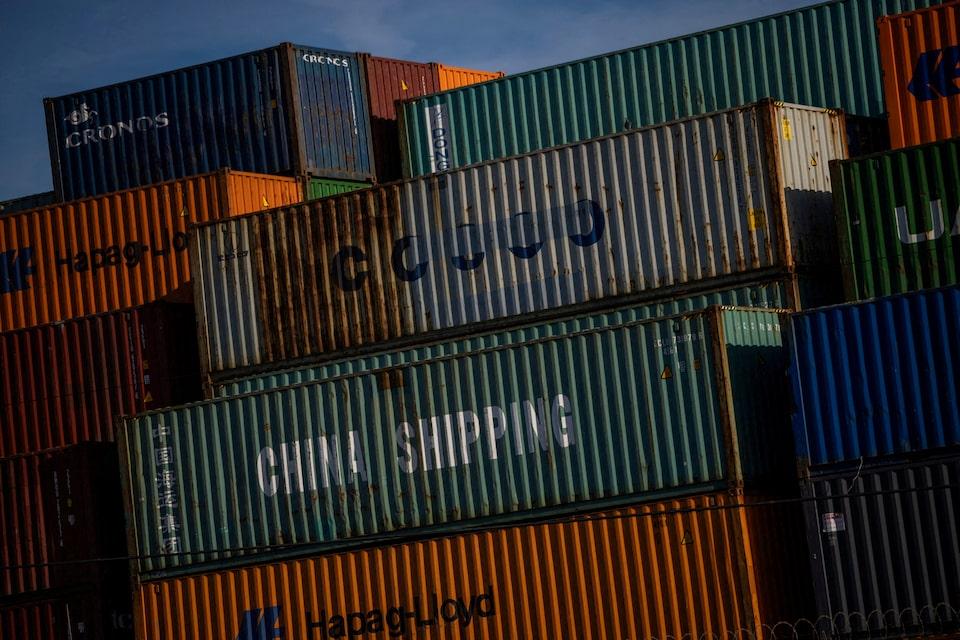
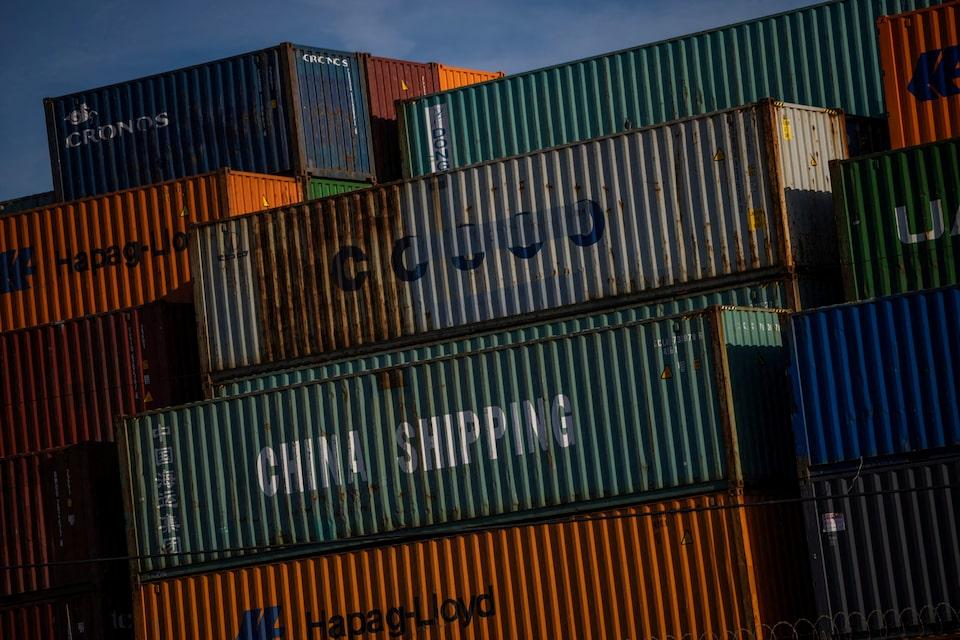
Chinese exporters prepare to resume shipping amid hopes for tariff reduction Shipping agents buy container space for US-bound goods from mid-May U.S. retailers face risk of empty shelves without Chinese goods SHANGHAI, May 9 (Reuters) - China-based shipping agents have resumed buying container space for goods headed for the United States after a series of U.S. tariff-induced cancellations, as Beijing and Washington head for trade talks in Switzerland. Trade between the world's two largest economies has slumped since U.S. President Donald Trump imposed 145% tariffs on China-made goods on April 10, a move which prompted China to impose levies of 125% on U.S.-made products. Sign up here. The U.S. tariffs, which affect an estimated 80% of goods shipped from China to the U.S., prompted sailings from China to the U.S. to drop 60% in April, according to Flexport, a logistics and freight forwarding broker. Customers from logistics operator Hapag-Lloyd (HLAG.DE) , opens new tab cancelled 30% of shipments from China last month. Since late April, however, traders have stepped up buying of shipping capacity, locking in space from mid-May, according to two China-based executives with freight forwarding firms who declined to be named as they weren't authorised to speak to the media. Four China-based exporters, some serving large U.S. retailers such as Walmart (WMT.N) , opens new tab, also told Reuters they were preparing to restart shipping goods to the U.S. in the coming weeks, a previously unreported development. With the U.S. and China adopting more conciliatory language on trade since late April, and officials due to begin trade talks in Geneva on Saturday, exporters are hopeful that the two countries will soon move to lower tariffs. In the latest sign that rates might be eased, Trump said on Thursday that a reduction from the 145% rate was likely. "We are obviously all looking forward to a relaxation of the (tariff) situation this month. I believe it will happen," said Liu, a second-generation toy manufacturer from the southern export hub of Dongguan who declined to give her full name for privacy reasons. Until recently, half her orders came from U.S. customers including Walmart, she added. EMPTY SHELVES? But it's not just optimism that tariffs might fall that's fuelling the shipments. Goods such as toys, home furnishings and Bluetooth speakers that U.S. retailers cannot quickly or easily source from places other than China have been stuck in China while the stores try to wait out the tit-for-tat tariff escalation. If those products are not shipped by June, shelves in the U.S. will begin to empty, Chinese exporters told Reuters. "Companies are running out of inventory and Trump has toned down his China talk," said Jonathan Chitayat, the Asia boss of Genimex Group, a contract manufacturer whose firm works with clients to design and engineer custom mechanical, electronic and consumer goods from bluetooth speakers to rubbish bins. The risk of "empty shelves in stores in the next 30 to 60 days" was a powerful motivating factor for U.S. clients, he added, who will need to ship some goods from China soon whether or not there is any movement on tariffs. Liu, the toy manufacturer, said that after almost a month's pause in any orders being sent to the U.S., shipping will resume this month, "though the amount is not as much as before", because her American clients need to restock their inventories. According to Liu, if her products arrive in the U.S. without a reduction in tariff rates, it will be "American consumers who bear the entire burden" of the additional tariff costs. Judah Levine, head of research at Freightos (CRGO.O) , opens new tab, a freight-booking and payments platform, said some level of recovery in shipping movements was inevitable. "One way or the other, these economies are intertwined and both sides are starting to feel pain," he said, adding that the recent "massive declines" in shipping volume followed months of frontloaded orders in anticipation of the Trump tariffs. "At a certain point that runs down and ... there is the expectation that the tariff situation will change for the better," Levine said. Walmart said it had not paused purchases from a specific country of origin or across full categories. "We have thousands of products, and we are working every day with our suppliers, item by item and category by category, to navigate this fluid situation for our customers and members," a Walmart spokesperson said. Hapag-Lloyd declined to comment on current U.S.-China freight bookings, saying the situation was fluid. Dominic Desmarais, chief solutions officer at Liya Solutions, which connects small and medium-sized companies with suppliers in China making everything from furniture to titanium products, said he has been told by freight forwarders that prices could go up by $500 per container after May 15 as shipping activity recovers. According to Freightos estimates, a 40-foot container shipped between Shanghai and the port of Los Angeles in early May would cost between $2,640 and $3,781. Betting on a swift end to the trade war, however, looks like wishful thinking, according to Desmarais. "In 2018 when Trump put 25% tariffs on 80% of the commodities out of China, it took two years for the U.S. and China to reach a deal," he said. "I don't think discussions in Switzerland will do it." https://www.reuters.com/business/autos-transportation/trade-talks-begin-chinese-exporters-prepare-get-goods-moving-us-again-2025-05-09/