2026-01-16 12:55
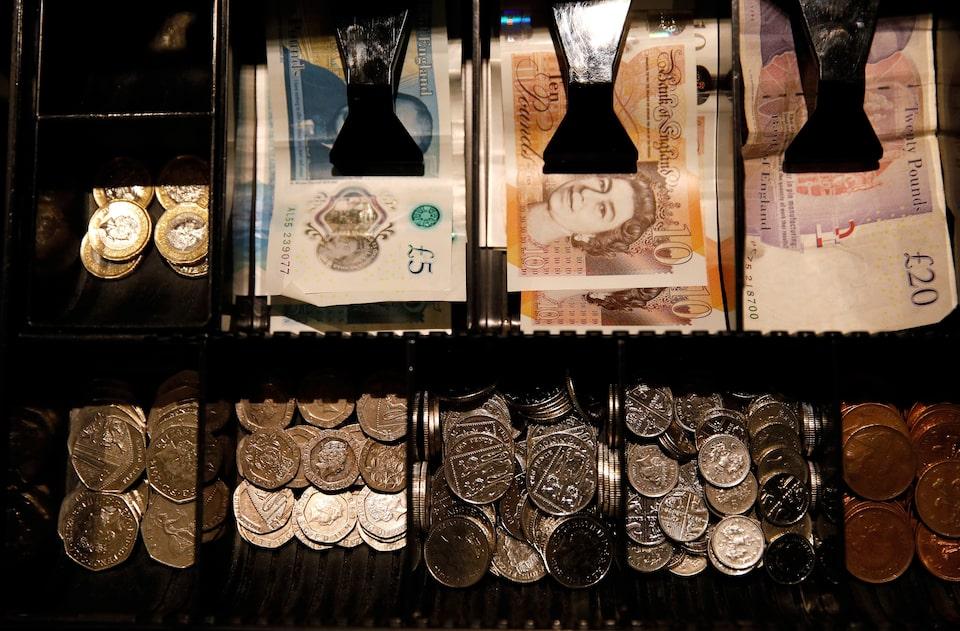
LONDON, Jan 16 (Reuters) - Sterling rose on Friday, and was set for its fifth consecutive weekly rise against the euro, after data this week showed that the British economy grew more strongly than expected in November. The pound was up 0.13% to $1.3402. It was on track for a 0.3% weekly rise, after two consecutive weekly declines. Sign up here. The euro edged 0.06% lower against the pound to 86.69 pence , and was set for its fifth straight weekly decline against the pound. Data on Thursday showed UK gross domestic product recorded the fastest growth in November since June, boosted by a return to full production at Jaguar Land Rover after a cyberattack that hit the carmaker and its suppliers. Economists said the figures also suggested that nervousness about finance minister Rachel Reeves' annual budget statement on November 26 had not affected output as much as feared. Investors continued to almost fully price in two quarter-point interest rate cuts by the Bank of England this year. But markets are not fully pricing in a 25-basis-point reduction until June, and they see only a 6% chance of a cut when the central bank meets next month. "Sterling received a modest leg up on the (GDP data) news, and could be poised for further gains should the upbeat data dampen the likelihood of further BoE rate cuts," said Matthew Ryan, head of market strategy at Ebury. Analysts said investors were turning to economic data as the boost fades from easing UK fiscal and political risks that has supported sterling since Reeves unveiled the November budget. The next round of UK CPI inflation data is not scheduled until January 21. https://www.reuters.com/world/uk/sterling-set-weekly-rise-uk-economy-bounces-back-november-2026-01-16/
2026-01-16 12:44
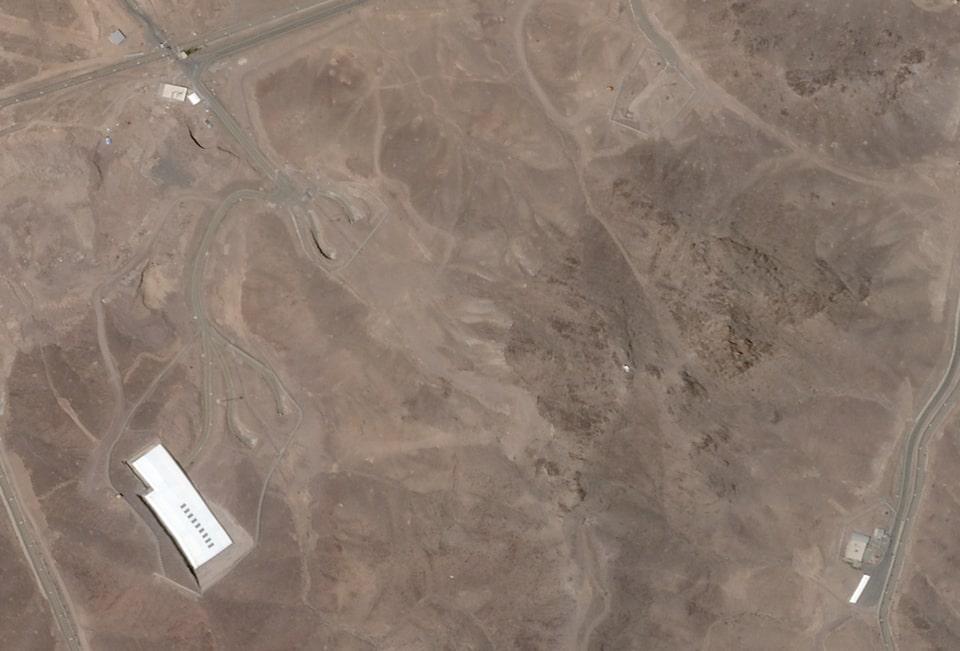
VIENNA, Jan 16 (Reuters) - Regional fears of a U.S. attack on Iran have eased after President Donald Trump said Tehran had assured him that protesters would not be executed, but he is keeping "all of his options on the table", the White House said. The last major strikes on Iran were carried out by Israel and the United States in June, mainly targeting key nuclear facilities. Sign up here. WHICH NUCLEAR SITES WERE HIT? All three of Iran's uranium-enrichment plants - two at Natanz and one buried inside a mountain at Fordow - as well as a sprawling complex at Isfahan, which includes facilities that are part of the nuclear fuel cycle and an underground area where diplomats say much of Iran's enriched uranium has been stored. HOW BAD WAS THE DAMAGE DONE? The U.N. nuclear watchdog, which carried out regular inspections at nuclear facilities including Natanz and Fordow until they were attacked, has not been granted access to those facilities since they were bombed. It has inspected other facilities that were not damaged but the exact status of the ones that were remains unclear. In a quarterly report on Iran in November, the International Atomic Energy Agency said seven of its declared nuclear facilities were "affected by the military attacks" and 13 were not. Those reports do not elaborate on the damage done. Soon after the bombings the IAEA said the smallest of the three enrichment plants, the above-ground Pilot Fuel Enrichment Plant at Natanz, was destroyed. It is likely the larger underground plants at Natanz and Fordow were at least badly damaged, the IAEA has said. How far Iran's nuclear programme has been set back is subject to debate. Trump has repeatedly said Iran's nuclear facilities were obliterated, but IAEA Director-General Rafael Grossi said in June that Iran could start enriching uranium again on a more limited scale within months. WHAT HAPPENED TO IRAN'S ENRICHED URANIUM? That is not entirely clear. Some will have been destroyed in the airstrikes, but Iran has yet to submit a report to the IAEA on what happened to its bombed facilities and stock of enriched uranium despite the agency saying it is urgent and overdue. Only once that happens can the IAEA verify it. "I believe there is a general understanding that by and large, the material is still there. But, of course, it needs to be verified. Some could have been lost," Grossi told Reuters in September. Diplomats say little appears to have changed since then. "We don't have indications that would lead us to believe that there has been major movement of material," Grossi added. Iran was enriching uranium to up to 60% purity, a short step from the roughly 90% of weapons grade, until the strikes. The IAEA estimates Iran had 440.9 kg of uranium enriched to that level when the bombing started. That is enough in theory, according to an IAEA yardstick, for 10 nuclear weapons, if refined further. It also has uranium enriched to lower levels. The IAEA does not report where Iran stores that material. One key storage installation underground at Isfahan appears not to have been damaged beyond strikes on the tunnel entrance leading to it, diplomats say. WHAT CONCERNS REMAIN? One reason the United States and Israel gave for the bombings was that Iran was getting too close to being able to produce a nuclear weapon. If enriched to weapons grade, uranium can be used to make the core of a nuclear bomb. It can also be used to fuel nuclear power plants at various enrichment levels. Western powers say there is no credible civil justification for Iran's enrichment to such a high fissile level, and the IAEA has said it is of serious concern. No other country has done so without eventually producing nuclear weapons. At the same time, before the attacks the IAEA said it had no credible indication of a coordinated nuclear weapons programme in Iran, and there was much debate about how long it would take Iran to develop a nuclear bomb if it chose to. Tehran denies ever seeking nuclear weapons. As a party to the nuclear Non-Proliferation Treaty, it has the right to enrich for nuclear power or research, as long as it does not weaponise the process. Iran has an unknown number of centrifuges - machines that can enrich uranium - stored at unknown locations. With its enriched uranium stock now unaccounted for, there is a risk that Iran could secretly put the two together and quickly produce weapons-grade uranium, in violation of its NPT obligations. For now, it appears likely a cat-and-mouse hunt for Iran's enriched uranium stock will continue for some time. https://www.reuters.com/world/middle-east/what-is-status-irans-main-nuclear-facilities-2026-01-16/
2026-01-16 12:31
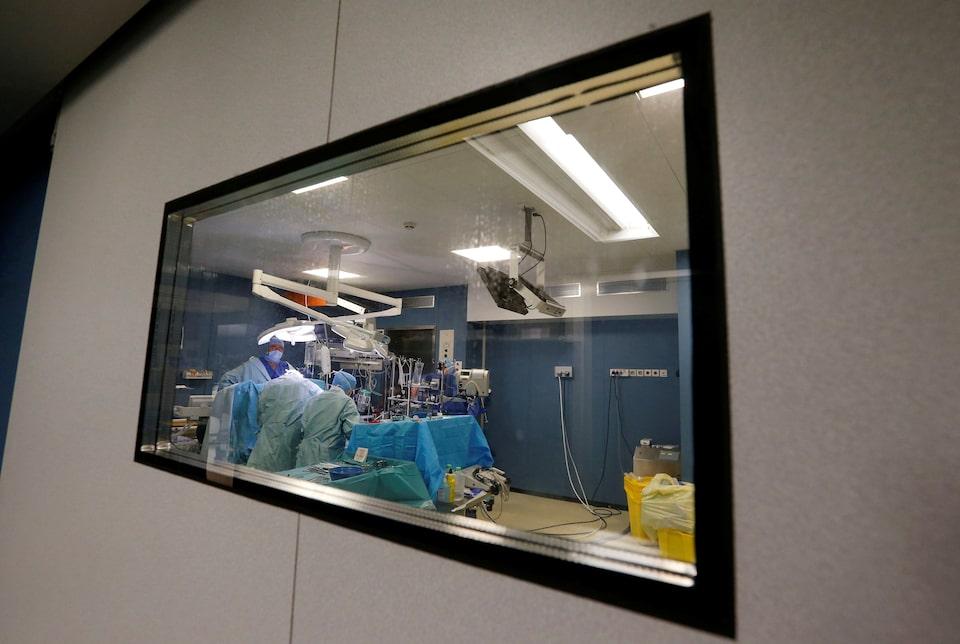
Jan 16 (Reuters) - (This is an excerpt of the Health Rounds newsletter, where we present latest medical studies on Tuesdays and Thursdays. To receive the full newsletter in your inbox for free sign up here) For the first time ever in a human, doctors have performed coronary artery bypass grafting without having to cut through the patient's chest, similar to how many aortic valve replacement procedures are now done. Sign up here. The CABG procedure re-routes blood around a blockage in an artery carrying blood to the heart. In this case, the surgical tools were inserted and threaded through a blood vessel in the patient’s leg, according to a report published in Circulation Cardiovascular Interventions , opens new tab. The results suggest that, in the future, a less traumatic alternative to open-heart surgery could become widely available for those at risk of coronary artery obstruction, researchers said. “Achieving this required some out-of-the-box thinking but I believe we developed a highly practical solution,” said team leader Dr. Christopher Bruce of the U.S. National Heart, Lung, and Blood Institute and Emory School of Medicine. The procedure is called ventriculo-coronary transcatheter outward navigation and re-entry, or VECTOR. The patient in this first case was not a candidate for traditional open-chest CABG because of heart failure and old, poorly functioning artificial heart valves. Six months after the procedure, the patient showed no signs of coronary artery obstruction, meaning the VECTOR approach was a success. Further testing in more patients is necessary before VECTOR is used more widely, but its successful debut is a major step in that direction. “It was incredibly gratifying to see this project worked through, from concept to animal work to clinical translation,” Bruce said. RESEARCHERS TRACK CELLS OF HARD-TO-TREAT CANCER IN BLOOD Newly identified tumor cell characteristics will improve the ability of doctors to track some of the most aggressive breast cancer cells as they travel through the bloodstream to spread to other organs, researchers say. Triple-negative breast cancer, among the most aggressive of all cancers, is hard to treat because its cells lack the hormone proteins on their surface that are targeted by standard therapies. Furthermore, triple negative tumors are more likely to metastasize than other forms, but tracking the tumor cells as they move has been challenging. But researchers have now identified four new cell-surface proteins that significantly improve the identification of triple-negative breast cancer cells as the cells circulate in patients’ blood, they reported in Cancer Research Communications , opens new tab. They first focused on mouse models of metastatic triple-negative breast cancer and then confirmed their findings in patient samples. “We were excited with the results with blood from patients with metastatic TNBC,” study leader Dr. Chonghui Cheng of Baylor College of Medicine said in a statement. “In these patients, tumor cells were frequently undetectable using standard markers but became clearly visible when we applied the new marker combination,” she said. Being able to reliably detect circulating triple negative breast cancer cells could help doctors monitor disease progression and treatment response more accurately, the researchers said. “Another exciting finding is that the newly identified markers are also expressed in other cancer types, suggesting that this strategy could improve... detection across multiple cancers,” Cheng said. SMOKING CESSATION DRUG MAY ALSO HELP CANNABIS USERS CUT BACK A drug used to help smokers quit showed some promise for treating cannabis use disorder in a small mid-stage trial, researchers said, although the benefit was clear only in men. Cannabis use disorder is characterized by continued use of cannabis despite ‘clinically significant impairment’ such as ignoring important social, occupational, or recreational activities, and despite physical or psychological problems such as psychosis, sleep disorders, withdrawal, and mood and anxiety disorders. Researchers tested the smoking cessation drug varenicline, sold by Pfizer (PFE.N) , opens new tab under the brand name Chantix. The 174 trial participants were randomly assigned to receive varenicline or placebo for 12 weeks, along with a brief weekly medical management session. Men who received varenicline averaged 7.9 weekly cannabis-use sessions during the study and 5.7 sessions in the week after the study, compared with more than 12 weekly sessions for the placebo group, the researchers reported in Addiction , opens new tab. Women who received varenicline had higher anxiety with no decrease in cannabis use, compared to women in the placebo group. “Our next step is to further explore varenicline for cannabis use disorder using a larger sample size of women to better understand this sex difference in the treatment outcome,” study leader Aimee McRae-Clark of the Medical University of South Carolina said in a statement. “(Earlier) studies have indicated that females are more likely to use cannabis as a coping strategy for tension and stress,” the researchers noted in their report. Because higher anxiety with varenicline may have contributed to poorer outcomes in women, future trials should include psychosocial support targeting anxiety as a trigger for continued cannabis use, they suggested. (To receive the full newsletter in your inbox for free sign up here) https://www.reuters.com/business/healthcare-pharmaceuticals/health-rounds-first-human-coronary-bypass-surgery-performed-without-chest-2026-01-16/
2026-01-16 12:23
HANOI, Jan 16 (Reuters) - Vietnam's state utility EVN signed an agreement on Friday for a syndicated loan worth 29.57 trillion dong ($1.13 billion) to build an LNG-fired power plant, the company said. The loan is provided by four of Vietnam's top banks, including Vietcombank (VCB.HM) , opens new tab, VietinBank (CTG.HM) , opens new tab, BIDV (BID.HM) , opens new tab and Agribank, EVN said in a statement. Sign up here. The Southeast Asian country is seeking to ramp up its power generation capacity to keep up with its expanding economy, which grew 8% last year. The loan will cover around 56% of the funding needed for the 1,500-megawatt Quang Trach II power plant to be built in the central province of Quang Tri, EVN said. The plant is scheduled to be fully operational by 2030. ($1 = 26,235 dong) https://www.reuters.com/business/energy/vietnams-evn-secures-113-billion-loan-lng-power-plant-project-2026-01-16/

2026-01-16 12:22
Jan 16 (Reuters) - Mosaic (MOS.N) , opens new tab said on Friday North American fertilizer demand fell sharply in the fourth quarter, well beyond normal seasonal weakness, pressuring sales volumes and cash flow. Phosphate shipments in North America were down about 20% from a year earlier, while potash demand was only modestly weaker, the U.S. fertilizer producer said. Its shares fell more than 6% in premarket trading. Sign up here. Mosaic said challenging market environment "significantly impacted" its fourth-quarter results, with phosphate sales volumes at about 1.3 million tonnes and potash volumes at nearly 2.2 million tonnes. https://www.reuters.com/business/mosaic-flags-steep-fall-north-america-fertilizer-demand-phosphate-shipments-2026-01-16/

2026-01-16 11:54
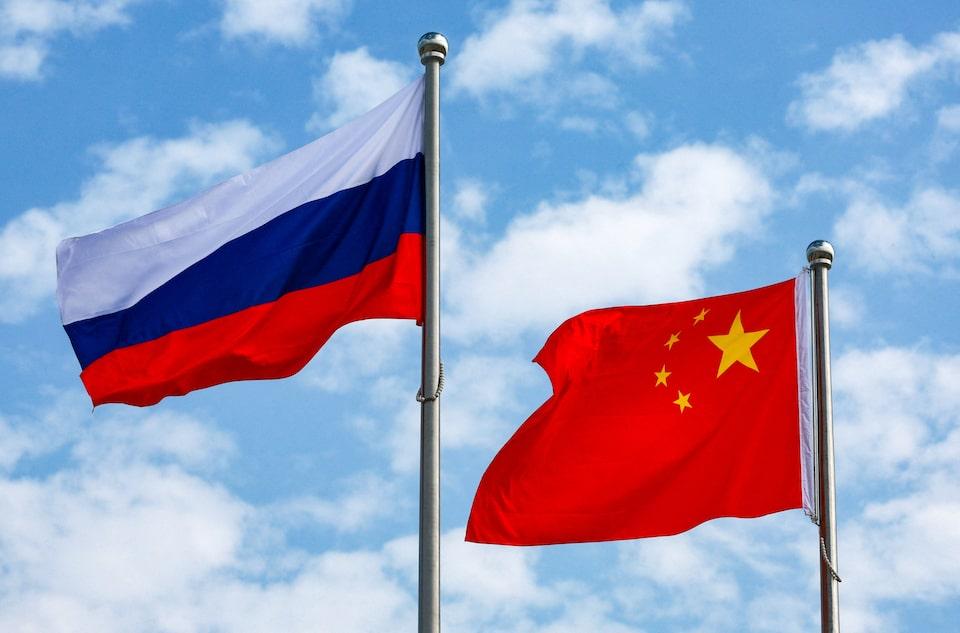
Newspaper links the pause to relatively high Russian power prices Russia says its priority is meeting rising power demand in its Far East Supplies to China from Russia had already fallen sharply MOSCOW, Jan 16 (Reuters) - China has stopped imports of electric power supplies from Russia, Kommersant newspaper reported on Friday, citing sources familiar with the situation and high prices, while Russia said it was ready to resume sales and talks were taking place. China's government did not immediately reply to a request for comment. Sign up here. Russia's energy ministry told Reuters the priority was to meet rising demand for power in Russia's Far East, but that it could resume supplies to China depending on the terms agreed. "Russia could resume electricity exports to China if it receives a corresponding request from Beijing and if mutually beneficial cooperation terms are reached," it said. It did not clarify whether the decision to halt supply was led by China or Russia. INTERRAO SAYS CHINESE CONTRACT IS VALID Russia's supplier of electric power to China, InterRAO (IRAO.MM) , opens new tab, said talks were taking place but neither side planned to terminate their contract. "At present, the parties are actively exploring opportunities for electricity trade," it said. "The Chinese side, with which we are in constant contact, has also not expressed any interest in terminating the contract." Kommersant newspaper linked the halt to higher power prices in Russia compared with China's domestic prices. InterRAO supplies power to China under a long‑term contract via interstate transmission lines in the Far East. The contract, signed in 2012, provides for the delivery of about 100 billion kilowatt-hours to China over 25 years. The transmission capacity of interstate lines connecting the Far Eastern power system with China's northeastern provinces allows for deliveries of up to 7 billion kilowatt-hours per year. However, after a record export level of 4.6 billion kilowatt-hours in 2022, Russia has been reducing supplies to China due to system constraints and a power capacity shortage in its Far East, where electricity demand is growing. In 2023, exports to China fell to 3.1 billion kilowatt-hours. In 2024 they declined further to 0.9 billion kilowatt-hours. The fall continued in 2025: in the first nine months, only 0.3 billion kilowatt-hours were delivered to China. https://www.reuters.com/sustainability/boards-policy-regulation/china-russia-talks-after-halt-power-supplies-2026-01-16/