2025-05-01 00:43
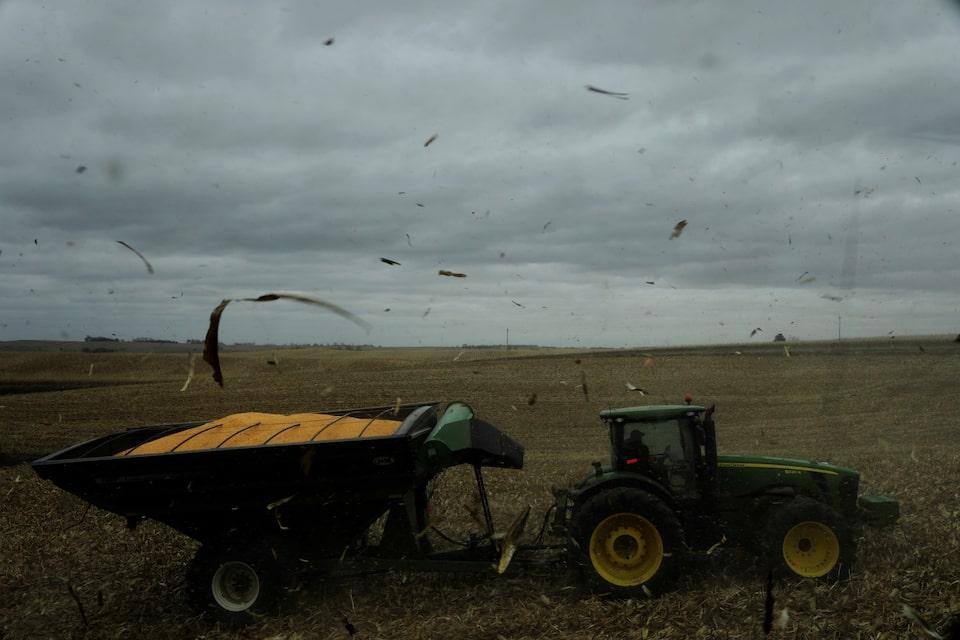
Black farmers face historical challenges in accessing capital and land ownership Trump's tariffs criticized by farm groups, threaten farmers' competitiveness Race-neutral program passed after lawsuits against Biden's debt relief initiative Black farmers' share of U.S. farms has drastically declined over the past century BOYDTON, Virginia, April 30 (Reuters) - As a fourth generation farmer, Virginia resident John Boyd Jr typically spends the busy spring season prepping his land to plant sweet corn seeds and soybeans. But Boyd, the president and founder of the National Black Farmers Association, has also been busy fielding inquiries from Black farmers anxious about the impact of President Donald Trump's sweeping tariffs. Sign up here. “The farmers are calling and saying,‘Hey, Boyd, should I plant my crop, man? This ain't looking good for us. Have you heard anything from anybody where we can get some emergency loans?” Boyd recounted in an interview, as he worked on his farm. “And it's frustrating because the answer is no. We don't have the resources to help them.” In several interviews, agricultural sociologists, public health and government and governance experts and advocates said the impact of Trump's tariffs could be more acute for Black farmers, given their historical challenges in accessing capital, retaining ownership of their land and the enduring legacy of decades of discrimination and racism. Groups representing U.S. farmers and food processors have been mostly critical of Trump's tariffs on imports, which analysts say will hike prices for consumers. The American Farm Bureau Federation, the leading farm lobby, said the tariffs threaten farmers' competitiveness and could cause long-term damage. “Everything about trade and tariffs over the past few months has just been so erratic that it is tough for businesses, for farmers, for analysts to know what's gonna happen, not only in the long term, but even from day to day or even hour to hour,” said Bill Winters, a Georgia Tech University sociology professor. Black farmers today account for less than 2% of all U.S. farmers, a share that has significantly dropped over the past century, according to a 2024 report from the U.S. Department of Agriculture’s Economic Research Service. In 1920, 41.4 million acres were operated by Black farmers. By contrast, a USDA Census of Agriculture data report found Black producers operated 32,700 farms and ranches, covering about 5.3 million acres in 2022. In a March 2021 website post affirming the agency's commitment to civil rights, former USDA secretary Tom Vilsack said the government needed to acknowledge the "USDA’s history of systemic discrimination via policies and programs designed to benefit those with access, education, assets, privilege rather than for those without." He pledged to root out systemic racism and barriers experienced by Black farmers, socially disadvantaged farmers, and poor areas in rural America. The post appears to have since been removed , opens new tab from the USDA's site. Since returning to the White House, Trump has spent the past 100 days aggressively dismantling diversity -- and civil rights -- initiatives across the federal government. “We spend most of our time just trying to survive on what's thrown at us,” Boyd said, noting that unequal access has existed regardless of who occupies the Oval Office. But he said farmers are concerned about the ripple effects of dismantling programs aimed at remedying discrimination. 'ACTION TO SUPPORT FARMERS' Farming accounts for more than a third of U.S. land. While the number of farms is dwindling and their average size growing, family-owned and operated farms still account for the vast majority of land farmed, according to USDA. A USDA spokesperson said that over the last four years, the Biden administration left the USDA "in complete disarray and dysfunction." "President Trump is taking strong action to support farmers by quickly rolling out programs like the Emergency Commodity Assistance Program that provides $10 Billion in direct assistance to producers," the USDA said in a statement. "USDA does not discriminate and single out individual farmers based on race, gender, or political orientation." The $1.9 trillion American Rescue Plan Act signed by former president Joe Biden in 2021, in part set aside billions in debt relief to help socially disadvantaged farmers -- and to address the USDA's history of discrimination. But, the program was repealed following lawsuits filed by white farmers. A subsequent race-neutral program was passed through the 2022 Inflation Reduction Act. “With tariffs right now, from a Black farmer's perspective, it really doesn't affect us because we have been shut out for 100 years,” said Corey Lea, a Tennessee farmer and advocate. Keon Gilbert, a Brookings Institution governance studies fellow and Saint Louis University public health professor, said Black farmers fear they won't receive payments awarded as part of the legislation. The tariffs, he said, could compound an already fragile situation. “What could possibly happen is we may see a continued decline in Black farms. Many of those farmers have smaller properties, smaller land, and that may all just go away," Gilbert said. Meanwhile, Boyd will continue to fight to preserve his family's multi-generational farming legacy. "By the grace of God, I'm going to plant my crops," Boyd said. https://www.reuters.com/world/us/black-us-farmers-brace-impact-amid-tariffs-turmoil-2025-04-30/
2025-04-30 23:47
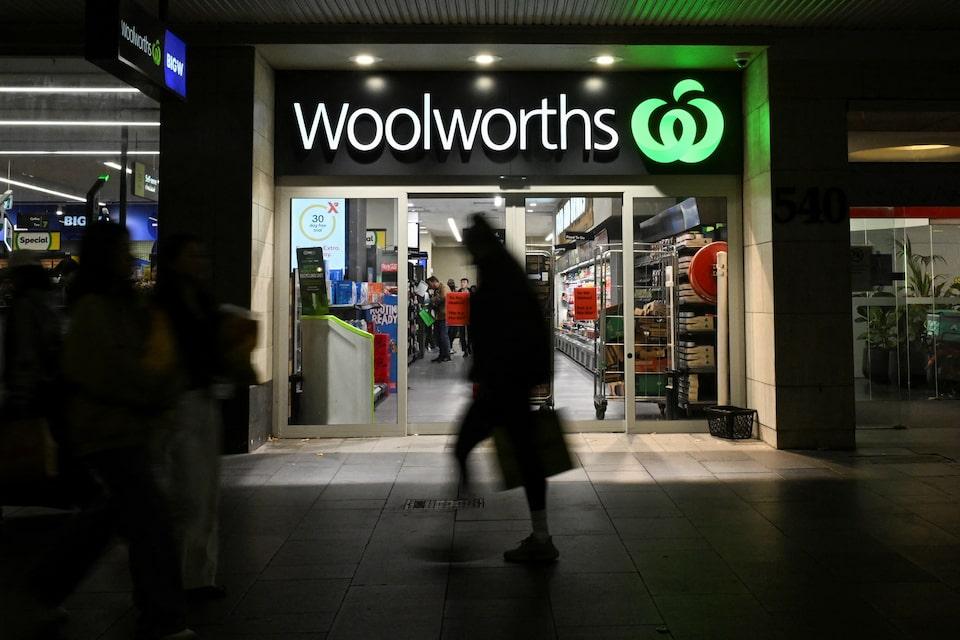
Q3 sales up 3.2% to A$17.31 billion Rival Coles edges ahead with 3.4% sales growth E-commerce and own-label sales drive growth May 1 (Reuters) - Australia’s largest supermarket chain Woolworths (WOW.AX) , opens new tab said cost-conscious shoppers were increasingly looking for cheaper alternatives amid rising living costs, spurring its push into more private-label offerings, similar to rival Coles (COL.AX) , opens new tab. Cost-of-living pressures loom as a key issue for Australians voting in a general election on May 3. Sign up here. Woolworths, which sells more than one-third of Australian groceries, posted better-than-expected third-quarter sales on Thursday, as price cuts boosted volumes in its core grocery business. Shares ended 1.2% higher at $31.94 on Thursday. Woolworths' home-label brands remained popular among customers, especially in categories offering discounts of over over 40%, CEO Amanda Bardwell said on Thursday. "We're seeing a lot of value-seeking across our grocery areas and that's where we're seeing an increasing number of products for own-brand perform particularly well," Bardwell told reporters on a call. Group sales rose by 3.2% to A$17.31 billion ($11.09 billion) in the third quarter compared to A$16.77 billion the prior year. Own-brand and e-commerce increased by 5.7% and 15.7% respectively during the period. Jesse Moors, portfolio manager at Spatium Capital, said the year-on-year growth in online sales was not a surprise given more people were opting to stay indoors, and "receiving the spending dopamine-hit via their mobile devices." Analysts at Jefferies highlighted a stronger-than-expected third quarter for both Woolworths and Coles, suggesting an improvement in market conditions. While the results showed resilience in a challenging retail landscape where cooling inflation has limited pricing power, Bardwell said customers remained concerned by rising living costs and managing budgets. Woolworths has lowered prices on over 340 products, reducing them by an average of 1.2% on everything except fruit, vegetables and tobacco. "Overall, our prices are competitive against our main competitors but there is this ongoing work we need to do," she told analysts on a conference call. Smaller rival Coles reported an increase of 3.4% year-on-year in third quarter group sales, reflecting strong growth at its supermarket business on higher volumes. Woolworths' Bardwell flagged that clothing continued to pose challenges at Woolworths' Big W operations, which runs discount department stores. "Clothing sales were driven by spring summer clearance activity with a slower start to autumn winter, which has continued into April," Bardwell said. ($1 = 1.5613 Australian dollars) https://www.reuters.com/business/retail-consumer/australias-woolworths-third-quarter-sales-rise-price-cuts-drive-volumes-2025-04-30/
2025-04-30 23:32
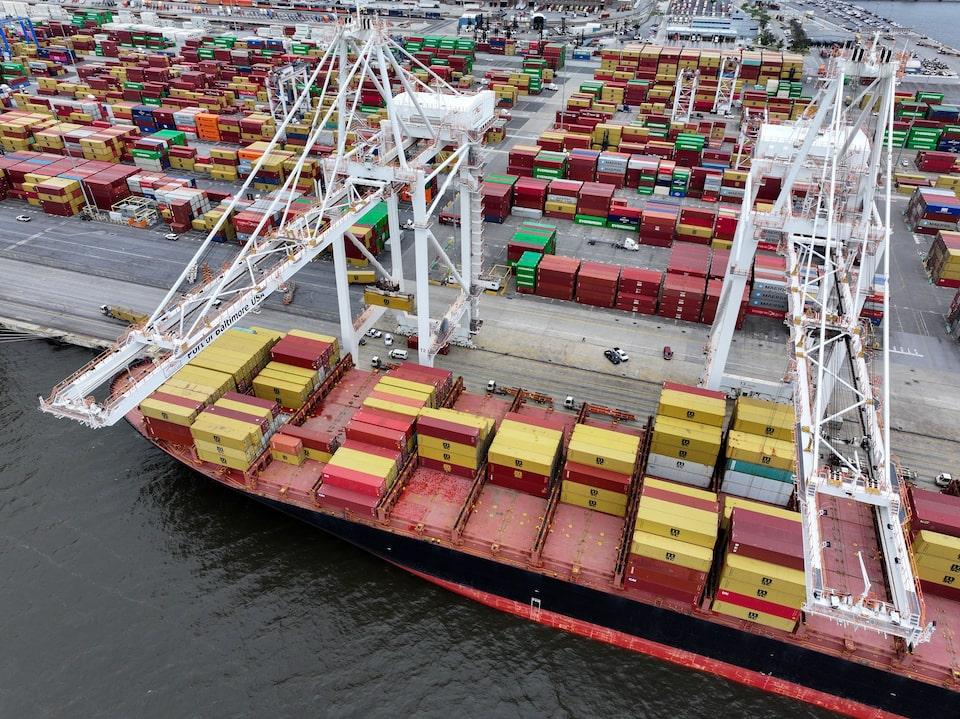
WASHINGTON, April 30 (Reuters) - The Trump administration expects to conclude initial tariff deals with some U.S. trading partners within weeks, but negotiations with India are not "finish-line close" and no official talks with China are under way, U.S. Trade Representative Jamieson Greer said on Wednesday. Greer told Fox News Channel that the Trump administration is focused on "targeted" deals aimed at increased market access for U.S. exports, reducing tariffs and non-tariff trade barriers, and enhancing U.S. economic security. Sign up here. "I would say that we have deals that are, that are close," Greer said. "As the negotiator, I don't like to negotiate in public, but I will say we're talking about a matter of weeks and not months, to have some initial deals announced." In recent days, Trump officials have said that a deal with one key unnamed trading partner had been reached but needs approval by the country's parliament and prime minister. Asked whether a deal with India was imminent, Greer said it was not "finish-line close, but I have a standing call with India's trade minister." He also cited frequent U.S.-India meetings in recent days. Greer said he would meet with representatives from Japan, Guyana and Saudi Arabia on Thursday and the Philippines on Friday and is working closely with South Korea and Britain. Greer said he is telling counterparts that they should reduce tariff levels and "take down your non-tariff barriers that stop me from sending my industrial and ag (agriculture) to your country." The U.S. is also asking them to level the playing field in digital trade, intellectual property rights, labor and environmental standards, he said. But with a record $1.2 trillion trade deficit last year, he said the U.S. will want to keep some level of higher tariffs "until that's resolved." He said there were no official talks with China taking place, although he held a call with Chinese Vice Premier He Lifeng announcing steep reciprocal tariffs on April 2. Greer said the Trump administration wants fair trade with China. "Instead of having an economy that's financed by the government, we want to make real stuff and sell it, and it means we have to deal with foreign trade practices that are harmful, including in China," Greer said. https://www.reuters.com/world/some-us-trade-deals-could-be-reached-weeks-no-china-talks-underway-ustr-greer-2025-04-30/
2025-04-30 23:14
CHICAGO, April 30 (Reuters) - Bayer (BAYGn.DE) , opens new tab is exiting the seed treatment equipment business in the United States to help the company's finances, according to an email sent to customers that was seen by Reuters on Wednesday. The German maker of drugs and farming pesticides has struggled recently with weak earnings, rising legal costs and a lagging share price. Sign up here. A spokesperson confirmed that Bayer was exiting the business, which manufactured equipment involved in the process of treating farm seeds with products like fungicides and insecticides before planting in efforts to protect crop yields. "This is a difficult decision, but necessary to help secure the financial future of the company," the email said. It added that Bayer decided to direct resources toward primary areas of strength in crop protection products. The company will begin the process of closing a seed treatment equipment manufacturing facility in Shakopee, Minnesota, over the next few months, according to the email. Bayer in 2015 opened a $12 million SeedGrowth Equipment Innovation Center in Shakopee that sought to improve research links between equipment and seed treatment products. Bayer is committed to seed treatments though it will no longer manufacture seed treatment equipment, the email said. CEO Bill Anderson has faced investor pressure to deliver on restructuring efforts and reverse what is projected to be the third consecutive annual drop in operating income in 2025. The company is lobbying U.S. states to adjust their regulations in the battle to control costly litigation targeting its herbicide glyphosate but is also prepared for a possible exit from that market, Anderson said this month. https://www.reuters.com/business/healthcare-pharmaceuticals/bayer-exit-us-seed-treatment-equipment-business-email-says-2025-04-30/

2025-04-30 22:34
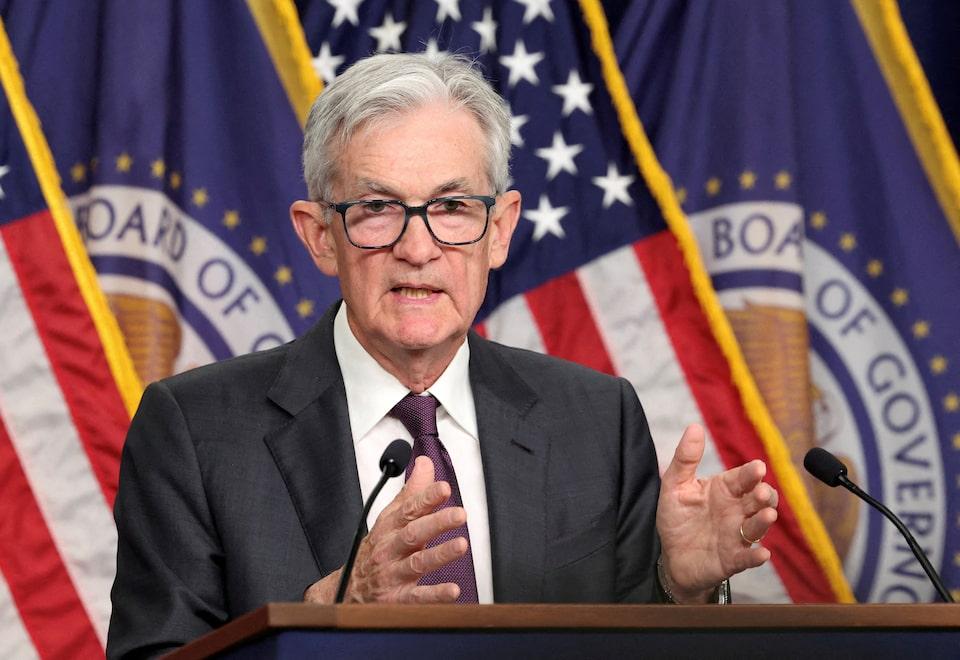
April 30 (Reuters) - U.S. President Donald Trump on Wednesday appeared to suggest he knew more about interest rates than Federal Reserve Chairman Jerome Powell and that rates should be cut. "Mortgage rates are actually down slightly even though I have a guy in the Fed that I'm not a huge fan of," Trump said at a White House event. Sign up here. "He should reduce interest rates. I think I understand interest a lot better than him, because I've had to really use interest rates." https://www.reuters.com/world/us/trump-appears-suggest-he-knows-more-about-interest-rates-than-feds-powell-2025-04-30/
2025-04-30 22:16
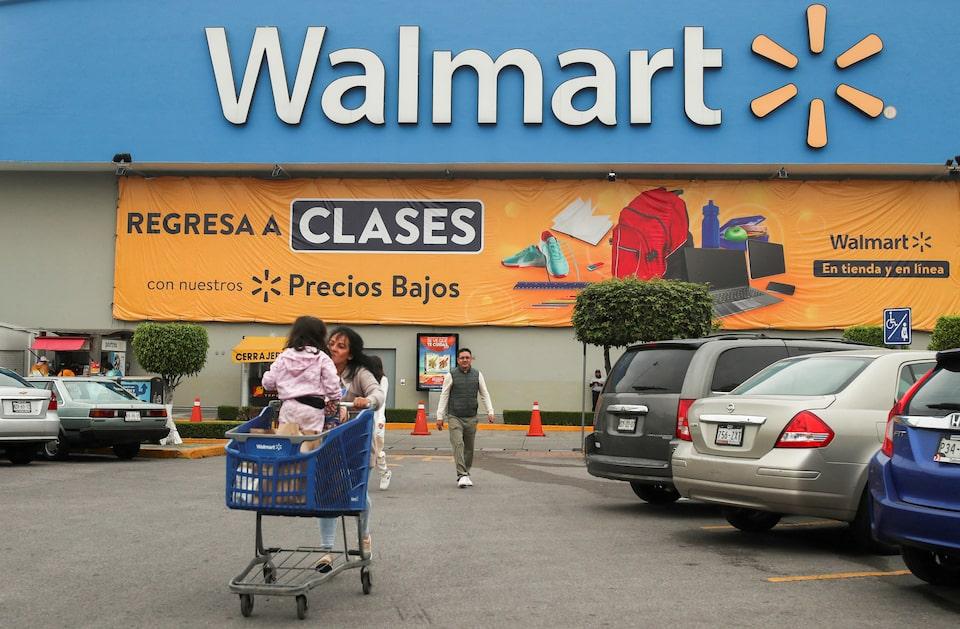
MEXICO CITY, April 30 (Reuters) - Consumption and foot traffic at Walmart's Mexico unit (WALMEX.MX) , opens new tab has begun to pick up in the second quarter, the firm's finance chief said on Wednesday. "As we look to April, we already see improvements in terms of consumption ... on a like-for-like basis," CFO Paulo Garcia told analysts in a call to review the firm's first quarter results. Sign up here. Garcia added that the increase had led the firm to hold its outlook for sales growth for the full year at 6% to 7%, after a weaker-than-expected first quarter. https://www.reuters.com/business/retail-consumer/consumption-walmarts-mexico-unit-picking-up-second-quarter-2025-04-30/