2025-04-25 18:43
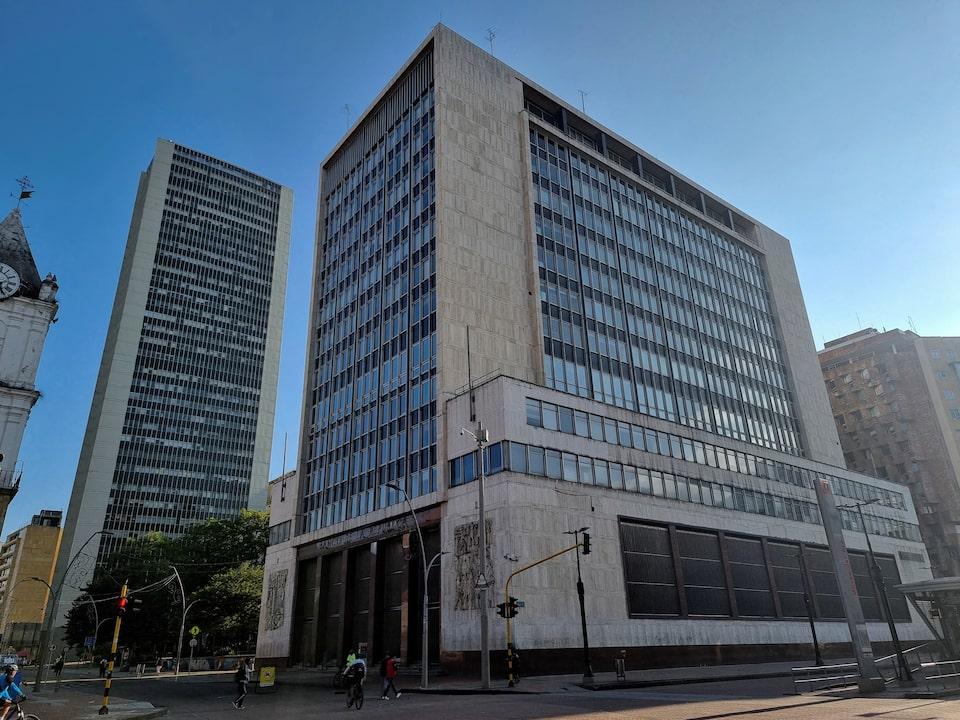
April 25 (Reuters) - Colombia's central bank should leave its benchmark interest rate unchanged in its meeting next week, a Reuters poll predicted on Friday, as inflation is expected to remain above target amid global trade uncertainty and weak public finances. Sixteen of 24 analysts polled by Reuters predicted the monetary authority would hold the rate at 9.5%, while six analysts forecast a 25-basis-point cut to 9.25% and two estimated a 50-basis-point cut to 9.0%. Sign up here. If the majority are correct, that would mark the central bank's third-consecutive rate hold since it kicked off a rate-cutting cycle in December 2023. "Greater global risk aversion and lower oil prices are two immediate factors which make the Colombian economy more vulnerable," investment firm Corfi said. "That's been reflected in the depreciation of the peso, the public debt market's volatility and the higher country risk premium." Meanwhile, some board members are still concerned about fiscal stability and growing inflationary risks, Corfi added. Annual inflation eased in March to 5.09%, though that was still above the central bank's target of 3%, plus or minus one percentage point. A rate hold would likely be passed by a narrow majority of the central bank's seven-member board, analysts said. President Gustavo Petro has repeatedly criticized the authority, alleging the rate holds were politically motivated tactics to harm his government. Central bank head Leonardo Villar dismissed Petro's accusations earlier this month. "Despite the fiscal risk and the international volatility, Colombia still has access to financing," said Jackeline Pirajan, Scotiabank's chief Colombia analyst. That "continues to generate pressures on the fiscal side, but leaves the central bank some room to adjust its rate," she added. Analysts also see fewer cuts to the rate in coming months. They now on average expect the benchmark rate to end this year at 8.25%, compared to the 7.75% predicted in the previous survey, and to end 2026 at 6.75% compared to a previous forecast of 6.50%. https://www.reuters.com/markets/rates-bonds/colombias-central-bank-expected-hold-rates-despite-government-pressure-2025-04-25/
2025-04-25 18:02
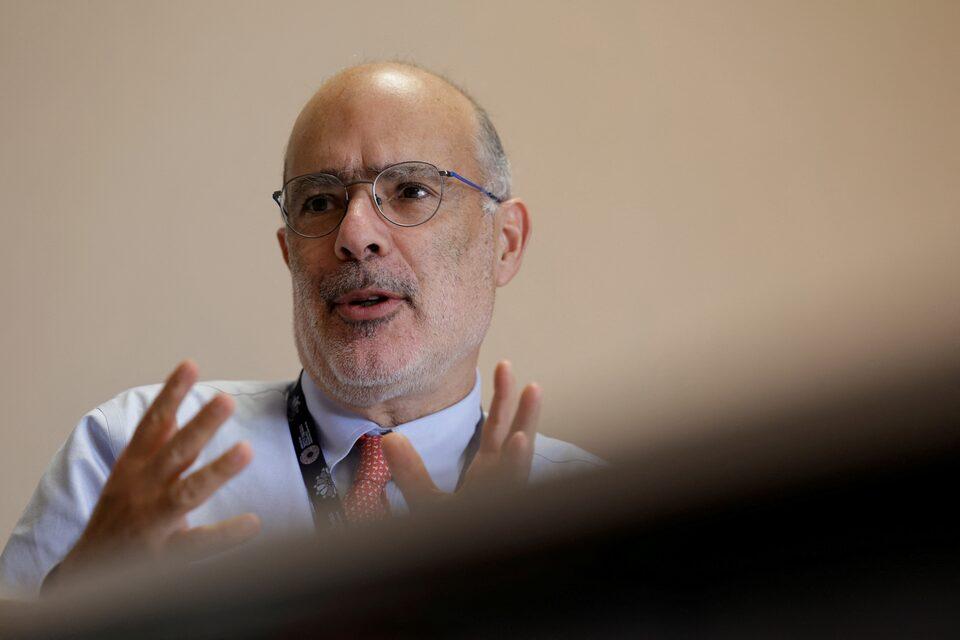
April 25 (Reuters) - Economic growth in Latin America and the Caribbean is expected to slow this year partly weighed by political and trade uncertainty and the impact of tariffs, an IMF official said on Friday. Earlier this week, the International Monetary Fund said it expects economic output growth in Latam and the Caribbean to decelerate in 2025 to 2.0% from last year's 2.4% expansion. In January, the estimate was for a 2.5% growth rate. Sign up here. "Today’s economic landscape is shaped by a complex interplay of global factors ranging from tariffs and value chain disruptions to commodity price and financial market volatility, and policy uncertainty," said in prepared remarks Rodrigo Valdes, head of the IMF's Western Hemisphere Department. "The impact of these factors on growth is largely negative, even if trade diversion could benefit some countries." He said even if U.S. tariffs to the region are relatively low, commodity prices could fall weighed by slower global growth. "With this in mind, we see downside risks to growth and upside risks to inflation," Valdes said during the IMF's regional outlook for Latin America and the Caribbean. He said the region should allow its currencies to float and absorb external shocks, and that countries must focus on the high public debt levels amid the combination of rising financing costs and low growth. "Fiscal consolidation should continue without further delays, while protecting priority public investment and social spending. Strengthening current fiscal rules would help deliver on these objectives, enhancing the credibility of policy frameworks," Valdes said. https://www.reuters.com/markets/us/latam-caribbean-slow-growth-has-downside-risks-says-imf-2025-04-25/
2025-04-25 17:41
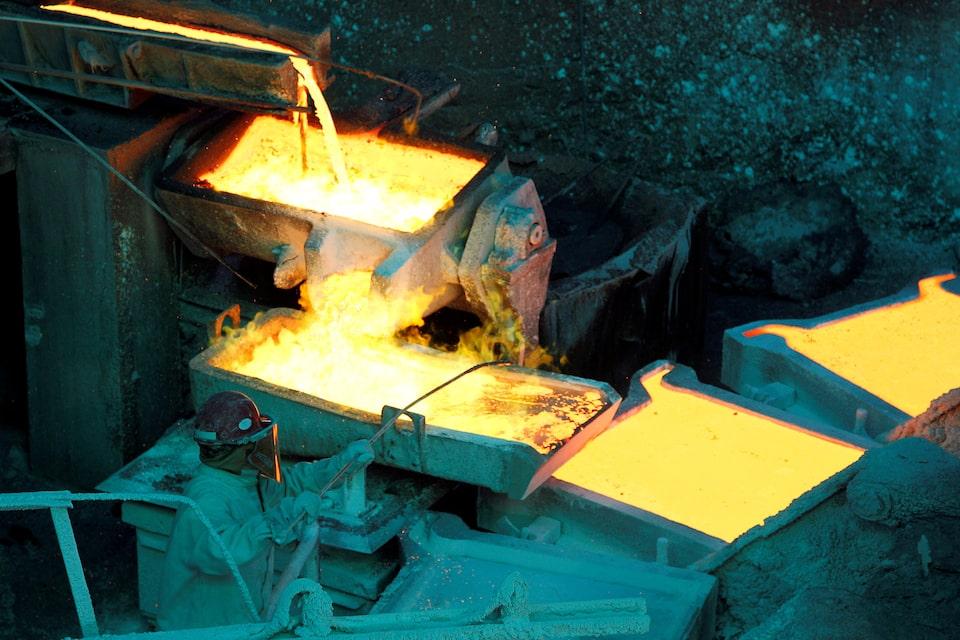
SANTIAGO, April 25 (Reuters) - Chilean miner Codelco, the world's largest copper producer, on Friday reported a slight bump in production in the first quarter, though the boost was not enough to offset exchange-rate effects, which caused its profits to tumble. Codelco posted a 53% drop in pre-tax profit compared to a year ago, slipping to $213 million for the first three months of the year. Sign up here. The state-owned miner said its own output ticked up 0.3% totaled to 296,000 metric tons, with total production including its stakes in Freeport's El Abra, Anglo American Sur and Teck's Quebrada Blanca rising 1.6% to 324,000 metric tons. The miner is targeting copper production between 1.37 million tons and 1.4 million tons this year, as it aims to boost output for the second year in a row after slipping to a quarter-century low in 2023. Output in the quarter was dragged down by rains and a nationwide blackout in February, which reduced refined copper production by 10,000 tons, Codelco said. Core earnings, or earnings before interest, taxes, depreciation and amortization (EBITDA), fell nearly 12% to $1.35 billion as the local peso currency lost ground, Codelco said. The Chilean peso appreciated by 2.76% from the end of March 2024 to the end of March this year. Codelco added that it had faced rising costs due to planned mine and plant maintenance, as well as higher operating costs for equipment leasing, which where partially offset by lower input prices, including for power and fuel. The miner said that at its El Teniente mine, the Andesita section is expected to kick off production in the second quarter with Andes Norte following in the third. Ramp-up of the concentrator at Rajo Inca, in Codelco's Salvador Division, is expected to be completed in the third quarter. https://www.reuters.com/markets/commodities/chilean-miner-codelcos-pre-tax-profit-tumbles-fx-effects-2025-04-25/
2025-04-25 17:25
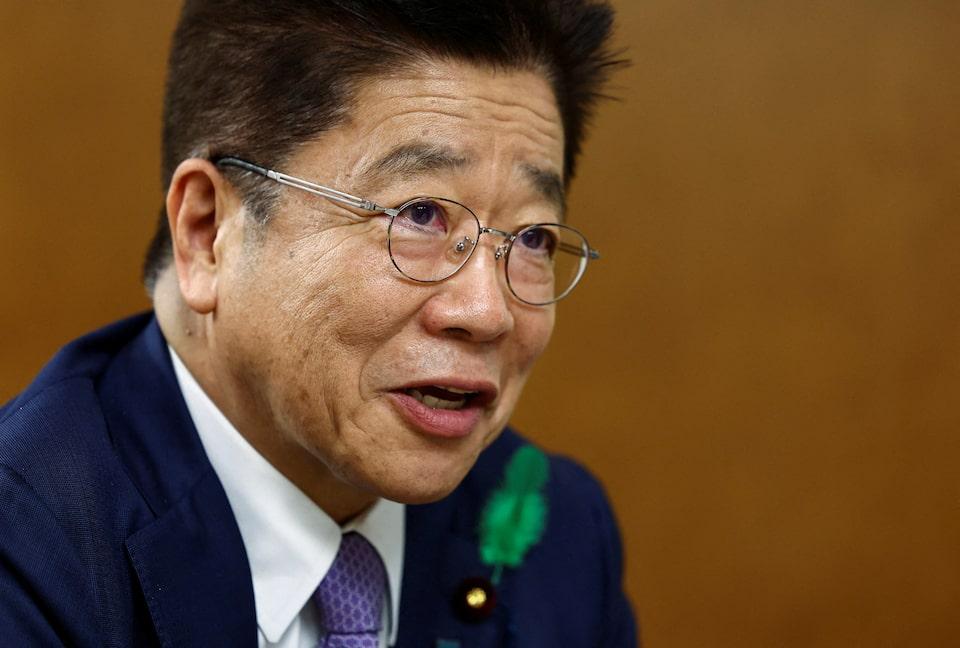
Japan's finance minister tight-lipped on meeting with US Treasury's Bessent Kato says currency talks will be tied to trade negotiations Analysts see remark as leaving scope for US pressure on yen Kato said he explained Japan's wage, inflation issues to Bessent Remark suggests BOJ rate hikes remain in focus, analysts say WASHINGTON, April 25 (Reuters) - Japan may have averted U.S. pressure for a stronger yen in bilateral finance talks on Thursday, but a closer look at officials' descriptions of the meeting suggests currencies and the Bank of Japan's interest rate policy may remain key factors in broader trade negotiations. Speaking to reporters after his first face-to-face talks with U.S. Treasury Secretary Scott Bessent on Thursday, Japanese Finance Minister Katsunobu Kato said they did not discuss exchange-rate targets or a framework to manage yen rates. Sign up here. There was no accusation made by the U.S. that Japan was intentionally weakening the yen, according to a Japanese finance ministry official who accompanied Kato. But Kato was tight-lipped on the details of the 50-minute meeting with Bessent, which was held on the sidelines of the International Monetary Fund and World Bank spring meetings in Washington. When asked whether the U.S. made any specific requests to Japan, Kato said: "I can't comment because that goes straight into actual discussions." Still, there were some hints. For one, Kato said Japan and the U.S. will continue close and constructive dialogue on exchange rates "in relation to the ongoing bilateral trade negotiations" - language some analysts saw as a sign Washington could make demands on the yen as part of broader trade talks. The meeting preceded top Japanese trade negotiator Ryosei Akazawa's scheduled visit to Washington next week for a second round of bilateral trade talks that may prove tortuous for the U.S. President Donald Trump's focus on addressing the U.S. trade deficit and his past remarks accusing Japan of intentionally maintaining a weak yen, have fueled market expectations that Tokyo will face pressure to strengthen the yen's value against the dollar and give U.S. manufacturers a competitive advantage. "President Trump strongly believes that Japan and China have been intentionally depreciating their currencies. There's little sign of him changing that view, so markets remain cautious," said Tsuyoshi Ueno, senior economist at NLI Research Institute. "If next week's trade negotiations between Akazawa and Bessent do not go well, Washington's attention could turn towards exchange rates again," he said. The Treasury Department said in a readout on Friday that Bessent and Kato had held productive discussions across a broad range of bilateral issues, including reciprocal trade. They "affirmed their intention to continue their ongoing close consultations regarding issues related to exchange rates," it said. BOJ RATE HIKES Another key sign was Kato's remark that he explained to Bessent Japan's recent economic developments "including wage hikes." He added that in doing so, he also talked about Japan's "price developments." That suggests discussions may have touched upon Japan's monetary policy, as both wages and prices are key to the timing and pace of further interest rate hikes by the BOJ. Sources have told Reuters the slow pace at which the BOJ is raising borrowing costs from ultra-low levels could come under fire in bilateral trade talks. Steady rises in wages and inflation were key to the BOJ's decision to exit a massive stimulus last year and raise its short-term interest rate to 0.5% in January. With inflation exceeding its 2% target for three consecutive years and big firms continuing to offer bumper pay hikes this year, the BOJ has signaled its readiness to keep raising rates. But the central bank's rate-hike path has been complicated by Trump's tariffs, which threaten to derail Japan's fragile economic recovery and have prodded analysts to push back the expected timing of the next rate increase. While warning of heightening economic uncertainty, BOJ Governor Kazuo Ueda on Thursday repeated the central bank's readiness to keep hiking rates. "It's notable that Kato and Bessent likely discussed Japan's wage developments," said Katsuhiro Oshima, chief economist at Mitsubishi UFJ Morgan Stanley Securities, adding that Ueda's remarks suggest the BOJ remains on course to hike rates. "Wage hikes would be a win for Japan's economy, a win for the U.S. from the perspective of exchange rates, a win for Japanese households which will see purchasing power increase, and a win for the BOJ by making it easier to raise rates." https://www.reuters.com/business/finance/yen-bojs-rate-policy-may-remain-focus-japan-us-trade-talks-2025-04-25/
2025-04-25 16:01
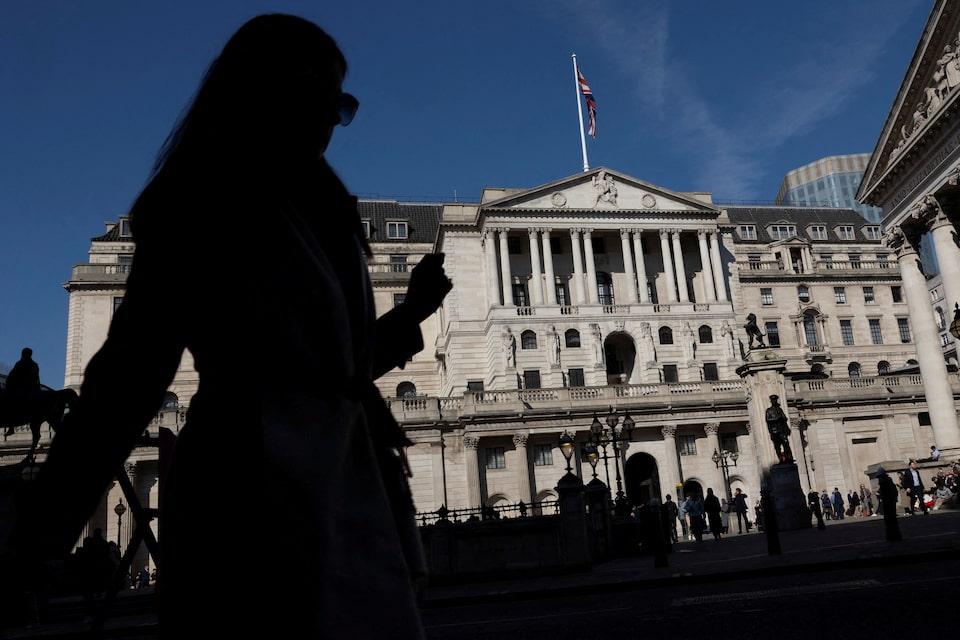
WASHINGTON, April 25 (Reuters) - Bank of England policymaker Megan Greene said U.S. President Donald Trump's tariffs would probably lead to lower rather than higher inflation in Britain but big uncertainties remained about the plan and the impact of a recent UK tax hike for employers. "We have tariffs, and none of us have any idea what they'll look like when the dust finally settles," Greene said in a discussion with the Atlantic Council think tank on the sidelines of the International Monetary Fund's spring meeting. Sign up here. "In my mind, the risk space has changed a little bit. So I think the risk is now on the disinflationary side. So I think that tariffs on the UK would, on net, be more disinflationary than they are inflationary," she added. Asked about what she was looking at ahead of the BoE's interest rates meeting next month, Greene said she was concerned about Britain's weak productivity growth and supply-side constraints on the economy. "There's also a big uncertainty around the implications of the budget on the economy, and particularly higher labour costs," she said. Labour costs for British firms rose this month when finance minister Rachel Reeves' increase in social security contributions came into effect. The minimum wage also went up by almost 7%. Earlier this week, BoE Governor Andrew Bailey said the central bank had to take the risk to growth from the global trade tensions "very seriously", given Britain's reliance on foreign trade and investment. Financial markets assigned a 96% probability to the BoE cutting rates by a quarter-point to 4.25% when it announces its next move on May 8. Greene also said weaker growth in Britain's economy should help to bring inflation back to the BoE's 2% target. The labour market was weakening only slowly but wage growth should come down, she added. https://www.reuters.com/sustainability/sustainable-finance-reporting/trump-tariffs-likely-push-down-uk-inflation-boes-greene-says-2025-04-25/
2025-04-25 12:52
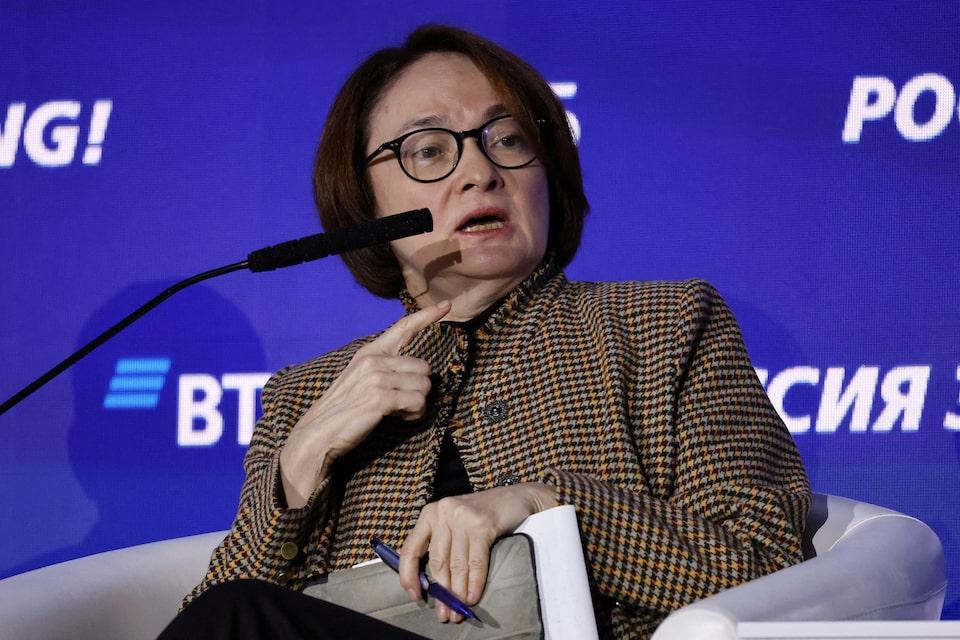
MOSCOW, April 25 (Reuters) - Russian Central Bank Governor Elvira Nabiullina and her deputy Alexei Zabotkin addressed a news conference on Friday after the central bank held its key rate at 21%, as expected. Nabiullina and Zabotkin spoke in Russian. The quotes below were translated into English by Reuters. Sign up here. NABIULLINA ON RATE DECISION "We had a broad consensus to keep the rate on hold. We discussed, rather, the nuances of the signal." "Some time ago we identified some triggers that would allow us to raise the issue of lowering the key rate...We analyse a wide range of factors and trends, but first of all we pay attention to a truly steady decline in current inflation, a steady decline in inflation expectations." "We have also noted the slowdown in consumer activity, consumer lending, reduced tension in the labour market and the absence of pro-inflationary shocks from the budget or external conditions. In terms of these factors, we already see some evidence of momentum, but we need more confidence that all of this is sufficiently sustainable. Although, compared to the last (rate-setting) meeting, many processes probably look more steady now." NABIULLINA ON INFLATION "...We passed the peak (of inflation) in the fourth quarter...But the turning point and the transition to a decline in annual inflation, in our opinion, will occur in May...Some increase in inflation is possible in July". NABIULLINA ON THE ROUBLE EXCHANGE RATE "We tend to attribute a larger part of the strengthening that has occurred since the beginning of the year to more stable factors, primarily related to the action of tight monetary policy...this part of the rouble strengthening is part of the process of disinflation, more restrained dynamics of demand, greater attractiveness of the rouble as a means of saving." "But we are still not ready to attribute all the strengthening of the rouble to the monetary policy action...The news background related to geopolitics makes its own contribution. And in this regard it is probably premature to talk about the sustainability of the strengthening of the exchange rate. Here we need not only market expectations, but also actual shifts." *NABIULLINA ON TARIFFS "The situation is developing dynamically, and we will have to keep track of what level of import tariffs will eventually emerge. We have taken into account the factor of trade wars in our forecast - we have lowered the growth rate of the world economy, we have slightly reduced the estimate of oil prices. Because the main channel of influence of these tariff wars on the Russian economy is a decrease in prices for the main goods of our exports. The other effects, in our opinion, are more limited, given the structure of foreign trade and the fact that there are restrictions on financial flows." "The volume of Russian exports to the U.S. is insignificant and there is no need to stimulate domestic demand to replace the falling external demand in these conditions. So for us the direct impact is minimal. For us, the impact of tariffs is more indirect, primarily through weaker global demand, lower global commodity prices - and this is a pro-inflationary risk." *ZABOTKIN ON TARIFFS "Obviously, the impact of trade wars will strongly depend on the scale of protectionist measures and the fragmentation of world trade that will eventually emerge. This is a factor of considerable uncertainty relative to our baseline forecast. The current picture has not led to a significant change in the baseline forecast to date." https://www.reuters.com/markets/europe/russias-nabiullina-rates-inflation-rouble-tariffs-2025-04-25/