2025-04-24 22:03
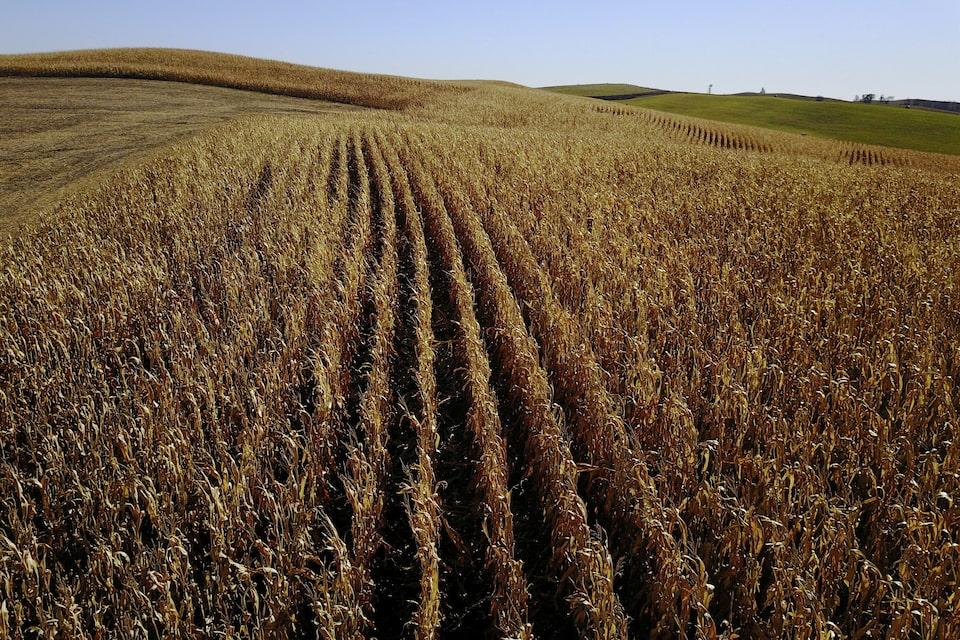
NAPERVILLE, Illinois, April 24 (Reuters) - Back for their eighth edition, the U.S. Crop Watch producers are off to their quickest-ever start on planting their corn and soybean fields. However, trade conflicts with top U.S. soybean and sorghum buyer China have a couple of farmers adding a bit more corn than originally planned. Sign up here. Crop Watch follows 11 corn and 11 soybean fields across nine U.S. states, including two each in Iowa and Illinois. This is the project’s eighth consecutive year, featuring the same producers and locations. In 2021, Crop Watch was expanded to 11 producers from eight previously. As of Thursday, nine of the 22 Crop Watch fields were planted, the most for the date since the 11-field format began. That includes five corn and four soybean fields. However, that pace may briefly stall out because some producers are waiting for topsoil to dry out after recent rains. The next batch of Crop Watch plantings is targeted for next week. LITTLE MORE CORN Relatively low soybean prices already have U.S. farmers planning to ditch soybean acres at the steepest year-on-year rate in 18 years. Recently escalating trade tensions between Washington and Beijing have added extra acreage confusion in areas of the Corn Belt that are less locked in to corn-soybean rotations. Within the last two months, the North Dakota Crop Watch producer has switched some soybean acres over to corn and barley, and the Kansas producer replaced some sorghum acres with corn. In addition to poor Chinese demand, domestic sorghum demand has also lagged. Only one other producer noted the addition of a few more corn acres than previously expected, but this is unrelated to the trade war. The remaining eight growers did not change acreage plans. The U.S. Department of Agriculture’s March survey revealed farmers’ intentions to plant 95.3 million acres of corn this year, a 12-year high. Many market participants have been bracing for even larger corn acres, potentially at the expense of soybeans. PLANTING PACE As of Thursday, four of the producers reported normal planting paces in their areas, three said normal-to-fast, and two reported normal-to-slow. Dryness in South Dakota has facilitated a quick pace there, but excessive rains in southeastern Illinois have put fieldwork notably behind schedule. USDA estimates that 12% of U.S. corn was planted as of Sunday, similar to the previous two years and slightly ahead of the five-year average. Soybeans at 8% planted were ahead of normal. LOOKING AHEAD The Crop Watch producers were asked about their biggest concerns ahead of the 2025 growing season, and the top issue was abundantly clear: weather. With production costs mostly steady on the year, lower commodity prices mean that growers need big yields to help them turn a profit. This requires favorable summer weather, though a handful of areas have been dry over the longer-term despite recent showers. Some forecasts have called for potential drought conditions this summer, primarily focused on the western Corn Belt. The western Crop Watch growers report soils are mostly dry right now, making for good planting conditions but raising some background concern. Uncertain U.S. trade policy has also been a source of unease for some Crop Watch producers, but the primary focus is on maximizing their own output. Weekly Crop Watch reports, which include crop ratings, weather updates and photos, will begin after the subject fields have emerged. Producers will continue to provide commentary on any upcoming shifts in the U.S. agricultural markets, especially if any new trade or biofuel policies emerge. Karen Braun is a market analyst for Reuters. Views expressed above are her own. https://www.reuters.com/markets/commodities/crop-watch-trade-war-jitters-may-add-some-corn-acres-braun-2025-04-24/
2025-04-24 21:53
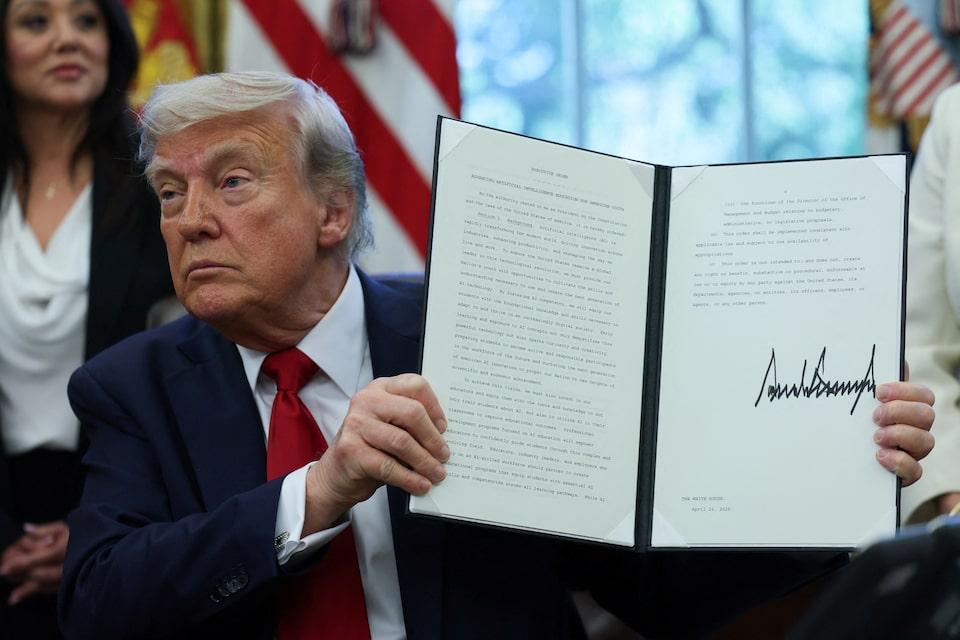
Trump signs EO boosting deep-sea mining industry in latest attempt to combat rival China. The order seeks to expedite permits in coastal waters of the US, while working will allies to share international resources. More than 1 billion metric tons of nodules estimated in U.S. waters Conservationists worry about harm to aquatic ecosystems April 24 (Reuters) - President Donald Trump on Thursday signed an executive order aimed at boosting the deep-sea mining industry, marking his latest attempt to boost U.S. access to nickel, copper and other critical minerals used widely across the economy. The order , opens new tab, which Trump signed in private, seeks to jumpstart the mining of both U.S. and international waters as part of a push to offset China's sweeping control of the critical minerals industry. Sign up here. Reuters first reported last month that the order was under deliberation. Parts of the Pacific Ocean and elsewhere are estimated to contain large amounts of potato-shaped rocks known as polymetallic nodules filled with the building blocks for electric vehicles and electronics. More than 1 billion metric tons of those nodules are estimated to be in U.S. waters and filled with manganese, nickel, copper and other critical minerals, according to an administration official. Extracting them could boost U.S. GDP by $300 billion over 10 years and create 100,000 jobs, the official added. "The United States has a core national security and economic interest in maintaining leadership in deep-sea science and technology and seabed mineral resources," Trump said in the order. The order directs the administration to expedite mining permits under the Deep Seabed Hard Minerals Resource Act of 1980 and to establish a process for issuing permits along the U.S. Outer Continental Shelf. It also orders the expedited review of seabed mining permits "in areas beyond the national jurisdiction," a move likely to spark friction with the international community. The International Seabed Authority - created by the United Nations Convention on the Law of the Sea, which the U.S. has not ratified - has for years been considering standards for deep-sea mining in international waters, although it has yet to formalize them due to unresolved differences over acceptable levels of dust, noise and other factors from the practice. Supporters of deep-sea mining say it would lessen the need for large mining operations on land, which are often unpopular with host communities. Environmental groups are calling for all activities to be banned, warning that industrial operations on the ocean floor could cause irreversible biodiversity loss. "The United States government has no right to unilaterally allow an industry to destroy the common heritage of humankind, and rip up the deep sea for the profit of a few corporations," said Arlo Hemphill of Greenpeace, which opposes the practice. Any country can allow deep-sea mining in its own territorial waters, roughly up to 200 nautical miles from shore, and companies are already lining up to mine U.S. waters. Impossible Metals earlier this month asked the administration to launch a commercial auction for access to deposits of nickel, cobalt and other critical minerals off the coast of American Samoa. Shares of The Metals Company (TMC.O) , opens new tab - among the most prominent of deep-sea mining companies - rose on Thursday by roughly 40% to hit a 52-week high of $3.39 per share after the Reuters report earlier in the day on the executive order. "With a stable, transparent, and enforceable regulatory pathway available under existing U.S. law, we look forward to delivering the world's first commercial nodule project, responsibly and economically," said Gerard Barron, CEO of the company, which aims to extract nodules from a vast plain of the Pacific Ocean between Hawaii and Mexico known as the Clarion-Clipperton Zone. Beyond The Metals Company, others eyeing deep-sea mining include California-based Impossible Metals, Russia's JSC Yuzhmorgeologiya, Blue Minerals Jamaica, China Minmetals, and Kiribati's Marawa Research and Exploration. OTHER MINING STEPS U.S. access to critical minerals - especially those produced by Chinese companies - has dwindled in recent months as Beijing has limited exports of several types. That, in turn, has ratcheted up pressure on Washington to support efforts to boost domestic mining. Last week, Trump officials fast-tracked permitting on 10 mining projects across the United States and implemented an abbreviated approval process for mining projects on federal lands. The administration also said it would approve one of the country's largest copper mines. Trump's Thursday order uses the term "rare earths" to broadly refer to all critical minerals and is not meant to imply the administration believes the nodules contain neodymium and the 16 other rare earths, the administration official said. https://www.reuters.com/business/energy/trump-expected-sign-deep-sea-mining-executive-order-thursday-sources-2025-04-24/
2025-04-24 21:51
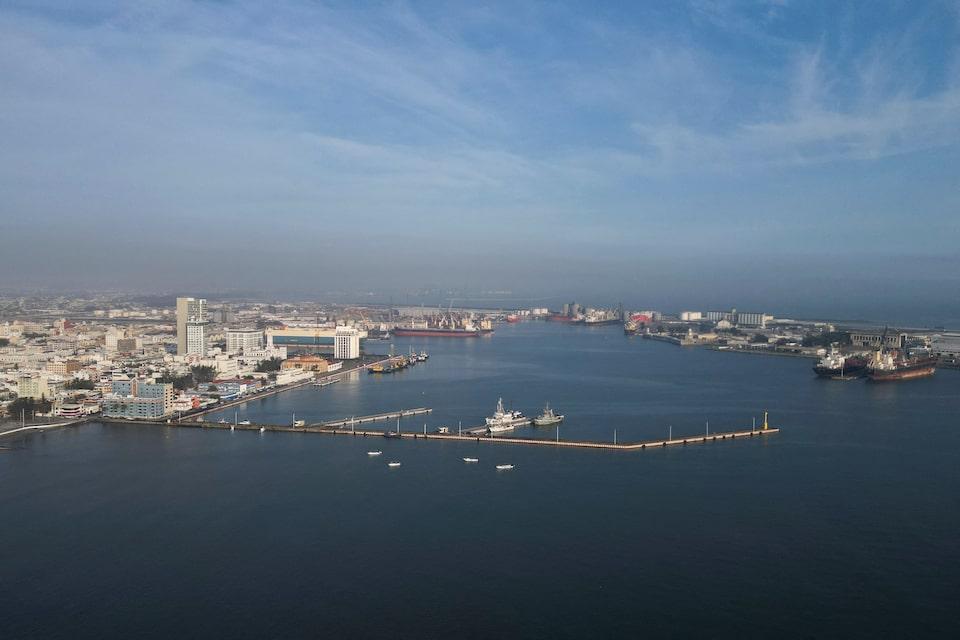
WASHINGTON, April 24 (Reuters) - The U.S. Interior Department said on Thursday it has implemented new guidelines for allowable pressure differences in a certain type of oil drilling in part of the Gulf of Mexico, changes it expects can boost U.S. oil output. President Donald Trump's new Energy Dominance Council led by Interior Secretary Doug Burgum is looking for ways to cut costs for oil and gas producers, cut regulations and boost oil output, which reached record levels under former President Joe Biden. Sign up here. Under the new rules, operators working in the Wilcox rock formation under part of the waters that Trump has renamed the Gulf of America, can produce oil from multiple offshore reservoirs using greater pressure differences. The rules on so-called downhole commingling between reservoirs in the Paleogene expand the allowable pressure differential from 200 pounds per square inch to 1500 psi. Interior expects the changes can boost output by 100,000 barrels per day of oil from the region over 10 years. "This is a monumental milestone in achieving American Energy Dominance," said Burgum. "We're delivering more American energy, more efficiently, and with fewer regulatory roadblocks." The producers must meet conditions including pressure monitoring and regular performance reporting, Interior's Bureau of Safety and Environmental Enforcement said. Late in the Biden administration, the bureau rolled out safety rules for offshore drillers as breakthrough technology enables them to operate under extreme subsea pressures. The high pressures could unlock billions of barrels in untapped oil reserves around the world, but some safety concerns have loomed. The Biden-era rules came after Chevron (CVX.N) , opens new tab started production at its Anchor asset, owned with TotalEnergies (TTEF.PA) , opens new tab, which was the first ever project to operate at 20,000 psi of pressure, reaching reservoir depths of 34,000 feet (10,363 m). https://www.reuters.com/business/energy/us-aims-boost-offshore-oil-drilling-by-easing-pressure-rules-2025-04-24/
2025-04-24 21:45
WASHINGTON, April 24 (Reuters) - U.S. banking regulators announced on Thursday they were pulling back several documents that urge banks to show caution when dabbling in cryptocurrency and related activities. The Federal Reserve said it was withdrawing a pair of supervisory letters stipulating that banks should seek advance approval from regulators before engaging in crypto-asset and stablecoin activities. Sign up here. In addition, the Fed joined the Federal Deposit Insurance Corporation and Office of the Comptroller of the Currency in withdrawing a pair of 2023 statements urging banks to be vigilant around crypto-related risks. Under the prior guidance, regulators warned banks to be wary of volatility, legal uncertainty and liquidity risks when considering whether to provide crypto-related services or take on crypto companies as clients. Scrapping that guidance marks the latest move by the Trump administration to strike a more crypto-friendly stance. In its statement announcing the changes, the Fed said regulators would be looking into whether new guidance to "support innovation, including crypto-asset activities, is appropriate." In March, the OCC was the first US regulator to move to make it easier for banks to engage in crypto activities, similarly moving to scrap guidance adopted under the previous administration urging banks to be cautious in the space. https://www.reuters.com/sustainability/boards-policy-regulation/us-bank-regulators-pull-back-guardrails-bank-crypto-activities-2025-04-24/

2025-04-24 21:29
April 24 (Reuters) - Weyerhaeuser (WY.N) , opens new tab beat Wall Street estimates for first-quarter profit on Thursday, as the lumber firm was helped by robust domestic demand. According to U.S. government data released on Wednesday new home sales surged to a six-month high in March, as buyers hurried to capitalize on declining mortgage rates, benefiting firms like Weyerhaeuser which supply lumber for new home construction. Sign up here. The company owns about 10.5 million acres of timberlands across the U.S., primarily in the West, South, and Northeast. Last year, Weyerhaeuser acquired 84,300 acres of timberlands in Alabama through three transactions totaling $244 million. The company's Timberlands segment reported quarterly adjusted core profit of $167 million for the January-March quarter, up 16% from a year earlier. However, in March, Weyerhaeuser said that its operations could be significantly impacted by changes in tariffs, duties, taxes, or customs due to shifts in U.S. and foreign trade policies. The Seattle, Washington-based company further warned that U.S. import tariffs could raise its costs for products and raw materials. If it can't pass these costs to customers, it might face financial difficulties and may have to close facilities. Weyerhaeuser said it expects second-quarter adjusted core profit will be about $15 million lower than the first quarter in the Timberlands segment. The company reported an adjusted profit of 11 cents per share for the quarter ended March 31, beating analysts' average estimate by 1 cent, according to data compiled by LSEG. https://www.reuters.com/business/weyerhaeuser-beats-first-quarter-profit-estimates-strong-domestic-demand-2025-04-24/

2025-04-24 21:14
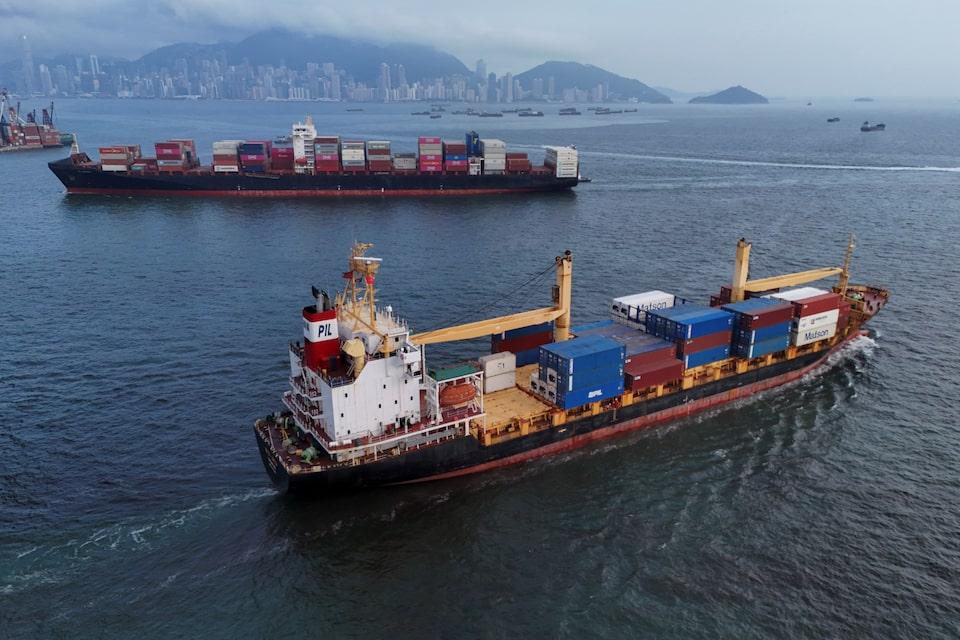
A 2025 drop in global container shipping volume would be third since 1979, Drewry said If two-thirds of current U.S. tariffs remain in place, U.S. imports from China could fall 40%, Drewry said U.S. imports from other countries could partly offset the China drop, Drewry said NEW ORLEANS, April 24 (Reuters) - Maritime consultancy Drewry said on Thursday it expects global container port volume to fall 1% as a direct result of U.S. trade policies. That would be the third drop in global container shipping demand since London-based Drewry began collecting that data in 1979. Container volume fell 8.4% during the global financial crisis in 2009 and 0.9% in 2020 when the COVID pandemic was declared. Sign up here. The Trump administration's current policy includes blanket tariffs of 10% on goods from most countries and 145% import duties products from China. China and other countries have hit back with tariffs on U.S. goods. "Assuming that 2/3 of current tariffs remain in place, U.S. imports from China could fall by 40%," the consultancy said in a slide presentation. China dominates U.S. imports of consumer goods, industrial products and furniture. Relocation of Chinese production to countries facing much lower tariffs could offset some of the decline in shipping demand. To that end, U.S. imports from other countries could increase as much as 15%, Drewry said. When the U.S. escalated tariffs on China earlier this month, Berkshire Hathaway-owned RC Willey Home Furnishings hit pause on all orders from factories there, including some that were ready to be loaded on an outbound ship, said Jeff Child, president of the retailer that has stores in Utah, Nevada, Idaho and California. At the same time, the company restarted orders from Vietnam. It stopped those orders when the Trump administration targeted that nation with tariffs of 46%. RC Willey resumed orders when Vietnam tariffs were temporarily lowered to 10% for 90 days. While the tariff turmoil is a headache for retailers, it also is souring shopper sentiment, Child said. "The biggest killer of consumer confidence is uncertainty and that's where we're at right now." Economists warn that President Donald Trump's trade policies raise the risk for a recession in the United States, the world's largest economy. A U.S. downturn could quickly spread to other nations around the world. Worldwide economic output will slow in the months ahead as Trump's steep tariffs on virtually all trading partners begin to bite, the International Monetary Fund said earlier this week. German container carrier Hapag-Lloyd (HLAG.DE) , opens new tab said on Wednesday that customers have canceled 30% of shipments to the United States from China, spooked by the trade conflict between the world's two largest economies. The National Retail Federation, whose members include Walmart (WMT.N) , opens new tab and Target , forecast earlier this month that U.S. containerized import cargo volume would drop at least 20% year over year in the second half of 2025 as companies that source from China hit pause on orders. Many containers from China land at the busiest U.S. port in Los Angeles. Its executive director warned that its import volumes could start falling as early as May. https://www.reuters.com/business/autos-transportation/global-container-shipping-volume-fall-1-trump-trade-policies-drewry-says-2025-04-24/