2025-04-23 23:17
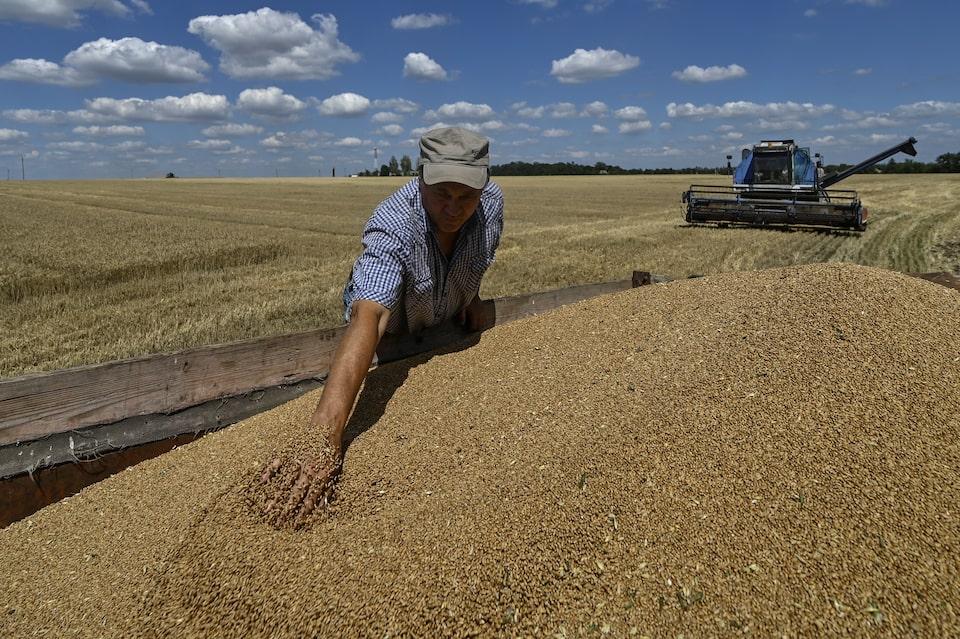
NAPERVILLE, Illinois, April 23 (Reuters) - Ukraine’s grain crops are far from the world’s largest. In fact, the U.S. state of Iowa grows more than twice the amount of corn that Ukraine does in an average year. Still, Ukraine has established itself as a key global grain supplier due to its ability to export the majority of what it grows. Rapid expansion in corn production, which tripled during the 2010s, added to the success. Sign up here. Unfortunately, Ukrainian grain output has declined notably since the record-setting crop of 2021-22, harvested just months before Russia’s 2022 invasion. Some early outlooks suggest this bleak trend could continue in the upcoming 2025-26 year, which, if realized, may further cut in to Ukraine’s export shares and benefit rival suppliers like the United States. Additionally, a meager Ukrainian wheat crop and relatively average prospects for neighboring Russia could pressure global wheat supplies into 2026. But amid the grain gloom, oilseeds remain a bright spot for Ukrainian farmers. GRAIN DECLINES Grain farming has largely been unprofitable in Ukraine since 2022 amid war-related logistical challenges and other economic factors. Major grain output -- corn, barley, wheat -- in 2024-25 was among the smallest in over a decade, falling 34% from 2021-22’s benchmark due to smaller plantings. The U.S. Department of Agriculture’s Kyiv attache last week pegged Ukraine’s 2025-26 harvested wheat area at a 22-year low, weighed down by excessively dry conditions during planting. That would drop wheat production by 23% on the year. Other outlooks are less harsh. Analyst APK-Inform earlier this month put Ukraine’s wheat crop down just 1% from last year but still near the lowest levels in over a decade. Larger plantings should boost Ukraine’s 2025-26 corn output versus last year as profitability has finally improved. But a corn harvest in the 29 million-metric-ton range still falls well short of the record 42 million. EXPORTS ON THE LINE Ukraine’s grain crops need to meet or outperform expectations if it is to claw back export market share in 2025-26. USDA projects Ukraine in 2024-25 will account for 11.7% of global corn exports, a 14-year low and down sharply from 15.2% a year earlier. Ukraine’s 2024-25 wheat export share of 7.7% would mark its second time below 8% within the latest decade. Ukraine’s grain shipments have not dropped off as much as production since it has been able to export a larger-than-normal portion of its crop. Ukraine’s livestock industry, and thus domestic feed demand, has distinctly struggled since the war onset. Recently, Ukraine has exported more than 80% of its annual corn crop and about 75% of its wheat crop. For comparison, the same figures for the United States stand at 16% and 45%, respectively. OILSEED WINS Oilseeds such as sunflower, soybeans and rapeseed have offered much better profitability potential for Ukrainian farmers versus grain, especially since 2022. Combined harvested area of the three oilseeds hit records in 2023-24 and 2024-25, rising more than 30% within the last decade supported by a strong domestic processing network and high foreign demand for the products. Rapeseed area will likely fall in 2025-26 due to the harsh fall planting conditions. The outlook is mixed on soybeans and sunflower, but oilseed area should remain robust. Before 2022, oilseed area in Ukraine was significantly smaller than that of grains, but those could come closer than ever in 2025-26, reflecting farmers’ recent oilseed preference. For Ukraine, oilseed product exports like oil and meal easily outweigh those of the raw seeds. This could work in Ukraine's favor given how tight the global vegetable oil market has become. Ukraine has largely maintained oilseed and product exports at a high level since the invasion, meaning it may not have to relinquish more market share if the upcoming harvests prove successful. Karen Braun is a market analyst for Reuters. Views expressed above are her own. https://www.reuters.com/markets/commodities/ukraines-once-booming-grain-industry-teetering-being-war-casualty-braun-2025-04-23/
2025-04-23 23:10
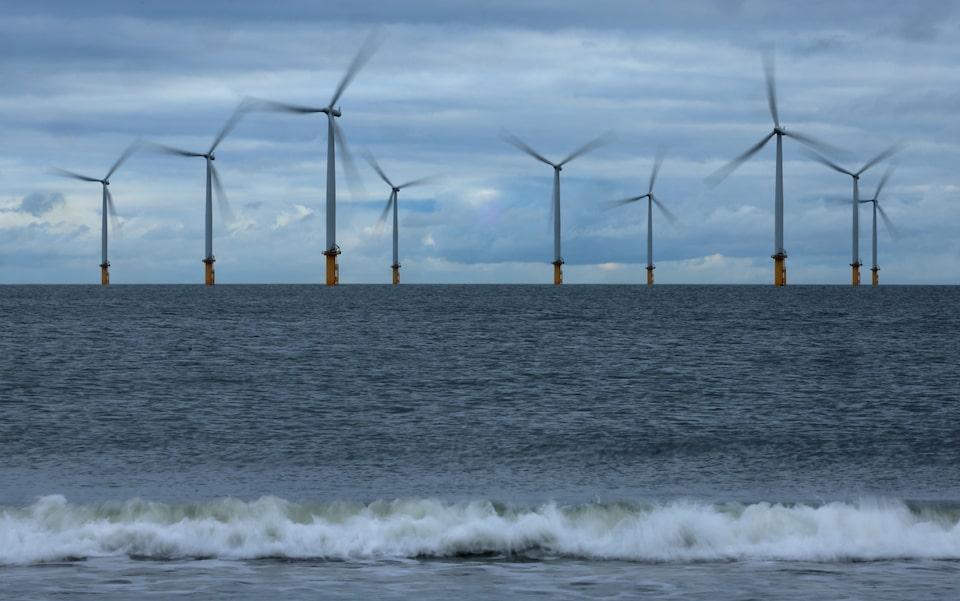
LONDON, April 24 (Reuters) - Britain will host an energy security summit on Thursday, kicking off the meeting by pledging to invest 300 million pounds ($399 million) in the domestic supply chain for offshore wind projects. Security of energy supplies shot up the agenda of countries around the world after Russia’s invasion of Ukraine in 2022 led to global price spikes and has seen the EU seek to curb its reliance on Russian fuels. Sign up here. Britain's Prime Minister Keir Starmer, EU Commission President Ursula von der Leyen, ministers and energy industry leaders will meet in London for the two-day summit jointly organised by the UK Government and International Energy Agency. The summit comes at a time when the European Commission is working to phase out Russian oil and gas imports having pledged to quit Russian fossil fuels by 2027. It is expected to announce a more detailed phase-out strategy early next month. Britain plans to largely decarbonise its electricity sector by 2030 and wants to increase renewable power, particularly offshore wind capacity, to insulate it against fossil fuel price shocks. Britain already ranks as the world's second-largest offshore wind market by capacity, after China, but spiralling costs amid high inflation and supply chain bottlenecks have hit the sector. Government-backed GB Energy, established last year to drive investment in renewables, will invest in existing offshore wind component manufacturers making components like floating offshore platforms and cables. The funding is part of the 8.3 billion pounds pledged for GB Energy over this parliament, with individual companies able to apply for grants by the end of the year. ($1 = 0.7523 pounds) https://www.reuters.com/sustainability/boards-policy-regulation/uk-kicks-off-energy-security-summit-with-offshore-wind-supply-chain-investment-2025-04-23/
2025-04-23 23:08
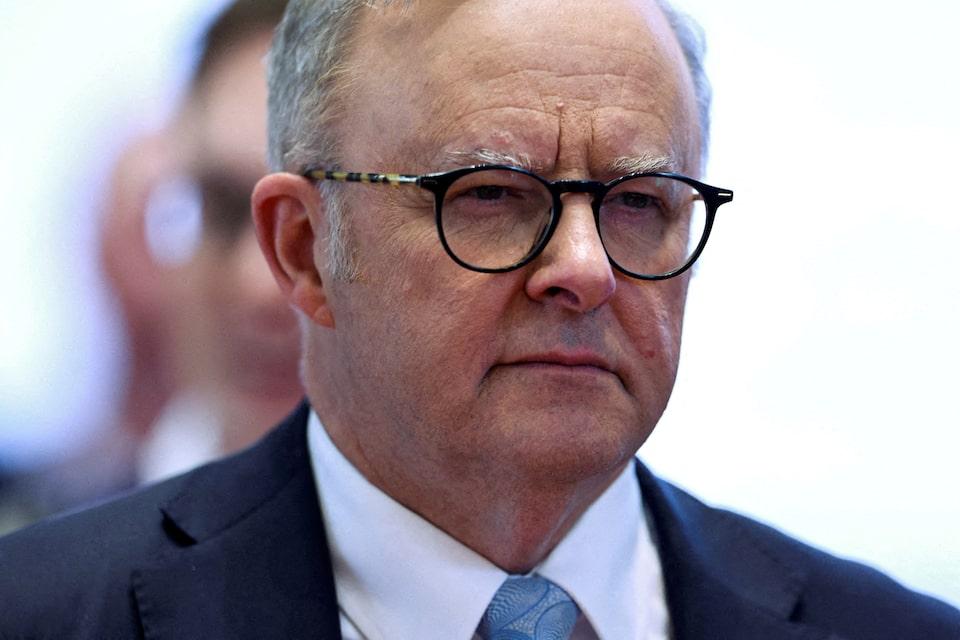
SYDNEY, April 24 (Reuters) - Australia's ruling centre-left Labor government on Thursday pledged an initial investment of A$1.2 billion ($763 million) to set up a strategic reserve of critical minerals as it looks to create a separate supply chain in a market dominated by China. Prime Minister Anthony Albanese, holding a slender lead in polls ahead of a national election nine days away, said the reserve would make use of the country's mineral deposits and boost its economic resilience. Sign up here. "We need to do more with the natural resources the world needs, and that Australia can provide," Albanese said in a statement. The push comes after China placed export restrictions on several minerals, vital to make everything from smartphones and EV batteries to infrared missiles, squeezing supply to the West, after President Donald Trump imposed tariffs on Chinese goods. China is a top global producer of 30 of the 50 minerals considered critical by the U.S. Geological Survey, while Australia has some of the largest critical minerals deposits. Albanese said the government would buy critical minerals from commercial projects or set up an option to buy at a given price, holding security over the assets. The government will also establish stockpiles of some minerals produced under offtake agreements. "It will mean we can deal with trade and market disruptions from a position of strength, because Australia will be able to call on an internationally significant quantity of resources in global demand," Albanese said. Minerals held by the strategic reserve would be made available to domestic industries and key international partners. A task force will be created to consult and finalise the scope and design of the strategic reserve, which is expected to be operational in the second half of 2026, Albanese said. ($1 = 1.5721 Australian dollars) https://www.reuters.com/markets/commodities/australias-albanese-pledges-set-up-critical-minerals-strategic-reserve-2025-04-23/
2025-04-23 22:59
SAO PAULO, April 23 (Reuters) - Brazilian state-run oil firm Petrobras (PETR4.SA) , opens new tab said on Wednesday its board of directors authorized the firm to seal a deal with chemical company Unigel to settle legal disputes over two fertilizer plants in northeastern Brazil. The agreement would reestablish Petrobras' possession over the two fertilizer plants located in Sergipe and Bahia states, Petrobras said in a securities filing. Sign up here. The plants' operations would resume after a bidding process to contract services to operate and maintain them, Petrobras said, adding the deal still requires internal approval within Unigel and must meet other conditions in order to take effect. Unigel did not immediately respond to a request for comment outside normal business hours. Petrobras leased the two nitrogen fertilizer plants to Unigel in 2019 under a 10-year agreement. However, both facilities have been shut down since 2023, with Unigel citing unfeasible operating conditions due to high natural gas prices in Brazil. The two companies are currently engaged in arbitration proceedings related to the lease contract, including disagreements over the shutdown of operations, Unigel's investments, and gas supply terms. The announcement comes after Reuters reported on Friday, citing sources, that Petrobras' board had approved plans to select a partner to restart operations at the fertilizer plants. https://www.reuters.com/markets/deals/petrobras-board-authorizes-agreement-with-unigel-fertilizer-plants-2025-04-23/
2025-04-23 22:33
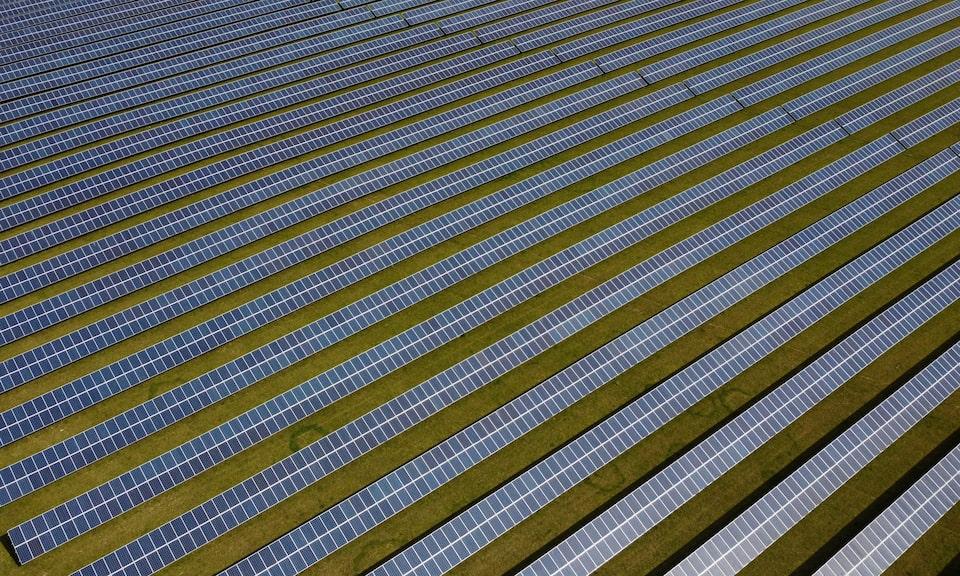
LONDON, April 23 (Reuters) - Britain will ensure its new state-owned energy company, Great British Energy, avoids the use of solar panels linked to suspected forced labour in China, the energy department said on Wednesday. China produces over 80% of the world's solar panels. Research from the UK's Sheffield Hallam University says forced labour from among the country's Uyghurs is used to produce polysilicon, one of the panels' core components. Sign up here. China denies any abuses and a foreign ministry spokesperson said in February that allegations of forced labour were among the "lies of the century". The Chinese Embassy in London did not respond to a request for comment on Wednesday. Britain has a target to largely decarbonise its electricity sector by 2030 which will require a huge increase in renewable electricity, including an estimated tripling of solar power capacity. GB Energy was launched in July with the aim of boosting investment in renewables to help meet those goals. Following criticism from some lawmakers about the origin of many solar panels, the commitment on forced labour will be written into legislation currently going through parliament that fully establishes the state-backed company. "Great British Energy will be an industry-leader in developing supply chains free of forced labour," junior energy minister Michael Shanks said in a statement. The final wording of the legislation will need to be agreed by both houses of parliament before it becomes law. Trade association Solar Energy UK said the change did not threaten Britain's ability to meet its 2030 net zero targets. Imports to the U.S. are already banned from dozens of Chinese companies producing cotton apparel, auto parts and solar panels over alleged human rights abuses involving the Uyghurs, a mainly Muslim ethnic minority. ($1 = 0.7509 pounds) https://www.reuters.com/sustainability/boards-policy-regulation/uk-considers-changes-stop-gb-energy-using-forced-labour-solar-panels-2025-04-23/
2025-04-23 22:10
April 23 (Reuters) - President Donald Trump on Wednesday said a 25 percent tariff imposed on cars imported from Canada to the United States could go up. "When I put tariffs on Canada - they're paying 25 percent - but that could go up, in terms of cars," Trump told reporters in the Oval Office. "All we're doing is we're saying, 'We don't want your cars, in all due respect. We want, really, to make our own cars." Sign up here. https://www.reuters.com/business/autos-transportation/trump-says-25-tariff-cars-made-canada-could-go-up-2025-04-23/